Cheap Car Rental Windhoek, Namibia - Compare Deals & Book Instantly
Search and compare car rental prices from trusted global suppliers. Find the best deals instantly.
Why book with us?
-
Wide Fleet
Choose from economy cars, SUVs, luxury vehicles, and more.
-
Free Cancellation
Flexible booking options with free cancellation on most rentals.
-
24/7 Customer Support
Our expert team is available 24/7 to assist you with any questions or concerns.
Compare top international car rental brands and choose the best deal for your trip.






Car Rental Deals in Windhoek
Choose from our wide range of vehicles available in Windhoek.
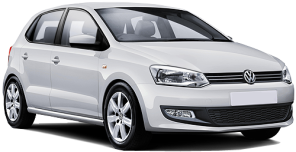
EconomyVolkswagen Polo or Similar
From
$26.82
/day
|
|
|||
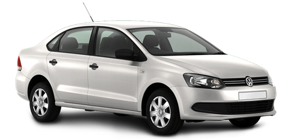
CompactVolkswagen Polo Sedan or Similar
From
$31.73
/day
|
|
|||
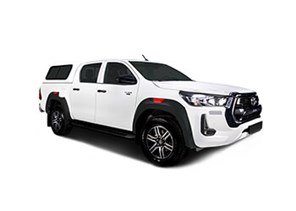
Full-size Regular Cab PickupToyota Hilux Double Cab 4x4 or Similar
From
$69.61
/day
|
|
|||
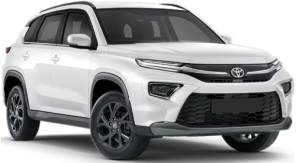
Economy SuvToyota Urban Cruiser or Similar
From
$50.71
/day
|
|
|||
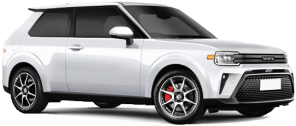
EconomyToyota Starlet or Similar
From
$28.47
/day
|
|
|||
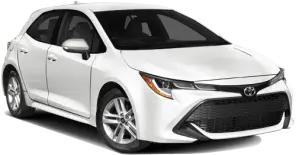
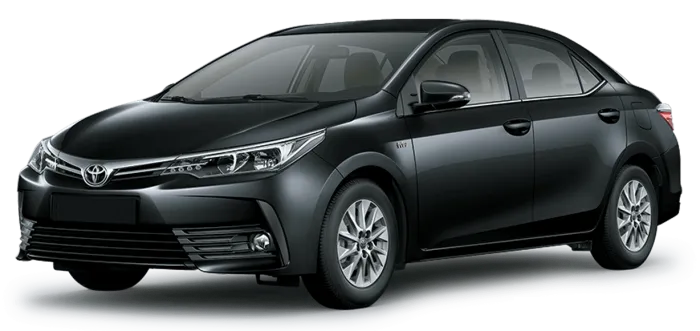
CompactToyota Corolla or Similar
From
$35.52
/day
|
|
|||
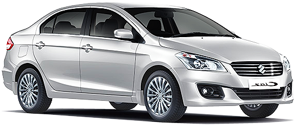
CompactSuzuki Ciaz or Similar
From
$35.93
/day
|
|
|||
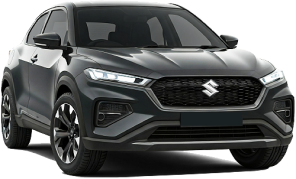
Compact CrossoverSuzuki Fronx or Similar
From
$37.65
/day
|
|
|||
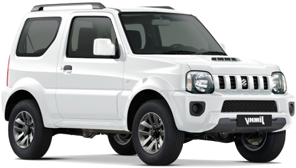
Compact SuvSuzuki Jimny or Similar
From
$53.17
/day
|
|
|||
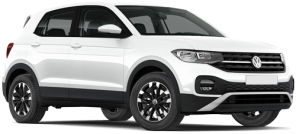
Compact MonospaceVolkswagen T-Cross or Similar
From
$59.20
/day
|
|
|||
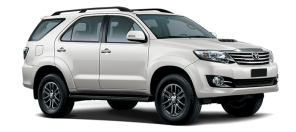
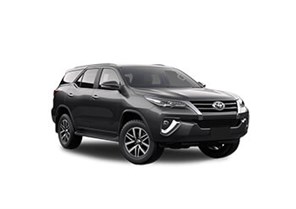
Full-size SuvToyota Fortuner or Similar
From
$65.92
/day
|
|
|||
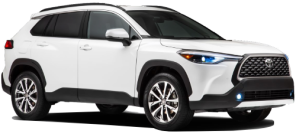
Standard SuvToyota Corolla Cross or Similar
From
$68.34
/day
|
|
|||
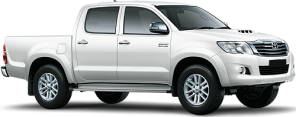
Full-size Extended Cab PickupToyota Hilux or Similar
From
$69.96
/day
|
|
|||
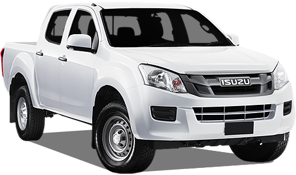
Full-size Extended Cab PickupIsuzu D-max or Similar
From
$75.34
/day
|
|
|||
Standard Elite SuvToyota Fortuner 4X4 *Model Guaranteed* or Similar
From
$75.41
/day
|
|
|||
Our Features
Discover a world of convenience, safety, and customization, paving the way for unforgettable adventures and seamless mobility solutions.
Free Cancellation
Many bookings include free cancellation up to 48 hours before pickup, giving you flexibility when travel plans change.
Additional Driver Options
Many suppliers allow you to add additional drivers so you can share driving responsibilities.
Flexible Rental Dates
Easily modify pickup and drop-off dates during booking to match your travel schedule.
City Center Locations
Access rental cars in downtown locations and popular tourist areas for easy travel during your stay.
Flexible Filter Options
Refine your search results with powerful filters to quickly find the perfect rental car for your travel needs.
Compare Car Rental Prices
Compare rental prices from hundreds of trusted suppliers worldwide to find the best deal for your trip.
Windhoek, Namibia Car Rental Facts
Essential information on the best deals, rental providers, and vehicle options in Windhoek, Namibia.
Most Popular Agencies
Avis leads Trelew with 35% market share, serving visitors heading to the Valdes Peninsula and Punta Tombo penguin colonies.
Popular Car Types
SUVs dominate at 50% for navigating Patagonian gravel roads to wildlife reserves. Pickup trucks popular for rural exploration.
Average Rental Duration
Trelew rentals average 4-5 days, combining Valdes Peninsula whale watching (seasonal), Punta Tombo penguin colonies, and Welsh heritage sites in Gaiman. (Based on 2,100+ local pickups)
Most Popular Models
The Toyota Hilux leads for its durability on Patagonian roads. Ford Ranger favored for wildlife reserve access.
Average Daily Price
Trelew rates average $48/day. Whale season (June-December) sees higher demand with weekly rentals from $290.
How much does it cost to rent a car at Windhoek, Namibia?
Averaging the lowest prices for the economy car category, the data below shows prices for monthly comparisons.
Cheapest Month Average
JunMost Expensive Month
JanYearly Average Price
Trelew Welsh heritage and paleontology. Summer peak for tourism. Book 2 months ahead.
Driving Laws & Information for Namibia
Essential driving rules and requirements to know when renting a car
Driving Side
Left
Minimum Age
18 to drive
Blood Alcohol Limit
0.05% maximum
IDP Required?
Sometimes International Driving Permit
Speed Units
km/h
Seat Belt
Required
Toll Roads
No
Emergency
10111 emergency number
Car Rental Windhoek, Namibia Guide
Renting a car in Windhoek, Namibia, is the quintessential way to experience the country's vast, breathtaking landscapes on your own terms. For international travelers, navigating the logistics of a self-drive safari or city exploration starts here. Unlike many global capitals, Windhoek’s public transport is limited, and taxis, while available, are better suited for short hops rather than cross-country expeditions. A rental car transforms from a simple convenience into the very key that unlocks Namibia’s soul, allowing you to transition seamlessly from the city's German-colonial architecture to the red dunes of the Kalahari within hours.
When deciding where to pick up your vehicle, you have two primary options: Hosea Kutako International Airport (WDH) or the city center. The airport is located approximately 45 kilometers east of the city. Picking up your car upon arrival is incredibly convenient, allowing you to drive directly to your accommodation without the hassle of arranging separate transport. However, be aware that airport locations often charge a surcharge or concession fee, which can add 10-15% to your total rental cost. City center pickups, from locations in places like Klein Windhoek or along Independence Avenue, tend to have lower base rates and more flexible hours, but you will need to factor in the cost of a taxi or shuttle from the airport, which typically runs between $40 and $60 USD. A savvy money-saving tip is to compare the total cost of an airport pickup (base rate + surcharge) against a city pickup (lower base rate + taxi fare) to see which works out cheaper for your rental duration.
| Pickup Location | Advantages | Disadvantages |
|---|---|---|
| Hosea Kutako International Airport (WDH) | Immediate vehicle access upon arrival; convenient for late-night flights; easy to start your journey immediately. | Higher rental rates due to airport surcharge; limited selection of vehicles if you haven't pre-booked; can be busy during peak flight arrivals. |
| Windhoek City Center | Lower daily rental rates; more flexible with one-way rentals; often better vehicle availability for long-term hires. | Requires a taxi or shuttle from the airport (approx. $40-$60 USD); may involve navigating city traffic to exit Windhoek. |
Car Rentals Requirements in Windhoek, Namibia
Understanding the legal and administrative requirements before you arrive will ensure a smooth pickup at the rental counter. The process in Windhoek is straightforward but strict, adhering to international standards. You must present a valid driver’s license from your country of residence. If your license is not in English, you will need an official translation or, more commonly, an International Driving Permit (IDP). The minimum age to rent a car is typically 21, though drivers under 25 may incur a "young driver" surcharge. A valid passport is mandatory for identification, and you must have a major credit card in the primary driver’s name for the security deposit. Debit cards are rarely accepted for the deposit due to the high value of the vehicles and the remote terrain you might traverse.
Insurance is non-negotiable in Namibia, given the gravel roads and wildlife risks. Standard rental rates usually include Collision Damage Waiver (CDW) and Theft Protection, but these often come with a significant excess (deductible) ranging from $1,000 to $2,500 USD. It is highly advisable to consider Super CDW or a zero-excess policy to reduce your financial liability in case of damage. For those planning to drive on gravel roads (which is most of Namibia), verify that your insurance covers this, as some standard policies exclude gravel road damage. An International Driving Permit (IDP) acts as a translation of your existing license and is technically required by Namibian law if your license is not in English. Even if your license is in English, having an IDP can streamline interactions with traffic officials in remote areas and is a prudent form of identification.
| Requirement | Details |
|---|---|
| Minimum Age | 21 years (surcharges for drivers under 25) |
| Driver's License | Valid full license; must be in English or accompanied by an IDP. |
| International Driving Permit | Required if license is not in English; recommended for all international drivers. |
| Credit Card | Major credit card (Visa/MasterCard) in driver's name for deposit. |
| Passport | Valid passport with entry stamp. |
| Insurance | CDW is mandatory; consider super cover for gravel roads and lower excess. |
Why Rent a Car in Windhoek, Namibia
Opting for a rental car in Windhoek is less of a luxury and more of a practical necessity for anyone looking to truly experience Namibia. Public transportation is sparse, and while ride-hailing apps are present, they are confined to the city limits. A self-drive approach gives you the autonomy to create your own itinerary, pause for a sudden sighting of a kudu on the roadside, or chase a perfect sunset without being bound by a tour operator’s schedule. For families, it is often more cost-effective than booking multiple guided tours, and for photographers, it is indispensable for reaching remote viewpoints at the golden hours of dawn and dusk.
The sheer scale and beauty of Namibia are best appreciated from behind the wheel. Leaving Windhoek, the tarred roads quickly give way to well-maintained gravel highways that lead to some of Africa's most iconic destinations. Renting a car transforms your trip from a series of managed experiences into a continuous adventure. You have the freedom to stock up on groceries at a local supermarket in Windhoek, fill up your water tanks, and confidently navigate the country’s network of B- and C-roads that connect to lodges, national parks, and hidden gems.
- Ultimate Freedom: Set your own pace, change plans spontaneously, and explore off-the-beaten-path locations.
- Cost-Effective for Groups: Splitting the cost of a rental car and fuel between two or more people is often cheaper than booking multiple individual tours.
- Access to National Parks: Having your own vehicle allows you to self-drive through Etosha National Park, giving you the flexibility to follow animal sightings for hours.
- Scenic Drives: Experience the breathtaking landscapes of the Khomas Hochland highlands or the panoramic views along the Spreetshoogte Pass at your own pace.
- Convenience for Luggage: Traveling with safari gear, camera equipment, and luggage is far easier when you have a dedicated vehicle, especially a spacious SUV.
- Flexible Dining: Drive to renowned restaurants in Windhoek's suburbs like Klein Windhoek or explore local eateries in nearby towns without relying on taxis.
Best Car Rental Companies in Windhoek, Namibia
Travelers in Windhoek can choose between globally recognized brands and reputable local operators, each offering distinct advantages. International chains like Hertz, Avis, and Europcar have a strong presence at Hosea Kutako International Airport and in the city center. They offer standardized fleets, robust online booking systems, and the reassurance of international customer service infrastructure. However, local Namibian suppliers often provide more personalized service, vehicles specifically equipped for the harsh Namibian terrain (such as rooftop tents and dual batteries), and sometimes more competitive rates, especially for long-term rentals. Regardless of which company you choose, ensure they have a physical presence in both Windhoek and other major tourist hubs like Swakopmund, in case you need roadside assistance or a vehicle swap.
Booking directly with a company can sometimes yield loyalty points or specific vehicle models, but using a comparison platform is an excellent strategy to get an overview of all available options across both international and local suppliers. This allows you to see real-time pricing and read recent customer reviews regarding the condition of vehicles and the efficiency of service. For trips involving extensive gravel road travel, prioritize companies that are transparent about their gravel road insurance policies and that offer vehicles with high ground clearance, such as Toyota Hilux or Ford Ranger models, which are the workhorses of Namibian self-drive safaris.
| Company | Price Level | Pros |
|---|---|---|
| Hertz | Medium | Reliable international chain; extensive airport presence; good selection of SUVs. |
| Avis | Medium | Well-maintained fleet; strong loyalty program; convenient city and airport locations. |
| Europcar | Medium | Competitive rates for long-term hires; good European customer base; often has premium vehicles. |
| Local Suppliers (e.g., Savanna, Advanced Car Hire) | Low to Medium | Specialized 4x4 vehicles (Toyota Hilux, Land Cruiser); often include extras like camping gear; expert local knowledge. |
Popular Car Rental Categories & Prices in Windhoek, Namibia
The choice of vehicle in Windhoek largely depends on your itinerary. For travelers sticking to tarred roads between Windhoek, Okahandja, and perhaps as far as the coast via the B2 highway, a standard sedan or compact car is sufficient and the most economical. However, for the vast majority of tourists who plan to visit Etosha National Park, Sossusvlei, or the remote areas of Damaraland, a high-clearance 4x4 or SUV is non-negotiable. The "bakkies," as South Africans and Namibians call them (double-cab pickup trucks like the Toyota Hilux), are the gold standard. They offer rugged durability, high ground clearance, and the ability to handle corrugated gravel roads without compromising safety. Families often opt for larger SUVs or vans, while luxury travelers can find premium sedans and SUVs from international brands.
Pricing is highly seasonal. The high tourist season, from July to October (the dry winter months), sees the highest rates and the lowest availability. The "shoulder" months of April-June and November are good for finding deals, while the rainy season (December-March) often offers the lowest rates, though travel to remote areas can be tricky due to muddy roads. It is crucial to book well in advance for the peak season, especially for specialized 4x4 vehicles. Below are average daily rates to guide your budgeting, though these can fluctuate based on demand, rental duration, and insurance inclusions.
| Vehicle Category | Average Daily Price (USD) |
|---|---|
| Small / Economy Car (e.g., VW Polo) | $45 - $70 |
| Medium Car (e.g., Toyota Corolla) | $60 - $90 |
| SUV / 4x4 (e.g., Toyota RAV4) | $90 - $150 |
| Double-Cab Pickup (e.g., Toyota Hilux 4x4) | $110 - $200 |
| Luxury Car (e.g., BMW 3 Series) | $120 - $200+ |
For travelers looking to secure the best value, timing and vehicle choice are key. The table below outlines the typical pricing trends for a standard 4x4 double-cab pickup, the most popular choice for self-drive safaris.
| Metric | Information |
|---|---|
| Cheapest Month | February (Rainy season, fewer tourists) |
| Most Expensive Month | August (Peak dry season, prime wildlife viewing) |
| Average Price (4x4 Double Cab) | $130 - $160 USD per day |
| A Good Deal | Any rate under $110 USD per day for a 4x4 in peak season |
| Cheapest Supplier Type | Local Namibian operators often offer better long-term rates |
| Cheapest Car Type | Economy 2WD sedan |
Road Trips from Windhoek, Namibia
Windhoek serves as the perfect hub for some of the most iconic road trips in Southern Africa. Its central location means you can head west to the Atlantic coast, north to the wildlife-rich plains of Etosha, or south into the ancient desert landscapes. Each route offers a distinct flavor of Namibia’s diverse geography and culture. Here are some essential journeys to consider:
- Windhoek to Sossusvlei (The Red Dunes): Distance: Approximately 350 km (5-6 hours driving). Highlights: The journey takes you through the dramatic Spreetshoogte Pass, one of Namibia's steepest passes, offering breathtaking views. The destination is the iconic red dunes of Sossusvlei and the eerie Dead Vlei clay pan. Plan for at least two nights in the area to fully appreciate sunrise at the dunes.
- Windhoek to Etosha National Park (Wildlife Safari): Distance: Approximately 430 km to Anderson Gate (4-5 hours). Highlights: The drive north on the B1 highway is well-paved and passes through towns like Okahandja, known for its wood carving market. Etosha is one of Africa’s premier game reserves, famous for its salt pan and abundant wildlife congregating at waterholes. A 4x4 is recommended for the park's interior roads.
- Windhoek to Swakopmund (The Coast & Desert): Distance: Approximately 360 km (4 hours). Highlights: This route is a stunning transition from the central highlands to the coastal desert. You’ll cross the Kuiseb Pass and descend to the Atlantic Ocean. Swakopmund offers adventure activities like sandboarding and quad biking, along with a charming German-colonial atmosphere.
- The Namibian "Panhandle" Circuit: Start: Windhoek. Destinations: Kalahari Desert, Quiver Tree Forest at Keetmanshoop, Fish River Canyon. This is a longer journey (7-10 days) that takes you south to the second-largest canyon in the world, offering dramatic landscapes and a sense of profound isolation and beauty.
Driving Rules in Windhoek, Namibia
Driving in Namibia is on the left-hand side of the road. This is a critical adjustment for travelers from North America or mainland Europe. The road network is well-signed, but conditions vary drastically from smooth tar to challenging gravel. In Windhoek, traffic can be congested during morning (7:30-8:30 AM) and evening (5:00-6:30 PM) rush hours, with roundabouts (traffic circles) being a prominent feature. Outside the city, you will encounter a mix of tarred roads (designated 'B' roads) and gravel roads ('C' and 'D' roads). Speed limits are strictly enforced, especially on main highways, with police using radar guns. The general rule for gravel roads is to reduce speed significantly—typically 80 km/h is safe, but you should adjust based on the road's corrugation and visibility. It is illegal to drive with a blood alcohol concentration (BAC) of 0.05% or higher. Seatbelts are mandatory for all occupants, and children under 12 must be seated in the rear with appropriate restraints if available.
Road conditions can be deceiving. Gravel roads are subject to sudden changes; sharp rocks can cause punctures, and loose sand can cause skidding. It is customary (and safer) to reduce tire pressure when driving on gravel for extended periods, though rental companies often have policies on this. Always check with your rental agency. When encountering wildlife or livestock on the road, which is common outside of Windhoek, slow down and do not swerve abruptly. Night driving is strongly discouraged due to the high risk of collisions with animals (kudu, warthogs, cattle) that are often impossible to see until it's too late.
| Regulation | Detail |
|---|---|
| Driving Side | Left |
| Speed Limit (Urban) | 60 km/h (in Windhoek and towns) |
| Speed Limit (Rural/Tar) | 120 km/h (on B-roads) |
| Speed Limit (Gravel) | 80 km/h (recommended, legally 100 km/h on some roads) |
| Blood Alcohol Limit | 0.05% (strictly enforced) |
| Seatbelts | Mandatory for all passengers |
Toll Roads in Windhoek, Namibia
One of the unique aspects of driving in Namibia is that there are currently no toll roads in the country. This includes the major highways leading in and out of Windhoek, such as the B1 north to Etosha or the B2 west to Swakopmund. This means your driving expenses are limited to fuel, accommodation, and park entrance fees, making long-distance road trips more predictable in terms of budgeting. The absence of tolls contributes to the sense of open, unencumbered travel that defines the Namibian self-drive experience. However, it is important to note that while there are no toll plazas, you will encounter well-maintained road infrastructure funded by fuel levies. Always keep some cash on hand for unforeseen circumstances, but you will not need it for toll roads in Windhoek or its surroundings.
Parking in Windhoek, Namibia
Parking in Windhoek is generally manageable, though it requires some awareness of local regulations. In the city center, along Independence Avenue and surrounding streets, you will find designated paid parking zones. These are managed by "parking marshals" or "car guards" who wear reflective vests. You are expected to pay a small fee (typically between $1 and $2 USD) to the car guard, who will watch your vehicle while you are away. It is customary to pay when you return to your car. There are also multi-story parking garages available, such as those at the Maerua Mall, Wernhil Park, and Post Street Mall, which offer secure, shaded parking for a slightly higher hourly or daily rate. For travelers staying overnight in the city, most hotels, guesthouses, and lodges offer secure, off-street parking. The main challenge in Windhoek is not the lack of spaces, but rather ensuring your vehicle is in a supervised area, as petty theft from vehicles can occur if valuables are left in plain sight. Always hide luggage and electronic devices in the trunk or take them with you.
Tips for Car Rental in Windhoek, Namibia
To ensure a smooth and cost-effective rental experience, a bit of planning goes a long way. Windhoek is the starting point for most adventures, and making the right choices here will set the tone for your entire trip. From understanding the nuances of insurance to choosing the right vehicle for the terrain, these practical tips are gleaned from countless traveler experiences and local expertise.
- Book Early for 4x4s: If you need a high-clearance 4x4, especially a Toyota Hilux or similar, book as far in advance as possible, ideally 3-6 months before your trip, particularly if traveling in the peak season from July to October.
- Thoroughly Inspect the Vehicle: Before driving off, take photos and videos of the car, paying special attention to any pre-existing scratches, dents, or windshield chips. Note them on the rental agreement to avoid disputes later, especially regarding gravel road damage.
- Understand the Insurance Excess: The standard insurance has a high excess. Consider purchasing a "super cover" or "zero excess" policy to give you peace of mind on rough roads. Confirm with the agent that the policy covers damage from driving on gravel, as not all do.
- Confirm the Fuel Policy: Most rentals operate on a "full-to-full" policy. You receive the car with a full tank and must return it full. Check for a nearby petrol station before heading to the airport to avoid paying a premium for the rental company to refill it.
- Pack a Spare Tire Essentials Kit: Ensure the car has a working spare tire, jack, and tire iron. In remote areas, a puncture is the most common issue. Some rental companies offer tire repair kits—familiarize yourself with how to use it.
- Check for Gravel Road Extras: Ask if the car has a second spare tire, which is a wise precaution for longer gravel road journeys. Also, confirm that the windows are shatter-resistant, a common feature on Namibian rental 4x4s.
Common Car Rental Mistakes Travelers Make
Even well-prepared travelers can fall into a few common traps when renting a car in Windhoek. Being aware of these pitfalls can save you significant stress and expense during your Namibian adventure. The country's unique driving conditions require a slightly different mindset than renting in Europe or North America.
- Choosing a Sedan for Gravel Roads: Opting for a cheaper sedan to save money, only to realize the gravel roads to Sossusvlei or Etosha’s interior are too rough or risky, is a frequent regret. The high ground clearance of a 4x4 is not just for show; it prevents undercarriage damage and provides better handling.
- Not Checking Insurance for Gravel Cover: Assuming that your standard CDW covers all roads. Many standard policies explicitly exclude damage sustained on gravel roads, which is where most damage occurs. Always get confirmation in writing that your policy covers the roads you intend to travel.
- Driving at Night: Underestimating the risk of wildlife on the roads after dark. Animals like kudu and warthogs are attracted to the warmth of the tar roads at night and can leap into your path without warning, causing catastrophic accidents.
- Leaving Valuables Visible: Leaving a camera, phone, or bag on the passenger seat while parking in Windhoek or any town. Opportunistic "smash and grab" incidents, while not rampant, do occur. Always stow valuables in the trunk or take them with you.
- Forgetting the Paperwork: Failing to carry the rental contract and your driver’s license and passport at all times. Traffic police in Namibia are diligent and can issue on-the-spot fines for not having the correct documentation.
Real Travel Experience Renting a Car in Windhoek, Namibia
Marta and Liam, a couple from the UK, landed at Hosea Kutako International Airport after an overnight flight, bleary-eyed but excited. They had pre-booked a Toyota Hilux 4x4 through a local Namibian company. The agent met them in the arrivals hall, walked them to the vehicle, and spent a solid 20 minutes going over the car's features—showing them how to deflate and reinflate the tires, where the second spare wheel was located, and meticulously noting a few small scratches on the bullbar. After a quick stop at a supermarket in Windhoek to stock up on water, snacks, and their first bottle of South African red wine, they set off north. The first hour on the smooth B1 highway felt easy, but by the time they turned onto the gravel C-roads towards their lodge, they were grateful for the sturdy 4x4 and the detailed orientation. Their journey was entirely their own; they could stop whenever they spotted a distant oryx silhouetted against a mountain or take a spontaneous detour to a local Himba village stall. That feeling of absolute autonomy, starting from their seamless pickup in Windhoek, defined their entire Namibian safari.
International Driving Permit for Travelers Visiting Windhoek, Namibia
For international travelers planning to rent a car in Windhoek, the International Driving Permit (IDP) is a document that often raises questions. Technically, Namibian law requires that you carry a valid driver’s license that is either in English or accompanied by an official translation. Since an IDP serves as a standardized translation of your existing license into multiple languages, including English, it fulfills this legal requirement. If your home driver’s license is already in English (e.g., from the UK, USA, Canada, Australia), many rental companies will accept it without an IDP. However, in practice, traffic officials, particularly in more remote regions, may expect to see an IDP alongside your foreign license for clarity. For travelers whose license is not in English (e.g., from Japan, China, or non-English speaking European countries), an IDP is an absolute necessity and is required by law to drive legally in Namibia. You must obtain the IDP in your home country before your trip, as it cannot be issued upon arrival in Namibia. It is typically available through national motoring organizations like the AAA in the US or the AA in the UK, and it is valid for one year from the date of issue. Always carry your original driver’s license along with the IDP when driving.
Car Rental Locations in Windhoek
Discover More Namibia Car Rental Destinations
Other Car Rental Locations in Namibia
Major Airports in Namibia
Complete airport guides with car rental information, parking, and transportation options
Frequently Asked Questions about Car Rental in Windhoek
Windhoek, Namibia Car Rental Reviews & Customer Ratings
Read verified customer reviews, ratings, and rental experiences from travelers who booked through Airport Rento.
Overall Rating
No reviews yet for this location. Be the first to share your experience!