Mini
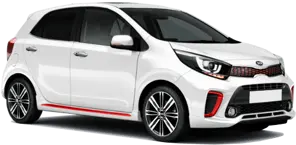
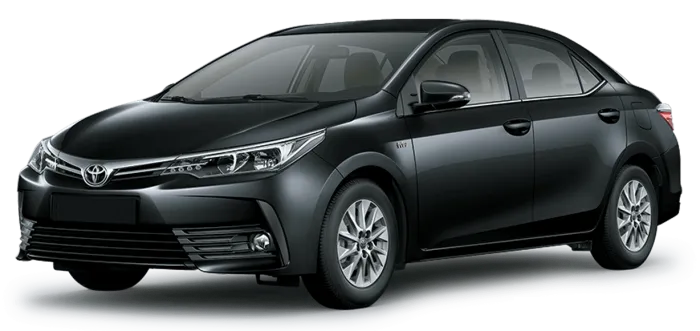
Kia Picanto
or Similar
From
$2.93/day
Compare car rental deals at Rabat, Morocco from trusted global suppliers. Find affordable prices and book your ideal car in minutes.
Explore our range of vehicles available in Rabat.
or Similar
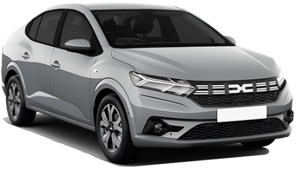
or Similar
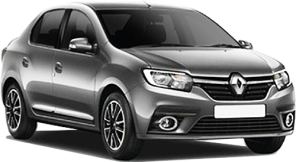
or Similar
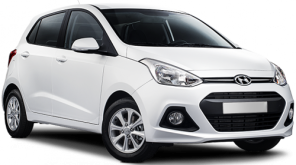
or Similar
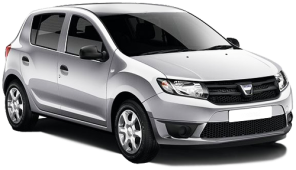
or Similar
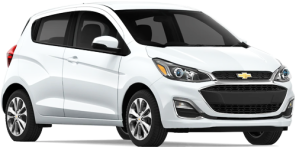
or Similar
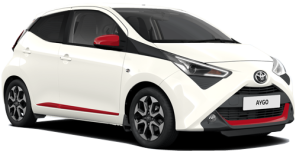
or Similar
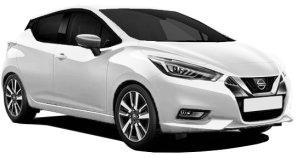
or Similar
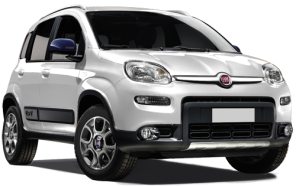
or Similar
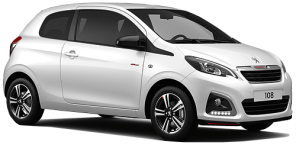
or Similar
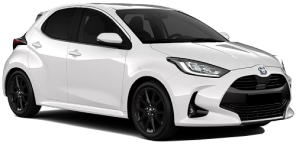
or Similar
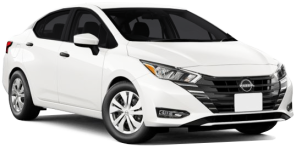
or Similar
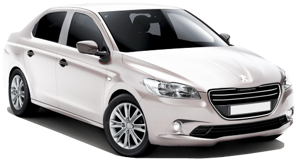
or Similar
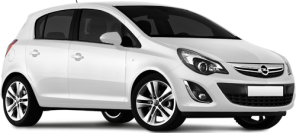
or Similar
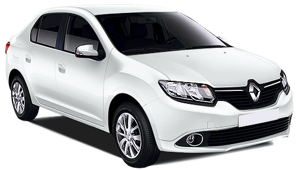
or Similar
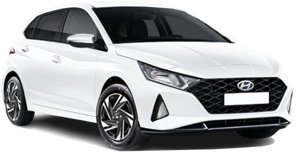
or Similar
Prices shown are approximate and may vary by booking dates, rental duration, and vehicle class. Check booking options for current pricing.
Discover a world of convenience, safety, and customization, paving the way for unforgettable adventures and seamless mobility solutions.
Search and book rental cars easily from any smartphone or tablet with our mobile-friendly platform.
Compare rental companies side-by-side with clear information about pricing, insurance, and included services.
Use our platform in multiple languages, making it easy for travelers from around the world to book rental cars.
We highlight top-rated suppliers based on verified customer reviews and service quality.
Pick up your rental car in one city and drop it off in another, perfect for road trips and multi-city travel.
Access complete rental policies including driver age limits, fuel rules, and deposit conditions.
Essential information about car rental companies, popular cars, rental duration, and prices at Rabat.
Local agencies are popular in the capital city. Hertz is a strong international choice at Rabat-Salé Airport for business and government travelers.
Compact cars are ideal for the city's French-designed boulevards and the medina outskirts. SUVs are preferred for trips to Casablanca, Fes, and the coastal towns.
Rentals average 2-4 days, primarily for business in the administrative capital, or for short cultural trips to the Hassan Tower and Chellah necropolis. (Based on 1,900+ local pickups)
The Dacia Logan is a hugely popular, no-frills compact car. The Renault Clio is a favorite for its modern features and efficiency.
Rabat (Morocco) rates average $36/day. Weekly rentals from $250 are common for longer business stays.
Compare average car rental prices by month and see how rental rates vary throughout the year in Rabat.
Rabat capital and UNESCO sites. Summer peak for tourism. Business travel. Book 2 months ahead.
* Prices shown are approximate. Original prices are in USD and converted using real-time exchange rates.
Essential driving rules and requirements to know when renting a car.
Get detailed information on driving rules, licence requirements, speed limits and useful local tips.
Renting a car in Rabat, Morocco, opens up a world of possibilities that simply aren't as accessible with taxis or public transport. As the country's political capital, Rabat is a city of wide, tree-lined boulevards and modern infrastructure, making it surprisingly navigable for first-time drivers. However, the real magic of a rental car lies in the freedom it grants you to explore the city's sophisticated coastal districts, like the trendy neighborhood of Agdal, and to venture beyond the city limits at your own pace. While the city has a reliable tram system and petit taxis for short hops, they often don't cater to travelers wanting to visit the ancient Chellah ruins at sunset or spontaneously decide to drive an hour south to the bustling medina of Casablanca. A rental car transforms your trip from a series of scheduled transport arrangements into a fluid, personal adventure.
When deciding where to pick up your vehicle, you have two primary options: Rabat-Salé Airport (RBA) or the numerous agencies located in the city center. Picking up at the airport is undeniably convenient upon arrival, allowing you to drive straight to your riad or hotel without the hassle of a taxi with luggage. The major advantage of a city center pickup, however, is often cost. Airport locations typically add a significant surcharge—often 20-30%—to the base rental rate due to concession fees. If you're staying in the city for a day or two first, it's far more economical to take a taxi to your accommodation and then walk to a downtown rental office. Just be aware that the city center offices may have shorter operating hours, especially on Fridays (the holy day) and Sundays. For travelers flying into the primary gateway, Rabat-Salé Airport is the main hub, though some travelers might arrive via Casablanca's Mohammed V International Airport (CMN) and drive the 90 minutes north to Rabat—a common and easy route that also allows you to compare rental rates between two major airports.
| Pickup Location | Advantages | Disadvantages |
|---|---|---|
| Rabat-Salé Airport (RBA) | Immediate mobility, convenient for late arrivals, wide selection of major brands. | Higher rental rates, significant airport surcharge, potential wait times during peak season. |
| City Center (Agdal, Hassan, Souissi) | Lower rental prices, often more flexible return times, good local supplier options. | Requires transport to the office, limited weekend hours, may have a smaller vehicle selection. |
Before you get behind the wheel, it's crucial to understand the legal and procedural requirements for renting a car in Morocco. The process is straightforward, but preparation is key to a smooth pickup. Most rental agencies in Rabat, Morocco, require the primary driver to be at least 21 years old, though drivers under 25 may face a "young driver" surcharge. Some luxury or larger vehicle categories may have a minimum age of 25 or even 30. You will need a valid driver's license from your home country. An International Driving Permit (IDP) is highly recommended, especially if your license is not in French or Arabic, as it serves as a standardized translation and can be crucial in the event of a traffic stop by local police. A major credit card in the driver's name is mandatory for the deposit (usually held as a block on funds), and debit cards are rarely, if ever, accepted. Your passport is required for identification and to stamp the rental contract, as tourists must adhere to specific visa and entry regulations. Finally, understand that basic insurance is always included, but you will be offered a Collision Damage Waiver (CDW) to reduce your liability; without it, you could be responsible for a high excess (deductible) in case of damage.
| Requirement | Details |
|---|---|
| Minimum Age | Typically 21 years; under 25 may incur a surcharge. |
| Driver's License | Valid national license. International Driving Permit (IDP) strongly advised. |
| Credit Card | Major credit card (Visa, MasterCard) in driver's name for deposit. |
| Passport | Required for identification and rental contract validation. |
| Insurance | Third-party liability is mandatory; CDW is optional but strongly recommended. |
Opting for a rental car fundamentally changes the way you experience Rabat, Morocco. While the city’s tram system is excellent for connecting major arteries like the train station to the medina, it doesn't allow for the spontaneity that a car provides. Imagine deciding to chase the sunset along the coastal corniche from Rabat to the neighboring beach town of Temara, or wanting to explore the ancient Roman ruins of Chellah without being tied to a tour bus schedule. A car gives you the luxury of time—your time. You can drive to the quieter, more residential areas of Souissi to experience modern Moroccan cafe culture, or easily navigate to the massive shopping centers like Mega Mall without worrying about taxi availability or pricing disputes. For families, a rental car is a game-changer, offering space for children, the ability to carry beach gear, and the comfort of air conditioning during the warm summer months without the cramped quarters of a petit taxi.
Furthermore, Rabat serves as the perfect launchpad for exploring Morocco's Atlantic coast and imperial cities. Having your own vehicle allows you to take a scenic drive down to the vibrant port of Casablanca, or head east into the Middle Atlas region for a weekend of hiking. It eliminates the logistical headache of coordinating train schedules and local taxis for multi-destination trips. The freedom to stop at a roadside stall for fresh orange juice or to pull over for an unplanned photo of the Atlantic Ocean crashing against the cliffs is the essence of a memorable road trip. For those who value privacy, efficiency, and the ability to curate their own itinerary, a rental car is not just a convenience; it's an essential tool for discovering the authentic rhythm of life in and around the capital.
Travelers to Rabat, Morocco, will find a robust mix of well-known international brands and reputable local agencies. Global giants like Hertz, Avis, Europcar, Sixt, and Budget have a strong presence, particularly at the airport and in central business districts. These companies offer the reassurance of standardized vehicles, 24/7 roadside assistance, and the ability to earn loyalty points. However, local Moroccan companies, such as LocationAuto or AirCar, often provide competitive rates and a more personalized service. They frequently offer better deals on insurance packages and may have more flexible policies regarding mileage or cross-border travel. When choosing, consider that international brands may have a more streamlined online booking system, while local companies might offer a warmer, more local touch and negotiation room, especially for longer rentals. Booking your vehicle ahead of time is crucial during peak seasons (spring and fall) to secure the best rates and your preferred vehicle type.
| Company | Price Level | Pros |
|---|---|---|
| Hertz | Medium | Widespread locations, reliable service, good loyalty program. |
| Avis | Medium | Professional staff, modern fleet, convenient airport pickup. |
| Europcar | Medium | Strong European presence, often good long-term rental rates. |
| Sixt | Medium-High | Premium vehicle selection, excellent customer service, easy online booking. |
| Budget | Low-Medium | Affordable rates, good for economy car rentals. |
| Local Agencies | Low-Medium | Competitive prices, flexible terms, potential for negotiation. |
The type of vehicle you choose should align with your itinerary and group size. For solo travelers or couples primarily staying within the city, a small economy car (like a Dacia Sandero or Renault Clio) is the most practical and budget-friendly choice. These cars are easy to park in tight city spaces and are fuel-efficient. Compact cars offer a bit more room for luggage while remaining nimble. For families or groups of four, a sedan or compact SUV (like a Dacia Duster) is immensely popular in Morocco. The Duster, in particular, is a favorite due to its rugged build, slightly elevated driving position ideal for spotting street signs, and its ability to handle both city streets and rural roads comfortably. For larger groups, a 7-seater van or minivan is necessary for both passengers and luggage. Luxury vehicles are available in Rabat, catering to business travelers or those looking for a premium experience, but they come with significantly higher rental rates and deposit requirements.
Rental prices in Rabat, Morocco, fluctuate dramatically based on seasonality. The high season, running from March to May and September to October, sees the best weather and consequently, the highest prices. The summer months of July and August are also busy, particularly with European tourists, though the coastal breeze makes Rabat a popular escape from inland heat. The low season (November to February) offers the most significant discounts, although you'll need to be prepared for cooler, rainier weather. Holidays like Ramadan and Eid al-Fitr can also impact availability and pricing, as domestic travel increases.
| Car Category | Average Daily Price (USD) |
|---|---|
| Small / Economy Car | $25 – $40 |
| Medium / Compact Car | $35 – $55 |
| SUV (e.g., Dacia Duster) | $45 – $75 |
| Vans / 7-Seaters | $70 – $120 |
| Luxury Cars | $100 – $200+ |
| Pricing Factor | Details |
|---|---|
| Cheapest Month | January |
| Most Expensive Month | September / October |
| Average Price (Economy) | $35 / day |
| A Good Deal (Economy) | Under $30 / day |
| Cheapest Supplier (Typical) | Local Agencies or Budget |
| Cheapest Car Type | Small / Economy |
Rabat’s strategic location on the Atlantic coast and its proximity to major highways make it an ideal starting point for some unforgettable Moroccan road trips. Here are a few popular routes to inspire your journey:
Driving in Morocco requires a blend of vigilance and adaptability. The most crucial thing to remember is that Moroccans drive on the right-hand side of the road. While the main highways (autoroutes) are in excellent condition, city driving in Rabat can be assertive, with lane markings often serving as mere suggestions. Speed limits are strictly enforced, particularly by radar cameras on highways and major thoroughfares. The legal blood alcohol limit is zero; Morocco enforces a strict zero-tolerance policy for drinking and driving. Seatbelts are mandatory for all passengers, and children under the age of 10 are legally required to be seated in the back seat. While specific child seat laws exist, enforcement can be variable, but for safety, it is highly recommended to request one from your rental agency for younger children. Road conditions outside of major cities can vary from smooth asphalt to potholed rural roads, so vigilance is key. Winter tire laws are not typically enforced in the Rabat area, but if you plan to drive into the Atlas Mountains between November and March, you should ensure your vehicle is equipped with appropriate tires.
| Road Type | Speed Limit (km/h) |
|---|---|
| Urban Areas / City Streets | 50 – 60 km/h |
| Rural / Regional Roads | 80 – 100 km/h |
| Highways / Autoroutes | 100 – 120 km/h |
Morocco has an extensive network of modern, well-maintained toll roads (autoroutes) managed by ADM (Autoroutes du Maroc). These are the best option for covering long distances efficiently and safely. The A1 highway south from Rabat to Casablanca and the A2 east to Fes are major toll routes. At the toll plazas, you can pay with cash (Moroccan Dirhams), credit cards (Visa/MasterCard), or by using the "Jawaz" electronic toll system, which allows for faster passage through dedicated lanes. If you’re renting for a trip that will involve significant highway driving, ask your rental agency about renting a "Jawaz" badge for a small daily fee to avoid waiting in cash lines. Toll costs are reasonable by European standards; for example, the drive from Rabat to Casablanca typically costs around $3-5 USD. Always keep small bills and coins handy, as cash lanes are the most common. The toll roads are a major advantage, allowing you to bypass congested city centers and unpredictable rural roads, making your journey both faster and safer.
Parking in Rabat is generally more organized than in other Moroccan cities like Casablanca or Marrakech, but it still requires local know-how. Street parking is plentiful in many residential and commercial areas, but you will almost always encounter a "gardeien" (parking attendant) in a blue vest. These unofficial but recognized attendants will help you park and watch your car. It is customary to pay them a small fee—typically between 2 and 5 Dirhams ($0.20 to $0.50 USD)—upon returning to your vehicle. In the city center and modern districts like Agdal and Hassan, there are designated paid parking zones with meters, though they are less common than attendants. The biggest challenge is the historic heart of the city, the Rabat medina, where streets are narrow and often closed to traffic. For this area, it’s best to use the large, secure parking garages located at the periphery, such as the Bab El Had parking lot. Expect to pay around $3-5 USD for a full day in a secure garage. Always avoid parking in areas marked by yellow lines or near intersections, as police patrol regularly and your car may be towed.
Navigating the car rental process successfully comes down to preparation and understanding local nuances. Here are some practical tips to ensure you get the best deal and avoid common pitfalls:
Even seasoned travelers can make errors when renting a car abroad. Being aware of these frequent missteps can save you time, money, and stress during your trip to Rabat, Morocco.
After spending two days exploring the tram system in Rabat, we decided to rent a Dacia Duster for a day trip to the Roman ruins at Chellah and the coastal town of Temara. Picking it up from the Agdal office was simple with our IDP and passport. The agent was clear about the fuel policy and even pointed out a small scratch on the door. Driving out of the city, the wide boulevards felt surprisingly calm, and within 20 minutes we were standing among the storks nesting in the Chellah ruins. The real magic happened when we took a detour off the main road near Temara, finding a hidden beach where local families were having picnics. Having the car meant we could buy fresh bread and olives from a roadside vendor and join them. That evening, returning to our riad with the windows down, listening to Moroccan radio, we knew we had experienced a side of the capital that public transport simply couldn't offer.
An International Driving Permit (IDP) serves as a standardized translation of your national driver’s license and is a crucial document for travelers planning to drive in Morocco. While Moroccan law does not technically require an IDP if your license is in French or Arabic, the reality on the ground is that it is highly recommended. The IDP is a United Nations-regulated document that translates your license into several languages, including Arabic. This is invaluable if you are stopped by police, who may not be familiar with a license from the U.S., Australia, or other non-Francophone countries. In the unfortunate event of an accident, having an IDP simplifies the process of dealing with local authorities and insurance companies. You can obtain an IDP from authorized issuers in your home country, such as the American Automobile Association (AAA) in the United States or the AA in the UK, before you depart. It is valid for one year from the date of issue and must be carried alongside your original driver’s license, not as a replacement. It’s a small investment of time and money (typically around $20 USD) that can save you significant hassle and ensure you remain compliant with local driving regulations.
Markers show approximate airport or town-centre areas, not confirmed rental desks.
Compare car rental prices from trusted suppliers at more pickup points across Morocco.
Find airport guides for car rentals, parking, and ground transportation.
Try a different name, city, or IATA code.
Read verified customer reviews, ratings, and rental experiences from travelers who booked through Airport Rento.
Overall Rating
No reviews yet for this location. Be the first to share your experience!