Mini
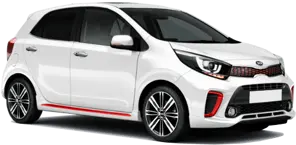
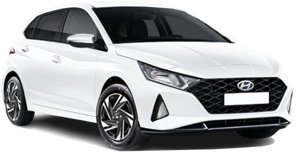
Kia Picanto
or Similar
From
$2.93/day
Compare car rental deals at Morocco from trusted global suppliers. Find affordable prices and book your ideal car in minutes.







Explore our range of vehicles available in Morocco.
or Similar
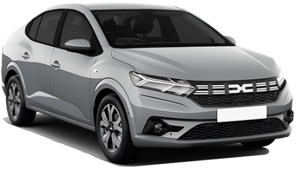
or Similar
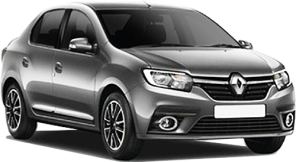
or Similar
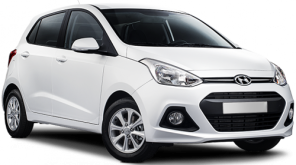
or Similar
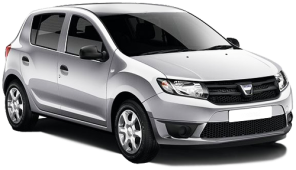
or Similar
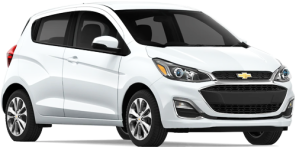
or Similar
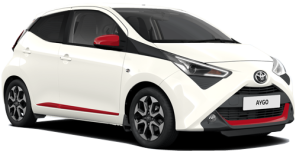
or Similar
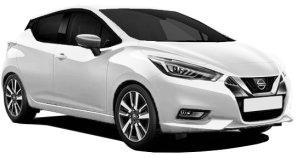
or Similar
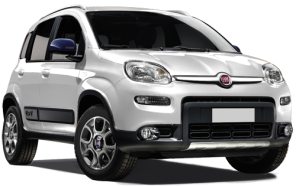
or Similar
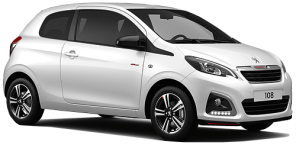
or Similar
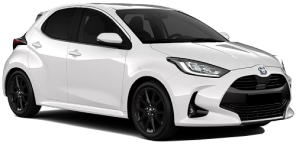
or Similar
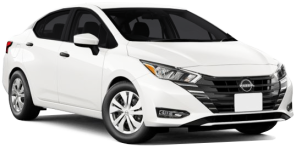
or Similar
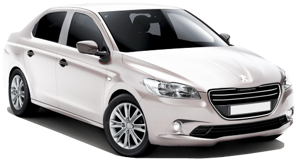
or Similar
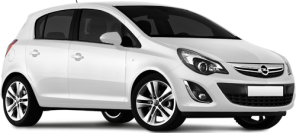
or Similar
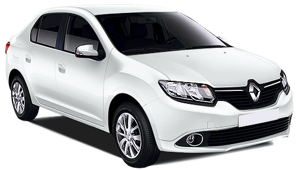
or Similar
or Similar
Prices shown are approximate and may vary by booking dates, rental duration, and vehicle class. Check booking options for current pricing.
Discover a world of convenience, safety, and customization, paving the way for unforgettable adventures and seamless mobility solutions.
Enjoy special online deals and seasonal discounts when booking your car rental through our platform.
Find rental cars with unlimited mileage and one-way rental options perfect for long road trips.
Search and book rental cars easily from any smartphone or tablet with our mobile-friendly platform.
Pay securely using major credit cards and other supported payment methods during booking.
See rental locations on interactive maps to quickly choose the most convenient pickup point.
Our platform helps you find the most competitive car rental prices across multiple suppliers in one place.
Essential information about car rental companies, popular cars, rental duration, and prices at Morocco.
Hertz leads Casablanca with 27% market share, serving Marrakech souk shoppers, Sahara desert trekkers, and Atlas mountain explorers.
SUVs dominate for comfort on highway between imperial cities. 4x4 essential for Sahara desert access and mountain passes in High Atlas.
Rentals average 7 days for imperial cities circuit, extending to 12 days for Sahara desert tours and Atlas mountain treks. Based on 52,000+ local pickups.
Dacia Duster dominates for desert-capable rentals at affordable prices. Renault Clio preferred for city exploration in Marrakech and Fes medinas.
Morocco rates average $45/day. Weekly SUV rentals from $280 offer excellent value for desert and mountain adventures.
Compare average car rental prices by month and see how rental rates vary throughout the year in Morocco.
Peak seasons (March-May, September-November) for Marrakech, Fes, and Sahara. Summer extreme heat in desert offers moderate prices. Christmas/New Year peak in coastal cities. Book 2-3 months ahead for peak.
* Prices shown are approximate. Original prices are in USD and converted using real-time exchange rates.
Essential driving rules and requirements to know when renting a car.
Get detailed information on driving rules, licence requirements, speed limits and useful local tips.
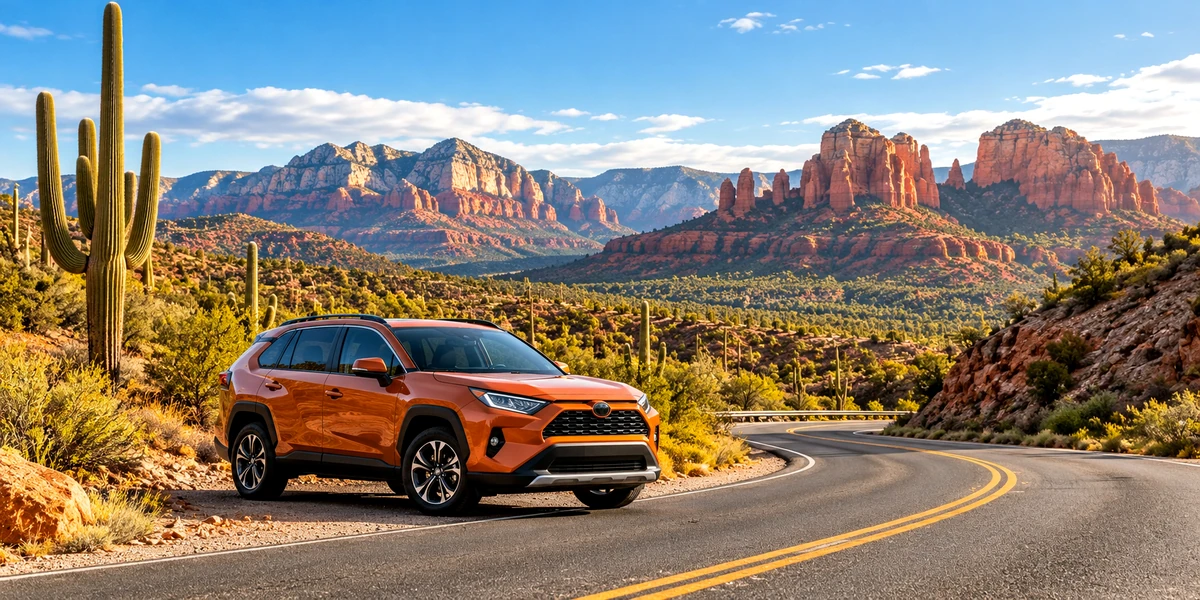
Renting a car in Morocco is one of the best ways to experience the country’s incredible diversity, from the bustling souks of Marrakech to the Sahara Desert’s edge and the tranquil Atlantic coast. For international travelers, having your own vehicle provides the freedom to explore hidden gems off the beaten path that organized tours often miss. However, navigating the rental process in a new country can be daunting. This comprehensive guide covers everything you need to know, from choosing where to pick up your car to understanding local driving laws and avoiding common pitfalls, ensuring a smooth and memorable Moroccan road trip in 2026.
When booking your rental car in Morocco, you'll typically have the choice of picking it up at the airport or at a city-center location. Each option has distinct advantages and disadvantages that can affect both your budget and the start of your trip. The main airports for international travelers are Casablanca's Mohammed V International Airport (CMN), Marrakech Menara Airport (RAK), Agadir–Al Massira Airport (AGA), and Fès–Saïs Airport (FEZ). These airports have a high concentration of rental desks from both international and local agencies, making them incredibly convenient for arriving passengers.
| Pickup Location | Advantages | Disadvantages |
|---|---|---|
| Airport | Maximum convenience upon arrival; wide selection of suppliers; often extended operating hours; easy access to highways. | Subject to airport surcharges and fees, which increase the total price; often busier with longer lines; prices can be slightly higher due to premium location. |
| City Center | Potentially lower base rates and fewer surcharges; good option if you plan to spend a few days in the city first; more relaxed pickup experience. | Requires transportation from the airport to the city (taxi or shuttle); limited operating hours (often closed on weekends); smaller vehicle selection. |
Money-Saving Tip: If your flight arrives during business hours, compare the total cost (including a taxi to the city) of a city-center pickup versus an airport pickup. The savings from avoiding airport surcharges can sometimes outweigh the cost of the initial transfer, especially for longer rentals.
Car rental prices in Morocco are heavily influenced by tourism seasons, domestic holidays, and school vacations. Understanding these fluctuations is key to securing a good deal. The high season, which commands the highest prices, generally aligns with the peak tourist periods: spring (March to May) and autumn (September to November), when the weather is mild and pleasant. A secondary peak occurs during the Christmas and New Year holidays. Conversely, the low season, offering the most budget-friendly rates, falls during the summer months (June to August) in imperial cities and the interior, where the heat can be intense, and during the colder winter months (January and February) in the mountains.
| Metric | Details |
|---|---|
| Cheapest Month | February |
| Most Expensive Month | April |
| Average Price (per day) | $30 - $50 (for a compact car) |
| A Good Deal | $20 - $35 per day for an economy car in low season |
| Cheapest Supplier | Often local Moroccan companies like Locacar or a local Hertz or Europcar franchise. |
| Cheapest Car Type | Economy (e.g., Hyundai i10, Renault Clio) or Compact (e.g., Dacia Logan, Ford Fiesta) |
Demand for rental cars surges in alignment with Morocco's tourism patterns. The highest demand is during the spring and autumn shoulder seasons, as well as around major European holidays when expats and tourists flock to the country. Key events like the Marrakech International Film Festival or major religious holidays (though dates change yearly) can also spike local demand in specific cities. It’s highly advisable to book your rental car well in advance—at least several weeks, and even months for peak seasons—to secure your preferred vehicle type and the best possible rate.
Most international travelers rent a car in Morocco for a period that allows them to cover the classic circuit without feeling rushed. A typical rental duration ranges from 7 to 14 days. This timeframe is ideal for a loop from Marrakech, crossing the High Atlas Mountains, visiting the Sahara dunes in Merzouga or Zagora, exploring the valleys and kasbahs of the south, and perhaps returning via Fes or Casablanca. Shorter rentals of 3–5 days are common for exploring a specific region, like the coast around Agadir or the imperial cities.
Morocco has a well-developed car rental network, particularly in its major cities and tourist hubs. You'll find a high density of rental locations at the major international airports (CMN, RAK, AGA) and in city centers like Marrakech (Gueliz), Casablanca (Centre Ville), Fes (Ville Nouvelle), and Tangier. Both global giants like Hertz, Avis, Europcar, and Sixt, and reputable local companies such as Locacar, Ada, and First Rent a Car, operate extensively. While availability is generally excellent in these areas, options become sparser in remote towns and rural areas, so it's best to pick up your vehicle in a major city.
| Feature | Details |
|---|---|
| Driving Side | Right |
| Main Airport Hubs | Casablanca (CMN), Marrakech (RAK), Agadir (AGA) |
| Popular Suppliers | Europcar, Hertz, Avis, Sixt, Locacar, Ada |
| Typital Car Type | Compact (Dacia Logan, Renault Clio) and Small SUVs (Dacia Duster) |
| Minimum Rental Age | 21 years (may incur a young driver fee for under 25s) |
Choosing the right car category can make or break your Moroccan road trip, depending on your itinerary.
Morocco is a road-tripper's paradise, offering dramatic and diverse landscapes. Here are a few iconic routes:
Familiarizing yourself with Moroccan driving laws is crucial for a safe and legal trip. The police conduct regular roadside checks, especially at the entrances and exits of cities.
| Road Type | Speed Limit |
|---|---|
| Highways (Autoroutes) | 120 km/h |
| National Roads (Main Roads) | 100 km/h (often reduced to 80 or 60 km/h near towns) |
| Urban Areas / Towns | 40 or 60 km/h (always check local signs) |
Morocco has an excellent network of modern toll highways ("Autoroutes") connecting major cities like Tangier, Rabat, Casablanca, Fes, and Marrakech. These roads are in great condition and significantly faster than the free national roads. You will encounter toll booths ("péage") at the entrances and exits. You can pay with cash (Moroccan Dirham) or credit card at most booths. There is also an electronic toll system called "Jawaz" (similar to a transponder), but this is typically for locals with subscriptions. For short-term visitors, cash is the simplest method. Toll costs are quite reasonable; for example, driving from Casablanca to Marrakech (approx. 2.5 hours) costs around 100-150 MAD.
You'll be faced with a choice between well-known international brands and reputable local agencies. International companies offer familiarity and consistency, often with more comprehensive English-language support and the ability to book via large aggregator websites. Local companies frequently provide more competitive pricing and may have more flexibility, but it's essential to read reviews and inspect the car's condition thoroughly before signing.
| Company | Price Level | Pros |
|---|---|---|
| Europcar/Hertz/Avis | Medium-High | Reliable, large fleets, many locations, strong customer support, easy online booking, recognizable brand. |
| Sixt | Medium-High | Premium fleet options, modern cars, good service at major airports and cities. |
| Locacar | Low-Medium | A well-established local chain with competitive prices, multiple offices, and a good reputation. |
| Ada/First Rent | Low-Medium | Budget-friendly options, local knowledge, can be a good deal, but inspect car carefully. |
Parking in Moroccan cities, especially in the medinas and city centers, can be challenging but is manageable with a few tips. In most urban areas, you'll find designated street parking often overseen by unofficial but ever-present "guardians" (blue vests or self-appointed individuals). They will help you park and watch your car for a small fee (5-10 MAD), which you pay when you return. For longer stops or overnight parking, use secure, guarded parking lots ("parking gardé") or hotel parking garages. Never leave valuables visible in your car. In medinas, it's best to park outside the walls, as the narrow streets inside are often inaccessible to cars.
Rental prices vary by season, location, and lead time. The figures below are estimates for a standard weekly rental and can fluctuate.
| Car Category | Estimated Price Range (per day) |
|---|---|
| Small Cars (Economy) | $20 - $40 |
| Medium Cars (Compact) | $30 - $55 |
| SUVs | $45 - $90+ |
| Vans (7+ seater) | $60 - $120+ |
| Luxury Cars | $100+ |
Sarah, a traveler from Canada, picked up her pre-booked Dacia Duster at Marrakech Airport. Slightly nervous about driving in a new country, she carefully pulled out of the parking lot. Within an hour, she was crossing the breathtaking Tizi n'Tichka pass, stopping frequently to take photos of the terraced hillsides. She spent the night in a traditional guesthouse in the Dadès Valley, the stars incredibly bright in the clear sky. The next day, the paved road gave way to a track leading to her desert camp near Merzouga. The SUV's high clearance was essential. As she watched the sunset over the Erg Chebbi dunes, she felt a profound sense of freedom, knowing her own rented car had allowed her to discover this magic on her own schedule. The drive back felt familiar, the roundabouts and police checks no longer intimidating, just part of the unforgettable Moroccan adventure.
For international travelers, the rules regarding an International Driving Permit (IDP) are important to understand. While a valid driver's license from your home country is often accepted for short-term rentals, especially if it's in French or English, an IDP is highly recommended and technically required by Moroccan law. It provides a standardized translation of your license and can be crucial when dealing with traffic police or renting from smaller local agencies.
You must obtain an IDP before you travel to Morocco, as they are not available there. They are typically issued by your home country's automobile association (like the AAA in the US or the CAA in Canada) for a small fee and are valid for one year from the date of issue. To rent a car, you will generally need your original national driver's license, your passport, and your IDP. Always carry all three documents with you when driving.
To complete your rental smoothly, ensure you have the following documents ready when you arrive at the rental desk:
Markers show approximate airport or town-centre areas, not confirmed rental desks.
Find airport guides for car rentals, parking, and ground transportation.
Try a different name, city, or IATA code.
Read verified customer reviews, ratings, and rental experiences from travelers who booked through Airport Rento.
Overall Rating
"Picked up in Marrakech, drove to Essaouira. Car was a Kia Sportage, comfortable and handled well. Only complaint is the deposit amount was quite high and took a while to get refunded. But the car itself was excellent."
Raj Patel
"Car was excellent for our family trip. Drove from Marrakech to the desert camp in Merzouga. Only issue was a slight delay in getting our paperwork sorted at pickup. Other than that, brilliant service."
Omar Khaled
"Booked a car for a week trip around the north. Picked up at Tangier airport, car was ready and waiting. Did about 800km, car was solid. No hidden fees which is always a worry. Will use these guys again."
Ben Carter
"Auto war mechanisch top, aber es hatte einige optische Mängel die nicht dokumentiert waren. Hab sie selbst fotografiert zur Sicherheit. Am Ende keine Probleme bei Rückgabe. Preis-Leistung passt."
Sebastian Klein
"Alquilamos un coche compacto para movernos por Fez y sus alrededores. El coche funcionaba perfectamente y el aire acondicionado era una bendición con 40 grados. Todo el proceso fue rápido y sin problemas. Muy recomendable."
Carlos Mendez
"Needed a car last minute in Tangier. Booked online and it was ready when I arrived. Hyundai Tucson, comfortable for the long drive to Chefchaouen. Return was quick, no surprise charges. Would book again."
Ethan Jones
"Minden rendben volt az autóval. Tiszta, jól működő klímával. Marrákesben vettük fel, és onnan jártuk be a környéket. Az árak versenyképesek voltak a többi kölcsönzőhöz képest."
Viktor Horvath
"Bilen var i fin stand og kørte upåklageligt gennem hele ferien. Desværre ventede vi næsten 45 minutter i kø ved skranken. De burde have mere personale i højsæsonen."
Lars Nielsen
"Pegamos um SUV na chegada em Marrakech. Ar condicionado gelando, carro bem novo. Fizemos a estrada até Ouarzazate e foi super tranquilo. A devolução foi rápida e sem estresse."
Daniel Ferreira
"Exactly what I needed. Online booking was straightforward, pickup at Casablanca airport was efficient despite it being busy. Car was a Peugeot 208, perfect for city and highway driving. Aircon was a lifesaver!"
Alexander Brown
"Got a Renault Clio for 4 days. Not the fanciest car but it was perfect for navigating narrow streets in the medinas. Great fuel economy. Staff at Marrakech airport were friendly and efficient."
Samuel Jackson
"Booked a mid-size SUV for a week. Car had some minor dings but mechanically sound. Did about 1200km through the High Atlas no problem. The guy at the counter tried to upsell the premium insurance but wasn't too pushy. Would rate 4.5 if I could."
Oliver Smith
"Overall okay experience. The car was clean and ran well for our trip from Casablanca to Marrakech. But the pickup process took almost an hour, too much paperwork. Maybe it was just a busy day. Price was good though."
Muhammad Al-Fayed
"استأجرت سيارة عائلية من الدار البيضاء. كانت السيارة نظيفة وفي حالة جيدة جداً. الموظفون كانوا متعاونين والإجراءات كانت سلسة. أنصح بهم بشدة."
Fatima Zahra
"Mietwagen für Rundreise gebucht. Abholung problemlos, Auto hatte ein paar Kratzer die korrekt im Vertrag vermerkt wurden. Fahrt durch den Anti-Atlas war grandios. Würde wieder hier buchen."
Noah Müller
"Relación calidad-precio difícil de superar. El coche estaba bien, no era nuevo pero funcionaba correctamente. Recogimos en Fez y dejamos en Tánger sin cargos extra ocultos. Buen servicio."
Antonio Morales
"Wszystko zgodnie z rezerwacją. Samochód sprawny, odbiór w Casablance bez komplikacji. Cena adekwatna do jakości. Polecam wykupić pełne ubezpieczenie dla spokoju na marokańskich drogach."
Piotr Kowalski
"Hyrde en SUV för att köra i Atlasbergen. Bilen funkade perfekt på de slingriga vägarna. Hämta och lämna smidigt i Marrakech. Rekommenderar att köpa full försäkring då trafiken kan vara kaotisk i städerna."
Johan Andersson
"Rented a 4x4 for Sahara desert trip from Marrakech. Car was strong enough for the dunes near Merzouga. Return process was fast, deposit came back to my card in 5 days. Only minor issue was finding the pickup point at first."
Hiroshi Tanaka
"Rented an SUV for a trip through the High Atlas mountains. Car handled the twisty roads brilliantly. Pickup in Marrakech was quick, return even quicker. No extra charges. Exactly what you want from a rental company."
Liam O'Brien
"Арендовали машину на 5 дней. Всё отлично, машина чистая, полный бак. Ездили из Марракеша в пустыню. Очень довольны."
Dmitri Volkov
"Picked up our rental in Agadir, drove up the coast to Taghazout and Imsouane. Car was spotless, AC ice cold. Staff was helpful with local tips. The whole process from booking online to drop-off was seamless. Will use AirportCarHub again next time in Morocco."
Sophie Tremblay
"Haben einen Dacia Duster für 10 Tage Marokko-Rundreise gemietet. Abholung in Casablanca war unkompliziert, der Mitarbeiter sprach gut Englisch. Einziger Minuspunkt: lange Wartezeit beim Papierkram. Aber das Auto war top, kaum Kratzer, genug Power für die Atlas-Berge."
Thomas Wagner
"Loué une berline pour 5 jours. La voiture était propre, le plein fait. On a pu rallier Meknès depuis Casablanca sans souci. L'accueil était bon, le tarif raisonnable. À refaire."
Pierre Toussaint
"Noleggiato un'auto per 3 giorni, tutto liscio. Prezzo competitivo rispetto ad altre agenzie viste online. Attenzione alle strade secondarie fuori città, ma l'auto ha retto bene. Personale gentile all'aeroporto."
Alessandro Rossi
"Everything from booking to drop-off was hassle-free. Car was a Hyundai i20, really fuel efficient for the long coastal drive from Casablanca to Essaouira. Staff spoke English which helped. Highly recommended!"
William Davies
"空港からすぐの場所で借りられて便利でした。車も清潔で、砂漠までの長距離ドライブも快適でした。唯一、返却時のガソリン満タンの確認で少し手間取りましたが、全体的に満足です。"
Yuki Sato
"在卡萨布兰卡机场取车,手续简单快捷。车况很好,几乎全新。一路开到马拉喀什,非常顺利。推荐给来摩洛哥自驾的朋友。"
Chen Wei
"Alugamos um carro em Marrakech por 7 dias. Processo simples, carro em ótimas condições. Fizemos a rota das mil kasbahs sem qualquer problema mecânico. Recomendo a todos que visitam Marrocos!"
Ricardo Oliveira
"Landed at RAK airport and the shuttle to the rental lot took like 5 mins. Car was clean, AC worked perfectly which you absolutely need in August. Drove to Essaouira and back with zero issues. Would def use again."
James Mitchell
"Auto gehuurd voor 8 dagen. De ophaalservice op het vliegveld was goed geregeld. Auto reed prima, geen technische mankementen ondanks de soms slechte wegen. Vriendelijk personeel bij terugbrengen."
Henk de Vries
"Marakeş havaalanından teslim aldık. Araç temiz ve bakımlıydı. Fas'ta araba kiralamak için uygun bir seçenek. Tavsiye ederim."
Mustafa Demir
"Service de location parfait, voiture propre et conforme à la réservation. On a pu visiter la vallée du Dadès sans aucun problème mécanique. Le rapport qualité-prix est excellent comparé aux grandes enseignes internationales."
Marie Lefevre
"Location impeccable ! On a pris une petite citadine pour visiter Fès, Chefchaouen et Tanger. La voiture était quasi neuve, très économique en essence. Le service client était réactif quand on avait une question sur l'assurance. Je recommande sans hésiter."
Claire Dubois
"Needed a sturdy car for mountain roads. Got a Dacia Duster which was perfect. Pickup in Marrakech was smooth, car had a few scuffs but nothing major. Drove to Ait Ben Haddou and back with zero issues. 👍"
Arjun Singh