Mini
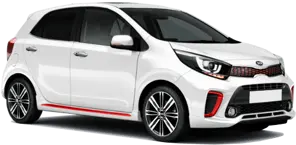
Kia Picanto
or Similar
From
$2.93/day
Compare car rental deals at Casablanca, Morocco from trusted global suppliers. Find affordable prices and book your ideal car in minutes.





Explore our range of vehicles available in Casablanca.
or Similar
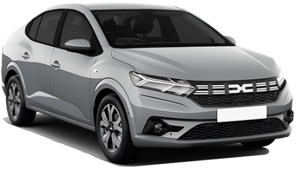
or Similar
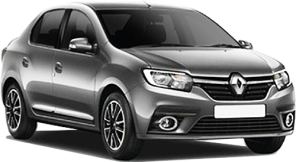
or Similar
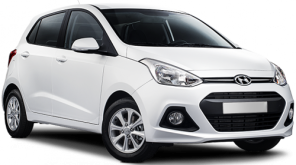
or Similar
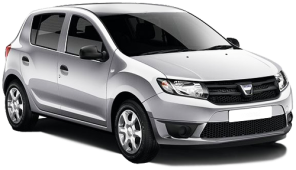
or Similar
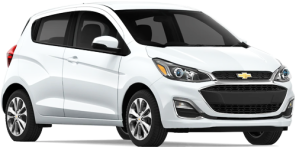
or Similar
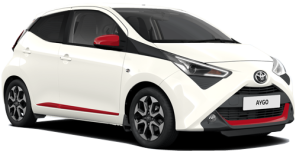
or Similar
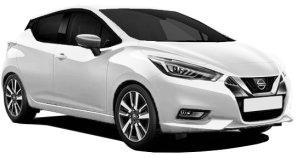
or Similar
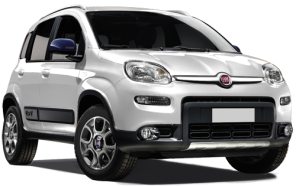
or Similar
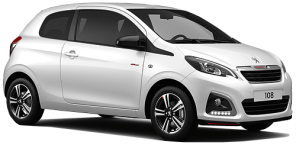
or Similar
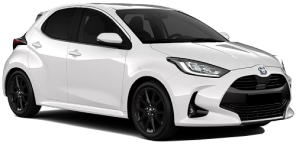
or Similar
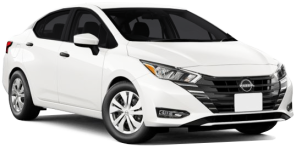
or Similar
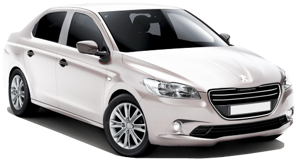
or Similar
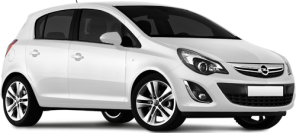
or Similar
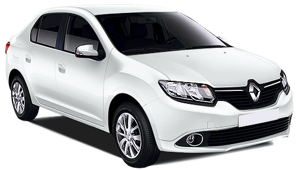
or Similar
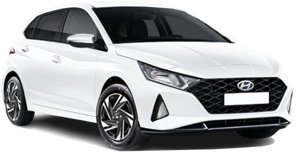
or Similar
Prices shown are approximate and may vary by booking dates, rental duration, and vehicle class. Check booking options for current pricing.
Discover a world of convenience, safety, and customization, paving the way for unforgettable adventures and seamless mobility solutions.
Compare rental companies side-by-side with clear information about pricing, insurance, and included services.
Easily filter rental cars by price, vehicle type, supplier, fuel policy, mileage options, and customer ratings.
All rental companies on our platform are carefully verified to ensure service quality and customer reliability.
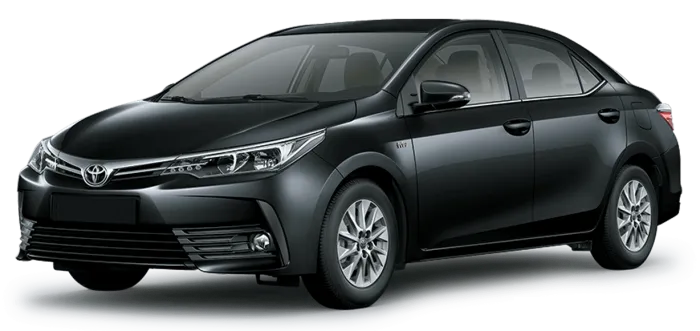
Enjoy special online deals and seasonal discounts when booking your car rental through our platform.
Many bookings include free cancellation up to 48 hours before pickup, giving you flexibility when travel plans change.
Choose from economy cars, sedans, SUVs, luxury vehicles, and vans to match your travel needs and budget.
Essential information about car rental companies, popular cars, rental duration, and prices at Casablanca.
Hertz is a market leader at Casablanca's Mohammed V International Airport, favored by business travelers and tourists starting their Moroccan journey to cities like Marrakech and Fes.
Compact cars are preferred for navigating Casablanca's bustling city streets and efficient highway driving. Sedans are a popular choice for business travelers visiting the city's financial district.
Rentals average 4 days, as many visitors use Casablanca as a starting point for a wider Moroccan itinerary, combining city exploration with a road trip down the coast or to the Atlas Mountains. (Based on 4,500+ local pickups)
The locally popular Dacia Sandero is the top choice for its affordability and durability on Moroccan roads. The Renault Clio is also a frequent pick for its maneuverability and fuel efficiency.
Casablanca offers some of the best value in North Africa at $33/day on average. Longer weekly rentals from $200 are popular for extensive tours of the Imperial Cities.
Compare average car rental prices by month and see how rental rates vary throughout the year in Casablanca.
Casablanca business hub with corporate rentals. Hassan II Mosque tourism peaks in spring and fall. Summer heat offers moderate prices. Book 2 months ahead.
* Prices shown are approximate. Original prices are in USD and converted using real-time exchange rates.
Essential driving rules and requirements to know when renting a car.
Get detailed information on driving rules, licence requirements, speed limits and useful local tips.
Renting a car in Casablanca, Morocco, is a rite of passage for travelers seeking true independence. Unlike relying on the city’s bustling network of petite taxis (which are ideal for short hops but rarely leave the city limits) or the grand taxis (which operate on fixed routes and require negotiation), having your own set of wheels allows you to navigate this vibrant economic capital and its surrounding landscapes on your own terms. The process here is straightforward, though it does require a blend of patience and local know-how. Most international travelers find that the freedom to explore hidden coastal gems and inland villages far outweighs the slight learning curve of driving in a new country.
Your primary pickup options will be either the bustling Casablanca Mohammed V International Airport (CMN) or one of the many agencies located in the city center. Picking up at the airport is undeniably convenient if you’re arriving with luggage and want to hit the road immediately. However, be aware that airport locations often levy an additional surcharge for the convenience—typically ranging from 10% to 15% more than downtown offices. Alternatively, taking a shuttle or taxi into the city center and renting from a local branch can save you a significant amount of money, especially for longer rentals. Major pickup locations in the city center are clustered in areas like Maarif, the city’s modern business district, and near the Casa-Port train station.
Money-Saving Tip: If your travel dates are flexible, consider picking up your rental on a Monday or Tuesday. Weekend pickups are often the most expensive due to higher demand from both tourists and local residents planning getaways. Also, always compare the "full-to-full" fuel policy—it’s almost always the most economical option.
| Pickup Location | Advantages | Disadvantages |
|---|---|---|
| Mohammed V International Airport (CMN) | 24/7 availability, immediate start to journey, wide selection of international brands | Higher rental rates (airport surcharge), busy traffic exiting the terminal, potential wait times for shuttle buses to rental lots |
| Casablanca City Center (e.g., Maarif, Casa-Port) | Lower rates, often more flexible return times, closer to hotels and riads | Requires a taxi or train from the airport, navigating one-way city streets to find the office, limited weekend hours at some locations |
Before you book, it’s crucial to understand the legal and administrative requirements for renting a car in Casablanca, Morocco. The system is standardized, and as long as you come prepared with the right documents, the process is usually smooth. Rental agencies here are strict about paperwork, primarily to ensure their insurance policies are valid. The minimum age to rent a car is typically 21, though drivers under 25 may face a "young driver surcharge" applied daily to their rental rate. For premium or luxury vehicle categories, the minimum age often rises to 25 or even 30.
A valid driver's license from your home country is the starting point. For most international travelers, particularly those from the US, Canada, and the EU, your standard license is acceptable for short-term stays. However, you will always need your passport to complete the rental contract. A credit card in the main driver's name is mandatory for the deposit hold. Debit cards are rarely, if ever, accepted for this purpose. You’ll also need to purchase Collision Damage Waiver (CDW) and Theft Protection (TP)—these are often included in the base rate but come with a high excess. Third-party liability insurance is mandatory by Moroccan law and is always included in the rental price.
When is an International Driving Permit (IDP) required? While a standard license in English or Roman alphabet characters is often accepted, an International Driving Permit is a valuable companion. If your license is in a non-Roman alphabet (e.g., Arabic, Chinese, Cyrillic), an IDP is strictly required. Even if your license is in English, an IDP can simplify interactions with traffic police during roadside checks, providing a clear translation of your credentials. It is strongly recommended to obtain one in your home country before departure.
| Requirement | Details |
|---|---|
| Minimum Age | 21 years (25 for premium/luxury vehicles; under-25 surcharge applies) |
| Driver's License | Valid home license (in English/Roman alphabet) OR International Driving Permit (IDP) for non-Roman alphabet licenses |
| Payment Method | Credit card in driver's name for deposit (Visa/Mastercard preferred; Amex often limited) |
| Identification | Valid passport with Moroccan entry stamp |
| Insurance | Third-party liability (mandatory/included); CDW/Theft (included with excess) |
Casablanca, Morocco, is a city of movement. As the country’s economic powerhouse, its pulse is fast, and while taxis are plentiful for navigating the city center, they aren’t designed for the kind of exploration that truly reveals Morocco’s charm. Renting a car transforms your trip from a series of guided tours into a self-directed adventure. It allows you to break free from the rigid schedules of group travel and the limitations of public transport, which can be challenging to navigate with luggage or when traveling with family. Suddenly, a spontaneous decision to stop for fresh sardines at a seaside village or to chase the sunset in the countryside becomes not just possible, but effortless.
The roads radiating out from Casablanca, Morocco, are gateways to diverse experiences. You can trace the Atlantic coastline north towards the political capital of Rabat or south to the surfing haven of Taghazout. A car also unlocks the interior—the ancient cities and rural landscapes that define Morocco’s soul. For families, the convenience of having your own vehicle means no struggling with strollers on crowded trams, and you can keep snacks, water, and jackets easily accessible. For business travelers or those on longer trips, it offers a mobile base that adds a layer of comfort and predictability to your journey.
When renting a car in Casablanca, Morocco, you’ll find a healthy mix of globally recognized brands and reputable local agencies. International giants like Hertz, Avis, Enterprise, Budget, Sixt, and Alamo have a strong presence, particularly at the airport and in the city center. These companies offer the reassurance of standardized service, modern fleets, and 24/7 customer support in multiple languages. Their online booking systems are robust, making it easy to lock in a rate before you travel. The peace of mind that comes with a global brand is often worth the slight premium for first-time visitors or those unfamiliar with the local landscape.
Local rental companies often provide a more personalized service and can sometimes offer more competitive rates, especially for longer rentals. These agencies might have smaller fleets but are deeply familiar with the region and can offer insider tips on routes and parking. The key to a smooth experience with any agency is thorough preparation: take pre-rental photos of the vehicle, verify the fuel policy, and understand the excess on the insurance. Whether you opt for the familiarity of a global name or the localized expertise of a Moroccan supplier, the standard of vehicles is generally high due to the competitive market.
| Company | Price Level | Pros |
|---|---|---|
| Hertz | Medium/High | Extensive network, modern fleet, reliable 24/7 airport counter, Gold service options |
| Avis | Medium/High | Wide selection of automatic vehicles, efficient service at CMN airport, preferred program |
| Sixt | Medium | Young, stylish fleet, good presence in city center, competitive online rates |
| Europcar | Medium | Strong local presence, eco-friendly vehicle options, often includes full insurance packages |
| Budget | Low/Medium | Affordable rates, convenient airport kiosk, good for economy and compact cars |
| Enterprise | Medium | Excellent customer service, often has flexible pickup/drop-off locations |
The type of vehicle you choose for your Casablanca, Morocco adventure should reflect your itinerary. For navigating the city’s sometimes narrow streets and parking in tight spots, an economy or compact car is the practical choice. These small cars, such as the Dacia Logan or Renault Clio (both manufactured locally and ubiquitous on Moroccan roads), are fuel-efficient, easy to maneuver, and the most affordable. For longer road trips, especially those involving mountainous terrain or highway cruising, a compact or intermediate SUV offers more comfort, power, and space for luggage. Families or groups often opt for spacious minivans like the Renault Trafic or Dacia Lodgy, which provide ample room for passengers and gear. For those looking to make an impression, luxury sedans and SUVs from brands like Mercedes, BMW, and Range Rover are available, though they command premium rates and often require a higher security deposit.
Rental prices in Casablanca, Morocco fluctuate significantly with the seasons. The high tourist season, spanning from October to April (excluding the peak summer holiday period), sees the highest demand, particularly around Christmas and New Year. The low season, during the hottest summer months (July and August), can offer more competitive rates, though coastal destinations become busier. Prices also spike during national holidays such as Eid al-Fitr and Eid al-Adha, when many Moroccans travel domestically. Booking well in advance is the best strategy to secure a favorable rate, especially for automatic vehicles, which are in much lower supply than manual transmissions.
| Car Category | Average Daily Price (USD) |
|---|---|
| Small Cars (e.g., Dacia Logan, Renault Clio) | $25 – $45 |
| Medium Cars (e.g., Peugeot 208, Toyota Corolla) | $40 – $65 |
| SUVs (e.g., Dacia Duster, Nissan Qashqai) | $60 – $100 |
| Vans / Family Vehicles (e.g., Renault Trafic, Peugeot Traveller) | $80 – $130 |
| Luxury Cars (e.g., Mercedes C-Class, BMW 3 Series) | $120 – $200+ |
| Metric | Value |
|---|---|
| Cheapest Month | February (post-holiday lull) |
| Most Expensive Month | December (holiday travel) |
| Average Daily Price (Economy) | $35 |
| A Good Deal (Economy) | Under $30/day including CDW |
| Cheapest Supplier (Typical) | Local agencies or Budget |
| Cheapest Car Type | Manual economy car |
With your rental car secured, the real adventure begins. Casablanca, Morocco serves as an ideal launching point for a variety of incredible road trips. From historic coastal cities to the buzzing capital, the highways are well-maintained and offer smooth driving experiences. Here are some of the best routes to consider:
Driving in Casablanca, Morocco requires a blend of defensive tactics and local awareness. The most important rule to remember is that Moroccans drive on the right-hand side of the road. While the road infrastructure in and around Casablanca is generally modern, especially on toll highways, city driving can be chaotic. Speed limits are strictly enforced, primarily through radar traps, which are common on highways and main roads. The use of seatbelts is mandatory for all passengers, and children under 10 years old are not permitted to sit in the front seat. Driving under the influence of alcohol is a serious offense with strict penalties; Morocco has a zero-tolerance policy with a legal blood alcohol limit of 0.0% in practice for drivers.
Road conditions vary. Major highways (autoroutes) are excellent, well-lit, and have plenty of service stations. However, city streets, especially in older areas of Casablanca, can have potholes and unexpected obstacles like pedestrians, cyclists, and donkey carts. In the city, be prepared for lane discipline that is more of a suggestion than a rule; motorcyclists weave through traffic, and intersections are often navigated by assertive but predictable movements. It’s crucial to stay alert, use your horn sparingly (usually to alert someone of your presence, not out of frustration), and be patient. Winter tires are not typically required in Casablanca due to its mild coastal climate, but if you plan to drive into the Atlas Mountains during winter, snow chains are essential.
| Rule | Regulation |
|---|---|
| Driving Side | Right |
| Speed Limits (Urban) | 50 km/h (31 mph) – strictly enforced with cameras |
| Speed Limits (Rural Roads) | 100 km/h (62 mph) |
| Speed Limits (Highways/Autoroutes) | 120 km/h (75 mph) |
| Alcohol Limit | 0.0% (zero tolerance) |
| Seatbelts | Mandatory for all passengers (front and rear) |
| Child Seat Law | Children under 10 must sit in the rear seat (car seats recommended for young children) |
| Mobile Phone | Hands-free use only; strict fines for holding a phone while driving |
Yes, toll roads (known locally as "autoroutes") are a significant part of the driving experience when leaving Casablanca, Morocco. The network, managed by ADM (Autoroutes du Maroc), is modern, clean, and incredibly efficient, making long-distance travel a breeze. The main arteries radiating from Casablanca—the A1 to Rabat and Tangier, the A3 to Marrakech, and the A5 to El Jadida—are all toll roads. Traveling on these highways is highly recommended for safety, speed, and comfort. Tolls are paid at stations located at intervals along the routes, and the cost is quite reasonable by international standards.
To travel from Casablanca to Marrakech, for example, you can expect to pay around $10–12 USD in tolls each way. Payment can be made in cash (Moroccan Dirhams) or by credit card at most modern toll booths. There is also an electronic toll system called "Jawaz," which involves a small windshield tag that allows you to pass through dedicated lanes without stopping. While convenient for locals, it’s rarely necessary for short-term visitors. Keep a supply of small bills and coins handy for cash payments to make the process smoother, and be sure to use the lanes marked with a "t" or a hand symbol for cash or card payments, avoiding the "t" lanes reserved for the Jawaz system.
Parking in Casablanca, Morocco, can be one of the more challenging aspects of driving in the city. The central districts, such as Maarif, Gauthier, and the Old Medina (Habous), have limited on-street parking. In many areas, you’ll encounter "gardiens" (unofficial parking attendants) who will assist you in finding a spot and watch your car for a small fee. This fee is usually between 5 and 10 Moroccan Dirhams ($0.50 – $1 USD). It is customary to pay them when you return to your vehicle. They are not official city employees, but they provide a valuable service and contribute to the informal security network. It’s best to have small change ready for them.
For longer stays, using a secure parking garage is the best option. Many modern shopping centers (like Morocco Mall) and hotels offer underground parking with security cameras and fixed rates, typically costing around $2–$5 USD for a few hours. Street parking is also divided into paid zones (with meters) and free zones. Always pay attention to yellow lines on the curb (no parking) and blue lines (paid parking). A common mistake is parking in residential zones without a resident permit, which can lead to a fine or the car being towed. In the bustling city center, patience is key—it may take 15–20 minutes to find a legal spot.
Having a smooth rental experience comes down to preparation and knowing a few insider strategies. These tips are gleaned from frequent travelers and locals who navigate the rental market regularly. Keeping these in mind will help you avoid unnecessary costs and stress.
Even experienced travelers can fall into common traps when renting a car in a new country. Being aware of these pitfalls is the first step to avoiding them. The rental counter in Casablanca, Morocco, operates at a fast pace, and it’s easy to overlook small details that lead to big headaches later.
When Mark and his family landed at Casablanca’s Mohammed V Airport, they were exhausted but excited. They had pre-booked an SUV from a major rental company, opting for the airport pickup despite the surcharge for convenience. The line at the counter was long, but after 30 minutes, they were handed keys to a shiny Dacia Duster. Mark had taken photos of every inch of the vehicle before leaving the parking garage, a habit from previous trips. Navigating the chaotic traffic out of the airport was nerve-wracking at first, but soon they found the A3 highway entrance. Their first stop was a roadside café for mint tea and fresh bread, a spontaneous decision made possible by the freedom of their own car. Later that week, they used the SUV to explore the coastal town of El Jadida, finding a quiet beach far from any tourist bus. On the final day, returning the car was seamless; the agent noted the full tank and, seeing Mark’s photo evidence, quickly agreed that a minor scuff on the wheel arch was pre-existing. They left feeling that the rental had turned their Moroccan adventure from a simple city visit into a genuine exploration.
An International Driving Permit (IDP) serves as a standardized translation of your national driver’s license and is a highly recommended document for anyone planning to rent a car in Casablanca, Morocco. While Moroccan law and rental agencies will accept a valid license from most countries if it is printed in the Roman alphabet (like English, French, or Spanish), the IDP becomes mandatory if your home license is in a non-Roman script. This is a crucial detail for travelers from countries such as China, Japan, the UAE, or Russia. The IDP is not a standalone document; it must be carried in conjunction with your original driving license.
Obtaining an IDP is a straightforward process that must be completed in your home country before departure. In the United States, for example, they are issued by the American Automobile Association (AAA) or the American Automobile Touring Alliance (AATA). Travelers simply need to provide two passport-sized photos, a valid driver’s license, and a small fee. The permit is valid for one year from the date of issue. Even if you are not legally required to have one, carrying an IDP in Casablanca, Morocco, can be incredibly beneficial. It provides a clear, universally understood translation of your driving credentials, which can expedite interactions at rental counters and, more importantly, during routine police traffic stops, where it serves as an unambiguous form of identification.
Markers show approximate airport or town-centre areas, not confirmed rental desks.
Compare car rental prices from trusted suppliers at more pickup points across Morocco.
Find airport guides for car rentals, parking, and ground transportation.
Try a different name, city, or IATA code.
Read verified customer reviews, ratings, and rental experiences from travelers who booked through Airport Rento.
Overall Rating
No reviews yet for this location. Be the first to share your experience!