Cheap Car Rental Tel Aviv, Israel - Compare Deals & Book Instantly
Search and compare car rental prices from trusted global suppliers. Find the best deals instantly.
Why book with us?
-
Wide Fleet
Choose from economy cars, SUVs, luxury vehicles, and more.
-
Free Cancellation
Flexible booking options with free cancellation on most rentals.
-
24/7 Customer Support
Our expert team is available 24/7 to assist you with any questions or concerns.
Compare top international car rental brands and choose the best deal for your trip.








Car Rental Deals in Tel Aviv
Choose from our wide range of vehicles available in Tel Aviv.
MiniKia Picanto or Similar
From
$29.82
/day
|

|
|||
CompactSkoda Scala or Similar
From
$35.05
/day
|

|
|||
IntermediateMazda 3 or Similar
From
$35.94
/day
|

|
|||
Compact SuvHyundai Venue or Similar
From
$41.44
/day
|

|
|||
EconomySkoda Fabia or Similar
From
$30.11
/day
|

|
|||
EconomyMazda 2 or Similar
From
$30.41
/day
|

|
|||
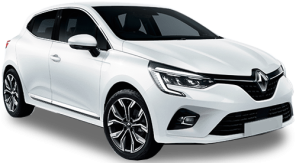
EconomyRenault Clio or Similar
From
$32.89
/day
|
|
|||
MiniSuzuki Alto or Similar
From
$35.30
/day
|

|
|||
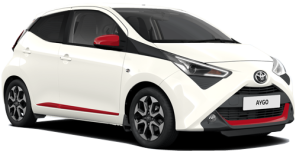
MiniToyota Aygo or Similar
From
$35.59
/day
|
|
|||
EconomyHyundai I20 or Similar
From
$35.78
/day
|

|
|||
EconomyFord Fiesta or Similar
From
$36.71
/day
|

|
|||
MiniHyundai i10 or Similar
From
$40.88
/day
|

|
|||
Compact SuvPeugeot 2008 or Similar
From
$42.90
/day
|

|
|||
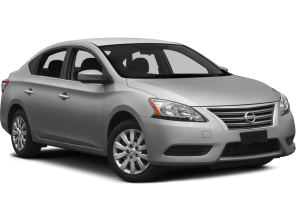
IntermediateNissan Sentra or Similar
From
$43.60
/day
|
|
|||
EconomyHyundai Accent or Similar
From
$44.27
/day
|

|
|||
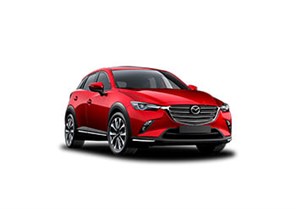
Compact SuvMazda CX3 or Similar
From
$45.99
/day
|
|
|||
StandardSkoda Octavia or Similar
From
$46.33
/day
|

|
|||
Intermediate SuvHyundai Kona or Similar
From
$48.48
/day
|

|
|||
Compact CrossoverSEAT Arona or Similar
From
$51.59
/day
|

|
|||
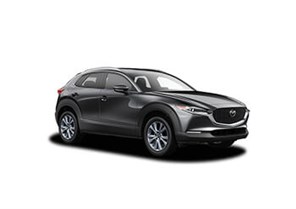
Standard SuvMazda CX30 or Similar
From
$52.12
/day
|
|
|||
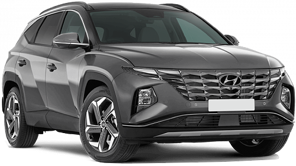
Standard SuvHyundai Tucson or Similar
From
$55.58
/day
|
|
|||
StandardMazda 6 or Similar
From
$56.95
/day
|

|
|||
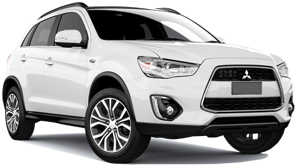
Compact SuvMitsubishi ASX or Similar
From
$59.12
/day
|
|
|||
Compact CrossoverKia Seltos or Similar
From
$61.33
/day
|

|
|||
Full-sizeSkoda Superb or Similar
From
$61.71
/day
|

|
|||
Compact Regular Cab PickupCitroen Berlingo or Similar
From
$64.16
/day
|

|
|||
Our Features
Discover a world of convenience, safety, and customization, paving the way for unforgettable adventures and seamless mobility solutions.
Clear Rental Policies
Access complete rental policies including driver age limits, fuel rules, and deposit conditions.
Booking Assistance
Our support team can help you choose the right car and complete your booking if needed.
Multi-Language Platform
Use our platform in multiple languages, making it easy for travelers from around the world to book rental cars.
Flexible Rental Options
Choose from short-term, long-term, or one-way rentals depending on your travel requirements.
Multiple Currency Support
View prices and pay in various currencies for a convenient global booking experience.
Mobile Optimized Booking
Search and book rental cars easily from any smartphone or tablet with our mobile-friendly platform.
Tel Aviv, Israel Car Rental Facts
Essential information on the best deals, rental providers, and vehicle options in Tel Aviv, Israel.
Most Popular Agencies
Hertz leads with 30% market share, serving pilgrims visiting Jerusalem and Tel Aviv business travelers.
Popular Car Types
Economy cars dominate at 38% for navigating city centers and fuel efficiency. SUVs are preferred for Negev Desert explorations and Golan Heights day trips.
Average Rental Duration
Rentals average 4 days, ideal for combining Jerusalem holy sites, Dead Sea visits, and Tel Aviv nightlife. (Based on 19,500+ local searches)
Most Popular Models
The Hyundai i20 leads for city driving in Tel Aviv and Jerusalem. The Kia Sportage serves families exploring Masada and Ein Gedi.
Average Daily Price
Israel rates average $44/day. Weekly rentals from $275 offer savings for extended pilgrimages and Red Sea holidays.
How much does it cost to rent a car at Tel Aviv, Israel?
Averaging the lowest prices for the economy car category, the data below shows prices for monthly comparisons.
Cheapest Month Average
JanMost Expensive Month
OctYearly Average Price
Peak seasons (Spring and Fall) for pilgrimages and tourism. Jewish holidays (Passover, Sukkot) cause extreme demand. Summer heat offers moderate prices in desert areas. Book 2-3 months ahead for holidays. Shabbat (Friday sunset-Saturday) closures affect returns.
Driving Laws & Information for Israel
Essential driving rules and requirements to know when renting a car
Driving Side
Right
Minimum Age
17 to drive
Blood Alcohol Limit
0.24% maximum
IDP Required?
Sometimes International Driving Permit
Speed Units
km/h
Seat Belt
Required
Toll Roads
Yes
Emergency
100 emergency number
Car Rental Tel Aviv, Israel Guide
Renting a car in Tel Aviv, Israel, offers a unique blend of convenience and freedom, transforming a city-centric trip into a comprehensive exploration of this vibrant country. While Tel Aviv itself is a walkable metropolis with a robust network of taxis and ride-sharing apps, having your own vehicle is the ultimate key to unlocking the diverse landscapes just beyond the city limits. For international travelers, a rental car means escaping the constraints of public transport schedules and embarking on spontaneous adventures—from the ancient port of Jaffa to the coastal cliffs of Rosh Hanikra or the serene landscapes of the Judean Hills. The process is streamlined for tourists, but understanding the nuances of pickup locations, costs, and local driving culture is essential for a smooth experience.
When deciding where to pick up your rental, the choice primarily falls between Ben Gurion Airport (TLV), located about 20 minutes east of the city, and numerous branches within Tel Aviv itself. Airport pickup is the most convenient for travelers arriving on international flights, allowing you to drive directly to your accommodation. However, this convenience comes with a significant airport surcharge—often 15-20% higher than city center rates—as well as potential wait times during peak arrival hours. Picking up a car in the city, such as from branches on Hayarkon Street near the beach or in the Florentin district, can yield lower base rates and a more relaxed handover process, though it requires an initial taxi or train ride from the airport. A key money-saving tip is to compare the total cost of an airport rental (including the surcharge) against a city rental plus the cost of transport to the city. Often, picking up the car on your second day in the city, after settling in, can result in significant savings.
| Pickup Location | Advantages | Disadvantages |
|---|---|---|
| Ben Gurion Airport (TLV) | Ultimate convenience upon arrival; immediate access to vehicle; large selection of cars from all major companies. | Higher cost due to airport surcharge; potential for longer queues; navigating busy airport exits. |
| Tel Aviv City Center | Generally lower rental rates; more flexible return hours at some branches; opportunity to decompress before driving. | Requires separate transport from the airport; city traffic can be challenging for first-time drivers; parking can be difficult when picking up. |
| Tel Aviv Port Area | Good option for those staying in northern Tel Aviv; often less congested than the city center; easy access to the Ayalon Highway. | Limited operating hours compared to airport branches; fewer vehicle options may be available. |
Car Rentals Requirements in Tel Aviv, Israel
Navigating the legal and administrative requirements for renting a car in Tel Aviv, Israel, is straightforward if you come prepared. The standard age for renting a car is 21, though drivers under 25 (and sometimes under 23) will almost certainly incur a "young driver" surcharge, which can add $10 to $25 per day to the rental cost. For luxury or larger vehicle categories, the minimum age is often 25 or even 27. You must possess a valid, full driver's license from your country of residence. A credit card in the main driver's name is non-negotiable; debit cards are almost universally not accepted for the required security deposit, which can range from $500 to $1,500 depending on the vehicle category.
Your passport is required for identification, and you must present it along with your driver's license and credit card at the rental counter. Regarding insurance, Israeli law mandates that all rental vehicles include basic third-party liability insurance. However, renters are strongly advised to understand their coverage for the vehicle itself (Collision Damage Waiver - CDW) and theft protection. Most rental agreements include a high excess (deductible), often $500 or more, meaning you are liable for that amount in case of damage. Purchasing a "Super CDW" or "Full Protection" package to reduce or eliminate this excess is a common and often wise investment for peace of mind. The necessity of an International Driving Permit (IDP) is a crucial point. While an IDP is not required by law for most tourists holding a valid license in English (e.g., from the US, UK, Canada, Australia), many rental agencies strongly prefer or require it, especially if your license is not in English or uses a non-Roman alphabet. Obtaining an IDP from your local automobile association before departure can prevent any issues at the rental counter.
| Requirement | Details |
|---|---|
| Minimum Age | 21 years (21-24 typically subject to young driver surcharge) |
| Driver's License | Valid, full license from country of residence; IDP recommended if license is not in English. |
| Payment Method | Credit card in the primary driver's name; debit cards are not accepted for the deposit. |
| Identification | Valid passport. |
| Insurance | Basic liability included; Collision Damage Waiver (CDW) with excess is standard; additional coverage available. |
Why Rent a Car in Tel Aviv, Israel
While Tel Aviv's urban core is wonderfully accessible on foot or by bike, the decision to rent a car unlocks the true potential of your journey. The city serves as a perfect launchpad for exploring a country of stark contrasts—from the cosmopolitan energy of the coast to ancient historical sites, desert landscapes, and lush northern hills. Public transport, while improving, can be time-consuming and less flexible for reaching many of Israel's most treasured destinations. A rental car allows you to travel at your own pace, make impromptu stops at a roadside market or a hidden beach, and manage your itinerary without relying on bus or train schedules.
For families or groups, the value proposition of renting a car is particularly strong. The cost of multiple bus or train tickets for day trips can quickly add up, and the convenience of having space for luggage, beach gear, and snacks cannot be overstated. Moreover, driving in Israel provides a unique perspective, allowing you to witness the country's diverse topography firsthand—the transition from the urban sprawl of Gush Dan to the rolling hills of the Judean lowlands, the dramatic descent to the Dead Sea, or the lush greenery of the Galilee. This freedom transforms a simple trip into a personal journey of discovery.
- Unmatched Flexibility: Explore at your own pace, without being tied to bus or train timetables. Visit off-the-beaten-path sites and small towns.
- Access to Remote Attractions: Easily reach natural wonders like the Ramon Crater in the Negev, the ancient fortress of Masada, or the waterfalls of the Golan Heights.
- Family-Friendly Convenience: Manage car seats, strollers, and luggage with ease. Make spontaneous stops for bathroom breaks or snacks—a must for family travel.
- Cost-Effective for Groups: For three or more travelers, renting a car is often cheaper than buying multiple train or bus tickets for day trips and intercity travel.
- Scenic Coastal Drives: Enjoy the freedom to cruise along the Mediterranean coast, stopping at beaches from Herzliya to the ancient port of Caesarea.
- Shabbat Independence: From Friday evening to Saturday evening, public transport in Tel Aviv and across the country shuts down significantly. A rental car ensures you are not confined to your neighborhood during this time.
Best Car Rental Companies in Tel Aviv, Israel
Travelers renting a car in Tel Aviv, Israel, will find a mix of globally recognized brands and well-established local companies. International chains like Hertz, Avis, Enterprise, Budget, Sixt, and Europcar have a strong presence, particularly at Ben Gurion Airport and in central Tel Aviv. These companies offer the familiarity of loyalty programs, standardized fleet quality, and generally reliable customer service. Their branches are often conveniently located at the airport arrivals hall and in major city hubs like the Tel Aviv Savidor Central Station area. Local Israeli companies, such as Eldan and Shlomo Sixt (a distinct entity from the international Sixt), are also highly reputable and often provide competitive rates and a more personalized touch. Many locals prefer these companies for their extensive local networks and flexible policies.
Choosing between an international giant and a local supplier often comes down to specific rental needs, budget, and pickup location. While international brands offer a sense of consistency for first-time visitors, local companies can sometimes provide better value for longer rentals or for specific vehicle types like vans or SUVs. Regardless of which company you choose, it's highly advisable to compare total prices, including all mandatory fees, insurance excess levels, and the cost of add-ons like an additional driver or a child seat, before finalizing your booking. This ensures you are comparing like-for-like and avoids surprises at the rental counter.
| Company | Price Level (Low / Medium / High) | Pros |
|---|---|---|
| Eldan | Medium | Widely trusted local company; extensive nationwide network; often competitive rates for longer rentals. |
| Shlomo Sixt | Medium | Major local player with modern fleet; numerous branches in Tel Aviv and airport; good for premium vehicles. |
| Hertz | High | Global reliability; excellent airport presence; comprehensive Gold Plus Rewards program. |
| Avis | High | Strong reputation; convenient airport and city locations; well-maintained fleet. |
| Budget | Low-Medium | Often offers the most competitive base rates; good choice for economy cars and shorter rentals. |
| Sixt (International) | Medium-High | Known for premium and luxury vehicles; modern fleet; stylish service. |
| Enterprise | Medium | Extensive city center locations; customer-friendly service; often willing to pick up renters. |
Popular Car Rental Categories & Prices in Tel Aviv, Israel
When selecting a vehicle in Tel Aviv, Israel, travelers typically opt for compact and economical cars that are well-suited for city driving and narrow streets. The ubiquitous economy and compact categories, such as the Hyundai i20, Kia Picanto, or Ford Fiesta, are the most popular choices for solo travelers and couples. These cars offer excellent fuel efficiency—a major consideration given Israel's relatively high fuel prices—and are easier to park in tight urban spaces. For families or groups, the SUV and van categories, including models like the Kia Sportage, Hyundai Tucson, or seven-seater Kia Carnival, are in high demand, especially during peak seasons. These vehicles provide the necessary space for passengers, luggage, and car seats, and offer better comfort for longer road trips to the north or south.
Rental prices in Tel Aviv are highly seasonal, fluctuating dramatically based on demand. The high tourist season, coinciding with the spring (April-May) and fall (September-October) holidays, sees a sharp increase in rates, often doubling or tripling compared to the low season. The summer months (June-August) are also busy, particularly along the coast. The cheapest times to rent are during the winter months (November-March, excluding the December holiday period) and during the week, as weekend rates from Thursday to Sunday are significantly higher. For the most budget-conscious travelers, booking a small car for a mid-week rental during the winter off-season offers the best value.
| Vehicle Category | Average Daily Price (USD) |
|---|---|
| Small / Economy Cars (e.g., Hyundai i10, Kia Picanto) | $35 - $65 |
| Medium / Compact Cars (e.g., Ford Focus, Hyundai i35) | $45 - $80 |
| SUVs (e.g., Kia Sportage, Hyundai Tucson) | $70 - $130 |
| Vans / 7-Seaters (e.g., Kia Carnival, Toyota Avensis) | $100 - $180 |
| Luxury Cars (e.g., Mercedes A-Class, BMW 3 Series) | $120 - $250+ |
| Pricing Factor | Details |
|---|---|
| Cheapest Month | February |
| Most Expensive Month | October (during the High Holiday period) |
| Average Price (Economy Car) | $50 per day |
| A Good Deal (Economy Car) | Under $40 per day |
| Cheapest Supplier (Typical) | Budget or local chains during promotions |
| Cheapest Car Type | Economy/Manual Transmission |
Road Trips from Tel Aviv, Israel
Tel Aviv, Israel, is the ideal starting point for some of the country's most memorable road trips. Its central location provides easy access to the historic north, the dramatic desert south, and the coastal plains in between. Here are a few popular routes to consider:
- Jerusalem & The Dead Sea: Drive east on Highway 1 to Jerusalem (about 1 hour), exploring the Old City and its sacred sites. Continue southeast on Highway 90, descending to the Dead Sea, the lowest point on Earth. This is a full-day trip or an overnight excursion, combining history with unique natural landscapes.
- The Northern Coast & Caesarea: Take the coastal Highway 2 north to the ancient Roman port of Caesarea (about 45 minutes). Continue further north to the picturesque town of Zichron Yaakov for wineries, and end at the seaside city of Haifa with its famous Bahá?í Gardens. This route is perfect for a relaxing day trip focused on history, wine, and Mediterranean views.
- The Galilee & Sea of Galilee: A longer journey (2-2.5 hours) via Highway 6 (toll) or Highway 4 takes you to the lush, green Galilee region. Drive around the Sea of Galilee, visiting biblical sites like Capernaum and Tabgha, and enjoy the cool climate. This is best experienced as an overnight trip to fully appreciate the region's tranquility.
- The Negev Desert & Mitzpe Ramon: Head south on Highway 6 to Highway 40, descending into the vast Negev Desert. The town of Mitzpe Ramon is perched on the edge of the Ramon Crater, a breathtaking geological formation. This drive (about 2-2.5 hours) offers a complete change of scenery and is ideal for nature lovers and stargazers.
Driving Rules in Tel Aviv, Israel
Understanding local driving rules is crucial for a safe and stress-free experience. In Israel, you drive on the right side of the road, and overtaking is done on the left. Speed limits are strictly enforced by a network of cameras and police patrols. In urban areas like Tel Aviv, the limit is 50 km/h (31 mph) unless otherwise posted. On intercity roads, the limit is generally 80 km/h (50 mph), while on highways, it is 110 km/h (68 mph). The legal blood alcohol limit is very low—50 milligrams of alcohol per 100 milliliters of blood (0.05%)—and is rigorously enforced. A zero-tolerance policy is effectively in place, with severe penalties for any amount over the limit.
Seatbelt use is mandatory for all passengers, both front and rear. Children under the age of 4 must be secured in a suitable child restraint, and children under 8 are required to use a booster seat. Road conditions in and around Tel Aviv are generally excellent, with well-marked highways. However, during winter (December-February), while snow tires are not required in Tel Aviv, travelers heading to the Golan Heights or Jerusalem should be aware that temporary regulations may require winter tires or chains after snowfalls. Driving in Tel Aviv itself can be assertive; locals are known for their quick reactions and a driving style that may feel aggressive to visitors. Staying attentive, using your turn signals, and being firm but not hesitant at intersections are key to navigating successfully.
| Rule | Limit / Detail |
|---|---|
| Driving Side | Right |
| Urban Speed Limit | 50 km/h (31 mph) |
| Intercity Speed Limit | 80 km/h (50 mph) / 90 km/h (56 mph) on some roads |
| Highway Speed Limit | 110 km/h (68 mph) on designated highways |
| Blood Alcohol Limit | 0.05% (strictly enforced) |
| Seatbelts | Mandatory for all passengers |
| Child Seats | Mandatory for children under 4; booster seat for children under 8 |
Toll Roads in Tel Aviv, Israel
Israel has a modern system of toll roads, and understanding how they work is essential for any driver. The most significant is Highway 6, known as the "Cross Israel Highway," a major north-south artery that bypasses the congested coastal cities. This road is a toll route with an electronic payment system; there are no toll booths. Instead, the rental car is identified by its license plate via overhead sensors, and the toll is automatically charged to the rental company. The rental company will then bill your credit card, typically adding a daily handling or service fee for processing the toll. It's vital to inform your rental agent if you plan to use Highway 6 so they can ensure the vehicle's plate is registered in the system. The toll varies depending on the distance traveled, generally ranging from a few dollars for a short segment to around $12-$15 for the full length of the road.
Other toll routes include the Carmel Tunnels in Haifa (a convenient alternative to traversing the city) and the fast lane on the Ayalon Highway (Highway 20) in Tel Aviv, known as the "Fast Lane" or "Shfirim," which is a single-lane toll road for cars with three or more occupants. Like Highway 6, these are all electronic toll collection systems. The simplest approach is to decide whether you want to use these faster routes; if so, be aware that the rental agency will process the charges post-rental. If you prefer to avoid tolls altogether, your GPS or navigation app can be set to "avoid tolls," though this will likely increase travel time, especially during peak hours.
Parking in Tel Aviv, Israel
Parking in Tel Aviv, Israel, is one of the more challenging aspects of urban driving. The city is divided into zones with varying parking regulations. Most of the central areas, including neighborhoods like the City Center, the Port, and Jaffa, operate on a paid parking system from Sunday through Thursday, typically from 8:00 AM to 7:00 PM, and on Friday until 1:00 PM. Parking is free on Saturdays (Shabbat) and official holidays. Payment is made via the "Pango" or "Cellopark" mobile apps, which are the most common methods, or at the physical parking meters using a credit card. For short-term visits, these meters are convenient, but for longer stays, the costs can add up quickly.
Finding a free street parking spot in central Tel Aviv is rare and often requires patience and a bit of luck. Many residents rely on residential parking permits, leaving limited spaces for visitors. Consequently, many travelers and locals alike opt for paid parking garages. There are numerous multi-story parking garages throughout the city, such as the one at the Tel Aviv Port, the Kikar Hamedina lot, and several in the Florentin and Jaffa areas. While these garages cost more per hour (approximately $2-$4 per hour) than street parking, they offer security, a guaranteed spot, and eliminate the need to endlessly circle city streets. For those staying in Tel Aviv, it's highly recommended to choose accommodation that includes parking or to factor the cost of a garage into your budget, as leaving a rental car on a city street overnight is not only difficult but also risky for potential minor damage.
Tips for Car Rental in Tel Aviv, Israel
A little preparation goes a long way in ensuring a smooth and cost-effective car rental experience. Here are some practical tips for navigating the process in Tel Aviv, Israel.
- Book Early, Especially for Holidays: If your travel dates coincide with major Jewish holidays like Passover or Sukkot, rental cars can sell out weeks or months in advance. Booking early secures availability and often locks in a better rate before demand-driven price surges.
- Consider City Pickup to Avoid Surcharges: If your first day is focused on acclimating to Tel Aviv, avoid the airport surcharge by picking up your car from a city branch the following day. The savings can often cover a taxi from the airport.
- Compare Total Costs, Not Just Base Rate: The daily rate advertised online rarely includes mandatory fees like CDW excess, airport surcharges, and VAT (Value Added Tax). Always proceed to the final payment screen to see the total estimated price before comparing suppliers.
- Invest in "Super" or "Full" Insurance: To avoid the stress of a high deductible (often $500-$1,500), consider purchasing the "Super CDW" or "Full Protection" package offered by the rental company. This significantly reduces your financial liability in case of minor damage or theft.
- Rent During the Cheaper Months: If your travel dates are flexible, aim for the winter months (January-February) for the lowest rental rates. Avoid the High Holiday period in September-October if budget is a primary concern.
- Thoroughly Inspect the Car Before Driving Away: Before leaving the rental lot, do a complete walk-around. Take photos and videos of any existing scratches, dents, or interior issues. Have a staff member note these on the rental agreement to avoid disputes over pre-existing damage upon return.
- Clarify the Fuel Policy: Most rentals operate on a "full-to-full" policy. You receive the car with a full tank and must return it full. Be sure to locate a gas station near the airport or your drop-off point to avoid the exorbitant refueling charge the company will levy for returning it empty.
Common Car Rental Mistakes Travelers Make
Even experienced travelers can fall into predictable traps when renting a car. Being aware of these common mistakes can save you time, money, and frustration during your trip.
- Assuming Your Home Insurance Covers You: Many international travelers assume their personal car insurance or credit card coverage extends to rentals in Israel. It's crucial to verify this before you travel. In many cases, coverage is limited or excludes certain countries, and you may still be liable for the local CDW excess.
- Ignoring the "Young Driver" Surcharge: Travelers under the age of 25 often book a car only to discover a substantial daily surcharge at the rental counter. Always filter your search results to reflect the driver's exact age to see the true final cost.
- Returning the Car with Less Than a Full Tank: If you opt for the "full-to-full" policy, returning the car with even a quarter of a tank missing will result in a refueling charge that is significantly higher than the local pump price. Use the Waze or Google Maps app to find a gas station on your way to the return point.
- Not Factoring in Parking Costs: Travelers underestimate the cost and challenge of parking in Tel Aviv. A rental car that seems like a bargain can become a burden when you're forced to pay $20-$30 a day for garage parking. Budget for this expense from the start.
- Skipping the Vehicle Inspection: Not documenting pre-existing damage is a classic mistake. Without photographic evidence, a rental agency could mistakenly (or otherwise) charge you for damage you did not cause. A five-minute inspection with your phone's camera is invaluable.
Real Travel Experience Renting a Car in Tel Aviv, Israel
Sarah and Tom, a couple from Canada, landed at Ben Gurion Airport after a red-eye flight. They’d pre-booked a small SUV online, but upon arrival, they were offered a free upgrade to a larger vehicle, which they initially accepted. However, remembering advice about narrow city streets, they politely declined and stuck with the compact model they'd reserved. After navigating the bustling airport exit, they drove directly to their rental apartment in the Florentin district. The real value of the car became apparent the next day when they used it for a spontaneous trip to the Baha'i Gardens in Haifa and a late-afternoon stop at a hidden beach near Caesarea. Having the car meant they could pack their beach gear, cool box, and explore at their own pace without worrying about bus schedules. Their only hiccup was a frantic search for a gas station near the airport on their final morning, which they found using the Waze app, allowing them to return the car full and avoid a hefty refueling fee.
International Driving Permit for Travelers Visiting Tel Aviv, Israel
For many international travelers, the question of whether an International Driving Permit (IDP) is necessary when renting a car in Tel Aviv, Israel, is a common source of confusion. An IDP is essentially a multilingual translation of your domestic driver's license. While Israeli law does not explicitly require an IDP for tourists holding a valid license from a recognized country, rental agencies have their own policies. If your driver's license is not printed in English (or does not use the Latin alphabet), most agencies will require an IDP to process the rental. Even for those with English-language licenses, obtaining an IDP is a prudent and inexpensive form of insurance against potential complications at the rental counter.
The IDP is not issued by the rental company; it must be obtained in your home country before departure. In the United States, this is done through the American Automobile Association (AAA) or the American Automobile Touring Alliance (AATA). In other countries, similar national automobile associations handle the process. The permit is valid for one year from the date of issue and must be accompanied by your original, valid driver's license at all times. The application process is straightforward, typically requiring two passport-sized photos, a small fee (often $20-$25 USD), and a completed application form. For complete peace of mind when driving in Israel, especially if you plan to cross between the diverse regions of the country, securing an IDP before your trip is a highly recommended step.
Car Rental Locations in Tel Aviv
Discover More Israel Car Rental Destinations
Other Car Rental Locations in Israel
Major Airports in Israel
Complete airport guides with car rental information, parking, and transportation options
Frequently Asked Questions about Car Rental in Tel Aviv
Tel Aviv, Israel Car Rental Reviews & Customer Ratings
Read verified customer reviews, ratings, and rental experiences from travelers who booked through Airport Rento.
Overall Rating
No reviews yet for this location. Be the first to share your experience!