Mini

Kia Picanto
or Similar
From
$29.82/day
Compare car rental deals at Israel from trusted global suppliers. Find affordable prices and book your ideal car in minutes.








Explore our range of vehicles available in Israel.
or Similar

or Similar

or Similar

or Similar

or Similar

or Similar
or Similar

or Similar
or Similar
or Similar

or Similar

or Similar
or Similar
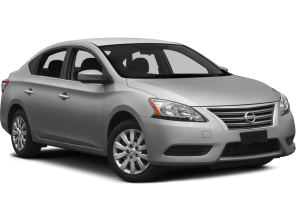
or Similar

or Similar
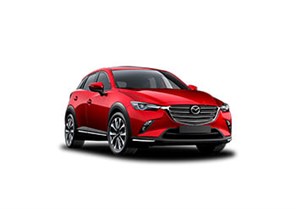
or Similar

or Similar

or Similar

or Similar
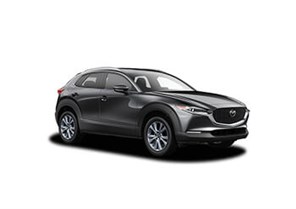
or Similar
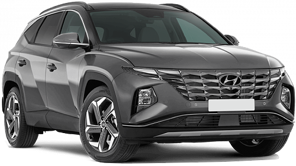
or Similar

or Similar
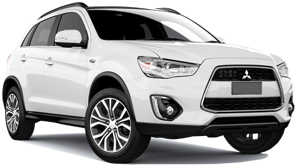
or Similar

or Similar

or Similar
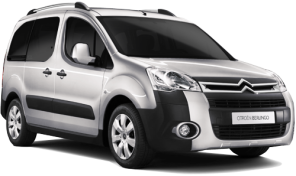
or Similar
Prices shown are approximate and may vary by booking dates, rental duration, and vehicle class. Check booking options for current pricing.
Discover a world of convenience, safety, and customization, paving the way for unforgettable adventures and seamless mobility solutions.
Access rental cars in downtown locations and popular tourist areas for easy travel during your stay.
Compare rental companies side-by-side with clear information about pricing, insurance, and included services.
Book with confidence using our encrypted booking system that protects your personal and payment information.
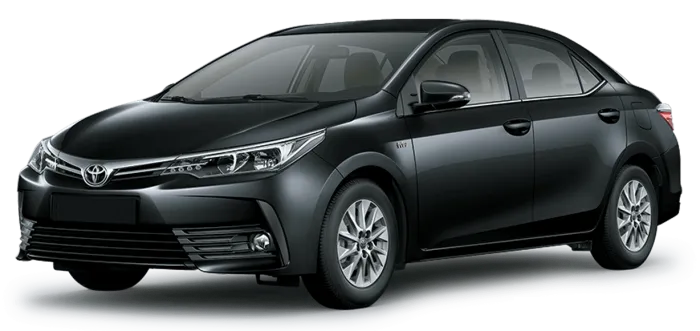
Our support team is available to help with booking questions, modifications, or cancellations.
Use our platform in multiple languages, making it easy for travelers from around the world to book rental cars.
Pay securely using major credit cards and other supported payment methods during booking.
Essential information about car rental companies, popular cars, rental duration, and prices at Israel.
Hertz leads with 30% market share, serving pilgrims visiting Jerusalem and Tel Aviv business travelers.
Economy cars dominate at 38% for navigating city centers and fuel efficiency. SUVs are preferred for Negev Desert explorations and Golan Heights day trips.
Rentals average 4 days, ideal for combining Jerusalem holy sites, Dead Sea visits, and Tel Aviv nightlife. (Based on 19,500+ local searches)
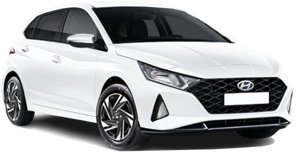
The Hyundai i20 leads for city driving in Tel Aviv and Jerusalem. The Kia Sportage serves families exploring Masada and Ein Gedi.
Israel rates average $44/day. Weekly rentals from $275 offer savings for extended pilgrimages and Red Sea holidays.
Compare average car rental prices by month and see how rental rates vary throughout the year in Israel.
Peak seasons (Spring and Fall) for pilgrimages and tourism. Jewish holidays (Passover, Sukkot) cause extreme demand. Summer heat offers moderate prices in desert areas. Book 2-3 months ahead for holidays. Shabbat (Friday sunset-Saturday) closures affect returns.
* Prices shown are approximate. Original prices are in USD and converted using real-time exchange rates.
Essential driving rules and requirements to know when renting a car.
Get detailed information on driving rules, licence requirements, speed limits and useful local tips.

Renting a car in Israel is widely considered the best way to explore the country's diverse and compact landscape, offering unparalleled freedom to move between ancient historical sites, modern cities, and natural wonders. Most international visitors begin their journey at Ben Gurion Airport (TLV), located near Tel Aviv, which houses the desks of all major international rental companies in its arrivals hall. While picking up your vehicle immediately upon arrival is incredibly convenient, be prepared for airport surcharges and premium rates. Alternatively, renting from a city location in Tel Aviv, Jerusalem, or Haifa can sometimes offer lower prices, though you will need to arrange transportation from the airport to the city first, which can be an initial hassle with luggage.
The primary advantage of renting at the airport is the sheer convenience of stepping off the plane, collecting your car, and driving directly to your destination, whether it's Jerusalem, the Galilee, or the Negev. The main disadvantage is the added cost, as airport locations include additional fees and taxes that city branches often waive. For money-savvy travelers, a great tip is to compare the total price including all taxes for both airport and city pickup locations. Sometimes, the savings from a city branch outweigh the cost and time of a taxi or train into the city, especially for longer rentals. Major international airports with rental facilities include Ben Gurion (TLD), Ramon Airport (ETM) near Eilat, and Haifa Airport (HFA). Key tourist cities with numerous rental offices are Tel Aviv, Jerusalem, Netanya, and Eilat.
| Pickup Location | Pros & Cons |
|---|---|
| Ben Gurion Airport (TLV) | Pro: Maximum convenience upon arrival; wide selection of companies. Con: Highest prices due to airport surcharges and fees; can be busy during peak hours. |
| Tel Aviv City Branches | Pro: Often cheaper than airport; many locations throughout the city. Con: Need to reach the city first via train/taxi; navigating city traffic to find the branch can be tricky. |
| Jerusalem City Branches | Pro: Good option if starting your trip in Jerusalem; competitive pricing. Con: Not convenient if arriving via TLV; driving in Jerusalem can be challenging for first-timers. |
| Ramon Airport (ETM) / Eilat | Pro: Essential for exploring the Negev and Red Sea area; competitive rates in low season. Con: Limited selection compared to TLV; summer heat can be intense for car pick-up. |
To rent a car in Israel, international travelers must meet a set of standard requirements that are strictly enforced by rental companies. The minimum age for renting is typically 21, but drivers under 25 (and sometimes up to 27) will incur a young driver surcharge. A full, valid driver's license from your country of residence is required and must have been held for at least one year. Crucially, a major international credit card in the main driver's name is mandatory for the security deposit; debit cards are rarely, if ever, accepted for this purpose. You will also need to present your valid passport at the rental counter.
Insurance is a critical component of the rental process. Basic Third-Party Liability (TPL) is usually included in the rental price by law. However, the Collision Damage Waiver (CDW) and Theft Protection (TP) offered by the company often come with a high excess (deductible). Many travelers opt for full coverage, often called "Zero Excess" or "Full Super Insurance," to eliminate their financial liability in case of damage. Regarding an International Driving Permit (IDP), it is not a strict legal requirement for most short-term visitors, provided your license is in English or has a recognized English translation. However, having an IDP can be a very useful supplement to your national license, especially if it is not in English or if you are pulled over by police, as it provides a standardized translation.
| Requirement | Details |
|---|---|
| Minimum Age | 21 years (a young driver surcharge applies for ages 21-24, sometimes up to 27). |
| Driver's License | Valid license from your country of residence, held for at least one year. Must be in English or accompanied by a certified translation. |
| International Driving Permit (IDP) | Not legally mandatory for most tourists with English licenses, but highly recommended as a secondary ID and translation tool. |
| Credit Card | Required in the main driver's name for the security deposit. Debit cards are generally not accepted. |
| Passport | Valid passport required for identification at the rental counter. |
Renting a car in Israel transforms a trip from a series of guided tours into a personal adventure of discovery. The country's small size is its greatest asset for drivers; you can experience the cosmopolitan nightlife of Tel Aviv, the ancient stones of Jerusalem, the serene landscapes of the Galilee, and the otherworldly quiet of the Negev Desert all within a single trip. Public transportation, while efficient in city centers and between major hubs, simply cannot reach many of the country's most captivating sites, such as national parks, rural guesthouses (zimmers), and remote beaches.
For families, a rental car is almost indispensable, offering the freedom to travel without being tied to bus schedules and the comfort of having space for children and luggage. The journey itself becomes a highlight, with numerous scenic drives that reveal the country's rich history and varied topography at every turn. Whether you are cruising along the Mediterranean coast, winding through the Judean Hills, or descending into the Jordan Valley, having your own vehicle allows you to stop spontaneously, linger at a viewpoint, and truly set your own pace.
Travelers in Israel are presented with a wide array of choices, from well-known global brands to reliable local suppliers. International giants like Hertz, Avis, Budget, Sixt, and Europcar have a significant presence at the airport and in all major cities, offering the reassurance of standardized fleets, loyalty programs, and consistent customer service. These are excellent choices for travelers seeking familiarity and ease of booking. Local Israeli companies, such as Eldan and Tamir, are also major players in the market and are highly reputable. They often provide competitive pricing and vehicles that are well-suited to the local terrain, and their service can be more personalized.
To get the best of both worlds—competitive pricing and the security of a major brand—many savvy travelers use international rental comparison platforms like DiscoverCars.com or Rentalcars.com. These websites aggregate deals from both international and local suppliers, allowing you to easily compare coverage, prices, and terms in one place. This is often the best strategy for finding a good deal, especially during the high season.
| Company | Price Level | Pros |
|---|---|---|
| Eldan | Medium | Leading local company with excellent service; extensive branch network; cars well-suited for Israel. |
| Sixt | Medium/High | Premium fleet with many luxury and sporty options; modern vehicles; strong at airport locations. |
| Hertz | Medium/High | Global reliability; wide selection; good for corporate clients and loyalty program members. |
| Budget | Low/Medium | Consistently competitive rates; good for budget-conscious travelers; large fleet at TLV. |
| Avis | Medium | Well-established international brand with good customer support and a wide range of vehicles. |
| Europcar | Medium | Strong European brand with a good presence in Israel; often has good long-term rental deals. |
Selecting the right vehicle category is key to a comfortable trip in Israel. For solo travelers or couples planning to stick to city centers and highways, a compact or economy car is the most practical and budget-friendly choice. Popular models include the Hyundai i20 or Toyota Yaris, which are easy to park in narrow city streets. For families or groups, a mid-size SUV like a Nissan Qashqai or a Kia Sportage is a top choice, offering extra space and a higher driving position, which is great for navigating both urban and rural roads. If you are traveling with a larger group or multiple children, a people carrier or minivan provides essential space. For those planning extensive off-road driving in the Negev or Golan Heights, a 4x4 vehicle is recommended for its durability and ground clearance.
Car rental prices in Israel are highly dynamic and fluctuate significantly with the seasons. The peak season, from March to May and September to November, sees the highest demand due to the pleasant weather and major Jewish holidays like Passover and Sukkot. Prices during these periods can be more than double the low-season rates. The summer months (June to August) are also busy, with high demand driving up costs. The cheapest time to rent is during the winter (December to February), excluding the Christmas and Hanukkah holiday period.
| Car Category | Average Daily Price (USD) | Typical Models |
|---|---|---|
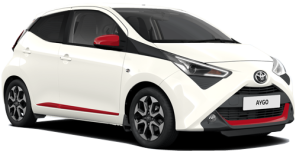
| Small Cars (Economy/Compact) | $25 - $45 | Hyundai i10, Toyota Aygo, Ford Fiesta |
| Medium Cars (Intermediate/Standard) | $35 - $60 | Toyota Corolla, Hyundai i35, Skoda Octavia |
| SUVs (Compact/Midsize) | $50 - $90 | Nissan Qashqai, Kia Sportage, Mazda CX-5 |
| Vans / People Carriers | $70 - $130 | Renault Trafic, Ford Transit Custom |
| Luxury Cars | $90 - $200+ | BMW 3 Series, Mercedes-Benz C-Class, Audi A4 |
Understanding the cyclical nature of car rental prices in Israel is essential for securing the best deal. Prices are inextricably linked to the country's tourism seasons and holiday calendar. The spring and autumn are the most expensive times, as perfect weather coincides with a密集 schedule of religious and national holidays, drawing huge crowds. During these peak windows, availability becomes limited and prices soar. Conversely, the deep winter months, excluding the year-end holiday period, offer the best value, with many companies offering significant discounts to attract travelers.
Last-minute bookings, especially during peak times, are a recipe for paying a premium. The wisest approach is to book as far in advance as possible, particularly if your travel dates coincide with a Jewish holiday. Using a comparison website is the most effective way to identify the cheapest supplier for your chosen dates, and being flexible with your pick-up location (e.g., checking city branches vs. the airport) can also lead to substantial savings.
| Trend Factor | Details |
|---|---|
| Cheapest Month(s) | January & February (excluding Hanukkah/Christmas week). |
| Most Expensive Month(s) | April (Passover) and October (Sukkot). |
| Average Price (Weekly Economy) | $280 - $350 (Low Season) / $550 - $800+ (High Season). |
| A Good Deal (Weekly Economy) | Under $250 per week, booked well in advance for low season. |
| Cheapest Supplier | Varies constantly; always check comparison sites to find the current best rate, often Budget or local brands. |
| Cheapest Car Type | Economy or Mini cars. |
Israel's compact size and diverse landscapes make it a premier destination for unforgettable road trips. Here are some of the most famous routes that showcase the country's beauty and history:
Adapting to local driving norms is crucial for a safe and stress-free experience. The most important rule to remember is that traffic drives on the RIGHT. This will be second nature for drivers from North America and most of Europe, but requires focus for those from the UK, Australia, or Japan. Speed limits are strictly enforced, primarily through police radar and fixed cameras.
Seatbelts are mandatory for all passengers in the vehicle, and child safety seats are compulsory for children under the age of 8. The legal blood alcohol limit is very low (0.05%), and enforcement is strict, so it's best to avoid drinking any alcohol if you plan to drive. Road conditions in Israel are generally excellent, with well-maintained highways connecting major cities. However, drivers should be prepared for aggressive driving styles, especially on busy urban freeways. In rural areas, particularly in the Negev and Golan Heights, roads can be winding and unlit at night. During the winter, it is advisable to check road conditions, especially if driving in the Golan or Jerusalem hills, as snow or ice can occasionally occur.
| Speed Limit | Urban Areas | Rural Roads | Highways |
|---|---|---|---|
| Default (Cars) | 50 km/h | 80 km/h | 90-110 km/h |
| Notes | Limits are clearly signed in kilometers per hour (km/h). Be aware of sudden changes near construction zones. | ||
Israel has a modern, primarily non-toll road network, but there is one critical exception: Highway 6, also known as the Trans-Israel Highway. This is an electronic toll road that runs north-south through the center of the country, providing a fast alternative to the congested free roads. There are no toll booths where you stop to pay. Instead, the system uses cameras to read your license plate. Rental cars in Israel are equipped with a transponder or the license plate is registered with the toll company. The rental agency will automatically bill your credit card for any tolls incurred, usually with an added administrative fee for the service. The cost for a typical journey on Highway 6 ranges from approximately $5 to $15 USD depending on the distance traveled. It is best to inform yourself of the toll road procedures with your rental company at the time of pick-up.
Parking in Israel's major cities, particularly Tel Aviv and Jerusalem, can be a significant challenge. In city centers, parking is largely regulated by paid zones, clearly marked with blue and white curbs. Payment is made at sidewalk ticket machines, and you must display the receipt on your dashboard. These zones are strictly enforced, and fines are hefty. Many streets also have resident-only parking, which should be avoided. For convenience and peace of mind, especially when visiting for a few hours, using a paid parking garage or lot is highly recommended. Prices in garages can range from $5 to $15 per hour in prime locations.
Outside of city centers and in smaller towns, street parking is often free and easier to find. When visiting national parks and nature reserves, dedicated, secure parking lots are almost always available, sometimes for a small fee. A key tip is to always check the signs carefully—look for parking wardens who are very active—and never park in a space reserved for disabled drivers without the proper permit.
Follow these practical tips to ensure a smooth and cost-effective car rental experience in Israel:
Being aware of these common pitfalls can help you avoid unnecessary stress and expense:
Last spring, my partner and I landed at Ben Gurion Airport, excited for a two-week adventure. We breezed through the rental process at the Sixt desk, having booked a small SUV months in advance. After a thorough walk-around video of the car, we programmed our GPS for the Sea of Galilee and hit the road. The feeling of freedom was immediate. Our first spontaneous stop was at a roadside stand in the Galilee for freshly squeezed pomegranate juice. A week later, driving through the Negev, we spotted a sign for a little-known canyon and decided on a whim to explore, a moment that became the highlight of our trip. On our last day, we filled the tank at a gas station near the airport, returned the car, and walked to our terminal, tired but exhilarated from a journey made entirely on our own terms.
For travelers visiting Israel, the rules surrounding the International Driving Permit (IDP) are fairly relaxed but worth understanding. If you hold a valid driver's license issued in English (such as from the USA, UK, Canada, Australia, or New Zealand), you are legally permitted to drive in Israel for up to one year without an IDP. Your English-language license is sufficient on its own. However, if your license is not printed in English (e.g., it is in Russian, Chinese, Japanese, or Hebrew characters), it is strongly recommended, and in some cases required by rental companies, that you obtain an IDP before your trip. The IDP serves as an official translation of your license and is recognized internationally.
Obtaining an IDP is a straightforward process that must be done in your home country before you depart, as they are not available for purchase in Israel. In the United States, they are issued by the American Automobile Association (AAA) and the American Automobile Touring Alliance. In the UK, they are available at major Post Offices. You will need to bring two passport-sized photos, your valid driver's license, and a small fee. The permit is typically valid for one year from the date of issue. Even if it's not strictly mandatory for you, carrying an IDP can serve as a helpful, official form of identification and can smooth over any interactions with traffic police or rental agents, making it a worthwhile investment for peace of mind.
Markers show approximate airport or town-centre areas, not confirmed rental desks.
Find airport guides for car rentals, parking, and ground transportation.
Try a different name, city, or IATA code.
Read verified customer reviews, ratings, and rental experiences from travelers who booked through Airport Car Hub.
Overall Rating
"Goede ervaring op de luchthaven. Shuttlebus stond klaar. De auto was zoals beschreven. Alleen de rij bij de balie was wat lang. Verder top geregeld voor onze trip naar Akko."
Jan Smit
"Honestly the easiest rental Ive ever done. Picked up in Jerusalem, drove down to the Dead Sea and Masada. The Kia was spotless and the AC was a lifesaver. Shoutout to the manager for the upgrade. 🚗💨"
Jack O'Brien
"在特拉维夫的租车体验很好。工作人员英语流利,手续简单。汽车状况极佳,几乎全新。我们开车去了海法和凯撒利亚,一切都很顺利。强烈推荐。"
Wang Fang
"Hämtade bilen i en förort till Tel Aviv, smidigt och mindre stressigt än flygplatsen. Bilen var i toppskick. We drove all the way to the Golan Heights."
Bengt Lindberg
"Stayed in Rishon LeZion, needed a car to get around. Price was much better than the big brands. The drop off box for after hours return was really convenient. Arigato!"
Kenji Nakamura
"Aluguei um carro para ir a Belém e Jericó. Tudo correu bem, ar condicionado forte, carro limpo. Só demorou um pouco na retirada porque tinha fila. No mais, tudo ótimo."
Marcos Silva
"Booked last minute online. Everything was ready when I arrived even though I was 2 hours late. drove to Haifa no issues. return was literally just handing the keys over. 👍"
Anika Patel
"Sorted everything online before my trip. The car was ready on time. I appreciated that they didn't try to force extra insurance on me. Just a straight up good rental."
Noah Thompson
"Ho avuto un problema con il GPS e mi hanno subito cambiato la macchina. Great customer service, really saved my trip to the Negev desert. Will book again next year."
Luca Rossi
"Found a great deal online. The office is easy to find with Waze. Car had some minor parking dents but was very reliable. Absolutely no issues with drop-off at the end. Ευχαριστώ!"
Yiannis Papadopoulos
"I was nervous renting abroad but they made it easy. The lady at the counter spoke perfect English. We drove to the Dead Sea area. Everything was perfect. Thank you!"
Anna Horvath
"Used them for a week long trip. Car was solid, a little scratched on the outside but mechanically perfect. No hidden fees on the card which is always a worry. Recommended."
William Davies
"Landed at TLV, shuttle was waiting, had the keys in under ten minutes. Car was clean, AC ice cold which you absolutely need in August. Drove up to Haifa and back, zero issues. Will use again."
David Rosenberg
"Alquilamos un SUV para la familia. Muy espacioso, asientos cómodos. Condujimos desde Tel Aviv hasta Eilat con paradas. El coche respondió genial en carretera."
Carlos Hernandez
"Car was perfectly fine. The traffic in Tel Aviv however... not so much. 😂 Clean ride, fair fuel policy. Just avoid driving at 5pm if you value your sanity."
Vitaly Polyakov
"Comparé muchos comparadores y este fue el más barato sin trampas. El coche tenia 40 mil km pero funcionaba bien. Si no te importa que no sea 0km, es una opción genial para recorrer Israel."
Matias Fernandez
"Driving in Israel is an experience, but the car handled it all. took it to the north, lovely scenery. no hassle with the rental lot. sound bunch of lads at the counter. 🚗"
Rory O'Sullivan
"Good experience. The upsell on insurance was a bit heavy at the counter, but I stood firm and they backed off. Car itself was a nice Mazda, perfect for the hilly terrain around Jerusalem."
Benjamin Green
"Sehr professionelles Team. Wir haben ein Upgrade bekommen, ohne zu fragen. Das Auto hatte gerade mal 5000 km runter. Die Fahrt an das Tote Meer war ein Traum. Immer wieder gerne."
Lutz Ziegler
"Wszystko zgodnie z rezerwacją. Samochód czysty, pełny bak. Obsługa mówi po angielsku. Polecam wykupić pełne ubezpieczenie dla spokoju głowy, drogi w Izraelu bywają szalone!"
Kacper Nowak
"Ok oplevelse. Der var lidt ventetid i lufthavnen, men personalet var venlige. Bilen var ren og kørte godt på turen til Jerusalem. Kunne godt finde på at bruge dem igen."
Henrik Jensen
"Récupération rapide à la succursale de Tel Aviv. La voiture était propre et le plein fait. On a fait le tour du lac de Tibériade sans problème. Bon rapport qualité-prix."
Maxence Robin
"공항 셔틀이 편리했어요. 예약 확인도 빨랐고요. 차는 깨끗했지만 약간 오래된 느낌이었어요. 그래도 예루살렘 여행 잘 다녀왔습니다."
Seo-jun Kim
"Unkomplizierte Abwicklung, das Auto war fast neu. Wir sind nach Eilat runtergefahren, hat super geklappt. Insurance details were clear and not pushy. 👍"
Clemens Richter
"Got exactly what I paid for. No scams, no tricks. The shuttle bus driver at TLV was a bit grumpy but the check-in staff were lovely. Car had a bit of a smell but air freshener fixed it. 👍"
Pieter Coetzee
"Rented a crossover to explore the north. The suspension handled the mountain roads perfectly. Super comfortable for 4 people. A/C was strong. No surprises on the bill. 👌"
Ayaan Khan
"Scoured the web for hours and AirportCarHub came out cheapest for a midsize. Was skeptical but the car was great. Shuttle back to TLV was fast. The driver even helped with bags. ⭐⭐⭐⭐"
Ethan Cohen
"Бронював онлайн із України. Все пройшло гладко. Авто майже нове, кондиціонер працював ідеально. Подорожували з Тель-Авіва до Ейлата. Рекомендую!"
Oleksandr Shevchenko
"Booked a 4x4 for a trip to Masada and the Dead Sea. Pickup process was surprisingly quick given how busy the office was. The vehicle was brand new, maybe 2000km on the clock. Return was a breeze, they just scanned the car and emailed the receipt. Highly recommend."
John Fraser
"Car was clean and new. Only complaint is the deposit hold on my credit card took almost 2 weeks to release after returning. This was stressful. The actual driving experience was great though."
Samuel Berger
"Araba tertemizdi ve kliması çok iyi çalışıyordu. Kudüs'e gittik geldik, yakıt tüketimi çok ekonomikti. Fiyat performans olarak çok iyi. Tavsiye ederim."
Mustafa Yilmaz
"Decent rates compared to other aggregators I checked. The desk at the airport was a tad understaffed so there was a line. Once I got the car though, it was exactly what I booked. Drove to Jerusalem, no mechanical problems."
Cynthia Lewis
"I had a very positive experience from booking to return. The car was in excellent condition and the team made the pickup and drop-off process quick and easy."
Nathan Vivienne Brown-Pearce