Cheap Car Rental Le Havre, France - Compare Deals & Book Instantly
Search and compare car rental prices from trusted global suppliers. Find the best deals instantly.
Why book with us?
-
Wide Fleet
Choose from economy cars, SUVs, luxury vehicles, and more.
-
Free Cancellation
Flexible booking options with free cancellation on most rentals.
-
24/7 Customer Support
Our expert team is available 24/7 to assist you with any questions or concerns.
Compare top international car rental brands and choose the best deal for your trip.








Car Rental Deals in Le Havre
Choose from our wide range of vehicles available in Le Havre.
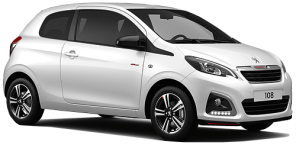
EconomyPeugeot 108 or Similar
From
$10.27
/day
|
|
|||
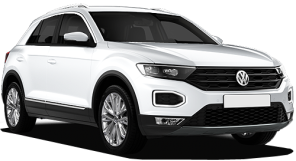
CompactVolkswagen T-Roc or Similar
From
$16.03
/day
|
|
|||
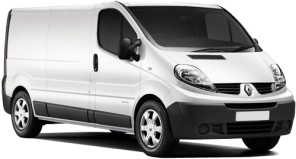
Intermediate Commercial Van/truckRenault Trafic Cargo or Similar
From
$21.41
/day
|
|
|||
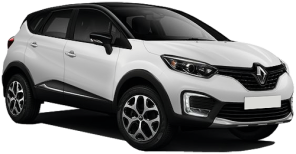
Compact SuvRenault Captur or Similar
From
$12.85
/day
|
|
|||
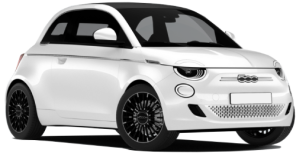
MiniFiat 500 or Similar
From
$10.48
/day
|
|
|||
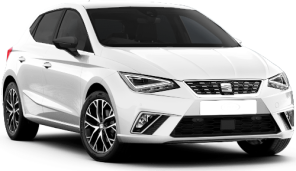
EconomySEAT Ibiza or Similar
From
$10.89
/day
|
|
|||
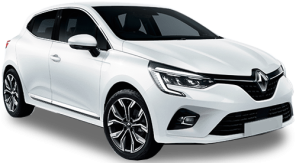
EconomyRenault Clio or Similar
From
$12.81
/day
|
|
|||
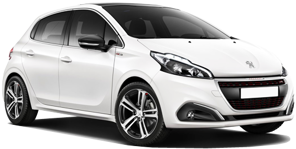
EconomyPeugeot 208 or Similar
From
$13.05
/day
|
|
|||
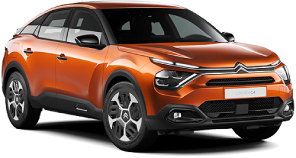
CompactCitroen C4 or Similar
From
$16.34
/day
|
|
|||
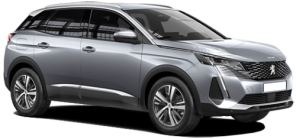
Full-size SuvPeugeot 3008 or Similar
From
$18.76
/day
|
|
|||
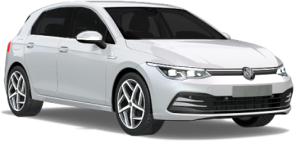
CompactVolkswagen Golf or Similar
From
$18.91
/day
|
|
|||
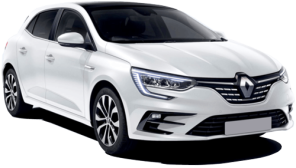
CompactRenault Megane or Similar
From
$19.59
/day
|
|
|||
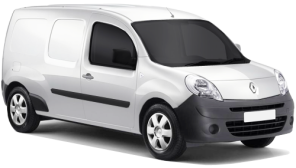
Compact Commercial Van/truckRenault Kangoo or Similar
From
$19.72
/day
|
|
|||
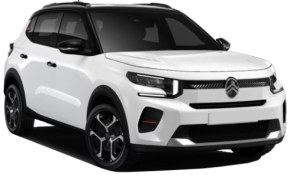
EconomyCITROEN C3 or Similar
From
$19.84
/day
|
|
|||
Mini Commercial Van/truckRenault Clio Cargo or Similar
From
$20.98
/day
|
|
|||
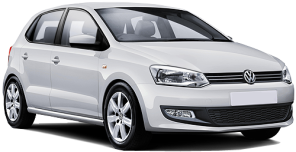
EconomyVolkswagen Polo or Similar
From
$21.05
/day
|
|
|||
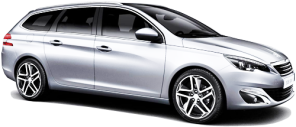
Compact Estate/wagonPeugeot 308 STW or Similar
From
$21.17
/day
|
|
|||
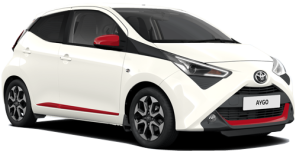
MiniToyota Aygo or Similar
From
$22.02
/day
|
|
|||
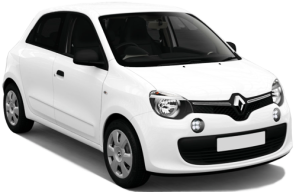
EconomyRenault Twingo or Similar
From
$22.19
/day
|
|
|||
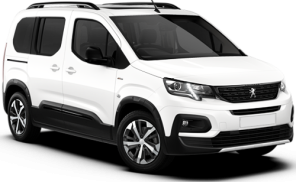
Compact VanPeugeot Riffter or Similar
From
$22.28
/day
|
|
|||
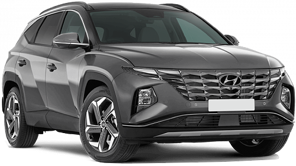
IntermediateHyundai Tucson or Similar
From
$22.32
/day
|
|
|||
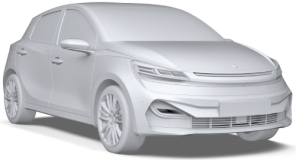
Compact Commercial Van/truckNissan Townstar or Similar
From
$22.40
/day
|
|
|||
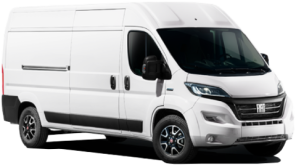
Standard Commercial Van/truckFiat Ducato or Similar
From
$22.53
/day
|
|
|||
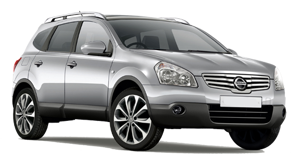
IntermediateNissan Qashqai or Similar
From
$22.76
/day
|
|
|||
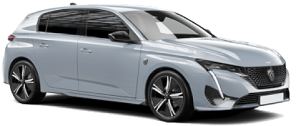
CompactPeugeot 308 or Similar
From
$23.52
/day
|
|
|||
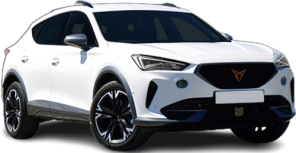
CompactCupra Formentor or Similar
From
$24.33
/day
|
|
|||
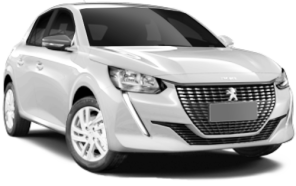
EconomyPeugeot E-208 or Similar
From
$24.48
/day
|
|
|||
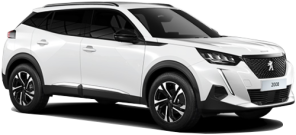
Compact SuvPeugeot 2008 or Similar
From
$24.57
/day
|
|
|||
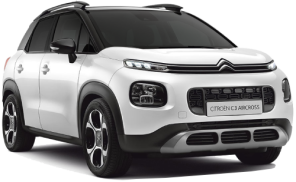
Intermediate SuvCitroen C3 Aircross or Similar
From
$24.64
/day
|
|
|||
Our Features
Discover a world of convenience, safety, and customization, paving the way for unforgettable adventures and seamless mobility solutions.
Customer Support
Our support team is available to help with booking questions, modifications, or cancellations.
Supplier Rating System
Every rental supplier is rated by customers so you can choose trusted providers.
Airport Pickup Options
Find rental cars available at major international airports for convenient pickup immediately after your arrival.
Fast Booking Process
Complete your car rental reservation in just a few simple steps with instant confirmation.
Clear Rental Policies
Access complete rental policies including driver age limits, fuel rules, and deposit conditions.
Trusted Rental Partners
We partner with leading global and local car rental companies to ensure reliable vehicles and professional service.
Le Havre, France Car Rental Facts
Essential information on the best deals, rental providers, and vehicle options in Le Havre, France.
Most Popular Agencies
Europcar leads Le Havre with 30% market share, serving ferry passengers from England. Enterprise follows at 20%, popular with travelers exploring Normandy.
Popular Car Types
Compact cars dominate for city driving and navigating narrow Norman streets. Station wagons are popular for family holidays heading to Normandy beaches.
Average Rental Duration
Le Havre rentals average 3 days, with many visitors arriving by ferry and exploring the Normandy coast, Honfleur, Etretat, and the D-Day landing beaches.
Most Popular Models
The Peugeot 208 is the compact favorite for its French style. The Renault Captur crossover offers versatility for exploring Normandy's varied terrain.
Average Daily Price
Le Havre rates average $44/day. Weekly rentals from $300 offer savings for extended Normandy exploration.
How much does it cost to rent a car at Le Havre, France?
Averaging the lowest prices for the economy car category, the data below shows prices for monthly comparisons.
Cheapest Month Average
JanMost Expensive Month
AugYearly Average Price
Le Havre ferry to UK drives rentals. Perret center UNESCO site tourism. Book 2 months ahead.
Car Rental Le Havre, France Guide
Renting a car in Le Havre, France, is often the key that unlocks the full potential of your visit to this fascinating corner of Normandy. While the city itself is wonderfully walkable, particularly the reconstructed modernist city center designed by Auguste Perret (a UNESCO World Heritage site), a rental car provides the autonomy to escape the urban core and delve into the surrounding region's rich tapestry of history, culture, and dramatic coastal scenery. Many savvy travelers opt for a car not just for convenience, but for the sheer joy of navigating the scenic routes that define this part of France, from the soaring cliffs of Étretat to the hallowed beaches of the D-Day landings.
Your first major decision will be where to pick up your vehicle. Le Havre – Octeville Airport (LEH), primarily a hub for regional flights, has a small but efficient selection of rental desks, making it a convenient choice for those flying directly in. However, the most common and often more varied selection of rental companies and vehicles is found at the Le Havre – TGV train station or various city-center agencies. Picking up in the city can sometimes save you from the modest airport surcharge often levied on rentals. The advantage of an airport pickup is immediate access to your transport upon arrival, whereas a city-center pickup might require a short taxi or tram ride but could offer more competitive rates. The challenge in Le Havre, as in many French cities, is navigating the one-way systems and busy port traffic, but this is a small price to pay for the freedom that follows. A top money-saving tip is to compare the total price, including all fees, for rentals from the train station versus the airport; you might find a significant difference for the same car.
| Pickup Location | Key Details |
|---|---|
| Le Havre – Octeville Airport (LEH) | Most convenient for arriving flights. Smaller selection of desks. May include an airport surcharge. |
| Le Havre – TGV Train Station | Ideal for travelers arriving by train. Wide selection of major companies. Often more competitive pricing than the airport. |
| Le Havre City Center | Agencies scattered throughout the city. Can offer excellent rates. Requires local transport to reach from airport/train station. |
Car Rentals Requirements in Le Havre, France
Understanding the documentation and eligibility criteria is crucial for a smooth rental experience in Le Havre. The rules are generally consistent with French national law, and being prepared will save you time and potential frustration at the rental counter. You'll need to present a valid full driver's license, a passport for identification, and the credit card used for the booking in the name of the main driver. The rental company will place a hold on this card for the security deposit, so ensure you have sufficient available credit.
The minimum age to rent a car in France is typically 21, but drivers under 25 are often subject to a "young driver surcharge," which can add a significant daily fee. For drivers from non-EU countries, it is highly recommended, and in some cases legally required, to carry an International Driving Permit (IDP) alongside your original national license. While not always checked by every rental agency, having an IDP is a prudent measure and can be essential if you are stopped by the French police. It essentially provides a standardized translation of your license. You must obtain this in your home country before you travel. The primary driver will also need a major credit card in their own name; debit cards are rarely accepted for the deposit, and prepaid cards are almost never allowed.
| Requirement | Details |
|---|---|
| Minimum Age | Generally 21 years. Drivers under 25 pay a young driver fee. |
| Driver's License | Valid national license held for at least one year. |
| International Driving Permit (IDP) | Highly recommended for non-EU licenses, especially for US and Canadian license holders. |
| Credit Card | Must be in the main driver's name. Debit cards are rarely accepted for the deposit. |
| Passport | Required for identification for all non-EU citizens. |
| Insurance | Basic third-party liability is mandatory. Collision Damage Waiver (CDW) is typically offered. |
Why Rent a Car in Le Havre
While Le Havre boasts excellent public transport, including trams and buses, a rental car transforms your trip from a simple city visit into a comprehensive Norman adventure. The city is a perfect base, but its true magic lies in its proximity to some of France's most iconic landscapes and historic sites. Having your own vehicle means you are not beholden to train or bus schedules, allowing you to chase the sunset at a dramatic clifftop or linger in a charming seaside village without worrying about the last connection back.
For families or groups, the convenience and cost-effectiveness of a car become even more apparent. Loading up luggage, beach gear, and picnic supplies for a day trip is effortless. Beyond the practicalities, there's an undeniable romance to driving through the Norman countryside, with its patchwork fields, half-timbered farmhouses, and the ever-present scent of the sea. It offers the freedom to make spontaneous detours—perhaps to a local cider farm or a sign pointing to an overlooked château—which are often the most cherished memories of any journey.
- Freedom to Explore: Visit coastal gems like Honfleur, Étretat, and Deauville at your own pace, without being tied to public transport timetables.
- Access to the D-Day Beaches: A car is essential for visiting the multiple, spread-out sites of the Normandy American Cemetery, Utah Beach, and Omaha Beach.
- Scenic Drives: Experience the breathtaking "Alabaster Coast" with its white chalk cliffs, or venture inland to the picturesque countryside of the Pays d'Auge.
- Convenience for Families: Transport children and all their associated gear (strollers, snacks, beach toys) with ease and comfort.
- Wine and Culinary Tours: Explore the cider route (Route du Cidre) and visit Calvados distilleries and local cheese producers on your own itinerary.
- Cost-Effective for Groups: Splitting the rental and fuel costs among three or four people can often be cheaper than buying multiple train or bus tickets.
Best Car Rental Companies in Le Havre
Travelers to Le Havre are spoilt for choice when it comes to rental companies, with a healthy mix of familiar global giants and trusted local agencies. The international brands offer the reassurance of standardized fleets, widespread customer service, and loyalty programs. You'll find desks for companies like Hertz, Avis, Enterprise, and Sixt prominently located at the train station and airport. Budget and Europcar are also excellent choices, often providing competitive rates. These companies typically have newer vehicles and a straightforward booking process, which can be very reassuring for international visitors.
Opting for a well-known brand often means more flexible pick-up and drop-off times and a wider range of vehicle categories. While you might find slightly lower base rates with smaller, local suppliers, it's crucial to read the terms and conditions carefully regarding mileage limits, insurance excess, and deposit amounts. The major companies, despite sometimes having higher initial prices, often include more comprehensive packages. For the best deal, it's wise to compare offers from several of these providers to find the right balance of price, vehicle, and terms for your specific needs.
| Company | Price Level | Pros |
|---|---|---|
| Hertz | Medium / High | Extensive fleet, reliable service, many locations, excellent loyalty program. |
| Avis | Medium / High | Widely recognized, good selection of vehicles, solid customer support. |
| Enterprise | Medium | Known for excellent customer service, large fleet, often has competitive local pricing. |
| Budget | Low / Medium | As the name suggests, often offers lower rates, a good subsidiary of Avis. |
| Sixt | Medium / High | Premium and luxury vehicle options, modern fleet, strong in Europe. |
| Europcar | Medium | Major European player, widely available, good for one-way rentals. |
Popular Car Rental Categories & Prices in Le Havre
The type of vehicle you choose in Le Havre will largely depend on your itinerary. For solo travelers or couples planning to navigate narrow village streets, an economy or compact car is the perfect choice. Models like the Renault Clio or Peugeot 208 are fuel-efficient, easy to park, and ideal for zipping along the coast. Families or groups of friends will find a spacious SUV, such as a Peugeot 3008 or a Renault Captur, offers a comfortable blend of space and ride height, perfect for longer drives. For larger parties or those planning to bring back cases of Calvados and cider, a van or people carrier is a practical necessity. Those seeking a touch of luxury for a special occasion might opt for a premium sedan or a convertible to enjoy the sea air.
Prices in Le Havre fluctuate significantly with the seasons. The high tourist season, running from June through August, sees the highest demand and, consequently, the highest prices. Booking well in advance is essential during this period. The shoulder seasons (April-May and September-October) offer a sweet spot with pleasant weather and more moderate prices. Winter, from November to March (excluding the Christmas holiday period), is the low season where you can find the most attractive deals, though you'll need to be prepared for potentially wet and windy weather. National holidays and long weekends can also cause temporary price spikes.
| Car Category | Average Daily Price (USD) |
|---|---|
| Small Cars (e.g., Fiat 500) | $35 - $60 |
| Medium Cars (e.g., VW Golf) | $50 - $85 |
| SUVs (e.g., Peugeot 3008) | $70 - $120 |
| Vans (e.g., Citroën Berlingo) | $85 - $150 |
| Luxury Cars (e.g., Audi A4) | $110 - $200+ |
Note: These are estimated averages for a weekly rental. Prices vary based on season, availability, and rental company.
| Pricing Factor | Details |
|---|---|
| Cheapest Month | January or February |
| Most Expensive Month | August |
| Average Price | $65 per day (for a medium car) |
| A Good Deal | Under $45 per day for a small car in low season |
| Cheapest Supplier | Varies, but often Budget or Enterprise for base rates. |
| Cheapest Car Type | Economy/Compact (e.g., Renault Twingo) |
Road Trips from Le Havre
Le Havre is the perfect launchpad for some of the most memorable drives in Northern France. The region is compact enough to allow for rewarding day trips, yet deep enough in culture and history to warrant longer explorations.
- Le Havre to Étretat via the Coast Road (D940): This short but spectacular drive of about 30 minutes (30 km) hugs the Alabaster Coast. The highlight is arriving in Étretat, famous for its dramatic white chalk cliffs and natural arches, including the iconic Porte d'Aval. Park the car and hike up the cliffs for breathtaking views.
- Le Havre to Honfleur (via Pont de Normandie): A quick 25-minute drive (25 km) across the stunning Pont de Normandie, a cable-stayed bridge, brings you to the picture-perfect port of Honfleur. Wander through its Vieux Bassin (old harbor) lined with slate-roofed houses, visit the wooden Saint Catherine's Church, and explore its art galleries.
- The D-Day Beaches Circuit: A profound and essential journey, this full-day loop covers around 100-150 km depending on your stops. From Le Havre, head west to Arromanches-les-Bains to see the remains of the Mulberry Harbour, then continue to the American Cemetery at Colleville-sur-Mer, and the key battle sites at Omaha and Utah Beaches.
- Le Havre to Rouen via the Seine Valley (D982): Follow the meandering Seine River east for about 1 hour 15 minutes (85 km) to the historic capital of Normandy, Rouen. This drive offers lovely river views and leads you to a city famed for its stunning Gothic cathedral, medieval half-timbered houses, and the place where Joan of Arc was martyred.
- The Cider Route (Route du Cidre) Loop: Starting from Le Havre, drive south into the Pays d'Auge region. This 40 km circuit takes you through charming villages like Beuvron-en-Auge, one of France's "Most Beautiful Villages." Stop at local farms to sample and buy cider, Calvados, and Pommeau.
Driving Rules in Le Havre
Getting accustomed to local driving customs is key to a safe and enjoyable trip. In France, you drive on the right-hand side of the road and overtake on the left. The rules are strictly enforced, and it's important to be aware of the key regulations before you set off. Seatbelts are mandatory for all passengers, and children under 10 or 1.35 meters tall must use an appropriate child seat. The legal blood alcohol limit is very low (0.05%)—equivalent to about one glass of wine—so it's safest to adopt a "no drinks if driving" policy. France operates a "priorité à droite" system, meaning that if there is no specific signage, vehicles approaching from the right have the right-of-way, even in some urban areas, so stay alert.
Road conditions in and around Le Havre are generally excellent. Major highways (autoroutes) are well-maintained, while smaller departmental roads (D roads) can be narrower and more winding, especially along the coast, requiring a bit more caution. During the winter months, while snow is less common on the coast, it's wise to be aware of the possibility. Some mountainous areas in France require snow tires or chains, but this is not typically a legal requirement for the Le Havre region itself, though having all-weather tires can provide extra peace of mind. Remember that French law requires all vehicles to carry a reflective safety vest (accessible from inside the car) and a warning triangle.
| Rule | Limit / Detail |
|---|---|
| Driving Side | Right |
| Speed Limit (Highway/Autoroute) | 130 km/h (80 mph) in dry conditions, 110 km/h when wet. |
| Speed Limit (Dual Carriageway) | 110 km/h (68 mph) dry, 100 km/h wet. |
| Speed Limit (Other Roads) | 80 km/h (50 mph) / 90 km/h on some departmental roads. |
| Speed Limit (Towns/Cities) | 50 km/h (31 mph), often reduced to 30 km/h in zones. |
| Blood Alcohol Limit | 0.05% (0.5 g/l). Zero tolerance for new drivers. |
Toll Roads in Le Havre
When driving in and out of Le Havre, you'll almost certainly encounter France's extensive system of toll roads (péages). The main autoroutes, such as the A13 towards Paris or the A29 towards Amiens, are tolled. The costs are reasonable and contribute to the excellent road maintenance. For example, a trip from Le Havre to Rouen might cost a few euros, while a longer journey to Paris could be around €20-€25. The iconic Pont de Normandie, connecting Le Havre to Honfleur, also carries a toll, which is typically around €5-€6 for a standard car. Payments can be made by credit or debit card (cartes bancaires) or cash (espèces) at the toll booths. The booths are clearly marked with symbols indicating accepted payment methods. It's wise to keep some euros in cash handy, just in case.
Parking in Le Havre
Navigating parking in Le Havre is manageable with a little local knowledge. The city center, rebuilt in a grid pattern, features a mix of paid on-street parking (zones bleues) and secure, affordable underground parking garages. The underground car parks, such as those under the Espace Coty or near the Le Havre Cathedral, are excellent options for long-term or worry-free parking. They are clearly signposted from the main roads. Street parking is paid from Monday to Saturday, usually from 9 am to 7 pm, with free parking on Sundays and public holidays. You'll need to display a parking ticket (horodateur) on your dashboard, which you can purchase from the on-street pay stations using coins or, increasingly, a credit card.
The biggest parking challenge is during the peak summer season or during special events, when the popular spots near the beachfront (Boulevard Albert 1er) fill up quickly. Patience is key, and it's often easier to head directly to an underground garage rather than circling the streets. Also, be mindful of residents-only parking zones, which are clearly marked. For day trips to popular towns like Honfleur or Étretat, arriving early in the morning is the best strategy to secure a spot, as their quaint historic centers have very limited parking capacity.
Tips for Car Rental in Le Havre
Arming yourself with a few insider tips can make your car rental experience in Le Havre smoother, cheaper, and far more enjoyable. It's about being proactive rather than reactive, especially when dealing with contracts and local driving conditions. Here are some practical pointers from a frequent traveler's perspective.
- Book Early, Especially for Summer: Prices escalate and availability plummets as you get closer to the travel date, particularly for the peak months of July and August. Secure your vehicle as soon as your plans are confirmed.
- Master the Manual Transmission: The vast majority of rental cars in France have manual (stick shift) transmissions. If you require an automatic, you must reserve it well in advance, and expect to pay a premium for it.
- Consider the Pickup Location: Compare the total cost (including any surcharges) between the airport, train station, and city center locations. A short tram ride to a city-center agency could save you a significant amount.
- Inspect the Car Thoroughly: Before driving off, do a complete walk-around of the vehicle with the rental agent. Photograph or video any existing dings, scratches, or interior marks to avoid disputes when you return the car.
- Understand Your Insurance Coverage: Know what your existing travel insurance or credit card covers for car rentals. You might be able to decline the rental company's expensive Collision Damage Waiver (CDW), but ensure you have a robust alternative for the excess.
- Check the Fuel Policy: The most common and hassle-free policy is "Full-to-Full" (plein/plein), where you pick up the car with a full tank and return it full. This avoids paying the company's inflated refueling charges.
- Pack the Legal Essentials: Remember that French law requires you to have a reflective safety vest and a warning triangle in the car. These are usually provided, but double-check they are in the vehicle before you leave the rental lot.
Common Car Rental Mistakes Travelers Make
Even seasoned travelers can fall into common traps when renting a car abroad. Being aware of these potential pitfalls before you arrive in Le Havre can help you sidestep frustration and unexpected costs, ensuring your Norman road trip is memorable for all the right reasons.
- Not Inspecting the Car Beforehand: Failing to note pre-existing damage is the number one cause of deposit disputes. Always do a thorough check and make sure any marks are documented on the rental agreement.
- Ignoring the "Priorité à Droite" Rule: Forgetting that cars from the right have the right-of-way in many situations, especially in older town centers, can lead to dangerous confusion and close calls.
- Skipping the IDP: Assuming your home license is sufficient everywhere can be a costly mistake. While some agencies don't ask for it, police do, and not having one can lead to a fine.
- Bringing the Car Back Late: Most rental companies operate on a strict 30-minute grace period. Returning the car even an hour late can result in being charged for an extra full day.
- Forgetting to Factor in Tolls: Underestimating the cost of péages can throw a small wrench in your travel budget. It's wise to have a mix of cash and card available for toll booths.
- Overloading the Vehicle: Exceeding the vehicle's maximum permitted weight or number of passengers is unsafe and can invalidate your insurance. Be realistic about the space you need.
Real Travel Experience Renting a Car in Le Havre
Last September, my wife and I landed at Le Havre airport, a bit weary from our flight from the US. We'd pre-booked a small Peugeot 208 online, and the agent at the Hertz desk was efficient, checking our licenses, passports, and the IDP we'd wisely gotten. After a thorough walk-around where I snapped photos of a tiny scuff on the rear bumper, we were off. The initial drive into the city was a bit nerve-wracking, getting used to the roundabouts and the "priorité à droite" rule, but we soon found our rhythm. The true magic began the next day when we effortlessly drove the winding coastal road to Étretat. We parked on the outskirts, hiked to the clifftop, and felt like we had the entire vista to ourselves, completely free from any tour bus schedule. That evening, we spontaneously decided to follow a small sign for a cider farm in the countryside, a detour that led to a wonderful tasting and a few bottles in the trunk. That flexibility, that ability to just go, was entirely thanks to having our own set of wheels.
International Driving Permit for Travelers Visiting Le Havre
For international travelers, particularly those from outside the European Union, the question of whether you need an International Driving Permit (IDP) for driving in Le Havre is an important one. While French law officially requires an IDP to accompany a non-European license, the reality on the ground can be a bit inconsistent. Many major rental companies at Le Havre airport or train station may not ask to see it, as they are accustomed to processing international licenses. However, if you are stopped by the French police (Gendarmerie) for a routine check or a traffic violation, not having an IDP can result in an on-the-spot fine of up to €11, and it could complicate matters further if an accident occurs. Therefore, it is always strongly recommended to obtain one before you leave home. It serves as an official translation of your license in multiple languages, including French, and provides a layer of legal protection and peace of mind.
Obtaining an IDP is a straightforward process in most countries. In the United States, they are available at AAA and AATA offices for a small fee; you simply need to bring two passport-sized photos, your valid driver's license, and fill out an application. In the UK, they are available at major Post Offices. The permit is typically valid for one year from the date of issue. You cannot obtain an IDP once you have arrived in France; it must be issued in your country of residence. It is not a standalone document and must always be presented alongside your original, valid driver's license. Considering the minimal cost and effort involved, carrying an IDP is a small price to pay for ensuring your driving adventure in and around Le Havre is completely worry-free.
Car Rental Locations in Le Havre
Discover More France Car Rental Destinations
- Car Rental in Aix En Provence
- Car Rental in Alencon
- Car Rental in Angers
- Car Rental in Angouleme
- Car Rental in Annecy
- Car Rental in Arles
- Car Rental in Avignon
- Car Rental in Beauvais
- Car Rental in Bergerac
- Car Rental in Beziers
- Car Rental in Biarritz
- Car Rental in Bordeaux
- Car Rental in Brest
- Car Rental in Brive
- Car Rental in Caen
- Car Rental in Calais
- Car Rental in Cannes
- Car Rental in Carcassonne
- Car Rental in Chambery
- Car Rental in Chamonix
- Car Rental in Cherbourg
- Car Rental in Clermont Ferrand
- Car Rental in Colmar
- Car Rental in Dax
- Car Rental in Dijon
- Car Rental in Epernay
- Car Rental in Epinal
- Car Rental in Ferney Voltaire
- Car Rental in Figari
- Car Rental in Grenoble
- Car Rental in La Rochelle
- Car Rental in Lille
- Car Rental in Limoges
- Car Rental in Lorient
- Car Rental in Lyon
- Car Rental in Marseille
- Car Rental in Massy
- Car Rental in Metz
- Car Rental in Montpellier
- Car Rental in Moutiers
- Car Rental in Mulhouse
- Car Rental in Nantes
- Car Rental in Narbonne
- Car Rental in Nice
- Car Rental in Nimes
- Car Rental in Orleans
- Car Rental in Paris
- Car Rental in Pau
- Car Rental in Perpignan
- Car Rental in Quimper
- Car Rental in Reims
- Car Rental in Rennes
- Car Rental in Rouen
- Car Rental in Saint Tropez
- Car Rental in St Malo
- Car Rental in Strasbourg
- Car Rental in Tarbes
- Car Rental in Toulon
- Car Rental in Toulouse
- Car Rental in Troyes
Other Car Rental Locations in France
- Car Rental at Aix En Provence Downtown
- Car Rental at Alencon Downtown
- Car Rental at Angers Downtown
- Car Rental at Angouleme Downtown
- Car Rental at Annecy Downtown
- Car Rental at Arles Downtown
- Car Rental at Avignon Downtown
- Car Rental at Beauvais Airport (BVA)
- Car Rental at Beauvais Downtown
- Car Rental at Bergerac Airport (EGC)
- Car Rental at Bergerac Downtown
- Car Rental at Beziers Airport (BZR)
- Car Rental at Beziers Downtown
- Car Rental at Biarritz Airport (BIQ)
- Car Rental at Biarritz Downtown
- Car Rental at Bordeaux Airport (BOD)
- Car Rental at Bordeaux Downtown
- Car Rental at Brest Airport (BES)
- Car Rental at Brest Downtown
- Car Rental at Brive Airport (BVE)
- Car Rental at Brive Downtown
- Car Rental at Caen Airport (CFR)
- Car Rental at Caen Downtown
- Car Rental at Calais Downtown
- Car Rental at Cannes Airport (CEQ)
- Car Rental at Cannes Downtown
- Car Rental at Carcassonne Airport (CCF)
- Car Rental at Carcassonne Downtown
- Car Rental at Chambery Downtown
- Car Rental at Cherbourg Downtown
Major Airports in France
Complete airport guides with car rental information, parking, and transportation options
- Beauvais Airport Guide IATA: BVA
- Bergerac Airport Guide IATA: EGC
- Beziers Airport Guide IATA: BZR
- Biarritz Airport Guide IATA: BIQ
- Bordeaux Airport Guide IATA: BOD
- Brest Airport Guide IATA: BES
- Brive Airport Guide IATA: BVE
- Caen Airport Guide IATA: CFR
- Cannes Airport Guide IATA: CEQ
- Carcassonne Airport Guide IATA: CCF
- Clermont Ferrand Airport Guide IATA: CFE
- Figari Airport Guide IATA: FSC
- Grenoble Airport Guide IATA: GNB
- La Rochelle Airport Guide IATA: LRH
- Lille Airport Guide IATA: LIL
- Limoges Airport Guide IATA: LIG
- Lyon Airport Guide IATA: LYS
- Marseille Airport Guide IATA: MRS
- Montpellier Airport Guide IATA: MPL
- Mulhouse Airport Guide IATA: MLH
- Nantes Airport Guide IATA: NTE
- Nice Airport Guide IATA: NCE
- Nimes Airport Guide IATA: FNI
- Paris Charles de Gaulle Airport Guide IATA: CDG
- Paris Orly Airport Guide IATA: ORY
- Perpignan Airport Guide IATA: PGF
- Rennes Airport Guide IATA: RNS
- Strasbourg Airport Guide IATA: SXB
- Tarbes Airport Guide IATA: LDE
- Toulon Airport Guide IATA: TLN
- Toulouse Airport Guide IATA: TLS