Cheap Car Rental France - Compare Deals & Book Instantly
Search and compare car rental prices from trusted global suppliers. Find the best deals instantly.
Why book with us?
-
Wide Fleet
Choose from economy cars, SUVs, luxury vehicles, and more.
-
Free Cancellation
Flexible booking options with free cancellation on most rentals.
-
24/7 Customer Support
Our expert team is available 24/7 to assist you with any questions or concerns.
Compare top international car rental brands and choose the best deal for your trip.








Car Rental Deals in France
Choose from our wide range of vehicles available in France.
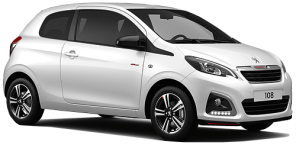
EconomyPeugeot 108 or Similar
From
$10.27
/day
|
|
|||
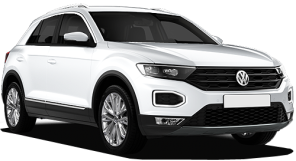
CompactVolkswagen T-Roc or Similar
From
$16.03
/day
|
|
|||
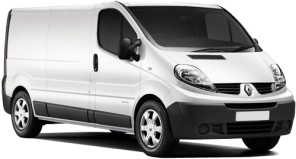
Intermediate Commercial Van/truckRenault Trafic Cargo or Similar
From
$21.41
/day
|
|
|||
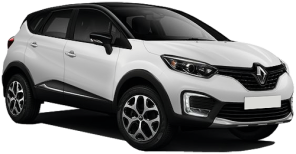
Compact SuvRenault Captur or Similar
From
$12.85
/day
|
|
|||
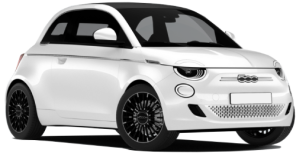
MiniFiat 500 or Similar
From
$10.48
/day
|
|
|||
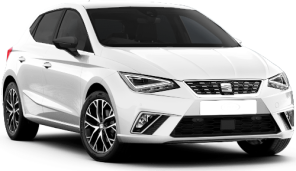
EconomySEAT Ibiza or Similar
From
$10.89
/day
|
|
|||
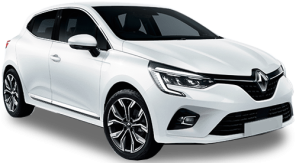
EconomyRenault Clio or Similar
From
$12.81
/day
|
|
|||
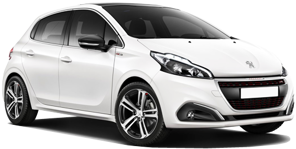
EconomyPeugeot 208 or Similar
From
$13.05
/day
|
|
|||
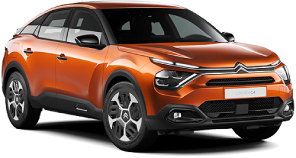
CompactCitroen C4 or Similar
From
$16.34
/day
|
|
|||
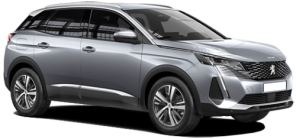
Full-size SuvPeugeot 3008 or Similar
From
$18.76
/day
|
|
|||
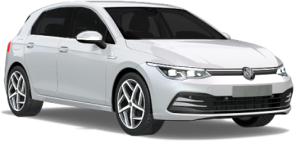
CompactVolkswagen Golf or Similar
From
$18.91
/day
|
|
|||
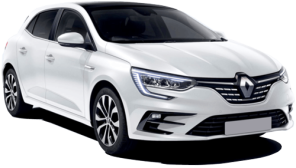
CompactRenault Megane or Similar
From
$19.59
/day
|
|
|||
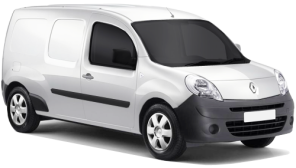
Compact Commercial Van/truckRenault Kangoo or Similar
From
$19.72
/day
|
|
|||
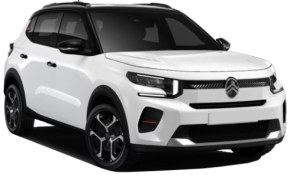
EconomyCITROEN C3 or Similar
From
$19.84
/day
|
|
|||
Mini Commercial Van/truckRenault Clio Cargo or Similar
From
$20.98
/day
|
|
|||
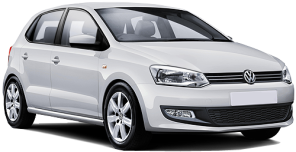
EconomyVolkswagen Polo or Similar
From
$21.05
/day
|
|
|||
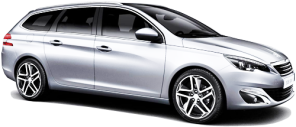
Compact Estate/wagonPeugeot 308 STW or Similar
From
$21.17
/day
|
|
|||
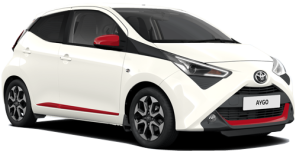
MiniToyota Aygo or Similar
From
$22.02
/day
|
|
|||
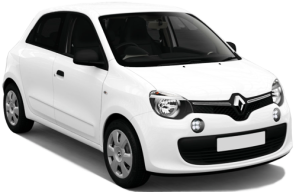
EconomyRenault Twingo or Similar
From
$22.19
/day
|
|
|||
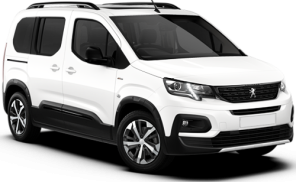
Compact VanPeugeot Riffter or Similar
From
$22.28
/day
|
|
|||
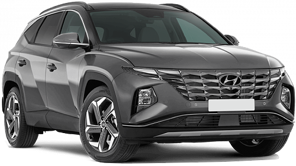
IntermediateHyundai Tucson or Similar
From
$22.32
/day
|
|
|||
Compact Commercial Van/truckNissan Townstar or Similar
From
$22.40
/day
|
|
|||
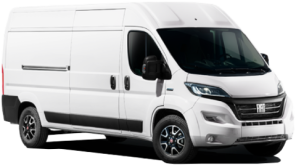
Standard Commercial Van/truckFiat Ducato or Similar
From
$22.53
/day
|
|
|||
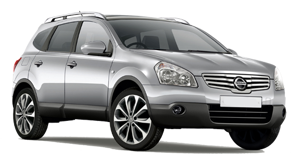
IntermediateNissan Qashqai or Similar
From
$22.76
/day
|
|
|||
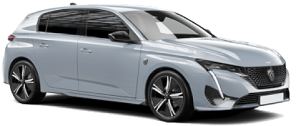
CompactPeugeot 308 or Similar
From
$23.52
/day
|
|
|||
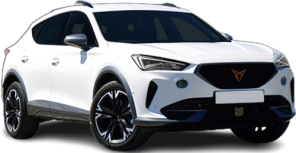
CompactCupra Formentor or Similar
From
$24.33
/day
|
|
|||
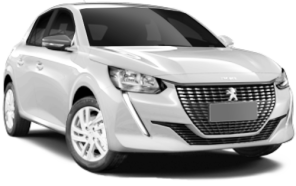
EconomyPeugeot E-208 or Similar
From
$24.48
/day
|
|
|||
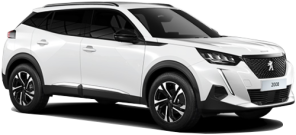
Compact SuvPeugeot 2008 or Similar
From
$24.57
/day
|
|
|||
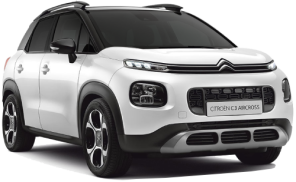
Intermediate SuvCitroen C3 Aircross or Similar
From
$24.64
/day
|
|
|||
Our Features
Discover a world of convenience, safety, and customization, paving the way for unforgettable adventures and seamless mobility solutions.
Interactive Location Maps
See rental locations on interactive maps to quickly choose the most convenient pickup point.
One-Way Rentals
Pick up your rental car in one city and drop it off in another, perfect for road trips and multi-city travel.
Booking Assistance
Our support team can help you choose the right car and complete your booking if needed.
City Center Locations
Access rental cars in downtown locations and popular tourist areas for easy travel during your stay.
Multiple Payment Options
Pay securely using major credit cards and other supported payment methods during booking.
Customer Reviews
Read verified customer reviews and ratings to help you choose the best rental supplier for your trip.
France Car Rental Facts
Essential information on the best deals, rental providers, and vehicle options in France.
Most Popular Agencies
Lion City Rentals leads with 28% share, catering to both tourists wanting to explore beyond the city and residents needing temporary vehicles.
Popular Car Types
Compact cars are favored for city maneuverability. Luxury vehicles serve business travelers and tourists wanting to arrive in style at Marina Bay.
Average Rental Duration
Short 3-day rentals reflect Singapore's compact size and excellent public transport, with cars used mainly for weekends in Malaysia or Sentosa trips. (Based on 14,200+ local searches)
Most Popular Models
The Toyota Corolla dominates the practical rental segment. The Mercedes C-Class is preferred for business clients and special occasions.
Average Daily Price
Singapore commands premium rates averaging $72/day, reflecting high vehicle costs. Weekend rentals from $135 offer value for Malaysia road trips.
How much does it cost to rent a car at France?
Averaging the lowest prices for the economy car category, the data below shows prices for monthly comparisons.
Cheapest Month Average
JanMost Expensive Month
SepYearly Average Price
F1 Grand Prix (September) causes extreme price spikes. Peak seasons (June-August, December) for tourism. Cars expensive - public transport efficient. ERP tolls apply. Book 2-3 months ahead for F1.
Driving Laws & Information for France
Essential driving rules and requirements to know when renting a car
Driving Side
Right
Minimum Age
18 to drive
Blood Alcohol Limit
0.05% maximum
IDP Required?
Sometimes International Driving Permit
Speed Units
km/h
Seat Belt
Required
Toll Roads
Yes
Emergency
112 emergency number
Your Complete Guide to Renting a Car in France for International Travelers (2026)
Renting a car is undeniably one of the best ways to experience the diverse beauty of France, from the sun-drenched lavender fields of Provence to the dramatic cliffs of Normandy and the glamorous coastline of the French Riviera. For international travelers, a rental car offers the freedom to explore charming villages, historic châteaux, and world-famous vineyards at your own pace, away from the constraints of public transport schedules. However, navigating the French rental system, understanding local driving laws, and choosing the right pickup location can be daunting for first-timers. This comprehensive guide is designed to provide you with all the practical, professional, and SEO-friendly advice you need to rent a car in France confidently and cost-effectively in 2026.
Whether you are planning a romantic getaway in the Loire Valley or a family road trip through the Alps, understanding the nuances of car rental in France is crucial. From deciding between airport and city center pickup to knowing the specific insurance requirements, this article covers every aspect to ensure your journey is smooth and memorable. We'll delve into pricing trends, the best times to rent, essential driving rules, and insider tips to help you save money and avoid common pitfalls. Let's hit the road and discover how to make your French adventure truly unforgettable.
Airport vs. City Center Pickup: Choosing Your Starting Point
One of the first decisions you'll make when renting a car in France is where to pick it up. The two main options are at the airport or in the city center, and each comes with its own set of advantages and disadvantages. Your choice will largely depend on your itinerary, budget, and how you prefer to begin your trip.
Picking up your rental car directly at the airport is the most convenient option for most travelers. After a long flight, you can walk directly to the rental car desks located in the arrivals hall, complete the paperwork, and drive away. Major international airports like Paris-Charles de Gaulle (CDG), Nice Côte d'Azur (NCE), Lyon-Saint Exupéry (LYS), and Marseille Provence (MRS) have extensive rental car facilities with a wide selection of companies and vehicles. However, this convenience often comes at a premium. Airports frequently add surcharges, concession fees, and taxes that can significantly increase the total cost of your rental.
City center locations, on the other hand, are often more budget-friendly. Rental agencies in cities like Paris, Bordeaux, or Toulouse may offer lower base rates and fewer surcharges. Picking up in the city also allows you to acclimatize to your surroundings before driving. The major disadvantage is the logistics of getting from the airport to your rental location with your luggage, especially if you are unfamiliar with the public transport system. Additionally, navigating dense city traffic immediately after pickup can be stressful.
Money-Saving Tip: If your itinerary allows, compare the total cost of a rental from the airport versus a city center location. Sometimes, taking a train or shuttle into the city to pick up your car can save you enough money to cover a nice dinner.
Rental Pickup Location Comparison
| Pickup Location | Pros | Cons | Best For |
|---|---|---|---|
| Airport | Maximum convenience upon arrival; wide selection of vehicles; often extended hours. | Higher prices due to airport surcharges; can be chaotic and crowded. | Travelers heading directly out of the city; those prioritizing convenience. |
| City Center | Generally lower prices; allows time to adjust before driving. | Inconvenient to reach with luggage; navigating city traffic at pickup; limited office hours. | Budget-conscious travelers; those spending time in the city first. |
| Train Station | Convenient for multi-city rail trips; often competitive pricing. | Can be busy; limited vehicle availability; urban traffic challenges. | Travelers combining rail and road trips. |
Seasonal Pricing and When to Book
Car rental prices in France are highly dynamic and fluctuate dramatically based on demand. Understanding these seasonal trends is key to securing a good deal. The high season, which runs from June to August, sees a massive influx of tourists, driving prices up significantly. This is also when you'll find the least availability, especially for popular vehicle categories like automatic cars and SUVs.
The low season (November to March, excluding holiday periods) offers the most affordable rates. During these months, demand drops, and rental companies often run promotions to attract customers. The shoulder seasons—spring (April to May) and autumn (September to October)—strike a perfect balance, with pleasant weather for driving, fewer crowds, and moderate prices. Major events like the Cannes Film Festival, the Paris Motor Show, or national holidays can also cause temporary price spikes, so it's wise to check the local calendar before booking.
Average Rental Price Overview
| Category | Details |
|---|---|
| Cheapest Month | January |
| Most Expensive Month | August |
| Average Price (Week) | €300 - €600 (for a compact car) |
| A Good Deal | Under €35/day for an economy car in low season |
| Cheapest Supplier | Often local brokers or smaller agencies like Sixt or Europcar when booked in advance |
| Cheapest Car Type | Economy (e.g., Fiat 500, Renault Twingo) |
Understanding Rental Demand and Duration
Rental demand in France is intrinsically linked to tourism patterns. The demand peaks during the summer school holidays (July and August) as families from across Europe and the world flock to the coasts and countryside. Spring break and the Christmas/New Year period also see a surge in bookings, particularly in ski resort areas like Chamonix and Val d'Isère. Business travel keeps demand steady in major cities like Paris and Lyon during weekdays throughout the year.
The typical rental duration for a traveler exploring France is between 7 and 14 days. This timeframe allows for a comprehensive road trip, such as touring Provence or driving through the Loire Valley. Shorter rentals of 3-5 days are common for specific excursions, like exploring the Normandy landing beaches from Paris, while longer rentals of three weeks or more are popular for those undertaking a grand tour of the country.
Rental Locations and Supplier Landscape
France boasts one of the most extensive and competitive car rental markets in Europe. You'll find thousands of rental locations scattered across the country, from major international airports and train stations to city centers and even smaller towns. This high density ensures that picking up and dropping off a vehicle is convenient no matter your itinerary.
The market is dominated by well-known international brands, but local French suppliers and online brokers also play a significant role, often offering more competitive prices. Availability is generally excellent, but during peak seasons, it's crucial to book well in advance, particularly for automatic transmission vehicles, which are in high demand but short supply.
France Car Rental: Quick Facts
| Feature | Details |
|---|---|
| Estimated Locations | 2,500+ |
| Airport Presence | Extensive at all major international airports |
| City Presence | Very high in all cities and large towns |
| Major Int'l Suppliers | Hertz, Avis, Europcar, Sixt, Enterprise, Budget |
| Popular Local Suppliers | ADA, Locauto, Rent-a-Car (often via brokers) |
| General Availability | Excellent, but book early for automatics in peak season |
Choosing the Right Vehicle for Your Trip
Selecting the appropriate car category can make or break your French road trip experience. It's not just about price; consider your itinerary, luggage, and passenger comfort. Here are the most common vehicle categories chosen by travelers:
- Economy Cars: Perfect for solo travelers or couples on a budget. These small cars (like the Fiat 500 or Renault Twingo) are incredibly fuel-efficient and a joy to park in narrow city streets. They are ideal for short trips and navigating urban centers.
- Compact Cars: A step up in size and comfort, compacts (such as the Volkswagen Golf or Peugeot 308) are the most popular choice for small families or groups of three. They offer a good balance of space, fuel economy, and highway comfort for longer journeys.
- SUVs / 4x4 Vehicles: For those venturing into the French Alps, the countryside, or simply preferring a higher driving position, an SUV (like the Renault Captur or Peugeot 3008) is a great option. They provide extra space and are well-suited for rural roads, though they are less fuel-efficient and can be harder to park in cities.
- Vans / Family Vehicles: Larger families or groups of friends will need the space of a van or people carrier (such as the Renault Scénic or Citroën Berlingo). These vehicles offer ample room for passengers and luggage, making them ideal for a two-week tour of the country.
Famous French Road Trip Routes
France is a road tripper's paradise, with meticulously maintained roads leading to some of the world's most iconic sights. Here are a few classic routes to inspire your itinerary:
- The French Riviera & Verdon Gorge:
- Route: Nice to Moustiers-Sainte-Marie
- Distance/Time: Approx. 250 km, 4-5 hours of driving (excluding stops)
- Major Highlights: Glitzy coastal towns like Cannes and Saint-Tropez, the breathtaking cliffs and turquoise water of the Verdon Gorge, and perched villages like Gourdon.
- Châteaux of the Loire Valley:
- Route: Orléans to Tours (following the Loire River)
- Distance/Time: Approx. 120 km, can be explored over 2-3 days.
- Major Highlights: A journey through fairytale landscapes, stopping at magnificent Renaissance châteaux such as Chambord, Chenonceau, and Cheverny, surrounded by vineyards and charming villages.
- Route des Grandes Alpes:
- Route: Lake Geneva (Thonon-les-Bains) to the French Riviera (Menton)
- Distance/Time: Approx. 700 km, 5-7 days for a scenic drive.
- Major Highlights: A legendary drive through the heart of the French Alps, crossing over 16 high mountain passes, including the iconic Col de l'Iseran, with stunning views of peaks, glaciers, and valleys.
- Normandy's D-Day Beaches and Mont Saint-Michel:
- Route: Caen to Mont Saint-Michel
- Distance/Time: Approx. 200 km, 2-3 days.
- Major Highlights: A moving historical tour of the WWII landing beaches (Omaha Beach, Utah Beach), the evocative American Cemetery, the picturesque port of Honfleur, and the majestic, UNESCO-listed island abbey of Mont Saint-Michel.
Essential Driving Rules and Regulations in France
Before you set off, familiarizing yourself with French driving laws is essential for a safe and legal journey. The rules are strictly enforced, and penalties for violations can be severe.
In France, you drive on the right-hand side of the road and overtake on the left. The legal blood alcohol limit is very low at 0.05% (0.5 g/l), which is roughly equivalent to one glass of wine or beer for most adults. For new drivers (with less than three years' experience), the limit is even stricter at 0.02%. Seatbelts are mandatory for all passengers, front and rear. Children under the age of 10 or under 135 cm must use an approved child seat appropriate for their weight and height.
Road conditions in France are generally excellent, with a vast network of well-maintained highways (autoroutes) and scenic secondary roads (routes départementales). However, during winter, many mountainous regions require winter tires or snow chains. Since 2026, specific signage (Pneus Neige) indicates zones where this equipment is mandatory during the winter season.
French Speed Limits
| Road Type | Speed Limit (Normal) | Speed Limit (Rain) |
|---|---|---|
| Highways (Autoroutes) | 130 km/h | 110 km/h |
| Dual Carriageways | 110 km/h | 100 km/h |
| Other Roads | 80 km/h | 80 km/h |
| Urban Areas (Towns/Cities) | 50 km/h (often lower in zones) | 50 km/h |
Navigating French Toll Roads
A significant portion of the French highway network, especially the high-speed autoroutes, consists of toll roads (péages). You cannot avoid them if you want to cover long distances quickly. Tolls are calculated based on the distance traveled, and a journey from Paris to the Riviera can cost around €50-€70 one way. Payment is typically made by credit or debit card at both manned and automatic booths; cash is also widely accepted.
For frequent highway users, an electronic toll system called télépéage is available. A small badge is placed in your car, and as you approach a toll gate, you drive through a dedicated lane (marked with a purple "t" sign), and the toll is automatically charged to your account. Many rental companies offer this device as an optional extra for a small daily fee, saving you time at the barriers.
Major Rental Companies: International vs. Local
The French rental market offers a healthy mix of global giants and local players, giving you plenty of choice. International companies provide consistency, large fleets, and the convenience of loyalty programs. Local suppliers and online brokers, however, can often undercut them on price, though the level of service and vehicle age can vary. It's always wise to read recent reviews before booking with a lesser-known company.
Using a comparison website is an excellent way to see all your options side-by-side. This allows you to weigh the peace of mind of a major brand against the potential savings of a local operator.
Rental Company Comparison
| Company | Price Level | Pros |
|---|---|---|
| Europcar | Medium | Extensive network, huge variety of vehicles, reliable service. |
| Sixt | Medium-High | Premium fleet, excellent customer service, modern cars. |
| Hertz | Medium | Global brand recognition, reliable loyalty program, wide availability. |
| ADA | Low-Medium | Popular French chain, very competitive rates, good for budget travel. |
| Locauto | Low | Often very cheap through brokers, good for longer rentals, large fleet. |
Parking in France: What to Expect
Parking can be one of the more stressful aspects of driving in French cities. In major urban centers like Paris, Lyon, and Bordeaux, street parking is often limited, expensive, and subject to strict time limits. You'll typically need to pay at a street-side machine (horodateur) and display the ticket on your dashboard. Many cities now use license plate recognition systems, so you may need to enter your plate number at the machine.
For longer stays or peace of mind, using an underground or above-ground parking garage (parking souterrain) is the best option. They are secure, plentiful, and clearly signposted (blue sign with a white "P"). Be prepared for tight ramps and compact spaces, especially in older buildings. A common challenge is the "priorité à droite" (priority to the right) rule in some older city neighborhoods, where cars approaching from the right have the right-of-way, even on smaller streets.
Average Daily Rental Prices in France
To help you budget for your trip, here is an estimate of average daily rental prices you can expect. These are approximate figures and can vary based on season, location, and how far in advance you book. Always get a final quote before confirming.
Estimated Daily Rental Rates
| Car Category | Low Season (€/day) | High Season (€/day) |
|---|---|---|
| Small Cars (e.g., Fiat 500) | €25 - €40 | €45 - €80 |
| Medium Cars (e.g., VW Golf) | €35 - €55 | €60 - €110 |
| SUVs (e.g., Peugeot 3008) | €50 - €80 | €90 - €160 |
| Vans (e.g., Citroën Berlingo) | €60 - €90 | €100 - €180 |
| Luxury Cars (e.g., Audi A3) | €90 - €150 | €160 - €300+ |
Practical Tips for Saving Money and Stress
Renting a car in France doesn't have to break the bank. With a bit of smart planning, you can secure a great vehicle at a fair price. Keep these practical tips in mind:
- Book Early and Compare: Prices almost always increase as your travel dates approach. Book as soon as your plans are confirmed and use comparison websites to scan deals from multiple suppliers.
- Consider Pickup Location: As mentioned, picking up outside the airport can save you a significant amount in surcharges. Factor in the cost of transport to the off-site location to see if the net saving is worth it.
- Master the Manual vs. Automatic: Manual transmission cars are the norm in France and are much cheaper to rent. If you can't drive a manual, book an automatic well in advance, as supply is limited.
- Inspect Your Insurance: Before you travel, check if your credit card or existing auto insurance policy already provides rental car coverage. This can allow you to decline the often-expensive Collision Damage Waiver (CDW) offered by the rental desk.
- Choose Your Fuel Policy Wisely: Opt for a "Full-to-Full" policy where you pick up a full tank and return it full. This is almost always cheaper than pre-paying for a tank of fuel you may not fully use.
- Rent During Shoulder Seasons: If your schedule is flexible, plan your road trip for May, June, or September to enjoy pleasant weather and lower prices than the peak summer months.
Common Mistakes Made by Travelers
Even seasoned travelers can fall into these common traps when renting a car in France. Being aware of them is the first step to avoiding them.
- Skipping the Pre-Rental Inspection: Failing to thoroughly inspect the car for existing scratches and dents, and not having them noted on the rental agreement, can lead to you being charged for damage you didn't cause. Take photos and videos before you drive away.
- Ignoring Low Emission Zones (ZFE): Many French cities, including Paris, Lyon, and Grenoble, have established Low Emission Zones. To drive in these areas, your car needs a Crit'Air vignette (sticker) displayed on the windshield. Rental cars often have them, but you must check and purchase one online if not. Fines for non-compliance can be hefty.
- Forgetting the Crit'Air Sticker: As mentioned above, this is a crucial and often overlooked requirement for driving in major city centers. You can order the sticker online for a small fee, and it's valid for the life of the vehicle.
- Assuming All Roads Are Free: Many GPS apps have a "toll avoidance" setting. If you select this, be prepared for a much longer journey on slower, winding roads. Conversely, if you take a toll road, be ready to pay.
- Overpacking the Car: European rental cars, especially in the economy and compact categories, are smaller than their American counterparts. Be realistic about your luggage space to avoid an uncomfortable and unsafe trip.
A Traveler's Story: Exploring the Lavender Route
Sarah, a traveler from Australia, landed at Marseille Provence Airport in late June. She had pre-booked a compact car online, opting for a pickup at a city center agency to save on airport surcharges. After a short shuttle bus ride into Aix-en-Provence, she picked up her Peugeot 308, a car with a manual transmission she was grateful she'd learned to drive on years ago. Her mission was to chase the famous lavender blooms. She drove the scenic Route de la Lavande, stopping at the Plateau de Valensole where endless purple rows stretched to the horizon, the air thick with the soothing scent. She wandered through hilltop villages like Moustiers-Sainte-Marie and Gordes, finding the car's compact size a blessing on their narrow, winding streets. One afternoon, she pulled over at a roadside stand, bought a jar of local honey from the farmer, and felt an incredible sense of freedom. The car wasn't just transport; it was her key to unlocking the authentic heart of Provence, allowing her to stop at a sunflower field on a whim or linger in a village until sunset, a flexibility no tour bus could ever offer.
International Driving Permit (IDP) and Required Documents
An International Driving Permit (IDP) is a translation of your national driver's license and is required for many non-European Union visitors to drive legally in France. Essentially, it serves as an officially recognized translation of your license and must be accompanied by your original, valid driver's license. You are legally required to carry both while driving.
Who needs an IDP? Generally, travelers from countries outside the EU/EEA, including the USA, Canada, Australia, and the UK, are strongly advised to obtain an IDP before traveling. French traffic police frequently request them, and not having one can result in a fine. You cannot obtain an IDP in France; you must get it in your home country before you leave. In the US and Canada, they are available at AAA and CAA offices, respectively. In the UK, they are available at the Post Office. The permit is typically valid for one to three years, depending on the issuing country. Along with your IDP and full driving license, you must also carry your passport and the rental agreement at all times when driving.
Popular Cities for Car Rental in France
Popular Locations for Car Rental in France
Major Airports in France
Complete airport guides with car rental information, parking, and transportation options
- Beauvais Airport Guide IATA: BVA
- Bergerac Airport Guide IATA: EGC
- Beziers Airport Guide IATA: BZR
- Biarritz Airport Guide IATA: BIQ
- Bordeaux Airport Guide IATA: BOD
- Brest Airport Guide IATA: BES
- Brive Airport Guide IATA: BVE
- Caen Airport Guide IATA: CFR
- Cannes Airport Guide IATA: CEQ
- Carcassonne Airport Guide IATA: CCF
- Clermont Ferrand Airport Guide IATA: CFE
- Figari Airport Guide IATA: FSC
- Grenoble Airport Guide IATA: GNB
- La Rochelle Airport Guide IATA: LRH
- Lille Airport Guide IATA: LIL
- Limoges Airport Guide IATA: LIG
- Lyon Airport Guide IATA: LYS
- Marseille Airport Guide IATA: MRS
- Montpellier Airport Guide IATA: MPL
- Mulhouse Airport Guide IATA: MLH
- Nantes Airport Guide IATA: NTE
- Nice Airport Guide IATA: NCE
- Nimes Airport Guide IATA: FNI
- Paris Charles de Gaulle Airport Guide IATA: CDG
- Paris Orly Airport Guide IATA: ORY
- Perpignan Airport Guide IATA: PGF
- Rennes Airport Guide IATA: RNS
- Strasbourg Airport Guide IATA: SXB
- Tarbes Airport Guide IATA: LDE
- Toulon Airport Guide IATA: TLN
- Toulouse Airport Guide IATA: TLS
Frequently Asked Questions about Car Rental in France
France Car Rental Reviews & Customer Ratings
Read verified customer reviews, ratings, and rental experiences from travelers who booked through Airport Rento.
Overall Rating
Easy af
Verified"Honestly the simplest rental I've ever done. Booked online, showed up at Nice airport, keys in hand 5 mins later. Car was a compact SUV, perfect for the narrow streets in the old town. 👍"
Liam O'Brien
Good enough
Verified"It was a rental car, it worked. AC was strong, seats were comfy. Drove to Chamonix. No issues. What more do you need?"
Robert Taylor
Bezproblemowo
Verified"Car rented in Lille for a business trip. Quick paperwork, new Renault Talisman. Diesel was super cheap on the motorway. Zero problems."
Jan Kowalski
Smooth pickup in Paris
Verified"Picked up a Peugeot 3008 at CDG. Process took maybe 10 minutes tops. Car was clean and practically new. Driving through the Loire Valley was a dream, no issues at all. Will use again for sure."
James Harrington
Great local knowledge
Verified"Staff gave me a map and highlighted the best route to Colmar. Very thoughtful. Car was a hybrid Toyota, very silent. 10/10 experience."
Koji Yamamoto
Отлично
Verified"We drove from Paris to Etretat. The cliffs were incredible. The rental car was a small Peugeot, very easy to park. Full insurance gave peace of mind."
Yulia Volkov
Parfait pour les vacances
Verified"Location parfaite pour notre voyage en famille en Bretagne. Le monospace était spacieux et propre. Le personnel à l'agence de Rennes était très serviable. Je recommande."
Sophie Laurent
Хороший прокат
Verified"Everything was clear from the start. Insurance options were well explained without pushing extras. Car was a diesel manual, drove perfectly through the Alps. Highly recommended."
Raisa Fomina
Good family car
Verified"Travelling with 3 kids is chaos but the rental part was stress free. 7-seater was ready at Paris Orly. Car seats were ISO-FIX standard. Very satisfied."
Fatima Al-Sayed
Simple et efficace
Verified"Service rapide, personnel souriant. La voiture sentait le neuf. Aucune mauvaise surprise sur la facture finale. Parfait."
Raymonde Chartier
Best price by far
Verified"Compared prices for a week rental everywhere and this was the cheapest. Was skeptical but turns out it's just a really good broker. Will def use again for my next trip to France."
Amelia Stone
Guter Service
Verified"Easy booking, fair price. Car was ready at Gare de Lyon station without waiting. Drove to Provence, lavender fields were amazing. Only minor issue was figuring out the French toll roads but that's not their fault lol."
Günter Richter
서비스 좋음
Verified"English GPS was a lifesaver. Rental cost was transparent. I extended my rental by 2 days through the app and it was instantly confirmed. Very modern service."
Lee Hye-Won
Bra uthyrning
Verified"Rented an electric car to test it out. Charging network in France is decent. Pickup in Strasbourg, no hassle. They even gave us a cable adapter for free. Tack!"
Henrik Johansson
Top Service in Lyon
Verified"Alles reibungslos abgelaufen. Das Auto war neuwertig und die Übergabe professionell. Fahrt durch das Burgund war herrlich. Gerne wieder."
Benjamin Berger
Decent price, good car
Verified"Needed an automatic transmission which isn't always easy to find in France. AirportCarHub had plenty of options. Price was better than Hertz or Avis. Car was a bit dusty outside but interior was spotless."
William Davies
Smooth driving in Provence
Verified"The road trip from Avignon to Aix was stunning. The convertible we rented was in A1 condition. Return process was a bit slow because of an accident inspection nearby, but still fine."
Mark Anderson
Nice car for Normandy trip
Verified"Went to Normandy for the D-Day beaches. Rental office at CDG Terminal 1 was easy to find. Car GPS worked perfectly. Staff spoke English which helped me a lot."
Lin Na
Bom serviço em Paris
Verified"Aluguei um carro para ir à Disneyland Paris com as crianças. Cadeirinha infantil já estava instalada quando chegamos. Preço justo e sem taxas escondidas. Muito bom."
Carlos Oliveira
Easy breezy
Verified"Got a car in Calais. Drove straight down to Carcassonne. Zero mechanical issues. Return was just a key drop box. Ideal for overnight returns. ⭐⭐⭐⭐"
Michael Jones
Buen coche, buen precio
Verified"Alquilamos una furgoneta para un viaje de surf por la costa vasca. Mucho espacio para tablas. La recogida en Biarritz fue rápida. Repetiremos."
Miguel Hernandez
Hassle free
Verified"Picked up at ORY. Car was a bit hard to find in the lot but aside from that flawless. The diesel card saved us money on tolls. 🙏"
Lerato Nkosi
No complaints here
Verified"Booked a standard sedan, got a free upgrade to a Mercedes C-Class because they were out of stock. 🚗💨 Drove to Reims, champagne region. Beautiful country, nice car."
Kevin Young
Excellent condition vehicle
Verified"Rented for a trip from Paris to Mont Saint-Michel. Navigation was pre-set to English which helped a lot. Return was very quick, they just checked fuel and mileage. Very efficient."
Masato Ishikawa
Gute Wahl
Verified"Mietwagen in Nantes abgeholt. Keine langen Schlangen, Papierkram digital erledigt. Das Auto war technisch einwandfrei. Empfehlenswert."
Martin Schmidt
Tutto perfetto
Verified"Ufficio a Lione molto organizzato. Ho noleggiato una BMW Serie 1, condizioni perfette. Il deposito cauzionale è stato sbloccato subito dopo la riconsegna. Consigliato."
Alessandro Rossi
Decent but slow return
Verified"Pickup was flawless. Return at Nice airport had a bit of a backlog, waited 25 mins for inspection. Car itself was top tier. Overall still worth it."
David Jackson
Bom atendimento
Verified"Aluguei em Toulouse. Atendimento em inglês foi ok. O carro estava limpo. Pneus em bom estado para a neve. Preço honesto."
Antonio Santos
Hizli ve kolay
Verified"I was a bit stressed about driving in France but the pick up in Paris city center was so easy. Car had low mileage. Return took 2 minutes. Great stuff."
Mehmet Yilmaz
God pris
Verified"Competitive pricing compared to other major players. Picked up in Bordeaux, car was clean but smelled slightly of air freshener. Minor thing. Would book again."
Peter Nielsen
Great for road trips
Verified"Did a 10-day road trip through Bordeaux and Dordogne. The Citroën was fuel efficient and comfortable. One tiny scratch they didn't charge for, which was a relief. Trustworthy company."
Joseph Clarke
Cape Town to Paris
Verified"Long flight, tired, but the rental queue was short and efficient. The Peugeot 308 was perfect for the narrow streets in Annecy. Fuel efficiency was excellent."
Lungile Mchunu
Solid choice
Verified"Everything worked. Car was clean, AC was cold, no surprise bills. Drove from Athens via plane to Paris and rental was smoother than expected. Thumbs up."
Sofia Rapti
Excellent service
Verified"Full insurance coverage was explained perfectly in English. No hidden terms. Took a SUV to the Alps, handled mountain roads easily. Highly recommend AirportCarHub."
Mohammed Al-Khalifa
Smooth experience overall
Verified"Picked up in Marseille, drove to the French Riviera. The whole process was digitised and fast. Only giving 4 stars because I had to wait 20 mins even though I arrived on time for my slot."
Swati Bhide