Mini
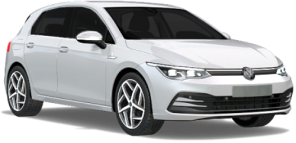
Volkswagen Golf
or Similar
From
$15.84/day
Compare car rental deals at Punta Arenas Airport, Punta Arenas from trusted global suppliers. Find affordable prices and book your ideal car in minutes.








Explore our range of vehicles available in Punta Arenas Airport (PUQ).
or Similar
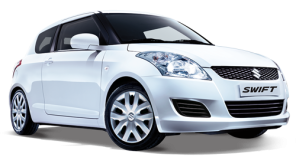
or Similar
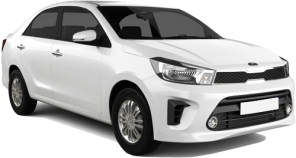
or Similar
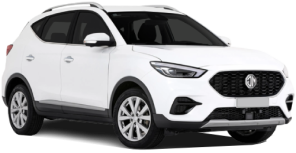
or Similar
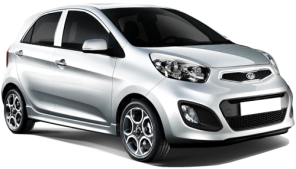
or Similar
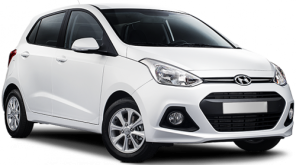
or Similar
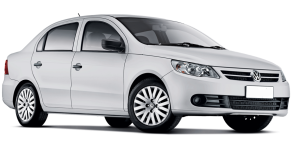
or Similar
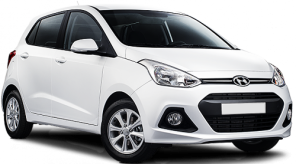
or Similar
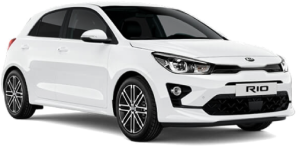
or Similar
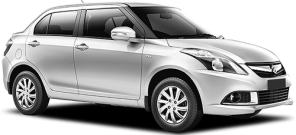
or Similar
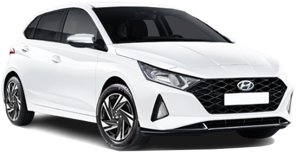
or Similar
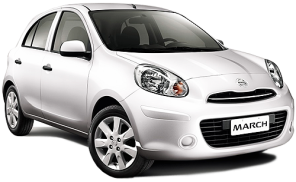
or Similar
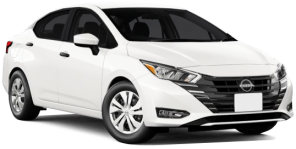
or Similar
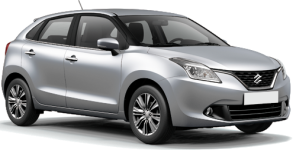
or Similar

or Similar

or Similar
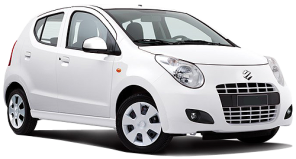
or Similar
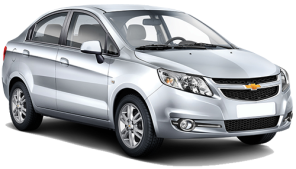
or Similar

or Similar
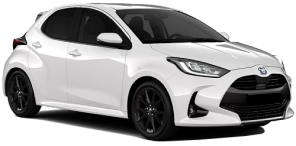
or Similar
or Similar
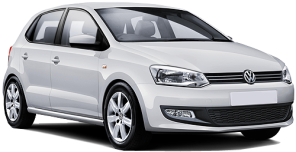
or Similar
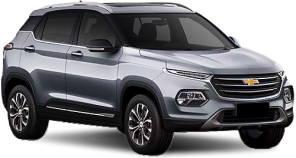
or Similar

or Similar
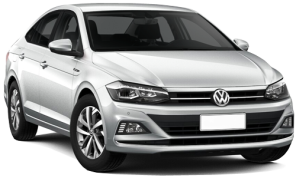
or Similar
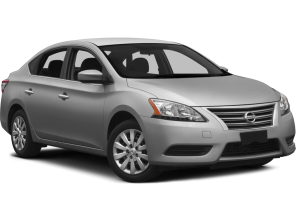
or Similar
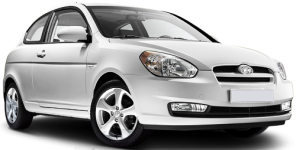
or Similar
Prices shown are approximate and may vary by booking dates, rental duration, and vehicle class. Check booking options for current pricing.
Discover a world of convenience, safety, and customization, paving the way for unforgettable adventures and seamless mobility solutions.
See rental locations on interactive maps to quickly choose the most convenient pickup point.
We highlight top-rated suppliers based on verified customer reviews and service quality.
Read verified customer reviews and ratings to help you choose the best rental supplier for your trip.
View complete rental terms including fuel policy, mileage limits, deposit requirements, and insurance coverage.
Choose from economy, compact, standard, luxury, SUV, and van categories depending on your needs.
Pick up your rental car in one city and drop it off in another, perfect for road trips and multi-city travel.
Essential information about car rental companies, popular cars, rental duration, and prices at Punta Arenas Airport (PUQ).
Europcar at Presidente Carlos Ibáñez del Campo International Airport leads with 34% market share, serving the main gateway to Patagonia and Tierra del Fuego.
SUVs are the most popular for their stability on the windswept Patagonian roads and for trips to Torres del Paine National Park (across the border in Argentina).
PUQ rentals average 4-6 days for exploring the Magellan Strait, visiting penguin colonies, and venturing into the surrounding Patagonian steppe. (Based on 2,200+ airport pickups)
The Toyota RAV4 is a reliable and comfortable SUV for the long, open roads. The Ford EcoSport is a popular compact SUV for its maneuverability.
Punta Arenas Airport rates average $60/day. A vehicle with good ground clearance is recommended for gravel roads.
Compare average car rental prices by month and see how rental rates vary throughout the year at Punta Arenas Airport.
Punta Arenas Airport - Patagonia gateway. Summer peak for Torres del Paine. Winter lower rates. Presidente Carlos Ibáñez del Campo International. Book 2 months ahead.
* Prices shown are approximate. Original prices are in USD and converted using real-time exchange rates.
Essential driving rules and requirements to know when renting a car.
Get detailed information on driving rules, licence requirements, speed limits and useful local tips.
Arriving at Punta Arenas Airport (PUQ), Chile, often feels like stepping onto the edge of the world. The wind sweeps across the tarmac, and in the distance, the rugged peaks of Tierra del Fuego hint at the adventures ahead. For most travelers, the first major decision after collecting their luggage is how to tackle the vast, open spaces of Patagonia. While taxis and pre-arranged shuttles are available, picking up a rental car at Punta Arenas Airport (PUQ), Chile, offers an unmatched level of freedom. Having your own vehicle transforms a logistical puzzle into a spontaneous road trip, allowing you to chase perfect weather, stop for unexpected wildlife sightings, and travel at your own pace through this remote region.
When deciding between an airport pickup or heading into the city center to rent, the airport is almost always the more convenient choice for international travelers. The rental counters are located just outside the arrivals hall, meaning you can be on the road within minutes of landing. While it’s true that airport locations sometimes carry a small surcharge (typically 10-15% more than downtown offices), the convenience of grabbing your car immediately after a long flight, especially if you are carrying heavy gear or traveling with family, is worth the extra cost. A savvy money-saving tip is to compare the total cost of an airport rental against a city center pickup; sometimes, renting for a day longer from the airport and returning it there avoids a costly taxi ride into town, effectively canceling out the surcharge.
| Pickup Location | Advantages | Disadvantages |
|---|---|---|
| Punta Arenas Airport (PUQ), Chile | Immediate access upon landing; easy luggage transport; counters located in arrivals hall. | May include a 10-15% airport concession fee; can be busier during peak flight arrivals. |
| Downtown Punta Arenas | Often slightly lower base rates; more flexible return hours at some agencies. | Requires a taxi or bus ride from the airport (~20 minutes); less convenient with heavy gear. |
Renting a car in Chile is a straightforward process, but knowing the requirements ahead of time ensures a smooth pickup at Punta Arenas Airport (PUQ), Chile. The staff at the rental counters are accustomed to international visitors, so having your documents organized is key. First and foremost, the minimum age to rent a vehicle is typically 21 years old, though drivers under 25 may incur a "young driver surcharge," which can add between $15 to $30 USD per day to the rental cost. For premium or larger SUV categories, some agencies may require drivers to be at least 25.
You will need a valid driver’s license from your country of origin. While a standard license is usually accepted for short-term stays, it is highly recommended—and sometimes legally required for insurance validity—to carry an International Driving Permit (IDP). An IDP serves as a translation of your native license and is particularly useful if your license is not in Spanish or English. A passport is mandatory for identification, and you must present a credit card in the renter’s name with sufficient funds to cover the deposit (typically $500 to $1,500 USD, depending on the vehicle class). Debit cards are rarely accepted for the deposit, so a credit card is essential. Basic insurance (often called Third Party Liability) is included by law, but most travelers opt for a full coverage package to reduce the excess (deductible) to zero.
| Requirement | Details |
|---|---|
| Minimum Age | 21 years (surcharge for under 25s) |
| Driver's License | Valid license from home country + International Driving Permit (recommended) |
| Credit Card | Required for deposit; must match renter's name |
| Passport | Required for identification and rental contract |
| Insurance | Basic liability included; full coverage with $0 excess is recommended |
Punta Arenas serves as the gateway to Chilean Patagonia, a region defined by its dramatic scale and sparse population. Public transportation and tours are available, but they operate on fixed schedules that don't always align with the region's famously unpredictable weather. Renting a car gives you the autonomy to adapt your itinerary on the fly. If the morning fog obscures the Strait of Magellan, you can wait it out at a local café or drive to a sunnier spot along the coast. This flexibility is invaluable when traveling through an area where the weather can change from sunshine to snow in a matter of hours.
Beyond the city limits, the landscape opens up into a tapestry of estancias, penguin colonies, and national reserves that are best explored by private vehicle. Having a car allows you to carry all your outdoor gear, pack a thermos of Chilean mate or coffee, and stop at roadside miradors (lookout points) that buses skip. For families, the convenience of having child seats installed to your specifications and the ability to make unscheduled bathroom breaks transforms a long driving day into a manageable adventure. It also opens up the possibility of staying in remote lodges outside the city center, which often offer better value and more authentic experiences than downtown hotels.
Travelers picking up a vehicle at Punta Arenas Airport (PUQ), Chile, will find a mix of well-known global brands and reliable local agencies. International chains like Hertz, Avis, and Europcar have a strong presence, offering familiar loyalty programs and standardized fleet conditions. These companies are ideal for travelers who prefer a predictable, corporate experience with vehicles that are usually newer and have support networks across the country. Local Chilean companies, such as Econorent or Roselot, often compete by offering more competitive rates and a more personalized service, though their fleets may sometimes be slightly older.
When choosing, consider what you value most: budget, vehicle type, or convenience. The counters are all located in close proximity to each other in the arrivals area, making it easy to compare on the spot if you haven’t pre-booked—though booking ahead during peak season (December to February) is strongly advised. For those planning to drive on gravel roads to places like Parque Nacional Torres del Paine, checking the rental company’s policy on "ripio" (gravel) road coverage is critical; some companies restrict or charge extra for this, while others offer specific 4x4 vehicles designed for rugged terrain.
| Company | Price Level (Low / Medium / High) | Pros |
|---|---|---|
| Hertz | Medium | Large fleet, reliable SUV selection, good roadside assistance network. |
| Avis | Medium | Consistent service quality, good loyalty program, modern vehicles. |
| Europcar | Medium-High | Strong presence in South America, good selection of automatics and 4x4s. |
| Budget | Low-Medium | Affordable rates, basic vehicle options ideal for city and main highway travel. |
| Econorent | Low | Locally owned, often cheaper than international chains, flexible policies. |
| Roselot | Medium | Chilean company with a focus on SUVs and vans suitable for family trips. |
The type of vehicle you rent at Punta Arenas Airport (PUQ), Chile, should be dictated by your itinerary. If you plan to stay primarily within the city of Punta Arenas and drive on the paved Route 9, a compact or economy car is perfectly adequate. These small cars are fuel-efficient, easier to park in the city center, and generally the most affordable option. However, if your adventure includes driving to Torres del Paine National Park, visiting remote estancias, or navigating the gravel roads along the Strait of Magellan, a 4x4 or SUV with high clearance is strongly recommended. The wind in Patagonia can be ferocious, and a heavier vehicle provides more stability and safety.
Seasonality dramatically impacts pricing. During the high tourist season (December through February), rental rates can double compared to the winter months (June through August). It’s also worth noting that the "shoulder seasons" of spring (September-November) and autumn (March-May) offer a sweet spot: pleasant weather, fewer crowds, and significantly lower rental prices. Booking well in advance for high season is essential, as vehicles—especially 4x4s—sell out weeks ahead.
| Car Category | Average Daily Price (High Season) | Average Daily Price (Low Season) |
|---|---|---|
| Small Cars (e.g., Chevrolet Spark, Nissan March) | $70 - $100 USD | $40 - $60 USD |
| Medium Cars (e.g., Toyota Corolla, Kia Cerato) | $90 - $130 USD | $55 - $80 USD |
| SUVs / 4x4 (e.g., Suzuki Vitara, Toyota Hilux) | $150 - $250 USD | $90 - $140 USD |
| Vans (e.g., Renault Kangoo, Ford Transit) | $120 - $180 USD | $70 - $110 USD |
| Luxury Cars | $200 - $350+ USD | $130 - $200+ USD |
| Metric | Value |
|---|---|
| Cheapest Month | June (Winter) |
| Most Expensive Month | January (Peak Summer) |
| Average Price (Economy Car) | $55 USD / day (yearly average) |
| A Good Deal (Economy Car) | Under $45 USD / day |
| Cheapest Supplier (Typically) | Econorent or Budget |
| Cheapest Car Type | Economy / Manual Transmission |
Renting a car unlocks the vastness of the Magallanes region. While the distances can be long, the scenery is nothing short of spectacular. Here are some of the most popular drives starting from the airport.
Driving in Chile follows international norms, but there are specific local nuances to be aware of. Vehicles drive on the right-hand side of the road, and the driver sits on the left. Seatbelts are mandatory for all occupants, and children under 12 must ride in the back seat with appropriate child restraint systems. Chile has a zero-tolerance policy for drinking and driving; the legal blood alcohol limit is 0.03%, which is effectively one small drink for most adults. It is best to avoid alcohol entirely if you plan to drive.
Speed limits are strictly enforced, especially on major routes like Route 9. In urban areas, the limit is 60 km/h (37 mph), on open highways it is 100 km/h (62 mph), and on gravel roads (ripio), the recommended speed is often 80 km/h, though conditions may dictate much slower speeds. During winter months (June to August), snow and ice can make roads treacherous, particularly in the mountains. Rental cars often come with all-season tires, but if you are driving during this period, check with the agency about snow chains, which are sometimes required by law in certain mountain passes.
| Rule | Detail |
|---|---|
| Driving Side | Right |
| Urban Speed Limit | 60 km/h (37 mph) |
| Rural/Highway Speed Limit | 100 - 120 km/h (62 - 75 mph) |
| Gravel Road (Ripio) Speed | 80 km/h (50 mph) but adjust to conditions |
| Blood Alcohol Limit | 0.03% (strict enforcement) |
| Seatbelts | Mandatory for all passengers |
| Headlights | Required to be on at all times on rural and interurban roads |
Travelers often ask about tolls in this region. Unlike central Chile, the Magallanes region—including the roads around Punta Arenas Airport (PUQ), Chile—is notably free of traditional toll booths. The most significant road, Route 9 heading north towards Puerto Natales, is a paved, well-maintained highway that does not require any toll payments. This is a welcome relief for road-trippers, as it simplifies budgeting and eliminates the need to carry cash for specific toll gates.
However, there are two important exceptions. If you take a ferry to cross the Strait of Magellan to reach Tierra del Fuego or Isla Grande, there are substantial ferry fees. Additionally, if you plan to drive into Argentina via the Cardenal Antonio Samoré Pass, there is a fee to exit Chile and enter Argentina. For the vast majority of travelers staying within the Chilean side of Patagonia and exploring the areas around Punta Arenas, Torres del Paine, and Puerto Natales, the driving experience is toll-free, allowing you to focus entirely on the scenery.
Parking in the city of Punta Arenas is generally stress-free compared to larger metropolitan areas. In the city center, particularly around the Plaza de Armas, there are paid parking zones (Zona Azul or "Blue Zone"). You’ll need to purchase a ticket from a nearby kiosco (small shop) or a parking meter and display it on your dashboard. These zones usually operate from Monday to Friday, 9:00 AM to 8:00 PM, and Saturday mornings. Outside these hours and on Sundays, parking is typically free.
For longer stays, there are several paid parking garages (estacionamientos) near the main shopping streets and the bus terminal, offering hourly or daily rates. At Punta Arenas Airport (PUQ), Chile, there is a secure, well-lit parking lot directly in front of the terminal. It is pay-on-exit and reasonably priced, making it convenient for those picking up or dropping off passengers. One of the common challenges travelers face is parking in the narrow, one-way streets of the historic center, which require careful navigation, especially with a larger SUV or van.
Maximizing your experience with a rental car in this remote corner of the world comes down to preparation. The unique conditions of Patagonia require a slightly different approach than a standard urban rental.
Even experienced travelers can stumble when renting a car in a unique environment like Punta Arenas. Avoiding these common pitfalls will ensure a smoother journey.
Sarah and Tom landed at Punta Arenas Airport (PUQ), Chile, just as the sun was beginning to set over the strait. After a long flight from Santiago, they were exhausted but eager to start their adventure. They had pre-booked a robust SUV through a local agency, and the process was smoother than expected; the agent spoke excellent English and patiently explained the insurance, especially the coverage for gravel roads. After a thorough inspection—where Tom took a video of the tires and a small scratch on the bumper—they loaded their backpacks into the back. Driving out of the airport, the immense sky and the wind buffeting the car made them feel like they had truly arrived at the end of the world. The next morning, instead of waiting for a tour bus, they simply hopped in their SUV and drove to the penguin colony at Seno Otway. Having the car allowed them to arrive early, beating the crowds and enjoying the antics of the penguins in near solitude, a memory they knew they wouldn’t have gotten on a packed tour.
An International Driving Permit (IDP) is a document that translates your existing driver’s license into multiple languages, including Spanish. While Chilean law technically requires foreign drivers to carry an IDP in conjunction with their native license if the original is not in Spanish, enforcement can vary. However, for anyone renting a car at Punta Arenas Airport (PUQ), Chile, having an IDP is a strong recommendation. It serves as a definitive form of identification accepted by rental agencies and, more importantly, by Carabineros (Chilean police) if you are stopped at a routine checkpoint—which are common on routes like the one to Torres del Paine.
Obtaining an IDP is straightforward; in most countries, they are issued by the national automobile association (such as AAA in the United States or the AA in the UK). You do not need to take a driving test; the permit simply validates your existing license. It costs a small fee (typically around $20 USD) and is valid for one year from the date of issue. Travelers should apply for their IDP before leaving home, as it cannot be obtained in Chile. When renting your vehicle, present both your standard license and the IDP to ensure there is no confusion at the counter, guaranteeing a hassle-free pickup and peace of mind throughout your journey across the Magallanes region.
Markers show approximate airport or town-centre areas, not confirmed rental desks.
Find airport guides for car rentals, parking, and ground transportation.
Try a different name, city, or IATA code.
Read verified customer reviews, ratings, and rental experiences from travelers who booked through Airport Car Hub.
Overall Rating
No reviews yet for this location. Be the first to share your experience!