Mini
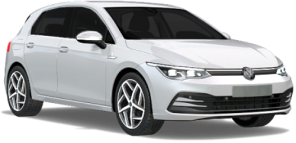
Volkswagen Golf
or Similar
From
$15.84/day
Compare car rental deals at Coyhaique Airport, Coyhaique from trusted global suppliers. Find affordable prices and book your ideal car in minutes.








Explore our range of vehicles available in Coyhaique Airport (BBA).
or Similar
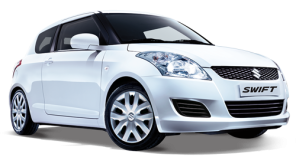
or Similar
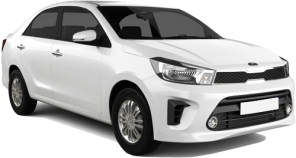
or Similar
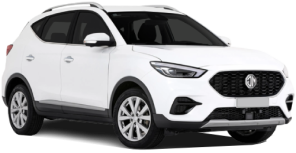
or Similar
or Similar
or Similar
or Similar
or Similar
or Similar
or Similar
or Similar
or Similar
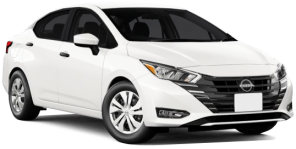
or Similar
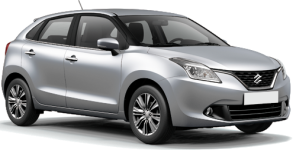
or Similar

or Similar

or Similar
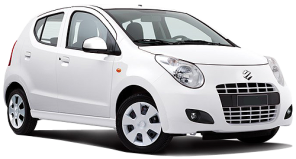
or Similar
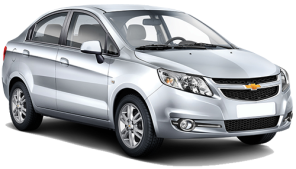
or Similar

or Similar
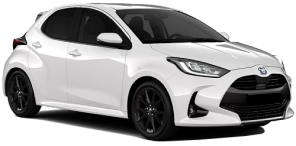
or Similar
or Similar
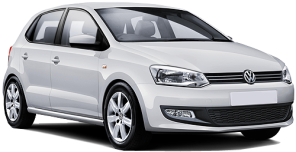
or Similar
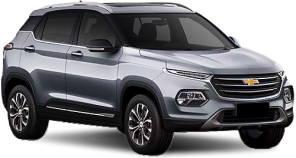
or Similar

or Similar
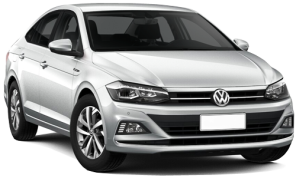
or Similar
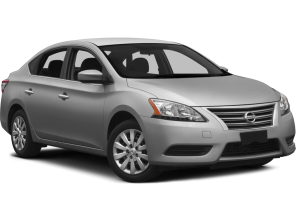
or Similar
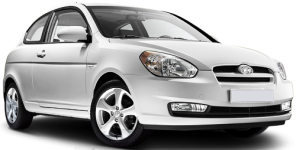
or Similar
Prices shown are approximate and may vary by booking dates, rental duration, and vehicle class. Check booking options for current pricing.
Discover a world of convenience, safety, and customization, paving the way for unforgettable adventures and seamless mobility solutions.
Use our platform in multiple languages, making it easy for travelers from around the world to book rental cars.
Access complete rental policies including driver age limits, fuel rules, and deposit conditions.
Many bookings include free cancellation up to 48 hours before pickup, giving you flexibility when travel plans change.
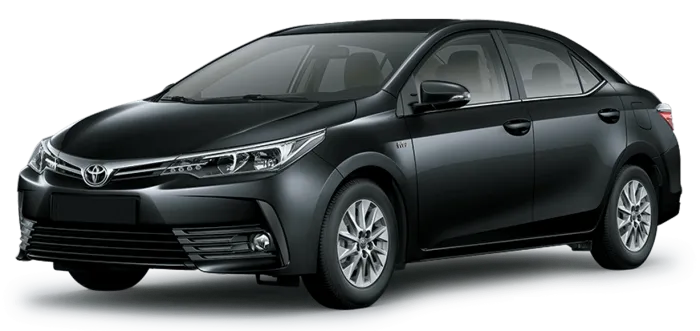
Find rental cars with unlimited mileage and one-way rental options perfect for long road trips.
View prices and pay in various currencies for a convenient global booking experience.
Search from thousands of pickup locations including airports, train stations, and city centers worldwide.
Essential information about car rental companies, popular cars, rental duration, and prices at Coyhaique Airport (BBA).
A network of local agencies at Balmaceda Airport dominates with 45% combined share, serving the gateway to Chilean Patagonia's Carretera Austral.
SUVs are the top choice for the gravel roads of the Carretera Austral. Trucks are also popular for their durability and load-carrying capacity.
BBA rentals average 7-9 days, with most travelers renting for a week or more to explore the rugged beauty of the Aysén region, from Laguna San Rafael to Queulat National Park. (Based on 1,000+ airport pickups)
The Toyota Hilux is the ultimate overland vehicle for Patagonia. The Suzuki Jimny is a popular, compact 4x4 for its agility on rough tracks.
Coyhaique Airport (Balmaceda) rates average $70/day. A reliable 4x4 is non-negotiable for most of the Carretera Austral.
Compare average car rental prices by month and see how rental rates vary throughout the year at Coyhaique Airport.
Coyhaique Airport - Gateway to Patagonia. Summer peak (December-February) for hiking. Winter offers lower rates. 4x4 recommended. Balmaceda Airport. Book 2 months ahead.
* Prices shown are approximate. Original prices are in USD and converted using real-time exchange rates.
Essential driving rules and requirements to know when renting a car.
Get detailed information on driving rules, licence requirements, speed limits and useful local tips.
Renting a car at Coyhaique Airport (BBA) is the ultimate key to unlocking the raw, untamed beauty of Chilean Patagonia. While Coyhaique is the largest city in the Aysén Region, public transportation is limited, infrequent, and primarily connects major towns, leaving the region's breathtaking national parks, remote fjords, and hidden valleys largely inaccessible. For the independent traveler, a rental car transforms a trip from a simple visit to the town into an immersive Patagonian adventure.
The primary pickup location is, of course, at the Balmaceda Airport (BBA) itself, which is incredibly convenient for flying in and hitting the road immediately. The airport is small and efficient, with rental car desks located just outside the arrivals area. While picking up at the airport is convenient, it's worth noting that airport locations often include a surcharge. Alternatively, a few agencies have offices in downtown Coyhaique, about a 45-minute drive from the airport. Picking up in town can sometimes save you the airport fee, but you'll need to arrange transportation to get there, which might offset the savings. The most common pick-up point by far is the airport, favored for its sheer ease after a long journey.
A savvy money-saving tip: check if your flight arrives late in the evening. If you pick up the car immediately, you'll be paying for a full day you won't use. Consider booking your rental starting the following morning and taking a colectivo or taxi into Coyhaique for the night. You'll save a day's rental and parking costs.
| Pickup Location | Advantages |
|---|---|
| Coyhaique Airport (BBA) | Maximum convenience upon arrival; wide selection of companies; immediate access to the Carretera Austral. |
| Coyhaique City Center | Potential to avoid airport surcharges; more options for local, independent agencies. |
Renting a car in Chile is a straightforward process, but it's essential to have your documents in order. The requirements are strictly enforced by rental agencies at Coyhaique Airport to ensure compliance with Chilean law and insurance policies. Being prepared will get you behind the wheel with minimal delay.
The minimum age to rent a car in Chile is typically 20 or 21, but this varies by company. Drivers under 25 will almost always incur a "young driver surcharge," which is a daily fee. A valid driver's license from your home country is generally accepted for stays of up to 90 days, provided it has a photo and is in Spanish or English. If your license is in another language, it's highly recommended to obtain an International Driving Permit (IDP) as a translation. While not always strictly checked, an IDP can be crucial in an interaction with Carabineros (Chilean police) or for validating your license with the rental company in case of an incident. You will also need your passport and a major credit card in the main driver's name. Debit cards are rarely accepted for the final payment or deposit, which can be substantial. Basic insurance (Third-Party Liability) is included by law, but Collision Damage Waiver (CDW) is optional. However, the deductible is often very high, making the purchase of additional coverage a wise financial decision for peace of mind.
| Requirement | Details |
|---|---|
| Minimum Age | Typically 20-21 years old (with a surcharge for drivers under 25). |
| Driver's License | Valid license from your home country (English or Spanish preferred). |
| International Driving Permit (IDP) | Strongly recommended if license is not in Spanish or English. |
| Credit Card | Required in the main driver's name for the deposit and final payment. |
| Passport | Mandatory for identification and to complete the rental agreement. |
Arriving at Coyhaique Airport is your gateway to one of the most sparsely populated and spectacular regions on Earth. The Aysén region is defined by its vast distances, winding gravel roads, and landscapes that change at every turn. Public buses connect the main towns like Coyhaique, Puerto Aisén, and Chile Chico, but they operate on a schedule that rarely aligns with a traveler's desire to stop and photograph a waterfall or linger at a viewpoint. A rental car offers the priceless gift of spontaneity.
Imagine being able to decide, on a whim, to take a detour to the marble caves of Puerto Río Tranquilo or to spend an extra day hiking in the Cerro Castillo National Reserve. For families or groups of friends, renting a car is not just about freedom; it's often more economical than buying multiple bus tickets for every leg of the journey. It allows you to carry all your gear, from trekking poles to coolers full of local provisions, making it the only practical way to truly explore the rugged Carretera Austral on your own terms.
At Coyhaique Airport, you'll find a solid mix of well-known international brands and reputable local suppliers. The international companies offer the consistency and reliability that many travelers appreciate, including well-maintained fleets and the ease of using loyalty programs. Local companies, on the other hand, often have a deeper understanding of the region's specific driving conditions and can offer valuable advice on road statuses and hidden gems.
Major international names like Hertz, Avis, and Europcar have a strong presence at BBA, alongside brands like Budget and local favorite, Rosselot. Rosselot, in particular, is a Chilean company with extensive experience in the south and is often praised for its customer service and fleet of 4x4 vehicles, which are ideal for the region. Booking through a comparison website is a great first step to get an overview of pricing, but it's always a good practice to check the final total and terms on the rental company's direct website before committing.
| Company | Price Level (Low/Medium/High) | Pros |
|---|---|---|
| Rosselot | Medium | Excellent local knowledge, great selection of 4x4s and trucks, highly rated for Patagonia travel. |
| Hertz | Medium/High | Global reliability, wide range of vehicles, strong frequent renter program. |
| Europcar | Medium | Good balance of international standards and local adaptation, decent fleet variety. |
| Avis | Medium/High | Trusted brand, typically newer vehicles, efficient airport service. |
| Budget | Low/Medium | Often more competitive pricing, good option for value-conscious travelers. |
Choosing the right car for your Patagonian adventure is critical. While a small car might be tempting for its budget-friendly price, it's essential to consider the roads you'll be traveling. The Carretera Austral is a mix of paved and gravel sections, and many of the most stunning detours are on rough, unpaved tracks. As a result, you'll see a lot of SUVs and pickup trucks on the road. A compact SUV like a Suzuki Jimny or a Toyota Rav4 is a popular choice, offering a great balance of ground clearance, handling, and fuel efficiency. For larger groups or those planning to carry a lot of camping equipment, a larger SUV or a double-cab pickup truck, such as a Mitsubishi L200 or Toyota Hilux, is the vehicle of choice. Economy cars like a Chevrolet Spark are fine for sticking to paved roads around Coyhaique, but they severely limit your exploration.
Seasonality has a massive impact on rental prices in this part of Chile. The high season, from December to February, coincides with the Austral summer and is when prices peak. This is also when demand is highest, so booking months in advance is essential. The shoulder seasons (October-November and March-April) offer a sweet spot of decent weather and lower prices. Winter (May-September) sees the lowest prices, but many roads, especially mountain passes, can be closed due to snow, and ferry schedules are reduced.
| Car Category | Example Models | Average Daily Price (USD) |
|---|---|---|
| Small Car (Economy) | Chevrolet Spark, Suzuki Alto | $45 - $70 |
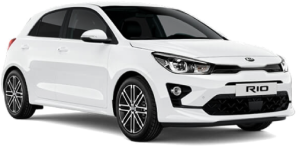
| Medium Car (Compact) | Nissan Versa, Kia Rio | $60 - $90 |
| SUV (Compact) | Suzuki Jimny, Chevrolet Tracker | $85 - $140 |
| SUV/Pickup (Full-Size) | Toyota Hilux, Mitsubishi L200 | $120 - $200+ |
| Passenger Van | Hyundai H-1 | $150 - $250 |
| Pricing Factor | Details |
|---|---|
| Cheapest Month | June (Winter low season) |
| Most Expensive Month | January (Peak summer travel) |
| Average Daily Price (All Cars) | $90 - $110 |
| A Good Deal | An SUV for under $90/day in shoulder season |
| Cheapest Supplier | Often Budget or local agencies for economy cars. |
| Cheapest Car Type | Economy/Manual Transmission Small Cars |
Picking up your rental car at BBA is the starting line for some of the most epic road trips in the Americas. The famous Carretera Austral (Route 7) runs right through Coyhaique, offering routes north and south into pure wilderness. Here are a few classic journeys to inspire your itinerary:
Driving in Chile is on the right-hand side of the road, which will be familiar to most North American and European drivers. Patagonian driving, however, has its own unique character. Roads are often narrow, winding, and shared with livestock and cyclists. Patience and alertness are key virtues. Seatbelts are mandatory for all occupants, and children under 9 years old must use an appropriate child restraint system in the back seat. The legal blood alcohol limit is extremely low (0.03%), effectively a zero-tolerance policy, so do not drink and drive. During the winter months, some mountain passes may require snow chains, and it's wise to check with your rental company and local authorities about road conditions before setting out.
Road conditions vary dramatically. While the Carretera Austral is mostly well-maintained gravel, it can be dusty in summer and muddy in rain. You'll encounter "huemules," or graders, maintaining the roads, so be prepared to slow down and pull over to let them pass. Always carry a spare tire and know how to change it—gravel roads are notorious for causing punctures.
| Road Type | Speed Limit (km/h) | Speed Limit (mph) |
|---|---|---|
| Urban Areas (City/Town) | 50 km/h | 31 mph |
| Rural Roads (Paved) | 100 km/h | 62 mph |
| Rural Roads (Gravel) | 60-80 km/h (drive to conditions) | 37-50 mph |
| Highways (Autopista) | 120 km/h | 75 mph |
One of the great things about driving in the Aysén region is that there are no traditional toll booths on the Carretera Austral. The journey is free of the "peaje" (toll) costs you would encounter in central Chile. However, the true cost of traveling this route comes in the form of ferries. These ferry crossings are an integral part of the Carretera Austral, connecting sections of the road that would otherwise be impassable due to fjords and lakes.
Key ferry crossings, such as the one south of Caleta Gonzalo or the massive crossing of Lago General Carrera between Puerto Ingeniero Ibáñez and Chile Chico, require payment. These fares are typically paid at the ferry terminal before boarding, and prices vary depending on the route and the size of your vehicle. It's essential to factor these ferry costs into your travel budget and to arrive early, especially in peak season, as there can be long queues. Always carry Chilean pesos in cash for these payments, as card payments are not always reliable.
Parking in Coyhaique, the main hub, is generally manageable but requires a bit of local know-how. In the city center, you'll find both free street parking and designated paid parking zones. Paid parking is often managed by "tomeros" or parking attendants who wear a uniform and will give you a ticket. You pay them directly in cash. It's a system that works well and provides employment, so always have small bills on hand. Street parking is usually free on weekends and after certain evening hours.
Outside of Coyhaique, in small villages like Villa Cerro Castillo or Puerto Río Tranquilo, parking is rarely an issue. You'll find informal, usually free areas near hostels, campgrounds, and trailheads. However, space can be limited in peak season. The biggest challenge isn't finding a spot, but rather the condition of the parking area itself, which might be a muddy field or a steep, uneven patch of gravel. Always park considerately, ensuring you're not blocking any gates or road access, especially for farmers with large vehicles.
Renting a car in this remote and beautiful part of the world requires a little extra planning. These practical tips, gathered from experienced travelers, will help ensure your trip goes smoothly.
Even seasoned travelers can make mistakes in a unique environment like Patagonia. Being aware of these common pitfalls can save you time, money, and frustration.
Sarah, a travel blogger from Canada, landed at BBA on a crisp October morning, her heart set on exploring the Carretera Austral. She'd pre-booked a compact Suzuki Jimny with Rosselot, a decision she was immediately grateful for when she saw the dusty, capable 4x4s lined up. The agent was friendly and thorough, marking a tiny scratch on the door frame on the diagram and giving her invaluable advice: "Fill up in Coyhaique, the next reliable gas is 200km south." Driving out of the airport, the sense of freedom was intoxicating. Two days later, she found herself on a gravel detour to a remote waterfall, the Jimny handling the ruts and rocks with ease. She stopped constantly, once just to watch a condor glide overhead. On the fourth day, she got her first flat tire. Having watched a YouTube video the night before, she managed to change it in under an hour, feeling a massive sense of accomplishment as a gaucho on a horse gave her a thumbs-up from the hillside. That evening, parked by Lago General Carrera with the sunset painting the Andes, she knew the rental car was the best travel decision she'd ever made.
For travelers visiting Chile, the requirement for an International Driving Permit (IDP) is a common point of confusion. Chilean law states that a foreign driver's license is valid for stays up to 90 days, provided it is valid and bears a photograph. However, if your license is not in Spanish, having an IDP is highly recommended. It serves as a recognized translation of your license and can be crucial during a police checkpoint or, more importantly, when filing a police report in the event of an accident or theft.
An IDP is essentially a multi-language translation of your existing driver's license and is not a standalone document—you must carry your home license with it. It can be obtained in your home country before you travel. In the US, for example, it's available through the American Automobile Association (AAA). The process is usually quick, requiring two passport photos, a valid license, and a small fee. It is valid for one year from the date of issue. For a stress-free journey through Chilean Patagonia, investing a little time and money in an IDP is a small price to pay for peace of mind.
Markers show approximate airport or town-centre areas, not confirmed rental desks.
Find airport guides for car rentals, parking, and ground transportation.
Try a different name, city, or IATA code.
Read verified customer reviews, ratings, and rental experiences from travelers who booked through Airport Car Hub.
Overall Rating
No reviews yet for this location. Be the first to share your experience!