Car Rental Canada
Search and compare car rental prices from trusted global suppliers. Find the best deals instantly.








Car Rental Deals in Canada
Choose from our wide range of vehicles available in Canada.
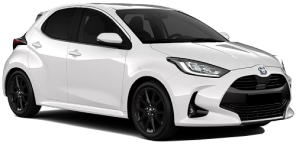
EconomyToyota Yaris or Similar
From
$16.70
/day
|
|
|||
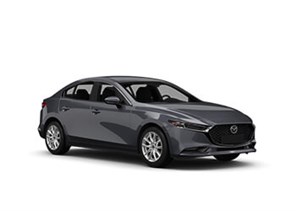
CompactCompact (MAZDA 3) or Similar
From
$13.29
/day
|
|
|||
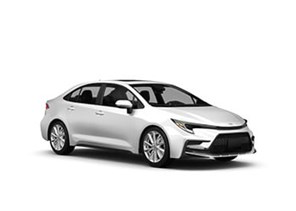
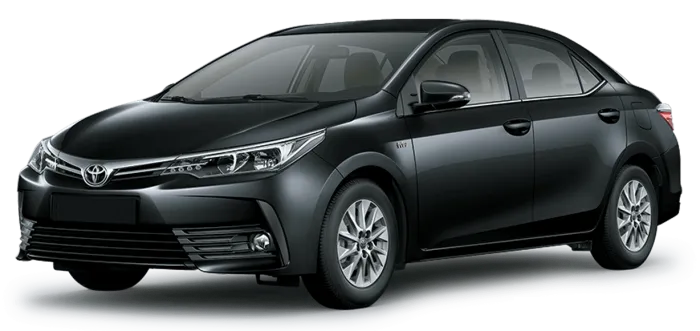
IntermediateIntermediate (TOYOTA COROLLA) or Similar
From
$13.23
/day
|
|
|||
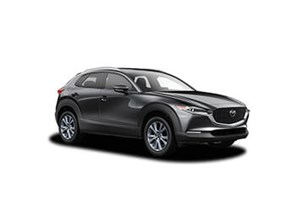
Compact SuvCompact (MAZDA CX-30) or Similar
From
$17.01
/day
|
|
|||
EconomyKia Rio or Similar
From
$16.04
/day
|

|
|||
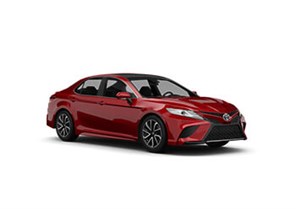
Full-sizeFullsize (TOYOTA CAMRY) or Similar
From
$16.22
/day
|
|
|||
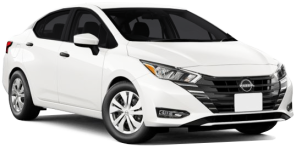
EconomyNissan Versa or Similar
From
$16.66
/day
|
|
|||
CompactVolkswagen Golf or Similar
From
$16.70
/day
|

|
|||
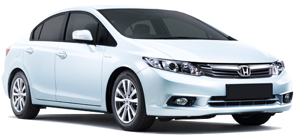
IntermediateHonda Civic or Similar
From
$16.70
/day
|
|
|||
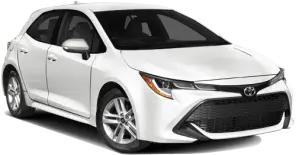
StandardToyota Corolla or Similar
From
$17.06
/day
|
|
|||
IntermediateKia Forte or Similar
From
$17.46
/day
|

|
|||
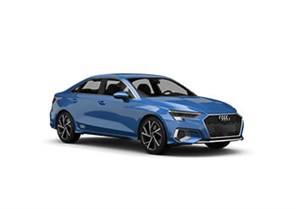
Compact EliteCompact Elite (AUDI A3) or Similar
From
$17.76
/day
|
|
|||
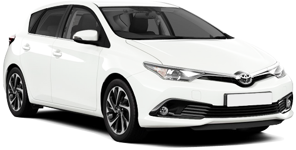
EconomyToyota Auris or Similar
From
$17.77
/day
|
|
|||
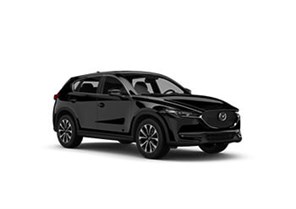
Intermediate SuvIntermediate (MAZDA CX-5) or Similar
From
$17.98
/day
|
|
|||
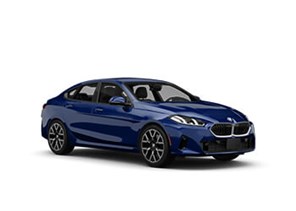
Intermediate EliteIntermediate Elite (BMW 2 SERIES) or Similar
From
$18.23
/day
|
|
|||
Full-sizeHyundai Sonata or Similar
From
$18.53
/day
|

|
|||
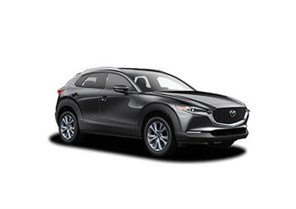
Compact SuvCompact (MAZDA CX-30 AWD) or Similar
From
$18.56
/day
|
|
|||
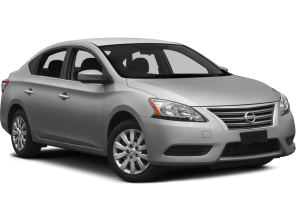
StandardNissan Sentra or Similar
From
$18.93
/day
|
|
|||
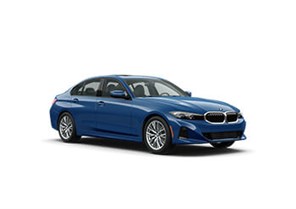
Full-size EliteFullsize Elite (BMW 3 SERIES) or Similar
From
$19.02
/day
|
|
|||
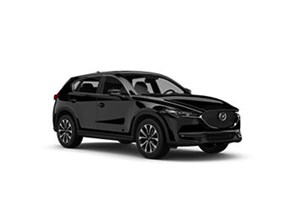
Intermediate SuvIntermediate (MAZDA CX-5 AWD) or Similar
From
$19.62
/day
|
|
|||
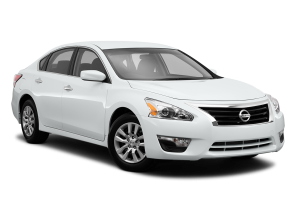
PremiumNissan Altima or Similar
From
$19.62
/day
|
|
|||
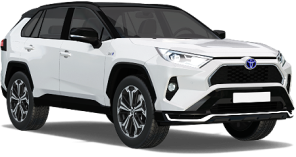
Intermediate Elite SuvToyota RAV4 or Similar
From
$19.62
/day
|
|
|||
Full-sizeToyota Camry or Similar
From
$20.75
/day
|

|
|||
EconomyChevrolet Spark or Similar
From
$20.85
/day
|

|
|||
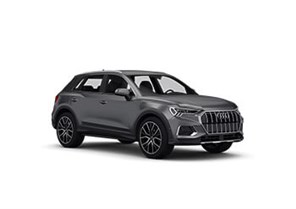
Intermediate Elite SuvIntermediate Elite (AUDI Q3) or Similar
From
$21.09
/day
|
|
|||
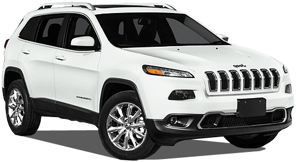
Standard Elite SuvJeep Cherokee or Similar
From
$22.19
/day
|
|
|||
IntermediateToyota Corolla Sedan or Similar
From
$22.51
/day
|

|
|||
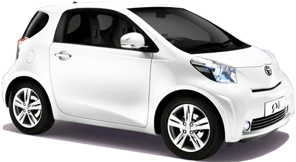
MiniSmart ForTwo or Similar
From
$22.52
/day
|
|
|||
Economy Elite SuvHyundai Kona or Similar
From
$23.24
/day
|

|
|||
Compact SuvKia Seltos or Similar
From
$23.45
/day
|

|
|||
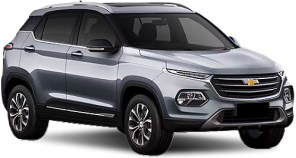
Compact SuvNissan Kicks or Similar
From
$23.64
/day
|
|
|||
IntermediateHyundai Elantra or Similar
From
$23.66
/day
|

|
|||
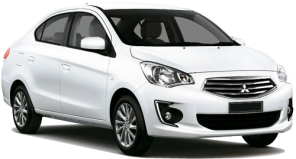
EconomyMitsubishi Mirage or Similar
From
$23.66
/day
|
|
|||
Compact SuvFord Escape or Similar
From
$24.10
/day
|

|
|||
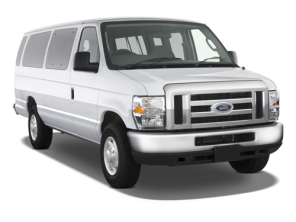
Compact Commercial Van/truckFord E-350 or Similar
From
$24.37
/day
|
|
|||
Our Features
Discover a world of convenience, safety, and customization, paving the way for unforgettable adventures and seamless mobility solutions.
Compare Car Rental Prices
Compare rental prices from hundreds of trusted suppliers worldwide to find the best deal for your trip.
Customer Support
Our support team is available to help with booking questions, modifications, or cancellations.
Multiple Currency Support
View prices and pay in various currencies for a convenient global booking experience.
Advanced Search Filters
Easily filter rental cars by price, vehicle type, supplier, fuel policy, mileage options, and customer ratings.
Flexible Rental Dates
Easily modify pickup and drop-off dates during booking to match your travel schedule.
Mobile Optimized Booking
Search and book rental cars easily from any smartphone or tablet with our mobile-friendly platform.
Canada Car Rental Facts
Essential information about car rental companies, popular cars, rental duration, and prices at Canada.
Most Popular Agencies
Enterprise leads Canada with coast-to-coast coverage. Strong presence at all major airports from Vancouver to Halifax for business and leisure travel.
Popular Car Types
SUVs dominate for Rocky Mountain exploration and winter ski trips. Compacts for Toronto and Montreal urban driving. Pickups for Alberta oil country.
Average Rental Duration
Canada averages 7-day rentals for Calgary-Banff-Jasper mountain circuits. Extended 14-day trips common for cross-country itineraries. Based on 68,000+ monthly searches.
Most Popular Models
RAV4 is Canada's top choice for mountain road trips and city versatility. F-150 dominates work truck rentals in resource extraction regions.
Average Daily Price
Canada averages $68/day with summer peak (June-August) at $85-110 in popular tourist regions. Winter rates in ski towns similar.
Driving Laws & Information for Canada
Essential driving rules and requirements to know when renting a car.
Driving Side
Right
Minimum Age
16 to drive
Blood Alcohol Limit
0.08% maximum
IDP Required?
Sometimes International Driving Permit
Speed Units
km/h
Seat Belt
Required
Toll Roads
Yes
Emergency
911 emergency number
Car Rental Canada Guide
Renting a car in Canada is one of the most rewarding ways to experience the country's vast and varied landscapes. The process is generally straightforward, but understanding the nuances of pickup locations and associated costs can save you both money and hassle. Most international travelers pick up their vehicles at one of Canada's major international airports, which offers the ultimate convenience after a long flight. You can walk from baggage claim to the rental counter and be on the highway within an hour. However, this convenience comes at a premium. Airport locations almost always include a "concession fee recovery" or "airport surcharge," which can add a significant percentage (sometimes 10-20%) to your total rental cost.
For the savvy traveler, picking up a car from a city-center location can be a much more cost-effective strategy. Major cities like Vancouver, Toronto, Montreal, and Calgary have numerous rental offices downtown. If you are staying in the city for a few days upon arrival, you can use public transit and then pick up your car when you're ready to hit the road, thereby avoiding those steep airport fees. Another money-saving tip is to check for rental locations just outside the airport perimeter, which often have lower rates but might offer a free shuttle to their lot. Ultimately, the choice depends on your itinerary: airport pickup is unbeatable for immediate departure, while city pickup is ideal for those spending time in the urban core first.
| Pickup Location | Typical Advantages & Disadvantages |
|---|---|
| Major Airports (YYZ, YVR, YUL, YYC) | Pros: Immediate access upon arrival, large vehicle selection, extended hours. Cons: Highest prices due to airport surcharges, busy counters, potential for long waits. |
| City Centers (Downtown Toronto, Vancouver, Montreal) | Pros: Lower base rates, no airport fees, good for starting a trip after urban exploration. Cons: Can be difficult to reach with luggage, navigating city traffic immediately, limited weekend hours. |
| Neighborhood & Suburban Offices | Pros: Often the cheapest rates, less crowded, personalized service. Cons: Requires transport to get there, limited vehicle availability, shorter operating hours. |
Car Rentals Requirements in Canada
Before you can drive off into the Canadian wilderness, you must meet a set of standard requirements that rental companies strictly enforce. These rules are in place for legal and insurance purposes, so having the correct documentation ready will ensure a smooth pickup process. The primary requirements revolve around your identity, driving credentials, and method of payment. Always check the specific terms of your rental agreement, as policies can vary slightly between companies, but the following are the universal standards across Canada.
For international travelers, the most common question is about driver's licenses. A valid full driver's license from your home country is generally accepted for short-term visits (typically up to 90 days). However, if your license is not in English or French, it is highly recommended—and sometimes legally required—to carry an International Driving Permit (IDP). This serves as an official translation of your license. A major credit card in the driver's name is non-negotiable for the security deposit, and you will need your passport to verify your identity and legal entry into Canada. Be aware that the minimum age to rent is usually 21, but drivers under 25 will incur a "young driver surcharge," and some companies may have a maximum age limit, often 75 or 80, for renting certain vehicle types.
| Requirement | Details & Specifications |
|---|---|
| Minimum Age | Generally 21 years old. Drivers between 21-24 almost always pay a daily young driver surcharge (approx. $20-$30 USD per day). Some premium or large vehicle categories may have a higher minimum age, such as 25. |
| Driver's License | A valid license from your country of residence is accepted for up to 90 days. If the license is not in English or French, an International Driving Permit (IDP) is strongly recommended as a translation. |
| Credit Card | A major credit card (Visa, Mastercard, Amex) in the primary driver's name is required for the security deposit. Debit cards are not accepted for the initial hold at most major airport locations. |
| Passport | Required to verify your identity and that you are in Canada as a visitor legally. |
| Insurance | Rental companies provide basic coverage, but it often comes with a high deductible. Most travelers purchase the rental company's Loss Damage Waiver (LDW) or Collision Damage Waiver (CDW) to reduce their financial liability. |
Why Rent a Car in Canada
Canada is a country of immense scale and natural beauty, stretching from the Atlantic to the Pacific and into the Arctic. While its major cities like Toronto, Vancouver, and Montreal have excellent public transit, the true heart of Canada lies beyond the urban centers. Renting a car unlocks the ability to explore at your own pace, stopping at a roadside diner in the Prairies, pulling over to photograph a moose in Newfoundland, or taking a spontaneous detour to a hidden waterfall in British Columbia. For anyone wishing to venture into the country's famed national parks—Banff, Jasper, Gros Morne—a personal vehicle is not just a convenience; it's an absolute necessity.
The freedom of a rental car transforms a trip from a series of pre-arranged tours into an authentic adventure. Families will find it indispensable for managing luggage and keeping to their own schedule, especially when traveling with children. For couples or solo travelers, it offers the flexibility to linger in a charming town or push on to the next scenic viewpoint. From the iconic Cabot Trail in Nova Scotia to the majestic Icefields Parkway in the Rockies, some of Canada's most unforgettable experiences are best enjoyed from the driver's seat of your own rental car. It turns a vacation into a true journey of discovery across the world's second-largest country.
- Unparalleled Freedom: Create your own itinerary and deviate from it whenever you wish, without relying on tour bus schedules or train timetables.
- Access to National Parks: Explore the breathtaking Rockies, coastal rainforests, and rugged coastlines that are largely inaccessible by public transport.
- Family Convenience: Manage your family's schedule, snacks, and entertainment with ease, making long travel days much more comfortable.
- Cost-Effective for Groups: For families or groups of three or more, the cost of renting a car and splitting fuel is often cheaper than buying multiple train or bus tickets.
- Scenic Drives: Experience world-renowned road trips like the Sea-to-Sky Highway or the Cabot Trail, where the drive itself is the main attraction.
- Reach Remote Areas: Venture off the beaten path to find secluded towns, hidden beaches, and authentic local experiences that aren't listed in any guidebook.
Best Car Rental Companies in Canada
When planning your rental, you'll be faced with a choice between well-known international brands and reputable local Canadian companies. The major global players—including Hertz, Avis, Enterprise, Budget, Sixt, Alamo, and Europcar—have a ubiquitous presence at every major airport and city center across the country. These companies offer the reliability of a large fleet, 24/7 roadside assistance, and the ability to earn loyalty points. Their booking systems are integrated globally, making it easy to reserve a car from anywhere in the world. However, they can sometimes be the pricier option.
Choosing a local or regional supplier can sometimes yield significant savings and a more personalized touch. Companies like Discount Car and Truck Rentals are a strong Canadian alternative with a solid network. For those looking for the best deal, using a rental comparison platform (like Kayak, Expedia, or Rentalcars.com) is highly recommended. These sites allow you to compare prices from dozens of companies side-by-side, helping you spot promotions from both international giants and local competitors. Just be sure to check the final price for included fees and read the terms and conditions carefully before booking.
| Company | Price Level | Pros |
|---|---|---|
| Hertz | Medium / High | Excellent loyalty program, vast selection of vehicles including luxury and specialty cars, premium locations. |
| Enterprise | Medium | Known for excellent customer service, extensive network of neighborhood locations often with better rates. |
| Budget | Low / Medium | As the name suggests, often has competitive base rates, good for cost-conscious travelers. |
| Avis | Medium / High | Strong reliability, well-maintained fleet, convenient Preferred membership program for faster pickup. |
| Sixt | Medium | European flair with a strong presence in major cities, offers a premium selection of German vehicles. |
| Alamo | Low / Medium | Popular for leisure travel, often has good rates for longer rentals, straightforward pricing. |
Popular Car Rental Categories & Prices in Canada
The type of vehicle you choose can make or break your Canadian road trip experience. For navigating the tight streets of old Quebec City or Montreal, a small car is ideal. Economy and compact cars, such as a Hyundai Accent or Toyota Corolla, are the most budget-friendly options and offer excellent fuel economy, which is a major plus given Canada's long distances. For families or groups with more luggage, a mid-size SUV like a Toyota RAV4 or a Honda CR-V is the perennial favorite. These vehicles offer a higher driving position for better views, ample cargo space, and often the option for all-wheel drive, which is a wise choice if you're heading into the mountains or exploring rougher terrain.
For larger groups of five or more, a minivan is the ultimate comfort vehicle, providing cavernous space for both passengers and gear. On the other end of the spectrum, luxury sedans and convertibles from brands like BMW or Mercedes-Benz are available for those wanting to travel in style, particularly in cities or along scenic coastal routes. It's important to note that prices are highly seasonal. During the peak summer months (June to August) and the winter ski season (December to March), demand—and therefore prices—soar. Booking well in advance during these periods is crucial. Conversely, the shoulder seasons (spring and fall) offer significantly lower rates and the added bonus of fewer crowds.
| Car Category | Typical Models | Average Daily Price (USD) |
|---|---|---|
| (Peak Season / Low Season) | ||
| Small Cars | Hyundai Accent, Nissan Versa | $55 - $90 / $30 - $50 |
| Medium Cars | Toyota Corolla, Honda Civic | $65 - $110 / $35 - $60 |
| SUVs | Toyota RAV4, Ford Escape | $90 - $160 / $50 - $80 |
| Vans | Dodge Grand Caravan, Chrysler Pacifica | $110 - $200 / $70 - $110 |
| Luxury Cars | BMW 3 Series, Mercedes-Benz C-Class | $150 - $300+ / $100 - $180 |
Car Rental Price Trends in Canada
Understanding the rhythm of Canada's travel seasons is key to securing a good deal on your rental car. The market is classic supply and demand. Prices hit their zenith during the summer, when the weather is warm and the entire country is buzzing with tourists, and again during the winter in popular ski destinations like Whistler and Banff. During these peak windows, it's not uncommon for prices to double or even triple compared to the low season. The cheapest time to rent is typically during the "shoulder seasons"—late spring (May) and early fall (September to October)—when the weather is still pleasant but the summer crowds have dissipated.
Booking your car as far in advance as possible is the single most effective strategy for locking in a lower rate, especially for travel during peak times. Comparison shopping is essential, as prices can vary wildly between suppliers for the exact same car type on the same day. Often, you'll find that the cheapest car type isn't the smallest economy car, but the next class up (like a compact) if there's a promotion running. Keep an eye out for deals from Budget or Alamo, which frequently offer competitive rates, and don't forget to factor in the total cost, including all taxes and fees, when comparing.
| Metric | Details |
|---|---|
| Cheapest Month | November (excluding U.S. Thanksgiving week) |
| Most Expensive Month | July or August (peak summer travel) |
| Average Price | $55 - $70 USD per day for a mid-size car |
| A Good Deal | $35 - $45 USD per day for a mid-size car |
| Cheapest Supplier | Often Budget, Alamo, or local providers via comparison sites |
| Cheapest Car Type | Economy or Compact cars |
Road Trips in Canada
Canada is a tapestry of unforgettable road trips, each offering a unique slice of the country's diverse geography and culture. Whether you're chasing fall colors, rugged coastlines, or towering mountain peaks, there's a route for you. Here are just a few of the most famous journeys to inspire your itinerary.
- The Icefields Parkway (Alberta): Connecting Banff and Jasper National Parks, this 230 km (145 mile) drive is consistently ranked as one of the world's most beautiful. Highlights include the turquoise waters of Peyto and Bow Lakes, the colossal Athabasca Glacier, and countless trailheads for short hikes. Allow a full day to stop at the viewpoints.
- The Cabot Trail (Nova Scotia): A 298 km (185 mile) loop around the northern tip of Cape Breton Island. This route offers breathtaking coastal views where the mountains meet the sea, charming Acadian villages, and the stunning Cape Breton Highlands National Park. It's a road trip for nature lovers and culture enthusiasts alike.
- The Sea-to-Sky Highway (British Columbia): The drive from Vancouver to Whistler is a spectacular 120 km (75 mile) journey along the coast. You'll be treated to stunning fjords, waterfalls like Shannon Falls, and the opportunity to stop in the adventure town of Squamish. It's the perfect getaway from the city.
- The Viking Trail (Newfoundland and Labrador): This epic drive takes you 450 km (280 miles) from Deer Lake to the tip of the Great Northern Peninsula at L'Anse aux Meadows, the only authenticated Norse site in North America. Along the way, you'll encounter Gros Morne National Park, a UNESCO World Heritage site with otherworldly fjords and geology.
Driving Rules in Canada
Driving in Canada is generally safe and orderly, but the rules of the road can differ from those in other countries. The most fundamental thing to know is that in Canada, you drive on the right-hand side of the road. Speed limits are posted in kilometers per hour (km/h), not miles, so it's essential to keep an eye on your speedometer. In built-up areas like cities and towns, the limit is usually 40-50 km/h, while on main highways it typically ranges from 80-100 km/h, and on major inter-provincial freeways, it can go up to 110 km/h. These limits are strictly enforced by police, and speeding fines can be substantial.
Canada has a zero-tolerance approach to drinking and driving. The legal blood alcohol limit is 0.08%, but many provinces have enacted stricter "warn range" penalties starting at 0.05%. The safest rule is to have absolutely no alcohol if you plan to drive. Seatbelts are mandatory for all passengers, and children must be secured in appropriate car seats or booster seats based on their age, weight, and height. Rental companies can provide these, but you must request them in advance. Road conditions are generally excellent, but in winter, many provinces (most notably Quebec and British Columbia) legally require vehicles to be equipped with proper winter tires. If you're renting during the colder months, your rental car will almost certainly be fitted with them, but it's always good to confirm.
| Road Type | Speed Limit (km/h) | Notes |
|---|---|---|
| School/Playground Zones | 30 km/h | Strictly enforced during specific hours, usually weekdays during school times. |
| Urban Areas (Cities/Towns) | 40 - 50 km/h | Unless otherwise posted, this is the standard speed in built-up areas. |
| Main Highways | 80 - 100 km/h | Varies depending on the province and the type of highway. |
| Major Freeways (400-series, Trans-Canada) | 100 - 110 km/h | The highest legal speeds in the country, found on divided multi-lane highways. |
Toll Roads in Canada
Compared to many other countries, Canada has very few toll roads, which is a pleasant surprise for many international visitors. The vast majority of highways, including the famous Trans-Canada Highway, are toll-free. However, there are a few notable exceptions you should be aware of, primarily in the province of Ontario. The most significant is Highway 407, a major east-west route through the Greater Toronto Area. It is a fully electronic toll route, meaning there are no toll booths to stop at. Cameras read your license plate, and a bill is sent to the registered owner of the vehicle.
If you use Highway 407 in a rental car, the rental company will pay the toll and then charge your credit card, often adding a significant administrative fee for the service. It is far cheaper to avoid this highway if you don't have a transponder. Other toll facilities include specific bridges, like the Confederation Bridge linking Prince Edward Island to New Brunswick (which charges a toll when leaving the island) and some border crossings. Always check your route if you are near a major city like Toronto to ensure you aren't accidentally routed onto a toll road by your GPS. Payment for other toll bridges and tunnels is usually by cash or credit card at a booth.
Parking in Canada
Parking in Canadian cities is a tale of two extremes. In major urban centers like downtown Toronto, Vancouver, and Montreal, finding and paying for parking can be a significant challenge and expense. Street parking is limited and often regulated by pay-and-display machines that accept coins, credit cards, or mobile apps. Be sure to carefully read all posted signs, as restrictions can change by the hour for rush hour clearance or street cleaning. Parking in a private lot or garage is a more reliable, albeit pricier, option, with daily rates in core areas easily reaching $25-$40 USD or more. Many hotels in city centers charge a hefty nightly fee for parking, so it's wise to factor this into your accommodation budget.
Outside of the major downtown cores, in smaller cities, towns, and near most major attractions and national parks, parking becomes much easier and more affordable. Most hotels outside city centers offer free parking, and trailheads and viewpoints typically have designated lots. In national parks like Banff and Jasper, you'll find large, well-maintained parking areas, though they can fill up quickly during peak summer hours, especially at popular spots like Lake Louise. The key is to plan ahead: if you're staying in a big city, consider parking your rental car at your hotel and using public transit to explore, saving the car for your departure into the countryside.
Tips for Car Rental in Canada
To ensure your Canadian road trip is smooth, safe, and cost-effective, a little planning goes a long way. From the moment you book to the moment you return the keys, these practical tips will help you navigate the rental process like a pro.
- Book Early, Especially for Peak Seasons: Summer and ski season inventory disappears fast. Booking months in advance secures you a vehicle and often a much better rate.
- Consider Total Cost, Not Just Daily Rate: When comparing, look at the final price after taxes, airport fees, and mandatory charges are included. A low daily rate can be misleading.
- Inspect the Car Thoroughly Before Leaving: Take photos and videos of the entire car, noting any existing dings, scratches, or interior damage. Have the rental agent note these on your contract to avoid disputes later.
- Understand the Fuel Policy: The standard is "full-to-full," where you pick up the car with a full tank and return it full. This is almost always the fairest option. Avoid pre-paying for a tank of fuel you may not use.
- Check Your Insurance Coverage: Call your credit card company and your auto insurer at home to see if they already provide rental car coverage in Canada. This can save you from purchasing expensive insurance at the counter.
- Know Your Transmission: In North America, the vast majority of rental cars have automatic transmissions. If you require a manual, you may need to specifically request it, and availability will be very limited.
- Have a Plan for Your Phone: Download offline maps for your route (like Google Maps offline areas) before you leave Wi-Fi, as cellular service can be spotty in remote national parks and along mountain highways.
Common Car Rental Mistakes Travelers Make
Even the most seasoned travelers can fall into common traps when renting a car abroad. Being aware of these pitfalls can save you from unexpected fees and unnecessary stress on your Canadian vacation. Here are some of the most frequent mistakes to avoid.
- Not Reading the Fine Print: Failing to review the rental terms regarding mileage limits, cross-border travel (e.g., taking a Canadian rental into the U.S.), and additional driver fees can lead to surprise charges.
- Skipping the Rental Car Walk-Around: Driving off without documenting pre-existing damage makes you liable for it upon return. A quick photo survey with your phone is your best defense.
- Overlooking Additional Driver Fees: If you plan to share the driving, factor in the daily fee for adding a second driver. It can add up over a week-long trip.
- Ignoring Winter Tire Requirements: Renting in Canada during winter without ensuring the car is properly equipped can be both illegal and dangerous. Confirm your car has winter tires if traveling to regions where they are mandatory.
- Forgetting to Adjust for Time Zones: Canada spans multiple time zones. If you're on a long road trip, forgetting to reset your watch or car clock can lead to late returns and unexpected extra charges.
- Assuming Your Credit Card Insurance is Automatic: Many credit cards require you to decline the rental company's CDW/LDW in full and use the card for the entire rental. Failure to do so can void the card's coverage.
Real Travel Experience Renting a Car in Canada
Last October, my partner and I landed in Calgary with a mission to see the Rockies in their autumn glory. We'd booked a standard SUV online through a comparison site, choosing a mid-sized pickup from a downtown Calgary location to avoid the airport surcharges. After two days exploring the city's great food scene via light rail, we took a short cab ride to the rental office. The agent was friendly and efficient, and within twenty minutes, we were behind the wheel of a clean, well-maintained SUV. As we drove west on the Trans-Canada Highway, the flat prairies slowly gave way to rolling foothills, and then, suddenly, the majestic, snow-dusted peaks of Banff National Park appeared on the horizon. We spent the next week driving the Icefields Parkway, stopping whenever we wanted to photograph the golden larch trees reflecting in the emerald lakes. Having our own car transformed the trip from a rigid tour into a spontaneous adventure, allowing us to linger at a quiet viewpoint as the sun set behind Mount Rundle, a moment we would have surely missed on a bus.
International Driving Permit for Travelers Visiting Canada
For visitors from most countries, a valid driver's license from your home country is sufficient to drive in Canada for a short-term visit (typically up to 90 days). However, the rules change slightly if your license is not printed in English or French. In this case, while it's not a federal law, it is highly recommended and often required by provincial police and rental car companies that you carry an International Driving Permit (IDP). An IDP is a United Nations-regulated document that translates your license into 10 different languages, including English and French, making it easily understandable for Canadian authorities. It is not a stand-alone document and must always be carried with your original valid license.
Obtaining an IDP is a straightforward process that must be done in your home country before you depart for Canada. You cannot get one upon arrival. In the United States, for example, they are issued by the American Automobile Association (AAA) for a small fee. You'll need to bring two passport-sized photos, your valid driver's license, and a completed application form. The permit is generally valid for one year from the date of issue. While you may drive for your entire trip without ever being asked for it, having an IDP provides peace of mind and ensures that you are fully compliant in the event of a traffic stop or an accident, particularly in the predominantly French-speaking province of Quebec.
Popular Cities for Car Rental in Canada
Popular Locations for Car Rental in Canada
Major Airports in Canada
Complete airport guides with car rental information, parking, and transportation options
- Abbotsford Airport Guide IATA: YXX
- Calgary Airport Guide IATA: YYC
- Dieppe Airport Guide IATA: YQM
- Edmonton Airport Guide IATA: YEG
- Hamilton Airport Guide IATA: YHM
- Kamloops Airport Guide IATA: YKA
- Kelowna Airport Guide IATA: YLW
- Kitchener Airport Guide IATA: YKF
- Montreal Airport Guide IATA: YUL
- Nanaimo Airport Guide IATA: YCD
- Ottawa Airport Guide IATA: YOW
- Port Hardy Airport Guide IATA: YZT
- Prince George Airport Guide IATA: YXS
- Quebec City Airport Guide IATA: YQB
- Regina Airport Guide IATA: YQR
- Saint John Airport Guide IATA: YSJ
- Saskatoon Airport Guide IATA: YXE
- St Johns Airport Guide IATA: YYT
- Toronto Island Airport Guide IATA: YTZ
- Toronto Pearson Airport Guide IATA: YYZ
- Vancouver Airport Guide IATA: YVR
- Victoria Airport Guide IATA: YYJ
- Windsor Airport Guide IATA: YQG
- Winnipeg Airport Guide IATA: YWG
Frequently Asked Questions about Car Rental in Canada
Canada Car Rental Reviews & Customer Ratings
Read verified customer reviews, ratings, and rental experiences from travelers who booked through Airport Rento.
Overall Rating
Solid option for Toronto
Verified"Used them twice now. First time got a Rogue, second time an Escape. Both were clean and ran well. The loyalty discount email they sent was a nice touch."
Jack O'Neil
Smooth pickup at Toronto Pearson
Verified"Landed at YYZ and the shuttle was quick. Car was clean, full tank, and the counter staff didn't push extras too hard. Driving up to Muskoka was a breeze. Will use them again next trip."
Lisa Lopez
Easy af
Verified"Booked last minute. Counter was quick, upgrade offered for free. Car reeked of cleaner but that's better than the alternative lol. 👍"
Ben Williams
Quick and dirty
Verified"Needed wheels for a weekend. Booked a compact, got a free upgrade to a Camry. Car smelled like pine sol but I'm not complaining. Return was contactless. Easy."
Kevin Brown
Smooth ride 🚗💨
Verified"First time using them. Pickup in Calgary was fast, car was a Chevy Malibu with only 10k on it. Drove to Drumheller and back, zero complaints. Price was right."
Emily Carter
Fine
Verified"Got me from A to B. Counter staff at YYZ was grumpy but fast. Car had a cracked windshield chip but it was documented. No problems. Yep."
Olga Petrovna
Excellent winter tires included
Verified"Rented in Edmonton in January. Was worried about snow but the car came with proper winter tires, not just all-seasons. Felt safe driving to Jasper in -25°C. Fair price too."
Sven Meier
Winter ready in Quebec
Verified"Landed in Quebec City in February. The car had proper winter tires and a snow brush. Block heater cord too. This saved my trip. Very thoughtful prep."
Anders Johansson
Decent wheels for the Rockies
Verified"Grabbed an SUV in Calgary, drove Banff to Jasper. Car handled the mountain roads well. Only minor snag was a long queue at pickup but the agent was apologetic and quick. Good value for a week rental."
David Foley
Trans-Canada Highway ready
Verified"Rented a midsize in Vancouver, dropped in Calgary 10 days later. Car was comfortable for the long drive through the mountains. No mechanical issues, tires were practically new."
Tamás Farkas
Très bonne expérience à Montréal
Verified"Service impeccable au comptoir. La voiture était prête et propre. On a fait le tour de la Gaspésie sans aucun problème. Je recommande vivement AirportCarHub."
Sophie Dubois
Excellent customer service
Verified"My flight was delayed 5 hours arriving in Toronto. I called the helpline and they held my car without any issue. At 2am the counter staff was still friendly. Above and beyond."
Fatima Al-Sayed
YVR pickup, no hassle
Verified"Arrived late night and got my car quickly. The sat nav option saved me since my phone died. Car was basic but clean. Drove to Whistler, all good."
Rajesh Kumar
Affordable and reliable
Verified"Rented from the Ottawa location. Price was better than the big names. Car had some minor scratches but they were noted on the contract so no issues on return. A/C was strong."
Carlo Villa
Decent, a bit pricey
Verified"Car was clean and ready on time. Only complaint is the insurance upsell at the desk felt aggressive. I declined and it was fine but added 10 mins of awkwardness. Rental itself was solid."
Patrick O'Shea
Solid, not flashy
Verified"Got a standard sedan. It wasn't fancy but it was mechanically sound and clean. AC was cold, Bluetooth connected instantly. Did the job for a business trip to Mississauga."
Thomas Reid
Great car, easy Vancouver pickup
Verified"Picked up a sedan in downtown Vancouver, drove to Whistler. Car was new and clean. Only issue was the rear tire pressure sensor light came on but they sorted it over the phone quickly. Would recommend."
Zhang Wei
Yep, would use again
Verified"Booked a car for a week in Halifax. Everything was smooth. The shuttle bus took a bit long to arrive at the terminal but that's airport life. Car was spotless."
Barbara Smith
Great for a girls trip
Verified"Four of us rented an SUV for a BC wine tour. Car was spacious, clean, and the unlimited KMs meant we could explore freely. They even had a complimentary water bottle in the cupholder lol"
Hannah Müller
Perfect for our road trip
Verified"Flew into Halifax, rented a midsize. Drove all around Nova Scotia and PEI. Car was economical and the unlimited mileage option was a lifesaver. Will book again for next year."
David Thompson
Car was ready, AC was cold
Verified"Picked up in Montreal during a heatwave. The counter was busy but moved fast. Car was clean and the AC blasted cold air immediately. That's all I needed. Merci beaucoup."
Thani Al-Suwaidi
Good value in Vancouver
Verified"Rented a compact. It was tiny but perfect for city parking. The fuel efficiency was amazing. Only downside was a slight cigarette smell despite the no smoking policy."
Arata Yamashita
Buen servicio en Vancouver
Verified"Alquilé un coche para recorrer la isla de Vancouver. Todo perfecto, el coche casi nuevo y el personal muy amable. Definitivamente volveré a reservar con ellos."
Diego Gutierrez
Hassle-free Montreal rental
Verified"Booked a compact for a week in Quebec. Car was perfect on gas and easy to park in Old Montreal streets. Return was dead simple, staff checked it over quick and sent me on my way. Merci!"
Hari Dubey
Perfect for a solo trip
Verified"Traveling alone can be nerve-wracking but the pickup was safe and efficient. Car was a reliable Corolla, drove from Calgary to Edmonton with zero issues. Highly recommend."
Amanda Jones
Good car, long wait
Verified"The car itself was a nice Kia Sportage, very clean. But I waited almost an hour at the Montreal counter. They need more staff during summer peak. Once I got the car, the trip was great though."
Leo van Dijk
Fair price, decent car
Verified"Picked up in Toronto, drove to Niagara Falls. The car was a Hyundai with some miles on it but drove fine. The price was the best I found online. No hidden fees at the counter."
Lucas Ferreira
Stress-free experience
Verified"Picked up at YYZ, drop off at YUL. One-way rental with no crazy drop fee. The car was clean and comfortable. My family of four fit well in the SUV. Thanks!"
Ravi Patel
Great for exploring BC
Verified"We drove from Vancouver to Tofino. The car handled the mountain passes perfectly. Drop off was simple even though we were late. Thanks for the patience!"
Juanita Ramirez
Ottawa pickup, smooth ride
Verified"Counter staff at YOW was patient and explained the toll road rules in Ontario. Car was a bit basic but had Android Auto which made navigation simple. Good experience."
Sergei Ivanov
Good car, slow pickup
Verified"Car was great, a 2023 Elantra with low kms. Pickup at YVR took nearly 45 mins. Not enough staff at the counter. Once I got the keys everything was smooth though."
John Reynolds
Good enough
Verified"No issues. Car was there, got the keys, drove to Banff and back. Return took 2 mins. Nothing fancy but nothing wrong either. ⭐⭐⭐⭐"
Robert Kowalski
Solid SUV for family trip
Verified"Needed a 7-seater for the family. Pickup in Vancouver was a bit chaotic but the vehicle was spotless. Did the whole Sea-to-Sky highway comfortably. No mechanical issues, AC was ice cold."
Carlos Hernandez
Bon rapport qualité-prix
Verified"Voiture réservée à Québec. Le processus était rapide, la voiture propre et confortable. On a fait le tour du Lac Saint-Jean sans problème. Je vais réutiliser ce service."
Noah Tremblay
Clean car, easy process
Verified"Picked up at YVR. The counter was easy to find. Agent spoke clearly and the whole thing took maybe 15 mins. Car had heated seats which was a nice surprise."
Min-jun Park