Cheap Car Rental Banff, Canada - Compare Deals & Book Instantly
Search and compare car rental prices from trusted global suppliers. Find the best deals instantly.
Why book with us?
-
Wide Fleet
Choose from economy cars, SUVs, luxury vehicles, and more.
-
Free Cancellation
Flexible booking options with free cancellation on most rentals.
-
24/7 Customer Support
Our expert team is available 24/7 to assist you with any questions or concerns.
Compare top international car rental brands and choose the best deal for your trip.








Car Rental Deals in Banff
Choose from our wide range of vehicles available in Banff.
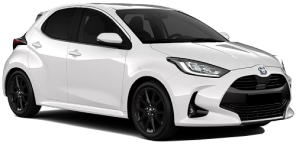
EconomyToyota Yaris or Similar
From
$16.70
/day
|
|
|||
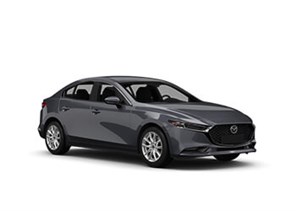
CompactCompact (MAZDA 3) or Similar
From
$13.29
/day
|
|
|||
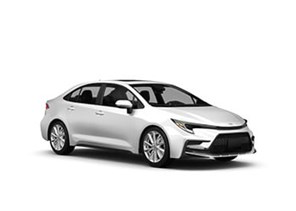
IntermediateIntermediate (TOYOTA COROLLA) or Similar
From
$13.23
/day
|
|
|||
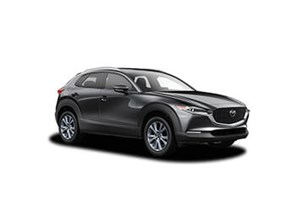
Compact SuvCompact (MAZDA CX-30) or Similar
From
$17.01
/day
|
|
|||
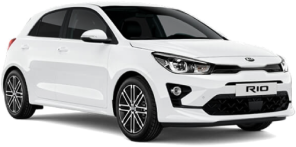
EconomyKia Rio or Similar
From
$16.04
/day
|
|
|||
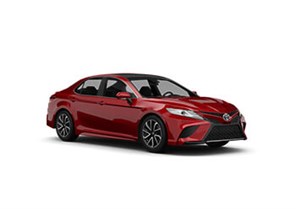
Full-sizeFullsize (TOYOTA CAMRY) or Similar
From
$16.22
/day
|
|
|||
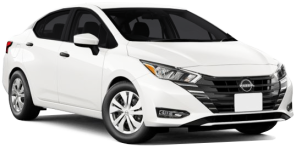
EconomyNissan Versa or Similar
From
$16.66
/day
|
|
|||
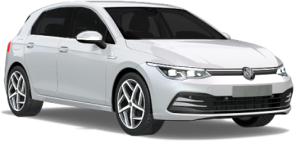
CompactVolkswagen Golf or Similar
From
$16.70
/day
|
|
|||
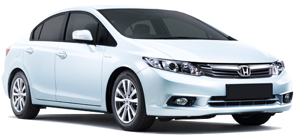
IntermediateHonda Civic or Similar
From
$16.70
/day
|
|
|||
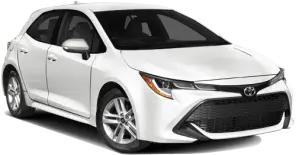
StandardToyota Corolla or Similar
From
$17.06
/day
|
|
|||
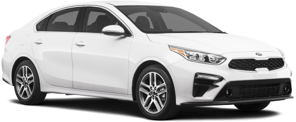
IntermediateKia Forte or Similar
From
$17.46
/day
|
|
|||
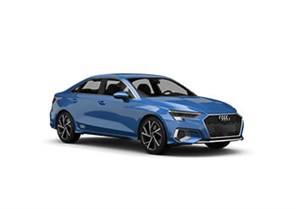
Compact EliteCompact Elite (AUDI A3) or Similar
From
$17.76
/day
|
|
|||
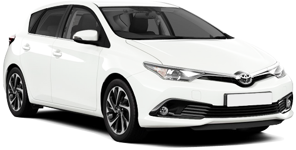
EconomyToyota Auris or Similar
From
$17.77
/day
|
|
|||
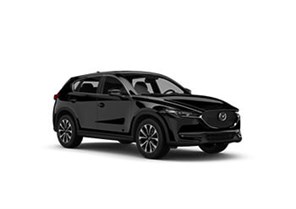
Intermediate SuvIntermediate (MAZDA CX-5) or Similar
From
$17.98
/day
|
|
|||
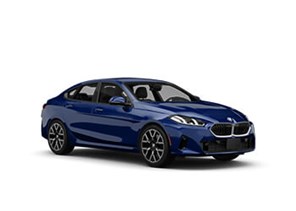
Intermediate EliteIntermediate Elite (BMW 2 SERIES) or Similar
From
$18.23
/day
|
|
|||
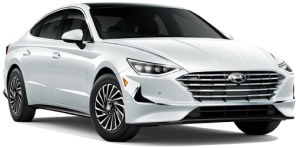
Full-sizeHyundai Sonata or Similar
From
$18.53
/day
|
|
|||
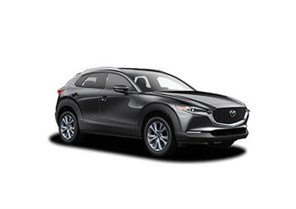
Compact SuvCompact (MAZDA CX-30 AWD) or Similar
From
$18.56
/day
|
|
|||
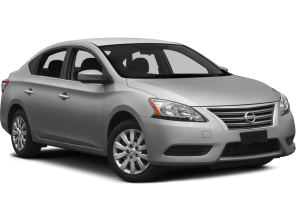
StandardNissan Sentra or Similar
From
$18.93
/day
|
|
|||
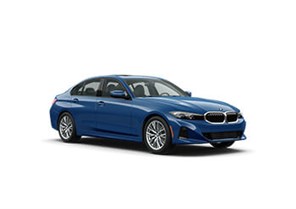
Full-size EliteFullsize Elite (BMW 3 SERIES) or Similar
From
$19.02
/day
|
|
|||
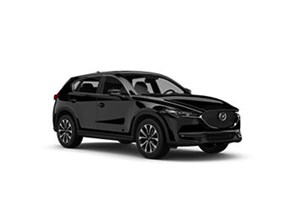
Intermediate SuvIntermediate (MAZDA CX-5 AWD) or Similar
From
$19.62
/day
|
|
|||
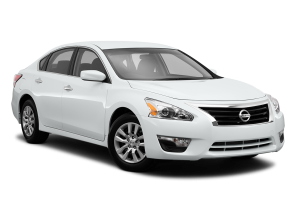
PremiumNissan Altima or Similar
From
$19.62
/day
|
|
|||
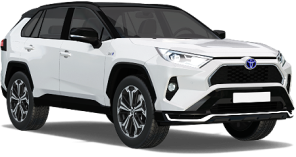
Intermediate Elite SuvToyota RAV4 or Similar
From
$19.62
/day
|
|
|||
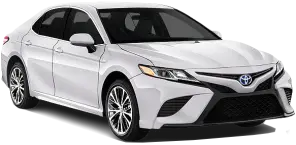
Full-sizeToyota Camry or Similar
From
$20.75
/day
|
|
|||
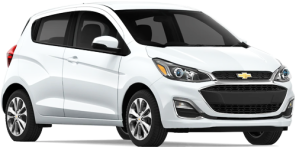
EconomyChevrolet Spark or Similar
From
$20.85
/day
|
|
|||
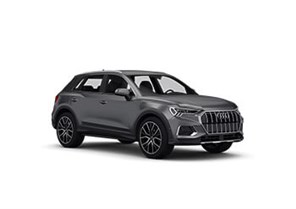
Intermediate Elite SuvIntermediate Elite (AUDI Q3) or Similar
From
$21.09
/day
|
|
|||
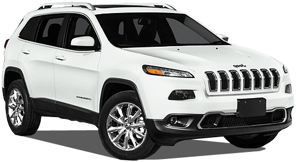
Standard Elite SuvJeep Cherokee or Similar
From
$22.19
/day
|
|
|||
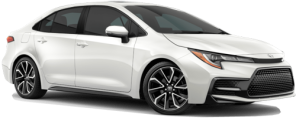
IntermediateToyota Corolla Sedan or Similar
From
$22.51
/day
|
|
|||
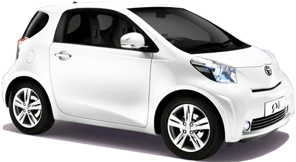
MiniSmart ForTwo or Similar
From
$22.52
/day
|
|
|||
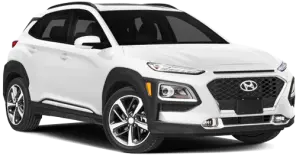
Economy Elite SuvHyundai Kona or Similar
From
$23.24
/day
|
|
|||
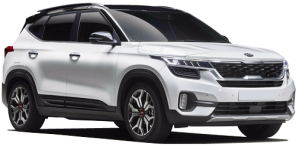
Compact SuvKia Seltos or Similar
From
$23.45
/day
|
|
|||
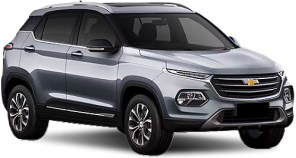
Compact SuvNissan Kicks or Similar
From
$23.64
/day
|
|
|||
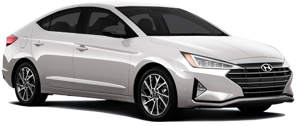
IntermediateHyundai Elantra or Similar
From
$23.66
/day
|
|
|||
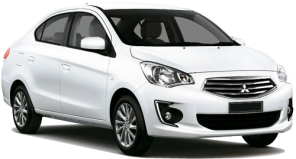
EconomyMitsubishi Mirage or Similar
From
$23.66
/day
|
|
|||
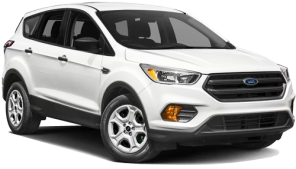
Compact SuvFord Escape or Similar
From
$24.10
/day
|
|
|||
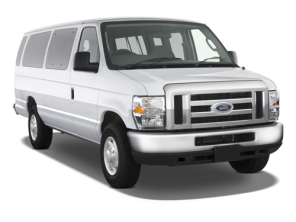
Compact Commercial Van/truckFord E-350 or Similar
From
$24.37
/day
|
|
|||
Our Features
Discover a world of convenience, safety, and customization, paving the way for unforgettable adventures and seamless mobility solutions.
Multiple Currency Support
View prices and pay in various currencies for a convenient global booking experience.
Transparent Pricing
All rental costs, taxes, insurance options, and fees are clearly displayed before booking.
Trusted Rental Partners
We partner with leading global and local car rental companies to ensure reliable vehicles and professional service.
Vehicle Category Selection
Choose from economy, compact, standard, luxury, SUV, and van categories depending on your needs.
Compare Car Rental Prices
Compare rental prices from hundreds of trusted suppliers worldwide to find the best deal for your trip.
Worldwide Locations
Search rental cars in thousands of locations across more than 180 countries and major travel destinations.
Banff, Canada Car Rental Facts
Essential information on the best deals, rental providers, and vehicle options in Banff, Canada.
Most Popular Agencies
Avis leads Trelew with 35% market share, serving visitors heading to the Valdes Peninsula and Punta Tombo penguin colonies.
Popular Car Types
SUVs dominate at 50% for navigating Patagonian gravel roads to wildlife reserves. Pickup trucks popular for rural exploration.
Average Rental Duration
Trelew rentals average 4-5 days, combining Valdes Peninsula whale watching (seasonal), Punta Tombo penguin colonies, and Welsh heritage sites in Gaiman. (Based on 2,100+ local pickups)
Most Popular Models
The Toyota Hilux leads for its durability on Patagonian roads. Ford Ranger favored for wildlife reserve access.
Average Daily Price
Trelew rates average $48/day. Whale season (June-December) sees higher demand with weekly rentals from $290.
How much does it cost to rent a car at Banff, Canada?
Averaging the lowest prices for the economy car category, the data below shows prices for monthly comparisons.
Cheapest Month Average
JunMost Expensive Month
JanYearly Average Price
Trelew Welsh heritage and paleontology. Summer peak for tourism. Book 2 months ahead.
Driving Laws & Information for Canada
Essential driving rules and requirements to know when renting a car
Driving Side
Right
Minimum Age
16 to drive
Blood Alcohol Limit
0.08% maximum
IDP Required?
Sometimes International Driving Permit
Speed Units
km/h
Seat Belt
Required
Toll Roads
Yes
Emergency
911 emergency number
Car Rental Banff, Canada Guide
Renting a car in Banff is the ultimate key to unlocking the full majesty of the Canadian Rockies. While the town of Banff itself is walkable and serviced by a free local shuttle, a rental car transforms your trip from a simple visit to Banff Avenue into a grand adventure through one of the world's most stunning mountain landscapes. For international travelers, the freedom to chase the sunrise at Lake Louise, spontaneously stop for wildlife along the Icefields Parkway, or explore hidden waterfalls in Yoho National Park is unparalleled. Public transport, like the Roam Transit system, is excellent for getting between Banff, Lake Louise, and Canmore, but it operates on a fixed schedule and route. A rental car puts the itinerary in your hands, allowing you to travel at your own pace and discover the region's true depth.
Your first major decision is where to pick up your vehicle. The most convenient option is the Calgary International Airport (YYC), located about 90 minutes east of Banff. All major rental companies have large, well-staffed counters directly in the airport terminal, making it a seamless transition from your flight to the open road. Picking up in Calgary gives you the widest selection of vehicles and competitive rates, but be aware of airport concession fees and surcharges which are added to your bill. Alternatively, picking up a car in the town of Banff itself can save you the drive from Calgary if you plan to spend a day or two in town first. However, in-town agencies are smaller, have limited inventory, and can sometimes be pricier due to higher demand. A savvy money-saving tip is to compare the total cost of a rental from Calgary airport versus a downtown Banff location, factoring in the cost and time of a shuttle from the airport to Banff. Sometimes, paying the airport surcharge is still cheaper than the combined cost of a shuttle plus a Banff-town rental.
| Pickup Location | Pros & Considerations |
|---|---|
| Calgary International Airport (YYC) | Pros: Largest selection of vehicles, most competitive rates, seamless arrival-to-road transition. Cons: Includes airport concession fees and surcharges, requires a 90-minute scenic drive to Banff. |
| Downtown Banff | Pros: Convenient if already in town, no airport surcharges, easy access to local exploration. Cons: Limited vehicle availability, often higher daily rates, can book out weeks in advance during peak season. |
| Canmore | Pros: Slightly lower prices than Banff, less busy, a good compromise if staying in Canmore. Cons: Fewer rental agencies, still requires transport from Calgary to pick up the vehicle. |
Car Rentals Requirements in Banff, Canada
Before you hit the road, it's essential to understand the documentation and requirements for renting a car in Canada. The process is straightforward for most international visitors, but being prepared will ensure a smooth pickup. You'll need a valid, full driver's license from your home country, issued in a language that uses the Latin alphabet (English or French). If your license is not in English or French, you are legally required to carry an International Driving Permit (IDP) alongside it. While some rental agencies may not ask for it, an IDP serves as an official translation and is required by Canadian law for non-English/French licenses, and it can be crucial if you're stopped by the police.
The minimum age to rent a car in Alberta is typically 21, but drivers under 25 will almost always incur a "young driver surcharge" added to the daily rate. You'll need a major credit card in the main driver's name with sufficient available credit to place a hold for the security deposit. Debit cards are rarely accepted for the final payment and almost never for the deposit at the major international agencies at the airport. Your passport is also mandatory for identification. Regarding insurance, your rental cost will include basic liability coverage, but this often has a high deductible. You will be offered a Collision Damage Waiver (CDW) or Loss Damage Waiver (LDW) at the counter, which significantly reduces your financial responsibility if the car is damaged. It's wise to check if your personal auto insurance or your credit card offers rental car coverage before you travel, as this can save you from purchasing expensive insurance at the desk.
| Requirement | Details |
|---|---|
| Minimum Age | 21 years (under 25 pay a young driver surcharge). |
| Driver's License | Valid license from your home country. Must be in English/French, or accompanied by an International Driving Permit (IDP). |
| Credit Card | Major credit card in the driver's name for the security deposit. |
| Passport | Required for identification and verification. |
| Insurance | Basic liability included. Collision Damage Waiver (CDW) is optional but highly recommended. |
Why Rent a Car in Banff
Imagine pulling over on the Icefields Parkway simply because the view of a glacier-fed lake is too perfect to pass by. That is the true power of having your own vehicle in Banff. Public transportation is reliable for point-to-point travel between major hubs, but it can't offer the spontaneous detours that define a memorable Rocky Mountain road trip. With a rental car, you're the captain of your own adventure, free to linger at a viewpoint as the alpenglow fades or to chase a weather window to a less-visited trailhead. This flexibility is especially valuable for photographers, families, and anyone who prefers a deeper connection with the landscape over a rigid timetable.
Beyond the iconic destinations like Lake Louise and Moraine Lake, a car allows you to uncover the region's hidden gems. You can easily venture into neighboring Kootenay and Yoho National Parks to see attractions like the natural rock bridge or the stunning Takakkaw Falls. The convenience extends to practical matters, too. Having a car means you can stock up on groceries and supplies in Canmore or Banff, saving money on dining out for every meal. It also lets you easily explore the wider region, from the cowboy town of Cochrane to the pristine wilderness of Kananaskis Country, turning your base in Banff into a launching pad for a much larger Rocky Mountain exploration.
- Unparalleled Freedom & Flexibility: Create your own itinerary, linger at viewpoints, and make spontaneous stops.
- Access to Remote Gems: Discover lesser-known trails, waterfalls, and viewpoints beyond the main tourist hubs.
- Scenic Drives at Your Own Pace: The Icefields Parkway is considered one of the world's most beautiful drives, best experienced with the freedom to stop anywhere.
- Family & Group Convenience: Economical and practical for families or groups, eliminating per-person transit costs and carrying all your gear with ease.
- Exploring Beyond Banff: Easily day-trip to Yoho, Kootenay, Jasper, or Kananaskis without being tied to bus schedules.
- Practicality & Comfort: Transport groceries, sports equipment, and luggage comfortably, especially during variable mountain weather.
Best Car Rental Companies in Banff
Travelers to Banff are met with a robust selection of car rental companies, ranging from the familiar global giants to smaller local operators. The major international players have a strong presence, particularly at Calgary International Airport and in the town of Banff. These companies offer the reliability of large fleets, online booking systems, and consistent customer service standards. You'll find well-known names like Hertz, Avis, Enterprise, Budget, and National at the airport, along with Alamo, Thrifty, and Dollar. For those seeking a premium experience, Sixt also operates at the airport, offering a range of high-end German vehicles.
Choosing between these companies often comes down to price, vehicle availability, and specific rental terms. For the best deal, it's highly recommended to book through a comparison website well in advance of your trip. This allows you to see all available options side-by-side and secure a vehicle, especially during the hectic summer months when inventory can become scarce. While local Banff-based agencies exist, they are fewer and cater more to local moves or longer-term leases. For the typical international traveler, booking a well-known international brand from the airport offers the best balance of convenience, price, and peace of mind.
| Company | Price Level | Pros |
|---|---|---|
| Enterprise | Medium | Excellent customer service, large selection of SUVs and trucks, "We'll pick you up" service at some locations. |
| Hertz | Medium-High | Widely available, strong loyalty program (Gold Plus Rewards), wide range of vehicles including prestige collections. |
| Avis | Medium | Solid reputation, good for business and leisure travelers, large fleet at Calgary airport. |
| Budget | Low-Medium | Often competitive pricing, a good choice for cost-conscious travelers, large airport presence. |
| Sixt | High | Premium vehicle selection (BMW, Mercedes), high-quality service, ideal for a luxury driving experience. |
| Alamo | Low-Medium | Known for competitive leisure rates, online check-in to skip the counter, good for families. |
Popular Car Rental Categories & Prices in Banff
The type of vehicle you choose can significantly impact your Banff experience. While a small, fuel-efficient car is perfect for navigating the town of Banff and cruising the paved highways, many visitors opt for something with a bit more power and space to match the grandeur of the landscape. The most popular choice by far is the SUV or Crossover. Vehicles like the Toyota RAV4, Honda CR-V, or Ford Escape offer a commanding view of the road, ample space for passengers and luggage, and the confidence of all-wheel drive, which is a huge comfort factor even if you don't plan on serious off-roading. For couples or solo travelers, an economy or compact car like a Hyundai Elantra or Toyota Corolla is a budget-friendly and fuel-sipping option that's easy to park.
Prices in Banff are highly seasonal, dictated by the rhythm of tourism. Peak season (June to September) sees the highest demand and, consequently, the highest prices. A standard SUV that might cost $50-70 per day in the spring can easily skyrocket to $120-$200+ per day in July and August. The shoulder seasons (April-May & October-November) offer a sweet spot of good value and decent weather, while winter (December-March) sees lower base prices for 2WD vehicles, but a high demand for SUVs with proper winter tires as travelers come for skiing. Holidays like Christmas and New Year's also create price spikes. For larger groups or families, a minivan is the king of comfort and cargo space, while those seeking a touch of luxury might splurge on a premium sedan or a convertible for a truly memorable summer drive.
| Car Category | Average Daily Price (Peak Season) | Average Daily Price (Low Season) |
|---|---|---|
| Small Cars (Economy/Compact) | $80 - $120 | $40 - $65 |
| Medium Cars (Midsize/Standard) | $100 - $150 | $50 - $80 |
| SUVs (Standard/Midsize) | $130 - $200+ | $65 - $100 |
| Vans / Minivans | $150 - $220+ | $80 - $120 |
| Luxury Cars / Convertibles | $200 - $350+ | $120 - $180 |
| Metric | Details |
|---|---|
| Cheapest Month | November (excluding US Thanksgiving week) |
| Most Expensive Month | July |
| Average Price (all types) | $85 - $100 per day |
| A Good Deal | Under $60 per day for a compact car in shoulder season |
| Cheapest Supplier (often) | Budget or Dollar |
| Cheapest Car Type | Economy (e.g., Chevrolet Spark, Hyundai Accent) |
Road Trips from Banff
Banff is the perfect starting point for some of the most legendary road trips in North America. With a rental car, the entire Canadian Rockies become your playground. Here are a few must-do routes that begin right from your Banff hotel doorstep:
- The Icefields Parkway (Highway 93 North): This 230 km (144 mi) route from Lake Louise to Jasper is consistently ranked as one of the world's top drives. The journey takes about 3-4 hours without stops, but plan for a full day. Highlights include the Peyto Lake viewpoint, the Glacier Skywalk, and a stop at the Athabasca Glacier, where you can walk on the ancient ice.
- The Golden Triangle Loop (Banff to Golden to Radium): A fantastic 400 km (250 mi) loop that takes you through three national parks. From Banff, head west on the Trans-Canada Highway through Yoho National Park to the town of Golden, BC. Then, drive south on Highway 95 to Radium Hot Springs in Kootenay National Park, and finally, re-enter Banff National Park via the scenic Highway 93 South, passing Marble Canyon and returning to Banff. This 5-7 hour drive (without stops) is packed with diverse scenery.
- Kananskis Country Loop: For a taste of the less-crowded front ranges, drive south from Banff on the Smith-Dorrien/Spray Lakes Trail (a gravel road, check conditions) or the paved Highway 40 (seasonally closed in winter). This area is renowned for wildlife viewing and stunning mountain vistas. The loop can take 3-5 hours depending on your route and stops.
- Dinosaur Trail Extension: For a multi-day adventure, head east from Calgary to the badlands of Drumheller. This 300 km (186 mi) journey from Banff takes you to the Royal Tyrrell Museum, one of the world's premier paleontology museums. It's a stark and fascinating contrast to the mountain scenery, showcasing Alberta's diverse landscape. Plan for a full day trip or an overnight stay.
Driving Rules in Banff
Driving in Banff is generally straightforward, but it's crucial to be aware of the specific rules of the road in Alberta and within the national park. First and foremost, you drive on the right-hand side of the road. Seatbelts are mandatory for all occupants, and children must be in appropriate child seats or booster seats as per Canadian law. The legal blood alcohol limit is 0.05%, which is very strict. It's best to adopt a zero-tolerance policy when driving, especially as a visitor. Wildlife is a major factor; be constantly vigilant for animals on and near the roadway, especially at dawn and dusk. Obey all wildlife warning signs and never stop on the highway to view or photograph animals—pull into designated pullouts.
Road conditions can change rapidly, especially outside of summer. From October 1st to May 31st, it is the law in Alberta to have winter tires on many routes, including the Trans-Canada Highway (Highway 1) through Banff National Park. Rental cars provided in winter will be equipped with appropriate tires, but it's something to confirm when booking. Speed limits are strictly enforced and are posted in kilometers per hour (km/h).
| Road Type | Speed Limit (km/h) | Speed Limit (mph approx.) |
|---|---|---|
| Highways (e.g., Trans-Canada Hwy 1) | 90 - 110 km/h | 55 - 68 mph |
| Secondary Highways (e.g., Hwy 1A) | 80 km/h | 50 mph |
| Towns (e.g., Banff, Lake Louise) | 30 - 50 km/h | 19 - 31 mph |
| School & Playground Zones | 30 km/h (strictly enforced) | 19 mph |
Toll Roads in Banff
One of the pleasant surprises for drivers in Banff is the complete absence of toll roads. Unlike some other parts of Canada (like the 407 ETR in Ontario), all highways and roads within Banff National Park and the surrounding region are toll-free. This includes major arteries like the Trans-Canada Highway (Highway 1) and the scenic Icefields Parkway (Highway 93). Your only required pass is a National Park entry permit, which is not a toll but an admission fee to the park itself. This permit can be purchased daily or annually at park gates, visitor centers, or online. So, while you won't be paying to use the roads, you will be paying for the privilege of driving through this pristine protected environment, with the funds going directly towards conservation and visitor services.
Parking in Banff
Parking in the town of Banff requires a bit of strategy, especially during peak summer months. The town is compact and walkable, and its popularity means that curb space is at a premium. Street parking is available but is primarily paid and time-limited. You'll need to pay at a parking meter or use the PayByPhone app, which is very convenient for extending your time remotely. Rates are generally reasonable, but the biggest challenge is simply finding a spot near the main commercial areas like Banff Avenue during the middle of the day. There are several public pay parking lots and parkades (multi-story car parks) located just off the main strip, such as the Bow River Lot, the Train Station Lot, and the large parkade on Bear Street. These are your best bet for all-day parking.
Outside of the town center, parking becomes easier. Most hotels offer parking for guests, though it's always worth checking if there's an additional nightly fee. At major attractions like Lake Louise, the real challenge begins. The main Lake Louise lakeside parking lot fills up very early in the day, often by 7-8 AM in summer. Have a backup plan, such as using the Park & Ride shuttle from the Lake Louise Ski Resort. Similarly, access to Moraine Lake is now restricted, and personal vehicles are not allowed during peak season; you must take a shuttle. Always park in designated areas only. Parking on the side of the highway is illegal, dangerous, and harms the fragile alpine vegetation.
Tips for Car Rental in Banff
To ensure your Banff road trip is smooth, enjoyable, and cost-effective, keep these practical tips in mind from the moment you start planning:
- Book as Early as Possible: Vehicle inventory in Banff and Calgary is finite and demand is sky-high, especially in summer. Booking months in advance secures your car and often locks in a much lower rate.
- Consider Your SUV Needs Carefully: While an SUV is popular, ask yourself if you truly need it. If you're sticking to paved roads in summer, a compact car will save you a significant amount on both rental and gas.
- Understand the Insurance Landscape: Before you travel, call your credit card company and your home auto insurer to find out exactly what rental car coverage they provide. This knowledge can save you from expensive and redundant upsells at the rental counter.
- Factor in the Park Pass: Remember that your rental car budget is separate from your National Park entry fee. A daily pass for a vehicle (up to 7 people) is required and costs around $10-11 USD (equivalent CAD). An annual pass is a good deal if you're staying a week or more.
- Choose a "Full-to-Full" Fuel Policy: Select the option where you pick up the car with a full tank and return it full. This avoids paying the rental company's inflated per-gallon refueling prices. There are plenty of gas stations in Banff and Calgary.
- Check for One-Way Fees: If you plan to pick up in Calgary and drop off in another city like Vancouver, be aware of substantial one-way drop fees. It's often much cheaper to return the car to its original location.
Common Car Rental Mistakes Travelers Make
Even seasoned travelers can fall into common traps when renting a car in a new destination. Being aware of these pitfalls will help you navigate the process like a pro and avoid unnecessary stress and expense on your Banff vacation.
- Not Booking Early for Peak Season: Arriving in Banff in July without a reservation is a recipe for disappointment. You'll likely face "sold out" signs or eye-watering last-minute prices, if any cars are available at all.
- Ignoring the Fine Print on Mileage: Most rentals in this region include unlimited mileage, which is essential for exploring. However, always double-check your contract to ensure you're not hit with a surprise per-kilometer charge.
- Forgetting to Inspect the Car: Before driving off, do a thorough walk-around and video of the car, noting every existing scratch or ding. Make sure the rental agent notes these on your contract to avoid being charged for pre-existing damage upon return.
- Underestimating Driving Distances and Times: The Canadian Rockies are vast. Don't assume you can drive from Banff to Jasper and back in a single day with time for hikes. The distances are deceptively long, and speed limits are moderate for safety.
- Keeping Valuables Visible: Never leave luggage, electronics, or shopping bags visible in your parked car, especially in town or at trailheads. While theft is not rampant, it's a crime of opportunity, so store items in the trunk out of sight.
- Not Knowing the Fuel Type: Make sure you know what type of fuel your rental car takes (regular, plus, or diesel). Putting the wrong fuel in can cause major engine damage and result in huge fees.
Real Travel Experience Renting a Car in Banff
Last September, my partner and I landed in Calgary with a single goal: to see the larches turn gold in the high alpine. We'd booked a mid-size SUV from Avis at the airport months in advance, snagging a great rate of about $65 USD per day. The pickup was a breeze; we were on the Trans-Canada Highway within an hour of landing. The first few days were based in Canmore, and having the car meant we could chase the light. One morning, we woke at 4 AM and drove to Moraine Lake (before the road closure that year), securing a parking spot and witnessing a sunrise that painted the Valley of the Ten Peaks in fire. On a whim, we drove the Bow Valley Parkway (Highway 1A) back to Banff, stopping to see Castle Mountain and a black bear grazing peacefully in a meadow. Later in the week, we loaded the SUV with hiking gear and groceries and spent a full day driving the Icefields Parkway to Athabasca Glacier. The freedom to stop at every single turquoise creek and cascading waterfall was intoxicating. Returning the car in Calgary was just as simple as picking it up, and the whole experience gave us the keys to a vacation we could never have had on a bus.
International Driving Permit for Travelers Visiting Banff
For most international visitors, the question of whether you need an International Driving Permit (IDP) is a critical one. In the province of Alberta, your valid driver's license is accepted as long as it is in English or French. If your license is printed in a language that does not use the Latin alphabet (such as Arabic, Chinese, Japanese, or Russian), you are legally required to carry an IDP as a translation. Even if your license is in a language like German or Spanish (which use the Latin alphabet), an IDP is not a legal requirement, but it can be an incredibly useful form of identification. It translates your driving credentials into nine major languages, which can be helpful during a police traffic stop or when dealing with rental agencies in more remote locations.
Obtaining an IDP is a straightforward process that must be done in your home country before you travel. In most countries, they are issued by the national automobile association (such as the AAA in the United States or the RAC/AA in the UK). You cannot get an IDP once you arrive in Canada. You'll typically need to present two passport-sized photos, your valid driver's license, and pay a small fee. The IDP is essentially a translation document and is not valid on its own; you must carry it together with your original driver's license. It is generally valid for one year from the date of issue. For peace of mind and full compliance with Alberta law, if there's any doubt about your license's language, obtaining an IDP is a simple and inexpensive step.
Car Rental Locations in Banff
Discover More Canada Car Rental Destinations
- Car Rental in Abbotsford
- Car Rental in Brampton
- Car Rental in Calgary
- Car Rental in Deer Lake
- Car Rental in Dieppe
- Car Rental in Edmonton
- Car Rental in Halifax
- Car Rental in Hamilton Canada
- Car Rental in Kamloops
- Car Rental in Kelowna
- Car Rental in Kitchener
- Car Rental in Langley
- Car Rental in Lethbridge
- Car Rental in Mississauga
- Car Rental in Montreal
- Car Rental in Nanaimo
- Car Rental in Ottawa
- Car Rental in Port Hardy
- Car Rental in Prince George
- Car Rental in Quebec
- Car Rental in Regina
- Car Rental in Saint John
- Car Rental in Saskatoon
- Car Rental in St John S
- Car Rental in Surrey
- Car Rental in Thornhill
- Car Rental in Toronto
- Car Rental in Vancouver
- Car Rental in Victoria
- Car Rental in Windsor
- Car Rental in Winnipeg
Other Car Rental Locations in Canada
- Car Rental at Abbotsford Airport (YXX)
- Car Rental at Abbotsford Downtown
- Car Rental at Brampton Downtown
- Car Rental at Calgary Airport (YYC)
- Car Rental at Deer Lake Downtown
- Car Rental at Dieppe Airport (YQM)
- Car Rental at Dieppe Downtown
- Car Rental at Edmonton Airport (YEG)
- Car Rental at Edmonton Downtown
- Car Rental at Halifax Downtown
- Car Rental at Hamilton Airport (YHM)
- Car Rental at Hamilton Downtown
- Car Rental at Kamloops Airport (YKA)
- Car Rental at Kamloops Downtown
- Car Rental at Kelowna Airport (YLW)
- Car Rental at Kelowna Downtown
- Car Rental at Kitchener Airport (YKF)
- Car Rental at Kitchener Downtown
- Car Rental at Langley Downtown
- Car Rental at Lethbridge Downtown
- Car Rental at Mississauga Downtown
- Car Rental at Montreal Airport (YUL)
- Car Rental at Montreal Downtown
- Car Rental at Nanaimo Airport (YCD)
- Car Rental at Nanaimo Downtown
- Car Rental at Ottawa Airport (YOW)
- Car Rental at Ottawa Downtown
- Car Rental at Port Hardy Airport (YZT)
- Car Rental at Port Hardy Downtown
- Car Rental at Prince George Airport (YXS)
Major Airports in Canada
Complete airport guides with car rental information, parking, and transportation options
- Abbotsford Airport Guide IATA: YXX
- Calgary Airport Guide IATA: YYC
- Dieppe Airport Guide IATA: YQM
- Edmonton Airport Guide IATA: YEG
- Hamilton Airport Guide IATA: YHM
- Kamloops Airport Guide IATA: YKA
- Kelowna Airport Guide IATA: YLW
- Kitchener Airport Guide IATA: YKF
- Montreal Airport Guide IATA: YUL
- Nanaimo Airport Guide IATA: YCD
- Ottawa Airport Guide IATA: YOW
- Port Hardy Airport Guide IATA: YZT
- Prince George Airport Guide IATA: YXS
- Quebec City Airport Guide IATA: YQB
- Regina Airport Guide IATA: YQR
- Saint John Airport Guide IATA: YSJ
- Saskatoon Airport Guide IATA: YXE
- St Johns Airport Guide IATA: YYT
- Toronto Island Airport Guide IATA: YTZ
- Toronto Pearson Airport Guide IATA: YYZ
- Vancouver Airport Guide IATA: YVR
- Victoria Airport Guide IATA: YYJ
- Windsor Airport Guide IATA: YQG
- Winnipeg Airport Guide IATA: YWG
Frequently Asked Questions about Car Rental in Banff
Banff, Canada Car Rental Reviews & Customer Ratings
Read verified customer reviews, ratings, and rental experiences from travelers who booked through Airport Rento.
Overall Rating
No reviews yet for this location. Be the first to share your experience!