Cheap Car Rental Botswana - Compare Deals & Book Instantly
Search and compare car rental prices from trusted global suppliers. Find the best deals instantly.
Why book with us?
-
Wide Fleet
Choose from economy cars, SUVs, luxury vehicles, and more.
-
Free Cancellation
Flexible booking options with free cancellation on most rentals.
-
24/7 Customer Support
Our expert team is available 24/7 to assist you with any questions or concerns.
Compare top international car rental brands and choose the best deal for your trip.







Car Rental Deals in Botswana
Choose from our wide range of vehicles available in Botswana.
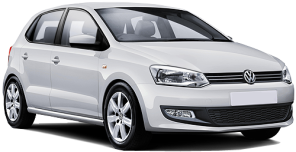
EconomyVolkswagen Polo or Similar
From
$26.81
/day
|
|
|||
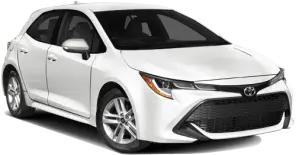
CompactToyota Corolla or Similar
From
$32.01
/day
|
|
|||
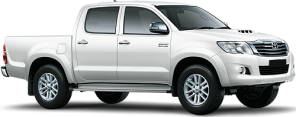
Full-size Extended Cab PickupToyota Hilux or Similar
From
$73.00
/day
|
|
|||
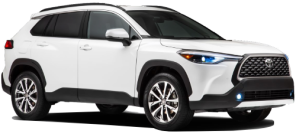
Intermediate SuvToyota Corolla Cross or Similar
From
$59.86
/day
|
|
|||
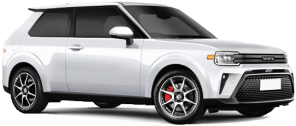
EconomyToyota Starlet or Similar
From
$26.93
/day
|
|
|||
Intermediate VanToyota Rumion or Similar
From
$50.06
/day
|
|
|||
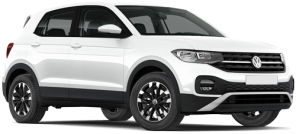
Compact MonospaceVolkswagen T-Cross or Similar
From
$52.66
/day
|
|
|||
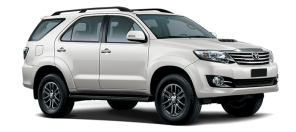
Full-size SuvToyota Fortuner or Similar
From
$65.74
/day
|
|
|||
Our Features
Discover a world of convenience, safety, and customization, paving the way for unforgettable adventures and seamless mobility solutions.
Highly Rated Suppliers
We highlight top-rated suppliers based on verified customer reviews and service quality.
Easy Booking Management
Manage, modify, or cancel your booking easily through your confirmation link or account.
Clear Rental Policies
Access complete rental policies including driver age limits, fuel rules, and deposit conditions.
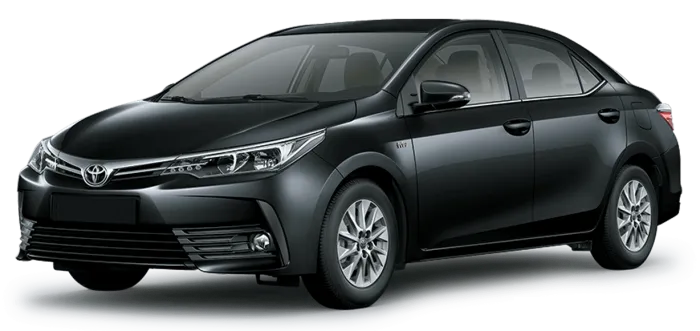
Exclusive Online Discounts
Enjoy special online deals and seasonal discounts when booking your car rental through our platform.
Secure Online Booking
Book with confidence using our encrypted booking system that protects your personal and payment information.
Road Trip Friendly Options
Find rental cars with unlimited mileage and one-way rental options perfect for long road trips.
Botswana Car Rental Facts
Essential information on the best deals, rental providers, and vehicle options in Botswana.
Most Popular Agencies
Lion City Rentals leads with 28% share, catering to both tourists wanting to explore beyond the city and residents needing temporary vehicles.
Popular Car Types
Compact cars are favored for city maneuverability. Luxury vehicles serve business travelers and tourists wanting to arrive in style at Marina Bay.
Average Rental Duration
Short 3-day rentals reflect Singapore's compact size and excellent public transport, with cars used mainly for weekends in Malaysia or Sentosa trips. (Based on 14,200+ local searches)
Most Popular Models
The Toyota Corolla dominates the practical rental segment. The Mercedes C-Class is preferred for business clients and special occasions.
Average Daily Price
Singapore commands premium rates averaging $72/day, reflecting high vehicle costs. Weekend rentals from $135 offer value for Malaysia road trips.
How much does it cost to rent a car at Botswana?
Averaging the lowest prices for the economy car category, the data below shows prices for monthly comparisons.
Cheapest Month Average
JanMost Expensive Month
SepYearly Average Price
F1 Grand Prix (September) causes extreme price spikes. Peak seasons (June-August, December) for tourism. Cars expensive - public transport efficient. ERP tolls apply. Book 2-3 months ahead for F1.
Driving Laws & Information for Botswana
Essential driving rules and requirements to know when renting a car
Driving Side
Left
Minimum Age
18 to drive
Blood Alcohol Limit
0.08% maximum
IDP Required?
Sometimes International Driving Permit
Speed Units
km/h
Seat Belt
Required
Toll Roads
No
Emergency
999 emergency number
Your Ultimate Guide to Renting a Car in Botswana for International Travelers (2026)
Imagine navigating your own 4x4 through the untamed wilderness of the Okavango Delta, watching a herd of elephants cross the road in Chobe National Park, or feeling the vast silence of the Makgadikgadi salt pans. Renting a car in Botswana offers the ultimate freedom to explore one of Africa's most pristine and wildlife-rich destinations on your own terms. While fly-in safaris are popular, a self-drive adventure provides a deeper, more personal connection to the landscape and its incredible biodiversity.
However, driving in Botswana is an adventure in itself, requiring robust preparation, the right vehicle, and a solid understanding of local conditions. This comprehensive guide is designed to equip international travelers with everything they need to know about renting a car in Botswana, from choosing the right 4x4 and understanding driving laws to planning epic road trips and avoiding common pitfalls.
Airport vs. City Center Pickup: Where to Start Your Journey
For most international visitors, the journey begins at Sir Seretse Khama International Airport (GBE) in Gaborone, or at Maun Airport (MUB), the gateway to the Okavango Delta. Picking up your rental car at the airport is the most convenient option, allowing you to hit the road immediately after your flight. Rental desks from major international brands and specialized local operators are present at both airports. However, this convenience can come with an airport surcharge, a fee added to the rental cost for operating at the airport.
Alternatively, you can opt for a city center pickup. In Gaborone, for example, rental companies have offices downtown. While you'll need transportation from the airport to the city (a taxi or ride-hailing service), this can sometimes save you the airport surcharge. The main disadvantage is the added hassle and cost of that initial transfer. For most travelers heading straight to nature reserves like the Delta or Chobe, the convenience of an airport pickup at Maun is well worth the potential extra fee.
Money-Saving Tip: Compare the total price, including any potential airport surcharge, with the cost of a city center pickup plus a taxi transfer. Sometimes, the difference is negligible, but for longer rentals, the saving can be significant.
| Pickup Location | Advantages | Disadvantages |
|---|---|---|
| Airport (GBE/MUB) | Maximum convenience, immediate access to car, no initial taxi cost. | Potential airport surcharge, can be slightly more expensive. |
| City Center (e.g., Gaborone) | May avoid airport surcharges, potentially lower base rates. | Requires taxi transfer to city, inconvenient with lots of luggage, not ideal for Maun departures. |
Seasonal Pricing: When to Rent for the Best Deal
Rental car prices in Botswana are heavily influenced by the country's distinct seasons and tourism patterns. Understanding these fluctuations is key to budgeting for your trip. The high season coincides with the dry winter months from May to October, which is also the peak wildlife viewing period. During this time, demand for 4x4 vehicles soars, and prices can be at their highest. Conversely, the low season (November to April) is the wet summer months, also known as the "green season." While there are afternoon thunderstorms, the landscape is lush, birdlife is abundant, and prices for car rentals drop significantly.
The table below provides a general overview of seasonal pricing trends. Note that these are estimates and can vary between suppliers.
| Metric | Details |
|---|---|
| Cheapest Month | February (peak of the green season) |
| Most Expensive Month | September (peak wildlife viewing) |
| Average Daily Price (4x4) | $100 - $250+ depending on season and vehicle |
| A Good Deal | ~$120/day for a Toyota Hilux in the green season |
| Cheapest Supplier | Often local suppliers like Safari Rentals or specialized operators |
| Cheapest Car Type | 2WD SUV or a sedan (limited to major towns, not suitable for safari areas) |
Peak Demand: Aligning with Wildlife and Weather
Rental demand is at its absolute peak from July to October. This period offers the best wildlife viewing as animals congregate around permanent water sources, and the dry, cooler weather is ideal for driving. Demand spikes further during major school holidays in Europe and North America. Events like the annual Maun Race Week or traditional ceremonies can also cause localized spikes in rental demand. Planning and booking several months in advance is essential if you're traveling during these peak months to secure your preferred vehicle.
Typical Rental Duration: Planning Your Safari
The typical rental duration for international travelers in Botswana is between 7 and 14 days. This allows ample time to fly into Maun, explore the Okavango Delta's "panhandle" or more accessible reserves, drive north to the Chobe National Park around Kasane, and possibly venture to the spectacular Victoria Falls in Zimbabwe or Zambia. A 10-day itinerary is a popular choice for covering the main highlights at a comfortable, self-drive pace.
Rental Locations and Availability Across the Country
While {COUNTRY_NAME} is vast, car rental availability is concentrated in key entry points. You'll find approximately 20-30 rental locations nationwide, with the majority being at airports and in major towns. Availability of standard 2WD vehicles is good in Gaborone and Francistown, but specialized, fully-equipped 4x4 vehicles for safari are primarily rented from operators in Maun and Kasane. International companies like Avis, Budget, and Europcar have a presence, but local specialists like Safari Rentals, Bushlore, and various independent operators are often preferred for self-drive safaris as they offer vehicles with rooftop tents, fridges, and camping gear. It's crucial to book well in advance for a fully-kitted 4x4, as their numbers are limited.
| Quick Facts: Renting a Car in Botswana | |
|---|---|
| Main Rental Hubs | Maun, Gaborone, Kasane |
| Number of Locations | Approx. 20-30 nationwide |
| Popular International Suppliers | Avis, Budget, Europcar |
| Popular Local Suppliers | Safari Rentals, Bushlore, various independent operators |
| Vehicle Availability | Good for 2WD in cities; 4x4s limited and require advance booking |
Choosing Your Vehicle: From Economy Cars to Safari 4x4s
Selecting the right vehicle is the most critical decision for your trip. Your choice will depend entirely on your itinerary. For travel confined to the major towns (Gaborone, Francistown), a standard car may suffice. However, for accessing national parks and wildlife reserves, a 4x4 is non-negotiable.
- Economy Cars (e.g., Toyota Vitz, Hyundai i10): Suitable only for city driving and sealed roads. Not suitable for safaris.
- Compact Cars (e.g., Toyota Corolla, VW Polo): Good for travel between major towns on main highways, but cannot handle gravel roads leading to parks.
- SUVs / 4x4 Vehicles (e.g., Toyota Hilux, Ford Ranger, Land Cruiser): The quintessential choice for Botswana. A double-cab 4x4 pickup is the vehicle of choice for self-drive safaris, offering high ground clearance and durability for rough terrain. Many come equipped with a canopy or rooftop tent.
- Vans / Family Vehicles (e.g., Toyota Quantum): Larger minivans that can be converted for safari use, ideal for families or small groups who want to travel together. They offer more space but can be less maneuverable on narrow tracks.
Epic Road Trips: Unmissable Routes in Botswana
Botswana is a road tripper's paradise. Here are some of the most famous routes to consider for your itinerary:
- The Classic Safari Loop: Maun to Kasane via Chobe
- Route: Maun -> Moremi Game Reserve (South Gate) -> Savuti -> Chobe National Park -> Kasane
- Approximate Driving Time: 4-6 days (allowing for game drives). The direct dirt road driving time is about 10-12 hours, but you will travel much slower inside parks.
- Major Highlights: Game viewing in Moremi, the Savuti Marsh with its famous predator-prey interactions, and the immense elephant herds of Chobe Riverfront.
- The Pans Adventure: Nata to Gweta
- Route: Nata -> Nata Bird Sanctuary -> Kubu Island -> Gweta (access point for Makgadikgadi Pans National Park)
- Approximate Distance: ~300 km, but requires careful navigation on salt pans (a guide is recommended for Kubu Island).
- Major Highlights: The stark, mesmerizing beauty of the Makgadikgadi salt pans, camping on the ancient rock of Kubu Island, and meerkat encounters.
- The Trans-Kalahari Highway: Lobatse to the Namibian Border
- Route: Lobatse (or Gaborone) -> Jwaneng -> Kang -> Mamuno Border Post (into Namibia)
- Approximate Distance: ~550 km from Gaborone to the border.
- Major Highlights: A scenic, well-maintained highway connecting Botswana to Namibia, passing through classic Kalahari savanna landscapes. A great route for those combining a trip to Namibia.
Driving Laws and Road Conditions: What You Need to Know
Driving in Botswana is generally safe, but conditions differ significantly from Europe or North America. The most important rule: drive on the LEFT side of the road. Speed limits are strictly enforced, especially in towns. Gravel roads, which are common in national parks, require extreme caution as they can be corrugated, sandy, or slippery.
- Driving Side: Left.
- Alcohol Limit: Strict. The legal blood alcohol limit is 0.05%. It's best to have a zero-tolerance policy when driving.
- Child Seats: Required for young children. Availability from rental companies can be limited, so request in advance.
- Road Conditions: Main highways (A roads) are generally good tarmac. Secondary roads (B roads) are often gravel. Park tracks are sandy and require 4x4 and low tire pressure.
- Seatbelt Rules: Mandatory for all occupants.
- Winter Tire Laws: Not applicable as Botswana does not have snow.
| Location | Speed Limit (km/h) |
|---|---|
| Urban Areas / Towns | 40-60 km/h |
| Rural Roads (Tar) | 80-100 km/h |
| Highways (Tar) | 120 km/h |
| Gravel Roads | 60-80 km/h (use caution) |
Toll Roads and Payment Methods
One of the pleasant surprises for drivers in Botswana is that the country currently has no toll roads. All major highways and routes are free to use. This simplifies your budgeting and driving experience, allowing you to travel between cities and parks without stopping to pay fees. Payment for your rental itself is typically made by credit card, and you'll need one for the security deposit as well. Cash is useful for buying fuel, especially at smaller rural filling stations.
Rental Companies: International vs. Local Suppliers
The choice between an international giant and a local specialist often defines your safari experience. International companies are great for standard car rentals in cities. They offer familiarity, loyalty programs, and a standardized fleet. However, for a true self-drive safari, local suppliers are usually the better choice. They provide vehicles that are purpose-built for the African bush, including features like roof-top tents, dual battery systems, fridges, sand tracks, and comprehensive camping gear. Their advice on routes and conditions is also invaluable.
| Company Type | Price Level | Pros |
|---|---|---|
| International (e.g., Avis) | Medium / High | Widely recognized, reliable, good for city rentals, can earn loyalty points. |
| Local Specialist (e.g., Safari Rentals) | Medium | Fully-kitted 4x4s with camping gear, expert local knowledge, better support for safari travel. |
| Budget Local Operator | Low | Lower prices, can be flexible. (Risk: Fleet may be older, less reliable). |
Navigating Parking in Botswana
Parking is generally not a major challenge in Botswana, except perhaps in the capital, Gaborone. In most towns and safari lodges, parking is plentiful and free. In Gaborone's central business district, you will find designated paid parking zones managed by parking meters or attendants. You'll need to pay for a ticket and display it on your dashboard. Parking lots and secure garages are available at malls and major hotels. When staying at lodges inside or near national parks, secure, fenced parking is usually provided. The biggest challenge is not theft, but wildlife—never leave food in your car, as baboons or other animals may try to break in.
Average Daily Rental Costs in Botswana
Rental prices in Botswana are higher than in many other countries due to the rugged terrain and specialized vehicles. The cost is heavily dependent on the season, vehicle type, and rental company. Below is a guide to average daily prices. Always factor in the cost of a comprehensive insurance package.
| Vehicle Category | Average Daily Price (USD) |
|---|---|
| Small Cars (e.g., Toyota Vitz) | $50 - $80 |
| Medium Cars (e.g., Corolla) | $70 - $100 |
| SUVs (2WD, e.g., RAV4) | $90 - $140 |
| Fully-Kitted 4x4 (e.g., Hilux) | $150 - $350+ |
| Luxury/Overland Vehicles | $300+ |
Top Tips for Renting a Car in Botswana
- Book Your 4x4 Extremely Early: The best kitted-out 4x4s are snapped up months in advance, especially for the peak season (June-October). Book at least 6-9 months ahead.
- Consider a Local Safari Specialist: Don't just default to a global brand. For a Delta or Chobe trip, a local specialist with fully equipped vehicles will provide a much better experience.
- Get the Right Insurance: Ensure your rental includes comprehensive insurance with low or zero excess for damage. Read the fine print carefully regarding gravel road coverage and tire/windscreen damage, which are common.
- Plan for the Green Season: If your budget is tight, traveling in January-February offers lush scenery and significantly lower car rental prices, though you may encounter afternoon rains.
- Pick Up in Maun, Drop Off in Kasane: Many rental companies offer one-way rentals between Maun and Kasane, allowing you to cover the main safari circuit without backtracking. This can save valuable time.
Common Traveler Mistakes to Avoid
- Underestimating Distances and Road Conditions: Driving 200 km on a gravel road in Botswana can take 4-5 hours. Don't try to cover too much ground in one day. "Africa time" is real.
- Choosing a 2WD Vehicle for a Safari: This is the most common and costly mistake. A 2WD car is simply not safe or capable on the deep sand roads of Moremi or Chobe. You will get stuck.
- Skipping the Pre-Rental Inspection: Always thoroughly inspect the vehicle with the rental agent, noting every scratch and dent. Take dated photos and videos before you drive away to avoid disputes later.
- Forgetting to Stock Up on Supplies: In Maun and Kasane, stock up on water, food, and fuel before heading into the parks. Supplies inside reserves are extremely limited or non-existent.
- Driving at Night: Wildlife is most active at dusk and dawn, and livestock often wanders onto unfenced roads. Avoid driving outside of major towns after dark for your safety.
One Traveler's Botswana Road Trip Story
Sarah and Mark, a couple from Canada, picked up their kitted-out Toyota Hilux from a local supplier in Maun. With a rooftop tent and a cooler full of supplies, they felt a thrill of independence. Their first challenge was the sandy track into Moremi Game Reserve. Remembering the briefing, Mark lowered the tire pressure, engaged 4WD, and the truck powered through. That evening, they fell asleep to the sound of hyenas whooping near their campsite. Over the next week, they spent hours watching a lioness stalk prey near the Savuti Channel and navigated the winding roads of Chobe, stopping as a family of elephants crossed just meters ahead. The sense of discovery—finding a waterhole teeming with life all to themselves—was a reward no guided tour could replicate. Driving out of Kasane to return the car, dusty but exhilarated, they knew they had experienced the real Botswana.
International Driving Permit (IDP): Do You Need One?
An International Driving Permit (IDP) is recommended for all international drivers in Botswana. While a valid driver's license from your home country (in English) is often accepted, an IDP serves as an official translation and is required by law if your license is not in English. It's a simple and inexpensive document that can prevent issues during a police checkpoint or when renting your vehicle.
You must obtain an IDP in your home country before you travel. They are typically issued by your national automobile association (e.g., AAA in the US, CAA in Canada, the Post Office in the UK) and are valid for one year. Always carry both your physical home license and your IDP with you when driving. Having the correct documentation ensures a hassle-free start to your Botswana adventure.
Popular Cities for Car Rental in Botswana
Popular Locations for Car Rental in Botswana
Major Airports in Botswana
Complete airport guides with car rental information, parking, and transportation options
Frequently Asked Questions about Car Rental in Botswana
Botswana Car Rental Reviews & Customer Ratings
Read verified customer reviews, ratings, and rental experiences from travelers who booked through Airport Rento.
Overall Rating
Quick and easy
Verified"Easiest car rental I've done in Africa. Booked a sedan for business in Gaborone. Car was waiting, keys in hand, out the door in 10 mins. Return was just as smooth."
Robert Chen
Proud of local service
Verified"I'm a local but didn't have a car for a weekend trip. Rented a Hilux and I was impressed by the international standard of service. Sometimes you think these places only cater to tourists but I felt valued."
Tlotlo Letsholo
Delivered to my hotel
Verified"They brought the car right to the Grand Palm Hotel in Gaborone. Saved me a taxi ride to the airport just to fetch a car. The delivery driver waited while I inspected the vehicle. Premium service."
Omar Farouk
Solid ride in Gaborone
Verified"Picked up a Toyota Hilux from AirportCarHub at Sir Seretse Khama airport. Everything was sorted quickly, the agent was efficient even though I landed late. Drove it up to Maun and through Chobe, no issues at all. Will use again."
James Whitfield
Надёжная машина
Verified"The SUV was in perfect condition. We drove 2,300 km across the country without a single hiccup. The extra fuel tank option was a lifesaver in remote areas. Return in Francistown was easy."
Mikhail Titov
Engage!
Verified"Smooth operation. Booked a 4x4, got a 4x4. Drove it to the Central Kalahari. The vehicle was logically laid out, intuitive controls. Zero mechanical issues. Qapla'!"
Jean-Luc Picard
Clean and new cars
Verified"Very impressed with the condition of the vehicle. It was almost brand new, only 15,000km on the odometer. Driving to Makgadikgadi Pans was a breeze. The navigation system was helpful but a bit outdated."
Takashi Nakamura
Easy af
Verified"Literally walked out the airport, signed a paper, got the key. Took 5 mins. Good truck. ⭐⭐⭐⭐"
John Walker
Efficient and professional
Verified"The booking process was clear, and the customer support on WhatsApp was responsive. I asked a hundred questions before arriving and they patiently answered all of them. Car was spotless."
Hannah Kim
Could be better
Verified"The car was fine, a bit worn but drivable. The main issue was the waiting time. Booked for 10am, only got the keys at 11:15am because they were cleaning it. Not ideal when you have a long drive to Maun ahead."
Johan de Vries
Good enough
Verified"Decent car, had a few scratches on the bumper but mechanically it was fine. AC worked which is all that matters driving through Botswana. Paperwork took maybe 15 minutes."
Michael Davidson
Good for hunting trips
Verified"Used a V8 Cruiser to tow a trailer to a hunting concession near the CKGR. Power was sufficient, fuel consumption was expected for the load. They ensured the tow bar electrics worked. Professional."
Ali Al-Marri
Gut organisiert
Verified"Booked online from Germany, the reservation was confirmed immediately. Pickup at the airport was straightforward. The Nissan X-Trail was perfect for the tar roads and gravel detours. Keine Probleme."
Heiko Kaiser
Home away from home
Verified"As a Motswana living in the US, coming back home and renting from AirportCarHub was refreshing. They treat you like family. The Prado I rented was immaculate. Saw elephants on the A33 just outside Kasane, magic moment."
Sibusiso Dlamini
Bra service
Verified"Got an upgrade for free because my booked car wasn't returned in time. Ended up with a nicer Land Cruiser. Driving through Tuli Block was incredible. Tack!"
Anders Johansson
Great for Nata Bird Sanctuary
Verified"Visiting the sanctuary was a dream, and the road conditions weren't great but the rental handled it. The team advised on the best route which saved us time. Excellent local knowledge from the staff."
Priya Naidoo
Perfect for safari trip
Verified"Nous avons loué un 4x4 pour deux semaines. The vehicle handled the rough roads to Savuti and Moremi incredibly well. No breakdowns, tyres were in great shape. Merci beaucoup to the team!"
Sophie Laurent
Smooth driving in BW
Verified"Car was well maintained. Drove to Jwaneng and back for business. The highway was quiet, the ride was smooth. Only wish the radio had Bluetooth but used a dongle. Minor inconvenience."
Lee Wei Ming
Excellent desert vehicle
Verified"Rented a modified Hilux with sand tires. Perfect for exploring the Kalahari. The vehicle was equipped with two spare tyres, a compressor, and recovery tracks. Very professional setup for serious off-roading."
Abdullah Al-Shehri
Good for cross-border
Verified"Rented to drive from Gaborone to Windhoek. The border crossing paperwork was prepped perfectly. No issues with the authorities. Vehicle was a tough Nissan that ate up the Trans-Kalahari highway."
Chike Okafor
Family road trip success
Verified"Rented the 7-seater for our family trip to the Khama Rhino Sanctuary. Enough space for 5 people, luggage, and a cooler box. Kids were comfy in the back. Safe and reliable service."
Fatima Hassan
Hassle free experience
Verified"I was a bit nervous renting a car in Botswana as a solo female traveler, but the process was seamless. The car was safe, the staff were respectful, and I felt completely comfortable. Drove to Mokolodi and back with zero stress."
Emily Roberts
Airport pickup A+
Verified"Landed at SSKIA, rep was holding a sign with my name. Walked to the parking lot, vehicle was running with AC on. Ice cold water bottles in the cupholders. Little things matter after a long flight."
David Silva
Reliable in remote areas
Verified"Took the Land Cruiser from Gabs all the way to Kasane via Nata. 900km of pure reliability. The car was clean when I got it, full tank, and the contract was transparent. Highly recommended for self-drive safaris."
Ravi Patel
Thelxinoë
Verified"Named the car because it was a muse for the trip. Handled the roads to Tsodilo Hills perfectly. No scratches, no dents added. Felt bad giving it back. Excellent mechanical condition."
William Brown
Coche perfecto para Botswana
Verified"Driving through the Kalahari requires a robust vehicle and these guys delivered. The suspension on the Fortuner was top-notch. Only issue was a slow puncture on day 3 but they reimbursed the repair cost immediately."
Miguel Rodríguez
Standard car, fair price
Verified"Needed a basic sedan for a week of meetings in Gabs and Phakalane. Car was clean, AC was cold, fuel economy was good. Nothing fancy but exactly what I paid for."
Hans Gruber
Tutto ok
Verified"Decent price for a 4x4 in high season. Booked last minute and they still had availability. Insurance coverage was clear, no hidden costs. The child seat I ordered was fitted correctly."
Marco Bianchi
Solid.
Verified"Car was there. Drove it. Returned it. No drama. 🚗💨"
Ben Wilson
Great for Okavango trip
Verified"Rented a double cab for 10 days exploring the Okavango Delta region. The vehicle handled water crossings like a champ. Staff gave us a satellite phone which was a nice touch. Bit pricey but worth it for peace of mind."
Daniel Carter
No fuss rental
Verified"Flew into Gabs for a wedding. Needed a car for 3 days to visit relatives in Molepolole and back. AirportCarHub had the best rate. Counter staff were friendly, drop off was a breeze. Cheers lads."
Brian O'Malley
Yep.
Verified"Good car. Good price. 👍"
Sosuke Kondo
Reliable rental company
Verified"The Ford Ranger was in excellent shape. We drove from Kasane to Vic Falls (Zimbabwe side) and back. Cross-border fees were clearly stated upfront. No surprises on the credit card bill."
Péter Kiss
Decent wagon
Verified"The Land Rover was a bit tired but had character. It made the trip to Kubu Island feel authentic. Slight oil leak noticed but topped it up. The experience felt very 'safari' real. Not a sterile rental."
Liam Anderson