Cheap Car Rental Maun, Botswana - Compare Deals & Book Instantly

Search and compare car rental prices from trusted global suppliers. Find the best deals instantly.

Why book with us?

  • Easy Booking

    Book your car rental in minutes with a simple and secure process.

  • Wide Fleet

    Choose from economy cars, SUVs, luxury vehicles, and more.

  • Free Cancellation

    Flexible booking options with free cancellation on most rentals.

Available Car Categories

Car Rental Deals in Maun

Choose from our wide range of vehicles available in Maun.

Economy

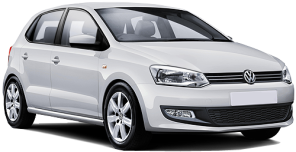
Volkswagen Polo or Similar

From $26.81 /day
Volkswagen Polo car rental in Maun

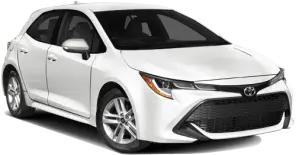
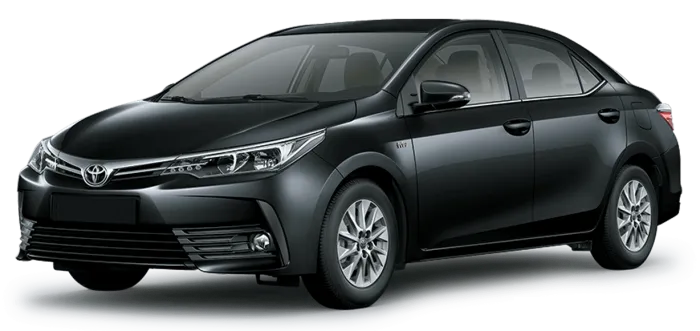
Compact

Toyota Corolla or Similar

From $32.01 /day
Toyota Corolla car rental in Maun

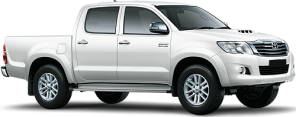
Full-size Extended Cab Pickup

Toyota Hilux or Similar

From $73.00 /day
Toyota Hilux car rental in Maun

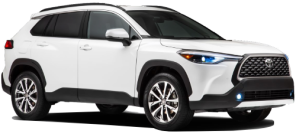
Intermediate Suv

Toyota Corolla Cross or Similar

From $59.86 /day
Toyota Corolla Cross car rental in Maun

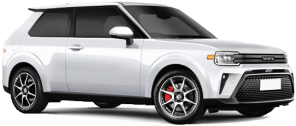
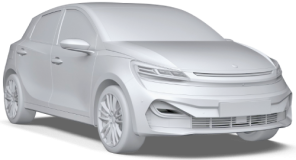
Economy

Toyota Starlet or Similar

From $26.93 /day
Toyota Starlet car rental in Maun

Intermediate Van

Toyota Rumion or Similar

From $50.06 /day
Toyota Rumion car rental in Maun

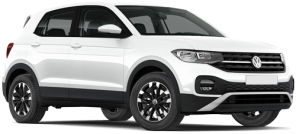
Compact Monospace

Volkswagen T-Cross or Similar

From $52.66 /day
Volkswagen T-Cross car rental in Maun

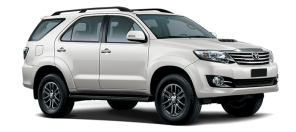
Full-size Suv

Toyota Fortuner or Similar

From $65.74 /day
Toyota Fortuner car rental in Maun
The above prices are only approximate and were last updated at 15:48 on 12/05/26. Prices may vary based on the booking dates, length of rental, and car class.
Why Choose Us

Our Features

Discover a world of convenience, safety, and customization, paving the way for unforgettable adventures and seamless mobility solutions.

Thousands of Pickup Locations

Search from thousands of pickup locations including airports, train stations, and city centers worldwide.

Additional Driver Options

Many suppliers allow you to add additional drivers so you can share driving responsibilities.

Flexible Rental Dates

Easily modify pickup and drop-off dates during booking to match your travel schedule.

Car Rental Service

Unlimited Mileage Options

Many suppliers offer unlimited mileage so you can explore freely without worrying about distance limits.

Easy Booking Management

Manage, modify, or cancel your booking easily through your confirmation link or account.

Mobile Optimized Booking

Search and book rental cars easily from any smartphone or tablet with our mobile-friendly platform.

Rental Guide

Maun, Botswana Car Rental Facts

Essential information on the best deals, rental providers, and vehicle options in Maun, Botswana.

Most Popular Agencies

Avis (31%)

Avis is a leading agency in Maun, the gateway to the Okavango Delta, with 31% market share, serving safari-goers and adventure travelers.

Popular Car Types

4x4 SUV (60%), SUV (25%), Sedan (10%)

4x4 vehicles are absolutely essential for self-drive safaris in the Delta and Moremi Game Reserve. Standard SUVs are used for travel to nearby lodges.

Average Rental Duration

7 Days

Rentals in Maun average a full week, the minimum needed for a self-drive safari exploring the Okavango Delta, Chobe National Park, and the Savuti region. (Based on 2,100+ local pickups)

Most Popular Models

Toyota Land Cruiser 4x4, Nissan Patrol

The Toyota Land Cruiser 4x4 is the undisputed king of the African safari, chosen for its legendary reliability and off-road prowess. The Nissan Patrol is another robust favorite.

Average Daily Price

$95/day

Maun rates for 4x4 vehicles average $95/day. Weekly rentals from $630 are the standard investment for an unforgettable safari experience.

How much does it cost to rent a car at Maun, Botswana?

Averaging the lowest prices for the economy car category, the data below shows prices for monthly comparisons.

Cheapest Month Average

Jan
Price: $50

Most Expensive Month

Aug
Price: $110

Yearly Average Price

Price: $73

Note: Maun gateway to Okavango Delta. Dry season (May-October) peak for safaris. Green season lower rates. Book 3 months ahead.


Car Rental Maun, Botswana Guide

Renting a car in Maun, the tourism capital of Botswana, is often the key that unlocks the raw, untamed beauty of the Okavango Delta and the vast Kalahari landscapes. While the city itself has a relaxed, frontier-town feel, it serves as the primary gateway to some of Africa's most remote and spectacular wildlife areas. For international travelers, a rental car transforms your trip from a series of guided tours into a personal safari adventure, offering the flexibility to explore at your own pace, chase sunsets, and discover hidden gems off the typical safari circuit. While taxis and organized shuttles are available for local hops, they are impractical for long-distance travel to the delta's fringes or national parks.

Most travelers pick up their rental vehicles at Maun International Airport (MUB), which is the most convenient option. The terminal is small and efficient, with rental desks located just outside the arrivals hall. Picking up your car here means you can drive straight to your lodge or campsite without a delay. City center offices are also available and might offer slightly lower rates, but you'll need to factor in the cost of a taxi to get there. A key money-saving tip is to consider renting for a full week, as many local and international agencies offer a significantly discounted weekly rate compared to daily rentals, which are more geared towards quick in-and-out business trips.

Pickup Location Pros & Cons
Maun International Airport (MUB) Pros: Maximum convenience, immediate access to your car upon arrival, wide selection of operators. Cons: May include a small airport surcharge, can be busier during peak flight times.
Maun City Center Pros: Potentially lower base rates, good option if you're staying in town first. Cons: Requires a separate transfer to/from the airport, limited office hours (often closed on Sundays).

Car Rentals Requirements in Maun, Botswana

Before you get behind the wheel in Botswana, it's crucial to understand the documentation and eligibility requirements. The process is straightforward, but being prepared will ensure a smooth pickup. All renters must present a valid, full driving license from their country of origin. This license must have been held for at least two years in most cases, and it needs to be printed in English or have an official translation. Your passport, with a valid visa if required for your nationality, is also mandatory for identification.

Payment is typically made via credit card, and the cardholder must be the primary driver and present at the time of rental. Debit cards are often not accepted for the final payment or may require substantial proof of funds and travel itinerary. The minimum age to rent a car in Maun is usually 23 or 25, depending on the company and vehicle category. Drivers under 25 may incur a young driver surcharge. Regarding an International Driving Permit (IDP), while your valid home license is technically sufficient for short-term visitors, it is highly recommended. An IDP serves as an official translation of your license and can be invaluable during police stops or in an accident, as it provides clarity in a universally recognized format. You must obtain an IDP in your home country before you travel.

Requirement Details
Minimum Age Typically 23–25 years (surcharges apply for drivers under 25).
Driver's License Valid license from country of residence, held for at least 2 years. Must be in English.
International Driving Permit Highly recommended for translation purposes, obtain before departure.
Credit Card Required for the security deposit and final payment, must be in the driver's name.
Passport Valid for the duration of your stay, with any necessary visas.
Insurance Basic insurance is mandatory; optional waivers are available to reduce excess.

Why Rent a Car in Maun, Botswana

Maun is not just a destination; it's a launching pad. Renting a car here elevates you from a passive passenger to the captain of your own adventure. It allows you to leave the confines of the town and head into the wild on your own terms. Imagine the freedom of driving to the edge of the Okavango Delta at sunset, or spontaneously stopping at a roadside craft market without being beholden to a tour guide's schedule. For families, a rental car is not just a convenience; it's a necessity, providing the space for luggage, camping gear, and tired children after a long day of exploration.

The real magic of a self-drive safari in this region is the journey itself. The drive from Maun to the Moremi Game Reserve or the Nxai Pan National Park is an experience, with the landscape slowly transforming from acacia scrub to palm-fringed waterways or vast salt pans. Having your own 4x4 vehicle means you can take the scenic route, linger at waterholes, and have the freedom to rise early for the best wildlife viewing without waiting for a scheduled tour. It’s the ultimate way to connect with the landscape and culture of Botswana.

  • Ultimate Freedom: Create your own itinerary, linger at sights, and explore off-the-beaten-path locations.
  • Self-Drive Safaris: Access national parks and game reserves at your own pace, maximizing wildlife viewing opportunities.
  • Family Convenience: Ample space for luggage, supplies, and children, making long journeys comfortable.
  • Scenic Drives: Experience the breathtaking transition from the Kalahari fringes to the lush Okavango Delta.
  • Access Remote Lodges: Reach campsites and lodges outside of organized transfer zones easily.
  • Cost-Effective for Groups: For families or small groups, a rental car can be cheaper than multiple organized tours.

Best Car Rental Companies in Maun, Botswana

Travelers to Maun are spoiled for choice with a mix of globally recognized brands and well-established local operators. International companies like Avis, Budget, and Europcar have a strong presence at the airport and in town, offering familiar booking processes, modern fleets, and reliable customer service. They are an excellent choice for travelers seeking consistency and the peace of mind that comes with a large corporate structure. For those seeking a more tailored experience or potentially better rates on specialized 4x4 vehicles, local companies like Maun Car Hire, Delta 4x4 Hire, and OKAVANGO Car Hire are fantastic options. They often have deep local knowledge and can offer invaluable advice on road conditions and hidden camping spots.

The best strategy for securing a great deal is to start your search online several months in advance, especially if you plan to visit during the peak dry season (May to October). By comparing the offerings of both international and local companies, you can identify the best vehicle for your needs at a competitive price.

Company Price Level Pros
Avis Medium-High Reliable international standards, modern fleet, convenient airport location.
Budget Medium Competitive rates, good range of economy and 4x4 vehicles, solid rewards program.
Europcar Medium Strong European presence with a good selection of automatic vehicles, professional service.
Maun Car Hire Low-Medium Excellent local knowledge, competitive pricing on long-term rentals, personalized service.
Delta 4x4 Hire Medium Specializes in fully equipped safari vehicles with roof tents and camping gear, ideal for self-drive trips.

Popular Car Rental Categories & Prices in Maun, Botswana

Choosing the right vehicle is paramount for a successful trip around Maun. For navigating the town and driving on paved roads to nearby attractions like the Thamalakane River, a simple Economy or Compact car like a Toyota Corolla or Suzuki Swift is perfectly adequate and very fuel-efficient. However, the real adventure begins where the tarmac ends. To truly explore the Okavango Delta's periphery and enter national parks like Moremi or Chobe, a high-clearance 4x4 is not just an option; it's a necessity. Popular rental models include the Toyota Hilux or Ford Ranger, often equipped with a canopy to protect your luggage from the dust and sun.

For families or larger groups, a 4x4 SUV like a Toyota Prado offers comfort and space. The ultimate choice for a serious self-drive safari is a tricked-out 4x4 with a rooftop tent, fridge, and all the camping equipment, which allows you to truly immerse yourself in the wilderness. Prices fluctuate dramatically with the seasons. The dry winter months (June to October) are the high season for tourism, with correspondingly high rental prices. The green summer months (November to March) offer lower prices and a lush landscape, though with the chance of afternoon thunderstorms.

Car Category Example Model Avg. Daily Price (USD)
Small Car (Economy) Toyota Corolla / Suzuki Swift $50 - $80
Medium Car (SUV) Toyota Rav4 / Ford Kuga $90 - $140
4x4 (Double Cab) Toyota Hilux / Ford Ranger $150 - $250
Family 4x4 SUV Toyota Prado / Land Cruiser $220 - $350+
Luxury / Safari Equipped Land Cruiser with Roof Tent $300 - $500+
Pricing Factor Details
Cheapest Month February (peak of the green season)
Most Expensive Month September (peak wildlife viewing season)
Average Price (7-day 4x4 rental) $1,400 - $2,000
A Good Deal A weekly rate under $1,200 for a standard 4x4 in shoulder season
Cheapest Supplier (often) Local specialists like Maun Car Hire (for longer rentals)
Cheapest Car Type Economy cars for in-town use only

Road Trips from Maun, Botswana

Maun is the perfect starting point for some of the most iconic road trips in Southern Africa. Each route offers a completely different landscape and wildlife experience. Here are a few classic adventures:

  • Maun to Moremi Game Reserve (South Gate): A short but thrilling drive of about 1.5 to 2 hours (approx. 100 km) on a mix of paved and good quality gravel road. You'll enter one of the most beautiful and wildlife-rich parts of the Okavango Delta, known for its red lechwe, elephants, and prolific birdlife. A 4x4 is essential inside the reserve.
  • Maun to Nata (via Francistown): A long-haul drive of approximately 5-6 hours (approx. 450 km) heading east. This trip takes you out of the delta and into the more arid landscapes on the way to the magnificent Makgadikgadi Pans. It's a journey through classic Botswana bushveld and small towns.
  • Maun to Kasane (Chobe National Park): This is an epic two-day adventure covering roughly 500 km. It's a full-day drive through the Chobe National Park's less-visited western corridors. A well-prepared 4x4 with camping gear is recommended for this route, which offers a true wilderness experience before reaching the famous Chobe Riverfront.
  • Maun to Ghanzi (The Kalahari): A 3-4 hour drive (approx. 300 km) west on a well-maintained tar road. This journey takes you into the heart of the Kalahari Desert, the land of the San people. It's a perfect trip to break up a longer journey to or from Namibia, offering a starkly beautiful and remote landscape.

Driving Rules in Maun, Botswana

Driving in Botswana is generally a relaxed experience, but it's essential to know the local rules and customs. In Botswana, you drive on the left side of the road. This is the most critical adjustment for travelers from North America and continental Europe. Speed limits are strictly enforced, especially near towns and villages. The maximum legal blood alcohol limit is very low—0.05%—and it's safest to adopt a policy of absolutely no drinking if you plan to drive.

Seatbelts are mandatory for all occupants, and child seats are required for young children; you should request these from your rental company in advance. Road conditions vary dramatically. The main roads, like the A3 to Nata, are well-paved. However, many roads leading to lodges and national parks are gravel or sand. It's vital to reduce speed on gravel roads to avoid punctures and loss of control. During the rainy season (December to March), some roads may become impassable, and you should always heed local advice. While winter tire laws aren't applicable, having a good set of all-terrain tires on a 4x4 is a must for any off-road driving.

Road Type Speed Limit (km/h)
Urban/Town Areas 40 - 60 km/h
Main Tarred Roads 120 km/h
Gravel/Dirt Roads 80 km/h (use caution, lower in poor conditions)

Toll Roads in Maun, Botswana

One of the pleasant surprises for drivers in Botswana is the complete absence of toll roads. You can drive the length and breadth of this vast country, from the Zambezi River in the north to the Molopo River in the south, without ever paying a road toll. The government finances road maintenance through general taxation and fuel levies, making long-distance road travel in Botswana incredibly straightforward in terms of costs. This is a significant advantage for travelers planning extensive road trips from Maun, as you can budget for fuel, accommodation, and park fees without worrying about unexpected toll charges. Just fuel up and go—the open road is your freeway.

Parking in Maun, Botswana

Parking in Maun is generally easy and stress-free, a world away from the congestion of major global cities. The town center has several open-air parking areas, and on-street parking is usually available along the main strip, Tsheko Tawana Road. Parking is typically free of charge, but it's wise to ensure you are not blocking any business entrances and to be mindful of local traffic flow. For a small fee, you might find attendants in some of the busier, unpaved lots who will keep an eye on your vehicle—a small tip for their service is appreciated.

The main challenge isn't finding a space, but rather the nature of the parking itself. Most parking areas are simply cleared patches of sand or gravel. In the dry season, this means dust; in the wet season, you need to be careful not to park in a spot that could become waterlogged. Always lock your car and never leave valuables in plain sight, as petty theft can occur. When visiting local attractions like the famous "Blue Tree" or riverfront lodges, they will have their own secure parking areas for guests.

Tips for Car Rental in Maun, Botswana

Navigating the car rental process in Maun can be the difference between a trip of a lifetime and a logistical headache. A little preparation goes a long way. Here are some insider tips to ensure you get the best vehicle and experience for your money:

  • Book Early, Especially for 4x4s: The fleet of 4x4 vehicles in Maun is finite. During peak season (June-October), vehicles are booked out months in advance. Secure your booking as early as possible to guarantee availability and lock in a better rate.
  • Choose the Right Vehicle for Your Itinerary: Be honest about where you plan to go. If you're just staying in Maun, an economy car is fine. If you're heading to Moremi, a 4x4 is non-negotiable. Don't risk getting stuck or damaging a vehicle not suited for the terrain.
  • Inspect the Vehicle Thoroughly: Before you drive off, inspect the car inside and out. Take photos or a video of any existing scratches, dents, or mechanical issues and ensure they are noted on your rental contract. Pay special attention to the spare tire and jack.
  • Understand the Insurance Excess: The basic insurance included in your rental often comes with a high excess (the amount you pay in case of damage). Ask about buying a "zero excess" or "excess reduction" policy for peace of mind, as gravel travel can lead to stone chips.
  • Check the Fuel Policy: Most rentals come with a "full-to-full" policy. You pick it up full and return it full. This is almost always the fairest option. Avoid companies that offer a "pre-purchase" fuel option, as you rarely get value for money.
  • Ask About Road Conditions: Don't rely solely on maps. Ask your rental agent about current road conditions, especially if you're heading into more remote areas. They are the best source of local, up-to-the-minute information.

Common Car Rental Mistakes Travelers Make

Even seasoned travelers can fall into common traps when renting a car in a place as unique as Maun. Avoiding these pitfalls will save you money, time, and stress, allowing you to focus on the incredible landscapes and wildlife. Here’s what to watch out for:

  • Underestimating Distances and Driving Times: Maps can be deceiving. Roads, especially gravel ones, are slower than you think. A 200 km drive on a sand road can take 4-5 hours. Factor this into your daily planning to avoid exhausting night drives.
  • Skipping the 4x4 for a "Quick Trip": The number one mistake is taking a standard car onto sandy tracks thinking "it's just a short way." You will get stuck, and recovery costs are high. Respect the need for a high-clearance 4x4.
  • Forgetting to Pack Essential Supplies: Unlike in Europe or the US, you can't just pop into a gas station for anything you need. On a self-drive trip, you must carry sufficient water, food, and a basic first-aid kit. Breakdowns in remote areas can mean waiting for hours.
  • Ignoring the "Check Engine" Light: If a warning light comes on, don't ignore it. In the bush, a minor issue can quickly become a major one. Pull over safely, check your manual, and call the rental company for advice immediately.
  • Not Understanding the Gravel Road Technique: Slamming on brakes on a gravel road is a recipe for a skid and a potential rollover. Learn to brake gently on straight stretches and steer smoothly. Reduce your speed before you enter a corner.
  • Failing to Communicate Your Plans: If you're heading into a national park or a remote area, let someone know your itinerary. Tell your lodge or the park authorities your planned route and expected return time.

Real Travel Experience Renting a Car in Maun, Botswana

Sarah and Mark, a couple from the UK, landed at Maun airport on a crisp July morning, tired but buzzing with excitement. They walked straight from the baggage claim to the Avis desk, where their pre-booked Toyota Hilux was waiting. The agent spent a good 20 minutes with them, not just on paperwork, but on a detailed map session, marking which waterholes were currently active and warning them about a tricky sandy section near Khwai. Driving out of the airport, the feeling of independence was instant. They spent the next week living out of that Hilux, bouncing along tracks in Moremi, watching elephants from their rooftop tent, and cooking dinner under a blanket of stars. For them, the car wasn't just a rental; it was the vessel that carried them into the heart of the African wilderness.

International Driving Permit for Travelers Visiting Maun, Botswana

For travelers planning to rent a car in Maun, the question of an International Driving Permit (IDP) often arises. Technically, a valid driver's license from your home country is accepted in Botswana, provided it is in English. If your license is not in English, an IDP is a legal necessity. However, even for native English speakers, obtaining an IDP before you leave home is a highly recommended precaution. It provides a standardized translation of your license that is instantly recognizable to local police and rental agents, potentially smoothing over any bureaucratic hurdles during a traffic stop or accident.

Obtaining an IDP is a simple process, typically done through your national automobile association (like the AAA in the US or the AA in the UK). You cannot get one in Botswana. You'll need to bring two passport-sized photos, your valid driver's license, and pay a small fee. The permit is generally valid for one year from the date of issue. For the small cost and effort involved, carrying an IDP offers significant peace of mind, ensuring you are fully compliant and that your driving credentials are clearly understood anywhere in the country.

Have Questions?

Frequently Asked Questions about Car Rental in Maun

To rent a vehicle in Maun, you must present a full, valid driving license held for at least two years. If your license is not in English, an International Driving Permit (IDP) is strongly recommended and may be mandatory for some suppliers. You must also provide a valid passport for identification and a physical credit card in the main driver's name for the security deposit. Virtual cards, cash, or debit cards are often not accepted for the deposit hold. Finally, a printed copy of your booking confirmation voucher is essential for a smooth check-in process at the rental desk.

The standard minimum age to rent a vehicle in Maun is typically 25 years old. This is particularly strict for 4x4 safari-equipped vehicles due to the higher risk and insurance requirements associated with off-road driving in remote areas. Drivers aged between 21 and 24 may occasionally be accepted for standard 2WD sedans or compact cars but will almost always incur a Young Driver Surcharge. This fee can range from approximately $15 to $35 USD per day and must be paid locally at the rental counter upon vehicle collection.

Yes, absolutely. For navigating Maun's sandy access roads and exploring the Okavango Delta, Moremi Game Reserve, or Chobe National Park, a high-clearance 4x4 is mandatory. Standard 2WD vehicles are not permitted on national park tracks and will become stuck in the deep sand or mud. Renting a properly equipped 4x4 with low-range gearing, sturdy all-terrain tires, and recovery equipment is non-negotiable for a safe and successful self-drive safari. Do not underestimate the terrain; a capable vehicle is your lifeline in the bush.

Cross-border travel is possible with select suppliers, but it requires strict pre-authorization. You cannot simply decide to cross into Zimbabwe, Namibia, or Zambia on a whim. You must notify the rental company at the time of booking and pay a non-refundable cross-border administration fee, which typically ranges from $150 to $250 USD. The company will provide a specific cross-border letter and ensure the insurance cover extends to that country. Failure to obtain prior written permission will result in your insurance being completely voided the moment you cross the border.

Standard insurance includes Collision Damage Waiver (CDW) and Theft Protection (TP), but this leaves you liable for a high 'excess' amount, often between $2,000 and $5,000 USD. Crucially, standard cover excludes the most common safari damages: tires, windscreen, undercarriage, and water damage. We strongly recommend purchasing 'Super Cover' or 'Zero Excess' to reduce your liability to zero or a negligible amount. Alternatively, third-party excess reimbursement insurance must be paired with standard cover, but you will need a high-limit credit card to pay the deposit block upfront in case of damage.

The security deposit pre-authorization amount varies significantly based on the vehicle type and insurance package chosen. For a standard 2WD economy car, the hold may be around $500 to $800 USD. However, for a fully-equipped 4x4 safari vehicle with comprehensive zero-excess cover, the deposit block can be substantially lower, perhaps $250 to $500 USD. If you opt for basic insurance with a high excess, the rental company will place a hold on your credit card equal to the full excess amount, which can be as high as $3,000 to $7,500 USD or more.

The standard and most transparent fuel policy at Maun Airport is 'Full-to-Full.' You will receive the vehicle with a full tank of fuel and are expected to return it with a full tank. This ensures you only pay for the petrol or diesel you actually use during your journey. If the vehicle is returned with less fuel, the rental company will charge a premium refueling rate per liter, which is typically much higher than local pump prices, plus an administrative service fee. Always keep your final fuel receipt as proof of refueling.

While some standard car categories may offer unlimited mileage, do not assume this applies to 4x4 safari vehicles. Many specialist rental companies in Maun impose a daily kilometer cap, typically between 200km and 250km per day. Exceeding this limit incurs a per-kilometer surcharge, generally around $0.40 to $0.80 USD per extra kilometer. Given the vast distances between campsites in Moremi or Savuti, these fees can accumulate quickly. Always verify whether 'unlimited' truly means unlimited or if a soft cap with penalties exists in your specific contract.

If you experience a breakdown, remain with your vehicle and do not wander into the bush. Most rental companies provide a 24/7 emergency contact number and often include a satellite phone or GPS tracker in the vehicle for such scenarios. You must call the provider immediately. Recovery costs from remote locations can be astronomical, often calculated per kilometer from Maun. Check if your insurance includes off-road recovery and towing. Without specific coverage, a tow from Savuti back to Maun could cost well over $2,000 USD.

Yes, additional drivers can be added to the contract, provided they are present at the rental counter during pickup and meet all the same requirements as the main driver. This includes holding a valid license for the minimum required period and being of minimum age. There is usually a daily fee for each additional driver, typically around $10 to $20 USD per day. It is essential to add all potential drivers to the contract; if an unauthorized person drives and is involved in an accident, the entire insurance policy and waivers will be nullified.

Child safety seats and booster seats are available for rent in Maun, but availability is strictly limited. We strongly advise against relying on obtaining one locally without a confirmed reservation. You must request this equipment at the time of booking and confirm it in writing on your voucher. The daily rental fee is approximately $10 to $15 USD. Please note that Botswana law requires children to be properly restrained, and the quality of local seat availability can vary, so bringing your own travel-approved seat is often more reliable.

Maun Airport has a small, open-air public parking area located directly across from the main terminal entrance. It is a short, convenient walk from the car rental return lot. Parking is generally free for the first 30 to 60 minutes, which is ideal for quick drop-offs or pickups. For longer-term parking, fees are very nominal, typically around $1 to $2 USD per hour. Security is present, but as with any vehicle in Botswana, do not leave valuables visible inside the car, as opportunistic theft can occur.

Most rental counters at Maun Airport operate during flight arrival and departure windows, but not 24/7. If your flight departs before the desk opens or after it closes, you can use the after-hours drop-off service. This involves parking the vehicle in the designated rental company parking area within the main airport lot, locking the vehicle, and placing the completed rental agreement and keys into a secure key drop box located near the rental counter or main terminal door. Ensure you take dated photos of the vehicle's condition and odometer upon parking.

Maun Airport is a small, regional facility, so security wait times are generally short compared to major international hubs. During peak tourism season, we recommend arriving at the airport at least 90 minutes before your scheduled departure to allow time for returning your rental car, checking in luggage, and clearing security screening. During off-peak hours or low season, 60 minutes is usually sufficient. However, unexpected flight delays or multiple charter flight departures can occasionally create a temporary bottleneck at the single security checkpoint.

Duty free shopping options at Maun Airport are limited. There is a small duty free outlet located in the departures lounge after you pass through security screening. It offers a basic selection of local curios, jewelry, and alcohol. There is no duty free shopping facility available upon arrival in the baggage claim area. If you wish to purchase specific high-end liquors or luxury goods, we suggest doing so at your international departure point or in larger hubs like Johannesburg or Gaborone before arriving in Maun.

The official postal code for Maun Airport is simply 'Maun, Botswana'. Unlike major cities with complex street addressing systems, GPS navigation using coordinates is far more reliable for navigating in and around Maun. The airport is located on Airport Road, and it is the only significant aviation hub in the town. You can use the coordinates **-19.9726, 23.4311** or simply type 'Maun Airport' or 'MUB' into Google Maps or Tracks4Africa for accurate routing directly to the terminal entrance.

Yes, but smoking is strictly prohibited inside the terminal building, including the check-in hall, arrivals area, and restaurant seating. Designated smoking areas are located outside the terminal building, away from the main entrance doors and the flow of foot traffic. Please be courteous and ensure you are at least 10 meters from any doorway or window before smoking. Dispose of cigarette butts safely in provided ashtrays; discarding them on the tarmac or ground is strictly forbidden due to the dry, high-risk fire conditions in Botswana.

Finding your rental car at Maun Airport is very straightforward. After disembarking and collecting your luggage from the single baggage carousel, you will exit into the arrivals hall. Immediately in front of you, or slightly to the side, you will see the small desks for major international brands like Avis and Budget. For local 4x4 specialists without a permanent counter, a representative will be waiting in the arrivals area holding a sign with your name or the company logo. They will then escort you directly to the vehicle located in the adjacent parking lot.

Yes, it is safe in terms of security, but it is technically demanding. The route from Maun to Moremi involves 60-90 minutes of good tar road followed by a turn onto deep, sandy tracks. You must have a proper 4x4 and have adjusted your tire pressure (often to around 1.5 - 1.8 bar) to navigate the sand without getting stuck. There is no cellphone signal for most of the drive. We strongly recommend traveling in convoy or ensuring you have a satellite communication device and a paper map or offline GPS like Tracks4Africa.

You can find everything from compact economy sedans to fully-kitted overland expedition vehicles. Compact cars are suitable only for driving on Maun's few paved roads. Mid-size SUVs (2WD) offer more comfort but still cannot enter the national parks. The most common rental is the 4x4 Double Cab Toyota Hilux or Land Cruiser. These are typically equipped with rooftop tents, a long-range fuel tank, dual battery system, fridge/freezer, and full camping equipment. Luxury sedans are virtually non-existent; the focus in Maun is rugged, safari-ready transport.

While some premium fleets may have built-in GPS, it is not standard on safari vehicles. Rental companies strongly advise against relying on Google Maps or smartphone apps for navigation in the bush. Instead, they offer rental of specialized GPS units pre-loaded with **Tracks4Africa** maps. This is the gold standard for Botswana navigation, showing even minor tracks, water points, and campsite locations. Rental of a Tracks4Africa GPS unit costs approximately $10 to $15 USD per day and is a highly recommended investment for your safety and route planning.

Yes, one-way rentals are available but come with significant logistical costs. Dropping a vehicle in Kasane (the gateway to Chobe) is the most common one-way request from Maun. Due to the distance and the need for a staff member to drive the vehicle back across the country, expect a one-way drop fee ranging from $350 to $600 USD or more. One-way rentals to Gaborone are less common and may be more expensive. You must arrange this specifically at the time of booking; you cannot change to a one-way drop mid-rental.

Cancellation policies vary by supplier and the type of rate booked. For peak season safari rentals (June-October), many companies require full prepayment and have stricter terms. However, many standard bookings can be canceled free of charge up to 7 or 14 days before the pickup date. Cancellations within 48 hours of pickup or 'no shows' typically result in a charge of 2-3 days rental cost or forfeiture of the deposit. Always review the specific terms on your voucher, and consider booking with a platform that offers free cancellation up to 24-48 hours prior.

No, there are no toll roads or electronic toll collection systems in the entire Maun region or on any of the routes leading to the Okavango Delta, Moremi, Chobe, or Makgadikgadi Pans. The roads are public dirt tracks or national tar roads without toll gates. The only 'fees' you encounter are the National Park entry fees and camping permits, which must be purchased in advance from the Department of Wildlife and National Parks (DWNP) offices in Maun or Gaborone, not at toll booths.

Damage caused by wildlife, such as an elephant rubbing against the vehicle or a baboon breaking a mirror, is a common occurrence. Under no circumstances should you exit the vehicle or attempt to scare the animal away. First, ensure you are in a safe location and wait for the animal to move on. Then, document the damage with photos and videos. You must report this to the rental company as soon as it is safe to do so. You will be liable for the damage unless you have purchased comprehensive Super Cover that specifically includes 'animal damage' or 'wildlife encounters'.

A fully-equipped 4x4 safari vehicle (Toyota Hilux or Land Cruiser) with two rooftop tents, camping chairs, table, cooking equipment, fridge, and recovery gear typically starts from **$150 to $250 USD per day** during low season. In the high season (July to October), rates increase significantly due to demand, often ranging from **$250 to $450 USD per day**. This price usually excludes the insurance excess reduction waivers and any one-way fees. While expensive, this rate includes your accommodation, kitchen, and transport all in one package.

The dry winter months of **May through October** are the best time for a self-drive safari in Botswana. During this period, vegetation is thinner, making wildlife easier to spot as animals congregate around permanent water sources. Roads are generally drier and firmer, reducing the risk of getting severely stuck in mud. However, this is also peak tourist season, meaning rental vehicles are in extremely high demand. You should book your 4x4 at least **6 to 12 months in advance** to secure a quality vehicle and avoid premium last-minute pricing.

Almost universally, **no**. Rental suppliers in Maun require a **physical credit card** embossed with the main driver's name to secure the security deposit hold. Debit cards, even those with Visa or Mastercard logos, are routinely refused for the deposit pre-authorization. This is because a credit card provides a guarantee of funds for potential damage claims in remote areas. You may use a debit card for the final payment of the rental itself if pre-arranged, but a credit card with sufficient available limit is mandatory for the deposit block.