Cheap Car Rental Harare, Zimbabwe - Compare Deals & Book Instantly

Search and compare car rental prices from trusted global suppliers. Find the best deals instantly.

Why book with us?

  • Easy Booking

    Book your car rental in minutes with a simple and secure process.

  • Wide Fleet

    Choose from economy cars, SUVs, luxury vehicles, and more.

  • Free Cancellation

    Flexible booking options with free cancellation on most rentals.

Available Car Categories

Car Rental Deals in Harare

Choose from our wide range of vehicles available in Harare.

Economy

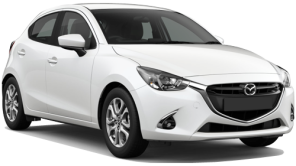
Mazda Demio or Similar

From $45.08 /day
Mazda Demio car rental in Harare

Compact

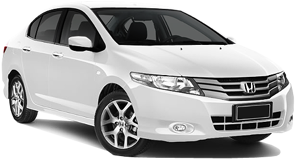
Honda City or Similar

From $73.99 /day
Honda City car rental in Harare

Standard Crossover

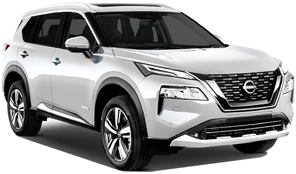
Nissan X-Trail or Similar

From $109.54 /day
Nissan X-Trail car rental in Harare

Full-size Elite SUV

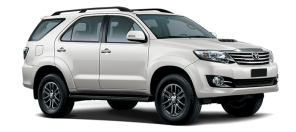
Toyota Fortuner or Similar

From $127.61 /day
Toyota Fortuner car rental in Harare

Economy

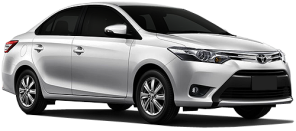
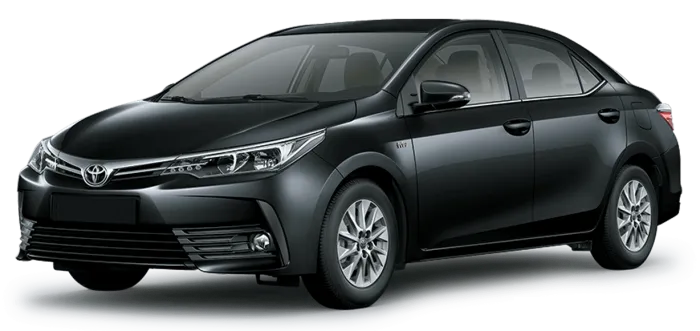
Toyota Vios or Similar

From $63.92 /day
Toyota Vios car rental in Harare

Compact Crossover

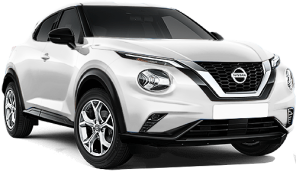
Nissan Juke or Similar

From $76.25 /day
Nissan Juke car rental in Harare

Economy

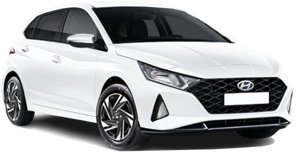
Hyundai i20 or Similar

From $84.45 /day
Hyundai i20 car rental in Harare

Economy

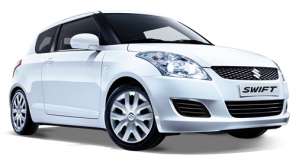
Suzuki Swift or Similar

From $89.10 /day
Suzuki Swift car rental in Harare

Full-size Van

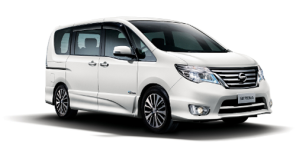
Nissan Serena or Similar

From $93.22 /day
Nissan Serena car rental in Harare

Economy

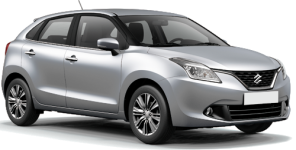
Suzuki Baleno or Similar

From $98.34 /day
Suzuki Baleno car rental in Harare

Compact Crossover

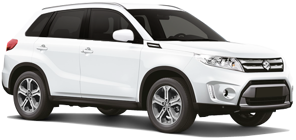
Suzuki Vitara or Similar

From $110.02 /day
Suzuki Vitara car rental in Harare

Intermediate SUV

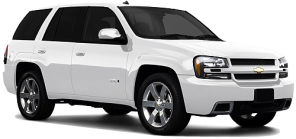
Chevrolet Trailblazer or Similar

From $128.91 /day
Chevrolet Trailblazer car rental in Harare

Full-size Regular Cab Pickup

Isuzu Single Cab or Similar

From $132.48 /day
Isuzu Single Cab car rental in Harare

Economy Crossover

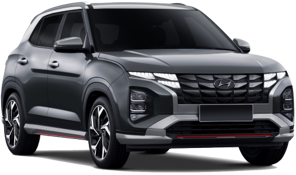
Hyundai Creta or Similar

From $158.83 /day
Hyundai Creta car rental in Harare

Full-size SUV

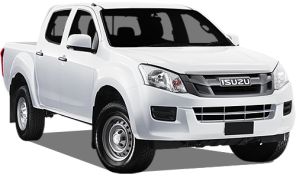
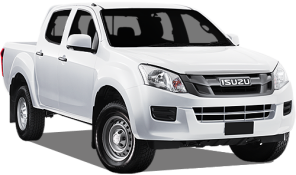
Isuzu Twin Cab or Similar

From $200.57 /day
Isuzu Twin Cab car rental in Harare

Intermediate SUV

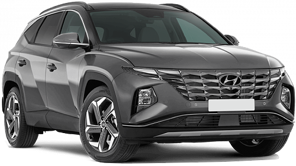
Hyundai Tucson or Similar

From $202.99 /day
Hyundai Tucson car rental in Harare

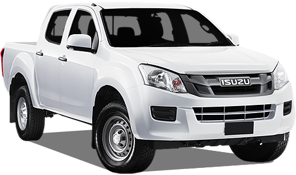
Full-size Extended Cab Pickup

Isuzu D-Max or Similar

From $210.52 /day
Isuzu D-Max car rental in Harare

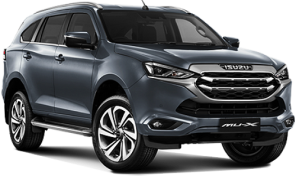
Full-size SUV

Isuzu MU-X or Similar

From $253.35 /day
Isuzu MU-X car rental in Harare

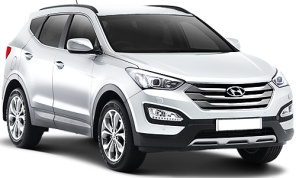
Standard Elite SUV

Hyundai Santa Fe or Similar

From $253.35 /day
Hyundai Santa Fe car rental in Harare

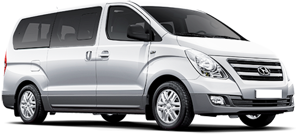
Premium Van

Hyundai H-1 or Similar

From $256.45 /day
Hyundai H-1 car rental in Harare
The above prices are only approximate and were last updated at 17:57 on 20/05/26. Prices may vary based on the booking dates, length of rental, and car class.
Why Choose Us

Our Features

Discover a world of convenience, safety, and customization, paving the way for unforgettable adventures and seamless mobility solutions.

Instant Booking Confirmation

Get immediate confirmation for most rentals with real-time vehicle availability.

Interactive Location Maps

See rental locations on interactive maps to quickly choose the most convenient pickup point.

Customer Reviews

Read verified customer reviews and ratings to help you choose the best rental supplier for your trip.

Car Rental Service

Clear Rental Policies

Access complete rental policies including driver age limits, fuel rules, and deposit conditions.

Compare Car Rental Prices

Compare rental prices from hundreds of trusted suppliers worldwide to find the best deal for your trip.

Flexible Filter Options

Refine your search results with powerful filters to quickly find the perfect rental car for your travel needs.

Rental Guide

Harare, Zimbabwe Car Rental Facts

Essential information on the best deals, rental providers, and vehicle options in Harare, Zimbabwe.

Most Popular Agencies

Avis (30%)

Avis leads Harare with 30% market share, serving business travelers, Victoria Falls visitors, and those exploring Zimbabwe's capital and national parks.

Popular Car Types

SUV (45%), 4x4 (30%), Medium (15%)

SUVs and 4x4s preferred for rough roads to Great Zimbabwe or Mana Pools.

Average Rental Duration

6 Days

Harare rentals average 5-7 days, for city markets, Mbare Musika, and safari departures. (Based on 7,000+ local pickups)

Most Popular Models

Toyota Fortuner, Nissan X-Trail

The Toyota Fortuner handles African terrain. The Nissan X-Trail offers versatility.

Average Daily Price

$70/day

Harare rates average $70/day. Weekly from $400 suit Zimbabwe adventures.

How much does it cost to rent a car at Harare, Zimbabwe?

Averaging the lowest prices for the economy car category, the data below shows prices for monthly comparisons.

Cheapest Month Average

Jan
Price: $48

Most Expensive Month

Aug
Price: $104

Yearly Average Price

Price: $70

Note: Harare business travel to capital. Dry season (May-October) peak for tourism. Book 2 months ahead.


Car Rental Harare, Zimbabwe Guide

Renting a car in Harare, Zimbabwe, is often the key that unlocks the true potential of a visit to this vibrant Southern African capital. While the city has a network of taxis and the popular ride-hailing service, Vaya, for many international travelers, having your own set of wheels offers an unmatched sense of freedom and flexibility. Navigating the city's sprawling suburbs, from the leafy avenues of Borrowdale to the bustling central business district, becomes a matter of personal schedule rather than waiting for a sometimes-unpredictable taxi. The process itself is straightforward: you'll find major international rental brands alongside reputable local agencies. The primary decision you'll face is whether to pick up your vehicle at the Robert Gabriel Mugabe International Airport (HRE) upon arrival or from a city center branch.

Picking up at the airport is the ultimate convenience for tired travelers; you can simply collect your luggage, walk to the arrivals terminal, and be on your way within minutes. However, this convenience often comes with an airport surcharge, which can add a significant percentage to your daily rental rate. Conversely, choosing a city center location—often in areas like Samora Machel Avenue or along Nelson Mandela Avenue—can save you money, especially if you plan to spend your first night in the city acclimating. The main disadvantage is the extra logistics of getting from the airport to the city center via taxi or shuttle, adding to your initial travel time and cost. A savvy money-saving tip for travelers is to book your rental for a few hours after your flight lands, pick it up from the city center the following morning. This not only avoids the airport surcharge but also allows you to rest after a long flight before tackling driving on the left side of the road.

Pickup Location Advantages Disadvantages
Robert Gabriel Mugabe International Airport (HRE) Immediate access upon arrival, no need for additional transport to city, wide selection of major rental counters. Higher rental costs due to airport surcharge, can be busy with queues during peak flight arrivals.
City Center (e.g., Samora Machel Ave, Borrowdale) Often lower daily rates, no airport surcharge, more flexible with after-hours returns in some cases. Requires transport from the airport (taxi or pre-arranged shuttle), less convenient for immediate departure.

Car Rentals Requirements in Harare, Zimbabwe

Before you book, it's essential to understand the specific requirements for renting a vehicle in Harare, Zimbabwe. The process is designed to be secure for both the renter and the rental company, so having the right documentation in order is crucial. Most major rental agencies have strict policies to prevent fraud and ensure drivers are qualified to navigate local roads.

The minimum age to rent a car in Harare is typically 21, though drivers under 25 may incur a "young driver surcharge." You must present a valid, full driver's license from your country of residence. For most international travelers, a valid driver's license from their home country is acceptable, provided it is printed in English. If your license is not in English, you will absolutely need an International Driving Permit (IDP) which serves as a translation. Along with your license, you'll need your passport to verify your identity and a credit card in the renter's name for the deposit. Debit cards are rarely accepted for the main rental deposit. Insurance is mandatory; the basic Collision Damage Waiver (CDW) and Theft Protection are usually included in the quoted rate, though they often come with a significant excess (deductible) that you are responsible for in the event of an accident.

Requirement Details
Minimum Age 21 years (drivers under 25 may incur a surcharge)
Driver's License Valid, full license from country of origin (must be in English).
International Driving Permit (IDP) Required if your license is not in English. Highly recommended for all foreign licenses for clarity with authorities.
Credit Card Must be in the primary driver's name for the deposit (typically $500–$1500 USD).
Passport Required for identification at the time of pickup.
Insurance Mandatory. Basic coverage (CDW/TP) is usually included but with an excess.

Why Rent a Car in Harare, Zimbabwe

Harare is a city that rewards exploration, and having a rental car transforms your stay from a series of point-to-point taxi rides into a genuine adventure. While the city center is walkable during the day, the true character of Harare lies in its sprawling northern suburbs—Borrowdale, Avondale, and Mount Pleasant—which are spread out and best navigated by car. A rental vehicle allows you to set your own pace, whether you're popping into a craft market, lingering over coffee at a suburban café, or heading out for an impromptu sunset drive. It also provides a secure and private space for your belongings, a valuable asset when you're moving between hotels or accommodations.

Beyond the city limits, a car becomes essential for experiencing the natural beauty and wildlife that Zimbabwe is famous for. With your own vehicle, you're not limited to expensive, pre-booked tours. You can spontaneously decide to drive to the edge of Lake Chivero for a picnic, explore the granite hills of Domboshava, or take a longer weekend trip to the Eastern Highlands. For families or groups, the cost-effectiveness of renting a single vehicle versus paying for multiple taxi rides or guided tours is undeniable. It offers the convenience of traveling together, managing luggage with ease, and having the flexibility to accommodate changing itineraries based on the weather or local recommendations.

  • Unmatched Flexibility: Explore Harare's suburbs and outlying attractions on your own schedule, not a tour operator's.
  • Cost-Effective for Groups: Splitting the cost of a rental car and fuel is often cheaper than paying per person for taxis or private tours.
  • Access to Natural Attractions: Easily reach nearby gems like Mukuvisi Woodlands, Lake Chivero, and the balancing rocks at Domboshava.
  • Safety and Comfort: Travel in a private, air-conditioned vehicle, which is particularly appreciated during Harare's warm summer months.
  • Convenience for Families: Easily transport luggage, groceries, and children without the hassle of hailing taxis.
  • Gateway to Road Trips: Harare serves as the perfect starting point for epic drives to Victoria Falls, the Eastern Highlands, or Hwange National Park.

Best Car Rental Companies in Harare, Zimbabwe

Travelers renting a car in Harare will find a mix of globally recognized brands and well-established local companies. International names like Avis, Hertz, and Europcar have a strong presence, primarily at the airport and in the city center, offering the consistency and loyalty program benefits that frequent business travelers appreciate. These companies often have the newest fleets and standardized insurance policies, which can provide peace of mind. On the other hand, local suppliers often offer competitive rates and more personalized service. They can be an excellent choice for longer rentals or for travelers seeking specific vehicle types, such as rugged SUVs suitable for trips outside the city. It's common for local agencies to have a more flexible approach to after-hours returns and may offer more personalized guidance on navigating Zimbabwe's roads.

When choosing, it’s wise to read recent reviews about the condition of the vehicles and the transparency of the deposit return process. Regardless of which company you choose, a thorough pre-rental inspection is crucial. Document any existing scratches or dents with photos and ensure they are noted on the rental agreement to avoid disputes later. Here’s a comparison of some of the key players in the Harare rental market.

Company Price Level (Low / Medium / High) Pros
Avis Medium / High Large fleet, reliable service, airport and city locations, strong international support.
Hertz Medium / High Well-maintained vehicles, efficient airport pickup, good for corporate travelers.
Europcar Medium Competitive rates, good selection of SUVs, often has promotions for longer rentals.
Local Agencies (e.g., Imara Car Rental, Drive Zimbabwe) Low / Medium Often cheaper daily rates, personalized service, flexible with modifications.

Popular Car Rental Categories & Prices in Harare, Zimbabwe

The type of vehicle you choose for your trip to Harare, Zimbabwe, should align with your itinerary. For travelers staying primarily within the city, a compact car or sedan is a perfectly adequate and economical choice. These cars are easier to park in the sometimes-narrow spaces in the city center and are more fuel-efficient, which is a significant consideration as fuel costs can be a notable part of your budget. However, if your plans include venturing outside the capital, particularly to destinations like the Eastern Highlands or any route involving dirt roads, a high-clearance vehicle is not just recommended but essential. A sedan's suspension will struggle, and you risk damage on the rugged, unpaved tracks common outside major highways. In this context, a 4x4 or SUV becomes the vehicle of choice, providing the necessary durability, ground clearance, and often more robust tires for a safe and worry-free journey.

For families or groups of friends, 7-seater SUVs or minivans are the most practical option, ensuring everyone can travel together comfortably with ample space for luggage. Luxury sedans and premium SUVs are also available for those seeking a higher level of comfort for business trips or special occasions. Rental prices in Harare are subject to significant seasonal fluctuations. The high tourist season, corresponding with the dry winter months (May to October), sees the highest demand and prices. The rainy summer season (November to March) is considered low season, where you can often secure the best deals, though you'll need to be prepared for potential afternoon downpours. Demand also spikes during local public holidays like Independence Day (April 18th) and during the Christmas and New Year period, so booking well in advance for these times is crucial.

Vehicle Category Average Daily Price (USD)
Small / Economy Car (e.g., Toyota Vitz, Honda Fit) $45 - $65
Medium Sedan (e.g., Toyota Corolla, Honda Civic) $60 - $85
SUV (e.g., Toyota RAV4, Honda CR-V) $85 - $120
4x4 / Off-Road SUV (e.g., Toyota Fortuner, Nissan X-Trail) $110 - $160
Van / Family Vehicle (e.g., Toyota Quantum, Nissan NV200) $100 - $150
Luxury Vehicle (e.g., Mercedes-Benz C-Class, BMW 3 Series) $150 - $250+
Pricing Factor Details
Cheapest Month February (during the rainy season, post-holiday lull)
Most Expensive Month August (peak dry season, prime wildlife viewing period)
Average Daily Price (Standard Sedan) $70
A Good Deal (Standard Sedan) $55 or less per day, especially for rentals longer than 7 days
Cheapest Supplier Local agencies often offer the lowest base rates
Cheapest Car Type Manual transmission economy cars

Road Trips from Harare, Zimbabwe

One of the greatest joys of having a rental car in Harare is the ability to embark on classic Zimbabwean road trips. The country's main arteries, like the A1 and A2 highways, connect the capital to some of Africa's most iconic landscapes. Here are a few unforgettable routes to consider:

  • To the Eastern Highlands (Nyanga): Head east on the A3 highway for approximately 280 km (about 3.5 to 4 hours). This drive takes you into a world of rolling green hills, trout-filled dams, and spectacular waterfalls. Highlights include the iconic World's View, Mount Nyangani (Zimbabwe's highest peak), and the Pungwe Falls. The cooler climate is a refreshing escape from Harare.
  • To Lake Kariba & Matusadona National Park: A longer journey, but immensely rewarding. Drive northwest via the A1 highway, passing through Chinhoyi (famous for its Caves) before reaching Kariba town. The drive covers about 380 km (around 5-6 hours). From here, you can organize a houseboat safari or explore Matusadona National Park for an authentic wildlife experience by the lake.
  • To Great Zimbabwe National Monument: Travel south on the A4 highway towards Masvingo. The distance is about 290 km (roughly 3.5 hours). This is a cultural pilgrimage to the ancient stone ruins that gave the country its name. Exploring the massive, dry-stone structures of the Great Enclosure and the Hill Complex is a fascinating journey into pre-colonial history.
  • To Hwange National Park & Victoria Falls: For a multi-day adventure, head west on the A5 highway towards Bulawayo and then north to Hwange. The drive to Hwange is about 600 km (6-7 hours), and a further 200 km (2-3 hours) to Victoria Falls. This is the ultimate safari road trip, allowing you to witness the majesty of the country’s largest game reserve before experiencing the thunderous spray of "Mosi-oa-Tunya," the Smoke that Thunders.

Driving Rules in Harare, Zimbabwe

Before you get behind the wheel, it is vital to familiarize yourself with Zimbabwe's driving laws and road culture. The first and most important rule is that driving is on the left-hand side of the road, a holdover from British colonial influence. For travelers from left-driving countries like the UK or Japan, this will feel natural, but for those from the US or Europe, it requires constant concentration, especially at intersections and roundabouts. The roads in central Harare are generally well-maintained, but once you venture into the suburbs or onto rural roads, you will encounter potholes, unmarked speed bumps, and a mix of driving styles.

Seatbelts are mandatory for all occupants of the vehicle. The legal blood alcohol concentration (BAC) limit is 0.08%, but authorities take a very dim view of drinking and driving, with roadside police checks being common, especially on weekends and around public holidays. Speed limits are strictly enforced: in urban areas, the limit is typically 60 km/h, but in Harare's city center and high-density suburbs, it often drops to 40 km/h. On the main highways (like the A1 or A2), the limit is usually 120 km/h. Children are required to be in appropriate child seats, though the rental company can provide these upon request. There are no winter tire laws in Zimbabwe, as snow is virtually nonexistent.

Area Speed Limit (km/h)
Urban Areas & City Centers 40 - 60
Suburban Streets 60
Highways & Main Roads 120

Toll Roads in Harare, Zimbabwe

Zimbabwe has a network of toll gates on its major highways, primarily managed by ZINARA (Zimbabwe National Road Administration). If you are planning road trips from Harare, you will almost certainly encounter toll gates. The main routes to the north (towards Kariba and Chirundu) and to the south (towards Masvingo and Beitbridge) feature these toll plazas. They are typically located at strategic points along the highway and are marked well in advance.

Payment is made in cash, with US dollars being widely accepted. The cost per toll gate is generally around $2 to $4 USD for a standard passenger vehicle. It's a good idea to keep a supply of small denomination USD bills (like $1, $2, and $5 notes) in your car specifically for this purpose. There is no electronic toll collection system currently in place for foreign rental cars, so you will need to stop and pay manually at each gate. Be prepared for brief delays, especially on weekends and during holiday periods when traffic volumes are higher.

Parking in Harare, Zimbabwe

Parking in Harare's central business district (CBD) is managed by the City of Harare. You will find designated paid parking zones throughout the city center, usually marked by blue lines. Parking attendants in fluorescent vests patrol these zones and will issue a ticket for a small fee, which is typically paid in cash. The cost is quite affordable, often around $1 USD for an hour or two. It's important to keep the ticket displayed on your dashboard as proof of payment to avoid being clamped or fined. Street parking can become scarce during weekday business hours, so patience is key.

For a more secure and convenient option, especially if you are leaving the car for an extended period, several multi-story parking garages and secure parking lots are available. Look for signs for "Parkade" facilities on streets like Jason Moyo Avenue and Sam Nujoma Street. These are generally safer for leaving valuables (though it's still wise not to leave anything visible). Outside the city center, in suburbs like Borrowdale or Avondale, parking is usually free and plentiful, with most shopping centers and restaurants offering their own dedicated, often guarded, parking areas.

Tips for Car Rental in Harare, Zimbabwe

Renting a car in Harare can be a seamless experience with a little foresight. These practical tips are designed to help you navigate the process smoothly and save money along the way.

  • Book Early, Especially in Peak Season: The best selection of vehicles, particularly SUVs and 4x4s, gets snapped up quickly during the dry winter months (May-October). Booking at least 4-6 weeks in advance ensures you get the vehicle you need at a better rate.
  • Avoid the Airport Surcharge: If your itinerary allows, pick up your car from a city branch. This can save you a significant amount, sometimes up to 20-30% on the total rental cost.
  • Compare and Verify: While checking options, look at the base rate but also focus on what is included. Ensure your quote includes unlimited mileage, which is standard for most rentals in Zimbabwe but always worth confirming.
  • Photograph Everything: Before you drive off, take a video and clear photos of the entire vehicle, paying special attention to any pre-existing scratches, dents, or interior issues. Ensure these are noted on the rental agreement to avoid being charged for previous damage upon return.
  • Choose Your Insurance Wisely: The standard CDW often comes with a high excess (deductible), which could be $1000 or more. Consider purchasing a "Super CDW" or "Excess Waiver" policy to reduce this financial risk to zero for a small daily fee.
  • Understand the Fuel Policy: The standard policy in Harare is "full-to-full," meaning you pick up the car with a full tank and must return it full. Hold onto your fuel receipt at the final fill-up as proof in case of a dispute.
  • Inspect the Spare Tire and Tools: Before leaving, make sure the spare tire is present and inflated, and that the jack and lug wrench are in the trunk. Roadside assistance can be slow outside the city, so being prepared for a flat is essential.

Common Car Rental Mistakes Travelers Make

Even experienced travelers can overlook a few key details when renting a car in a new country. Avoiding these common pitfalls can save you time, money, and a great deal of stress during your trip to Harare, Zimbabwe.

  • Assuming a Sedan is Fine for All Roads: This is the number one mistake. While a small car is great for city driving, attempting to use it on the dirt and gravel roads leading to attractions like Domboshava or even some lodges outside the city can result in damage to the vehicle's undercarriage or getting stuck.
  • Not Checking the Vehicle's Age and Condition: Some rental companies may have older fleets. Don't just accept a car that looks worn. If the tires are bald or the odometer is very high, request a different vehicle. A breakdown in a remote area is a major inconvenience.
  • Skipping the Pre-Rental Inspection: Failing to document existing damage is a classic mistake. Rental companies may use a pre-existing scratch to claim it was your fault. Always do a thorough walk-around with an agent and take your own timestamped photos.
  • Relying Solely on GPS: While cell service is decent in the city, it can be unreliable in rural areas. Download offline Google Maps of Harare and the surrounding regions before your trip, or carry a physical map as a backup.
  • Forgetting Small Cash for Tolls and Parking: Toll gates and street parking attendants operate almost exclusively with cash in US dollars. Without small bills, you may find yourself in an inconvenient situation.

Real Travel Experience Renting a Car in Harare, Zimbabwe

When I landed at Harare’s airport, I’d booked a small SUV with a local company, hoping for a bit more ground clearance than a standard sedan. After a quick bus ride to their city center office on Samora Machel Avenue, the process was surprisingly swift. The agent, a friendly local named Tafara, walked me around a Toyota Fortuner, pointing out a small scratch on the rear bumper and noting it on the form. I took his lead and snapped my own photos. With my passport, credit card, and home driver's license in hand, I was on the road within twenty minutes. The first few minutes driving on the left were nerve-wracking, especially navigating the busy roundabout near the Africa Unity Square, but I soon got the hang of it. Having that car was a game-changer. I spent my mornings exploring the craft markets in the suburbs and my afternoons driving out to Mukuvisi Woodlands for a self-guided game walk. The ultimate test was a weekend trip to the Eastern Highlands, where the Fortuner’s higher clearance handled the dirt roads to the waterfalls with ease. Returning the car with a full tank, Tafara did a quick final inspection, confirmed there was no new damage, and the deposit hold was released right there. It was, without a doubt, the best decision I made for the trip.

International Driving Permit for Travelers Visiting Harare, Zimbabwe

The International Driving Permit (IDP) acts as a standardized translation of your national driver's license and is a document that can significantly smooth your interactions with both rental car agencies and local authorities in Harare, Zimbabwe. While Zimbabwean law accepts foreign licenses that are printed in English, if your license is in any other language—such as French, German, or Mandarin—an IDP is a strict legal requirement for driving. Even if your license is in English, carrying an IDP is highly recommended as it provides a universally recognized format that police officers are familiar with during routine traffic stops.

You cannot obtain an IDP in Zimbabwe; it must be acquired in your home country before you travel. In the United States, for example, it is issued by the American Automobile Association (AAA) or the American Automobile Touring Alliance (AATA), not the government. The process is straightforward: you typically need to provide two passport-sized photos, a valid driver's license, and pay a small fee. The IDP is valid for one year from the date of issue. Think of it as a companion to your regular license—you must carry both with you whenever you are driving. It’s a small investment that provides a large layer of security and convenience for your journey.

Have Questions?

Frequently Asked Questions about Car Rental in Harare

To rent a car in Harare as a tourist, you need a valid driver's license from your home country. If your license is not in English, you must also carry an International Driving Permit (IDP). You will need your original passport for identification and a credit card in the main driver's name for the security deposit. The minimum age is typically 23, though drivers aged 21-22 may rent with a young driver surcharge. A confirmed booking voucher, either printed or on your phone, is helpful. We recommend having a reliable GPS or offline map app downloaded before your journey, as mobile data can be patchy on rural roads outside Harare.

Yes, absolutely. A valid Zimbabwean driver's license is fully accepted for all our rental vehicles in Harare. Local renters simply need to present their original plastic license card, a valid form of ID such as a national ID or passport, and a credit or debit card for the security deposit. The license must have been held for a minimum of two years. If you have a temporary paper license, please contact our office directly before booking so we can verify its validity. Our team prioritizes a smooth verification process for local residents, ensuring you get on the road as quickly as possible.

The security deposit amount depends on the vehicle category you choose. For compact economy cars, the deposit is typically around $300 USD. For standard sedans, expect a hold of $500 USD, while SUVs and 4x4 vehicles generally require $800 to $1,200 USD. These funds must be blocked on a major credit card, not a debit card, in the main driver's name. The hold is released within 7 to 14 business days after you return the car undamaged and with a full tank. Cash deposits are not accepted due to fraud prevention policies.

We accept major international credit cards including Visa and Mastercard. The card must be in the primary driver's name and have enough available balance to cover the rental cost plus the full security deposit hold. American Express is not widely accepted due to merchant limitations in Zimbabwe. We do not accept cash, virtual credit cards, or prepaid travel cards for the deposit. For local corporate lease customers with established accounts, direct bank transfers can be arranged, but this requires pre-approval from our fleet manager at least five business days before pickup.

The standard minimum age to rent a car with us in Harare is 23 years. However, drivers between the ages of 21 and 22 can still rent select economy and compact vehicles, subject to a young driver surcharge of $15 USD per day. Drivers aged 75 and older may need to provide a recent medical fitness certificate from a registered practitioner, simply to confirm safe driving ability. There is no upper age limit, provided health requirements are met. All drivers under 25 are restricted to smaller vehicle categories and cannot rent premium SUVs or luxury sedans.

Our standard rates include Collision Damage Waiver (CDW) and Theft Protection as part of the basic package. However, this coverage comes with an excess fee, meaning you are liable for the first $1,200 to $1,800 USD of damage, depending on the vehicle. Third-party liability insurance is legally required and always included. We strongly recommend purchasing Super Cover to reduce your excess to zero. Please note that tire damage, windshield cracks, and undercarriage damage are not covered by basic insurance, making the upgrade a wise choice for Harare's sometimes uneven road conditions.

We operate on a full-to-full fuel policy, which is the fairest system for our customers. You will receive the car with a full tank of fuel and must return it full. If the vehicle is returned with less fuel, we will charge the missing liters at a premium rate per liter, plus a refueling service fee of $15 USD. We do not offer a pre-purchase fuel option, so we recommend refilling at a nearby service station before returning the car. There is a Puma service station conveniently located just 2 km from our office on Mutare Road.

Yes, we offer free cancellation up to 48 hours before your scheduled pickup time in Harare. If you cancel with less than 48 hours' notice, a cancellation fee equal to one day's rental rate will be charged. No-shows are charged the full rental amount. During peak holiday seasons, such as the Harare International Festival of the Arts week, we require 72 hours' notice for free cancellation. All refunds are processed back to the original payment card within 5 to 10 business days. We recommend selecting the 'pay later' rate if your plans are fluid.

Most of our passenger vehicles in Harare come with unlimited mileage, allowing you to explore without worrying about distance caps. However, certain specialty vehicles like large passenger vans or select heavy-duty 4x4 Land Cruisers have a daily limit of 200 km. Exceeding this limit incurs a fee of $0.35 USD per additional kilometer. Road trips to destinations like Mana Pools or Victoria Falls are perfectly fine, but please inform us if you plan to cross into Botswana or Zambia, as this requires advance permission, cross-border documentation, and a specific insurance rider.

Yes, you can add up to two additional drivers to your contract. Each additional driver must be present at the pickup counter with their valid driver's license and meet the same minimum age and license requirements as the main renter. There is a surcharge of $10 USD per day for each extra driver, capped at $100 USD per driver for a 30-day rental. Spousal surcharges are waived if both parties provide the same residential address on their driving licenses or utility bills. Additional drivers are fully covered under the insurance, provided they are registered on the contract.

Absolutely. We offer a one-way drop-off service to Harare International Airport. The airport location fee is a flat $25 USD, covering the permit access required for commercial operators. When booking, simply select 'Harare Airport' as your return location. The return area is located in the main parking lot directly opposite the international arrivals terminal. A staff member will meet you there to inspect the vehicle and finalize the paperwork. Please ensure you allow an extra 30 minutes for this process before your flight check-in deadline.

Yes, we provide a convenient meet-and-greet service at Harare International Airport. After clearing customs and passing through the baggage claim, you will find our representative in the arrivals hall holding a sign with your name. The vehicle is parked in the short-term parking lot just a two-minute walk from the terminal exit. There is no need for a shuttle bus. Nighttime arrivals between 10 PM and 6 AM incur a small after-hours service fee of $20 USD. This ensures a staff member is available to personally hand over the keys regardless of your flight's arrival time.

For visiting parks like Mukuvisi Woodlands or the nearby lion reserves, a standard sedan is generally fine. However, if you are planning a safari trip further afield to places like Mana Pools or Matusadona, a proper 4x4 SUV is non-negotiable. We recommend our Toyota Hilux or Land Cruiser models for these trips. These vehicles have high ground clearance and heavy-duty suspension to handle deep sand, muddy river crossings, and corrugated dirt tracks. Standard sedans taken off-road are not covered by insurance, and recovery costs can run into thousands of dollars.

Yes, 24/7 roadside assistance is included with every rental. If you experience a mechanical breakdown, call our dedicated emergency line immediately. We coordinate recovery through a network of partners across Zimbabwe. In the event of a flat tire, every vehicle comes with a full-size spare wheel and a toolkit; you will need to change it yourself, but our hotline team can guide you through the process. If a replacement vehicle is required due to a non-accident-related mechanical fault, we will deliver it to your location, though this may take several hours depending on how remote the area is.

First, ensure everyone is safe and call emergency medical services immediately if there are injuries. Next, do not move the vehicle unless it creates a significant hazard, and call the Zimbabwe Republic Police traffic section to attend the scene; a police report is mandatory for insurance claims. Do not admit liability or negotiate compensation at the roadside. Call our 24-hour emergency line once it is safe to do so. We will guide you through taking photos of the damage and the other party's license plate. You must obtain a copy of the police abstract to submit with your incident report.

Unlike South Africa, Zimbabwe's major national roads generally do not have traditional stop-and-pay toll plazas near Harare for standard vehicles. However, some major routes leading to outlying tourist areas may have road access fees or you may encounter roadblocks where vehicle documents are checked. More importantly, you must budget for the Zimbabwe National Road Administration tolling fees when crossing certain major bridges or entering national park boundaries. These fees are minor, typically between $2 and $10 USD, and must be paid in cash in US dollars, so always carry small bills.

Smoking is strictly prohibited inside the terminal buildings. Designated outdoor smoking areas are located at the far ends of the departures curb, specifically near gate 3 and opposite the domestic arrivals exit. Parking at the airport is secure and patrolled, with both short-term and long-term shaded parking bays available. When dropping off your rental car at the airport, you will use the designated car rental return bays in the long-term section. Parking costs are settled by our return agent upon vehicle inspection, so you do not need to validate a ticket yourself.

Security screening efficiency has improved, but early morning peaks between 6 AM and 8 AM can see wait times of 30 to 45 minutes. The airport often handles a cluster of regional flights during this window. The final security check occurs immediately before the departure gates. While not as hectic as some larger hubs, the manual screening process can slow down if you are carrying large electronics. We recommend dropping your rental car and completing the return inspection at least two hours before a domestic flight and three hours before an international flight to avoid stress.

Yes, child safety seats are available for rent at $8 USD per day, with a maximum charge of $80 USD per rental period. We provide infant carriers, toddler seats, and booster seats. You must book these add-ons in advance, as stock is limited. We do not provide pet carriers, but pets are allowed in our vehicles under strict conditions. Animals must always travel in an airline-approved crate supplied by you. A deep-cleaning fee of $150 USD is applied if pet hair or odor requires specialist valeting upon return. Service animals travel at no extra charge.

The official address for navigation purposes is Harare International Airport, Airport Road, Harare. The postal code for this location is simply '164'. However, most GPS devices and navigation apps do not rely heavily on street addresses in Harare. It is much easier to search by a saved point of interest, such as 'Harare International Airport' or 'RGM International Airport' on Google Maps or Waze. We recommend downloading Zimbabwe's offline maps before leaving our office, as the geolocation pin is very accurate even without a postal code entry.

Yes, there are duty-free shops located in the departures lounge past security, open for departing passengers. You can purchase perfumes, alcohol, tobacco, and local crafts. Arrivals duty-free shopping is very limited; the small shop in the baggage claim area usually carries only basic spirits and cigarettes. If you want a wider selection of goods, the departures shop is significantly larger. Payment is accepted in US dollars and by international credit card. Keep your duty-free items sealed in the official bag with your receipt visible, especially if you have a connecting flight in another country.

No, a 4x4 is not necessary for driving solely within Harare's central business district or the main northern suburbs like Borrowdale and Mount Pleasant. A compact economy car or sedan is more than adequate for city commutes and is much easier to park. Most main arterial roads are paved, though you might encounter the occasional pothole. A sedan also offers better fuel economy for stop-start traffic. However, if your stay involves visiting friends on smallholdings, farms, or driving during the heavy rainy season (November to March), ground clearance becomes important, and a compact SUV is a comfortable compromise.

We recommend using Waze or Google Maps on your smartphone rather than relying on built-in car GPS, as roads change frequently. Cellular data in Harare is reliable, but signal fades quickly once you leave the urban radius. Before you set off, search for your destination on Google Maps while connected to our office Wi-Fi and save the route offline. Physical landmarks are better navigation aids than street names in the suburbs. We also advise against using GPS plate numbers for location searches. If you choose our prepaid Wi-Fi hotspot rental, you get internet access wherever Econet coverage exists.

Yes, we offer competitive rates for long-term rentals starting at 30 days or more. A monthly compact car lease starts at approximately $650 USD, which works out to a significant daily discount compared to our weekly rates. Long-term leases include scheduled maintenance and fleet insurance at no extra cost. However, monthly contracts usually come with a mileage cap of 2,500 km per month to prevent excessive depreciation. We also provide dedicated account management for corporate clients and NGOs who need fleets of vehicles. A signed lease agreement and standing deposit are prerequisites for these corporate packages.

Absolutely, this is a classic road trip covering roughly 880 km one way. The drive via Bulawayo on the A5 highway is the most reliable route and takes about 10 to 12 hours without excessive stops. You must inform us during booking that you plan this trip, as we need to fit long-distance tires and ensure the mileage plan suits the journey. Some standard sedans are not permitted for this distance due to wear limits. A robust SUV is the recommended vehicle for this journey, not only for comfort but also for the occasional wildlife crossing and the gravel sections you may encounter after a detour.

For a week-long rental, a small manual economy car like a Nissan March typically costs between $210 and $250 USD, inclusive of standard insurance but excluding the refundable security deposit. Automatic transmission economy cars, which are rarer in Harare, tend to fetch a premium, costing around $280 to $320 USD for the same period. Prices fluctuate based on seasonal demand; the Harare Agricultural Show week usually sees a spike in rates. Booking at least two weeks in advance secures the best price, and our long-term weekly rates always offer a better deal than extending a daily booking.

The dry winter months from May to October are ideal for a road trip. Visibility is excellent, vegetation is low for wildlife spotting, and the roads are generally in better condition without the risk of flash flooding. Temperatures are also cooler, making driving more comfortable. December to March brings the heavy rains; while the scenery is beautifully green, potholes multiply quickly, and dirt road access to some game parks becomes tricky. If you must travel during the rainy season, upgrading to a high-clearance SUV is strongly recommended to safely navigate waterlogged byways and muddy connectors.

We highly recommend booking at least four to six weeks in advance for the Harare International Festival of the Arts (HIFA), typically held in late April or early May. This is one of the busiest tourism weeks of the year in the city, and inventory, particularly for automatic SUVs and luxury sedans, sells out quickly. Prices also tend to rise closer to the festival date. By reserving early, you lock in a lower rate and secure a wider vehicle selection. We also enforce a minimum rental duration of three days during the peak festival period.

Yes, police roadblocks are common in and around Harare. You must slow down and switch on your interior lights at night. Always have your driver's license, passport copy, and the vehicle's rental agreement accessible. The police will check for a valid vehicle insurance disc on the windshield, which we always provide. They will also check your reflective warning triangles and fire extinguisher, which are standard equipment in all our cars. Orange reflective vests are also required to be present inside the car cabin, not just the trunk. If you fail to produce these, you may face an on-the-spot fine.

We monitor flight arrival times closely. As long as you have entered your flight number during the booking process, a staff member will wait for you even if your flight is delayed by several hours. A grace period of 60 minutes beyond the actual landing time is standard without extra charge. However, if you clear customs very late due to lost luggage, a waiting charge of $10 USD per hour kicks in after the grace period. For truly late-night arrivals, pre-paying the after-hours meet-and-greet fee guarantees a smooth handover regardless of when the plane actually docks.