Cheap Car Rental Virginia - Compare Deals & Book Instantly
Search and compare car rental prices from trusted global suppliers. Find the best deals instantly.
Why book with us?
-
Wide Fleet
Choose from economy cars, SUVs, luxury vehicles, and more.
-
Free Cancellation
Flexible booking options with free cancellation on most rentals.
-
24/7 Customer Support
Our expert team is available 24/7 to assist you with any questions or concerns.
Compare top international car rental brands and choose the best deal for your trip.








Car Rental Deals in Virginia
Choose from our wide range of vehicles available in Virginia.
EconomyChevrolet Spark or Similar
From
$34.10
/day
|

|
|||
CompactHyundai Accent or Similar
From
$34.60
/day
|

|
|||
StandardKia K5 or Similar
From
$35.03
/day
|

|
|||
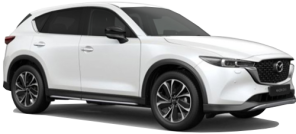
Standard SUVMazda CX-5 or Similar
From
$42.98
/day
|
|
|||
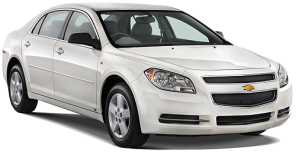
Full-sizeChevrolet Malibu or Similar
From
$36.91
/day
|
|
|||
EconomyKia Rio or Similar
From
$37.04
/day
|

|
|||
CompactKia Soul or Similar
From
$37.61
/day
|

|
|||
IntermediateToyota Camry or Similar
From
$38.22
/day
|

|
|||
EconomyHyundai Venue or Similar
From
$38.66
/day
|

|
|||
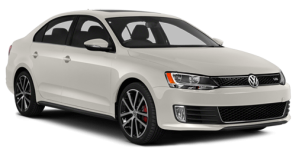
StandardVolkswagen Jetta or Similar
From
$40.51
/day
|
|
|||
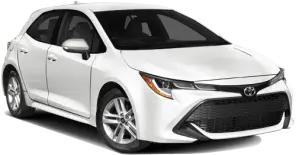
IntermediateToyota Corolla or Similar
From
$41.98
/day
|
|
|||
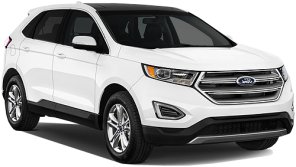
Standard SUVFord Edge or Similar
From
$45.27
/day
|
|
|||
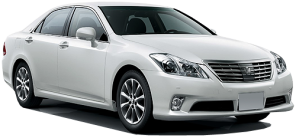
PremiumToyota Crown or Similar
From
$45.56
/day
|
|
|||
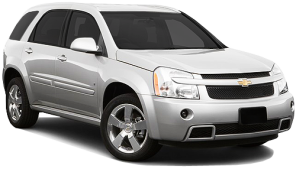
Standard SUVChevrolet Equinox or Similar
From
$47.61
/day
|
|
|||
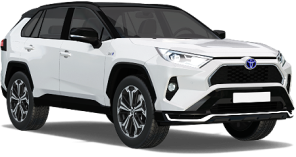
Intermediate SUVToyota RAV4 or Similar
From
$48.33
/day
|
|
|||
EconomyMitsubishi Mirage or Similar
From
$49.01
/day
|

|
|||
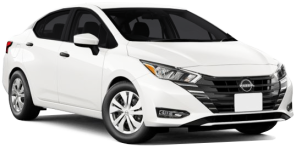
CompactNissan Versa or Similar
From
$49.14
/day
|
|
|||
Mini VanChrysler Pacifica or Similar
From
$49.96
/day
|

|
|||
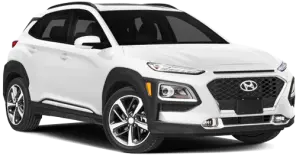
Compact SUVHyundai Kona or Similar
From
$50.51
/day
|
|
|||
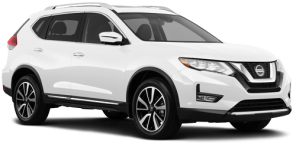
Intermediate SUVNissan Rogue or Similar
From
$50.51
/day
|
|
|||
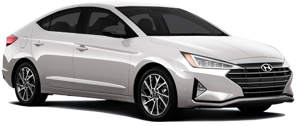
IntermediateHyundai Elantra or Similar
From
$52.13
/day
|
|
|||
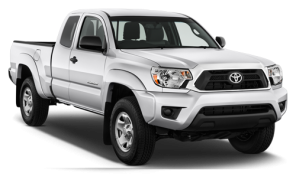
Standard Regular Cab PickupToyota Tacoma or Similar
From
$52.26
/day
|
|
|||
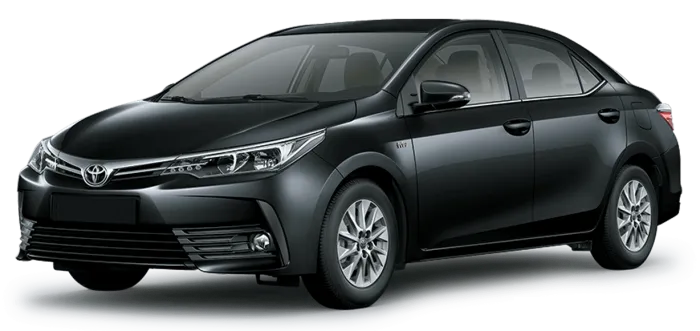
IntermediateToyota Corolla Sedan or Similar
From
$52.69
/day
|

|
|||
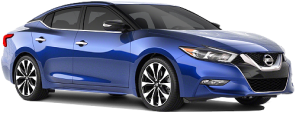
PremiumNissan Maxima or Similar
From
$53.50
/day
|
|
|||
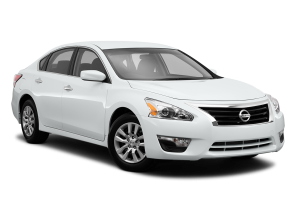
Full-sizeNissan Altima or Similar
From
$53.60
/day
|
|
|||
Our Features
Discover a world of convenience, safety, and customization, paving the way for unforgettable adventures and seamless mobility solutions.
Worldwide Locations
Search rental cars in thousands of locations across more than 180 countries and major travel destinations.
City Center Locations
Access rental cars in downtown locations and popular tourist areas for easy travel during your stay.
Best Price Deals
Our platform helps you find the most competitive car rental prices across multiple suppliers in one place.
Customer Reviews
Read verified customer reviews and ratings to help you choose the best rental supplier for your trip.
Additional Driver Options
Many suppliers allow you to add additional drivers so you can share driving responsibilities.
Flexible Filter Options
Refine your search results with powerful filters to quickly find the perfect rental car for your travel needs.
Virginia Car Rental Facts
Essential information on the best deals, rental providers, and vehicle options in Virginia.
Most Popular Agencies
Enterprise dominates Virginia with 33% share, serving Washington DC metro area travelers, historic Williamsburg visitors, and business travelers to Northern Virginia's tech corridor.
Popular Car Types
SUVs lead at 36% for family trips to Virginia Beach and Shenandoah Valley. Compact cars at 30% serve DC commuters and historic district visitors needing parking-friendly vehicles.
Average Rental Duration
Rentals average 4 days, driven by weekend trips to Colonial Williamsburg, Shenandoah National Park, and Virginia Beach summer escapes. (Based on 38,000+ local pickups)
Most Popular Models
Nissan Rogue leads the SUV category for Blue Ridge Parkway scenic drives. Toyota Camry dominates the full-size segment for business travelers to Richmond and Tysons Corner.
Average Daily Price
Virginia rates average $53/day. Weekly rentals from $320 offer savings for extended Shenandoah explorations or Virginia Beach family vacations.
How much does it cost to rent a car at Virginia?
Averaging the lowest prices for the economy car category, the data below shows prices for monthly comparisons.
Cheapest Month Average
JanMost Expensive Month
OctYearly Average Price
Fall foliage (October) peak in Blue Ridge Parkway and Shenandoah. Summer busy in Virginia Beach and Williamsburg. Winter offers lowest rates. Book 2 months ahead for fall.
Renting a Car in Virginia
Renting a car is the definitive way to experience the rich tapestry of history, culture, and natural beauty that Virginia has to offer. From the rolling hills of the Blue Ridge Mountains to the vibrant coastal energy of Virginia Beach, the 'Old Dominion' State is best explored at your own pace behind the wheel. While ride-sharing exists in cities like Richmond and Northern Virginia, they cannot take you to the remote waterfalls of Shenandoah National Park, the quaint country stores along The Crooked Road music trail, or the historic triangle of Jamestown, Yorktown, and Williamsburg. A rental car transforms your trip, giving you the freedom to chase a stunning mountain overlook, stop at a roadside farm stand for fresh apples, or discover a quiet cove along the Chesapeake Bay. Whether you are planning a five-day road trip through the Appalachian Highlands or a weekend getaway to a historic spa town, having your own vehicle is essential for unlocking all that Virginia has to offer.
Best Places to Pick Up a Rental Car in Virginia
The most convenient pickup locations are the international airports and city centers throughout the state. Washington Dulles International Airport in Northern Virginia serves as the primary international gateway, with all major rental brands represented at an off-airport facility accessible by free shuttles. Richmond International Airport offers convenient access to the state capital and central Virginia, while Norfolk International Airport is ideal for those heading to Virginia Beach, the Chesapeake Bay, and the Eastern Shore.
For travelers exploring the Shenandoah Valley and the Blue Ridge Parkway, picking up a car at Shenandoah Valley Regional Airport near Staunton or Charlottesville-Albemarle Airport can put you closer to the scenic drives and mountain towns. Renting at the airport provides immediate access to your vehicle upon arrival, with most locations offering extended hours. However, this convenience can come with higher overall prices due to airport surcharges and concession fees. City center locations in Richmond, Alexandria, Roanoke, and other major towns might offer slightly lower rates but may have limited weekend hours.
Enterprise Rent-A-Car operates the most locations in Virginia with 56 statewide, followed by Budget with 22, Avis with 21, and Hertz with 18. Dollar, Thrifty, National, and Alamo also maintain a strong presence, particularly at airports and in major metropolitan areas.
| Location | Why Choose It |
|---|---|
| Washington Dulles Intl. Airport (IAD) | Primary international gateway; all major rental brands; ideal for Northern Virginia and DC access. |
| Richmond International Airport (RIC) | Perfect for state capital, central Virginia, and historic triangle exploration. |
| Norfolk International Airport (ORF) | Best for Virginia Beach, Chesapeake Bay, and Eastern Shore adventures. |
| Charlottesville-Albemarle Airport (CHO) | Gateway to Monticello, Blue Ridge Mountains, and Shenandoah National Park. |
| City Centers (Richmond, Alexandria, Roanoke) | Lower rates than airport locations, but may have limited weekend hours. |
Cheapest Month to Rent a Car in Virginia
Car rental prices in Virginia follow predictable seasonal patterns influenced by tourism, weather, and major events. The peak summer season from June through August sees the highest demand as families flock to Virginia Beach, the Blue Ridge Parkway, and historic attractions. Fall colors in October also drive significant demand, particularly along scenic byways like Skyline Drive and the Colonial Parkway.
February is consistently the cheapest month to rent a car in Virginia, with average daily rates around $54 when converted. April and March also offer excellent deals, with rates significantly lower than summer peaks. July is the most expensive month, with prices averaging around $91 per day-approximately 65 percent above the yearly average. For budget-conscious travelers willing to brave cooler temperatures and occasional rain, these winter and early spring months provide the best value.
Booking approximately one to two weeks in advance typically secures the best rates. The cheapest prices found are around $59 per day, with Norfolk offering particularly competitive rates. Weekly rentals average around $688, while monthly rentals average approximately $2,949.
| Cheapest Month | Most Expensive Month |
|---|---|
| February | July |
| Average Price | $70-80 per day |
| A Good Deal | $50-60 per day |
| Cheapest Supplier | Dollar / Hertz |
| Cheapest Car Type | Small Cars |
Most Popular Month to Rent a Car in Virginia
July stands as the peak month for car rental demand across Virginia. This is when families from across the eastern United States pour into the state for beach vacations, mountain getaways, and historical explorations. The weather is ideal-warm and sunny across most of the state-and all scenic roads are fully accessible, including the crown jewel of Virginia drives, Skyline Drive through Shenandoah National Park.
October runs a close second in popularity, driven by fall color enthusiasts and leaf-peepers from across the mid-Atlantic. The Blue Ridge Parkway, Skyline Drive, and roads through the Shenandoah Valley become corridors of stunning autumn colors, with rental cars in high demand. August and September also maintain strong demand as visitors take advantage of warm weather and outdoor activities. During these peak months, booking at least two to three weeks in advance is essential to secure a vehicle and avoid paying premium last-minute rates.
The most popular car type in Virginia is small cars, offering fuel efficiency and easy maneuverability for both city driving and scenic highway cruising. The most popular rental company is Dollar, followed closely by Enterprise and Budget.
Average Rental Length in Virginia
The typical rental duration for travelers exploring Virginia varies based on trip purpose and itinerary. The statewide average rental length hovers around five to seven days, reflecting the typical week-long vacation pattern. A five-day road trip through Virginia can include epic hikes in the Appalachian Mountains, breathtaking vistas, and forested trails, with stops at historic hotels and unique wellness retreats along the way.
Visitors exploring the historic triangle of Jamestown, Yorktown, and Williamsburg typically rent for three to five days, combining historical attractions with visits to nearby wineries and the Williamsburg Salt Spa. Those tackling the Blue Ridge Parkway and Shenandoah National Park often rent for four to six days, allowing time to explore the 200,000 acres of protected lands and 500 miles of hiking trails.
Comprehensive road trips covering multiple regions-such as starting in Northern Virginia, heading to the Shenandoah Valley, then down the Blue Ridge Parkway, across to the coast, and back-typically require ten to fourteen days. Business travelers in Richmond, Northern Virginia, and Virginia Beach generally rent for shorter periods of two to four days, focusing on corporate meetings and client visits.
Car Rental Information for Virginia
Virginia's car rental market is robust and well-developed, featuring all major international brands alongside regional and local operators. With rental locations concentrated in airports and major towns across the state, picking up and dropping off a vehicle is generally straightforward. Enterprise Rent-A-Car dominates with 56 locations statewide, the most of any company, followed by Budget with 22, Avis with 21, and Hertz with 18. Dollar, Thrifty, National, Alamo, and Payless also maintain significant presences.
Most rental locations offer a standard fleet ranging from economy cars to full-size SUVs and pickup trucks. Small cars are the most popular vehicle type, offering fuel efficiency and easy parking in urban areas. Intermediate SUVs are recommended for navigating Virginia's varied terrain, offering higher ground clearance and all-wheel drive for mountain roads and potential weather challenges.
Specialty vehicles like passenger vans are available for larger groups, though advance booking is essential. Many locations offer one-way rentals, allowing travelers to fly into Washington Dulles and depart from Norfolk or Richmond, though drop fees may apply. The rental market in Virginia is highly competitive, with prices varying significantly between providers and cities, making comparison shopping well worth the effort. Richmond is the most popular pickup city, with 40 cities across the state offering rental options.
| Car Rental Locations | 150+ statewide |
|---|---|
| Airport Locations | 10+ major airports with rental desks |
| Popular Suppliers | Enterprise (56 locations), Budget (22), Avis (21), Hertz (18), Dollar (12), Thrifty (9), National (6), Alamo (5) |
| Most Popular Car Type | Small Cars |
| Most Popular Company | Dollar |
| Cheapest City | Norfolk / Winchester |
| Most Popular Pickup City | Richmond |
Most Popular Car Models of Rental Suppliers in Virginia
For navigating Virginia's diverse terrain-from coastal highways to mountain switchbacks-the choice of vehicle can greatly impact your trip. Small cars dominate the rental market for their fuel efficiency and ease of parking in historic districts like Alexandria and Richmond's Fan District. SUVs and crossovers are popular with families and those heading to the mountains, offering better ground clearance and all-wheel drive capabilities.
- Nissan Versa / Ford Fiesta: Small cars that are the most popular rental category in Virginia. Fuel-efficient and affordable, perfect for city driving in Richmond, Alexandria, and Norfolk, and for highway cruising on the interstates.
- Intermediate SUVs (Ford Escape / Honda CR-V): Recommended for driving in Virginia, these vehicles offer higher ground clearance and all-wheel drive, making them particularly useful for mountain roads, the Blue Ridge Parkway, and handling the mix of weather conditions throughout the year.
- Toyota Camry / Honda Accord: Midsize sedans offering comfortable highway travel and ample trunk space for luggage. Popular with business travelers and couples exploring multiple destinations.
- Ford Explorer / Chevrolet Tahoe: Full-size SUVs favored by larger groups and families, offering third-row seating and maximum cargo capacity for extended road trips.
- Jeep Wrangler: A popular choice for those heading to Shenandoah National Park and the George Washington National Forest, offering rugged capability for forest service roads and open-air adventure.
- Chrysler Pacifica / Dodge Grand Caravan: Minivans that are workhorses of family vacations, offering sliding doors for easy access, entertainment systems for children, and cavernous cargo space.
- Ford F-150 / Ram 1500: Pickup trucks popular with those needing utility capability for outdoor gear, particularly in rural and mountain areas.
- Hybrid / Electric Vehicles: Increasingly available at major locations, offering exceptional fuel economy for long-distance travel and reduced environmental impact.
Top Driving Routes in Virginia
A self-drive trip in Virginia offers some of the most scenic and memorable road trips in the eastern United States. Renting a car provides the freedom to explore national parks, historic sites, and charming small towns at your own pace. The state's well-maintained highway system and abundance of designated scenic byways make road tripping a pleasure.
- Blue Ridge Parkway (Virginia segment, approx. 217 miles): Known as 'America's Favorite Drive,' this National Scenic Byway winds through the Blue Ridge Mountains with breathtaking vistas, forested trails, and access to the Appalachian Trail. Key stops include the James River Visitor Center, Peaks of Otter, and Mabry Mill. The speed limit is 45 mph, encouraging a leisurely pace to enjoy the views. Fall colors along this route are spectacular.
- Skyline Drive (Shenandoah National Park, 105 miles): Running the entire length of Shenandoah National Park, this scenic byway offers 75 overlooks with stunning views of the Shenandoah Valley and Piedmont. Highlights include Big Meadows, the Byrd Visitor Center, and numerous trailheads for hikes to waterfalls and peaks. The speed limit is 35 mph, and the drive typically takes three hours without stops-allow a full day to explore.
- The Crooked Road (330 miles): Virginia's Heritage Music Trail winds through the mountain towns of southwest Virginia, passing through Galax and Floyd-both must-visit spots for country music fans. The Blue Ridge Music Center is a treasure trove of music history with regular outdoor music sessions featuring banjos, fiddles, and guitars. This route unwinds like a loosened guitar string, taking you past small country stores where old-time bands play.
- Colonial Parkway (23 miles): Connecting Jamestown, Williamsburg, and Yorktown, this scenic road offers a peaceful drive through American colonial history. The parkway is free of commercial traffic and provides access to historic sites, interpretive markers, and beautiful views of the James and York Rivers. Allow a full day to explore the historic triangle.
- Tidewater History & River Drive (approx. 4.5 hours loop): Named the No. 19 hidden gem road trip in the U.S., this route starts and ends in Williamsburg. It features a ferry ride across the James River to Surry County, proceeds to Smithfield through charming small villages, expansive salt marshes, and lush farmlands steeped in early American history. The return trip offers a scenic route through Yorktown.
- Shenandoah Valley Scenic Loop (approx. 5.5 hours): Beginning in Staunton, this loop visits notable towns such as Luray, Strasburg, and Lexington. Offering stunning views of mountains and farmland, the route showcases Civil War landmarks and local wineries. Luray Caverns, the largest cavern in the eastern US, is a worthwhile side trip.
- Mount Vernon Memorial Highway (George Washington Memorial Parkway, approx. 15 miles): Following the Potomac River from Washington DC to Mount Vernon, this scenic drive offers views of the nation's capital, historic estates, and river activities. Stops include Great Falls Park, Theodore Roosevelt Island, and George Washington's Mount Vernon estate.
- Chesapeake Bay Bridge-Tunnel (17.6 miles): An engineering marvel connecting Virginia's Eastern Shore to the mainland, this bridge-tunnel offers a unique driving experience across the Chesapeake Bay. Allow time to stop at the Sea Gull Pier rest area and fishing pier.
Driving Rules Tourists Must Know in Virginia
Adapting to local driving conditions is key to a safe and enjoyable trip in Virginia. Tourists from other states or countries should be aware of the basic rules, traffic patterns, and unique regulations they might encounter.
- Right-Hand Driving: In Virginia, vehicles drive on the right side of the road, as in the rest of the United States.
- Radar Detector Ban: Virginia is one of the few states where radar detectors are illegal in all vehicles. It is illegal to use a radar detector in any vehicle, and violations can result in a heavy fine and even seizure of the device. This applies to all drivers, including out-of-state visitors.
- Right on Red: Virginia law allows turning right at a red light after coming to a complete stop, unless a sign specifically prohibits it. You must yield to pedestrians and vehicles lawfully proceeding through the intersection.
- Alcohol Limit: The legal blood alcohol limit is 0.08 percent for drivers 21 and over. The limit is lowered to 0.02 percent for drivers under 21 and commercial drivers. It is illegal to refuse a lawful breath or blood test if pulled over under suspicion of drink-driving, and refusal can result in an automatic one-year license suspension.
- Seat Belt Laws: Virginia has primary enforcement for seat belt laws, meaning drivers can be stopped solely for not wearing a seat belt. All front-seat passengers must wear seat belts, and all passengers under age 18 must be properly restrained.
- Child Seat Regulations: Children under age 8 must be secured in a child safety seat or booster seat in the rear seat, if available. Rental companies have limited supply, so request in advance or bring your own.
- Mobile Phone Use: Virginia prohibits handheld cell phone use while driving for all drivers. Texting while driving is strictly illegal and results in fines. Hands-free devices are permitted for drivers 18 and over.
- Speed Limits: Speed limits vary by road type. In urban areas and cities, limits range from 25-35 mph. On rural highways, limits are typically 45-55 mph. Interstates range from 60-70 mph. The speed limit is the law for a reason-it's the speed that is the safest to go.
- Rush Hour Traffic: Virginia has rush hour periods during weekdays when traffic can be heavy, particularly in urban areas such as Richmond and Northern Virginia. Rush hour generally occurs between 7:00 am to 9:00 am and between 4:00 pm to 6:00 pm. In Northern Virginia, traffic on Interstates 66 and 95 and the Capital Beltway can be particularly congested during these times.
- Move Over Law: Virginia requires drivers to move over a lane or slow down when approaching any stopped emergency vehicle, tow truck, highway maintenance vehicle, or any vehicle displaying flashing lights.
- Open Container Law: Open intoxicants are prohibited in vehicles. Both drivers and passengers can be cited for open containers.
- Holiday Travel Restrictions: Permitted vehicle configurations are not allowed to travel on state observed holidays including New Year's Day, Memorial Day, Independence Day, Labor Day, Thanksgiving Day, and Christmas Day. While this primarily applies to commercial vehicles, it reflects the state's approach to holiday travel safety.
- Headlight Use: Headlights must be used when visibility is less than 500 feet and during inclement weather. Many Virginia drivers use headlights at all times for safety.
| Road Type | Speed Limit |
|---|---|
| Urban Areas / Cities | 25-35 mph (40-56 km/h) |
| County Highways / Rural Roads | 45-55 mph (72-88 km/h) |
| State Highways / Scenic Byways | 45-60 mph (72-97 km/h) |
| Interstates (I-64, I-81, I-95, I-495) | 60-70 mph (97-113 km/h) |
| School Zones | 15-25 mph (24-40 km/h) when lights flashing |
| Blue Ridge Parkway / Skyline Drive | 35-45 mph (56-72 km/h) |
Toll Roads and E-ZPass in Virginia
Virginia has an extensive network of toll roads, bridges, and tunnels, particularly in the Northern Virginia and Hampton Roads regions. The state uses the E-ZPass electronic toll collection system, which allows drivers to pass through toll points without stopping. Most rental cars at major Virginia airports are equipped with E-ZPass transponders, allowing you to use express toll lanes and toll facilities seamlessly.
Major toll facilities include the Dulles Toll Road and Dulles Greenway, the Express Lanes on I-495 (Capital Beltway), I-95, and I-395 in Northern Virginia, the Chesapeake Bay Bridge-Tunnel, the Hampton Roads Bridge-Tunnel, the Monitor-Merrimac Memorial Bridge-Tunnel, and the Downtown and Midtown Tunnels in Norfolk/Portsmouth. If your rental car has a transponder, tolls will be charged to your rental agreement, usually with a small administrative fee added for processing. If not, you may be able to pay tolls online within a specified period using the license plate number through the Pay-by-Plate system.
For travelers heading to the Eastern Shore or Virginia Beach, note that the Chesapeake Bay Bridge-Tunnel charges a significant toll (around $14-18 for cars) each way, so factor this into your budget if crossing.
Popular Car Rental Companies in Virginia
Choosing between international chains can impact both your budget and experience. Virginia's rental market is highly competitive, with all major brands represented. Enterprise Rent-A-Car operates the most locations with 56 statewide, offering excellent customer service and free pick-up for local residents. Budget follows with 22 locations, providing competitive rates and a wide vehicle selection. Avis maintains 21 locations, consistently earning high marks for customer satisfaction. Hertz operates 18 locations with strong airport presence and loyalty program benefits.
Dollar, Thrifty, National, and Alamo round out the major players, with locations concentrated at airports and in major metropolitan areas. In the past 72 hours, the cheapest rental cars were found at Dollar ($50.80/day), Hertz ($68.84/day), and Avis ($77.11/day). The most popular company overall is Dollar, followed by Enterprise and Budget.
When comparing companies, consider not only the daily rate but also mileage policies, insurance options, and any additional fees that may apply. Reading recent customer reviews can provide insight into the condition of vehicles and the quality of customer service at specific locations.
| Company | Price Level | Pros |
|---|---|---|
| Enterprise | Medium | 56 locations; excellent customer service; free pick-up; largest fleet; flexible rental periods. |
| Budget | Low-Medium | 22 locations; competitive rates; good availability at airports and city locations. |
| Avis | Medium | 21 locations; high customer satisfaction; reliable service; good for business travelers. |
| Hertz | Medium-High | 18 locations; strong airport presence; loyalty program; wide vehicle selection. |
| Dollar | Low | 12 locations; most popular company; competitive rates; good for budget travelers. |
| National | Medium-High | 6 locations; Emerald Club benefits; quality fleet; popular with frequent renters. |
| Alamo | Medium | 5 locations; good for leisure travelers; competitive weekly rates. |
Parking in Virginia
Parking in Virginia varies dramatically between urban centers and rural areas. In Richmond, street parking is available throughout the city with varying time limits and payment requirements. The downtown area has numerous parking garages and lots, particularly near the Virginia State Capitol and the Canal Walk. Richmond's parking system includes mobile payment options for convenience.
In Northern Virginia, particularly Alexandria and Arlington, parking can be challenging and expensive. Old Town Alexandria has limited street parking with time limits, and several public garages serve the historic district. Many hotels in this region charge for overnight parking, so check policies when booking accommodations. For visitors to Washington DC, many choose to stay in Northern Virginia and take the Metro into the city, avoiding DC parking entirely.
Virginia Beach offers abundant parking near the oceanfront, though it fills quickly during summer weekends. Paid lots and street parking are available, with rates varying by proximity to the boardwalk. In Norfolk, parking near the waterfront and naval bases is generally available with paid lots and street meters.
At state and national parks, designated parking areas are available at trailheads, visitor centers, and campgrounds. During peak fall foliage weekends, parking at popular spots like Shenandoah National Park's overlooks can fill by mid-morning, so arriving early is essential. The Blue Ridge Parkway has numerous pull-offs and overlooks with small parking areas designed for scenic viewing.
Most hotels, motels, resorts, and lodges throughout Virginia offer free parking for guests, a significant advantage for road trippers. Some urban properties in Richmond, Alexandria, and Virginia Beach may charge for parking, so confirm when booking.
Car Rental Prices in Virginia
Daily rental rates vary widely depending on vehicle type, season, location, and rental company. Small cars are the most economical choice, averaging significantly less than SUVs and specialty vehicles. Intermediate SUVs, recommended for their capability to handle any weather conditions and Virginia's varied terrain, command a moderate premium.
Airport locations typically charge higher rates than off-airport locations due to concession fees and operating costs. However, the convenience of picking up immediately upon arrival often justifies the premium for travelers. Weekend rates are often higher than weekday rates in tourist destinations as local demand spikes, while business-oriented markets like Northern Virginia may see the opposite pattern.
Booking at least one to two weeks in advance is the single most effective way to secure the best rates. February offers the lowest average prices, while July sees the highest. For week-long rentals, weekly rates often provide better value than daily pricing, with average weekly rates around $688. Monthly rentals average approximately $2,949, offering the lowest per-day rates for extended stays. The cheapest prices found are around $59 per day in Norfolk and $151 per day in Winchester, though these figures vary by currency conversion and season.
| Car Type | Average Price Per Day | Best For |
|---|---|---|
| Small Cars | $40-60 | Budget travelers, city driving, fuel efficiency, easy parking. |
| Midsize Sedans | $50-70 | Comfortable highway travel, business trips, couples with moderate luggage. |
| Intermediate SUVs | $65-90 | Recommended for Virginia; higher ground clearance, all-wheel drive, mountain roads, varied weather. |
| Full-Size SUVs | $80-120 | Families, groups, maximum passenger and cargo capacity for extended trips. |
| Minivans | $75-110 | Family vacations, groups with children and luggage. |
| Pickup Trucks | $70-100 | Outdoor enthusiasts with gear, rural and mountain travel. |
| Luxury Cars | $100-250+ | Special occasions, premium travel experiences, business executives. |
Money-Saving Tips for Renting a Car in Virginia
- Book in advance: Securing your vehicle one to two weeks ahead, especially for peak summer season and fall colors, can lock in lower rates and guarantee availability. Booking around two weeks before your trip typically offers the best prices.
- Choose the cheapest month: February, March, and April offer the lowest rates, with significant savings compared to July and summer peak months.
- Pick the right vehicle: Small cars are around 29 percent cheaper than other types on average. If your itinerary stays on paved roads and you're not heading to the mountains, this is the most economical choice.
- Compare rental companies: Dollar and Hertz consistently offer competitive rates. Check multiple providers including Enterprise, Avis, Budget, and local agencies to find the best deal for your dates.
- Consider cheaper cities: Norfolk and Winchester offer the most competitive rates among Virginia cities. If you have flexibility, flying into these airports could save significantly.
- Book weekly rates: For rentals of five to seven days or more, weekly rates often undercut daily pricing significantly. Always check both options when comparing prices.
- Check for membership discounts: AAA, AARP, Costco, and credit card benefits often provide discounted rates with major rental companies. Corporate codes through employers may also unlock significant savings.
- Decline unnecessary insurance: Check if your personal auto insurance or credit card already covers rental cars. Many credit cards offer primary coverage if used to book the rental, potentially saving significant daily fees.
- Refuel before returning: Gas stations near airports often charge premium prices. Fill up at a regular station before dropping off the vehicle and keep the receipt. Choose the option to refuel yourself rather than prepaying for fuel you may not use.
- Avoid one-way fees: Returning the car to a different location can incur substantial drop charges. Plan your itinerary as a loop when possible.
- Skip the GPS: Use your smartphone with offline maps downloaded. Cell service can be spotty in mountain areas, so download maps before you lose signal. Bring your own car charger and phone mount.
- Look for unlimited mileage: For long road trips, ensure your rental includes unlimited mileage to avoid surprise overage charges.
- Check for 'full-to-full' fuel policies: These allow you to pay only for the fuel you use, saving money compared to pre-purchase options.
- Consider one-way rentals strategically: Sometimes one-way rentals offer great deals because companies need to move vehicles between locations. Check this option when searching.
Common Mistakes When Renting a Car in Virginia
- Skipping the inspection: Not thoroughly checking the vehicle for existing damage and ensuring it is noted on the rental agreement before driving off. Take photos and videos of the entire vehicle, including the roof and undercarriage.
- Using a radar detector: Forgetting that radar detectors are illegal in Virginia. Out-of-state visitors are subject to the same ban, and violations result in heavy fines and possible device seizure.
- Underestimating Northern Virginia traffic: Assuming traffic flows freely like rural areas. I-66, I-95, and the Capital Beltway can be gridlocked during rush hours (7-9 AM and 4-6 PM). Plan travel outside these times when possible.
- Running on empty: Gas stations can be sparse in rural areas and along scenic byways. On the Blue Ridge Parkway, services are limited to parkway towns-fill up when you have the chance.
- Not downloading offline maps: Cell service is nonexistent or spotty in many areas of Shenandoah National Park and along remote sections of the Blue Ridge Parkway. Prepare with downloaded maps before you lose signal.
- Choosing the wrong vehicle for the mountains: Attempting to navigate the Blue Ridge Parkway or Skyline Drive in a low-clearance vehicle without considering the winding roads and steep grades. An intermediate SUV is recommended.
- Forgetting about tolls: Not budgeting for tolls in Northern Virginia and Hampton Roads. If your rental has E-ZPass, understand that tolls plus administrative fees will be charged to your account.
- Leaving valuables visible: Vehicle break-ins can occur at trailheads, overlooks, and in urban areas. Never leave luggage, electronics, or valuables visible in a parked car.
- Ignoring fall foliage crowds: October weekends on Skyline Drive and the Blue Ridge Parkway bring massive crowds. Parking lots fill by mid-morning, and traffic can be bumper-to-bumper. Arrive early or visit on weekdays.
- Not understanding the rental company's fuel policy: Know whether you need to return the car with a full tank to avoid expensive refueling charges that can be double the cost of filling up yourself.
- Driving too fast on scenic byways: Speed limits on Skyline Drive (35 mph) and the Blue Ridge Parkway (45 mph) are strictly enforced for safety and wildlife protection. Obey posted limits and enjoy the views.
- Waiting until the last minute for summer travel: July and August are extremely popular, and rental cars book up weeks in advance at popular locations. Book early or be prepared for limited availability and premium prices.
- Forgetting car seats for children: All children under eight require appropriate restraints. Rental companies have limited supply-bring your own if possible.
- Assuming all rental companies accept debit cards: Most major companies require a credit card in the renter's name for the security deposit. Local independent agencies may be more flexible, but confirm policies before booking.
Traveler Experience in Virginia
Last October, the Mitchell family from Chicago flew into Washington Dulles International Airport and rented an intermediate SUV from Enterprise. Their ambitious plan was to spend five days exploring the best of Virginia: a day in Northern Virginia, two days on the Blue Ridge Parkway, a day in Shenandoah National Park, and a final day in Charlottesville before returning.
'Having our own SUV was absolutely essential,' Sarah Mitchell shared. 'We had two kids, hiking gear for the mountains, and enough luggage for five days and varying weather. The flexibility was incredible-when we saw a roadside sign for a waterfall trail near the Blue Ridge Parkway, we could just pull over and spend an hour hiking. When the kids needed a break, we could stop at any of the beautiful overlooks.'
The family's biggest challenge was underestimating the popularity of Skyline Drive in October. 'We arrived at the Thornton Gap entrance at 10 a.m. on a Saturday and found ourselves in a line of cars. Many overlooks were packed, and parking was tight. The next day, we entered at 8 a.m. and had the pull-offs nearly to ourselves. That lesson saved our trip.'
Mitchell noted that the most valuable preparation was understanding the radar detector law. 'My husband almost brought his from home. Thank goodness we read about Virginia's ban-getting pulled over and fined would have ruined a day of our vacation. We also appreciated having the E-ZPass in our rental for the Dulles Toll Road-it made navigating Northern Virginia effortless.'
The family also loved the unexpected discoveries along the way. 'We stumbled upon a small country store in Floyd where local musicians were playing old-time music. We pulled over, bought some apples, and listened for an hour. That's the kind of authentic experience you can only have with your own car-no tour bus would ever stop there.'
Their advice for future visitors: 'Book your car well in advance for fall travel, download offline maps before you head into the mountains, and always carry snacks and water. Virginia's beauty is spread out, and having your own wheels lets you find the hidden spots that make road trips memorable.'
International Driving Permit (IDP) Requirements
Visitors to Virginia driving with a valid driver's license issued in their home country must present specific documentation depending on their country of origin. For customers traveling to the United States from another country, the following requirements apply.
For U.S. citizens: A valid driver's license from any U.S. state or territory is sufficient. No additional permits or documentation are required for rentals up to 90 days.
For international visitors with licenses in English: If your home country license is in English, such as from the United Kingdom, Australia, Canada, or New Zealand, you can use your valid, unexpired home country driver's license for up to 90 days. An International Driving Permit is recommended but not required.
For international visitors with licenses with English letters but non-English language: If your home country license is in a language other than English but uses English letters, such as German, Spanish, or French, an International Driving Permit is recommended for translation purposes in addition to the home country license. While not legally required, it can be helpful if you are stopped by law enforcement.
For international visitors with non-English alphabet licenses: If your home country license is in a language other than English and uses a non-English alphabet, such as Arabic, Chinese, Japanese, or Russian, an International Driving Permit is strongly recommended and may be required by some rental agencies. The permit provides an official translation that law enforcement and rental companies can understand.
An International Driving Permit is not a stand-alone document and must be accompanied by your valid home country license at all times while driving. It simply provides a translation and is recognized by law enforcement as proof that you hold a valid license in your home country. Applying for an IDP before departure is straightforward through organizations like the American Automobile Association in the United States or equivalent agencies abroad, requiring a completed application, two passport photos, and a fee.
When renting a car, you will need to present your valid home country license and your passport. Some rental agencies may also require a credit card in the driver's name. Minimum age requirements are typically 21 years old, with drivers under 25 subject to young driver surcharges ranging from $20 to $30 per day depending on the company and driver's age. The license must have been held for a minimum of one year in most cases. It is always best to check with your specific rental company about their requirements before traveling to ensure a smooth pickup experience.
Local or independent rental agencies may have more flexible policies regarding age and payment methods, but these are exceptions. Always confirm policies directly with the rental company before you book.
Popular Cities for Car Rental in Virginia
- Car Rental in Abingdon
- Car Rental in Alexandria VA
- Car Rental in Altavista
- Car Rental in Annandale
- Car Rental in Appomattox
- Car Rental in Arlington
- Car Rental in Ashland
- Car Rental in Bedford
- Car Rental in Blacksburg
- Car Rental in Burke
- Car Rental in Cedar Bluff
- Car Rental in Centreville
- Car Rental in Chantilly
- Car Rental in Charlottesville
- Car Rental in Chesapeake
- Car Rental in Chester VA
- Car Rental in Christiansburg
- Car Rental in Colonial Heights
- Car Rental in Covington
- Car Rental in Culpeper
- Car Rental in Dale City
- Car Rental in Danville
- Car Rental in Dulles
- Car Rental in Dumfries
- Car Rental in Elkton
- Car Rental in Emporia
- Car Rental in Fairfax
- Car Rental in Falls Church
- Car Rental in Farmville
- Car Rental in Floyd
- Car Rental in Forest
- Car Rental in Fort Belvoir
- Car Rental in Fort Lee
- Car Rental in Fort Monroe
- Car Rental in Fort Story
- Car Rental in Franklin
- Car Rental in Fredericksburg
- Car Rental in Front Royal
- Car Rental in Gainesville
- Car Rental in Galax
- Car Rental in Glen Allen
- Car Rental in Gloucester
- Car Rental in Hampton
- Car Rental in Harrisonburg
- Car Rental in Henrico County
- Car Rental in Herndon
- Car Rental in Keller
- Car Rental in King George
- Car Rental in Langley
- Car Rental in Leesburg
- Car Rental in Lexington
- Car Rental in Lynchburg
- Car Rental in Madison Heights
- Car Rental in Manakin-Sabot
- Car Rental in Manassas
- Car Rental in Manassas Park
- Car Rental in Marion
- Car Rental in Martinsville
- Car Rental in McLean
- Car Rental in Mechanicsville
- Car Rental in Midlothian
- Car Rental in Newport News
- Car Rental in Norfolk
- Car Rental in North Chesterfield
- Car Rental in North Tazewell
- Car Rental in Norton
- Car Rental in Orange
- Car Rental in Pearisburg
- Car Rental in Petersburg
- Car Rental in Portsmouth
- Car Rental in Powhatan
- Car Rental in Purcellville
- Car Rental in Quantico
- Car Rental in Radford
- Car Rental in Richmond
- Car Rental in Roanoke
- Car Rental in Rocky Mount
- Car Rental in Rosslyn
- Car Rental in Salem
- Car Rental in Sandston
- Car Rental in Shenandoah
- Car Rental in Smithfield
- Car Rental in South Boston
- Car Rental in South Hill
- Car Rental in Springfield
- Car Rental in Stafford
- Car Rental in Staunton
- Car Rental in Sterling
- Car Rental in Suffolk
- Car Rental in Tappahannock
- Car Rental in Vienna
- Car Rental in Virginia Beach
- Car Rental in Warrenton
- Car Rental in Waynesboro
- Car Rental in Williamsburg
- Car Rental in Winchester
- Car Rental in Woodbridge
- Car Rental in Woodstock
- Car Rental in Wytheville
Popular Locations for Car Rental in Virginia
- Car Rental Abingdon Downtown
- Car Rental Alexandria Downtown VA
- Car Rental Alexandria Landmark
- Car Rental Alexandria West
- Car Rental Altavista Downtown
- Car Rental Annandale Downtown
- Car Rental Appomattox Downtown
- Car Rental Arlington Airport (DCA)
- Car Rental Arlington Crystal City
- Car Rental Arlington Downtown
- Car Rental Arlington Downtown
- Car Rental Arlington Pentagon City
- Car Rental Arlington Waverly Hills
- Car Rental Ronald Reagan Washington National Airport (DCA)
- Car Rental Ashland Downtown
- Car Rental Bedford Downtown
- Car Rental Blacksburg Downtown
- Car Rental Burke Downtown
- Car Rental Cedar Bluff Downtown
- Car Rental Centreville Downtown
- Car Rental Chantilly Downtown
- Car Rental Charlottesville Airport (CHO)
- Car Rental Charlottesville Albemarle Airport (CHO)
- Car Rental Charlottesville Downtown
- Car Rental Charlottesville Rio
- Car Rental Chesapeake Downtown
- Car Rental Chesapeake Indian River
- Car Rental Chesapeake Western Branch North
- Car Rental Chester Downtown VA
- Car Rental Chester East
- Car Rental Christiansburg Downtown
- Car Rental Colonial Heights Downtown
- Car Rental Covington Downtown
- Car Rental Culpeper Downtown
- Car Rental Dale City Downtown
- Car Rental Danville Downtown
- Car Rental Dulles Downtown
- Car Rental Dulles International Airport (IAD)
- Car Rental Washington Dulles Airport (IAD)
- Car Rental Dumfries Downtown
- Car Rental Elkton Downtown
- Car Rental Emporia Downtown
- Car Rental Fairfax Downtown
- Car Rental Fairfax Fair Oaks Mall
- Car Rental Falls Church Downtown
- Car Rental Farmville Downtown
- Car Rental Floyd Downtown
- Car Rental Forest Downtown
- Car Rental Fort Belvoir Downtown
- Car Rental Fort Lee Downtown
- Car Rental Fort Monroe Downtown
- Car Rental Fort Story Downtown
- Car Rental Franklin Downtown
- Car Rental Fredericksburg Bellvue
- Car Rental Fredericksburg Downtown
- Car Rental Front Royal Downtown
- Car Rental Gainesville Downtown
- Car Rental Gainesville West
- Car Rental Galax Downtown
- Car Rental Glen Allen Downtown
- Car Rental Gloucester Downtown
- Car Rental Hampton Downtown
- Car Rental Hampton Newmarket
- Car Rental Northampton Hampton
- Car Rental Harrisonburg Downtown
- Car Rental Henrico County Downtown
- Car Rental Herndon Downtown
- Car Rental Keller Downtown
- Car Rental King George Downtown
- Car Rental Langley Downtown
- Car Rental Leesburg Downtown
- Car Rental Lexington Downtown
- Car Rental Lynchburg Airport (LYH)
- Car Rental Lynchburg Downtown
- Car Rental Lynchburg Regional Airport (LYH)
- Car Rental Lynchburg Richeson
- Car Rental Madison Heights Downtown
- Car Rental Manakin-Sabot Downtown
- Car Rental Manassas Downtown
- Car Rental Manassas Northwest
- Car Rental Manassas Park Downtown
- Car Rental Marion Downtown
- Car Rental Martinsville Downtown
- Car Rental McLean Downtown
- Car Rental Mechanicsville Downtown
- Car Rental Midlothian Downtown
- Car Rental Newport News Airport (PHF)
- Car Rental Newport News Bland
- Car Rental Newport News Downtown
- Car Rental Williamsburg International Airport (PHF)
- Car Rental Norfolk Airport (ORF)
- Car Rental Norfolk Downtown
- Car Rental Norfolk International Airport (ORF)
- Car Rental Norfolk Sandy Heights
- Car Rental North Chesterfield Downtown
- Car Rental North Tazewell Downtown
- Car Rental Norton Downtown
- Car Rental Orange Downtown
- Car Rental Pearisburg Downtown
- Car Rental Petersburg Downtown
- Car Rental Portsmouth Churchland
- Car Rental Portsmouth Downtown
- Car Rental Powhatan Downtown
- Car Rental Purcellville Downtown
- Car Rental Quantico Downtown
- Car Rental Radford Downtown
- Car Rental Richmond Airport (RIC)
- Car Rental Richmond Downtown
- Car Rental Richmond Henrico
- Car Rental Richmond International Airport (RIC)
- Car Rental Richmond Manchester
- Car Rental Richmond Sauers Gardens
- Car Rental Richmond West
- Car Rental Roanoke Airport (ROA)
- Car Rental Roanoke Airport Area
- Car Rental Roanoke Downtown
- Car Rental Roanoke-Blacksburg Airport (ROA)
- Car Rental Rocky Mount Downtown
- Car Rental Rosslyn Downtown
- Car Rental Salem Downtown
- Car Rental Sandston Downtown
- Car Rental Shenandoah Downtown
- Car Rental Shenandoah Valley Airport (SHD)
- Car Rental Smithfield Downtown
- Car Rental South Boston Downtown
- Car Rental South Hill Downtown
- Car Rental Springfield Downtown
- Car Rental Springfield Town Center
- Car Rental Stafford Downtown
- Car Rental Stafford Garrisonville
- Car Rental Staunton Downtown
- Car Rental Sterling Downtown
- Car Rental Sterling Vintage Park Plaza
- Car Rental Suffolk Downtown
- Car Rental Tappahannock Downtown
- Car Rental Vienna Downtown
- Car Rental Vienna Raglan Road Park
- Car Rental Vienna Tysons
- Car Rental Virginia Beach Downtown
- Car Rental Virginia Beach Lynnhaven
- Car Rental Virginia Beach North Central
- Car Rental Virginia Beach Queen Victoria Court
- Car Rental Warrenton Downtown
- Car Rental Waynesboro Downtown
- Car Rental Williamsburg Downtown
- Car Rental Williamsburg High Street
- Car Rental Winchester Downtown VA
- Car Rental Winchester South
- Car Rental Woodbridge Downtown
- Car Rental Woodstock Downtown
- Car Rental Wytheville Downtown
Major Airports in Virginia
Complete airport guides with car rental information, parking, and transportation options
- Arlington Airport Guide IATA: DCA
- Ronald Reagan Washington National Airport Guide IATA: DCA
- Charlottesville Airport Guide IATA: CHO
- Charlottesville Albemarle Airport Guide IATA: CHO
- Dulles International Airport Guide IATA: IAD
- Washington Dulles Airport Guide IATA: IAD
- Lynchburg Airport Guide IATA: LYH
- Lynchburg Regional Airport Guide IATA: LYH
- Newport News Airport Guide IATA: PHF
- Williamsburg International Airport Guide IATA: PHF
- Norfolk Airport Guide IATA: ORF
- Norfolk International Airport Guide IATA: ORF
- Richmond Airport Guide IATA: RIC
- Richmond International Airport Guide IATA: RIC
- Roanoke Airport Guide IATA: ROA
- Roanoke Airport Area Guide IATA: ROA
- Roanoke-Blacksburg Airport Guide IATA: ROA
- Shenandoah Valley Airport Guide IATA: SHD