Mini
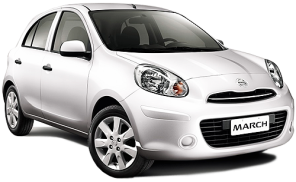
Nissan March
or Similar
From
$3.43/day
Compare car rental deals at La Paz Downtown, La Paz Mexico from trusted global suppliers. Find affordable prices and book your ideal car in minutes.








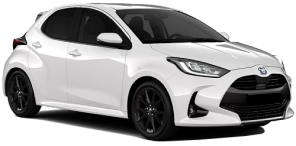
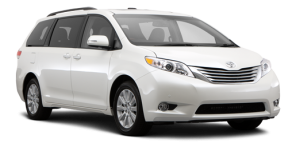
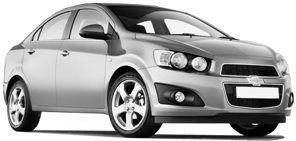
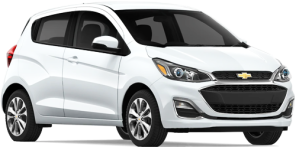
Explore our range of vehicles available in La Paz Downtown.
or Similar
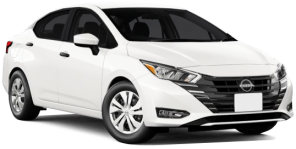
or Similar

or Similar
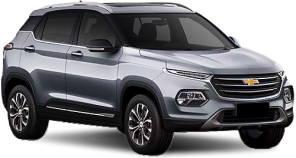
or Similar
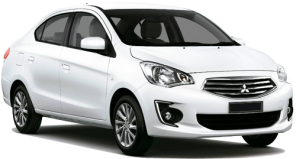
or Similar
or Similar

or Similar

or Similar
or Similar
or Similar

or Similar

or Similar

or Similar

or Similar

or Similar
or Similar

or Similar

or Similar
or Similar

or Similar

or Similar

or Similar
or Similar
or Similar
or Similar

or Similar

or Similar
or Similar
or Similar
or Similar

or Similar
Prices shown are approximate and may vary by booking dates, rental duration, and vehicle class. Check booking options for current pricing.
Discover a world of convenience, safety, and customization, paving the way for unforgettable adventures and seamless mobility solutions.
Receive instant booking confirmation and rental details directly in your email inbox.
Choose from economy cars, sedans, SUVs, luxury vehicles, and vans to match your travel needs and budget.
Pick up your rental car in one city and drop it off in another, perfect for road trips and multi-city travel.
Read verified customer reviews and ratings to help you choose the best rental supplier for your trip.
Complete your car rental reservation in just a few simple steps with instant confirmation.
Enjoy special online deals and seasonal discounts when booking your car rental through our platform.
Essential information about car rental companies, popular cars, rental duration, and prices at La Paz Downtown.
Avis on Paseo Obregón, the main waterfront promenade, leads downtown La Paz with 28% market share, serving a mix of tourists, business travelers, and locals in the state capital.
SUVs are still the most popular, even downtown, as renters plan trips to the surrounding areas. Compacts are for errands and city exploration.
Downtown La Paz rentals average 3-5 days. Many visitors staying in town rent a car for day trips to nearby beaches, the El Triunfo ghost town, or the famous Espiritu Santo Island tours. (Based on 2,200+ local pickups)
The Suzuki Vitara is a popular small SUV for navigating the city and hitting the dirt roads. The Nissan Versa remains the go-to sedan for on-road travel.
Downtown La Paz rates average $46/day. Rentals for weekend trips to the beach are extremely popular among locals.
Compare average car rental prices by month and see how rental rates vary throughout the year in La Paz Downtown.
La Paz Downtown - Winter peak for Sea of Cortez diving and whale watching. Summer offers lower rates. Book 2 months ahead.
* Prices shown are approximate. Original prices are in USD and converted using real-time exchange rates.
Essential driving rules and requirements to know when renting a car.
Get detailed information on driving rules, licence requirements, speed limits and useful local tips.
Renting a car in La Paz Downtown presents a unique set of opportunities and challenges for the international traveler. Unlike relying on taxis or the city’s famous cable car system (Mi Teleférico), a rental car offers the ultimate freedom to navigate the city's dramatic topography and venture out to the breathtaking altiplano at your own pace. While public transport is incredibly cheap, it can be crowded and confusing for non-Spanish speakers. Taxis are plentiful but require negotiating fares, which can be a hassle. A rental car, on the other hand, puts you in the driver's seat, literally, allowing you to discover hidden gems from the luxury of the south zone to the vibrant markets of El Alto.
When considering where to pick up your vehicle, you have two main options: the airport or downtown. Picking up at El Alto International Airport (LPB) is incredibly convenient for starting a road trip immediately, but you will almost certainly pay a premium in the form of airport concession fees and surcharges, which can add 15-20% to your rental cost. Picking up from a downtown La Paz office, concentrated in areas like Sopocachi or near the central bus station, often means lower base rates and you can take your time acclimating to the altitude before getting behind the wheel. However, you'll need to factor in the cost of a taxi or ride-share to get there from the airport. A key money-saving tip for 2026 is to compare the total out-the-door price, including all taxes and fees, for both airport and downtown locations before booking.
| Pickup Location | Advantages | Disadvantages |
|---|---|---|
| El Alto International Airport (LPB) | Immediate access to vehicle upon arrival; ideal for starting a road trip directly; easy to find rental desks in arrivals hall. | Significant airport surcharges and higher taxes; altitude (over 4,000m) can be challenging immediately; limited vehicle availability during peak times. |
| La Paz Downtown (e.g., Sopocachi, Central) | Generally lower rental rates and fees; more time to acclimatize to the altitude before driving; a wider selection of local agencies. | Need to arrange transport from the airport with luggage; navigating one-way systems and steep streets to leave the city can be tricky at first. |
Before you can hit the road, you must meet specific legal and company requirements. The process is straightforward but requires preparation. The primary document you'll need is a valid, full driver's license from your home country. It must have been held for at least one year in most cases. Alongside your license, your passport is mandatory for identification and for the rental agreement. A major credit card in the main driver's name is non-negotiable for the security deposit, which can be a substantial hold of $500 to $1,000 or more, depending on the vehicle category.
Insurance is another critical requirement. Basic third-party liability insurance is typically included in the rental price, but it offers minimal coverage. Most renters opt for a Collision Damage Waiver (CDW) or Theft Protection to reduce their financial responsibility in case of an incident. This can be purchased from the rental company or sometimes through your credit card benefits, though you must verify this with your card issuer and the rental agency in advance. Regarding an International Driving Permit (IDP), while Bolivian law technically requires one in conjunction with your foreign license, enforcement is inconsistent, especially in La Paz. However, police checkpoints are common, and having an IDP can simplify interactions significantly. It’s a small investment for peace of mind and is highly recommended.
| Requirement | Details & Notes |
|---|---|
| Minimum Age | Typically 21-25 years old. Drivers under 25 may incur a "young driver" surcharge. |
| Driver's License | Valid license from your country of residence, held for at least one year. |
| International Driving Permit (IDP) | Strongly recommended alongside your original license, though not always strictly enforced. |
| Passport | Required for identification and to complete the rental agreement. |
| Credit Card | Must be in the driver's name and have sufficient funds for the security deposit. |
| Insurance | Basic liability is included; CDW/Theft protection is highly recommended to limit liability. |
La Paz is a city of extremes, and having your own vehicle unlocks experiences that are difficult, time-consuming, or impossible to reach by public transport. While the city center is walkable and the cable cars offer spectacular views, they only go so far. A rental car gives you the autonomy to explore the rugged beauty of the surrounding Andean landscape on your own schedule. You can spontaneously stop at a viewpoint overlooking the city's canyon-like setting, or detour to a traditional village market without worrying about bus timetables.
For families or small groups, the cost and convenience equation often tips in favor of a rental car. Haggling with multiple taxis for a trip to Valle de la Luna or navigating crowded minibuses (micros) with kids can be stressful. A rental car provides a private, comfortable space with room for jackets, snacks, and shopping finds. It also allows you to combine the high-altitude metropolis with the lunar landscapes of the Cordillera Real and the serene waters of Lake Titicaca in a single, seamless journey. The sense of adventure that comes from driving yourself through one of the world's most dramatic urban settings is an experience in itself.
Travelers to La Paz are met with a mix of familiar global brands and agile local agencies. The international heavyweights like Hertz, Avis, and Budget have a strong presence, particularly at the airport and in the downtown area. These companies offer the reliability of well-maintained fleets, online booking systems, and consistent customer service standards. You'll also find Europcar and Localiza, a major South American player, offering competitive rates. These companies are a safe bet for those who prioritize peace of mind and the ease of a global loyalty program.
On the other hand, local Bolivian rental companies can offer significant savings and more personalized service. Agencies like Óscar Rosa Rent a Car or Cruz de los Andes often have more flexibility with pricing, especially for longer rentals. The trade-off can sometimes be older vehicles, less English proficiency, or simpler insurance policies. For international travelers in 2026, the best approach is often to use an online comparison site to get a broad view of the market, then check the final terms and conditions carefully. This helps you balance the lower price of a local agency with the established reliability of an international brand.
| Company | Price Level (Low / Medium / High) | Pros |
|---|---|---|
| Hertz | Medium / High | Widely recognized, reliable fleet, strong presence at LPB airport, good for corporate travelers. |
| Avis | Medium / High | Global brand consistency, good selection of vehicles, reliable customer support. |
| Budget | Medium | Competitive pricing, good for value-seekers, solid international backing. |
| Europcar | Medium | Strong European brand presence, good selection of manual and automatic vehicles. |
| Localiza | Medium | Well-regarded South American chain, modern fleet, good local knowledge. |
| Local Agencies (e.g., Óscar Rosa) | Low | Best prices, negotiable rates for long-term rentals, personalized service, deep local knowledge. |
Choosing the right car for La Paz is crucial. The city's steep inclines and high altitude (which saps engine power) mean that an underpowered vehicle can be a struggle. While economy cars are tempting for their low price, a compact or mid-size car with a robust engine is a much more practical choice for navigating the hills and merging onto fast-moving highways. SUVs are incredibly popular for good reason; they offer the power, ground clearance, and space ideal for exploring both the city and the rough roads leading to many rural attractions. For larger groups or families, a 7-seater van or minivan provides the necessary space and power. Pickup trucks are also common for those planning serious off-road adventures.
Rental prices in La Paz fluctuate dramatically with the seasons. The dry season (May to October) is the peak tourist time, and prices for all vehicle categories can spike, especially for 4x4s. Conversely, the wetter months (November to April) often see lower demand and better deals, though road conditions can be more challenging. National holidays like Carnival (February/March) also see a surge in prices and limited availability, so booking well in advance is essential. For 2026, travelers can expect to pay a premium during the Bolivian winter (June-August) when the skies are clearest for mountain views.
| Vehicle Category | Example Model | Average Daily Price (USD) |
|---|---|---|
| Small Cars | Toyota Agos / Chevrolet Spark | $35 - $55 |
| Medium Cars | Nissan Versa / Toyota Corolla | $50 - $75 |
| SUVs | Toyota RAV4 / Ford Escape | $80 - $130 |
| Vans | Kia Carnival / Hyundai H-1 | $100 - $160 |
| Luxury Cars | Mitsubishi Montero / Toyota Hilux SW4 | $150 - $250+ |
| Rental Insight | Details |
|---|---|
| Cheapest Month | February (during the rainy season, excluding Carnival week) |
| Most Expensive Month | July (peak of the dry season and summer holidays for northern hemisphere travelers) |
| Average Price (All Cars) | $70 per day |
| A Good Deal | An SUV for under $85 per day in the high season. |
| Cheapest Supplier | Local downtown agencies, especially for cash payments and longer rentals. |
| Cheapest Car Type | Manual transmission economy cars, booked at least a month in advance. |
Driving in Bolivia requires a blend of textbook knowledge and local street smarts. First and foremost, drive on the right side of the road. Speed limits are generally 40 km/h (25 mph) in urban areas, 80 km/h (50 mph) on rural roads, and 100 km/h (62 mph) on highways, though they are frequently treated as suggestions rather than strict limits. The blood alcohol limit is a strict 0.0% for drivers. Bolivia has a zero-tolerance policy, and penalties for drinking and driving are severe. Seatbelts are mandatory for all passengers, and children under 12 are required by law to sit in the back seat. Child seats are not as commonly used by locals but are required by rental companies for the safety of young children.
Road conditions are highly variable. Major highways are generally well-paved, but secondary roads can quickly turn into bumpy, unpaved tracks. In the city, be prepared for potholes, unexpected speed bumps (rompe muelles), and drivers who may not always use turn signals. During the rainy season (December to March), be aware of the risk of landslides or washouts on mountain roads. Between May and August, some routes, especially those at very high altitudes, may require winter tires or chains if snow is forecast, though this is not a standing law but a precaution to check with your rental agency.
| Rule / Condition | Details |
|---|---|
| Driving Side | Right |
| Urban Speed Limit | 40 km/h (25 mph) |
| Rural Road Limit | 80 km/h (50 mph) |
| Highway Limit | 100 km/h (62 mph) |
| Blood Alcohol Limit | 0.0% (Zero Tolerance) |
| Seatbelt Law | Mandatory for all occupants |
| Child Seat Law | Required for young children; highly recommended to bring your own or request from rental company. |
Bolivia has a network of toll roads (peajes) that are generally inexpensive. On major routes leaving La Paz, such as the highway towards Oruro or the new road to the Yungas (Coroico), you will encounter toll booths. The cost is very low by international standards, typically ranging from $1 to $3 USD (converted from Bolivianos). These tolls help maintain the roads, which are often in good condition as a result. Payment is almost always made in cash in the local currency, Bolivianos. It's essential to keep a stash of small bills and coins in your car for this purpose, as attendants rarely have change for large notes. There are no widespread electronic toll collection systems like E-ZPass in Bolivia, so be prepared to stop at every booth.
Parking in the center of La Paz can be one of the more challenging aspects of driving here. Street parking in busy areas like El Prado, the central market, or Sopocachi is often limited and subject to strict regulations. Look out for signs indicating no-parking zones; getting your car towed is a real possibility. In many commercial areas, you will encounter "parking attendants" (often called cuidadores) who will watch your car for a small tip (around 5-10 Bolivianos). While not official, it's customary to pay them for the peace of mind that your car won't be scratched or broken into while parked.
For longer stops or overnight parking, it is highly recommended to use a secure, paid parking garage (estacionamiento). These are plentiful, especially in the Sopocachi and San Jorge neighborhoods. Prices are reasonable, typically around $1-2 per hour or $10-15 for a full day. Many hotels offer private parking for guests, but it's wise to confirm this when booking. Never leave valuables visible in your car, regardless of where you park. The narrow, steep, one-way streets of the city center also require patience and attention when maneuvering into tight parking spots.
Last July, a photographer friend of mine, Sarah, flew into La Paz with a detailed plan to shoot the otherworldly landscapes. She booked a mid-size SUV online from a local agency in Sopocachi, paying about $85 a day. The pickup was smooth, though she was glad she'd brushed up on her Spanish. The first challenge was simply navigating the one-way streets out of the city, which felt like a maze. But once on the open road to Lake Titicaca, the freedom was exhilarating. She spent a full day chasing golden hour light around the Copacabana peninsula, something impossible on a group tour. The only hiccup was a flat tire on a gravel road near the straits of Tiquina. A quick call to the rental agency, and they talked her through using the spare, proving that a little local support goes a long way. She returned the car a week later, dusty but happy, having captured shots she never would have gotten otherwise.
For international travelers, the International Driving Permit (IDP) acts as a standardized translation of your native driver's license. While Bolivian law states that foreign drivers should carry both their original license and an IDP, enforcement in La Paz is inconsistent. However, it is a crucial document to have. If you are stopped by the police (Transito) for a routine check or a minor infraction, presenting an IDP can streamline the process, avoid misunderstandings, and potentially prevent an on-the-spot fine or request for a bribe. It demonstrates that you have taken the local regulations seriously.
Obtaining an IDP is a straightforward process that must be done in your home country before you travel. It is not possible to get one in Bolivia. In the United States, they are issued by the American Automobile Association (AAA) and the American Automobile Touring Alliance. You simply need to visit a local office with your valid driver's license, two passport-sized photos, and a small fee (typically around $20). The permit is valid for one year from the date of issue. Remember, it is merely a translation and is not valid on its own—you must carry your original license from your home country at all times.
Markers show approximate airport or town-centre areas, not confirmed rental desks.
Find airport guides for car rentals, parking, and ground transportation.
Try a different name, city, or IATA code.
Read verified customer reviews, ratings, and rental experiences from travelers who booked through Airport Car Hub.
Overall Rating
No reviews yet for this location. Be the first to share your experience!