Cheap Car Rental Nairobi Airport (NBO), Nairobi - Compare Deals & Book Instantly

Search and compare car rental prices from trusted global suppliers. Find the best deals instantly.


Why book with us?

  • Wide Fleet

    Choose from economy cars, SUVs, luxury vehicles, and more.

  • Free Cancellation

    Flexible booking options with free cancellation on most rentals.

  • 24/7 Customer Support

    Our expert team is available 24/7 to assist you with any questions or concerns.

Available Car Categories

Car Rental Deals in Nairobi Airport (NBO)

Choose from our wide range of vehicles available in Nairobi Airport (NBO).

Economy

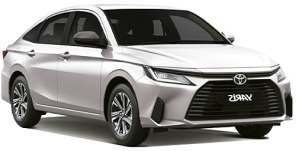
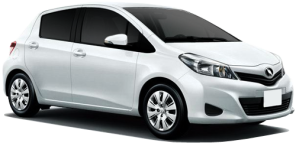
Toyota Vitz or Similar

From $32.21 /day
Toyota Vitz car rental in Nairobi Airport (NBO)

Compact

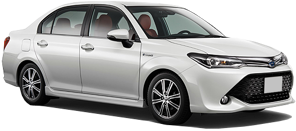
Toyota Axio or Similar

From $32.45 /day
Toyota Axio car rental in Nairobi Airport (NBO)

Intermediate

Toyota Axio Hybrid or Similar

From $37.50 /day
Toyota Axio Hybrid car rental in Nairobi Airport (NBO)

Compact Suv

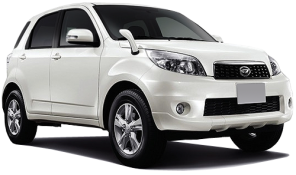
Toyota Rush or Similar

From $71.56 /day
Toyota Rush car rental in Nairobi Airport (NBO)

Mini

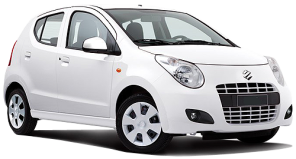
Suzuki Alto or Similar

From $31.36 /day
Suzuki Alto car rental in Nairobi Airport (NBO)

Economy

Toyota Belta or Similar

From $31.66 /day
Toyota Belta car rental in Nairobi Airport (NBO)

Mini

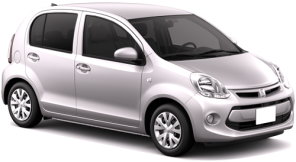
Toyota Passo or Similar

From $32.21 /day
Toyota Passo car rental in Nairobi Airport (NBO)

Compact Estate/wagon

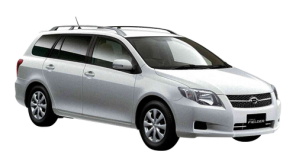
Toyota Fielder or Similar

From $32.45 /day
Toyota Fielder car rental in Nairobi Airport (NBO)

Intermediate

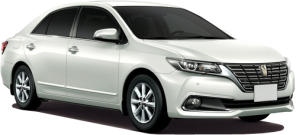
Toyota Premio or Similar

From $52.86 /day
Toyota Premio car rental in Nairobi Airport (NBO)

Standard

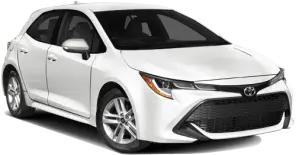
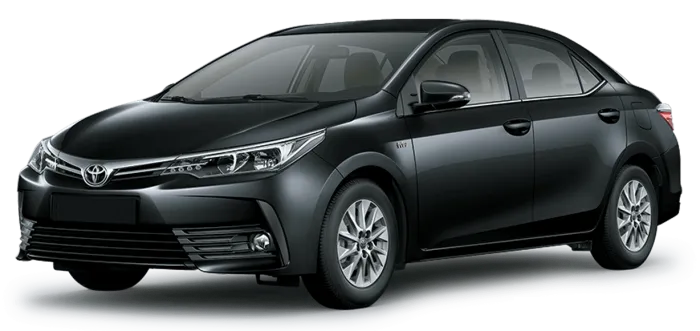
Toyota Corolla or Similar

From $52.94 /day
Toyota Corolla car rental in Nairobi Airport (NBO)

Intermediate Van

Toyota Noah or Similar

From $61.85 /day
Toyota Noah car rental in Nairobi Airport (NBO)

Standard Crossover

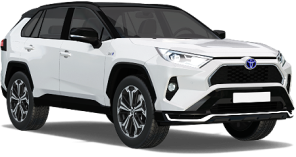
Toyota RAV4 or Similar

From $70.94 /day
Toyota RAV4 car rental in Nairobi Airport (NBO)

Compact Van

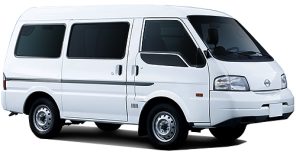
Nissan Vanette or Similar

From $75.17 /day
Nissan Vanette car rental in Nairobi Airport (NBO)

Compact

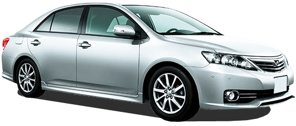
Toyota Allion or Similar

From $79.13 /day
Toyota Allion car rental in Nairobi Airport (NBO)

Full-size Suv

Mitsubishi Pajero or Similar

From $91.79 /day
Mitsubishi Pajero car rental in Nairobi Airport (NBO)

Premium Suv

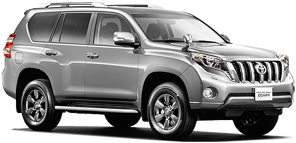
Toyota Land Cruiser Prado or Similar

From $91.79 /day
Toyota Land Cruiser Prado car rental in Nairobi Airport (NBO)

Luxury

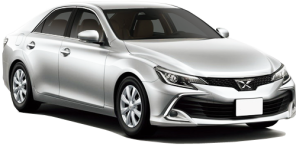
Toyota Mark X or Similar

From $95.48 /day
Toyota Mark X car rental in Nairobi Airport (NBO)

Full-size Suv

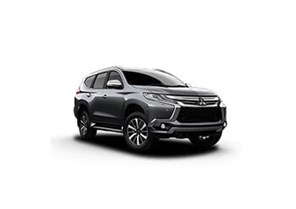
Mitsubishi Pajero Sport or Similar

From $115.21 /day
Mitsubishi Pajero Sport car rental in Nairobi Airport (NBO)
The above prices are only approximate and were last updated at 11:06 on 09/06/26. Prices may vary based on the booking dates, length of rental, and car class.
Why Choose Us

Our Features

Discover a world of convenience, safety, and customization, paving the way for unforgettable adventures and seamless mobility solutions.

Supplier Rating System

Every rental supplier is rated by customers so you can choose trusted providers.

Exclusive Online Discounts

Enjoy special online deals and seasonal discounts when booking your car rental through our platform.

Airport Pickup Options

Find rental cars available at major international airports for convenient pickup immediately after your arrival.

Car Rental Service

City Center Locations

Access rental cars in downtown locations and popular tourist areas for easy travel during your stay.

Secure Online Booking

Book with confidence using our encrypted booking system that protects your personal and payment information.

Multi-Language Platform

Use our platform in multiple languages, making it easy for travelers from around the world to book rental cars.

Rental Guide

Nairobi Airport (NBO), Nairobi Car Rental Facts

Essential information on the best deals, rental providers, and vehicle options in Nairobi Airport (NBO), Nairobi.

Most Popular Agencies

Budget Nairobi Airport (37%)

Budget at Jomo Kenyatta International Airport leads with 37% market share, the primary gateway for safari-bound tourists, business delegations, and NGO missions to East Africa.

Popular Car Types

SUV (45%), 4x4 (30%), Midsize Sedan (15%)

SUVs and 4x4s are mandatory for safaris to the Maasai Mara, Amboseli, and beyond. Sedans are for city business and government travel.

Average Rental Duration

8 Days

Nairobi Airport rentals average 7-8 days, for classic Kenya safaris, business trips combining city and field visits, and volunteer work. (Based on 6,800+ airport pickups)

Most Popular Models

Toyota Land Cruiser 78 Series, Toyota Fortuner

The Toyota Land Cruiser 78 Series (Safari Cruiser) is the ultimate safari vehicle. The Toyota Fortuner is a popular modern SUV for mixed use.

Average Daily Price

$85/day

Nairobi Airport rates average $85/day. Unlimited mileage and a driver-guide option are common for safari packages.

How much does it cost to rent a car at Nairobi Airport (NBO), Nairobi?

Averaging the lowest prices for the economy car category, the data below shows prices for monthly comparisons.

Cheapest Month Average

Apr
Price: $46

Most Expensive Month

Jan
Price: $104

Yearly Average Price

Price: $67

Nairobi Airport - Safari capital. Peak seasons (June-October, December-February). Rainy season lower rates. Business travel year-round. Jomo Kenyatta International. Book 2 months ahead.


Car Rental Nairobi Airport (NBO), Kenya Guide

Stepping out of Jomo Kenyatta International Airport (JKIA) into the vibrant, energetic pulse of Nairobi is an experience in itself. For many international travelers, the first big decision is how to navigate the city and beyond. While taxis and ride-hailing apps like Uber and Bolt are readily available, renting a car at Nairobi Airport (NBO), Kenya offers a level of freedom that public transport simply can’t match. It transforms you from a passive passenger into an active explorer, ready to chart your own course through Kenya's bustling capital and into the wild landscapes beyond. The process is generally streamlined, with rental desks conveniently located in the arrivals terminal, allowing you to be on the road within an hour of landing, bypassing the need to negotiate with taxi touts or drag luggage to a city-center office.

Opting for an airport pickup versus a city center location presents a clear trade-off. The primary advantage of renting directly at Nairobi Airport (NBO), Kenya is sheer convenience—you have immediate transport, which is invaluable after a long-haul flight. However, this convenience often comes with a premium. Many rental companies operating at the airport add a location surcharge, known as a concession fee, which can increase the daily rate by 10-15%. Conversely, picking up a vehicle from a branch in the city center, such as in Westlands or Upper Hill, might offer slightly lower base rates, but you'll first need to factor in the cost and hassle of a taxi to get there. For most visitors, the extra cost for the airport’s convenience is well worth the time and energy saved, especially if you’re arriving late at night. A practical money-saving tip is to compare the total cost—including taxes, fees, and any airport surcharge—before booking, and consider a one-day rental from the airport if you only need the car for a short period, then swapping it for a longer-term rental in the city to avoid daily fees.

Pickup Location Convenience Typical Price Level Pros Cons
Nairobi Airport (NBO), Kenya (JKIA) High - Immediate upon arrival Higher (due to concession fees) Saves time, no need for extra transport to city, 24/7 availability Usually more expensive, can be busy during peak flight arrivals
Nairobi City Center (e.g., Westlands, CBD) Medium - Requires taxi ride Lower (typically no airport surcharge) Potentially cheaper base rates, wider selection of local suppliers Adds extra transport cost and time, navigating city traffic to reach the office

Car Rentals Requirements in Nairobi Airport (NBO), Kenya

Before you arrive, it's crucial to understand the documentation and eligibility requirements for renting a car. Kenyan rental companies, particularly international franchises, adhere to standard protocols, but it’s always wise to be prepared. The minimum age to rent a car in Nairobi is typically 23 years, though some companies may allow drivers as young as 21 for certain vehicle categories. However, drivers under 25 often face a "young driver surcharge," which can add a significant daily fee to the rental cost. A valid driver's license from your home country is generally accepted, provided it has a photograph and is printed in the Roman alphabet (English). If your license uses non-Roman characters (like Arabic, Cyrillic, or Chinese scripts), you will almost certainly be required to present an International Driving Permit (IDP) in conjunction with your original license.

A credit card in the primary driver’s name is non-negotiable for most reputable rental companies. They will place a substantial pre-authorization hold on the card to cover the security deposit (usually between $400 and $1,500 USD depending on the vehicle type). Debit cards are rarely accepted for the deposit, so planning accordingly is essential. You'll also need your passport for identification. Insurance is mandatory, and while the basic collision damage waiver is often included in the advertised price, it typically comes with a high excess (deductible). Travelers are strongly advised to consider purchasing "Super Cover" or a full waiver to reduce this excess to zero, providing peace of mind on unfamiliar roads.

Requirement Details
Minimum Age 21–23 years (surcharge for drivers under 25)
Driver's License Valid national license with photo. International Driving Permit (IDP) required for non-Roman alphabet licenses.
Payment Credit card in driver's name for deposit (Visa/Mastercard most widely accepted).
Identification Valid passport.
Insurance Mandatory. Basic CDW included; excess reduction strongly recommended.

Why Rent a Car in Nairobi Airport (NBO), Kenya

For international travelers, renting a car is about unlocking the authentic rhythm of Kenya. While organized tours have their place, having your own vehicle allows you to discover hidden gems at your own pace. You’re not beholden to a tour guide’s schedule or the limitations of public transport, which can be confusing and overcrowded. A rental car empowers you to spontaneously pull over for a roadside market, take a detour to a scenic viewpoint, or simply enjoy the comfort of air conditioning as you navigate the city. For families or groups, the economics make even more sense; the cost of multiple ride-hailing trips over a week can quickly surpass the daily rate of a rental SUV, and the convenience of having car seats installed and snacks packed in the trunk is invaluable.

The true magic of renting a car in Nairobi is the ability to venture beyond the city limits with ease. The road network, while sometimes congested near the city, connects you to some of the world’s most spectacular destinations. A self-drive safari to Amboseli National Park to see elephants against the backdrop of Mount Kilimanjaro, or a road trip to the Rift Valley viewpoints, becomes not just a possibility, but a memorable adventure. You control the music, the stops, and the tempo of your journey, turning travel into a personal exploration rather than a logistical exercise.

  • Unmatched Freedom: Create your own itinerary, linger at attractions, and make spontaneous stops.
  • Scenic Drives: Experience Kenya’s stunning landscapes on your own terms, from the Ngong Hills to the Great Rift Valley escarpment.
  • Family Convenience: Space for luggage, snacks, and gear; no reliance on taxi availability for groups.
  • Cost-Effective for Longer Trips: Daily rental rates can be more economical than constant ride-hailing for multiple destinations.
  • Airport-to-Wilderness Seamlessness: Transition directly from your flight to a road trip without the need for shuttles or taxis.
  • Safety and Privacy: A private, sanitized vehicle with controlled climate and personal space.

Best Car Rental Companies in Nairobi Airport (NBO), Kenya

The rental landscape at Nairobi Airport (NBO), Kenya is a healthy mix of globally recognized brands and robust local operators. International companies like Hertz, Avis, Europcar, and Sixt are present, offering the familiarity of loyalty programs, standardized fleets, and reliable 24/7 customer support. These are often the go-to choices for business travelers or those seeking the reassurance of a global network. You'll find their counters conveniently lined up in the arrivals hall, making the pickup process highly efficient. Local companies, such as Central Car Hire or smaller independent operators, can sometimes offer more competitive rates, especially for longer rentals, and may have more flexibility with vehicle types like safari-ready Land Cruisers.

Choosing the right company often depends on your priorities. If you prioritize a seamless, no-surprises experience and are willing to pay a premium, a major international brand is a safe bet. If you're looking for value and plan to book a longer-term rental or need a specialized vehicle like a 4x4 for a safari, exploring reputable local companies can yield significant savings. Regardless of which you choose, it's crucial to read the terms and conditions carefully, paying close attention to insurance excess, fuel policies, and mileage limits, which can vary significantly between operators.

Company Price Level Pros
Hertz Medium - High Global reliability, large fleet, excellent loyalty program, consistent service.
Avis Medium - High Well-maintained vehicles, convenient airport location, good for business travelers.
Europcar Medium Strong European presence, competitive rates, good selection of SUVs.
Sixt Medium - High Premium fleet, modern vehicles, stylish options including luxury cars.
Local Operators Low - Medium Often cheaper, specialized safari vehicles available, potentially more flexible.

Popular Car Rental Categories & Prices in Nairobi Airport (NBO), Kenya

The choice of vehicle is a critical decision that will shape your Kenyan adventure. For solo travelers or couples planning to stay within Nairobi, a compact or economy car is perfectly adequate. These vehicles are easier to maneuver through the city's notorious traffic jams and are more fuel-efficient. Models like the Toyota Corolla or Honda Fit are ubiquitous and reliable. However, for anyone planning to venture outside the city—especially on safari to parks like Amboseli, Tsavo, or the Maasai Mara—an SUV is not just a luxury; it's a necessity. A 4x4 vehicle, such as a Toyota RAV4, Nissan X-Trail, or the legendary Toyota Land Cruiser, offers the ground clearance and durability required for the rough, unpaved roads that lead to Kenya's best wildlife destinations.

Pricing is highly dynamic in Nairobi, heavily influenced by seasonality. The high tourist season (July-October, and December-January) sees a significant spike in demand, with prices for popular SUVs often doubling. The low season (April-June, the long rains) offers the best value for travelers willing to brave the wet conditions. Holiday periods like Easter and the December festive season also command premium rates due to high domestic and international travel. Booking well in advance, particularly for peak periods, is essential to secure your preferred vehicle at a reasonable price.

Car Category Average Daily Price (USD) Example Models
Small / Economy Car $35 - $60 Suzuki Swift, Toyota Vitz
Medium Car $50 - $80 Toyota Corolla, Honda Civic
SUV / 4x4 $80 - $150 Toyota RAV4, Nissan X-Trail, Mitsubishi Outlander
Full-Size SUV / Safari Vehicle $120 - $250+ Toyota Land Cruiser, Land Rover Discovery
Luxury Car $100 - $200 Mercedes-Benz C-Class, BMW 3 Series
Family Van / Minivan $80 - $130 Toyota Noah, Nissan Serena
Price Factor Details
Cheapest Month May or June (during the long rainy season)
Most Expensive Month July, August, December
Average Price (Economy Car) $45 - $70 per day
A Good Deal (SUV) Under $90 per day during high season, under $70 during low season
Cheapest Supplier Type Reputable local companies (for longer rentals)
Cheapest Car Type Manual transmission economy cars

Road Trips from Nairobi Airport (NBO), Kenya

Nairobi’s position as a travel hub makes it the perfect launchpad for some of Africa’s most iconic road trips. With a reliable rental car, the journey is as memorable as the destination. Here are a few classic routes to consider:

  • Nairobi to Amboseli National Park: A drive of approximately 240 km (4-5 hours) heading southeast. Highlights include the changing landscape from urban sprawl to the open savannah, views of Mount Kilimanjaro on a clear day, and the sheer volume of wildlife, particularly elephants, in the park. The last stretch involves a dusty, unpaved road, making a 4x4 vehicle essential.
  • Nairobi to Lake Naivasha & Hell's Gate National Park: A relatively short journey of about 100 km (2-3 hours) northwest, mostly on the well-maintained A104 highway. This route is perfect for a weekend trip. Highlights include cycling or walking among zebras and giraffes in Hell's Gate, a boat ride to see hippos on Lake Naivasha, and the stunning views of the Great Rift Valley from the escarpment viewpoint just outside the city.
  • The Great Rift Valley Loop (Naivasha, Nakuru, Baringo): A classic 3-5 day loop covering 400-500 km. The route goes from Nairobi to Naivasha, then north to Nakuru for the flamingos and rhinos in Lake Nakuru National Park, and further north to the quieter, bird-rich Lake Baringo. This journey showcases the diverse geography of the Rift Valley, from freshwater lakes to soda lakes and dramatic escarpments.
  • Nairobi to Tsavo East & West National Parks: A longer safari adventure heading southeast via the Mombasa Road (A109). The drive to the gates of Tsavo East is roughly 330 km (4-5 hours). This vast park is famous for its "red" elephants, maneless lions, and the Yatta Plateau—one of the world’s longest lava flows. It’s a less crowded alternative to the Maasai Mara, offering a more remote wilderness experience.

Driving Rules in Nairobi Airport (NBO), Kenya

Understanding local driving rules is paramount for a safe and stress-free experience. In Kenya, vehicles drive on the left-hand side of the road, a legacy of British colonial rule. This is the most critical rule for international travelers from countries that drive on the right. Speed limits are generally posted but not always strictly enforced in urban areas. The standard limit is 50 km/h (31 mph) within city limits, 80 km/h (50 mph) on the outskirts and single carriageways, and 110 km/h (68 mph) on well-maintained highways and dual carriageways. However, be prepared for the presence of speed bumps (locally called "humps") everywhere—in cities, towns, and even on highways near villages. They are often unmarked, so staying vigilant is essential.

The legal alcohol limit for drivers in Kenya is a breath alcohol concentration of 0.08 mg/L or a blood alcohol limit of 0.08 g/100ml, which is relatively high compared to many European countries. However, this should not be interpreted as leniency; enforcement is increasing, especially with the proliferation of roadside police checkpoints. Wearing seatbelts is mandatory for all passengers, and child seats are required by law for children under 150cm tall. Road conditions can vary dramatically; major highways between cities are generally in good condition, but side roads, rural roads, and roads inside national parks can be rough, potholed, or unpaved. Driving at night is strongly discouraged outside of major urban centers due to poor street lighting, the risk of encountering pedestrians or animals on the road, and increased potential for accidents.

Rule Details
Driving Side Left
Speed Limits 50 km/h (city), 80 km/h (rural/single carriageway), 110 km/h (highway)
Alcohol Limit 0.08 mg/L breath or 0.08 g/100ml blood
Seatbelts Mandatory for all occupants
Child Seats Legally required for children under 150cm

Toll Roads in Nairobi Airport (NBO), Kenya

Currently, the traditional toll road network in Kenya is not as extensive as in many other countries. The main route that operates on a toll basis is the Nairobi Expressway, a modern, elevated highway that runs from JKIA (Nairobi Airport) to Westlands in the city center. This 27-kilometer road is a game-changer for airport travel, bypassing the notoriously heavy traffic of Mombasa Road and Uhuru Highway. It uses a fully electronic toll collection system, similar to an open-road tolling (ORT) system. There are no toll booths where you stop to pay; instead, vehicles are identified via license plate recognition.

For rental car users, this means your rental company will be charged for any tolls incurred on the expressway. It is imperative to ask your rental agent about their specific policy regarding the Nairobi Expressway. Some companies charge a small daily fee to activate the transponder (a device on the windshield), while others will simply bill your credit card for the tolls after your rental period. The cost is based on the distance traveled, typically ranging from $1 to $5 USD per trip. If you plan to use the expressway, ensure your rental car is equipped to use it, as failing to do so can result in fines that are then passed on to you by the rental company.

Parking in Nairobi Airport (NBO), Kenya

Parking in Nairobi can be a daily adventure. In the central business district (CBD) and popular suburbs like Westlands, Kilimani, and Karen, street parking is available but is highly regulated. Most on-street spaces are managed by the Nairobi County Council or private attendants. You'll often see individuals in reflective vests who will "help" you park. While they expect a small tip (around $0.30 - $0.50 USD), they are not official parking attendants. For security and convenience, most visitors opt for paid parking garages or secured lots, which are abundant in malls, office buildings, and hotels. These typically charge by the hour or a flat day rate (usually between $1.50 and $4.00 USD).

The biggest parking challenge is the scarcity of spaces in busy areas. Finding a spot in Westlands on a Friday evening or in the CBD during business hours can require significant patience. A common practice is to utilize the ample and secure parking at major shopping malls like The Village Market, Sarit Centre, or Junction, which often offer free parking for the first couple of hours and a nominal fee thereafter. These malls serve as excellent, safe bases from which to explore the surrounding neighborhoods via a short taxi ride or on foot, avoiding the stress of navigating and parking in congested urban centers.

Tips for Car Rental in Nairobi Airport (NBO), Kenya

  • Book Early, Especially for Peak Season: The best vehicles, particularly 4x4s and SUVs, are snapped up months in advance for the July-October and December holiday seasons. Early booking secures both availability and a better rate.
  • Master the Art of the Airport Surcharge: While picking up at the airport is convenient, be aware of the concession fee. If you're on a tight budget and staying in the city for a few days before a safari, consider taking a taxi from the airport and renting from a city branch to avoid the daily surcharge.
  • Choose Your Insurance Wisely: Never skip on reducing the excess (deductible). The standard insurance often has a high excess (e.g., $1,500). For a relatively small daily fee, you can often reduce this to zero, saving you from potential financial headaches over minor scratches or dents.
  • Check the Fuel Policy: Most companies operate on a "full-to-full" policy. You receive the car with a full tank and must return it full. This is the most economical option. Avoid "full-to-empty" policies where you pay for a full tank upfront and return it empty, as you're paying for fuel you may not use.
  • Inspect the Car Thoroughly: Before driving off, do a detailed walk-around with the agent. Note every scratch, dent, and chip on the agreement form, and take photos or a video as evidence. Pay special attention to the tires, windshield, and undercarriage, especially if you're picking up a 4x4.
  • Rent During Cheaper Months: If your travel dates are flexible, consider visiting during the low season (April-June). You can find rental rates that are 30-50% cheaper than the peak season, and the parks are less crowded, offering a more intimate wildlife experience.
  • Confirm the Mileage Limit: Some cheaper rental deals come with a daily mileage limit (e.g., 200 km/day). If you plan on a long road trip to the coast or the Mara, these limits can add up. Always opt for "unlimited mileage" for peace of mind.

Common Car Rental Mistakes Travelers Make

  • Assuming a Standard Car is Fine for Safari: This is a classic error. A standard sedan will struggle on the rough, rocky, and often muddy roads leading into and within national parks. The lack of ground clearance can result in a damaged undercarriage and a costly repair bill, or worse, a breakdown in the bush.
  • Ignoring the Police Checkpoints: Driving past a police roadblock without stopping or slowing down is a surefire way to get pulled over. Police presence is common on all major routes. Always be prepared to stop, greet officers politely, and have your driver's license, rental agreement, and passport ready if asked.
  • Not Understanding the Deposit Hold: Many travelers are caught off guard by the large pre-authorization hold placed on their credit card. This isn't a charge, but it can tie up a significant portion of your available credit for the duration of the rental, potentially affecting your ability to pay for hotels or other expenses.
  • Driving After Dark Outside the City: Road hazards multiply at night. Poor lighting, pedestrians, unmarked speed bumps, livestock, and broken-down vehicles without lights are common. Many rental contracts even restrict driving outside major cities after sunset. It’s wise to plan your journeys to conclude before dusk.
  • Failing to Return the Car Clean: While a full clean isn't usually mandatory, returning a car that is excessively muddy or dusty, especially after a safari, can result in a cleaning fee. It's a good practice to visit a local car wash (often called "car wash" and very affordable at $3-5) before returning the vehicle.

Real Travel Experience Renting a Car in Nairobi Airport (NBO), Kenya

Arriving bleary-eyed on a red-eye from London, the first thing Sarah did after collecting her luggage was head straight to the Hertz counter in the arrivals hall. She had pre-booked a Toyota RAV4, determined to drive herself to a lodge in Naivasha that afternoon. After a friendly but thorough check of her license and passport, and a significant pre-authorization on her credit card, she was handed the keys. The walk-around inspection felt a bit rushed in the busy parking lot, but she diligently took photos of a pre-existing scratch on the rear bumper. The drive out of Nairobi was an immediate lesson in defensive driving—navigating the matatus, weaving boda bodas, and sudden traffic jams on Mombasa Road. But after a brief, slightly nerve-wracking stop at a police checkpoint where a friendly officer just asked to see her paperwork, she hit the open A104 highway. The feeling of freedom as the urban sprawl gave way to rolling green hills, with the dashboard GPS confidently guiding her towards the Rift Valley, was exhilarating. By the time she was sipping a sundowner on the lodge's veranda, the initial stress had melted away, replaced by the immense satisfaction of having conquered her first Kenyan road trip on her own terms.

International Driving Permit for Travelers Visiting Nairobi Airport (NBO), Kenya

An International Driving Permit (IDP) acts as a standardized translation of your home driver's license. In Kenya, it is not a legal requirement for all visitors. If your national driver's license is already issued in English and features a photograph, it is generally accepted on its own. However, if your license is in a non-Roman alphabet (such as Chinese, Arabic, Russian, or Thai), you are required by Kenyan law to carry an accompanying IDP. Even if you have an English-language license, having an IDP can serve as a useful secondary form of identification and can simplify interactions with rental agents and police officers at roadside checks, who may not be familiar with licenses from every country.

You must obtain an IDP in your home country before you travel, as they are not available in Kenya. They are typically issued by national automobile associations (like AAA in the United States or the AA in the UK). The permit is valid for one year from the date of issue, or for the period of validity of your home license, whichever is shorter. To get one, you'll need to provide two passport-sized photos, your valid driver's license, and pay a small fee. It is a simple, inexpensive form of insurance that can prevent a rental company from denying your booking at the counter or a fine from a traffic officer.

Have Questions?

Frequently Asked Questions about Car Rental at Nairobi Airport (NBO)

To pick up a rental vehicle at Nairobi Airport, you must present a valid driver's license held for at least two years. If your license is not in English or you are from a non-Commonwealth country, an International Driving Permit (IDP) is strongly recommended alongside your original license. You will also need your passport for identification and a physical credit card in the primary driver's name to secure the refundable security deposit. The rental agreement will be signed on arrival, so having your booking confirmation ready helps speed up the process at the counter located in the arrivals hall.

The minimum rental age is typically 23 years old, though this can vary by vehicle category. Renters aged 23 to 24 may be limited to economy cars, sedans, and mid-size SUVs, and they will incur a Young Driver Surcharge ranging from approximately $8 to $25 per day (KES 1,000 to KES 3,000). Drivers aged 25 and older enjoy full access to the fleet, including luxury models and heavy-duty 4x4 safari vehicles, without additional age-related fees. Regardless of age, all primary renters must have held a valid license for a minimum of two years.

Security deposit holds at Nairobi Airport generally range from $230 for a standard economy car up to $3,000 for a premium luxury Land Cruiser or Range Rover (KES 30,000 to KES 400,000). The exact amount is determined by the vehicle category and the insurance package selected. This is a pre-authorization block placed on your credit card, not a direct charge. Provided the vehicle is returned undamaged, on time, and with the correct fuel level, the hold is fully released within 7 to 14 business days following the end of the rental contract.

The industry standard is a full-to-full fuel policy. You will receive the vehicle with a full tank of petrol and are expected to return it with a full tank. If the tank is not full upon return, you will be charged for the missing fuel at a rate per liter that often includes a premium service fee. Pre-paid fuel options are generally not advantageous for tourists as you pay for a full tank regardless of consumption. To avoid extra costs, simply refill at any of the major petrol stations located along Mombasa Road just a few kilometers from the airport terminals.

While some local agencies may permit debit card payments for the rental cost itself, a major credit card is strictly required by most international and reputable local suppliers to hold the security deposit. This is due to the potential for high excess liabilities related to off-road or safari damage. If you only have a debit card, you may be asked to purchase a premium insurance package that reduces the excess to zero. It is essential to verify the specific card acceptance policy with your chosen rental company before arriving at the airport to avoid disappointment.

Yes, basic insurance including Third-Party Liability and a standard Collision Damage Waiver (CDW) is legally mandated and included in your base rate. However, standard CDW carries a significant excess amount (your financial responsibility in case of damage). This excess typically ranges from $230 for economy cars to over $3,000 for luxury SUVs. To lower or eliminate this excess, you can purchase Super Collision Damage Waiver (SCDW) at the counter. This optional add-on provides peace of mind, especially for visitors planning self-drive safaris on unpaved park roads.

While some major roads leading to reserves are tarmacked, accessing Nairobi National Park's inner trails, Masai Mara, or Amboseli requires navigating rough, unpaved, and sometimes muddy terrain. A standard saloon car is not suitable for these conditions. For a safe and comfortable safari experience, a 4x4 vehicle with high ground clearance is highly recommended. Popular options include the Toyota RAV4, Toyota Prado, or Land Cruiser. These vehicles offer better durability against corrugations and potholes than 2WD sedans.

After disembarking and clearing immigration and customs, proceed directly to the main public arrivals hall. Most car rental company desks are conveniently situated within this area, either directly opposite the customs exit or slightly to the left side near the money exchange bureaus. Look for signs indicating 'Car Hire' or 'Car Rental'. If you have a pre-booked reservation, the agency staff will either process your paperwork at the desk and escort you to the parking lot or direct you to a courtesy shuttle stop just outside the terminal doors.

Kenya has several major toll roads managed by the Kenya National Highways Authority, most notably the Nairobi Expressway which connects the airport to Westlands and beyond. Unlike traditional toll booths, the Expressway operates exclusively on an electronic system (ETC). Your rental vehicle should be equipped with an active On-Board Unit (OBU) sticker. Tolls are automatically deducted, and the charges will appear on your final rental invoice based on usage tracked by the gantry system. Parking in the city center requires digital payment via NaiSMS or mobile money apps.

First, ensure your safety and that of your passengers by moving away from traffic if possible. Immediately contact the 24/7 emergency roadside assistance number provided on your rental agreement or key fob. Do not attempt repairs or admit liability at the scene. For accidents involving other parties or injury, you must also report the incident to the nearest police station to obtain a Police Abstract Report; this document is mandatory for processing any insurance claim. The rental company will dispatch a recovery team and arrange a replacement vehicle if the damage is severe.

Yes, additional drivers can be added to the contract at the counter upon arrival. The second driver must be present with their original driver's license and passport to be verified. A daily fee applies, typically around $5 to $10 per day depending on the supplier. Some long-term rental packages or corporate accounts may waive this fee or include a spouse as an authorized driver free of charge. It is critical to list any potential driver, as insurance coverage is void if an unlisted driver is operating the vehicle during an incident.

One-way rentals are possible between Nairobi and Mombasa, but this service is subject to availability and a substantial drop-off surcharge. The fee usually ranges from $150 to $300 to cover the cost of the company returning the vehicle to its home station via driver or transporter. This arrangement must be pre-booked and confirmed in writing; you cannot decide to drop the car off in Mombasa without prior authorization. Given the surcharge, some travelers find it more cost-effective to take the Madaraka Express Train and rent a fresh vehicle at their coastal destination.

Most rentals from international brands and reputable local firms at the airport include unlimited kilometers for travel within Kenya's borders. This is ideal for road trips to destinations like Naivasha, Nakuru, or Amboseli. However, there may be geographic restrictions that prohibit taking certain vehicle classes across the border into Tanzania or Uganda without specific written permission and supplementary insurance. Always check the fine print of your agreement to ensure 'Unlimited' does not exclude specific premium vehicle categories like high-end luxury cruisers.

While GPS units can be rented at the counter for an additional daily fee, most international visitors find mobile navigation apps more reliable. Google Maps provides accurate routing for major highways and city streets in Nairobi. However, for off-grid safari areas with poor network coverage, we recommend downloading offline maps for Kenya on Google Maps or using the dedicated Maps.me app. A local SIM card with a Safaricom data bundle is a cost-effective alternative to expensive international roaming for live traffic updates on the Nairobi Expressway.

Yes, child safety seats and booster seats are available for hire. We strongly advise booking these in advance, at least 48 hours prior to arrival, as inventory at the airport depot is limited. The fee is typically calculated per day, with a maximum cap applied to the total cost of the rental period to ensure affordability for families. Kenyan traffic law requires children under a certain height to be properly restrained. While the rental company can provide the seat, the parent or guardian is responsible for ensuring it is fitted correctly in the vehicle.

Wait times at Jomo Kenyatta International Airport can vary significantly depending on the time of day and flight schedules. During peak morning arrival windows (5:00 AM - 8:00 AM), clearing immigration can take anywhere from 30 to 90 minutes. Evening arrivals generally process faster, often within 20 to 40 minutes. Once you clear customs, picking up your rental car keys is usually a quick 10-minute process. Always add an extra buffer to your schedule if you have an immediate connection or a tour departure upon landing.

Smoking is strictly prohibited inside all airport terminal buildings, including the arrivals hall and the adjacent rental counters. Once you exit the terminal to collect your vehicle from the short-term parking bays, please be aware that these areas are also designated as non-smoking by airport management. The nearest designated smoking zones are located outside the terminal doors at either end of the arrivals curb. All rental vehicles are provided under a strict non-smoking policy; a significant cleaning fee will be charged if evidence of smoking is detected upon return.

Kenya does not use a traditional numeric postal code system in the same way as Europe or North America, so entering a ZIP code into a GPS will often yield no results. Instead, enter 'Jomo Kenyatta International Airport' as your point of interest or search by city: 'Nairobi'. If a system forces a postal code entry for billing address verification, the general code for Nairobi is 00100. For physical navigation, simply follow signs for 'Airport North Road' or 'Mombasa Road' (A109) depending on which terminal you are approaching.

Duty free shopping at Nairobi Airport is located exclusively after security screening in the Departures area and in a small area of the Arrivals hall before you exit through Customs. You cannot re-enter the arrivals baggage hall or the departures lounge once you have cleared customs and entered the public rental car lobby. If you wish to purchase duty free items upon arrival, you must do so immediately after disembarking and before collecting your luggage. There are no duty free concessions accessible from the car rental parking lot.

For the best selection of 4x4 vehicles and the most competitive rates, we recommend booking at least three to four weeks in advance, particularly during peak safari seasons (June through October and December through January). Demand for specialized safari-equipped Land Cruisers and Prados is extremely high during these windows, and last-minute availability is rare. Booking early also locks in a lower daily rate compared to waiting until the week of travel. The cancellation policy is typically flexible, allowing free changes well ahead of the pickup date.

The standard rental agreement for a 4x4 vehicle covers 'unpaved roads' within national parks and reserves, which is necessary to reach most safari lodges. However, this is distinct from 'strict off-roading', which involves leaving designated tracks and driving through virgin bush, crossing deep rivers, or intentional rock crawling. Such activity is strictly prohibited as it voids all insurance coverage and makes you fully liable for all recovery and repair costs. Stick to marked park trails; even a sturdy Land Cruiser will incur charges for undercarriage damage caused by reckless driving.

Absolutely. Rentals exceeding 28 days often qualify for significant monthly discount rates, which can reduce the daily cost by up to 30-40%. Corporate accounts benefit from streamlined billing, VAT invoicing, and reduced security deposit requirements. For long-term hires, it is also possible to negotiate a scheduled maintenance swap plan where the vehicle is exchanged for a freshly serviced unit every 30 days at no extra charge. This ensures corporate travelers and expats enjoy reliable, roadworthy transport without worrying about tire wear or oil changes.

Payment for the rental fees and security deposit can be made using internationally recognized credit cards such as Visa, Mastercard, and American Express. Pre-paid cards and virtual cards are not accepted for the security deposit hold. Some local agencies do accept cash or M-Pesa mobile payments for the rental fee portion only, but a credit card imprint or hold is nearly always required for the damage deposit. To avoid issues with card machines at the counter, it is wise to inform your bank of your travel to Kenya to prevent fraud blocks.

If you provided your flight number during the booking process, the rental agency monitors arrival times and will adjust your pickup window accordingly. The counter will remain staffed for you if the flight is delayed, even beyond regular business hours. If you did not provide a flight number and arrive late causing a 'no-show', the vehicle may be released after a grace period of 60-90 minutes. In case of a significant delay or cancellation, please call the emergency contact number on your voucher to ensure the keys are held for your new arrival time.

Crossing the border into Tanzania with a Kenyan rental vehicle requires prior written authorization from the rental company. This is not automatically granted and incurs a mandatory cross-border fee and a specific insurance endorsement for COMESA Yellow Card coverage. Additionally, you will need a vehicle logbook export document processed at the border, which takes time. Because of the logistics and strict policies regarding luxury vehicles, many clients prefer to rent a car in Kenya, return it at the Namanga border, and walk across to pick up a separate Tanzanian-registered vehicle.

The journey from the airport to the city center begins on Mombasa Road (A109) where the limit is 110 km/h (68 mph), though heavy truck traffic often reduces actual speeds. As you approach the city center and Uhuru Highway, the limit drops to 80 km/h (50 mph) and then 50 km/h (31 mph) in built-up areas. Be vigilant for speed cameras located on gantry signs, especially near Nyayo Stadium and the Museum Hill roundabout. Traffic police with speed guns frequently monitor the Northern Bypass, so adhering strictly to posted limits is essential to avoid instant fines.

Exiting the airport parking lot, follow the clearly marked signs for 'Nairobi City Center / Mombasa Road'. The access road merges directly onto the A109 dual carriageway via a large roundabout. To head towards the city center (Westlands, CBD), take the first exit onto Mombasa Road inbound. To head towards Athi River, Kitengela, or Amboseli National Park, take the third exit onto Mombasa Road outbound. If you wish to use the elevated Nairobi Expressway to skip traffic, look for the ramp entrance on your left immediately after leaving the airport perimeter.