Cheap Car Rental Nairobi, Kenya - Compare Deals & Book Instantly
Search and compare car rental prices from trusted global suppliers. Find the best deals instantly.
Why book with us?
-
Wide Fleet
Choose from economy cars, SUVs, luxury vehicles, and more.
-
Free Cancellation
Flexible booking options with free cancellation on most rentals.
-
24/7 Customer Support
Our expert team is available 24/7 to assist you with any questions or concerns.
Compare top international car rental brands and choose the best deal for your trip.






Car Rental Deals in Nairobi
Choose from our wide range of vehicles available in Nairobi.
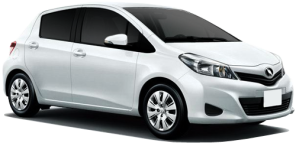
EconomyToyota Vitz or Similar
From
$32.21
/day
|
|
|||
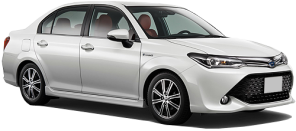
CompactToyota Axio or Similar
From
$32.45
/day
|
|
|||
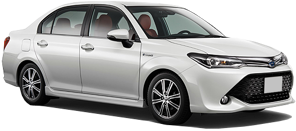
IntermediateToyota Axio Hybrid or Similar
From
$37.50
/day
|
|
|||
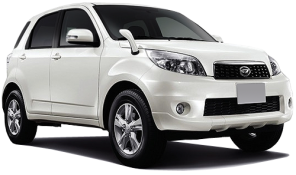
Compact SuvToyota Rush or Similar
From
$71.56
/day
|
|
|||
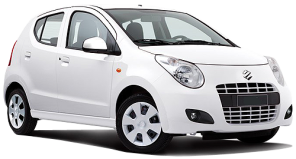
MiniSuzuki Alto or Similar
From
$31.36
/day
|
|
|||
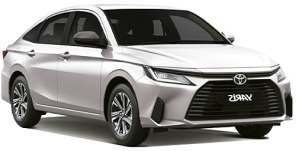
EconomyToyota Belta or Similar
From
$31.66
/day
|
|
|||
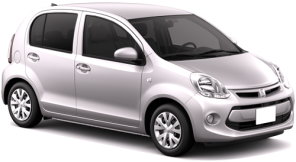
MiniToyota Passo or Similar
From
$32.21
/day
|
|
|||
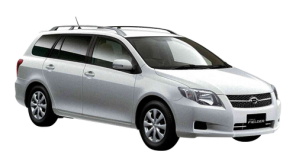
Compact Estate/wagonToyota Fielder or Similar
From
$32.45
/day
|
|
|||
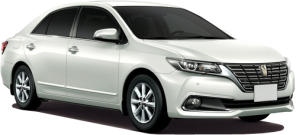
IntermediateToyota Premio or Similar
From
$52.86
/day
|
|
|||
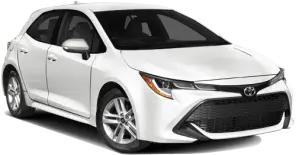
StandardToyota Corolla or Similar
From
$52.94
/day
|
|
|||
Intermediate VanToyota Noah or Similar
From
$61.85
/day
|

|
|||
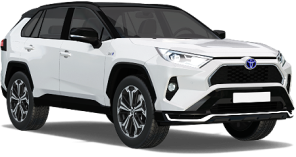
Standard CrossoverToyota RAV4 or Similar
From
$70.94
/day
|
|
|||
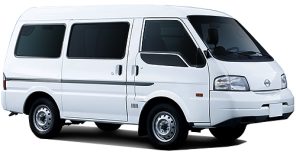
Compact VanNissan Vanette or Similar
From
$75.17
/day
|
|
|||
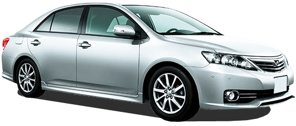
CompactToyota Allion or Similar
From
$79.13
/day
|
|
|||
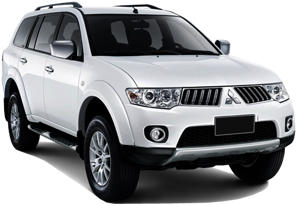
Full-size SuvMitsubishi Pajero or Similar
From
$91.79
/day
|
|
|||
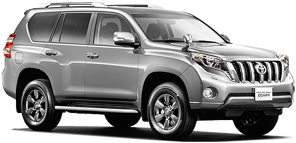
Premium SuvToyota Land Cruiser Prado or Similar
From
$91.79
/day
|
|
|||
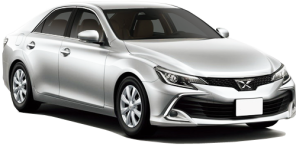
LuxuryToyota Mark X or Similar
From
$95.48
/day
|
|
|||
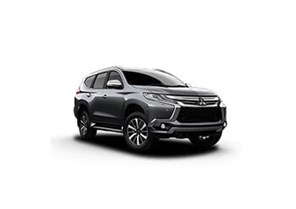
Full-size SuvMitsubishi Pajero Sport or Similar
From
$115.21
/day
|
|
|||
Our Features
Discover a world of convenience, safety, and customization, paving the way for unforgettable adventures and seamless mobility solutions.
Thousands of Pickup Locations
Search from thousands of pickup locations including airports, train stations, and city centers worldwide.
Customer Support
Our support team is available to help with booking questions, modifications, or cancellations.
Exclusive Online Discounts
Enjoy special online deals and seasonal discounts when booking your car rental through our platform.
Optional Full Coverage
Protect your rental with optional full coverage insurance for additional peace of mind during your trip.
Highly Rated Suppliers
We highlight top-rated suppliers based on verified customer reviews and service quality.
Easy Booking Management
Manage, modify, or cancel your booking easily through your confirmation link or account.
Nairobi, Kenya Car Rental Facts
Essential information on the best deals, rental providers, and vehicle options in Nairobi, Kenya.
Most Popular Agencies
Avis leads Trelew with 35% market share, serving visitors heading to the Valdes Peninsula and Punta Tombo penguin colonies.
Popular Car Types
SUVs dominate at 50% for navigating Patagonian gravel roads to wildlife reserves. Pickup trucks popular for rural exploration.
Average Rental Duration
Trelew rentals average 4-5 days, combining Valdes Peninsula whale watching (seasonal), Punta Tombo penguin colonies, and Welsh heritage sites in Gaiman. (Based on 2,100+ local pickups)
Most Popular Models
The Toyota Hilux leads for its durability on Patagonian roads. Ford Ranger favored for wildlife reserve access.
Average Daily Price
Trelew rates average $48/day. Whale season (June-December) sees higher demand with weekly rentals from $290.
How much does it cost to rent a car at Nairobi, Kenya?
Averaging the lowest prices for the economy car category, the data below shows prices for monthly comparisons.
Cheapest Month Average
JunMost Expensive Month
JanYearly Average Price
Trelew Welsh heritage and paleontology. Summer peak for tourism. Book 2 months ahead.
Driving Laws & Information for Kenya
Essential driving rules and requirements to know when renting a car
Driving Side
Left
Minimum Age
18 to drive
Blood Alcohol Limit
0.08% maximum
IDP Required?
Sometimes International Driving Permit
Speed Units
km/h
Seat Belt
Required
Toll Roads
No
Emergency
112 emergency number
Car Rental Nairobi, Kenya Guide
Renting a car in Nairobi, Kenya, is one of the most liberating decisions a traveler can make. While the city has a bustling network of matatus (local minibuses) and ride-hailing apps like Uber and Bolt, these options often come with limitations for visitors. Matatus can be confusing for newcomers, with routes that are not clearly marked, while relying on ride-hailing for multi-day safaris or trips to nearby national parks quickly becomes expensive and impractical. A rental car transforms your visit from navigating a complex public transport system to commanding your own itinerary, offering the freedom to explore both the urban pulse and the wild landscapes that surround it.
When picking up your vehicle, you have two primary choices: the airport or a city center location. Jomo Kenyatta International Airport (JKIA) is the main hub for international arrivals and offers a convenient "grab-and-go" experience. However, this convenience often comes with an airport surcharge, which can add a significant premium to your daily rental rate—sometimes 10% to 15% higher than city locations. Conversely, picking up from a branch in neighborhoods like Westlands, Upper Hill, or the Central Business District (CBD) can save you money but requires an initial taxi ride into the city. A savvy money-saving tip is to book a one-way rental: pick up at the airport, drop off in the city (or vice versa) to balance convenience and cost, though always check if a one-way fee applies.
| Pickup Location | Advantages | Disadvantages |
|---|---|---|
| Jomo Kenyatta International Airport (JKIA) | Immediate access upon arrival; easy to find with rental desks in the arrivals terminal. | Often includes an airport surcharge; can be chaotic during peak international flight arrivals. |
| Wilson Airport | Ideal for travelers connecting to domestic flights or safari airstrips; less crowded than JKIA. | Smaller selection of rental companies; primarily serves domestic flyers. |
| City Center (Westlands, CBD, Upper Hill) | Lower rates without airport fees; easier to inspect the car in daylight without the airport rush. | Requires transport from the airport to the city; navigating city traffic to exit can be time-consuming. |
Car Rentals Requirements in Nairobi, Kenya
Understanding the rental requirements before you travel is crucial to a smooth pickup experience. The minimum age to rent a car in Nairobi, Kenya, is typically 23 years old, though some luxury or specialty vehicles may require drivers to be 25 or older. A valid driver's license from your home country is accepted, provided it is printed in English or accompanied by a certified translation. However, for the sake of clarity and to avoid any potential issues with local traffic police, obtaining an International Driving Permit (IDP) is highly recommended. The IDP serves as a standardized translation of your license and is often expected by rental agents.
You will need a physical credit card in your name for the security deposit. Debit cards are rarely accepted for this purpose due to the nature of the hold placed on funds. Your passport is also mandatory for identification. Regarding insurance, basic third-party liability is included in the rental rate, but this often leaves you exposed to high excess fees for damage to the rental vehicle itself. Opting for a Super Collision Damage Waiver (SCDW) or a full insurance package to reduce your excess to zero is a wise investment, given the variable road conditions outside the city.
| Requirement | Details |
|---|---|
| Minimum Age | 23–25 years (varies by company and vehicle class) |
| Driver's License | Valid home license (English); International Driving Permit (IDP) strongly recommended |
| Payment | Physical Credit Card (Visa/Mastercard) in renter's name for deposit |
| Identification | Passport (original, not a copy) |
| Insurance | Collision Damage Waiver (CDW) mandatory; additional insurance to reduce excess is advised |
Why Rent a Car in Nairobi, Kenya
Renting a car in Nairobi, Kenya, unlocks the city's true potential. Nairobi is a sprawling metropolis, and its attractions are not clustered in one walkable downtown area. With your own vehicle, you can effortlessly transition from the corporate skyscrapers of Upper Hill to the giraffe-spotting at the Nairobi Giraffe Centre in Lang'ata, then drive 20 minutes to the gate of Nairobi National Park—the world's only wildlife capital. This level of logistical agility is simply not possible with public transport, which often requires multiple transfers and long waits.
For travelers planning to venture beyond the city limits, a rental car is not just a convenience; it is a necessity for a self-guided adventure. The road networks connecting Nairobi to destinations like the Rift Valley, Mount Kenya, or the coastal highway to Mombasa are well-established. Having your own vehicle allows you to stop spontaneously for roadside fruit markets, capture that perfect photograph of the Great Rift Valley viewpoint, or detour to a local artisan market. It gives families the space they need and provides the flexibility to adjust plans based on weather or local recommendations.
- Unmatched Freedom: Create your own itinerary without relying on taxi schedules or tour group timelines.
- Scenic Drives: Experience the stunning landscapes of the Great Rift Valley and Ngong Hills at your own pace.
- Wildlife at Your Doorstep: Drive yourself through Nairobi National Park for a self-guided safari.
- Convenience for Families: Travel comfortably with luggage, car seats, and ample space without negotiating with multiple taxis.
- Cost-Effective for Groups: For groups of three or more, a rental car often costs less than hiring a private driver for multiple days.
- Access to Hidden Gems: Easily reach local eateries, coffee farms in Kiambu, and artisan workshops off the beaten tourist path.
Best Car Rental Companies in Nairobi, Kenya
Travelers renting a car in Nairobi, Kenya, can choose between established international chains and reputable local suppliers. International names like Hertz, Avis, Europcar, and Sixt are present in Nairobi and offer standardized vehicles, predictable service levels, and robust loyalty programs. These are excellent choices for travelers who want the reassurance of a global brand, particularly for pickups at JKIA where their desks are prominently located. Local companies, on the other hand, often provide more competitive rates and greater flexibility, especially for long-term rentals or one-way trips to other cities like Mombasa or Kisumu.
When selecting a company, pay close attention to customer reviews regarding vehicle condition and the transparency of the deposit return process. While international chains offer consistency, local operators sometimes have a deeper understanding of the specific needs for regional travel, such as providing vehicles with higher ground clearance for rural roads without the premium price tag of a luxury SUV brand.
| Company | Price Level | Pros |
|---|---|---|
| Hertz | Medium / High | Large fleet, reliable airport presence, excellent for premium and SUV models. |
| Avis | Medium | Well-maintained fleet, convenient city and airport locations, good for business travelers. |
| Europcar | Medium | Strong European presence, competitive rates for compact cars, good customer service. |
| Sixt | Medium / High | Excellent for luxury and sports car rentals, modern fleet. |
| Local Suppliers | Low / Medium | Often cheaper rates, personalized service, more flexible with off-road vehicle rentals. |
Popular Car Rental Categories & Prices in Nairobi, Kenya
In Nairobi, Kenya, the choice of vehicle often dictates the scope of your adventure. Economy and compact cars, such as the Suzuki Swift or Toyota Axio, dominate city rentals due to their fuel efficiency and ease of navigating tight urban streets and parking. However, for the quintessential Nairobi experience—which often involves a safari drive—an SUV is the vehicle of choice. The Toyota RAV4, Nissan X-Trail, and the legendary Toyota Land Cruiser are ubiquitous. A Land Cruiser is virtually mandatory for travelers planning to drive themselves into more rugged safari circuits in Maasai Mara or Amboseli, as it handles the rough terrain and seasonal mud with unmatched capability.
Rental prices in Nairobi fluctuate significantly based on demand. The high tourist season, generally from June to October and December to March, sees prices spike, sometimes by 30% to 50%. Low season months like April, May, and November (coinciding with the long rains) offer the best deals. It is also wise to book well in advance for holidays like Christmas, New Year, and Easter, as availability for 4x4 vehicles becomes extremely limited.
| Car Category | Average Daily Price (USD) |
|---|---|
| Small / Economy Car | $45 – $70 |
| Medium / Compact SUV | $70 – $100 |
| Full-Size SUV (e.g., RAV4, X-Trail) | $100 – $150 |
| 4x4 / Safari Vehicle (e.g., Land Cruiser) | $150 – $250 |
| Luxury / Premium Car | $120 – $300+ |
| Pricing Factor | Details |
|---|---|
| Cheapest Month | May (during the rainy season, demand is lowest) |
| Most Expensive Month | December (peak holiday season with high tourist volume) |
| Average Price (Full-Size SUV) | $110 – $130 per day |
| A Good Deal | Weekly rentals with unlimited mileage included during low season |
| Cheapest Supplier Type | Local companies outside the airport terminals |
| Cheapest Car Type | Manual transmission economy cars |
Road Trips from Nairobi, Kenya
Nairobi serves as the perfect launchpad for some of East Africa’s most iconic road trips. The country’s highway network, particularly the newly upgraded expressways, makes these journeys accessible for confident drivers. Here are some essential self-drive routes to consider:
- Nairobi, Kenya to Hell’s Gate National Park (Naivasha): Approximately 95 km (1.5–2 hours). A favorite for its unique landscape where you can cycle or walk among wildlife. The drive follows the Nairobi-Nakuru highway, offering stunning views of the Rift Valley escarpment at the viewpoint near Limuru.
- Nairobi, Kenya to Amboseli National Park: Approximately 240 km (4–5 hours). The drive south towards the Tanzanian border rewards you with spectacular views of Mount Kilimanjaro. This route is best done in a 4x4, as the roads near the park can be rough, particularly after rains.
- Nairobi, Kenya to Maasai Mara National Reserve: Approximately 270 km (5–6 hours). This is the classic safari drive. While the road is paved to the town of Narok, the final stretch into the Mara is a challenging dirt road. A high-clearance 4x4 is non-negotiable here.
- Nairobi, Kenya to Mount Kenya (Nanyuki): Approximately 200 km (3–4 hours). Head north on the A2 highway, passing through the equator and climbing towards the base of Kenya’s highest mountain. This route is scenic, well-paved, and offers opportunities for trekking and wildlife at the Ol Pejeta Conservancy.
- The "Rift Valley Circuit": A loop from Nairobi, Kenya, to Lake Nakuru, Lake Bogoria, and Lake Baringo. This route (about 300 km of driving over 2-3 days) showcases the volcanic landscape, hot springs, and vibrant flamingo populations of the Rift Valley.
Driving Rules in Nairobi, Kenya
Driving in Nairobi, Kenya, requires attentiveness and a good understanding of local traffic culture. Vehicles drive on the left-hand side of the road, and the steering wheel is on the right. Speed limits are strictly enforced, especially by mobile police units with radar guns. The general speed limit within city limits is 50 km/h, while on highways it is 100 km/h (110 km/h on newer expressways). The blood alcohol limit is a strict 0.08%, but the safest policy is to have no alcohol when driving, as enforcement checkpoints (commonly known as "roadblocks") are frequent, especially on weekend evenings.
Seatbelts are mandatory for all occupants, and children under the age of 12 are required to use appropriate car seats, though these are seldom included in rentals unless specifically requested. Road conditions vary dramatically; while main arteries in Nairobi and major highways like the Mombasa Road and Thika Road are well-paved, rural roads and streets in residential suburbs can be riddled with potholes, especially after the rainy seasons. Winter tires are not a concern in this equatorial region, but high ground clearance is a practical advantage.
| Rule | Regulation |
|---|---|
| Driving Side | Left |
| Urban Speed Limit | 50 km/h (30 mph) |
| Rural / Highway Speed Limit | 100–110 km/h (62–68 mph) |
| Blood Alcohol Limit | 0.08% (zero-tolerance strongly advised) |
| Seatbelt | Mandatory for all passengers |
| Child Restraint | Required for children under 12 years |
Toll Roads in Nairobi, Kenya
Nairobi, Kenya, introduced its first major toll road, the Nairobi Expressway, which runs from JKIA to Westlands. This elevated highway is a game-changer for avoiding the notorious gridlock of Modes) Boulevard and Uhuru Highway. The toll is paid electronically via a transponder card (similar to a V-Pass) that is linked to your rental car. Most rental companies will preload this card with a small amount of credit and bill you for the actual usage at the end of your rental. The cost varies by distance, typically ranging from $1.50 to $3.50 per passage. It is essential to clarify with your rental agent whether the vehicle is equipped with the toll pass and how charges are handled. Do not attempt to go through the "Cash" lanes without the proper pass, as they are now exclusively for vehicles with the electronic tag.
Parking in Nairobi, Kenya
Parking in central Nairobi, Kenya, is predominantly paid and managed by the Nairobi County Council. In the Central Business District (CBD) and upscale areas like Westlands and Kilimani, you will find both street parking and secure parking garages. Street parking is typically managed by uniformed parking attendants who will issue a ticket upon your arrival. It is crucial to pay the attendant immediately and display the ticket on your dashboard to avoid being clamped or towed. Expect to pay around $0.50 to $1.00 per hour for street parking. For longer stays or overnight parking, it is highly advisable to use private, secure parking garages attached to hotels, shopping malls (like Village Market, The Hub Karen, or Two Rivers), or office buildings. The biggest challenge in Nairobi is the lack of available parking in busy areas during weekdays, and navigating narrow, bumpy roads in residential neighborhoods where parking is often on the curb.
Tips for Car Rental in Nairobi, Kenya
A few strategic moves can make the difference between a seamless adventure and a logistical headache. Here are practical tips for navigating the car rental scene in Nairobi, Kenya:
- Book Early, Especially for 4x4s: The demand for SUVs and Land Cruisers often outstrips supply, particularly during safari seasons. Reserve your vehicle at least a few weeks in advance to secure the model you need.
- Avoid the Airport Surcharge: If you are on a budget and arriving during the day, consider taking a taxi to a city branch to pick up your car, saving the 10-15% airport premium.
- Inspect the Vehicle Thoroughly: Before driving off, take photos and videos of the car's exterior and interior. Note any pre-existing scratches or dents on the rental agreement to avoid disputes later.
- Choose the Right Insurance: Do not rely on the basic CDW. Purchase the "super" waiver or zero-excess insurance. The peace of mind is worth the extra daily cost, especially given the varied road conditions.
- Check the Spare Tire and Jack: In Nairobi, a flat tire is a common occurrence. Ensure the spare is in good condition and you know how to access the jack before you leave the parking lot.
- Clarify the Fuel Policy: Most rentals operate on a "full-to-full" policy. Confirm this and locate a reliable gas station (like Total, Shell, or Rubis) near the return point to fill up before drop-off.
- Rent During the "Green" Season: Plan your trip for the low season months (April, May, November) to secure the lowest rental rates and better availability.
Common Car Rental Mistakes Travelers Make
Even seasoned travelers can fall into common traps when renting a car in Nairobi, Kenya. Being aware of these pitfalls can save you time, money, and stress:
- Ignoring the "Kenya" Specifics: Renting a standard sedan but planning a trip to Maasai Mara. Always match the vehicle to your itinerary. For any unpaved road, a 4x4 with high clearance is a necessity.
- Not Budgeting for Fuel: Fuel prices in Kenya are among the highest in the region. Underestimating consumption, especially in a heavy SUV, can blow your daily budget.
- Assuming All Roads Are Paved: Driving in Nairobi and on main highways is fine, but many tourist sites and shortcuts are on rough, unpaved roads. Do not trust GPS navigation blindly; it often suggests "shortcuts" that are actually treacherous dirt paths.
- Skipping the Vehicle Inspection: Failing to document existing damage can lead to being charged for previous wear and tear upon return. Take that pre-departure video!
- Overlooking the Excess (Deductible): Assuming the included insurance covers everything. The standard CDW often has a high excess ($500–$1,500). Failing to buy down that excess can be a costly mistake if an accident occurs.
- Driving After Dark: Driving outside of major cities at night is strongly discouraged. Roads lack lighting, and the risk of encountering pedestrians, livestock, or vehicles without lights is extremely high. Plan your drives to finish before dusk.
Real Travel Experience Renting a Car in Nairobi, Kenya
Sarah and Tom arrived at JKIA after a long flight, tired but excited. They had pre-booked a Toyota RAV4 from a local supplier recommended by their Airbnb host. After navigating the lively arrivals hall, they met the agent who brought the car around. Instead of rushing, they spent 15 minutes walking around the vehicle, marking every tiny scratch on a diagram and filming a slow video for their records. Satisfied, they programmed the GPS to their first stop: the Giraffe Centre. The drive was their first taste of Nairobi traffic—a chaotic but strangely rhythmic flow of matatus, pedestrians, and motorbikes. Tom quickly learned the art of the "polite wave" to merge lanes. Over the next week, that RAV4 became their base camp. It took them on a smooth ride up to Lake Naivasha where they saw hippos, and handled a surprisingly rough access road to a coffee farm in Kiambu. The biggest test came on a day trip to the Ngong Hills, where they had to carefully navigate a steep, rocky section, but the vehicle’s clearance gave them the confidence to make it to the top for a breathtaking picnic.
International Driving Permit for Travelers Visiting Nairobi, Kenya
For travelers planning to rent a car in Nairobi, Kenya, obtaining an International Driving Permit (IDP) is a prudent step. While Kenyan law permits driving with a valid license from your country of origin if it is in English, an IDP serves as a universally recognized translation. This is particularly useful during traffic stops, as it provides local authorities with a clear, standardized version of your credentials, eliminating any language barriers or questions about license validity. You must obtain the IDP in your home country before you travel, as they cannot be issued in Kenya. Typically issued by national automobile associations (like AAA in the US or the AA in the UK), the permit is valid for one year from the date of issue and must be carried alongside your original driver’s license and passport at all times. Presenting an IDP alongside your home license demonstrates preparedness and can significantly streamline interactions with rental agencies and law enforcement.
Car Rental Locations in Nairobi
Discover More Kenya Car Rental Destinations
Other Car Rental Locations in Kenya
Major Airports in Kenya
Complete airport guides with car rental information, parking, and transportation options
Frequently Asked Questions about Car Rental in Nairobi
Nairobi, Kenya Car Rental Reviews & Customer Ratings
Read verified customer reviews, ratings, and rental experiences from travelers who booked through Airport Rento.
Overall Rating
No reviews yet for this location. Be the first to share your experience!