Cheap Car Rental Port Au Prince Downtown, Port Au Prince - Compare Deals & Book Instantly
Search and compare car rental prices from trusted global suppliers. Find the best deals instantly.
Why book with us?
-
Wide Fleet
Choose from economy cars, SUVs, luxury vehicles, and more.
-
Free Cancellation
Flexible booking options with free cancellation on most rentals.
-
24/7 Customer Support
Our expert team is available 24/7 to assist you with any questions or concerns.
Compare top international car rental brands and choose the best deal for your trip.








Car Rental Deals in Port Au Prince Downtown
Choose from our wide range of vehicles available in Port Au Prince Downtown.
Standard Regular Cab PickupFord Ranger or Similar
From
$103.33
/day
|

|
|||
Compact SuvSuzuki Vitara or Similar
From
$57.79
/day
|

|
|||
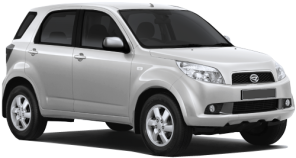
Economy SuvDaihatsu Terios or Similar
From
$57.79
/day
|
|
|||
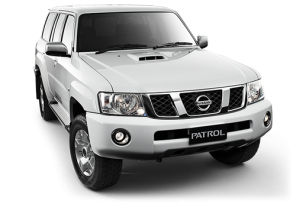
Standard SuvNissan Patrol or Similar
From
$95.05
/day
|
|
|||
Premium SuvMitsubishi Montero or Similar
From
$105.81
/day
|

|
|||
Our Features
Discover a world of convenience, safety, and customization, paving the way for unforgettable adventures and seamless mobility solutions.
Road Trip Friendly Options
Find rental cars with unlimited mileage and one-way rental options perfect for long road trips.
Exclusive Online Discounts
Enjoy special online deals and seasonal discounts when booking your car rental through our platform.
Multiple Currency Support
View prices and pay in various currencies for a convenient global booking experience.
Supplier Rating System
Every rental supplier is rated by customers so you can choose trusted providers.
Thousands of Pickup Locations
Search from thousands of pickup locations including airports, train stations, and city centers worldwide.
Clear Rental Policies
Access complete rental policies including driver age limits, fuel rules, and deposit conditions.
Port Au Prince Downtown, Port Au Prince Car Rental Facts
Essential information on the best deals, rental providers, and vehicle options in Port Au Prince Downtown, Port Au Prince.
Most Popular Agencies
Avis near Innsbruck Airport leads with 34% market share, providing convenient access for skiers and summer tourists heading into the Tyrolean Alps.
Popular Car Types
SUVs lead at 40% for Alpine touring. 4x4 vehicles serve skiers and those heading to higher altitude resorts.
Average Rental Duration
Innsbruck Airport Area rentals average 4-6 days for ski holidays, hiking trips, and exploring the Zillertal and Ötztal valleys. (Based on 2,800+ local pickups)
Most Popular Models
The Mercedes-Benz GLC offers luxury SUV comfort with 4MATIC all-wheel drive. The VW Tiguan provides reliable Alpine performance.
Average Daily Price
Innsbruck Airport Area rates average $65/day. Winter and summer peak seasons see strong demand.
How much does it cost to rent a car at Port Au Prince Downtown, Port Au Prince?
Averaging the lowest prices for the economy car category, the data below shows prices for monthly comparisons.
Cheapest Month Average
JanMost Expensive Month
FebYearly Average Price
Innsbruck Airport Area - Winter ski season (December-March) peak prices. Summer hiking and tourism. Christmas market (December) busy. Airport vicinity. Book 2-3 months ahead for ski season.
Driving Laws & Information for Haiti
Essential driving rules and requirements to know when renting a car
Driving Side
Right
Minimum Age
18 to drive
Blood Alcohol Limit
0.08% maximum
IDP Required?
Yes International Driving Permit
Speed Units
km/h
Seat Belt
Required
Toll Roads
Yes
Emergency
114 emergency number
Car Rental Port Au Prince Downtown, Haiti Guide
Renting a car in Port Au Prince Downtown, Haiti, is a definitive step towards unlocking the true spirit of this vibrant Caribbean nation. For the international traveler, navigating the city’s pulse often begins with a choice: rely on local taxis and tap-taps (the colorful, shared public buses), or take the wheel yourself. While taxis are readily available and tap-taps offer an authentic, if adventurous, local experience, neither provides the freedom, flexibility, or safety of a private rental car. A rental vehicle allows you to set your own itinerary, explore off-the-beaten-path locations, and travel on your own schedule without the language barriers or haggling that can sometimes accompany other transport methods.
The primary hubs for car rentals are centered around the Toussaint Louverture International Airport (PAP), which is just a short drive north of the city center, and various locations within the downtown core itself. Picking up your vehicle at the airport offers the ultimate convenience—you can walk from baggage claim to the rental counter and be on your way without navigating the city with luggage in tow. However, this convenience often comes with a significant airport surcharge, which can add 15-25% to your total rental cost. Conversely, picking up a car from a downtown office can be more economical, but it requires first arranging transport from the airport to that office, usually via a taxi. A savvy money-saving tip is to compare the total cost (including the airport fee) and consider renting for a shorter duration from the airport, then switching to a downtown location for an extended stay, or simply booking a taxi to a downtown agency to begin your journey.
| Pickup Location | Advantages | Disadvantages |
|---|---|---|
| Toussaint Louverture International Airport (PAP) | Maximum convenience upon arrival, counters from major international brands, immediate access to your vehicle. | Higher rental rates due to airport surcharges, can be busy with long queues during peak flight arrivals. |
| Port Au Prince Downtown Offices | Generally lower daily rates, often more flexibility with local suppliers, better for long-term rentals. | Requires a taxi ride from the airport to reach, office hours may be more limited than the airport location. |
Car Rentals Requirements in Port Au Prince Downtown, Haiti
Before you book, it’s crucial to understand the documentation and eligibility requirements to ensure a smooth pickup. Rental agencies in Port Au Prince Downtown, Haiti, are generally thorough with their checks, as regulations are strictly enforced for insurance and security purposes. Being prepared with the correct paperwork will save you time and potential disappointment at the counter.
The cornerstone of your rental will be a valid, unexpired driver’s license from your country of residence. Alongside this, you must present a valid passport with a Haitian tourist visa or entry stamp, and a credit card in the primary driver’s name. Debit cards are rarely accepted, especially for the security deposit. Regarding insurance, a mandatory local liability insurance is often included in the base rate, but you will be strongly encouraged to purchase a Collision Damage Waiver (CDW) to cover the vehicle itself. Many international travelers find it simpler to purchase the full coverage package offered by the rental agency to avoid complexities in the event of an incident.
An International Driving Permit (IDP) is not strictly required by Haitian law for short-term visitors with a license in English or French. However, it is highly recommended. An IDP acts as a standardized translation of your home license and can be invaluable if you are stopped by local police, who may not be familiar with foreign licenses. It adds a layer of clarity and professionalism to any traffic stop, potentially smoothing the interaction.
| Requirement | Details |
|---|---|
| Minimum Age | 25 years for most standard vehicles; some agencies may rent to drivers 21-24 with a young driver surcharge. |
| Driver's License | A valid, original license from your home country. International Driving Permit (IDP) recommended but not legally mandatory for short stays. |
| Credit Card | A major credit card (Visa, MasterCard, American Express) in the renter's name is required for the security deposit. |
| Passport | Your valid passport with Haitian immigration stamp or visa. |
| Insurance | Third-party liability is mandatory. Collision Damage Waiver (CDW) and Theft Protection are strongly advised. |
Why Rent a Car in Port Au Prince Downtown, Haiti
Choosing to rent a car transforms your visit from a guided tour into a personal adventure. While Port Au Prince is a bustling metropolis, the real magic of Haiti lies in its sprawling landscapes, coastal roads, and mountain vistas that are best experienced on your own terms. With a rental car, you are no longer bound by the schedule of a tour guide or the limitations of a taxi driver who may be hesitant to venture into certain areas. You gain the autonomy to explore the city’s vibrant art markets, historic sites, and then seamlessly transition to a day trip outside the city.
For families or groups, the convenience and cost-effectiveness of a rental car become even more apparent. The cost of hiring multiple taxis for day-long excursions can quickly surpass the daily rate of an SUV. Furthermore, having your own vehicle provides a secure, private space for storing personal belongings, beach gear, and shopping finds. It also allows you to travel with peace of mind, knowing you have a reliable base to return to after a day of exploration. The freedom to stop spontaneously at a roadside food stall for griot (fried pork) or to capture a breathtaking mountain view is an experience that public transport simply cannot replicate.
- Unmatched Flexibility: Create your own itinerary and change it on a whim without negotiating with drivers.
- Access to Remote Attractions: Easily reach hidden beaches, mountain villages like Kenscoff, and historical sites outside the city center.
- Comfort and Privacy: Travel in air-conditioned comfort with your family or group, keeping your belongings secure.
- Cost-Effective for Groups: The daily rental rate often proves cheaper than hiring private drivers for multiple day trips.
- Safety and Control: Have a secure base and the ability to control your own travel pace and environment.
- Convenience for Business Travelers: Navigate the city for meetings with punctuality and professionalism.
Best Car Rental Companies in Port Au Prince Downtown, Haiti
Travelers to Port Au Prince Downtown, Haiti, will find a mix of well-known international chains and reputable local agencies. International brands like Hertz, Avis, and Europcar have a presence, typically offering standardized fleets and corporate-backed service guarantees. These are often located at the airport and in key downtown hotels, making them a convenient and reliable choice for first-time visitors. Local suppliers, on the other hand, often provide more competitive pricing and a deeply personal understanding of the local terrain, sometimes offering specialized vehicles like rugged SUVs better suited for the country’s varied road conditions.
When choosing a company, it’s wise to look beyond the base price. Consider factors like the location of their office, their after-hours support, and the clarity of their insurance policies. A local company might offer a better deal on a long-term rental but may have stricter cancellation policies. Ultimately, the best choice balances cost with the peace of mind that comes from a well-maintained vehicle and a clear rental agreement.
| Company | Price Level | Pros |
|---|---|---|
| Hertz | Medium/High | Large fleet, strong international support, airport location, reliable loyalty program. |
| Avis | Medium/High | Well-maintained vehicles, excellent customer service, convenient downtown and airport locations. |
| Europcar | Medium | Competitive rates, good selection of economy and compact cars, often has a presence at major hotels. |
| Local Agencies | Low/Medium | Often lower base rates, flexible negotiations, expert local knowledge, may offer better off-road vehicles. |
Popular Car Rental Categories & Prices in Port Au Prince Downtown, Haiti
The terrain and driving conditions in and around Port Au Prince Downtown, Haiti, heavily influence the most popular rental categories. While economy cars are available and suitable for navigating the city’s paved streets, the most sought-after vehicles are SUVs and crossovers. Their higher ground clearance and robust build are better suited for handling the occasional pothole, uneven roads, and the mountain routes that lead to popular destinations like Jacmel or the Artibonite region. For larger families or groups, passenger vans are a common choice, offering ample space for both people and luggage.
Rental prices in Port Au Prince are subject to seasonal fluctuations. The high tourist season, typically from November to April, sees the highest demand and thus the highest prices. Conversely, the low season during the hotter, rainier months (May to October, excluding major holidays) often yields more competitive rates. It’s also wise to book well in advance for any major holiday periods like Carnival or Christmas, when availability becomes scarce and prices surge.
| Vehicle Category | Average Daily Price (USD) |
|---|---|
| Small Cars (e.g., Hyundai Accent) | $55 – $85 |
| Medium Cars (e.g., Toyota Corolla) | $70 – $110 |
| SUVs (e.g., Hyundai Tucson, Ford Escape) | $95 – $150 |
| Vans (e.g., Toyota Hiace, Ford Transit) | $120 – $200 |
| Luxury Cars | $150 – $300+ |
| Pricing Factor | Details |
|---|---|
| Cheapest Month | Typically September or October (low season). |
| Most Expensive Month | December and January (holiday and peak tourist season). |
| Average Daily Price (Economy Car) | $65 – $75 USD |
| A Good Deal | Finding a compact SUV for under $90 USD per day, including basic insurance. |
| Cheapest Supplier (Generally) | Local downtown agencies, especially for longer rentals. |
| Cheapest Car Type | Economy or compact manual transmission cars. |
Road Trips from Port Au Prince Downtown, Haiti
The true allure of renting a car in Port Au Prince is the ability to venture beyond the capital. The country’s network of national roads, while challenging in parts, leads to some of the Caribbean’s most spectacular and culturally rich destinations. Here are a few essential road trips to consider.
- Route to Jacmel (RN-8): A drive of approximately 80 kilometers (about 2.5-3 hours) over the scenic, winding mountain road. Highlights include the breathtaking mountain vistas, stops at the waterfalls of Bassin-Bleu for a refreshing swim, and arriving in the vibrant coastal city of Jacmel, famous for its art, colonial architecture, and annual Carnival.
- Journey to Kenscoff and Furcy: Just a short drive from downtown (around 30-40 minutes), this route takes you up into the cool mountain air of the Kenscoff region. The road ascends rapidly, offering incredible views of the city below. Visitors can explore local flower farms, artisan markets, and the pine-forested landscapes of Furcy, a popular spot for hiking and escaping the city heat.
- Northern Adventure to Cap-Haïtien (RN-1): This is a long but rewarding journey of about 200 kilometers (5-6 hours). The route takes you through the Artibonite Valley, past the historic town of Saint-Marc, and eventually to the northern coast. The ultimate highlight is the UNESCO World Heritage site of the Sans-Souci Palace and the Citadelle Laferrière, a massive mountaintop fortress that is a national symbol of freedom.
Driving Rules in Port Au Prince Downtown, Haiti
Driving in Port Au Prince Downtown, Haiti, is an experience that demands alertness, patience, and a defensive mindset. Traffic laws exist but are not always strictly observed by all drivers. The key is to be predictable, drive defensively, and be courteous. Understanding the local driving culture is just as important as knowing the letter of the law.
Haiti drives on the right-hand side of the road. Speed limits are generally 50 km/h (31 mph) in urban areas and 80 km/h (50 mph) on open highways, though enforcement is sporadic. The use of seatbelts is mandatory for all occupants, and children are required to be in age- and size-appropriate car seats, though availability for rent is limited, so bringing your own is often the most reliable solution. The legal blood alcohol limit is very low, essentially a zero-tolerance policy, and police checkpoints (often called "blo kan") are common, especially at night and on weekends. Road conditions can vary dramatically; main thoroughfares are paved but can have large potholes, while secondary roads may be unpaved and rough. A 4x4 vehicle is highly recommended for travel outside the city.
| Rule | Detail |
|---|---|
| Driving Side | Right |
| Urban Speed Limit | 50 km/h (31 mph) |
| Open Road Speed Limit | 80 km/h (50 mph) |
| Alcohol Limit | 0.0% (strictly enforced) |
| Seatbelts | Mandatory for all occupants |
| Child Seats | Legally required; rental availability is limited. |
Toll Roads in Port Au Prince Downtown, Haiti
There are no traditional toll roads (autoroutes à péage) in the immediate Port Au Prince Downtown, Haiti area or on the major national routes. The main roads, such as the Boulevard Toussaint Louverture and the Route de l’Aéroport, are maintained without toll booths. Travelers driving to destinations like Cap-Haïtien or Jacmel will not encounter highway tolls. Your travel expenses will primarily consist of fuel, which is sold in gallons (US) at gas stations (called "station service") that are found throughout the city and along major routes. It is wise to keep your fuel tank topped up, as gas stations can be sparse in rural areas.
Parking in Port Au Prince Downtown, Haiti
Parking in Port Au Prince Downtown, Haiti, requires a strategic approach. On-street parking is available in many areas, but it can be competitive and requires vigilance. It is common practice to hire a "gardien" (a local attendant) who watches over parked cars on public streets. A small tip of 25-50 Haitian gourdes or its equivalent in USD is customary for this service. For a higher level of security, it is always advisable to use private parking lots or garages, which are common near hotels, shopping centers, and government buildings.
The main challenge in the downtown area is the sheer density of traffic and the limited number of secure, official parking spots. Avoid leaving any valuables visible in your vehicle, and always lock the doors. Many of the better restaurants and hotels offer their own guarded parking, which is the safest option. When visiting popular markets like the Iron Market (Marché de Fer), it is best to park in a designated lot and walk, as the surrounding streets can be chaotic.
Tips for Car Rental in Port Au Prince Downtown, Haiti
To ensure your rental experience is as smooth and cost-effective as possible, keep these practical tips in mind. Preparation and local knowledge can make a significant difference in your overall satisfaction and safety.
- Book an SUV: Given the state of the roads, particularly outside the city center, an SUV or crossover is not a luxury but a practical necessity for comfort and safety.
- Inspect the Vehicle Thoroughly: Before driving off, take photos and videos of any existing damage, both inside and out. Ensure the spare tire, jack, and emergency triangle are present and in good condition.
- Understand the Insurance: Don’t just accept the default insurance. Understand what is covered. Consider opting for the "full coverage" (CDW with no deductible) to avoid large out-of-pocket expenses for minor damages.
- Carry a Physical Map: While GPS on your phone is helpful, cell service can be unreliable in remote areas. Having a physical map or offline maps downloaded is a reliable backup.
- Ask About the Fuel Policy: Confirm whether the policy is "full-to-full" (you receive a full tank and return it full) or "full-to-empty" (you pay for a full tank upfront and return it empty). The former is generally the better value.
- Keep Important Numbers: Save the rental agency’s local emergency contact number in your phone before you leave the lot. Also, know the number for local roadside assistance if the agency doesn’t offer it.
Common Car Rental Mistakes Travelers Make
Even seasoned travelers can fall into common traps when renting a car in a new country. Being aware of these pitfalls can help you navigate the process with greater confidence and avoid unnecessary stress.
- Choosing the Smallest, Cheapest Car: Opting for a compact sedan to save money can be a false economy if you encounter the rough roads common outside the capital. The lack of ground clearance can lead to vehicle damage.
- Skipping the Vehicle Inspection: Failing to document pre-existing damage before leaving the rental lot can result in you being charged for repairs you didn’t cause.
- Assuming Credit Card Insurance is Enough: Many travel credit cards offer rental car insurance, but it may not be valid in Haiti or may not cover the specific liability requirements. Always verify coverage before declining the agency’s policy.
- Not Factoring in Local Driving Conditions: Underestimating the time it takes to travel between destinations. A 50-kilometer drive can take two hours due to road conditions, traffic, and checkpoints.
- Leaving Valuables in the Car: Even for a short stop, leaving luggage, electronics, or visible bags in the car is an invitation for theft. Always secure items in the trunk or take them with you.
- Forgetting Cash for Fuel and Parking: While rental agencies accept credit cards, many gas stations and parking attendants operate on a cash-only basis. Always have a supply of local currency or small USD bills on hand.
Real Travel Experience Renting a Car in Port Au Prince Downtown, Haiti
Mark, a landscape photographer from Oregon, arrived at the Port Au Prince airport with a clear plan. He had pre-booked a rugged SUV from a local agency with an office near the downtown Hotel Oloffson. Instead of paying the airport surcharge, he grabbed a taxi for the short ride to the city center. The rental process was slower than back home, with the agent meticulously noting every scratch on a paper diagram. After a thorough walk-around, Mark was on his way. The first day was chaotic, a symphony of honking horns and weaving motorcycles, but by day two, he felt a rhythm. The freedom truly paid off when he spontaneously turned off the main road near the mountains, following a dirt track that led him to a breathtaking, unmarked waterfall. For Mark, the initial stress was far outweighed by the authentic moments of discovery that only a rental car could provide.
International Driving Permit for Travelers Visiting Port Au Prince Downtown, Haiti
While not a strict legal requirement for tourists, an International Driving Permit (IDP) is a powerful tool for anyone planning to drive in Port Au Prince Downtown, Haiti. This permit, which is essentially a translation of your native driver’s license into multiple languages, including French and Spanish, can simplify interactions with local authorities. At police checkpoints, presenting your IDP alongside your home license demonstrates preparedness and can significantly ease the process, potentially avoiding misunderstandings.
Obtaining an IDP is straightforward for travelers, but it must be done in your home country before you depart, as they are not issued in Haiti. In the United States, for example, it is available through AAA and AATA. You will typically need to provide two passport-sized photos, a valid driver’s license, and a small fee. The IDP is valid for one year from the date of issue. For any traveler planning to spend extended time navigating the roads of Haiti, carrying this small booklet is a simple step that provides a significant return in peace of mind and professionalism on the road.
Explore More Car Hire Locations Across Haiti
Major Airports in Haiti
Complete airport guides with car rental information, parking, and transportation options
Frequently Asked Questions about Car Rental at Port Au Prince Downtown
Port Au Prince Downtown, Port Au Prince Car Rental Reviews & Customer Ratings
Read verified customer reviews, ratings, and rental experiences from travelers who booked through Airport Rento.
Overall Rating
No reviews yet for this location. Be the first to share your experience!