Cheap Car Rental Haiti - Compare Deals & Book Instantly
Search and compare car rental prices from trusted global suppliers. Find the best deals instantly.
Why book with us?
-
Wide Fleet
Choose from economy cars, SUVs, luxury vehicles, and more.
-
Free Cancellation
Flexible booking options with free cancellation on most rentals.
-
24/7 Customer Support
Our expert team is available 24/7 to assist you with any questions or concerns.
Compare top international car rental brands and choose the best deal for your trip.








Car Rental Deals in Haiti
Choose from our wide range of vehicles available in Haiti.
Standard Regular Cab PickupFord Ranger or Similar
From
$103.33
/day
|

|
|||
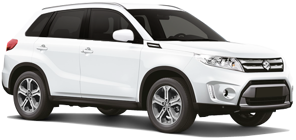
Compact SuvSuzuki Vitara or Similar
From
$57.79
/day
|
|
|||
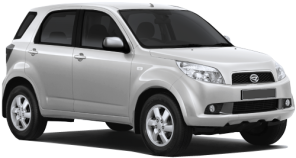
Economy SuvDaihatsu Terios or Similar
From
$57.79
/day
|
|
|||
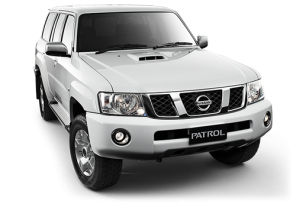
Standard SuvNissan Patrol or Similar
From
$95.05
/day
|
|
|||
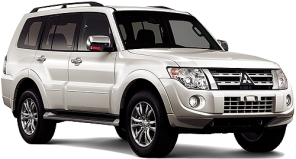
Premium SuvMitsubishi Montero or Similar
From
$105.81
/day
|
|
|||
Our Features
Discover a world of convenience, safety, and customization, paving the way for unforgettable adventures and seamless mobility solutions.
Best Price Deals
Our platform helps you find the most competitive car rental prices across multiple suppliers in one place.
Mobile Optimized Booking
Search and book rental cars easily from any smartphone or tablet with our mobile-friendly platform.
Airport Pickup Options
Find rental cars available at major international airports for convenient pickup immediately after your arrival.
Free Cancellation
Many bookings include free cancellation up to 48 hours before pickup, giving you flexibility when travel plans change.
City Center Locations
Access rental cars in downtown locations and popular tourist areas for easy travel during your stay.
Supplier Rating System
Every rental supplier is rated by customers so you can choose trusted providers.
Haiti Car Rental Facts
Essential information on the best deals, rental providers, and vehicle options in Haiti.
Most Popular Agencies
Lion City Rentals leads with 28% share, catering to both tourists wanting to explore beyond the city and residents needing temporary vehicles.
Popular Car Types
Compact cars are favored for city maneuverability. Luxury vehicles serve business travelers and tourists wanting to arrive in style at Marina Bay.
Average Rental Duration
Short 3-day rentals reflect Singapore's compact size and excellent public transport, with cars used mainly for weekends in Malaysia or Sentosa trips. (Based on 14,200+ local searches)
Most Popular Models
The Toyota Corolla dominates the practical rental segment. The Mercedes C-Class is preferred for business clients and special occasions.
Average Daily Price
Singapore commands premium rates averaging $72/day, reflecting high vehicle costs. Weekend rentals from $135 offer value for Malaysia road trips.
How much does it cost to rent a car at Haiti?
Averaging the lowest prices for the economy car category, the data below shows prices for monthly comparisons.
Cheapest Month Average
JanMost Expensive Month
SepYearly Average Price
F1 Grand Prix (September) causes extreme price spikes. Peak seasons (June-August, December) for tourism. Cars expensive - public transport efficient. ERP tolls apply. Book 2-3 months ahead for F1.
Driving Laws & Information for Haiti
Essential driving rules and requirements to know when renting a car
Driving Side
Right
Minimum Age
18 to drive
Blood Alcohol Limit
0.08% maximum
IDP Required?
Yes International Driving Permit
Speed Units
km/h
Seat Belt
Required
Toll Roads
Yes
Emergency
114 emergency number
Car Rental Haiti Guide
Renting a car in Haiti offers a unique sense of freedom to explore this captivating Caribbean nation, but it comes with distinct characteristics that set it apart from typical rental experiences. The most convenient pickup location is undoubtedly Toussaint Louverture International Airport (PAP) in the capital, Port-au-Prince. Here, you'll find desks for major international brands like Avis and Hertz, as well as reputable local agencies, located just outside the arrivals area. Opting for airport pickup allows you to hit the road immediately upon arrival, maximizing your exploration time. However, this convenience often carries a premium, with airport surcharges potentially adding 10-20% to your base rental cost. Conversely, picking up a car from a city-center office in places like Pétion-Ville, a vibrant uptown suburb of Port-au-Prince, or in tourist hubs like Jacmel or Cap-Haïtien, can sometimes be slightly cheaper and offers a chance to acclimate before driving.
The reality of renting a car in Haiti requires a practical and well-informed approach. The rental process itself is generally straightforward, but road conditions, signage, and driving styles differ significantly from North America or Europe. While major arteries connecting cities like Port-au-Prince to Cap-Haïtien are paved, many secondary roads leading to breathtaking rural attractions can be rough, potholed, or unpaved. This makes a vehicle with high ground clearance, such as an SUV or a pickup truck, not just a comfort but often a necessity. A key money-saving tip is to book a 4x4 or SUV for the entire duration of your trip, even if you plan to spend most of your time in cities. The flexibility it provides to confidently venture off the main roads and discover hidden gems like Bassin Bleu or the beaches of the southern peninsula far outweighs the marginal extra daily cost compared to getting stuck with an unsuitable sedan.
| Pickup Location | Key Details |
|---|---|
| Airport (PAP) | Most convenient for immediate departure. Wide selection of agencies but includes airport fees and surcharges. Ideal for starting a road trip right away. |
| City Center (Pétion-Ville) | Often slightly lower base rates. Good option if you're staying in the capital for a few days first. Requires transport from the airport to the rental office. |
| Regional Offices (Cap-Haïtien, Jacmel) | Perfect for starting a regional exploration without driving from Port-au-Prince. Availability can be more limited, so advance booking is essential. |
Car Rentals Requirements in Haiti
Before you can get behind the wheel in Haiti, you must meet several clear requirements set by both national law and individual rental companies. The process is designed to be secure, so having all your documents in order beforehand will ensure a smooth pickup. The primary requirements revolve around your age, your driving credentials, and your method of payment. It's important to note that while national laws provide a baseline, individual rental agencies, especially local ones, may have their own specific policies, so it's always wise to confirm directly with your chosen provider when booking.
The minimum age to rent a car in Haiti is typically 25 years old. Some international chains may rent to drivers between the ages of 21 and 24, but this almost always incurs a significant "young driver" surcharge, which can range from $10 to $30 per day. A valid, original driver's license from your country of residence is accepted for short-term visitors. However, it is strongly recommended to also obtain an International Driving Permit (IDP) before you travel. While not a legal requirement for all nationalities, an IDP, which translates your license into multiple languages, can be immensely helpful during police checks or in discussions with local authorities. You will also need a valid passport with at least six months of validity remaining and a major credit card in the main driver's name. Debit cards are rarely accepted for the hold on the rental deposit. Rental companies will require you to purchase their insurance, as your personal auto insurance from home is unlikely to provide coverage in Haiti. The minimum coverage usually includes third-party liability and collision damage waiver (CDW) for the rental vehicle.
| Requirement | Details & Recommendations |
|---|---|
| Minimum Age | Generally 25 years. Drivers 21-24 may be accepted with a daily surcharge. |
| Driver's License | Valid national license from your home country is required. An International Driving Permit (IDP) is highly recommended. |
| Credit Card | Mandatory in the main driver's name to place a security deposit. Debit cards are generally not accepted. |
| Passport | Required for identification and verification. Ensure it's valid for the duration of your stay. |
| Insurance | Rental companies mandate their own insurance, including Collision Damage Waiver (CDW) and Theft Protection. |
Why Rent a Car in Haiti
While public transportation, like "tap-taps," offers a colorful and authentic local experience, it is not a practical option for travelers who want to cover significant ground or reach Haiti's most stunning natural attractions. Renting a car fundamentally transforms your Haitian adventure from a stay in one location into a dynamic exploration of the country's diverse landscapes and cultures. The ability to set your own schedule, stop at a roadside fruit stand, and linger at a viewpoint as long as you wish provides a level of immersion that is impossible to achieve with organized tours or public transit.
For families and small groups, a rental car is not just a matter of freedom, but of economics and logistics. The cost of hiring a private driver and vehicle for multiple days can quickly exceed the cost of a rental. Moreover, having your own wheels allows you to comfortably manage luggage, travel with children on your own schedule, and explore the rugged interior, from the pine forests of the mountains to the remote, palm-fringed beaches of the southern coast. Scenic drives, such as the coastal route from Jacmel to Marigot or the winding mountain road to the ruins of the Citadelle Laferrière, are unforgettable experiences best enjoyed from the driver's seat of your own vehicle.
- Unparalleled Freedom: Explore at your own pace, veering off the beaten path to discover hidden waterfalls, local markets, and quiet villages.
- Access to Remote Areas: Reach natural wonders like Bassin Bleu, Saut-Mathurine, and the secluded beaches of Port-Salut that are difficult or impossible to reach by public transport.
- Convenience for Families & Groups: Travel comfortably with children, car seats, and luggage without relying on crowded and inflexible public options.
- Scenic Coastal & Mountain Drives: Experience Haiti's breathtaking topography firsthand, from the ocean views along Route Nationale #2 to the lush mountain passes leading to Kenscoff.
- Efficiency: Maximize your time by linking multiple destinations in a single day, such as visiting the Iron Market in Port-au-Prince and the beach in Leogane.
- Flexible Itineraries: Spontaneously decide to stay an extra night in a charming guesthouse in Cap-Haïtien or change your route based on a local's recommendation.
Best Car Rental Companies in Haiti
Travelers to Haiti have a choice between well-known international brands and established local rental companies, each offering distinct advantages. International chains like Hertz, Avis, and Budget operate at the Toussaint Louverture International Airport and often in Pétion-Ville. Their primary appeal lies in their familiar booking systems, standardized fleets, and the ability to earn loyalty points. You'll also find global favorites like Enterprise and Europcar represented through local affiliates. These companies generally offer a sense of reliability and a clear, structured process for rentals and disputes.
Alongside these global giants, several reputable local Haitian companies play a crucial role in the market. Companies like Caribbean Rent A Car and Peace of Mind Rent A Car often have a deeper understanding of local road conditions and may offer vehicles, particularly rugged SUVs and pickup trucks, that are better suited for Haiti's terrain. They can also provide a more personalized level of service. Using a rental comparison platform like Kayak or Rentalcars.com is an excellent strategy, as it allows you to compare prices, vehicle availability, and terms from both international and local providers side-by-side, ensuring you get the best vehicle for your needs at the most competitive price.
| Company | Price Level (Low/Medium/High) | Pros |
|---|---|---|
| Hertz | Medium/High | Global brand recognition, reliable fleet, airport location, loyalty program benefits. |
| Avis | Medium/High | Widely recognized, good selection of vehicles, professional customer service at the airport. |
| Budget | Low/Medium | Competitive pricing, often good value for longer rentals, solid international backing. |
| Caribbean Rent A Car | Medium | Excellent local knowledge, fleet well-suited for Haitian roads, personalized service. |
| Peace of Mind Rent A Car | Medium | Strong reputation among expats and travelers, focuses on reliable SUVs and 4x4s. |
Popular Car Rental Categories & Prices in Haiti
Choosing the right vehicle category is arguably the most important decision you'll make when renting a car in Haiti. The country's infrastructure varies dramatically, from smooth, modern highways in and around Port-au-Prince to rugged, mountainous terrain in rural areas. As such, the most popular and practical choice for most travelers is an SUV or a 4x4 vehicle. Models like the Toyota Hilux, Ford Ranger, or Nissan Pathfinder are common sights in rental fleets, prized for their durability, high ground clearance, and ability to handle potholes and unpaved roads with ease. For driving solely within the cities of Port-au-Prince or Pétion-Ville, a compact car like a Hyundai Accent or a Toyota Yaris can be a more economical and maneuverable option. Family vans are available for larger groups, while luxury sedans are an option primarily for business travelers or those with chauffeurs.
Prices in Haiti fluctuate significantly based on demand, which is tied to the tourist seasons and local holidays. The high tourist season, which coincides with the driest and sunniest months from December to March, sees the highest rental prices. A brief surge also occurs during the Carnival and Rara festivities in the spring. The low season, from June to November (which overlaps with the Atlantic hurricane season), often offers lower rates and better availability. Holiday periods like Christmas and New Year's Eve are peak demand times and command premium prices. Regardless of the season, booking well in advance is the surest way to lock in a good rate and secure your preferred vehicle type.
| Car Category | Average Daily Price (USD) |
|---|---|
| *Prices are estimates for a weekly rental in 2026 and can vary. | |
| Small Cars (e.g., Toyota Yaris) | $60 - $85 |
| Medium Cars (e.g., Hyundai Elantra) | $75 - $100 |
| SUVs (e.g., Nissan Pathfinder) | $100 - $150 |
| Vans (e.g., Toyota Hiace) | $130 - $180 |
| Luxury Cars (e.g., sedan with driver) | $150 - $250+ |
Car Rental Price Trends in Haiti
Understanding the rhythm of Haiti's tourism and local calendars is key to finding the best deal on your rental car. Prices are intrinsically linked to demand. During the peak tourist season, which runs from mid-December through March, you can expect to pay a premium as travelers flock to Haiti to escape northern winters. The weeks surrounding major holidays, particularly Christmas, New Year's, and the vibrant Carnival celebrations in February or March, represent the absolute peak in demand and prices. During these windows, availability becomes scarce, and daily rates for SUVs can easily jump by 30-50%.
Conversely, the low season, generally from June through November, presents significant opportunities for savings. This period aligns with the warmer, wetter months, but savvy travelers can find excellent discounts and have a wider selection of vehicles to choose from. The "shoulder" months of April, May, and November can offer a sweet spot with pleasant weather and more moderate prices. Regardless of the time of year, comparing quotes from both international companies via aggregator sites and reaching out directly to reputable local agencies is the best strategy to identify a "good deal." Often, local companies can offer more competitive rates, particularly for long-term rentals of 4x4 vehicles.
| Trend Factor | Details |
|---|---|
| Cheapest Months | June, September, October (low season, excluding holidays) |
| Most Expensive Months | December, January, February (peak tourist season and holidays) |
| Average Price (SUV) | $110 - $130 per day |
| A Good Deal (SUV) | $80 - $95 per day |
| Cheapest Supplier Type | Local Haitian rental companies (often offer best rates for 4x4s) |
| Cheapest Car Type | Economy/Compact cars (best for city-only use) |
Road Trips in Haiti
Haiti, though compact, is packed with dramatic landscapes and historic sites, making it a fantastic country for road trips. Each route offers a unique flavor of the nation's geography, culture, and history. Before setting out, ensure your rental vehicle is in good condition and you have a detailed map or reliable GPS, as cell service can be spotty in remote areas.
- Port-au-Prince to Cap-Haïtien (Route Nationale #1): This is the country's most significant road trip, covering approximately 250 km and taking 4-6 hours depending on traffic and road conditions. Highlights include the bustling markets in towns like Saint-Marc, the opportunity to visit the Palace of Sans-Souci and the Citadelle Laferrière (a UNESCO World Heritage site) near Milot, and the vibrant history of Cap-Haïtien itself.
- The Southern Peninsula Loop: Port-au-Prince to Jacmel: A shorter but incredibly scenic drive of about 85 km, taking 2.5-3.5 hours over the mountain pass. The journey is an adventure in itself, with stunning views of lush green peaks and the turquoise Caribbean Sea. The destination, Jacmel, is a charming town famous for its French colonial architecture, art scene, and nearby beaches and waterfalls like Bassin Bleu.
- The Côte des Arcadins Coastal Cruise: A relaxing drive north from Port-au-Prince along Route Nationale #1 towards Montrouis and Saint-Marc, covering about 70-100 km. This route is famous for its beautiful beaches and all-inclusive resorts. It's the perfect drive for a weekend getaway, with easy access to spots like Wahoo Bay and Moulin Sur Mer.
- Fort Liberté and the Northeast Coast: From Cap-Haïtien, take a drive east to the historic town of Fort Liberté, known for its deep, sheltered bay and quiet charm. This route offers a more off-the-beaten-path experience, passing through rural villages and offering glimpses of pristine, undeveloped coastline.
Driving Rules in Haiti
Driving in Haiti is an exercise in alertness and adaptability. The rules of the road exist, but they are often applied in a flexible manner by local drivers. Understanding the basic laws is crucial for your safety and to avoid trouble with the police. Perhaps the most important thing to remember is that you drive on the right side of the road, and overtaking is typically done on the left, though expect the unexpected.
Road conditions are highly variable. Major national routes are generally paved but can have large potholes, while secondary roads are often unpaved and can become impassable during heavy rains. In cities and towns, you'll encounter a vibrant mix of pedestrians, motorcyclists, "tap-taps," and livestock, all sharing the same space. Defensive driving is not just a recommendation; it's a survival skill. Police checkpoints are common, especially at city entrances and exits. At these stops, you must have your driver's license, passport, and rental papers ready. Be polite and cooperative; it usually results in a quick, hassle-free interaction. Regarding winter tires, they are not applicable in Haiti's tropical climate.
| Regulation | Rule / Limit |
|---|---|
| Driving Side | Right |
| Speed Limit (Urban) | Generally 30-50 km/h (19-31 mph) |
| Speed Limit (Rural/Highway) | Generally 60-80 km/h (37-50 mph) |
| Blood Alcohol Limit | 0.07% (strictly enforced; zero tolerance is safest practice) |
| Seatbelt Law | Mandatory for front-seat occupants. Enforcement varies, but wearing them is highly recommended for safety. |
| Child Seat Rules | No specific local law, but international best practices (using age-appropriate seats) are strongly advised for safety. |
Toll Roads in Haiti
The toll road system in Haiti is relatively limited compared to many other countries, but it exists on one of the most vital arteries. The main toll road is the section of Route Nationale #1 that bypasses the heavy traffic of downtown Port-au-Prince, connecting the capital to the northern regions. This modern, divided highway significantly reduces travel time to destinations like the Côte des Arcadins and Saint-Marc. There is typically one or two toll plazas along this stretch. The toll fees are quite modest, usually costing around $1 to $2 USD (paid in Haitian Gourdes or sometimes USD) per passenger car. It's wise to keep a supply of small denomination Haitian Gourdes handy to pay these fees quickly and easily. There are currently no widespread electronic toll collection systems like E-ZPass, so be prepared to stop and pay in cash.
Parking in Haiti
Parking in Haiti, particularly in the bustling capital of Port-au-Prince and its uptown hub Pétion-Ville, requires a strategic approach. Street parking is common but can be chaotic. In busy commercial areas, you will often find "parking attendants" (often informal) who will watch your car and help you maneuver for a small tip, usually around 25-50 Haitian Gourdes ($0.25-$0.50 USD). It is highly advisable to pay this small fee, as it significantly reduces the risk of your car being tampered with while you are away.
For greater security and peace of mind, especially if you are leaving valuables in the vehicle (which you should avoid), using a paid parking garage or lot is the best option. Many hotels, restaurants, and shopping centers in Pétion-Ville offer secured parking for a fee. Outside of the capital, parking is generally much easier. In towns like Jacmel or Cap-Haïtien, you can often find street parking near the town center or ask your hotel for their secure parking recommendations. Always prioritize well-lit, attended spots over leaving your rental car unattended on a dark or empty street.
Tips for Car Rental in Haiti
To ensure your rental experience in Haiti is positive and stress-free, follow these practical tips gleaned from frequent travelers and local experts. Preparation and knowledge are your best tools for navigating the unique driving environment.
- Book Well in Advance: Haiti's rental fleet is not unlimited, especially for high-clearance SUVs and 4x4s. Booking at least a few weeks, if not months, before your trip is essential, particularly during the December-March high season.
- Choose Your Vehicle Wisely: Unless you are 100% certain you will stay on paved roads in major cities, always opt for an SUV or a pickup truck. The extra ground clearance will save you from undercarriage damage and open up countless exploration opportunities.
- Inspect the Vehicle Thoroughly: Before driving off, do a detailed walk-around with a rental agent. Note every scratch, dent, or issue on the rental agreement and take dated photos and videos as your own record.
- Understand the Insurance Policy: Clarify exactly what your insurance covers. What is the deductible (excess) for collision and theft? Are there any exclusions, such as damage to tires, windows, or the undercarriage?
- Always Have Cash (Gourdes): You'll need cash for tolls, parking attendants, fuel at some stations, and potential police checkpoints. Having small bills in the local currency is incredibly useful.
- Check the Fuel Policy: Most rentals operate on a "full-to-full" basis. You pick up the car with a full tank and return it full. This is almost always the fairest policy. Verify this and locate a gas station near your drop-off point.
- Get a Local SIM Card or Offline Maps: Data dependency can be unreliable. Download offline maps for all of Haiti on your phone (like Google Maps offline areas or Maps.me) before you arrive.
Common Car Rental Mistakes Travelers Make
Even experienced travelers can stumble when renting a car in a new country. Being aware of these common pitfalls can save you time, money, and frustration on your Haitian journey.
- Renting a Sedan: This is the most frequent and costly mistake. Underestimating the poor condition of many rural roads can lead to getting stuck, damaging the vehicle, or being forced to turn back and miss your planned destinations.
- Skipping the Pre-Inspection: Failing to thoroughly document the car's existing condition can result in being unfairly charged for pre-existing damage upon return. Always take photos and video.
- Not Having an Emergency Contact: Not saving the rental company's after-hours phone number or not knowing who to call in case of a breakdown or accident can leave you stranded.
- Ignoring Local Advice: Dismissing warnings from your hotel or local contacts about road conditions, security in certain areas, or alternative routes can lead you into trouble. Locals are your best source of real-time information.
- Driving at Night: Driving after dark, especially outside of major cities, is highly discouraged. Roads are poorly lit, and you may encounter pedestrians, animals, and vehicles without functioning lights, making hazards very difficult to see.
- Forgetting Your IDP: While not mandatory for all, not having an International Driving Permit can create unnecessary complications at police checkpoints, where language barriers and unfamiliarity with foreign licenses can cause delays.
Real Travel Experience Renting a Car in Haiti
Last spring, a photographer friend named Sarah flew into Port-au-Prince with a detailed plan to shoot the Carnival festivities in Jacmel and then the Citadelle. She'd booked a robust Toyota 4x4 online with a local agency. Picking it up at the airport was smooth; the agent was patient, explaining the insurance and pointing out a small scratch on the bumper, which she photographed. The drive to Jacmel was an adventure in itself, navigating the winding mountain roads with the windows down, the air thick with the scent of tropical foliage. She felt an immense sense of satisfaction turning off the main road towards Bassin Bleu, a place she'd never have reached without her own wheels. The independence was intoxicating. Driving back to Port-au-Prince to return the car, she felt like a seasoned pro, confidently navigating a police checkpoint by presenting her passport, license, and rental papers with a smile. The freedom to chase the light and the stories made every dollar of the rental cost worthwhile.
International Driving Permit for Travelers Visiting Haiti
For travelers planning to drive in Haiti, the question of an International Driving Permit (IDP) is an important one. While Haitian law technically accepts a valid driver's license from your country of residence for short-term visits, the practical reality on the ground makes obtaining an IDP a highly recommended step. The permit, which is a simple translation of your home license into multiple languages (including French, Haiti's official language alongside Creole), can be invaluable during police checks. It provides a universally understood document that can bridge communication gaps and potentially expedite the process, preventing misunderstandings. You cannot obtain an IDP in Haiti; you must secure it before you leave home.
Obtaining an IDP is a straightforward process in most countries. In the United States, for example, only two organizations are authorized to issue them: the American Automobile Association (AAA) and the American Automobile Touring Alliance (AATA). You can typically apply in person at a local AAA branch or by mail. You will need to be at least 18 years old, present two passport-sized photos, and provide a valid, unexpired driver's license along with a completed application form and the applicable fee (usually around $20-30 USD). The IDP is generally valid for one year from the date of issue. Having this small, gray booklet in your glove compartment along with your passport and national license is a simple, inexpensive way to add a layer of assurance to your Haitian road trip.
Popular Cities for Car Rental in Haiti
Popular Locations for Car Rental in Haiti
Major Airports in Haiti
Complete airport guides with car rental information, parking, and transportation options
Frequently Asked Questions about Car Rental in Haiti
Haiti Car Rental Reviews & Customer Ratings
Read verified customer reviews, ratings, and rental experiences from travelers who booked through Airport Rento.
Overall Rating
easy peasy 🚗💨
Verified"Booked online 20 mins before landing. Guy was there with my name on a sign. Hopped in a clean RAV4 and was on the road in no time. Drove out to Furcy for some hiking. Return was just as easy. Highly recommend if you need wheels in Haiti."
Dave Walker
Great ride to Labadee
Verified"Rented a convertible for the coastal drive up to Labadee. Stunning views! The car was new-ish with only 8k miles. Booking online was smooth and the insurance options were clearly explained. No hidden fees on the bill. Five stars easy."
Michael O'Brien
Rapide et efficace
Verified"Service impeccable. Je loue souvent pour mes déplacements professionnels en Haïti et c'est la première fois que je n'ai pas eu à attendre. Voiture quasi neuve, clim fonctionnelle, et ils ont accepté un retour dans une autre ville. Client satisfait."
Jean-Baptiste Léger
SUV handled Port-au-Prince roads
Verified"Flew into Toussaint Louverture and needed a vehicle that could handle the roads. AirportCarHub had a solid 4x4 waiting. Drive up to Citadelle Laferrière was epic, roads got rough but the SUV ate it up. AC was strong too which you need in that heat. Will use again next mission trip."
James Toussaint
Super expérience client
Verified"Agence très arrangeante. Notre vol a eu 4h de retard et ils ont gardé le comptoir ouvert pour nous. La voiture réservée n'était plus dispo et ils nous ont surclassé sans frais. Service 5 étoiles vraiment. Le trajet vers le Cap était magnifique."
Claire Dubois
Smooth pickup process
Verified"Arrived in Port-au-Prince and the shuttle to the lot was quick. Paperwork took just a few minutes. The Ford Escape I rented was clean and drove well. Only hiccup was the return – had to wait 10 mins for inspection. Otherwise perfect."
Bruce Chen
Voiture parfaite pour Jacmel
Verified"Réservation facile, prise en charge rapide à l'aéroport. La berline était propre et le GPS fonctionnait parfaitement pour aller jusqu'à Jacmel. On a beaucoup aimé la flexibilité pour rendre la voiture un dimanche. Je recommande sans hésiter."
Sophie Lemaire
No drama, just a car
Verified"Needed a car for a weekend trip. Got a car. It worked. Returned it. No surprise fees. Thats all I ask for honestly. 👍"
Sarah Connor
Everything went smoothly
Verified"Straightforward online booking, clear pricing, and a clean 2023 Toyota on arrival. Staff spoke English well and processed everything quickly. Drove across Port-au-Prince with no issues. Would definitely rent again."
Oleksandr Shevchenko
Reliable for NGO work
Verified"Our NGO team always uses AirportCarHub when deploying to Haiti. They understand what field workers need – robust vehicles, good insurance, and flexible return policies. This time we drove from PAP to Les Cayes without issues. Reliable as always."
Amara Okafor
Excelente servicio al cliente
Verified"Aterricé tarde en la noche y el agente me estaba esperando con las llaves listas. El aire acondicionado salvó mi viaje a Petion-Ville. Todo el papeleo duró menos de 5 minutos. Definitivamente los usaré la próxima vez que visite a mi familia."
Graciela Ledesma
Service bilingue parfait
Verified"Équipe qui parle français et créole, ce qui facilite énormément la location. Le SUV était parfait pour les routes de montagne vers Furcy. Kilométrage illimité inclus et prix très compétitif. Je reviens en Haïti en décembre et je réserve avec eux."
Pierre-Luc Bouchard
Decent wheels for the price
Verified"Grabbed a sedan for a quick business trip. It wasn't the newest car in the lot, but it was mechanically sound and the AC was ice cold. Staff were courteous and had me on the road in 15 minutes flat. Will use again."
Thabo Mbeki
Clean car, good for business
Verified"Needed reliable transport for meetings around PAP. Car was spotless and the agent spoke English which helped tremendously. Only downside was a slight delay at pickup but they compensated with a free upgrade. Professional team overall."
Momo Yoshida
Надежный прокат
Verified"Арендовала автомобиль для поездки по стране. Сервис отличный, машина в хорошем состоянии. Отдельное спасибо за то, что приняли возврат в нерабочее время – рейс задержали. Обязательно вернусь."
Anastasia Petrovna
Good value for families
Verified"Rented a 7-seater for my family vacation. Car was clean with working seatbelts for everyone, which isnt always a given. Driving to the beaches in the south was unforgettable. The agent Mohammad was very helpful with local maps. شكراً"
Abdullah Al-Rashid
Best rental experience in PAP
Verified"Have tried 3 other companies in Port-au-Prince and these guys are the most professional. They honored my online reservation exactly, didn't bait-and-switch the car class. Drove to the Dominican border and back with zero mechanical issues. Solid 5 stars."
Nawaf Al-Dosari
Best price by far 🚗
Verified"Looked everywhere for a decent rental and these guys beat the big names by a mile. Picked up a compact car for exploring Cap-Haïtien. A bit of a drive from PAP but the car was fuel efficient. Staff were friendly and didn't push extras on me. Thumbs up 👍"
Olivia Williams
Excellent for safari-style trips
Verified"Rented a Land Cruiser for a photography assignment in rural Haiti. Vehicle was tough and reliable. The team at AirportCarHub even helped mount our equipment rack. Logistics were flawless. Big recommendation for NGOs and media crews."
Wanjiku Mwangi
Solidny samochód, dobra cena
Verified"Wynająłem samochód na dwa tygodnie podróży po Haiti. Cena była bardzo konkurencyjna, a samochód (Toyota Hilux) był w świetnym stanie. Klimatyzacja działała bez zarzutu, co było kluczowe przy 35 stopniach. Polecam!"
Benjamin Kowalski
Très satisfaite du service
Verified"Voyage d'affaires réussi grâce à AirportCarHub. Voiture propre, chaise bébé fournie sans supplément, et le service client était disponible par téléphone quand je me suis perdue vers Kenscoff. Je recommande à 100%."
Abdelmajid Mansouri
Günstig und zuverlässig
Verified"Haben einen Jeep für unsere Rundreise gemietet. Preis war fast 30% günstiger als die internationalen Ketten. Fahrzeug war in Ordnung, ein paar Kratzer aber das ist normal auf den Straßen dort. Rückgabe problemlos, Kaution sofort zurückbekommen."
Lena Müller
Macchina perfetta per Haiti
Verified"Ho noleggiato un SUV per esplorare le spiagge del nord. Il servizio è stato impeccabile dall'inizio alla fine. L'auto era pulita e i pneumatici erano nuovi – fondamentale per le strade sterrate. Bravi ragazzi, continuate così!"
Luca Romano
Solid truck for rough terrain
Verified"Took a pickup to visit family near Gonaïves. The unpaved roads were terrible but the 4x4 handled it like a champ. The team gave good tips on which routes to avoid too. Only reason for 4 stars is the fuel tank wasnt full at pickup but they adjusted the bill."
Platon Ryzhov
Safe and reliable in Haiti
Verified"I was nervous about driving in Haiti but the car was well-maintained and the staff gave clear advice on safety. Used it to visit clients in Delmas and Pétion-Ville. The tinted windows helped with the heat. Would use this local company again over Hertz."
Hiroshi Sato
Prima auto voor lage prijs
Verified"Goedkope huurauto gevonden via AirportCarHub. De auto was oud maar reed prima. Personeel was vriendelijk en gaf tips over veilig rijden in Haïti. Voor herhaling vatbaar als ik weer terugga."
Daan Verhoeven
Okay experience, car a bit old
Verified"The booking process was easy enough. Pickup was fine. Car was a Toyota but had definitely seen better days, suspension was a bit creaky on the back roads to Furcy. Still got us there and back without breaking down so can't complain too much. Reasonably priced."
Kavita Kulkarni
Bra och billigt
Verified"Bokade sent på kvällen och hämtade bilen morgonen efter. Inga problem alls. Personalen var hjälpsamma och bilen var ren och snygg. Perfekt för vår resa till Île-à-Vache. Rekommenderas varmt."
Stefan Larsson
Funcionó perfecto
Verified"Reservé un SUV pequeño para movernos por toda la isla. El kilometraje ilimitado fue una bendición, hicimos casi 800km en una semana. El aire acondicionado funcionaba perfecto y el auto no nos dejó tirados nunca. Recomendado."
Federico Dominguez
Ótimo custo-benefício
Verified"Aluguei um carro popular para visitar parentes. O ar condicionado era potente e o carro econômico. O atendimento foi rápido e me deram dicas valiosas sobre as estradas. Único ponto negativo foi a demora na devolução da caução, mas chegou em 5 dias."
Roberto Silva
Got the job done
Verified"Was a bit hesitant booking with a local company but everything was fine. Got a sedan that was slightly scratched up but mechanically good. Used it for a week in and around Port-au-Prince. No breakdowns, good fuel economy. Pretty standard rental experience."
Harry Brown
Irie vibes, smooth rental
Verified"Everything was cool and easy mon. Picked up a 4x4 to drive to the Citadelle. Heavy traffic near PAP but the car handled smooth. Next time I'm back in Haiti I'm coming straight to AirportCarHub. No stress!"
Bob Marley
Bueno para viajes largos
Verified"Manejé desde Puerto Príncipe hasta Cabo Haitiano. La camioneta estaba en buenas condiciones y aguantó bien el viaje. Recomiendo pedir el GPS o comprar un chip local para mapas. El personal fue amable y atento."
Marco Velasquez
No frills, just works
Verified"If you need a reliable car without the fuss, this is the place. Picked up a hatchback for exploring PAP. The car wasnt flashy but it drove well and had working AC. Price matched the quote online exactly. Fair play to them."
Itumeleng Khumalo