Cheap Car Rental Quito, Ecuador - Compare Deals & Book Instantly
Search and compare car rental prices from trusted global suppliers. Find the best deals instantly.
Why book with us?
-
Wide Fleet
Choose from economy cars, SUVs, luxury vehicles, and more.
-
Free Cancellation
Flexible booking options with free cancellation on most rentals.
-
24/7 Customer Support
Our expert team is available 24/7 to assist you with any questions or concerns.
Compare top international car rental brands and choose the best deal for your trip.








Car Rental Deals in Quito
Choose from our wide range of vehicles available in Quito.
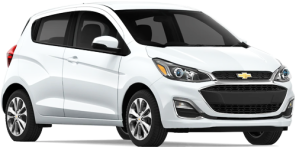
MiniChevrolet Spark or Similar
From
$21.80
/day
|
|
|||
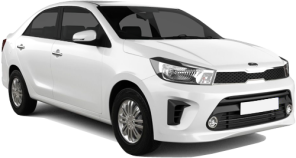
CompactKia Soluto or Similar
From
$25.48
/day
|
|
|||
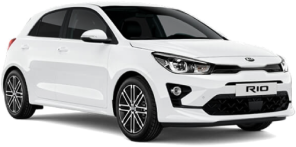
IntermediateKia Rio or Similar
From
$27.70
/day
|
|
|||
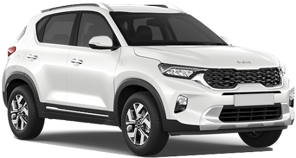
Full-size SuvKia Sonet or Similar
From
$31.01
/day
|
|
|||
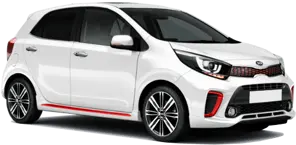
EconomyKia Picanto or Similar
From
$22.36
/day
|
|
|||
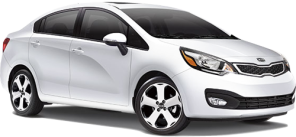
IntermediateKia Rio Sedan or Similar
From
$29.24
/day
|
|
|||
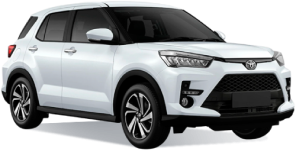
Intermediate CrossoverToyota Raize or Similar
From
$29.47
/day
|
|
|||
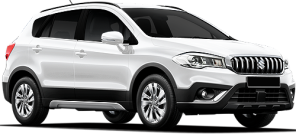
Intermediate Elite CrossoverSuzuki SX4 S-Cross or Similar
From
$29.87
/day
|
|
|||
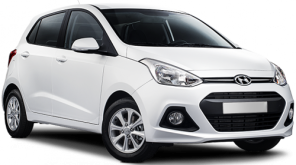
EconomyHyundai i10 or Similar
From
$30.56
/day
|
|
|||
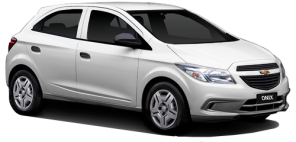
IntermediateChevrolet Onix or Similar
From
$30.70
/day
|
|
|||
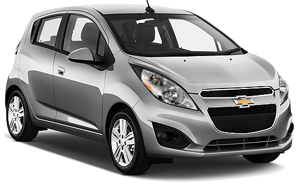
EconomyChevrolet Spark GT or Similar
From
$33.09
/day
|
|
|||
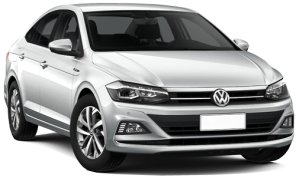
CompactVolkswagen Virtus or Similar
From
$36.80
/day
|
|
|||
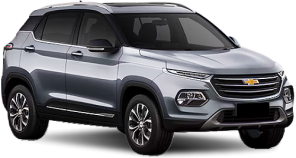
Compact SuvChevrolet Groove or Similar
From
$38.56
/day
|
|
|||
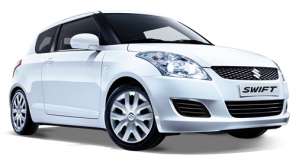
CompactSuzuki Swift or Similar
From
$38.59
/day
|
|
|||
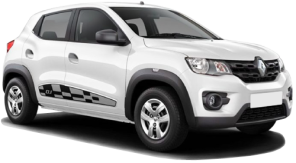
MiniRenault Kwid or Similar
From
$38.59
/day
|
|
|||
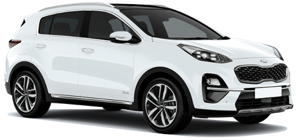
Standard Elite CrossoverKia Sportage or Similar
From
$42.93
/day
|
|
|||
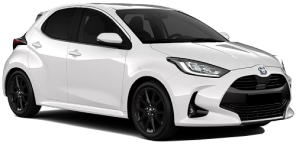
IntermediateToyota Yaris or Similar
From
$44.21
/day
|
|
|||
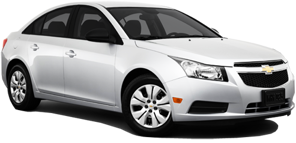
StandardChevrolet Cruze or Similar
From
$44.93
/day
|
|
|||
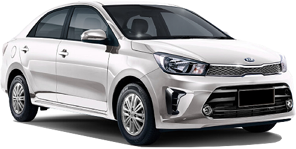
IntermediateKia Pegas or Similar
From
$46.32
/day
|
|
|||
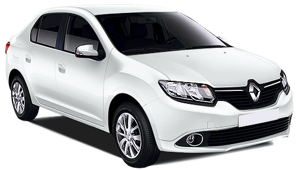
StandardRenault Logan or Similar
From
$46.32
/day
|
|
|||
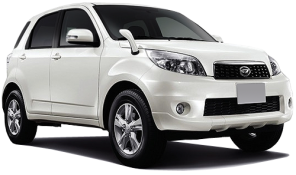
Compact Elite CrossoverToyota Rush or Similar
From
$46.74
/day
|
|
|||
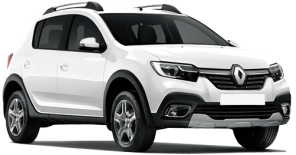
Compact SuvRenault Stepway or Similar
From
$48.85
/day
|
|
|||
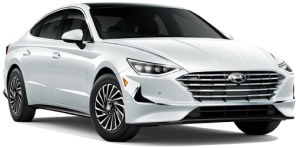
Full-sizeHyundai Sonata or Similar
From
$48.93
/day
|
|
|||
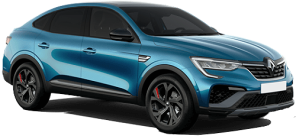
Standard CrossoverRenault Arkana or Similar
From
$50.04
/day
|
|
|||
Our Features
Discover a world of convenience, safety, and customization, paving the way for unforgettable adventures and seamless mobility solutions.
Worldwide Locations
Search rental cars in thousands of locations across more than 180 countries and major travel destinations.
Mobile Optimized Booking
Search and book rental cars easily from any smartphone or tablet with our mobile-friendly platform.
Detailed Rental Information
View complete rental terms including fuel policy, mileage limits, deposit requirements, and insurance coverage.
Easy Booking Management
Manage, modify, or cancel your booking easily through your confirmation link or account.
Optional Full Coverage
Protect your rental with optional full coverage insurance for additional peace of mind during your trip.
Transparent Comparison
Compare rental companies side-by-side with clear information about pricing, insurance, and included services.
Quito, Ecuador Car Rental Facts
Essential information on the best deals, rental providers, and vehicle options in Quito, Ecuador.
Most Popular Agencies
Avis leads Trelew with 35% market share, serving visitors heading to the Valdes Peninsula and Punta Tombo penguin colonies.
Popular Car Types
SUVs dominate at 50% for navigating Patagonian gravel roads to wildlife reserves. Pickup trucks popular for rural exploration.
Average Rental Duration
Trelew rentals average 4-5 days, combining Valdes Peninsula whale watching (seasonal), Punta Tombo penguin colonies, and Welsh heritage sites in Gaiman. (Based on 2,100+ local pickups)
Most Popular Models
The Toyota Hilux leads for its durability on Patagonian roads. Ford Ranger favored for wildlife reserve access.
Average Daily Price
Trelew rates average $48/day. Whale season (June-December) sees higher demand with weekly rentals from $290.
How much does it cost to rent a car at Quito, Ecuador?
Averaging the lowest prices for the economy car category, the data below shows prices for monthly comparisons.
Cheapest Month Average
JunMost Expensive Month
JanYearly Average Price
Trelew Welsh heritage and paleontology. Summer peak for tourism. Book 2 months ahead.
Driving Laws & Information for Ecuador
Essential driving rules and requirements to know when renting a car
Driving Side
Right
Minimum Age
18 to drive
Blood Alcohol Limit
0.03% maximum
IDP Required?
Sometimes International Driving Permit
Speed Units
km/h
Seat Belt
Required
Toll Roads
Yes
Emergency
911 emergency number
Car Rental Quito, Ecuador Guide
Renting a car in Quito, the high-altitude capital of Ecuador, opens up a world of possibilities that simply isn't accessible by relying solely on taxis or public transportation. While Quito's historic center is best explored on foot, and the city does have a bus and trolley system, having your own vehicle is the ultimate key to unlocking the breathtaking landscapes of the "Avenue of the Volcanoes" and the surrounding cloud forests. Navigating the city itself can be an adventure, but the freedom to drive from the colonial streets to the slopes of Cotopaxi in a single morning is an unparalleled experience.
When picking up your rental, you'll have two primary options: the airport or the city center. Mariscal Sucre International Airport (UIO) is located about an hour's drive east of the city in the Tababela valley. While renting at the airport is incredibly convenient upon arrival, it often comes with a significant airport surcharge or concession fee added to your bill. Conversely, rental offices in the city, particularly in the financial district of La Carolina or the northern?? of Cumbayá, may offer slightly lower base rates and save you the drive out of the city on your first day. However, you'll need to factor in the cost of a taxi or Uber to get there. For most international travelers, the convenience of picking up the car directly at the airport, despite the surcharge, is worth it to hit the road running.
Money-Saving Tip: To avoid paying for days you don't need the car, consider renting only for the specific portion of your trip where you'll be exploring outside of Quito. For example, rent the car on the morning you plan to leave for the countryside and return it as soon as you get back to the city. This strategy helps you avoid paying for parking in Quito and rental fees while you're exploring the city's walkable core on foot.
Comparison of Rental Pickup Locations in Quito
| Pickup Location | Advantages | Disadvantages |
|---|---|---|
| Mariscal Sucre Airport (UIO) | Most convenient for arrival; largest selection of vehicles; easy access to main highways (Panamericana, E35). | Includes airport surcharge fees; location is far from the city center (approx. 45-60 mins). |
| Quito City Center (e.g., La Carolina) | Potentially lower base rates; convenient if you're already in the city; good selection of international and local agencies. | Requires a taxi/Uber to get to; you must navigate Quito's traffic immediately; parking at your hotel may cost extra. |
| Cumbayá / Tumbaco Valley | Close to many hotels and the US Embassy; less traffic congestion than central Quito; good access to the eastern valleys. | Far from the airport; not convenient if your hotel is in central or southern Quito. |
Car Rentals Requirements in Quito, Ecuador
Renting a car in Ecuador is a straightforward process, but you must have your paperwork in perfect order. The rental agency will require a specific set of documents, and failing to present any of them will result in being denied the vehicle. It's crucial to have physical copies of everything, as digital copies on a phone are not always accepted. The process is generally more bureaucratic than in North America or Western Europe, so being prepared is key to a smooth pickup.
The minimum age to rent a car in Quito is typically 25 years old. Some local or budget agencies may rent to drivers between 21 and 24, but this almost always incurs a significant "young driver" surcharge added to the daily rate. You will need a valid, unexpired driver's license from your home country. A major credit card in the main driver's name is absolutely essential, as most companies will not accept debit cards or cash for the security deposit, which can be substantial (often $500 to $1,500 USD). Your passport is also required for identification and for the rental contract.
Regarding an International Driving Permit (IDP), while Ecuadorian law technically requires one alongside your national license, enforcement is inconsistent. Many international travelers rent cars successfully using only their home license, particularly if it's in English or Spanish. However, if you are stopped by the police, not having an IDP can lead to a fine. For car rental purposes, most major agencies in Quito will rent to you with just your home license, but an IDP provides an extra layer of security and is highly recommended.
Quick Reference: Required Documents
| Document | Requirement Details |
|---|---|
| Driver's License | Valid, original license from your country of residence. |
| International Driving Permit | Strongly recommended but not always mandatory for rental; required by law for driving. |
| Passport | Valid passport with the entry stamp for Ecuador. |
| Credit Card | Major credit card (Visa, Mastercard) in the driver's name for the deposit. |
Why Rent a Car in Quito
While Quito itself is a vibrant city with a lot to offer, its true magic lies in its surroundings. Renting a car transforms your trip from a city break into an Andean adventure. You gain the autonomy to set your own schedule, stop at roadside fruit stands, and veer off the main path to discover hidden gems that tour buses simply can't access. It’s about the feeling of winding down from the cool mountain air into a subtropical cloud forest in just a couple of hours, all at your own pace.
For families or groups of friends, a rental car is not just a convenience; it's a cost-effective and practical solution. Hauling luggage, children, and supplies onto public buses for a multi-day trip can be exhausting. With a rental car, you have a mobile basecamp, allowing you to comfortably travel between destinations like the Otavalo market, the hot springs of Papallacta, and the national parks. The sense of freedom and discovery that comes with navigating the Ecuadorean highlands on your own terms is an essential part of the travel experience here.
- Unmatched Freedom: Explore remote villages and scenic viewpoints at your own pace, without being tied to a tour group's schedule.
- Scenic Drives: Experience the famous "Avenue of the Volcanoes" up close, with opportunities to pull over for breathtaking photos of snow-capped peaks.
- Access to Natural Wonders: Reach national parks like Cotopaxi and El Boliche, or the cloud forests of Mindo, which are difficult and time-consuming to reach by public transport.
- Family Convenience: Travel comfortably with children, luggage, and sports equipment (like hiking gear) without the stress of public transport.
- Off-the-Beaten-Path Exploration: Discover smaller, authentic towns and artisan workshops that aren't typical stops on group tours.
- Flexibility with Altitude: Take your time to acclimatize to the altitude by controlling your travel pace and stops, preventing rushing and fatigue.
Best Car Rental Companies in Quito
When choosing a rental company in Quito, you'll be faced with a choice between the familiar global brands and local Ecuadorean agencies. The international companies like Hertz, Avis, Enterprise, Budget, Sixt, Alamo, and Europcar offer a level of consistency and reliability that many travelers appreciate. Their fleets are generally newer, their booking systems are integrated with global platforms, and their insurance policies, while often more expensive, are clear and standardized. You'll find their desks at the airport and in the main financial districts.
On the other hand, local companies such as Localiza, Optauto, and Aries Rent a Car can offer significantly lower prices and more negotiable terms. They often have a better understanding of local road conditions and may be more flexible if you encounter issues. However, the level of English spoken may be lower, and the vehicles might be older or have higher mileage. It's often advantageous to book through an international comparison website to see all your options side-by-side, but always read the latest customer reviews to gauge the current reliability of the specific agency.
Comparison of Popular Rental Companies
| Company | Price Level (Low/Med/High) | Pros |
|---|---|---|
| Localiza | Medium | Large local fleet; excellent service; many locations throughout Ecuador. |
| Hertz | High | Reliable, well-maintained vehicles; strong international reputation; easy points redemption. |
| Budget | Medium | Competitive pricing for international brand; good for cost-conscious travelers seeking reliability. |
| Optauto | Low | Often the most affordable local option; good for budget travelers; flexible with negotiations. |
| Europcar | High | Premium vehicles; excellent customer service; good for luxury car rentals. |
| Avis | High | Widely recognized; dependable fleet; professional staff at airport location. |
Popular Car Rental Categories & Prices in Quito
The type of vehicle you choose in Quito should be dictated by your itinerary. For navigating the narrow, cobblestone streets of the historic center and for fuel-efficient travel between towns, a small car is perfect. Economy and compact cars, like a Chevrolet Sail or a Hyundai Grand i10, are the most popular choices for solo travelers and couples. They are easy to park and sipping fuel is a major advantage given the long distances in the highlands.
If you plan on venturing into the Andes or heading to destinations with rougher roads, like the road to the Cotopaxi refuge or the cloud forests of Mindo, an SUV is the wiser choice. A 4x2 SUV, such as a Chevrolet Vitara or a Kia Sportage, offers higher ground clearance and a more comfortable ride on uneven surfaces. For larger groups or families, a van or people carrier like a Hyundai H-1 is essential. Luxury vehicles are available but less common, as the road conditions don't always favor low-profile tires and low-clearance sports cars.
Rental prices in Quito fluctuate significantly with demand. The high season, which includes June-August and the Christmas/New Year's holidays, sees prices spike as both international tourists and locals travel. The shoulder seasons (September-November and February-May) offer a sweet spot with moderate prices and good weather. The cheapest time to rent is typically during the low season in the months just after the major holidays, when demand plummets.
Average Daily Rental Prices in Quito (USD)
| Car Category | Average Daily Price (USD) |
|---|---|
| Small Cars (Economy/Compact) | $35 - $55 |
| Medium Cars (Midsize Sedan) | $50 - $75 |
| SUVs (4x2) | $70 - $120 |
| Vans / People Carriers | $90 - $150 |
| Luxury / Premium Vehicles | $150+ |
Quito Car Rental Pricing Guide
| Metric | Details |
|---|---|
| Cheapest Month | February (post-holiday lull) or October |
| Most Expensive Month | December (holiday season) |
| Average Rental Price | $60 - $80 per day for a midsize vehicle |
| A Good Deal | Under $40 per day for an economy car |
| Cheapest Supplier Type | Local Ecuadorean companies |
| Cheapest Car Type | Economy (e.g., Chevrolet Spark, Hyundai i10) |
Road Trips from Quito
Quito is the perfect starting point for some of the most iconic road trips in South America. The country's excellent network of paved highways connects you to dramatically different landscapes within a few hours. Here are a few must-do routes that showcase the best of the Ecuadorean highlands and beyond.
- The Otavalo Market Circuit: Start in Quito, head north on the Pan-American Highway (E35). The drive to Otavalo is about 2 hours. From there, you can continue to the nearby villages of Cotacachi (leather goods) and San Antonio de Ibarra (wood carvings). This is a classic day or overnight trip to experience Indigenous culture and artisan markets.
- Quito to Cotopaxi National Park: Head south on the Pan-American Highway. In about 1.5 to 2 hours, you'll reach the entrance to Cotopaxi National Park. The drive through the park to the parking lot at 4,500 meters is an adventure in itself, offering stunning views of the perfectly conical, snow-capped volcano. This is a must for hikers and nature lovers.
- The Mindo Cloud Forest: Take the Calacalí–La Independencia road (E28) heading west from Quito. In under two hours, you descend from the high-altitude paramo into the lush, biodiversity-rich cloud forest. The winding road is an experience, and Mindo itself is perfect for birdwatching, zip-lining, and chocolate tours.
- Quito to Baños de Agua Santa: A longer drive, heading south on the Pan-American Highway past Cotopaxi and through the town of Ambato. The total journey takes about 3.5 to 4 hours. The road then descends into the Pastaza River canyon, leading you to the adventure capital of Ecuador, famous for its hot springs, waterfalls, and extreme sports.
- Quito to Papallacta Hot Springs: Head east on the E35 and then the E30 towards the Amazon basin. This is a relatively short but incredibly scenic drive of about 1.5 hours. You'll ascend to the high paramo before arriving at the charming town of Papallacta, renowned for its thermal springs fed by the nearby Antisana volcano.
Driving Rules in Quito
Driving in Ecuador requires focus and an understanding of local norms. First and foremost, you drive on the right side of the road, the same as in the US and Canada. Speed limits are posted in kilometers per hour (km/h) and are generally 90-100 km/h on highways, 50 km/h in urban areas, and 30 km/h in school zones. These limits are enforced, and speed cameras are common on main highways, so it pays to obey them.
The legal blood alcohol limit is very strict in Ecuador—it is effectively zero tolerance. If you have consumed any alcohol, it's best not to drive. Police set up random checkpoints, especially at night and on weekends, and will breathalyze drivers. Seatbelts are mandatory for all passengers, and children under 12 must ride in the back seat. The use of car seats for infants and young children is required by law, though enforcement varies; for your child's safety, bringing or renting one is essential.
Road conditions in Ecuador are a mixed bag. Major highways like the Pan-American are generally in good condition, but secondary roads can be narrow, winding, and potholed. In the highlands, you must also be aware of the risk of fog, especially in the mornings and evenings. While winter tires are not a legal requirement, having good tread on your tires is crucial for the wet and winding mountain roads. A 4x4 vehicle is not necessary for most main routes, but higher ground clearance is a significant advantage.
Ecuador Speed Limit Guide
| Road Type | Speed Limit (km/h) |
|---|---|
| Highways (e.g., Panamericana) | 90 - 100 km/h |
| Urban Areas (City Streets) | 50 km/h |
| School Zones / Residential | 30 km/h |
| Curvy Mountain Roads | Drive with caution, often 30-60 km/h |
Toll Roads in Quito
Ecuador has a system of toll roads, primarily on the major highways like the Panamericana. The tolls are very reasonable, typically costing between $0.40 and $2.00 USD. You will encounter toll booths (caseta de peaje) that accept cash in US dollars, which is the official currency of Ecuador. It's essential to keep a stash of small bills and coins (quarters, dimes, and dollar coins) in your center console, as toll booth operators rarely have change for large bills.
There is also an electronic toll system on some newer highways, but rental cars are not typically equipped with the necessary transponder. When you go through an electronic toll lane, you'll simply pass through, and the rental agency will later bill your credit card for the toll plus a processing fee. This is convenient but can be more expensive. For the most part, you'll be using the cash lanes, which is easy and straightforward. Just look for the signs indicating "manual" or "efectivo."
Parking in Quito
Parking in Quito can be one of the more challenging aspects of having a rental car, especially in the bustling historic center (Centro Histórico) and the modern commercial zones of La Carolina. Street parking is available but often limited and can be subject to "parking attendants" (often informal) who will watch your car for a small tip (usually $0.50 to $1.00). While not official, it's common practice to pay them to ensure your car's safety. Look for blue and white signs indicating permitted parking zones, and never park in a spot marked with a red cross, as these are for emergency vehicles and bus stops.
Your best bet for safe and stress-free parking, especially overnight, is to use a paid parking garage (estacionamiento). Most hotels in the financial district and La Mariscal offer private parking, sometimes for an additional fee. Shopping malls like Quicentro Shopping or El Jardín have large, secure parking lots. In the historic center, there are several large underground parking lots near Plaza Grande and Plaza de San Francisco. Expect to pay around $1.50 to $3.00 per hour or a flat daily rate. Never leave any valuables visible in your car, regardless of where you park.
Tips for Car Rental in Quito
Renting a car in a foreign country always comes with its own set of nuances. Here are some practical tips from the road to help your rental experience in Quito go smoothly and save you money.
- Book Early for the Best Deals: Especially if you're traveling during the peak seasons of June-August or December, booking your car weeks or even months in advance can secure you a much better rate and guarantee availability for the vehicle type you want.
- Inspect the Car Thoroughly Before Driving Off: Do a full walk-around of the vehicle with the rental agent. Take photos and videos of every scratch, dent, and mark, and make sure they are noted on the rental contract. This is your best defense against disputes over damage when you return the car.
- Understand Your Insurance: Your credit card may offer rental car insurance, but check the terms carefully. Many cards do not cover liability (damage to others) in Ecuador, only collision damage to the rental car. You will likely need to purchase liability insurance from the rental company.
- Choose an Automatic Transmission Wisely: If you're not comfortable driving a manual stick shift, request an automatic car well in advance. In Ecuador, automatic vehicles are less common than manuals and are in high demand.
- Avoid Rush Hour: Quito's traffic can be intense. Try to avoid driving during peak times: Monday-Friday from 7:00-9:30 AM and 5:00-7:30 PM. Plan your departures from the city to coincide with off-peak hours.
- Check the Fuel Policy: Most rentals come with a full-to-full policy. This is the most economical option. Make sure you return the car with a full tank to avoid the rental company charging you a premium rate for refueling.
- Pack an Emergency Kit: Due to the high altitude and variable weather, it's wise to carry a small bag with essentials: a warm fleece, rain jacket, snacks, water, and a basic first-aid kit, just in case of unexpected delays on mountain roads.
Common Car Rental Mistakes Travelers Make
Even seasoned travelers can fall into some common traps when renting a car in Ecuador. Being aware of these pitfalls can save you time, money, and frustration.
- Skipping the Pre-Inspection: Assuming the car is in perfect condition and failing to document existing damage is the number one mistake. This can lead to being charged for scratches that were there before you took the car.
- Not Reading the Fine Print on Insurance: Accepting every insurance option offered at the desk without understanding what you already have can double the cost of your rental. Conversely, declining everything to save money without having coverage can be financially devastating in case of an accident.
- Underestimating Drive Times: GPS apps may estimate driving times based on perfect conditions. In Ecuador, slow trucks on winding mountain roads, road construction, and traffic jams can easily double your expected travel time.
- Driving at Night in Rural Areas: It is highly advisable to avoid driving at night outside of major cities. Roads are often unlit, and hazards like livestock, pedestrians, and potholes are much harder to see, making driving dangerous.
- Leaving Valuables in the Car: Even in a paid parking lot, leaving a backpack, laptop, or shopping bags visible on the seat is an invitation for a break-in. Always lock valuables in the trunk or, better yet, take them with you.
- Forgetting Your Documents at the Hotel: Police checkpoints are common. If you are stopped and cannot produce your passport, driver's license, and rental contract, you could face a significant fine or have your car impounded.
Real Travel Experience Renting a Car in Quito
Last year, my partner and I flew into Quito late on a Friday night. We decided to stay in a hotel near the airport and picked up our rental car from the local agency at the airport the next morning. We had booked a small SUV online, anticipating the drive to Mindo. The process was a bit slow due to paperwork, but the agent was helpful. As we pulled out of the airport parking lot, the sheer scale of the Andes unfolded before us. The drive west was incredible, winding through green valleys and passing through small towns. Having our own car meant we could stop at a random roadside stand for the most delicious empanadas and pull over at a mirador to take photos of the hummingbirds. Arriving in Mindo on our own schedule, without having to coordinate with a bus or tour, made the whole experience feel like a true adventure. On the return, the traffic into Quito on a Sunday evening was heavy, but dropping the car at the airport was quick, and we walked straight to our departure gate. It was hassle-free freedom.
International Driving Permit for Travelers Visiting Quito
An International Driving Permit (IDP) serves as a translation of your native driver's license and is a United Nations-regulated document. While many rental agencies in Quito, particularly the large international chains, may not explicitly require it to hand over the keys, it is a requirement under Ecuadorean traffic law. If you are stopped by the transit police (agentes de tránsito), not having an IDP can result in a fine, which you'll have to pay in cash on the spot. It essentially bridges the language gap and validates your license in an official format that local authorities can easily understand.
Obtaining an IDP is a simple process that you must do before you leave your home country. In the United States, for example, you can get one at any AAA or AATA office. You need to be at least 18, present two passport-sized photos, and bring your valid driver's license. The permit is typically valid for one year from the date of issue. It is not a standalone document and is only valid when accompanied by your original driver's license. For the small fee and minimal effort involved, carrying an IDP is the best way to ensure you are driving 100% legally and can avoid any headaches during a police encounter in Ecuador.
Car Rental Locations in Quito
Discover More Ecuador Car Rental Destinations
Other Car Rental Locations in Ecuador
Major Airports in Ecuador
Complete airport guides with car rental information, parking, and transportation options
Frequently Asked Questions about Car Rental in Quito
Quito, Ecuador Car Rental Reviews & Customer Ratings
Read verified customer reviews, ratings, and rental experiences from travelers who booked through Airport Rento.
Overall Rating
No reviews yet for this location. Be the first to share your experience!