Mini
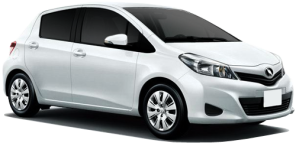
Toyota Vitz
or Similar
From
$54.65/day
Compare car rental deals at Lusaka, Zambia from trusted global suppliers. Find affordable prices and book your ideal car in minutes.







Explore our range of vehicles available in Lusaka.
or Similar
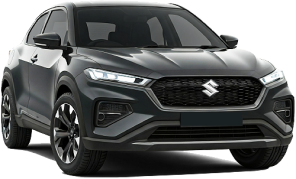
or Similar
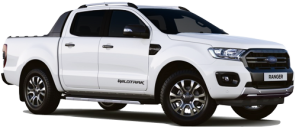
or Similar
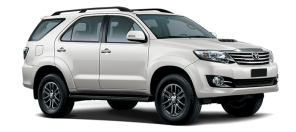
or Similar
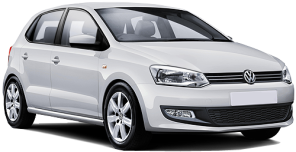
or Similar
Prices shown are approximate and may vary by booking dates, rental duration, and vehicle class. Check booking options for current pricing.
Discover a world of convenience, safety, and customization, paving the way for unforgettable adventures and seamless mobility solutions.
All rental companies on our platform are carefully verified to ensure service quality and customer reliability.
Find rental cars available at major international airports for convenient pickup immediately after your arrival.
Search and book rental cars easily from any smartphone or tablet with our mobile-friendly platform.
Pay securely using major credit cards and other supported payment methods during booking.
Easily filter rental cars by price, vehicle type, supplier, fuel policy, mileage options, and customer ratings.
Enjoy special online deals and seasonal discounts when booking your car rental through our platform.
Essential information about car rental companies, popular cars, rental duration, and prices at Lusaka.
Avis leads Lusaka with 32% market share, serving safari travelers, business executives, and visitors to Victoria Falls and South Luangwa National Park.
4x4 SUVs dominate Lusaka rentals at 55%, essential for safari drives and navigating roads to national parks. Midsize cars serve urban business needs in the capital.
Lusaka rentals average 6-8 days, combining capital city business with safari expeditions to Lower Zambezi, South Luangwa, and Victoria Falls journeys. (Based on 7,800+ local pickups)
The Toyota Land Cruiser leads for its legendary safari capability and reliability. The Nissan X-Trail is favored for smaller groups exploring Kafue National Park.
Lusaka rates average $85/day. Weekly rentals from $540 offer the best value for extended Zambian safari adventures and Victoria Falls visits.
Compare average car rental prices by month and see how rental rates vary throughout the year in Lusaka.
Lusaka business travel to capital. Dry season (May-October) peak. Book 2 months ahead.
* Prices shown are approximate. Original prices are in USD and converted using real-time exchange rates.
Essential driving rules and requirements to know when renting a car.
Get detailed information on driving rules, licence requirements, speed limits and useful local tips.
Renting a car in Lusaka, Zambia, is surprisingly straightforward and has become the go-to choice for international travelers who value flexibility and independence. Unlike many other African capitals, Lusaka has a growing network of reliable rental agencies, both at the airport and throughout the city center. However, the real game-changer is the ability to escape the city’s infamous traffic jams and explore nearby wildlife parks and rural villages on your own schedule. Taxis are plentiful but can be expensive for longer trips, while minibuses (the local public transport) are an adventure best suited for the very brave or budget-conscious—they rarely follow a strict timetable and can get overcrowded.
Picking up your rental at Kenneth Kaunda International Airport (LUN) is the most convenient option for most travelers, especially after a long flight. The major rental desks are located just outside the arrivals terminal, allowing you to jump straight into your journey. However, be prepared for a noticeable airport surcharge—typically adding 10-15% to your total rental cost. For those on a tighter budget, city center locations (such as those along Cairo Road or in the upmarket Arcades Shopping Mall area) offer cheaper rates. The trade-off is the hassle of taking a taxi or shuttle from the airport to the city first. A practical money-saving tip: book a one-day rental from the city center to get settled, then switch to a longer-term rental if you need one, as weekly rates often drop significantly from Monday to Thursday.
| Pickup Location | Advantages | Disadvantages |
|---|---|---|
| Kenneth Kaunda International Airport (LUN) | Immediate access, easy to find after arrival, wide vehicle selection | Higher daily rates, airport surcharge, limited local advice |
| Lusaka City Center (e.g., Cairo Road) | Lower prices, more flexible return hours, better local support | Need taxi from airport, potential traffic delays, fewer luxury options |
Before you book that 4x4, make sure you have your paperwork in order. Zambian law and rental contracts have specific requirements to protect both you and the vehicle. The most common surprise for travelers is the minimum age: you must be at least 21 years old, and drivers under 25 often pay a “young driver surcharge” of roughly $10–$15 per day. Additionally, you will need a valid, full driver’s license from your home country. If your license is not in English, you must carry a certified translation or an International Driving Permit (IDP). A credit card in the main driver’s name is mandatory for the deposit—debit cards are almost never accepted due to fraud risks.
Regarding the International Driving Permit (IDP): While Zambian authorities and rental agencies accept most English-language licenses (UK, US, Australia, etc.), an IDP is highly recommended if your license uses non-Roman characters (e.g., Japanese, Chinese, Arabic). More importantly, if you plan to drive across borders into Botswana or Zimbabwe, traffic police in those countries strictly enforce the IDP rule. You can obtain an IDP in your home country before departure from authorized automobile associations (like AAA in the US or the AA in the UK). It costs around $20–30 and is valid for one year. Do not forget your passport—agencies will take a photocopy, and you must present it along with your visa stamp.
| Requirement | Details |
|---|---|
| Minimum Age | 21 years (surcharge for under 25) |
| Driver's License | Valid full license; IDP recommended for non-English or cross-border trips |
| Credit Card | Visa or Mastercard in driver’s name for deposit ($500–$1,500) |
| Passport | Original passport with valid Zambian visa or entry stamp |
| Insurance | Collision Damage Waiver (CDW) and Theft Protection are mandatory |
Lusaka is a sprawling city, and while it has a central business district, the places most travelers want to visit—like the Lilayi Elephant Nursery, the Munda Wanga Botanical Gardens, or the bustling Sunday crafts market at Arcades—are spread far apart. Public transport doesn’t connect these dots efficiently. Having your own rental car transforms a frustrating, multi-taxi ordeal into a relaxed, air-conditioned journey. It also gives you the freedom to stop at roadside markets selling fresh mangoes or hand-carved wooden bowls without negotiating a waiting fee with a driver.
Beyond the city limits, a rental car is essential for day trips to Lower Zambezi National Park (about a three-hour drive) or the hot springs at Siavonga on Lake Kariba. Those scenic drives on the Great East Road or the M9 highway are part of the Zambian adventure. For families, the convenience of having child seats (request in advance) and space for luggage is unmatched. Business travelers also appreciate the reliability of a pre-booked car for getting to meetings in the New Kasama or Roma Park areas without haggling over taxi fares.
You will find both the familiar global brands and well-regarded local operators in Lusaka. International chains like Hertz, Avis, and Europcar have a presence at the airport and offer consistent service, reliable roadside assistance, and newer fleets. However, their prices reflect that peace of mind. Local companies such as Central Car Hire, SS Rent, and Zed Car Rental often undercut the majors by 20-30% and provide more personalized service, including delivering the car to your hotel. The catch: local suppliers may have older vehicles with higher mileage, and their airport desks can sometimes close during late-night flights.
For most international travelers, the sweet spot is using a local agency for economy cars and an international brand for SUVs or luxury rentals. Always read the recent online reviews regarding the return process—some local agencies in Lusaka have been known to charge for pre-existing scratches if you didn’t photograph the car thoroughly. On the other hand, the major brands are stricter about the deposit hold on your credit card.
| Company | Price Level | Pros |
|---|---|---|
| Hertz | High | New SUVs, 24/7 roadside assistance, airport priority counter |
| Avis | High | Reliable fleet, easy one-way rentals to Livingstone, good for business |
| Europcar | Medium/High | Good weekly rates, hybrid vehicles available, clear insurance terms |
| Central Car Hire | Medium | Local knowledge, free delivery in Lusaka, negotiates for long rentals |
| SS Rent | Low/Medium | Budget-friendly economy cars, no airport surcharge, friendly staff |
What you drive in Lusaka depends heavily on your itinerary. For pure city driving on paved roads (like Great East Road, Independence Avenue, or Addis Ababa Drive), a compact or economy car is perfect—and much easier to park. However, if you plan to visit any game park, even a “dry season only” one like Lilayi, you will want at least a 2WD with good ground clearance. For true bush driving or crossing into Kafue National Park, a 4x4 SUV is non-negotiable. Vans like the Toyota Hiace are popular for larger families or tour groups, while luxury sedans (Mercedes C-Class or BMW 3 Series) are occasionally rented for weddings or VIP transfers.
Pricing in Lusaka is seasonal. The high tourist season (June to October, the dry and cool-to-hot months) sees prices jump by as much as 40%. The low season (November to May, the rainy season) offers the best deals, but you must be prepared for muddy roads. Christmas and Easter weeks also see a surge in demand from local Zambians traveling, so book early. The cheapest month is typically February (peak rains, fewer tourists), while August is the most expensive (peak wildlife viewing).
| Car Category | Average Daily Price (USD) |
|---|---|
| Small Car (e.g., Toyota Vitz, Suzuki Swift) | $35 – $55 |
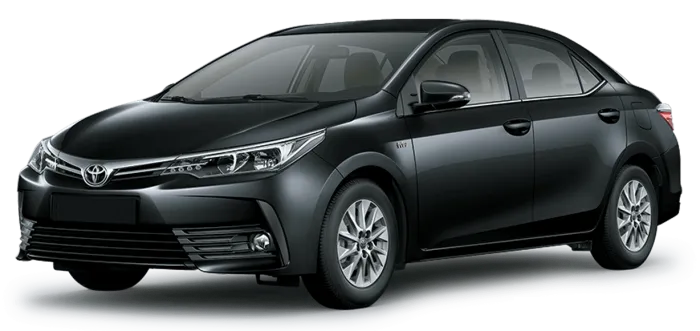
| Medium Car (e.g., Toyota Corolla, VW Polo) | $55 – $80 |
| SUV 2WD (e.g., Toyota Rav4, Hyundai Tucson) | $80 – $120 |
| SUV 4x4 (e.g., Toyota Fortuner, Ford Everest) | $120 – $200 |
| Van/Minibus (e.g., Toyota Hiace, Nissan Urvan) | $100 – $160 |
| Luxury Car (e.g., Mercedes C-Class, BMW 3 Series) | $150 – $250 |
| Metric | Value |
|---|---|
| Cheapest Month | February (rainy season) |
| Most Expensive Month | August (peak dry season) |
| Average Daily Price (all car types) | $90 |
| A Good Deal | Weekly rental under $400 for a Toyota Corolla |
| Cheapest Supplier | SS Rent or local independent agencies |
| Cheapest Car Type | Toyota Vitz or Suzuki Alto (manual transmission) |
One of the greatest joys of renting a car here is the weekend road trip culture. Zambian highways are generally in decent condition, and traffic outside the capital is light. Here are four classic drives:
Zambia drives on the left-hand side of the road (like the UK, South Africa, and Japan). If you come from a right-hand drive country, take the first hour to mentally adjust, especially at roundabouts, which are common in Lusaka. Speed limits are strictly enforced with mobile radar guns, especially on the Great East Road. The legal alcohol limit is a breathalyzer reading of 0.08 mg/L (roughly one beer for an average male), but police often set up checkpoints on Friday and Saturday nights—it’s best to have zero drinks if you are driving.
Seatbelts are mandatory for all passengers, and children under 12 are legally required to sit in the back seat. Child seats are mandatory for children under three, though many rental agencies have a limited supply—bring your own if possible. Road conditions vary wildly: main highways are well-paved, but secondary roads can have sudden potholes, unmarked speed bumps, and livestock crossing. There are no winter tire laws in Zambia.
| Road Type | Speed Limit (km/h) |
|---|---|
| Urban / Built-up areas (Lusaka city) | 50 km/h |
| Rural single carriageway (e.g., Great East Road) | 100 km/h |
| Dual carriageway / Motorway (rare, but some Lusaka bypasses) | 120 km/h |
There are currently no toll roads within Lusaka city itself. However, if you venture out on the major highways, you will encounter a few toll plazas, primarily on the Great North Road and the Lusaka-Mongu Road. The tolls are inexpensive, usually between $1 and $3 USD equivalent in Zambian Kwacha (ZMW). Payment is only accepted in local currency (ZMW) or via the electronic “TollPay” card, which you can buy at the first toll plaza. International travelers should carry small ZMW notes because the toll booths rarely have change for large bills. Keep your receipt displayed on the dashboard, as police may check it at random roadblocks up to 50 km past the toll point.
Parking in Lusaka is a mixed bag. In the central business district (CBD) around Cairo Road, you will find metered street parking (pay via SMS or scratch card from street vendors) and multi-story garages like the one at Levy Junction Mall. Expect to pay about $0.50 per hour. However, street parking can be chaotic, and “car guards” (informal attendants in fluorescent vests) will expect a small tip of around $0.30 to $0.50 to “watch” your car. Always give them something—they genuinely help deter break-ins. In upmarket areas like Roma Park, Woodlands, or Manda Hill, all major malls offer free, secure, gated parking.
The biggest challenge is the lack of designated parking for popular restaurants and markets. At the Sunday Crafts Market near Arcades, you often have to park on a dusty shoulder and negotiate with a car guard. Never leave valuables visible in the car, even in a guarded lot. Smash-and-grab thefts happen at traffic lights, especially near the Showgrounds area. Use your trunk or take bags with you.
After renting dozens of cars across Lusaka over the years, here are the tips that save money and headaches:
Even experienced travelers fall into these traps. Learn from them:
When Sarah, a travel blogger from Canada, landed at Kenneth Kaunda Airport, she had booked a Toyota Fortuner 4x4 online. The Avis desk was quick, but the agent warned her that the car had a slow puncture in the spare tire. She noted it on the contract and took photos. Driving out, she was immediately hit by Lusaka’s famous “rush hour” – a seemingly static river of minibuses and SUVs. Instead of panicking, she pulled into a mall parking lot, activated her offline maps, and took the ring road to avoid Cairo Road entirely. Two days later, she drove to Siavonga. On a dusty side road, the slow puncture became a flat. She called the 24/7 assistance number, and a mechanic arrived within an hour with a replacement tire. Because she had the photo evidence, the rental company waived any damage fee. Her biggest takeaway? The freedom to stop for roadside grilled chicken and the kindness of Zambian drivers who helped her change the tire made the minor hassle worth it.
The International Driving Permit (IDP) is not strictly mandatory for short-term visitors who hold a driver’s license in English from a recognized country (US, UK, Canada, Australia, EU). However, there are three compelling reasons to get one anyway. First, Zambian traffic police have been known to demand an IDP from drivers with licenses that look “unfamiliar,” even if they are in English, simply to solicit a bribe. Having the IDP eliminates that excuse. Second, if you have an accident and your home license is not easily verifiable, your insurance may be delayed without an IDP as a translation. Third, and most importantly, if you plan to drive into neighboring countries (Botswana, Zimbabwe, Namibia, Malawi), the IDP is required by law at those border posts.
You cannot obtain an IDP in Zambia as a tourist; it must be issued in your home country before travel. Apply through your national automobile association (e.g., AAA in the US, AA in the UK, CAA in Canada). The cost is approximately $20–30 USD, and it is valid for one year from the date of issue. You must carry both your original national driving license and the IDP booklet together—the IDP has no value on its own. Do not buy an IDP online from a non-official website; only the authorized automobile associations can issue the 1949 or 1968 UN convention permits that Zambian authorities recognize.
Markers show approximate airport or town-centre areas, not confirmed rental desks.
Read verified customer reviews, ratings, and rental experiences from travelers who booked through Airport Rento.
Overall Rating
No reviews yet for this location. Be the first to share your experience!