Cheap Car Rental Kitwe, Zambia - Compare Deals & Book Instantly

Search and compare car rental prices from trusted global suppliers. Find the best deals instantly.

Why book with us?

  • Easy Booking

    Book your car rental in minutes with a simple and secure process.

  • Wide Fleet

    Choose from economy cars, SUVs, luxury vehicles, and more.

  • Free Cancellation

    Flexible booking options with free cancellation on most rentals.

Available Car Categories

Car Rental Deals in Kitwe

Choose from our wide range of vehicles available in Kitwe.

Mini

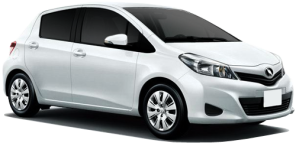
Toyota Vitz or Similar

From $54.65 /day
Toyota Vitz car rental in Kitwe

Compact

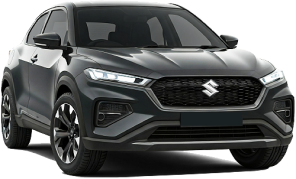
Suzuki Fronx or Similar

From $69.27 /day
Suzuki Fronx car rental in Kitwe

Standard Extended Cab Pickup

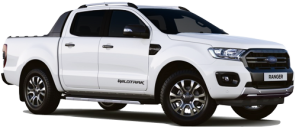
Ford Ranger or Similar

From $86.97 /day
Ford Ranger car rental in Kitwe

Full-size SUV

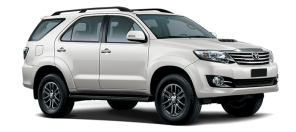
Toyota Fortuner or Similar

From $177.79 /day
Toyota Fortuner car rental in Kitwe

Economy

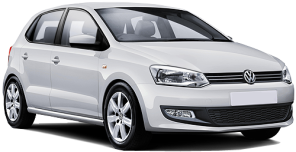
Volkswagen Polo or Similar

From $61.57 /day
Volkswagen Polo car rental in Kitwe
The above prices are only approximate and were last updated at 19:33 on 20/05/26. Prices may vary based on the booking dates, length of rental, and car class.
Why Choose Us

Our Features

Discover a world of convenience, safety, and customization, paving the way for unforgettable adventures and seamless mobility solutions.

Flexible Rental Dates

Easily modify pickup and drop-off dates during booking to match your travel schedule.

Email Booking Confirmation

Receive instant booking confirmation and rental details directly in your email inbox.

Easy Booking Management

Manage, modify, or cancel your booking easily through your confirmation link or account.

Car Rental Service

Compare Car Rental Prices

Compare rental prices from hundreds of trusted suppliers worldwide to find the best deal for your trip.

Unlimited Mileage Options

Many suppliers offer unlimited mileage so you can explore freely without worrying about distance limits.

Trusted Rental Partners

We partner with leading global and local car rental companies to ensure reliable vehicles and professional service.

Car Rental Kitwe, Zambia Guide

Renting a car in Kitwe, Zambia, offers a completely different experience from what many international travelers expect in Europe or North America. As the second-largest city in Zambia and the hub of the Copperbelt Province, Kitwe has a developing road network where personal mobility is key. Most visitors choose rental cars because taxis can be scarce for longer trips and public minibuses (often called "taxis" locally) follow fixed, crowded routes that don't reach remote guesthouses or mining sites. With a rental car, you set your own pace—whether you’re driving to a morning meeting in the Parklands area or heading out for a weekend wildlife excursion.

Pickup options typically fall into two categories: Simon Mwansa Kapwepwe International Airport (NLA) or city center locations near Independence Avenue. Airport pickups are extremely convenient after a long flight, but they often include a surcharge of roughly 10–15% on top of the daily rate. City center offices, usually clustered around Broadway and President Avenue, tend to have lower base rates and more flexible return hours. The main disadvantage of city pickup is the need to arrange a taxi from the airport to town—around $15–$20. A money-saving tip: if you arrive in the morning, pick up your car downtown and save the airport fee. Use that extra cash for fuel on the scenic drive to the Kafue River.

Pickup Location Advantages Disadvantages
Simon Mwansa Kapwepwe International Airport (NLA) Immediate access after landing, good for late arrivals, major brands present Higher daily rates, airport surcharge (10–15%), limited after-hours service
Kitwe City Center (Broadway/President Ave) Lower base prices, more local suppliers, flexible returns Requires taxi from airport ($15–$20), may have older fleet vehicles

Car Rentals Requirements in Kitwe, Zambia

Before you book a rental car in Kitwe, Zambia, make sure you have the correct documentation. The legal driving age is 18, but most major rental agencies enforce a minimum age of 21, and drivers under 25 may pay a young driver surcharge of around $10–$15 per day. You will need a full, valid driver’s license from your home country. If your license is not in English, you must carry a certified translation along with your original license.

An International Driving Permit (IDP) is not strictly required by Zambian law for tourists staying less than 90 days, but many rental desks in Kitwe will ask for one if your home license is difficult to read or uses a non-Latin alphabet (e.g., Arabic, Chinese, Cyrillic). Obtaining an IDP from your local automobile association before travel is cheap (around $20–$30) and saves potential hassles at the counter. You will also need your passport with a valid Zambian entry stamp and a credit card in the driver’s name. Debit cards are rarely accepted for the security deposit, which typically ranges from $500 to $1,500 depending on the vehicle class. Basic third-party liability insurance is usually included, but collision damage waiver (CDW) often carries an excess of $1,000–$2,000.

Requirement Details
Minimum Age 21 (surcharge for under 25)
Driver's License Valid home license + English translation if needed
International Driving Permit Recommended for non-Latin alphabet licenses
Credit Card Yes, in driver's name for deposit
Passport Valid with Zambian entry stamp
Insurance Basic liability included; CDW excess applies

Why Rent a Car in Kitwe, Zambia

Freedom is the real currency when you travel the Copperbelt. With your own set of wheels, you are no longer tied to hotel pickup schedules or the unpredictable arrival times of shared minibuses. Families love having space for luggage and groceries from the Mukuba Shopping Mall. Business travelers appreciate the ability to move between Kitwe’s industrial zones, from Chambishi to Kalulushi, without haggling over taxi fares. And for photographers and nature lovers, a rental car unlocks the back roads leading to the hidden waterfalls and village markets that guidebooks often miss.

Zambia’s two distinct seasons also favor self-drive travelers. During the dry season (May to October), the roads are firm and easy to navigate, while the green season (November to April) turns the countryside into a lush, vibrant landscape. A rental car lets you chase the best wildlife sightings at nearby parks like Chimfunshi Wildlife Orphanage, which is about a 90-minute drive from Kitwe. Without a car, you’d pay a premium for private tours.

  • Flexibility to explore the Kafue River tributaries at your own pace
  • Convenience for visiting the Nkana Mine Museum and local craft markets
  • Cost-effective for groups of 3+ compared to multiple taxi rides
  • Ability to stock up on supplies at Shoprite or Pick n Pay without carrying bags on public transport
  • Access to remote birdwatching spots along the Mindolo Dam
  • Freedom to drive across the border to the Democratic Republic of Congo (with proper permits)

Best Car Rental Companies in Kitwe, Zambia

Travelers in Kitwe, Zambia, can choose between a handful of international brands and several reliable local operators. International chains like Hertz and Avis have counters at Simon Mwansa Kapwepwe International Airport, offering newer fleets and standardized insurance policies—ideal if you want peace of mind. Local suppliers, such as Europcar Zambia (franchise) and smaller independent agencies along Chisokone Market area, often provide lower daily rates but may have older vehicles. It is always wise to inspect the car thoroughly, including tire tread and spare wheel condition, before signing anything.

Local agencies can be a fantastic deal for longer rentals of two weeks or more. They are also more willing to negotiate rates during the low season (November to March). However, ensure that the vehicle has comprehensive insurance and that the roadside assistance number actually works. A good middle-ground approach is to book a well-known brand for the first two days, then switch to a local agency if you extend your stay.

Company Price Level Pros
Hertz Medium / High New fleet, airport counter, 24/7 roadside support
Avis Medium / High Reliable booking system, well-maintained SUVs
Europcar (Zambia franchise) Medium Good local knowledge, flexible drop-off options
Budget Low / Medium Competitive weekly rates, often has pickup trucks
Local agencies (e.g., Sable Rentals) Low Negotiable prices, personalized service

Popular Car Rental Categories & Prices in Kitwe, Zambia

Most travelers in Kitwe, Zambia, opt for economical sedans or compact SUVs. The roads within the city are generally paved, but once you head toward rural areas or mining access roads, ground clearance becomes important. Economy cars like the Suzuki Swift or Toyota Vitz are perfect for solo travelers and couples sticking to Kitwe’s urban center. Compact SUVs such as the Toyota Rav4 or Honda CR-V are the most popular choice for families and small groups because they handle potholes and gravel sections with ease. For larger groups or those carrying mining equipment, a Toyota Hilux double cab or a minivan (Toyota HiAce) is the workhorse of Zambian roads.

Luxury vehicles like BMW X5s or Mercedes sedans are available from the major international brands, but demand is low, so you may need to book weeks in advance. Prices fluctuate significantly with the seasons. The high tourist season (June to October) sees rates jump by 30–40%, especially for 4x4 vehicles. The low season (November to March) offers the best deals, though afternoon rains can turn some dirt roads slippery. Avoid renting during the Christmas and New Year holiday period (mid-December to early January) unless you book at least two months ahead.

Car Category Average Daily Price (USD)
Small Car (e.g., Suzuki Swift, Toyota Vitz) $45 – $65
Medium Car (e.g., Toyota Corolla, VW Polo) $65 – $90
SUV / 4x4 (e.g., Toyota Rav4, Ford Everest) $100 – $150
Van / Minibus (e.g., Toyota HiAce) $120 – $180
Luxury Car (e.g., BMW X5, Audi Q5) $180 – $280
Metric Value
Cheapest Month February (low season, rainy afternoons)
Most Expensive Month August (peak safari season)
Average Price (economy car, 7-day rental) $55 per day
A Good Deal Under $40/day for a small car in March
Cheapest Supplier (typical) Local agency (e.g., Sable Rentals or Mighty Rentals)
Cheapest Car Type 5-door economy hatchback (manual transmission)

Road Trips from Kitwe, Zambia

One of the greatest joys of renting a car in Kitwe, Zambia, is the ability to embark on self-guided road trips. The region is surprisingly rich in natural and cultural attractions, many of which are impossible to reach without private transport. Here are four unforgettable routes to consider:

  • Kitwe to Chimfunshi Wildlife Orphanage: Approximately 100 km (2 hours) northwest. Highlights include the world-famous chimpanzee sanctuary, a scenic drive through teak forests, and the chance to see hippos in the nearby river. The last 20 km are on well-maintained gravel.
  • Kitwe to Lake Kashiba: About 180 km (3 hours) south near the town of Luanshimba. This sunken lake is a hidden gem for swimming and picnicking. The road is tarred until the final 15 km of dirt track – a 4x4 is recommended after rain.
  • Kitwe to the Copperbelt Mining Trail: A 120-km loop (half-day) passing through Luanshya, Chingola, and Mufulira. Highlights include open-pit mine viewpoints, colonial-era railway stations, and authentic Zambian food stalls.
  • Kitwe to Kundalila Falls: Approximately 220 km (4 hours) east toward the Serenje district. A full-day trip featuring spectacular waterfalls, excellent birdwatching, and remote camping spots. The last section requires high clearance.

Driving Rules in Kitwe, Zambia

Zambia drives on the left side of the road. If you come from a right-hand traffic country, take the first hour very slowly. Speed limits are strictly enforced in urban areas, though police checkpoints are more focused on vehicle roadworthiness than speed. Within built-up areas like Kitwe city center, the limit is 50 km/h (31 mph). On main highways such as the T3 (Kitwe–Ndola road), the limit is 100 km/h (62 mph) unless otherwise posted. The maximum alcohol limit is 0.08% BAC, but enforcement is inconsistent – it is safest to avoid any alcohol before driving. Seatbelts are mandatory for all passengers. Child seats are required for children under 5 years old, but rental agencies rarely supply them; bring your own or arrange in advance.

Road conditions vary dramatically. Main arterial roads around Kitwe are paved but often have potholes after the rainy season. Many secondary roads are laterite gravel that becomes extremely slippery when wet. Winter tires are not relevant in Zambia’s tropical climate. However, you should always check your spare tire and carry a basic recovery kit (tow strap, shovel, and jack) if you plan to drive off main roads.

Area Speed Limit
Urban (Kitwe city streets) 50 km/h (31 mph)
Rural paved roads 100 km/h (62 mph)
Gravel/dirt roads 60 km/h (37 mph) – advisory
School zones 30 km/h (19 mph) when lights flash

Toll Roads in Kitwe, Zambia

As of 2026, there are no operational toll roads in or immediately around Kitwe, Zambia. The main highway network on the Copperbelt, including the T3 connecting Kitwe to Ndola and the M4 toward Chingola, remains toll-free for all passenger vehicles. However, the Zambian government has announced long-term plans to introduce electronic tolling on major national corridors. For now, the only fees you might encounter are small “entry fees” at certain game parks or private reserves (paid in cash, Zambian kwacha). Always keep some small notes in your glove compartment. If you drive all the way to Livingstone or the border with Botswana, you will find tolls there, but not near Kitwe.

Parking in Kitwe, Zambia

Parking in Kitwe’s central business district is generally easier than in Lusaka, but you still need to know the rules. Along Broadway and President Avenue, you will find designated on-street paid parking zones managed by the local council. Expect to pay around $0.50 to $1.00 per hour, usually collected by an attendant in a reflective vest. Always ask for a receipt. Major shopping centers like Mukuba Mall and Kitwe City Market offer free supervised parking, though spaces fill up by 11 AM on Saturdays. The biggest challenge is finding secure overnight parking; most mid-range and top hotels (e.g., Protea Hotel by Marriott, Mika Hotel) offer guarded parking for guests. Never leave valuables visible in the car, even in a guarded lot – opportunistic theft happens. If you rent an Airbnb, ask the host about behind-a-gate parking.

Tips for Car Rental in Kitwe, Zambia

After helping dozens of travelers navigate car rentals in Kitwe, Zambia, these are the tips I always share:

  • Book at least three weeks in advance for travel between June and October. SUVs sell out quickly during safari season.
  • Avoid airport pickup if you arrive before 9 AM. Take a taxi to a city center office and save the surcharge for fuel.
  • Take photos and video of the entire car before driving away. Note every scratch, dent, and tire condition. Zambian rental desks appreciate thoroughness.
  • Purchase the full insurance (zero excess) if you plan to drive on gravel. The extra $15–$20 per day is worth avoiding a $2,000 claim for a cracked windshield.
  • Rent during February or March for the lowest rates – just be prepared for afternoon downpours.
  • Always confirm the fuel policy. Most use a full-to-full policy, but some local agencies use full-to-empty. Never accept full-to-empty unless the discount is huge.
  • Carry a printed copy of your reservation and a local SIM card (Airtel or MTN) to call roadside assistance – WhatsApp is widely used in Zambia.

Common Car Rental Mistakes Travelers Make

Even experienced travelers slip up when renting in a new country. Here are the most frequent errors in Kitwe, Zambia:

  • Assuming all rentals include a spare tire and jack. Always inspect the trunk before leaving – I once found a punctured spare in a supposedly “ready” car.
  • Paying with a debit card. Most agencies will reject it, leaving you stranded at the counter. A credit card is non-negotiable.
  • Skipping the walk-around inspection. Returning a car with a dent you didn’t cause can cost you the entire deposit.
  • Driving at night on unfamiliar roads. Unmarked potholes, livestock, and poor street lighting make night driving genuinely dangerous around Kitwe.
  • Forgetting to ask about cross-border travel. If you plan to drive to the DRC or Tanzania, you need special written permission and a carnet de passage.
  • Relying solely on Google Maps offline. Download Maps.me or a local GPS app because network coverage drops near Chimfunshi.

Real Travel Experience Renting a Car in Kitwe, Zambia

Last August, I landed at Simon Mwansa Kapwepwe Airport with a confirmed booking for a Toyota Rav4 from a local agency. The agent was waiting with my name on a cardboard sign – a good sign. After the usual paperwork, I noticed the front left tire looked worn. The agent shrugged but agreed to swap the car for a Hilux double cab with brand-new all-terrain tires. That decision saved my trip because two days later, heading to Lake Kashiba after a heavy rain, the Hilux clawed through mud that would have swallowed the Rav4. On the way back, I stopped at a roadside stand near Chibuluma and bought fresh mangoes directly from a farmer. That moment – windows down, dust trailing behind – reminded me why renting a car in Kitwe beats any tour bus.

International Driving Permit for Travelers Visiting Kitwe, Zambia

An International Driving Permit (IDP) serves as a standardized translation of your existing driver’s license. For travelers visiting Kitwe, Zambia, the IDP is not legally mandatory for short-term tourists if your home license is in English and clearly shows your photo, expiration date, and vehicle categories. However, I strongly recommend obtaining one before your trip for two reasons: first, it smooths interactions at rental counters and police checkpoints; second, it costs only around $20 from your national automobile association (such as AAA in the US or the AA in the UK) and is valid for one year. To get an IDP, you need your valid home license, two passport-sized photos, and a small fee. No driving test is required. Once you have it, keep it together with your original license – an IDP alone is not sufficient. Validity rules follow the 1949 UN Convention on Road Traffic, so check that your country is a signatory. If your license is in Chinese, Arabic, or Russian, consider the IDP essential, as few rental staff in Kitwe will be able to verify your credentials otherwise.

Have Questions?

Frequently Asked Questions about Car Rental in Kitwe

To rent a car in Kitwe as a foreign tourist, you need a valid passport, a credit card in the main driver's name for the security deposit, and a valid driving license. If your domestic license is in English, it is usually accepted. If it is not in English, you must present an International Driving Permit (IDP) alongside your original license. The IDP serves as a certified translation. Ensure your license has been held for a minimum of two years. Rental agents will verify these documents at the counter before releasing the vehicle. We recommend having digital copies saved on your phone as a backup.

The standard minimum age to rent a car in Kitwe is typically 23 years old, but this can vary slightly between suppliers. Some companies may rent to drivers as young as 21, but a Young Driver Surcharge will apply. This fee is approximately $15 to $25 USD per day, capped at a maximum amount per rental. Drivers under 25 are also often restricted to specific vehicle categories, usually mini to intermediate cars, and cannot rent SUVs, luxury vehicles, or vans. The maximum rental age is generally 70 to 75 years old, so check specific terms if you are a senior driver.

Standard rentals in Kitwe typically include Collision Damage Waiver (CDW) and Theft Protection with an excess fee, which is the amount you are liable for in case of damage or theft. This excess usually ranges from $1,500 to $3,000 USD depending on the car category. Third Party Liability insurance is generally included as required by Zambian law, covering property damage and bodily injury to others, usually up to a certain limit. Personal Accident Insurance for the driver and passengers may require an additional premium. Super Cover to reduce the excess to zero is available locally.

The security deposit amount when renting in Kitwe varies based on the vehicle category and insurance option chosen. Typically, you should expect a hold of $500 to $1,500 USD for standard economy and mid-size cars. For premium SUVs, 4x4s, or minibuses, the deposit can range from $1,500 to $3,000 USD. If you opt for a basic insurance package with a higher excess fee, the deposit amount usually increases. The supplier must authorize the hold on a physical credit card in the main driver's name; debit cards and cash are generally not accepted for the deposit.

Most major car rental companies operating in Kitwe require a physical credit card in the main driver's name for the security deposit. Debit cards are rarely accepted for the pre-authorization hold, even if they carry a Visa or Mastercard logo. Cash deposits are almost universally declined. Some smaller, local agencies might be more flexible but often require proof of accommodation or a utility bill. If you only possess a debit card, you must confirm acceptance directly with the local office before booking, as funds are frozen immediately and released after the rental ends.

The most common fuel policy in Kitwe is a 'Full-to-Full' or 'Same-to-Same' policy. You will receive the vehicle with a full tank or a specific gauge level, and you must return it matching that level. If you return the car with less fuel, the supplier will charge a local refueling rate per liter, which is significantly higher than street pump prices. You will not receive a refund for excess fuel. Pre-purchase fuel options, where you pay for a full tank upfront and return empty, are occasionally available but often do not represent good value.

Yes, driving from Kitwe to national parks is a popular choice, but a rugged 4x4 vehicle is essential, especially for Kafue and South Luangwa. The roads leading into these parks often feature deep sand, potholes, and seasonal river crossings. A standard saloon car will not survive these road conditions. Rentals must not be taken off designated trails inside parks or driven through water that breaches the chassis. Check your rental agreement for a 'cross-border' or 'off-road' permission clause, as driving on bush tracks without authorization voids all insurance cover.

Mileage policies vary between corporate agencies and local operators in Kitwe. Many international chains offer unlimited mileage, which is optimal for long-distance road trips to Lusaka or across the Copperbelt. However, some local companies or specific vehicle classes (like high-range 4x4s) may impose a daily cap, typically between 150 to 200 kilometers, with an excess charge of $0.25 to $0.50 USD per additional kilometer. Always review the rate details to confirm if 'Unlimited Kilometres' is explicitly stated before booking a long journey.

Most Kitwe rental contracts operate strictly on a 24-hour clock cycle. If you pick up a car at 10:00 AM, a one-day rental ends at 10:00 AM the following day. There is typically a short grace period of 29 to 59 minutes depending on the supplier. If you exceed this window, you will be charged for a full additional day, plus potential late return fees. To avoid unexpected costs, especially if your flight schedule has changed, always call the local office to see if they can extend the rate without penalty.

One-way rentals from Kitwe to Lusaka are permitted by select international rental agencies but almost always incur a significant One-Way Fee. This inter-city drop-off charge typically ranges from $150 to $300 USD, reflecting the logistics cost of returning the vehicle to its origin. Availability must be arranged at the time of booking, as spontaneous drop-offs at Lusaka Airport may not be accepted. For the best rate, compare suppliers online, as smaller local operators with branches in both cities sometimes offer more competitive one-way deals.

In Kitwe, vehicle availability ranges from compact economy cars like the Toyota Vitz to robust 4x4 SUVs like the Toyota Fortuner or Land Cruiser Prado. Saloon cars such as the Toyota Corolla are common for urban driving. Passenger vans and minibuses for group travel are also available. For mining-related corporate rentals, heavy-duty double-cab pickups, including the Toyota Hilux, are in high demand. Due to frequent power outages affecting fuel pumps, a diesel-engine vehicle is often recommended over petrol for reliability and fuel availability in remote areas.

While Zambian traffic laws are less strictly enforced than in Western countries regarding child restraints, it is a safety essential to use them. Most car hire firms in Kitwe offer baby seats, toddler booster seats, and infant capsules for a daily hire fee, usually around $10 to $15 USD per item, with a maximum charge per rental. You must request these at the time of booking, as stock is limited. Alternatively, you are free to bring your own seat. The rental agent will not install the seat; you remain responsible for fitting it correctly.

In the event of an accident, do not move the vehicle until police arrive, unless it causes a major obstruction. Contact the police immediately and obtain a police report; this document is mandatory for insurance claims. Notify the rental company's 24-hour emergency line right after. For breakdowns, mechanical repairs cannot be attempted by the renter. Most agencies provide roadside assistance through third-party providers, but response times can be several hours outside the city. Always save the breakdown hotline number to your phone before departing.

For driving strictly within Kitwe's city center and primary business districts, a standard 2WD saloon car is sufficient. Main arterial roads are paved, though they often feature unexpected deep potholes. However, the moment you plan to visit surrounding farm areas, lodges, the mining zones, or Lake Chilengwa, a high-clearance SUV or 4x4 becomes necessary. If your itinerary includes visiting remote clients or exploring the Copperbelt's side roads, the extra ground clearance will prevent damage to the vehicle's undercarriage.

Police checkpoints are frequent on Kitwe's main roads and suburban entries. Always slow down and turn off your interior light at night to avoid glare. Officers will check for a valid driving license, vehicle registration, white reflectors on the front, and red on the back. Your rental documents must be inside the car. You may be asked to open the boot. While sporadic checks for fire extinguishers and warning triangles occur, vehicles rented from reputable firms are usually fully equipped. Remain polite and compliant at all times.

Yes, you can usually add up to three additional drivers. Every additional driver must present a valid driving license and must be present at the rental counter to sign the contract and have their license scanned. A daily fee applies for each extra driver, typically around $10 to $15 USD per person, though family members or spouses are occasionally added for free during promotional periods. Crucially, insurance is void if an undeclared driver is involved in an accident, even if the main renter is in the passenger seat.

Taking a rental car from Kitwe into the DR Congo is heavily restricted and requires prior written authorization from the rental supplier, which is rarely granted for standard tourism. If approved, special cross-border documentation, a letter of authority for the vehicle, and a mandatory premium insurance supplement for the DRC must be purchased. You will need a Carnet de Passage, which rental vehicles typically do not have. Without this explicit permission, crossing the border at Kasumbalesa completely invalidates your insurance and contract.

Parking safety in Kitwe requires vigilance. Street parking overnight is strongly discouraged due to the risk of theft or vandalism. You must use secure, guarded, or walled parking facilities, preferably with lighting and a boom gate. Hotels and lodges usually provide this. Do not leave any valuables, bags, or even loose change visible inside the cabin; thieves target rental vehicles perceived as tourist cars. Ensure the steering lock is engaged. Satellite-tracked vehicles are often targeted less, but visible deterrents are your best defense.

To secure a booking, the main driver must present a physical credit card (Visa or Mastercard are widely accepted; American Express has limited acceptance). The card must have embossed digits and sufficient funds to cover the rental charges plus the security deposit block. Prepaid cards, debit cards, and virtual wallets cannot be used for the deposit guarantee. If you have prepaid the rental via a booking platform, the same card must physically be with you, as the local agent performs a 'card present' verification to prevent fraud.

Satellite navigation from built-in car GPS is limited; we recommend using smartphone navigation. Google Maps has accurate main road data for Kitwe and routes to Lusaka, but offline maps must be downloaded, as cellular data can be slow in rural dips. Maps.me mobile app is excellent for off-road and bush track navigation in parks. A sturdy dashboard mount, a reliable in-car charger compatible with 12V sockets, and a local Airtel or MTN SIM card with a data bundle form the most reliable navigation toolkit.

Zambia does not have a network of high-speed toll roads with booth plazas like South Africa. However, you will encounter government weighbridges and inland road tax barriers, particularly when crossing provincial boundaries or approaching Lusaka. These stops charge minimal fees, rarely exceeding $2 to $5 USD equivalent in local Kwacha, and usually require a cash note payment. Keep small denominations of Zambian Kwacha handy, as US dollars are not accepted at these automated or manual checkpoints.

Absolutely, long-term corporate leases are a staple in Kitwe, often serving the mining and engineering sectors. For rentals exceeding one month, suppliers offer significantly reduced daily rates compared to short-term pricing. A monthly rental of a standard sedan can drop below $700 USD, while a double-cab 4x4 may start around $1,200 to $1,500 USD. Service plans often include regular maintenance, tire rotation, and vehicle replacement during servicing. Fleet insurance packages with lower excesses can also be negotiated for corporate clients.

Prepaid bookings typically offer a free cancellation window up to 48 hours prior to the scheduled pick-up in Kitwe. If you cancel within 48 hours, a penalty equivalent to three days of rental may be withheld. Some 'Flexible' rates allow cancellation 24 hours before pick-up without penalty. 'Pay on Arrival' bookings generally carry no cancellation fee unless a local supplier has a specific policy stated in the voucher. Refunds for prepaid bookings processed back to a credit card usually take 5 to 10 business days to reflect.

All rental vehicles in Kitwe are strictly non-smoking. This includes all forms of electric cigarettes and vaping devices. A significant cleaning and detailing fee, usually not less than $150 USD, will be charged if the car smells of smoke upon return. Smoking areas are available outside the rental office buildings, typically designated by ashtray pillars, but strictly prohibited inside the garage return bays. If you need to smoke, ensure you are completely outside the vehicle and dispose of ash before re-entering.

Many Kitwe suppliers are located a short drive from the airfield, not inside the terminal building itself. If you have booked an airport pick-up, a greeter usually waits in the arrivals area with a name board. They will shuttle you to the nearby office depot for paperwork. If arriving on a late regional flight, you must provide your flight number so the supplier tracks delays. Out-of-hours pick-up is heavily surcharged in Kitwe, often costing an additional $25 to $50 USD, so ensure your arrival time is accurate.

Paid street parking is managed by local council marshals typically wearing reflective vests. You must pay them directly in cash; the fee is nominal, rarely more than $1 to $2 USD for an hour. These marshals can be aggressive, so keep small change ready. Do not park on yellow- or red-painted kerbs or in taxi bays, as vehicles are subject to wheel clamping by the Kitwe City Council. Clamp release fees are steep and require a trip to the council offices, consuming significant time.

Cell reception outside Kitwe's urban perimeter degrades quickly. MTN and Airtel provide the widest 3G and 4G coverage along the T3 highway and main city arteries, though data speeds slow considerably in dense mining terrain and rural village dips. For absolute safety, invest in renting a satellite phone or a vehicle-installed SPOT tracker if your journey planner includes isolated forest reserves. Never rely solely on Waze or live Google Maps; an offline map is vital for safety.

Rigorous international towing rules apply. To tow a trailer, you must inform the rental company at the time of booking. The coupling must be a reputable brand, not a make-shift bush hitch. A standard light-vehicle license (Class B equivalent) generally permits a light trailer. However, physically, only specific heavy-duty diesel pickups are approved for towing; a standard SUV does not automatically get permission. Safety chains and a functional trailer light board are mandatory, and exceeding the maximum braked towing capacity voids insurance.

Shop inventory and allowances at Simon Mwansa Kapwepwe International Airport on the Kitwe side are minimal compared to Lusaka. A very basic duty-free kiosk operates in the domestic and international departure halls, selling spirits, chocolates, and perfumes. Arrivals duty-free is virtually non-existent. Travelers flying out to Johannesburg often find better value clearing a full personal allowance at Kitwe's customs desk. Always ensure you have original receipts for any commercial goods exported from Zambia.

Security processing at Kitwe's airport is generally efficient given its small size. Check-in desks open two hours prior and close strictly 45 minutes before departure for regional flights. The security screening queue rarely exceeds 15 to 20 minutes, except when flights to Johannesburg are delayed and the lounge gets congested. Random bag searches are common. Internal security protocol demands that laptops and large electronics be placed in separate trays; shortage of trays can cause an artificially longer wait time.

The central postal code for Kitwe's main business district where many rental offices are clustered is 10101. However, postal deliveries in the Industrial plot areas and even general mail often route through P.O. Box numbers rather than street codes. For booking processes requiring a ZIP code for billing consistency, 10101 is the recognized postal zone. For satellite navigation, do not rely on the postal code alone to pinpoint the office; always use a dropped pin location or Google Plus Code.