Cheap Car Rental Virgin Islands, U.S. - Compare Deals & Book Instantly
Search and compare car rental prices from trusted global suppliers. Find the best deals instantly.
Why book with us?
-
Wide Fleet
Choose from economy cars, SUVs, luxury vehicles, and more.
-
Free Cancellation
Flexible booking options with free cancellation on most rentals.
-
24/7 Customer Support
Our expert team is available 24/7 to assist you with any questions or concerns.
Compare top international car rental brands and choose the best deal for your trip.








Car Rental Deals in Virgin Islands, U.S.
Choose from our wide range of vehicles available in Virgin Islands, U.S..
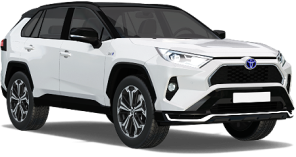
Intermediate SUVToyota RAV4 or Similar
From
$109.13
/day
|
|
|||
Standard SUVFord Edge or Similar
From
$111.36
/day
|

|
|||
Full-size SUVToyota Highlander or Similar
From
$160.02
/day
|

|
|||
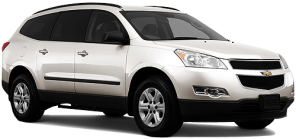
Premium SUVChevrolet Traverse or Similar
From
$165.93
/day
|
|
|||
Mini VanToyota Sienna or Similar
From
$169.17
/day
|

|
|||
Premium Elite CrossoverBMW X3 or Similar
From
$177.75
/day
|

|
|||
Our Features
Discover a world of convenience, safety, and customization, paving the way for unforgettable adventures and seamless mobility solutions.
Booking Assistance
Our support team can help you choose the right car and complete your booking if needed.
One-Way Rentals
Pick up your rental car in one city and drop it off in another, perfect for road trips and multi-city travel.
Flexible Rental Dates
Easily modify pickup and drop-off dates during booking to match your travel schedule.
Secure Online Booking
Book with confidence using our encrypted booking system that protects your personal and payment information.
Easy Booking Management
Manage, modify, or cancel your booking easily through your confirmation link or account.
Instant Booking Confirmation
Get immediate confirmation for most rentals with real-time vehicle availability.
Virgin Islands, U.S. Car Rental Facts
Essential information on the best deals, rental providers, and vehicle options in Virgin Islands, U.S..
Most Popular Agencies
Lion City Rentals leads with 28% share, catering to both tourists wanting to explore beyond the city and residents needing temporary vehicles.
Popular Car Types
Compact cars are favored for city maneuverability. Luxury vehicles serve business travelers and tourists wanting to arrive in style at Marina Bay.
Average Rental Duration
Short 3-day rentals reflect Singapore's compact size and excellent public transport, with cars used mainly for weekends in Malaysia or Sentosa trips. (Based on 14,200+ local searches)
Most Popular Models
The Toyota Corolla dominates the practical rental segment. The Mercedes C-Class is preferred for business clients and special occasions.
Average Daily Price
Singapore commands premium rates averaging $72/day, reflecting high vehicle costs. Weekend rentals from $135 offer value for Malaysia road trips.
How much does it cost to rent a car at Virgin Islands, U.S.?
Averaging the lowest prices for the economy car category, the data below shows prices for monthly comparisons.
Cheapest Month Average
JanMost Expensive Month
SepYearly Average Price
F1 Grand Prix (September) causes extreme price spikes. Peak seasons (June-August, December) for tourism. Cars expensive - public transport efficient. ERP tolls apply. Book 2-3 months ahead for F1.
Driving Laws & Information for Virgin Islands, U.S.
Essential driving rules and requirements to know when renting a car
Driving Side
Left
Minimum Age
18 to drive
Blood Alcohol Limit
0.08% maximum
IDP Required?
No International Driving Permit
Speed Units
mph
Seat Belt
Required
Toll Roads
No
Emergency
911 emergency number
Renting a Car in the U.S. Virgin Islands
Renting a car is the definitive way to experience the stunning beauty and unhurried pace of the U.S. Virgin Islands. While taxis and shared vans are available, they simply cannot provide the freedom required to truly explore the islands' hidden beaches, scenic overlooks, and local food spots. From the vibrant streets of Charlotte Amalie on St. Thomas to the pristine wilderness of Virgin Islands National Park on St. John, having your own vehicle allows you to set your own schedule and venture off the beaten path. A rental car transforms your trip, giving you the flexibility to chase a sunset viewpoint, stop at a roadside food truck, or discover a quiet cove far from the cruise ship crowds. Whether you are planning a week-long island getaway or a multi-island adventure, having your own wheels is essential for unlocking all that this American paradise has to offer.
Best Places to Pick Up a Rental Car in the U.S. Virgin Islands
The most convenient pickup locations are the international airports and ferry terminals. Cyril E. King Airport on St. Thomas is the primary gateway, with all major rental brands represented in an off-airport facility accessible by free shuttles. Henry E. Rohlsen Airport on St. Croix also offers full-service rental counters for those heading directly to the largest of the three main islands.
For travelers whose primary destination is St. John, you have two solid options. The first is to rent on St. Thomas and take the car ferry across, which allows immediate exploration upon arrival in Cruz Bay. The second is to take the passenger ferry and rent a car from one of the local agencies in St. John waiting for you at the dock. Neither option is significantly cheaper-it really comes down to what is most convenient for your travel plans.
Local, privately owned rental companies offer an alternative to the major chains, often delivering the car directly to the airport or your hotel and providing more personal, island-style service. Renting at the airport provides immediate access to your vehicle upon arrival, though this convenience can come with higher overall prices. Many savvy travelers find that local agencies offer better rates and more flexible arrangements, especially for longer rentals.
| Location | Why Choose It |
|---|---|
| Cyril E. King Airport (STT) - St. Thomas | Primary gateway; all major rental brands; free shuttles to off-site facility; ideal for St. Thomas exploration. |
| Henry E. Rohlsen Airport (STX) - St. Croix | Perfect for St. Croix visitors; full-service rental counters at terminal. |
| Cruz Bay Ferry Terminal - St. John | Most convenient for St. John stays; multiple local rental agencies steps from the dock. |
| Local Rental Companies (Island-wide) | Personal service; often deliver to airport or hotel; competitive rates; island-style convenience. |
| Red Hook Ferry Terminal - St. Thomas | Ideal for those taking car ferry to St. John; rental returns available nearby. |
Cheapest Month to Rent a Car in the U.S. Virgin Islands
Car rental prices in the U.S. Virgin Islands follow predictable seasonal patterns influenced by tourism, weather, and cruise ship schedules. The peak winter season from December through April sees the highest demand as visitors escape cold northern climates. Spring break in March also drives significant price increases.
May is the cheapest month to rent a car in the U.S. Virgin Islands, with rates dropping significantly after the winter crowds depart. September is the most expensive month, with prices averaging well above the yearly norm due to limited availability and continued demand. For budget-conscious travelers willing to visit during the shoulder seasons, May through June and November offer the best value with pleasant weather and fewer tourists.
Booking approximately 33 days in advance typically secures the best rates, with prices significantly lower than last-minute reservations. Small cars are around 29 percent cheaper than other vehicle types, making them the most economical choice for travelers who don't require four-wheel drive.
| Cheapest Month | Most Expensive Month |
|---|---|
| May | September |
| Average Price | $70-95 per day (economy cars) |
| A Good Deal | $38-50 per day |
| Cheapest Supplier | Budget / Local Agencies |
| Cheapest Car Type | Small / Economy Cars |
Most Popular Month to Rent a Car in the U.S. Virgin Islands
March stands as the peak month for car rental demand across the U.S. Virgin Islands. This is when spring break travelers from across the United States pour into the islands, seeking warm weather and turquoise waters. The weather is ideal-warm and dry with low humidity-and all roads are accessible across all three islands.
December through April represents the overall high season, with consistently high demand for rental vehicles. During these months, booking at least four to six weeks in advance is essential to secure a vehicle and avoid paying premium last-minute rates. For holiday weeks like Christmas and New Year's, booking even further ahead-sometimes two to three months-is strongly recommended.
The most popular vehicle type in the U.S. Virgin Islands is the small car category, with vehicles like the Chevrolet Cobalt leading in rental volume. However, on St. John specifically, Jeep Wranglers and 4x4 vehicles dominate due to the island's rugged terrain.
Average Rental Length in the U.S. Virgin Islands
The typical rental duration for travelers exploring the U.S. Virgin Islands varies based on trip purpose and itinerary. The statewide average rental length hovers around five to seven days, reflecting the typical week-long island vacation pattern. Visitors staying on a single island often rent for the duration of their stay, typically four to seven days.
Those planning multi-island adventures that include St. Thomas, St. John, and possibly a day trip to the British Virgin Islands often rent for seven to ten days, allowing time to explore each island's unique character. The car ferry between Red Hook on St. Thomas and Enighed Pond on St. John makes island hopping with a rental vehicle practical and popular.
Cruise ship passengers stopping for a single day typically do not rent cars, instead relying on taxis and tours. However, those with overnight stays before or after cruises often rent for two to four days to explore independently. Weekly rentals offer the best value for extended stays, with many companies providing discounted rates for rentals of seven days or more.
Car Rental Information for the U.S. Virgin Islands
The U.S. Virgin Islands car rental market features all major international brands alongside numerous local operators. Budget operates six locations across the islands, the most of any company, followed by Avis with five locations and Hertz with three. Enterprise, Alamo, and National each maintain two locations, primarily at airports and major tourist centers.
Most rental locations offer a standard fleet ranging from economy cars to SUVs and Jeeps, with four-wheel drive vehicles essential for St. John and recommended for those exploring the more remote areas of St. Thomas and St. Croix. The most popular rental category is small cars, which offer the best value for travelers staying on paved roads and in developed areas.
Specialty vehicles like 4x4 Jeeps are in highest demand on St. John, where steep, rugged roads require higher ground clearance and better traction. Passenger vans are available for larger groups, though advance booking is essential. The rental market is competitive, with prices varying significantly between providers and islands, making comparison shopping well worth the effort.
| Car Rental Locations | 25+ across St. Thomas, St. John, and St. Croix |
|---|---|
| Airport Locations | 2 major airports with rental desks |
| Popular Suppliers | Budget (6 locations), Avis (5), Hertz (3), Enterprise, Alamo, National, Local Agencies |
| Most Popular Car Type | Small Cars (Chevrolet Cobalt or similar) |
| Lowest Price Found | $38 per day |
| Cheapest Month | May |
| Largest Fleet Provider | Budget |
Most Popular Car Models of Rental Suppliers in the U.S. Virgin Islands
For navigating the U.S. Virgin Islands' diverse terrain-from paved coastal roads to steep mountain tracks-the choice of vehicle can greatly impact your trip. Jeeps and 4x4 vehicles are essential on St. John, where many roads are steep, narrow, and rugged. On St. Thomas and St. Croix, standard vehicles suffice for most travel, though four-wheel drive is still recommended for exploring remote areas.
- Jeep Wrangler: The quintessential U.S. Virgin Islands rental, particularly on St. John. Offers rugged 4x4 capability for steep hills, high ground clearance for rough roads, and open-air potential. Most popular vehicle for exploring Virgin Islands National Park and reaching remote beaches like Salt Pond Bay.
- Jeep doors-off warning: Removing Jeep doors is illegal on St. John as it removes the mirrors, and violations result in tickets enforced especially in the national park. Fines must be paid in cash at the police station before continuing.
- Jeep roof-off warning: Strongly discouraged by rental companies and prohibited in many contracts. Rental companies will fine violators, and locals will report it-everyone knows the rental cars.
- Chevrolet Cobalt / Ford Fiesta: Economy cars that are the most popular rental category in the U.S. Virgin Islands. Fuel-efficient and affordable, perfect for St. Thomas and St. Croix travelers staying on paved roads and in developed areas.
- Compact SUVs (Ford Escape / Honda CR-V): Offering a balance of ground clearance, fuel efficiency, and comfort. Suitable for light off-roading and families wanting more space than a sedan.
- Mid-size SUVs (Jeep Grand Cherokee / Ford Explorer): Popular with families and groups needing additional passenger and cargo space. Comfortable for longer drives between island attractions.
- Pickup Trucks (Ford F-150 / Toyota Tacoma): Ideal for travelers bringing sports equipment, diving gear, or needing utility capability. Common among visitors planning extensive outdoor activities.
- Minivans (Chrysler Pacifica / Dodge Grand Caravan): Perfect for larger families and groups, offering spacious seating and cargo capacity for beach gear and luggage.
- "Billy Goat" Island Cars: Local term for rugged, well-used vehicles that handle rough terrain. Often available from local rental agencies at competitive rates.
Top Driving Routes in the U.S. Virgin Islands
A self-drive trip in the U.S. Virgin Islands offers some of the most scenic coastal and mountain drives in the Caribbean. Renting a car provides the freedom to explore national parks, historic sites, and secluded beaches at your own pace. The islands' well-maintained main roads and rugged back roads make exploration an adventure, though drivers should be prepared for left-side driving, steep grades, and occasional wandering wildlife.
- St. Thomas Northside Loop (approx. 20 miles): Starting in Charlotte Amalie, head north on Route 35 to Mountain Top for breathtaking views of Magens Bay and the British Virgin Islands. Continue to Drake's Seat, where Sir Francis Drake reportedly watched for Spanish ships, then descend to Magens Bay Beach-consistently ranked among the world's most beautiful. Return via Route 40 through Frenchtown for waterfront dining.
- St. Thomas East End Explorer (approx. 15 miles): From Red Hook, follow Route 32 east to Secret Harbour, then continue to Bolongo Bay. Take the scenic drive to Sapphire Beach and finally to Coki Beach, home of Coral World Ocean Park. This route showcases the island's best beaches and resort areas.
- St. John North Shore Road (Route 20, approx. 7 miles): Starting in Cruz Bay, follow the North Shore Road through Virgin Islands National Park, passing some of the Caribbean's most spectacular beaches in succession: Hawksnest, Trunk Bay (with its underwater snorkel trail), Cinnamon Bay, Maho Bay, and Francis Bay. Each offers parking, facilities, and unique character. Allow a full day to explore and snorkel.
- St. John East End Adventure (Route 10 and 107, approx. 12 miles): From Cruz Bay, take Centerline Road (Route 10) through the island's interior, passing through the forested hills of the national park. Descend to Coral Bay, the island's second settlement, then continue to Salt Pond Bay for excellent snorkeling and the short hike to Ram Head. Return via the winding Bordeaux Mountain Road for spectacular views.
- St. Croix Scenic Tour (approx. 60 miles loop): Starting in Christiansted, follow the coastal road west to Frederiksted, passing through lush countryside and historic sugar plantation ruins. From Frederiksted, take the scenic Ham's Bluff route north along the coast, then continue to the Rain Forest area and the scenic North Shore roads. Return via Centerline Road through the island's agricultural heartland.
- St. Croix East End Loop (approx. 25 miles): From Christiansted, head east to historic estates and beaches including Grapetree Bay and Issac Bay. Continue to Point Udall, the easternmost point in the United States, for spectacular sunrise views. Return along the south coast through the Salt River Bay National Historical Park.
Driving Rules Tourists Must Know in the U.S. Virgin Islands
Adapting to local driving conditions is key to a safe and enjoyable trip in the U.S. Virgin Islands. Tourists from the mainland United States and other countries should be aware of the unique rules, road conditions, and island driving customs they might encounter.
- Left-Hand Driving: The U.S. Virgin Islands is the only U.S. territory where vehicles drive on the left side of the road. This is the most important rule to remember. Most rental cars have left-hand drive steering wheels (imported from the mainland), which complicates visibility and orientation. Take it slow until you adjust.
- Right on Red: Unlike many U.S. states, turning right on red is not generally permitted in the U.S. Virgin Islands unless specifically posted. Wait for the green light before turning.
- Island Honking Protocol: Drivers often use one or two quick honks to say "thank you" when someone lets them in. If someone honks at you, they are likely expressing gratitude, not frustration. Return the courtesy with a wave or a quick honk back.
- Speed Limits: Speed limits vary by island and road type. In town and urban areas, the limit is typically 20 mph. In rural areas and on open roads, limits range from 25-35 mph. On St. Croix's flat stretches, some highways allow up to 55 mph. Limits are strictly enforced, especially in national park areas.
- Road Conditions: Roads are often narrow, winding, steep, and occasionally bumpy. Some rural roads are unpaved or have potholes. On St. John, many roads are rugged and require four-wheel drive. Blind curves are common-stay alert and use your horn on sharp turns as a courtesy.
- Seat Belt Laws: Seat belts must be worn by both drivers and passengers at all times while the vehicle is in motion. Enforcement is active, and fines apply for non-compliance.
- Child Seat Regulations: Children under age five must be placed in a child restraint when riding in the front seat. In the back seat, children ages three to five may wear just a safety belt, but a booster seat is recommended. Children under age 12 must wear seat belts at all times. Most rental agencies can provide child seats for an additional fee, typically around $10 per day.
- Alcohol Limit: The legal blood alcohol limit is 0.08 percent. Drunk driving is strictly enforced with severe penalties including fines, license suspension, and potential imprisonment. Open intoxicants are prohibited in vehicles.
- Mobile Phone Use: Using a mobile phone while driving is prohibited unless using a hands-free device. Texting while driving is strictly illegal and results in fines.
- Pedestrian Right of Way: Pedestrians have the right of way at crosswalks. Drivers must yield to pedestrians in marked crossings. Be especially alert in towns and near beaches.
- Wildlife and Livestock: Animals, including donkeys, goats, and chickens, frequently wander onto roads, especially in rural areas. Exercise caution, particularly at dawn and dusk, and be prepared to stop.
- Yielding to Locals: Island mentality extends to the roads-drivers often yield to other cars and maintain a relaxed pace. Aggressive driving is frowned upon. When in doubt, yield and proceed with courtesy.
- Vehicle Inspection: Take a timestamped video of the exterior and interior of the rental car before leaving the lot. Document every scratch, dent, and scuff. The islands are scratch-and-go, and local cars are well-loved-protect yourself from disputed damage claims.
| Road Type | Speed Limit |
|---|---|
| Urban Areas / Towns | 20 mph (32 km/h) |
| Rural Areas | 25-35 mph (40-56 km/h) |
| St. Croix Highways | up to 55 mph (88 km/h) |
| National Park Roads | 15-25 mph (24-40 km/h) |
| School Zones | 15 mph (24 km/h) when indicated |
Toll Roads and Ferries in the U.S. Virgin Islands
The U.S. Virgin Islands has no toll roads on its highways or main routes. However, the car ferry between St. Thomas and St. John is a toll-like expense that visitors should factor into their budget. The car barge, known locally as a car ferry, travels several times daily between Red Hook on St. Thomas and Enighed Pond on St. John. One-way fares typically range around $30 for the vehicle plus $3 per passenger, with round trips approximately $50. Port fees of about $3 are collected in St. Thomas.
Weather conditions may occasionally stop ferry service, so it is important to be aware of this if you are returning your car to the other island with a flight connection. Ferry schedules vary by season, with more frequent service during peak tourist months. Passenger-only ferries between Charlotte Amalie and Cruz Bay cost approximately $8.15 each way or $16.30 round trip per adult.
For those wanting to visit the British Virgin Islands, car ferry service is available from St. Thomas to Tortola, though customs and immigration procedures apply. Not all rental companies permit their vehicles on international ferries, so check with your provider before planning a BVI day trip.
Popular Car Rental Companies in the U.S. Virgin Islands
Choosing between international chains and local operators can impact both your budget and experience. The U.S. Virgin Islands rental market features all major brands alongside numerous locally owned agencies offering personalized service and competitive rates.
Budget operates the most locations with six across St. Thomas, St. John, and St. Croix, offering consistent quality and extensive fleets. Avis follows with five locations, and Hertz maintains three locations at key tourist hubs. Enterprise, Alamo, and National each operate two locations, primarily at airports. Local agencies like those in Cruz Bay provide island-style convenience with delivery options and flexible arrangements.
For St. John rentals specifically, local companies near the ferry dock offer the most convenient pickup and drop-off. These agencies understand the island's unique driving conditions and can recommend appropriate vehicles for your itinerary. When comparing companies, consider not only the daily rate but also insurance options, ferry permissions, and any additional fees that may apply.
| Company | Price Level | Pros |
|---|---|---|
| Budget | Medium | 6 locations; largest network; consistent quality; extensive fleet; convenient airport presence. |
| Avis | Medium-High | 5 locations; reliable service; good for business travelers; loyalty program benefits. |
| Hertz | Medium-High | 3 locations; wide vehicle selection; strong international reputation. |
| Enterprise | Medium | 2 locations; excellent customer service; good for leisure travelers. |
| Local Agencies (St. John) | Low-Medium | Personalized service; convenient ferry dock locations; flexible arrangements; island knowledge. |
| Alamo / National | Medium | 2 locations each; competitive rates; popular with frequent renters. |
Parking in the U.S. Virgin Islands
Parking in the U.S. Virgin Islands varies dramatically between towns and beach areas. In Charlotte Amalie, St. Thomas, street parking is available but limited, especially when cruise ships are in port. Paid parking lots exist near the main shopping areas, with rates varying by location. The cruise ship pier area is particularly congested on ship days, with parking at a premium.
On St. John, parking is generally easier than in St. Thomas, though Cruz Bay can become crowded during peak hours and high season. The main parking lot near the ferry terminal fills quickly, but street parking is available in surrounding areas. Most beaches have designated parking areas, some paved and others unpaved. Trunk Bay, Cinnamon Bay, and Maho Bay all have lots that fill by mid-morning during peak season-arriving early is essential.
On St. Croix, Christiansted and Frederiksted both offer street parking and municipal lots. The Christiansted boardwalk area has paid parking nearby, while Frederiksted's waterfront offers convenient street parking. At beaches and attractions throughout the islands, parking is generally free though sometimes limited.
Safety note: Never leave valuables visible in your rental car, especially at public beaches and trailheads. Theft from rental vehicles can occur, and rental companies advise taking all valuables with you or locking them in the trunk out of sight before arriving at your destination.
Many hotels, villas, and resorts offer free parking for guests, a significant advantage when staying outside crowded town centers. Some properties in downtown Charlotte Amalie may charge for parking, so check policies when booking.
Car Rental Prices in the U.S. Virgin Islands
Daily rental rates vary widely depending on vehicle type, season, island, and rental company. A Jeep Wrangler, essential for St. John and popular throughout the islands, commands a premium price compared to an economy car. Four-wheel drive vehicles are in highest demand and therefore the most expensive category.
Airport locations typically charge higher rates than off-airport locations due to concession fees and operating costs. However, the convenience of picking up immediately upon arrival often justifies the premium for travelers. Local agencies, particularly on St. John, may offer more competitive rates and flexible arrangements.
Booking at least 33 days in advance is the single most effective way to secure the best rates. May offers the lowest average prices, while September sees the highest due to limited availability and sustained demand. Weekly rates often provide better value than daily pricing, with many companies offering discounts for rentals of seven days or more. Fuel prices in the islands are higher than on the U.S. mainland, averaging $3.40 to $4.00 per gallon, with St. John generally the most expensive and St. Croix the least expensive.
| Car Type | Average Price Per Day | Best For |
|---|---|---|
| Economy Cars | $38-70 | Budget travelers, couples, St. Thomas and St. Croix paved road exploration. |
| Compact SUVs | $70-95 | Small families, light off-roading, visitors wanting balance of capability and fuel economy. |
| Jeep Wrangler / 4x4 | $90-130 | St. John exploration, Virgin Islands National Park, rugged terrain, steep hills. |
| Mid-size SUVs | $100-150 | Families, groups, those needing extra cargo space for luggage and gear. |
| Pickup Trucks | $90-140 | Outdoor enthusiasts with sports equipment, diving gear, utility needs. |
| Minivans | $110-170 | Large families, groups, maximum passenger and cargo capacity. |
| Luxury Cars | $150-300+ | Special occasions, premium travel experiences, business travelers. |
Money-Saving Tips for Renting a Car in the U.S. Virgin Islands
- Book in advance: Securing your vehicle 33 days ahead, especially for peak winter season and spring break, can lock in lower rates and guarantee availability. Last-minute bookings during high season may find limited inventory.
- Choose the right vehicle for the island: Do not overspend on a Jeep Wrangler if you are staying only on St. Thomas or St. Croix. A compact car or sedan works perfectly on paved roads and saves significantly. On St. John, however, a 4x4 is non-negotiable for accessing many areas.
- Compare airport vs. local agencies: Local rental companies, especially on St. John, often offer better rates and more flexible arrangements than major chains. They may also deliver the car to the ferry dock or your accommodation.
- Check for credit card insurance coverage: Some U.S. credit cards provide rental car insurance, though coverage may be limited on the islands. Verify before declining the rental company's insurance, as the repair timeline risk is significant.
- Buy the rental insurance: This is one area where skimping can be disastrous. If your rental is damaged, repairs happen on island time-cars can sit in shops for one to three months, and rental companies charge daily loss-of-use fees for every single day the car is unavailable. That bill adds up fast.
- Book weekly rates: For rentals of five to seven days or more, weekly rates often undercut daily pricing significantly. Always check both options when comparing prices.
- Document everything: Take a timestamped video of the exterior and interior before leaving the lot, documenting every scratch, dent, and scuff. This protects you from disputed damage claims upon return.
- Refuel before returning: Gas stations near airports and ferry terminals may have limited hours. Fill up at a regular station before returning, but note that stations on St. John may close early. Choose the option to refuel yourself rather than prepaying for fuel you may not use.
- Consider the car ferry carefully: Factor the $30-50 round trip ferry cost into your budget when deciding whether to rent on St. Thomas or St. John. Neither option is significantly cheaper overall-choose based on convenience.
- Skip the GPS: Use your smartphone with Google Maps or downloaded offline maps. Most roads are marked by landmarks rather than street signs, and navigation apps work well. Download maps before you lose cell signal.
- Book during off-peak months: May, June, and November offer the lowest rates with pleasant weather and fewer crowds.
- Choose small cars when appropriate: Small rental cars are around 29 percent cheaper than other types on average. If your itinerary allows, this is the most economical choice.
- Check multiple rental companies: Prices vary significantly between providers. Compare Budget, Avis, Hertz, and local agencies to find the best deal for your dates.
- Avoid modifying the vehicle: Do not remove Jeep doors or roofs, regardless of how tempting it looks. Removal is illegal (doors remove mirrors) or prohibited by contract (roofs), resulting in fines and penalties. Locals will report rental cars with doors or roofs removed, and enforcement is active in the national park.
Common Mistakes When Renting a Car in the U.S. Virgin Islands
- Skipping the vehicle inspection: Not thoroughly documenting existing damage before leaving the lot. Take timestamped video of the entire vehicle, including the roof and undercarriage. The islands are scratch-and-go, and local cars are well-loved-protect yourself.
- Underestimating St. John's roads: Attempting to explore St. John in a low-clearance economy car. Many neighborhoods and beaches are accessible only via steep, rugged roads that require four-wheel drive and high ground clearance.
- Removing Jeep doors or roof: This is the most common and costly tourist mistake. Doors-off driving is illegal on St. John because it removes the mirrors. If ticketed, you must pay the fine in cash at the police station before continuing. Roof removal is prohibited by most rental contracts and results in fines.
- Forgetting to drive on the left: The most critical rule to remember. Take extra care at intersections and when pulling out of parking lots. It takes time to adjust-go slowly until it becomes natural.
- Skipping the insurance: Declining coverage to save money can lead to devastating financial liability if damage occurs. Island repair timelines mean loss-of-use fees can accumulate for months.
- Running on empty: Gas stations are limited, especially on St. John where stations are near Cruz Bay and Coral Bay and may close early. Fill up when you have the chance, particularly before heading to remote areas.
- Leaving valuables visible: Vehicle break-ins can occur at beaches and trailheads. Never leave luggage, electronics, or valuables visible in a parked car. Lock items in the trunk before arriving at your destination.
- Assuming street signs are plentiful: Many streets are poorly marked, and navigation relies on landmarks rather than street signs. Download offline maps and pay attention to your surroundings.
- Driving at night on unfamiliar roads: Road lighting is very poor in many areas, and animals frequently wander onto roads. New drivers should avoid driving at night until comfortable with the terrain.
- Not understanding the fuel policy: Know whether you need to return the car with a full tank to avoid expensive refueling charges that can be double the cost of filling up yourself.
- Waiting until the last minute for winter travel: December through April is peak season, and rental cars book up weeks or months in advance. Book early or be prepared for limited availability and premium prices.
- Forgetting car seats for children: All children under five require appropriate restraints. Rental companies have limited supply and charge around $10 per day-bring your own if possible.
- Assuming all rental cars can go to BVI: Not all companies permit their vehicles on international ferries to the British Virgin Islands. Check before planning a day trip to Tortola or Virgin Gorda.
- Driving too fast on unfamiliar roads: Speed limits posted for straightaways may be dangerously fast for curves and blind corners. Reduce speed and enjoy the scenery-island time means arriving relaxed.
Traveler Experience in the U.S. Virgin Islands
Last March, the Peterson family from Chicago flew into Cyril E. King Airport on St. Thomas and faced the classic dilemma: rent on St. Thomas and take the car ferry, or take the passenger ferry and rent on St. John. After comparing costs and convenience, they reserved a Jeep Wrangler with a local St. John agency waiting near the Cruz Bay ferry dock.
"The passenger ferry from Red Hook was quick and easy," Sarah Peterson recalled. "When we stepped off the boat, our rental representative was standing there with a sign and walked us two blocks to the Jeep. We were on the road to our villa within fifteen minutes of arriving-no shuttles, no paperwork lines, no hassle."
The family's first challenge came on the drive to their rental villa. "The road was incredibly steep and narrow, with switchbacks that seemed impossible. But the Jeep handled everything beautifully. We passed a small sedan struggling on the same hill, and we were so glad we'd listened to the advice about four-wheel drive."
Their most memorable mistake was almost removing the Jeep doors. "On our third day, my husband thought it would be fun to take the doors off for a beach drive. Our rental agency had explicitly warned us not to, and a local at the grocery store parking lot actually approached us and said, 'You're not going to take those doors off, are you? The park rangers will ticket you in five minutes.' We left them on and learned that island vigilance is real."
The Petersons also learned the importance of early beach arrival. "We showed up at Trunk Bay at 10:30 a.m. and the parking lot was completely full. The next day, we arrived at 8:30 a.m. and had our pick of spots. After a few hours, we could watch the cars circling as we snorkeled-that lesson saved us so much frustration."
Their advice for future visitors: "Book your St. John rental from a local agency near the ferry, absolutely get a Jeep, arrive at beaches before 9 a.m., and never leave anything visible in the car. The freedom of having your own wheels transforms the entire experience-you can explore remote beaches like Salt Pond Bay and Francis Bay that would be impossible to reach otherwise."
International Driving Permit (IDP) Requirements
Visitors to the U.S. Virgin Islands driving with a valid driver's license issued in their home country must present specific documentation depending on their country of origin. As a United States territory, the U.S. Virgin Islands follows similar requirements to the mainland with some local adaptations.
For U.S. citizens: A valid driver's license from any U.S. state or territory is sufficient. No additional permits or documentation are required for rentals up to 90 days.
For international visitors with licenses in English: If your home country license is in English, such as from the United Kingdom, Australia, Canada, or New Zealand, you can use your valid, unexpired home country driver's license for up to 90 days. An International Driving Permit is recommended but not required.
For international visitors with licenses with English letters but non-English language: If your home country license is in a language other than English but uses English letters, such as German, Spanish, or French, an International Driving Permit is recommended for translation purposes in addition to the home country license. While not legally required, it can be helpful if you are stopped by law enforcement.
For international visitors with non-English alphabet licenses: If your home country license is in a language other than English and uses a non-English alphabet, such as Arabic, Chinese, Japanese, or Russian, you must obtain a temporary island license. These are usually available directly from rental agencies and cost around $25. This serves as an official translation that law enforcement and rental companies can understand.
An International Driving Permit or temporary island license is not a stand-alone document and must be accompanied by your valid home country license at all times while driving. Visitors can drive with these documents for up to 90 days; those staying longer must apply for a local U.S. Virgin Islands driver's license.
When renting a car, you will need to present your valid home country license and passport. Some rental agencies may also require a credit card in the driver's name. Minimum age requirements typically range from 21 to 25 years old, with drivers under 25 subject to young driver surcharges ranging from $10 to $20 per day depending on the company and driver's age. It is always best to check with your specific rental company about their requirements before traveling to ensure a smooth pickup experience.
Popular Cities for Car Rental in Virgin Islands, U.S.
Frequently Asked Questions about Car Rental in Virgin Islands, U.S.
Virgin Islands, U.S. Car Rental Reviews & Customer Ratings
Read verified customer reviews, ratings, and rental experiences from travelers who booked through Airport Rento.
Overall Rating
Fast and easy
Verified"In and out in 10 mins. Jeep was a bit beat up but ran fine. Drove to Lindquist Beach. Would rent again for sure."
David K.
Perfect
Verified"Rented for my honeymoon. They gave us a free upgrade to a convertible. Drove around St. John with the top down. Unforgettable. Efcharisto!"
Andreas Christou
Convenient location
Verified"Picked up right near Cyril E. King Airport. Car was a Hyundai Elantra. Drove to Red Hook for the ferry to St. John. Everything worked as promised."
Yoshikazu Taniguchi
Perfect island car
Verified"Rented a Jeep Wrangler for a week. Picked us up at the STT airport shuttle. Drove to Magens Bay and Trunk Bay - car handled the hills like a champ. AC was ice cold. 10/10 would rent again."
James T. Morrison
Easy af
Verified"Booked online. Shuttle came in 5 mins. Car was a Nissan Rogue. Drove to Secret Harbour. No complaints. Yep."
Liam N.
Not bad at all
Verified"I was worried after reading some reviews but my experience was fine. Car was clean. Picked me up on time. 4 stars because the office was hard to find."
Jessica T.
Great value for money
Verified"Compared to other rental companies at the airport, AirportCarHub was cheaper by about $150. The car was a basic Nissan Versa but perfectly fine for getting around. Would use again."
Emma Richardson
Quick and cheap
Verified"Found a discount code online. Ended up paying less than $40/day for a compact car. No hidden fees at pickup. Great deal."
Patricia M.
Good enough for me
Verified"Jeep Wrangler soft top. Bit noisy on the highway but fun. Drove to Salt Pond Bay. The staff was chill. No drama. 4 stars."
Ryan Murphy
Tutto perfetto
Verified"Italian family of 4. Minivan was spacious and clean. Drove to Coral World Ocean Park. The return process took 2 minutes. Grazie mille!"
Luca Bianchi
Decent experience
Verified"Got a Chevy Spark. Small but fine for 2 people. The lady at the counter was nice. Drove to Coki Beach. No issues with the return."
Edward Lee
Easy pickup process
Verified"Booked online in 5 minutes. Got a Toyota Corolla - clean and low mileage. The staff at the counter were friendly. Only complaint was the GPS was outdated but phone maps worked fine."
Sarah Chen
Muito bom
Verified"Brazilian. Rented a compact car. Parking was easy at the hotel. The staff gave us a map. Tudo funcionou bem. 5 stars."
Gabriel Costa
Bom atendimento
Verified"Brazilian traveler. Staff spoke Portuguese which helped. Car had a full tank. Dropped off with no issues. Praias lindas!"
Sofia Rodrigues
Buen carro
Verified"Rented a Kia Soul for 3 days. AC was strong which you need in the islands. Staff was helpful with directions to Mountain Top. El carro estaba limpio."
Pedro Domínguez
Хорошо
Verified"Russian speaker. Staff didnt speak Russian but they were nice. Car had a broken radio but whatever. Got us around. Fine."
Viktor Petrov
Ngiyabonga
Verified"South African traveler. Rented a sedan for 6 days. The car had a full tank and was clean. Drove to all the Northside beaches. Staff was helpful. Thanks!"
Sibusiso Ndlovu
Solid rental
Verified"Nothing special but nothing wrong either. Car was ready. Return was quick. Got to see the whole island. 4 stars."
Marek Grabowski
Bon service
Verified"We rented for 5 days. The staff spoke French which helped. Car was a bit dusty but mechanically sound. Drove to Sapphire Beach - beautiful. Merci!"
Alexandre Noel
All good
Verified"Picked up a Toyota Camry. Smooth ride. The airbnb host recommended this rental place. Glad I listened. Grazie."
Alessandro Sala
Kul sum
Verified"Rented a midsize SUV. AC was cold. Staff was efficient. Drove to all the beaches. Good value. Would recommend."
Hazem Roshdy
Sehr gut!
Verified"German traveler here. Car was ready on time. Drove to Cruz Bay and Cinnamon Bay. No hidden fees. Would recommend to anyone visiting St. Thomas."
Peter Schulz
Très bien
Verified"Rented for 4 days. Car was clean. The GPS didnt work but we used our phones. Staff was kind. Would use again."
Nadia Boumediene
Serviciu ok
Verified"Romanian traveler. Got a Ford Focus. Clean inside and out. Drove to Frenchman's Reef. The price was fair. Would book again."
Daniel Barbu
God service
Verified"Dane here. Rented a Volkswagen Jetta. Car was clean. Drove to Estate St. Peter. The pickup shuttle was on time. Everything worked out."
Jens Nielsen
Smooth transaction
Verified"Booked from Tokyo. Shuttle was waiting. Car was a Mazda CX-5. No issues. Drove around the whole island. Highly recommend."
Katsuhiko Tanaka
Smooth rental
Verified"Used the shuttle from the ferry terminal. Got a Jeep Patriot. Only issue was the tire pressure light came on but they swapped it out in 20 mins. No drama."
Michael O'Brien
ممتاز
Verified"Kuwaiti family. Minivan was clean and spacious. The staff helped with luggage. Drove to Brewer's Bay. Excellent service. Shukran."
Mohammed Al-Khaldi
Good service
Verified"Chinese tourist. Staff was patient. Car had some cosmetic scratches but drove fine. Drove to Charlotte Amalie. Fair price."
Du Ming
Good enough
Verified"Nothing fancy but got the job done. The check engine light came on but they said it was fine. Bit nerve-wracking but no actual problems. 4 stars for honesty."
Aisha Patel
Prima geregeld
Verified"Dutch family. Minivan was perfect for 5 people with luggage. AC worked great. Drove to Trunk Bay. Everything was arranged well."
Thomas van der Berg
Easy booking
Verified"Booked from Abu Dhabi. Process was straightforward. Car was a Nissan Altima. Drove to Hull Bay. Return was fast. Thank you."
Maitha Al-Hammadi
Happy customer
Verified"Easy pickup. Car was a Hyundai Kona. Drove to Sapphire Beach. The return was painless. Would use AirportCarHub again in other locations."
Chloe W.
Bra bil
Verified"Swedish family. Car had a child seat ready as requested. Drove to Magens Bay. The pickup was slightly delayed but they apologized. Overall good."
Maria Svensson