Standart Tek Kabin Kamyonet

Ford Ranger
veya benzeri
Başlangıç
$103.33/gün
Güvenilir küresel tedarikçilerden araç kiralama fiyatlarını karşılaştırın. En iyi fırsatları anında bulun.
Port Au Prince Havalimanı (PAP) için araç seçeneklerini keşfedin.
veya benzeri

veya benzeri
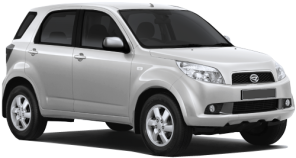
veya benzeri
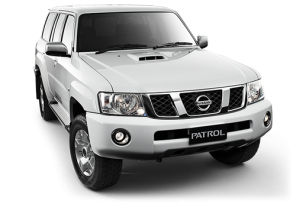
veya benzeri
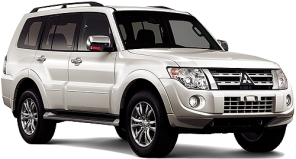
veya benzeri
Gösterilen fiyatlar yaklaşık değerlerdir; rezervasyon tarihine, kiralama süresine ve araç sınıfına göre değişebilir. Güncel fiyat için rezervasyon seçeneklerini kontrol edin.
Unutulmaz maceralar ve kesintisiz mobilite çözümlerine zemin hazırlayan bir konfor, güvenlik ve kişiselleştirme dünyasını keşfedin.
Tüm kiralama maliyetleri, vergiler, sigorta seçenekleri ve ücretler rezervasyon öncesinde net bir şekilde gösterilir.
Seyahatiniz için en iyi kiralama tedarikçisini seçmenize yardımcı olması açısından doğrulanmış müşteri yorumlarını ve puanlamalarını okuyun.
Birçok rezervasyon, teslim almadan 48 saat öncesine kadar ücretsiz iptal imkanı sunarak seyahat planlarınız değiştiğinde size esneklik sağlar.
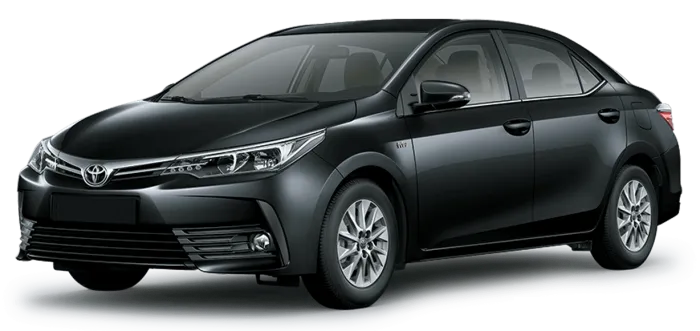
Birçok tedarikçi sınırsız kilometre sunar, böylece mesafe sınırlamaları konusunda endişelenmeden özgürce keşfedebilirsiniz.
En uygun teslim alma noktasını hızlıca seçmek için etkileşimli haritalar üzerinde kiralama lokasyonlarını görün.
Kişisel ve ödeme bilgilerinizi koruyan şifreli rezervasyon sistemimizle güvenle rezervasyon yapın.
Ekonomi araç kategorisi için en düşük fiyatların ortalaması alınarak aylık karşılaştırmalar aşağıda gösterilmiştir.
Araç kiralarken bilmeniz gereken temel sürüş kuralları ve gereksinimler.
Sürüş kuralları, ehliyet gereksinimleri, hız sınırları ve yerel ipuçları hakkında bilgi edinin.
Renting a car at Port Au Prince Airport (PAP), Haiti, is a direct and straightforward process, designed to get travelers on the road quickly. Upon arrival, you'll find the rental car counters conveniently located just outside the arrivals terminal, making it far more seamless than venturing into the city center to find a rental agency. For international travelers, this airport pickup option is the preferred choice due to security, convenience, and the immediate availability of vehicles after a long flight. While city center locations might occasionally offer slightly lower base rates, the time, cost, and potential stress of navigating unfamiliar streets to reach them often negate any savings, especially when you’re laden with luggage after clearing customs.
Choosing a rental car over taxis or the limited public transportation gives you a critical advantage: autonomy. Haiti’s public transport network, consisting of "tap-taps" (colorfully painted buses and pickup trucks), is an authentic experience but can be chaotic and challenging for those unfamiliar with the routes and language. Taxis are available but require negotiation for fares, which can vary wildly. A rental car, particularly when picked up directly from the airport, provides a predictable budget, a secure space for your belongings, and the freedom to travel on your own schedule. However, it’s wise to be aware of a potential airport surcharge—often a 10-15% fee added to the rental for the convenience of an on-site pickup. A savvy money-saving tip is to book your vehicle online well in advance, as rates are typically lower and the airport surcharge is often clearly disclosed, allowing you to compare the total cost with off-site options.
| Pickup Location | Convenience | Price Level (Avg. Daily Rate) | Key Advantage |
|---|---|---|---|
| Port Au Prince Airport (PAP) | Very High (Immediate upon arrival) | Medium to High (includes surcharge) | Easiest access, secure, immediate start to trip. |
| City Center (e.g., Petion-Ville) | Low (requires transport from airport) | Medium (often lower base rate) | Potentially lower daily rate if you have local transport. |
Before you finalize your booking for a vehicle at Port Au Prince Airport (PAP), Haiti, it's essential to understand the local rental requirements. The process is similar to many international destinations but has specific stipulations that international travelers must meet. The minimum age to rent a car in Haiti is generally 25 years old, though some companies may rent to drivers between 21 and 24 with the addition of a young driver surcharge, which can add a significant daily cost to your rental. You will need a valid, original driver's license issued in your country of residence. Alongside your license, a passport is mandatory for identity verification and to prove your legal entry into the country. A major credit card in the primary driver’s name is non-negotiable; debit cards are almost universally not accepted for the security deposit hold.
Insurance is a critical component of renting here. The basic rental rate typically includes third-party liability insurance as required by Haitian law. However, you will be strongly advised—and it is highly recommended—to purchase a Collision Damage Waiver (CDW) and Theft Protection to limit your financial responsibility in case of an accident or theft. Before declining any coverage, check with your personal auto insurance or premium credit card provider to see if they extend coverage to rental vehicles in Haiti, as many do not. Regarding an International Driving Permit (IDP), it is not a legal requirement for renting a car if your home license is in English or French. However, obtaining an IDP before your trip can be immensely helpful. It serves as a verified translation of your license and can prevent misunderstandings during traffic stops or in the rare event of an accident, as it provides a universally recognized form of identification.
| Requirement | Details |
|---|---|
| Minimum Age | 25 years (21-24 with young driver surcharge) |
| Driver's License | Valid, original license from your home country |
| International Driving Permit (IDP) | Not legally mandatory but strongly recommended for translation |
| Credit Card | Major credit card (Visa, MasterCard) in driver's name for deposit |
| Passport | Required for identification and rental contract |
| Insurance | Third-party liability included; CDW and Theft Protection highly advised |
Renting a car at Port Au Prince Airport (PAP), Haiti, transforms your trip from a logistical puzzle into a liberating adventure. The primary benefit is the freedom to explore beyond the capital’s immediate vicinity at your own rhythm. Haiti is a country best discovered on the road, where the true spirit of the land—its vibrant markets, breathtaking mountain vistas, and secluded coastline—unfolds between destinations. With your own vehicle, you’re not tethered to a tour guide's schedule or the limited range of a taxi driver willing to travel far from the city. You can spontaneously decide to take a detour to a waterfall, linger longer at a historic site, or simply enjoy the drive through the scenic countryside.
For families, groups, or those planning extended stays across different regions, a rental car offers unparalleled convenience and cost-effectiveness. The cost of hiring private drivers for multiple days or long-haul trips can quickly surpass the daily rate of an SUV rental. A vehicle also provides a secure, private space for your luggage, shopping, and personal items, which is invaluable when traveling between destinations like the bustling capital and the serene beaches of the south or the historic Citadelle in the north. In a country where public transport schedules are fluid and air-conditioned taxis are a premium, having your own air-conditioned vehicle ensures comfort and reliability, making the journey as enjoyable as the destinations themselves.
At Port Au Prince Airport (PAP), Haiti, travelers have access to a mix of globally recognized rental brands and well-established local agencies. International names like Hertz, Avis, Enterprise, and Budget are present, offering a consistent standard of service, modern fleets, and the familiarity of their global reservation systems. These companies are excellent choices for travelers who value the peace of mind that comes with a corporate infrastructure, especially regarding roadside assistance and dispute resolution. Local suppliers can also offer competitive rates and deep local knowledge, though their fleet sizes may be smaller and their booking processes less automated. When choosing a company, it's advisable to look beyond the daily rate and consider the total cost, including all mandatory insurance and airport fees.
For the most reliable and cost-effective experience, many seasoned travelers recommend comparing the major international brands. Hertz and Avis often have the most prominent counters at the airport and a wide selection of vehicles, from compact cars to robust SUVs. Enterprise is a solid choice for those seeking a balance of value and service, while Budget can be a good option for economy-minded travelers. While Sixt, Alamo, and Europcar are giants globally, their presence in Haiti can be more variable or operate through partnerships; it’s always best to confirm their physical airport location when booking. The key is to read the terms and conditions carefully, ensuring you understand the fuel policy, insurance inclusions, and any mileage restrictions.
| Company | Price Level (Low / Medium / High) | Pros |
|---|---|---|
| Hertz | Medium to High | Large fleet, well-maintained SUVs, global loyalty program, reliable airport presence. |
| Avis | Medium to High | Strong customer service, diverse vehicle selection, convenient airport counter. |
| Enterprise | Medium | Good balance of price and quality, often competitive rates for longer rentals. |
| Budget | Low to Medium | Generally lower base rates, good for economy car rentals. |
When selecting a vehicle at Port Au Prince Airport (PAP), Haiti, your choice should be heavily influenced by the terrain you plan to cover and the size of your travel group. The most popular category by far is the SUV. Given the variable road conditions outside the capital, which can include potholes, gravel, and steep mountain roads, a high-clearance vehicle like a Toyota RAV4, Hyundai Tucson, or a larger Mitsubishi Montero Sport is the preferred choice for both comfort and safety. For travelers primarily staying in Port-au-Prince or Petion-Ville, a compact car like a Hyundai Accent or Kia Rio is sufficient, easier to park, and more fuel-efficient. Families or larger groups often opt for passenger vans or 7-seater SUVs to accommodate everyone and their luggage. Luxury vehicles are available but are less common and come with a significant premium.
Rental prices fluctuate significantly based on season and demand. The high tourist season, which runs from November through March (the driest and coolest months), sees the highest rates. Conversely, the off-peak season, during the hotter and rainier months from May to October, offers the best deals. Demand also spikes around major holidays like Carnival, Easter, and Haitian Flag Day (May 18th), so booking well in advance is crucial during these periods. The following tables provide a snapshot of average daily prices in USD, but always check for current deals.
| Car Category | Example Models | Average Daily Price (USD) |
|---|---|---|
| Small Cars (Economy/Compact) | Hyundai Accent, Kia Rio | $50 – $80 |
| Medium Cars (Intermediate/Standard) | Nissan Sentra, Toyota Corolla | $70 – $100 |
| SUVs (Standard/Intermediate) | Toyota RAV4, Hyundai Tucson | $90 – $140 |
| Full-Size SUVs/Vans | Mitsubishi Montero Sport, Ford Explorer, Passenger Vans | $120 – $200+ |
| Luxury Cars | Mercedes-Benz C-Class, BMW 3 Series | $150 – $250+ |
| Rental Cost Insight | Value |
|---|---|
| Cheapest Month | September (End of rainy season, post-summer travel lull) |
| Most Expensive Month | December (Peak holiday season, ideal weather) |
| Average Price (All Vehicles) | $90 – $110 USD per day |
| A Good Deal | Under $65/day for a compact car; under $100/day for a standard SUV |
| Cheapest Supplier (Typical) | Budget or local agencies during off-peak season |
| Cheapest Car Type | Economy (e.g., Hyundai i10 or similar) |
Your journey begins the moment you drive out of Port Au Prince Airport (PAP), Haiti. The country, though small, offers dramatically diverse landscapes, all accessible by road. Here are some of the most rewarding routes to consider.
Understanding local driving laws is paramount for a safe and legal journey. In Haiti, vehicles drive on the right side of the road. The most crucial rule to be aware of is the local driving culture, which can be described as fluid and assertive. Speed limits are generally low and should be adhered to, especially in urban areas where pedestrians, motorcycles, and animals are common. The national speed limit is typically 50 km/h (31 mph) in urban areas, 70 km/h (43 mph) on rural roads, and 90 km/h (56 mph) on highways, though well-maintained highways are limited. The legal blood alcohol limit is 0.08%, but given the driving conditions, it is strongly advised to avoid alcohol entirely when driving. Seatbelts are mandatory for all passengers, and children under 10 are required to be in appropriate child safety seats.
Road conditions vary dramatically. Major roads in Port-au-Prince and between major cities like the Route Nationale #1 (to the north) and #2 (to the south) are paved but can have significant potholes, especially after rain. Rural roads are often unpaved, gravel, or in poor condition. A high-clearance vehicle is recommended if you plan to leave the main highways. There are no winter tire laws in Haiti, but tire condition is critical. Check your rental's tires carefully before departure. Driving at night is generally discouraged due to poor street lighting, unpredictable road hazards, and increased safety risks. Police checkpoints are common, especially on highways leading out of the capital. You should always have your driver's license, passport, and rental contract ready to present.
| Rule | Detail |
|---|---|
| Driving Side | Right |
| Urban Speed Limit | 50 km/h (31 mph) |
| Rural Road Speed Limit | 70 km/h (43 mph) |
| Highway Speed Limit | 90 km/h (56 mph) |
| Blood Alcohol Limit | 0.08% |
| Seatbelts | Mandatory for all occupants |
| Child Seats | Required for children under 10 |
Haiti has a limited network of toll roads, but the most significant for travelers is the new express route connecting Port-au-Prince to the northern region, which includes a toll section. This highway, which bypasses the congested city traffic, is a major improvement for travel and requires a toll payment. The tolls are typically modest, usually between 50 and 100 Haitian Gourdes (roughly $0.40 to $0.80 USD) for a passenger vehicle. It’s a cash-only system, so it’s essential to have small denomination Gourdes available when you approach the toll plazas. Some newer systems may be electronic, but for a rental car, you will pay in cash at the booth. There are no other major toll roads in the country, making travel cost-effective aside from this key thoroughfare.
Parking in and around Port Au Prince Airport (PAP), Haiti, is generally straightforward. The airport itself has a secure, fenced parking lot directly in front of the terminal, which is a safe option for picking up or dropping off passengers, with fees calculated by the hour or day. In the capital, especially in bustling commercial areas like Petion-Ville, parking can be more challenging. Most hotels, reputable restaurants, and shopping centers offer guarded parking lots. It’s customary to tip the parking attendant, known as a "gardien," a small amount (around 25-50 Gourdes or $0.25-$0.50 USD) when they assist you in parking or watching your vehicle. Street parking is often informal and can be risky, both in terms of security and the risk of getting blocked in. It is highly recommended to always use designated, guarded parking facilities, especially when visiting busy markets or leaving the vehicle overnight.
Arming yourself with a few practical tips can make the difference between a smooth experience and a stressful one. From booking strategy to on-the-ground realities, these insights are tailored for the savvy traveler.
Even experienced travelers can fall into common traps when renting a car in a new country. Being aware of these pitfalls can save you time, money, and frustration during your trip.
Maria and her partner landed at PAP with a detailed itinerary for a week-long road trip to the south coast. They had pre-booked a Toyota RAV4 from one of the major international counters, and the process was surprisingly efficient—the agent was waiting with a clipboard and their name. After a thorough inspection, where they noted a small scuff on the rear bumper and snapped photos, they were on the road. The drive to Jacmel was an adventure in itself; the mountain roads were winding, and they were grateful for the SUV's power and clearance. At a police checkpoint outside the city, they simply presented their passports and the rental contract, and were waved through with a smile. Having their own vehicle allowed them to discover a secluded cove near Cayes-Jacmel that wasn’t in any guidebook, a spontaneous find that became the highlight of their trip. Returning the car was just as smooth—the agent did a quick check of the tires and exterior, confirmed the fuel was full, and processed the deposit return without any unexpected charges, cementing their confidence in the rental process.
While an International Driving Permit (IDP) is not a mandatory legal requirement for renting a car in Haiti if your home driver’s license is in English or French, obtaining one is a highly recommended form of preparation. An IDP serves as a standardized translation of your domestic license into multiple languages, which can be invaluable in the event of a traffic stop by Haitian police officers who may not be familiar with a foreign license. It adds an extra layer of credibility and can simplify communication. Travelers can obtain an IDP in their home country before departure, typically through their national automobile association (like AAA in the United States). It is valid for one year from the date of issue and must always be carried alongside your original driver’s license and passport. The process usually requires a passport-sized photo and a small fee. For a stress-free experience, consider this small investment in peace of mind a key part of your travel documentation.
İşaretçiler yaklaşık havalimanı veya şehir merkezi konumlarını gösterir.
Araç kiralama, otopark ve kara ulaşımı için havalimanı rehberlerini keşfedin.
Farklı bir isim, şehir veya IATA kodu deneyin.
Airport Car Hub üzerinden rezervasyon yapan seyahat edenlerin doğrulanmış müşteri yorumlarını, puanlarını ve kiralama deneyimlerini okuyun.
Genel Puan
Bu konum için henüz yorum yok. Deneyiminizi ilk paylaşan siz olun!