Mini
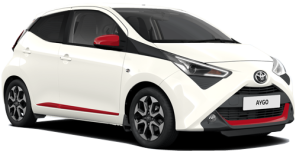
Toyota Aygo
veya benzeri
Başlangıç
$6.83/gün
Güvenilir küresel tedarikçilerden araç kiralama fiyatlarını karşılaştırın. En iyi fırsatları anında bulun.
Fuerteventura Havalimanı (FUE) için araç seçeneklerini keşfedin.
veya benzeri
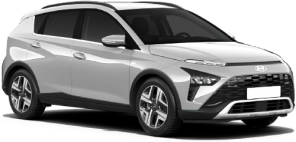
veya benzeri
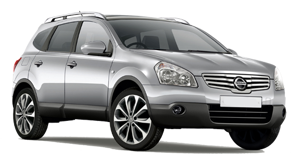
veya benzeri

veya benzeri

veya benzeri

veya benzeri
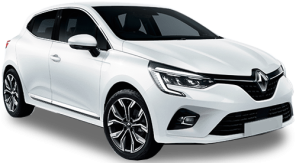
veya benzeri
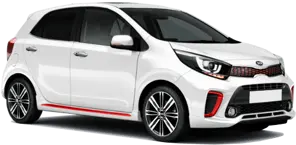
veya benzeri
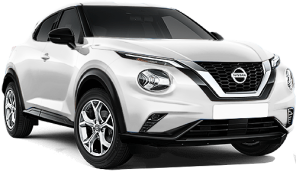
veya benzeri
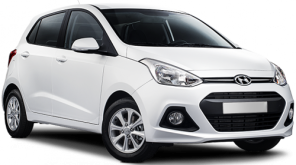
veya benzeri
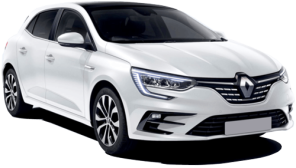
veya benzeri
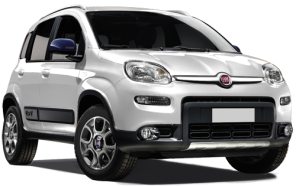
veya benzeri
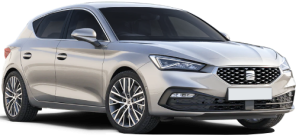
veya benzeri
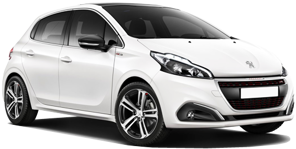
veya benzeri
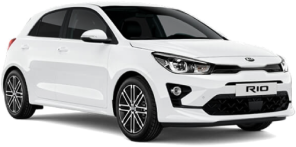
veya benzeri
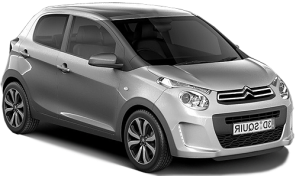
veya benzeri
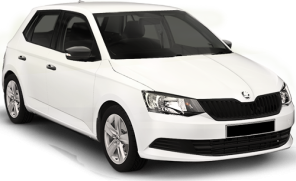
veya benzeri
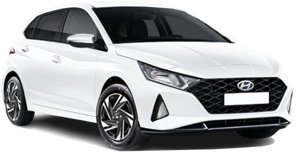
veya benzeri
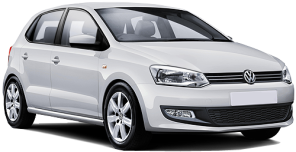
veya benzeri
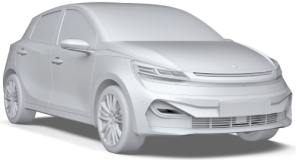
veya benzeri

veya benzeri

veya benzeri
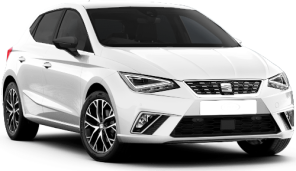
veya benzeri

veya benzeri
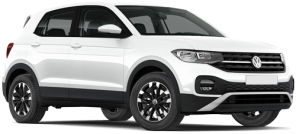
veya benzeri

veya benzeri
Gösterilen fiyatlar yaklaşık değerlerdir; rezervasyon tarihine, kiralama süresine ve araç sınıfına göre değişebilir. Güncel fiyat için rezervasyon seçeneklerini kontrol edin.
Unutulmaz maceralar ve kesintisiz mobilite çözümlerine zemin hazırlayan bir konfor, güvenlik ve kişiselleştirme dünyasını keşfedin.
Yakıt politikası, kilometre sınırları, depozito gereksinimleri ve sigorta kapsamı dahil olmak üzere eksiksiz kiralama koşullarını görüntüleyin.
Kolay bir küresel rezervasyon deneyimi için fiyatları çeşitli para birimlerinde görüntüleyin ve ödeme yapın.
Dünya çapında havalimanları, tren istasyonları ve şehir merkezleri dahil binlerce teslim alma noktasından arama yapın.
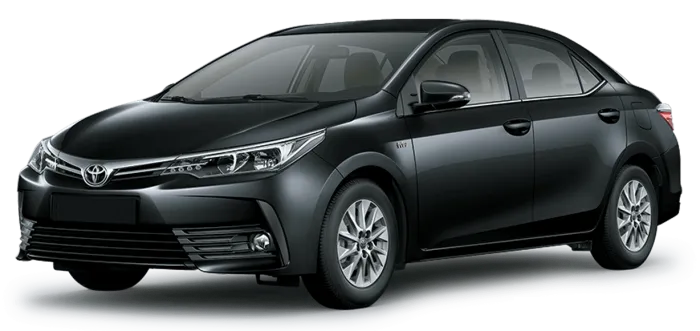
Birçok tedarikçi sınırsız kilometre sunar, böylece mesafe sınırlamaları konusunda endişelenmeden özgürce keşfedebilirsiniz.
Seyahatiniz sırasında ekstra gönül rahatlığı için isteğe bağlı tam kapsamlı sigorta ile kiralamanızı koruyun.
Seyahat programınıza uyacak şekilde rezervasyon sırasında teslim alma ve teslim etme tarihlerini kolayca değiştirin.
Ekonomi araç kategorisi için en düşük fiyatların ortalaması alınarak aylık karşılaştırmalar aşağıda gösterilmiştir.
Araç kiralarken bilmeniz gereken temel sürüş kuralları ve gereksinimler.
Sürüş kuralları, ehliyet gereksinimleri, hız sınırları ve yerel ipuçları hakkında bilgi edinin.
Arriving at Fuerteventura Airport (FUE), Canary Islands, you’ll quickly notice the warm, dry breeze and the volcanic landscape stretching towards the Atlantic. For many international travelers, the first decision after stepping off the plane is how to explore this stunning island. While taxis are readily available outside the arrivals terminal, and a public bus network connects the airport to major towns like Puerto del Rosario and Caleta de Fuste, renting a car is overwhelmingly the most popular and practical choice. The island’s charm lies in its hidden coves, remote beaches, and whitewashed villages scattered across the interior—all of which are best discovered with the independence a rental vehicle provides.
Choosing to pick up your vehicle directly at Fuerteventura Airport (FUE), Canary Islands, offers unparalleled convenience. The rental center is just a short walk from the baggage reclaim area, meaning you can be on the road within minutes of landing. This is particularly advantageous for families laden with luggage or travelers arriving on late flights. While picking up a car in the main town of Puerto del Rosario might occasionally save you a few euros, the logistics of getting there first—either by taxi or bus—often negate both the time and cost benefits. It’s also worth noting that airport locations typically have a larger fleet, offering a wider selection of vehicles, from compact cars for solo travelers to spacious SUVs for exploring the island’s rugged dirt tracks. A practical money-saving tip is to compare the "out-of-hours" drop-off policies; if you have an early morning flight home, returning the car the night before to a designated airport lot can save you an extra day’s rental fee.
| Pickup Location | Advantages | Disadvantages |
|---|---|---|
| Fuerteventura Airport (FUE) | Immediate access; largest vehicle selection; convenient for luggage; 24/7 drop-off options. | May include a small airport surcharge; potentially busier during peak flight arrivals. |
| Puerto del Rosario (City Center) | Occasionally lower base rates; less crowded than the airport. | Requires transport from the airport (taxi/bus); limited operating hours on weekends. |
| Morro Jable / Jandia | Ideal if staying in the south; avoids driving the entire island with luggage. | Limited selection; not suitable if arriving by plane without first reaching the south. |
Understanding the legal and administrative requirements before you travel is essential for a smooth rental process at Fuerteventura Airport (FUE), Canary Islands. The Canary Islands, being part of Spain, adhere to standard European rental regulations, but specific age and documentation rules are strictly enforced. Most major rental companies require drivers to hold a valid driver’s license for a minimum of one to two years. The minimum age to rent a car is typically 21 years, although drivers under 25 may be subject to a "young driver surcharge" due to higher insurance risk assessments.
When you arrive at the rental counter, you will need to present your passport for identification, a valid driver’s license, and the credit card used to make the booking. It is crucial that the credit card is in the main driver’s name. While some companies accept debit cards, they often require a significantly higher deposit and might enforce stricter insurance conditions, making a standard credit card the preferred choice for a hassle-free experience. Regarding licenses, if your license is issued in a non-European Union country and is not written in the Roman alphabet (such as Japanese, Chinese, or Arabic), you will need to present an International Driving Permit (IDP) alongside your original license. For EU license holders, the standard European license is accepted without additional paperwork.
| Requirement | Details |
|---|---|
| Minimum Age | 21 years (25 years for some premium/luxury vehicles) |
| Young Driver Fee | Applies to drivers aged 21–24 (approx. $15–$30 per day) |
| Driver's License | Valid license held for at least 1 year; EU license accepted; Non-EU/Non-Roman alphabet requires IDP. |
| Payment Method | Credit card in the main driver’s name (Visa/Mastercard/Amex) for deposit. |
| Passport | Required for all non-EU residents; EU residents require national ID. |
| Insurance | Basic liability included; CDW (Collision Damage Waiver) with excess applies. |
Fuerteventura is often described as a paradise for windsurfers and beach lovers, but its geography dictates that the best spots are rarely clustered together. Renting a car transforms your vacation from a static resort stay into a dynamic exploration of the island’s diverse landscapes. Without a car, you are largely confined to the tourist hubs connected by the limited bus service—the number 1 and 6 buses run down the spine of the island, but they don’t reach the remote fishing villages, the pristine dunes of Cofete, or the wild western coast where surfers chase the Atlantic swells.
Having your own vehicle allows you to travel on your own schedule. You can stop spontaneously at a roadside "guachinche" (a traditional local eatery) for grilled fish, or chase the sunset to a secluded beach without worrying about catching the last bus back. For families, the convenience is immeasurable; it means no carrying beach gear on public transport and the ability to retreat to air-conditioned comfort when the afternoon sun is at its peak. The island is relatively small—just over 100 kilometers from north to south—making a rental car the most cost-effective way to see everything from the northern lighthouse at Faro de Tostón to the southern tip of Jandia.
Travelers arriving at Fuerteventura Airport (FUE), Canary Islands, are presented with a robust selection of car rental providers. The market is divided between globally recognized brands that offer standardized service and local companies that often provide more competitive rates and a personal touch. International giants like Hertz, Avis, Enterprise, Budget, Sixt, Alamo, and Europcar have dedicated desks in the arrivals hall or within the adjacent parking structures. These companies are ideal for travelers who value loyalty points, 24/7 customer service, and a seamless international booking experience.
In addition to the multinational corporations, several well-regarded local agencies operate from the airport. These suppliers often focus exclusively on the Canary Islands and can offer significant savings, especially during the off-peak season. They tend to have a fleet of newer, well-maintained vehicles and are highly rated for their transparency regarding deposits and insurance. Whether you choose a global brand or a local specialist, the key to securing the best vehicle at the best price is to book well in advance, particularly for travel between November and March when the island experiences its peak tourist season.
| Company | Price Level | Pros |
|---|---|---|
| Sixt | Medium / High | Premium fleet, excellent customer service, modern cars, and easy upgrades. |
| Hertz / Avis | Medium / High | Global reliability, extensive network, and loyalty program benefits. |
| Europcar | Medium | Large selection of SUVs and family vans; convenient airport location. |
| Cicar | Medium | Local market leader in the Canaries; island-specific knowledge; no hidden fees. |
| Budget / Enterprise | Low / Medium | Competitive pricing, straightforward rental process, and solid availability. |
The vehicle you choose at Fuerteventura Airport (FUE), Canary Islands, can significantly impact your driving experience. Given the island’s diverse terrain, which includes well-paved highways, narrow village streets, and unpaved roads leading to secluded beaches, selecting the right category is crucial. Economy and compact cars, such as the Fiat 500 or Volkswagen Polo, are the most popular choices. They offer excellent fuel efficiency and are easy to maneuver in towns like Corralejo or Morro Jable. However, if you plan to venture to the gravel roads of the Jandia peninsula or need to transport surfboards, a small SUV like a Dacia Duster or Nissan Juke is highly recommended. For larger families or groups, minivans (such as the Citroen C4 Grand Picasso) or 9-seater vans are essential for comfort.
Pricing fluctuates dramatically based on seasonality. The high tourist season, spanning from November to March (when Europeans flee the winter cold), sees prices peak. During the summer months (June to August), while still busy, prices are generally lower than the winter peak. Conversely, the cheapest times to rent are during the spring (April-May) and autumn (September-October) "shoulder seasons," where you can often find deals up to 50% cheaper than during Christmas or Easter holidays. Last-minute bookings during festivals or school holidays are often subject to extreme price surges and limited availability.
| Vehicle Category | Example Models | Avg. Daily Price (High Season) | Avg. Daily Price (Low Season) |
|---|---|---|---|
| Small Cars | Fiat 500, Toyota Aygo | $45 – $70 | $20 – $35 |
| Medium Cars | VW Golf, Seat Leon | $60 – $90 | $30 – $50 |
| SUVs | Dacia Duster, Jeep Renegade | $80 – $120 | $40 – $70 |
| Vans / Family | Citroen Grand C4, Ford Galaxy | $100 – $150 | $55 – $90 |
| Luxury Cars | BMW Series, Mercedes C-Class | $150 – $250 | $80 – $150 |
| Metric | Value |
|---|---|
| Cheapest Month | October / November |
| Most Expensive Month | December / February (Easter) |
| Average Price (Week Rental) | $250 – $450 (depending on vehicle) |
| A Good Deal | Small car for under $25/day in low season |
| Cheapest Supplier (Typical) | Local companies or Budget/Enterprise |
| Cheapest Car Type | Economy / Mini (Manual transmission) |
Once you’ve secured your rental at Fuerteventura Airport (FUE), Canary Islands, the island’s diverse landscapes are yours to explore. The airport’s central location makes it a perfect starting point for several iconic routes. Whether you want to chase surf waves, discover volcanic geology, or simply relax on golden sands, these drives will showcase the best of the island.
Driving in Fuerteventura is generally relaxed compared to mainland Europe, but there are strict rules that all international travelers must observe. Like the rest of Spain, vehicles drive on the right-hand side of the road. The island’s roads are generally in excellent condition, but drivers should be aware of "caminos" (unpaved roads) leading to remote beaches; these are not suitable for low-clearance vehicles and are often not covered by standard rental insurance for underbody damage.
Speed limits are rigorously enforced by both static cameras and Guardia Civil patrols. The use of seatbelts is mandatory for all passengers, front and rear. Children under 12 years old and under 135 cm in height must use an appropriate child restraint system. Regarding alcohol, Spain operates a strict limit of 0.5 grams of alcohol per liter of blood (0.25 mg/l for breath), which is lower than in the UK or US. For professional or novice drivers (those with less than two years of experience), the limit is even stricter at 0.3 g/l. The use of a mobile phone while driving is strictly prohibited unless using a hands-free system.
| Road Type | Speed Limit (km/h) |
|---|---|
| Urban Areas (Town/City) | 30 – 50 km/h |
| Conventional Roads (Inter-urban) | 90 km/h |
| Highways/Autopistas (FV-1, FV-2, FV-3) | 120 km/h |
One of the many advantages of driving in Fuerteventura is the absence of toll roads. Unlike the mainland Spanish peninsula or other European destinations, the entire road network across the Canary Islands is completely toll-free. This means you can traverse the island from the northern lighthouse to the southern tip without worrying about accumulating toll charges or dealing with electronic toll tags. The major highways—the FV-1 (connecting Corralejo to Morro Jable) and the FV-3 (connecting Puerto del Rosario to the airport)—are maintained by the Cabildo (island government) and are free to use. This cost-saving factor makes renting a car even more economical, as your only fuel expense is the actual petrol or diesel you consume.
Parking in Fuerteventura is generally straightforward and stress-free, especially when compared to major European cities. In most towns, such as Corralejo, El Cotillo, and Morro Jable, you will find ample free street parking, though spaces can fill up quickly during the peak summer and winter seasons, particularly near the main beaches and town centers. Blue zones (Zona Azul) exist in the busier commercial areas, where you must display a parking disc indicating your arrival time; parking is usually free for a limited duration (often 1-2 hours) and paid thereafter via parking meters.
At Fuerteventura Airport itself, there are both short-term and long-term parking options. The airport parking lot is a paid zone, with rates increasing after the first 20 minutes. If you are dropping off a rental car, you can typically use the designated rental car return lanes in the main parking structure. For those staying in resorts, most hotels offer free or low-cost on-site parking, which is a significant convenience for road-tripping travelers.
Last autumn, I landed at FUE with my partner, slightly anxious after hearing about complicated car rental processes in some European airports. We walked out of baggage claim, followed the signs to the rental center, and within twenty minutes, we were handed the keys to a small, blue SUV. The agent pointed out a few minor scratches on the driver’s side door, which we noted on the tablet and photographed ourselves. With the warm wind in our hair, we decided to skip the main highway and took the scenic route through the village of Tetir. We stumbled upon a tiny goat farm selling local cheese and stopped for an impromptu picnic overlooking a valley of palms. Having that car didn’t just get us from point A to B; it gave us the freedom to turn a random Tuesday afternoon into one of our favorite memories of the trip.
The International Driving Permit (IDP) serves as a standardized translation of your native driver’s license. For travelers picking up a car at Fuerteventura Airport (FUE), Canary Islands, an IDP is mandatory if your national driver’s license is not issued in a European Union member state or if it is not printed in the Roman alphabet (English, Spanish, French, etc.). For example, visitors from the United States, Canada, or the UK generally do not need an IDP as their licenses are in English and accepted by Spanish authorities, though carrying one can sometimes smooth over interactions with local police or rental agents unfamiliar with foreign licenses.
If you require an IDP, it must be obtained in your country of residence before traveling, as they cannot be issued in Spain. In the United States, IDPs are issued by the AAA and AATA (American Automobile Association) to holders of a valid US driver’s license. The permit is valid for one year from the date of issue. When you present your documents at the rental counter, you will need to show both your original national driving license and the IDP. It is a legal requirement in Spain for non-EU license holders to carry an IDP if their license is not in the Spanish format, and failure to present one during a traffic stop can result in a fine, even if your rental company accepted the license without it.
İşaretçiler yaklaşık havalimanı veya şehir merkezi konumlarını gösterir.
Araç kiralama, otopark ve kara ulaşımı için havalimanı rehberlerini keşfedin.
Farklı bir isim, şehir veya IATA kodu deneyin.
Airport Rento üzerinden rezervasyon yapan seyahat edenlerin doğrulanmış müşteri yorumlarını, puanlarını ve kiralama deneyimlerini okuyun.
Genel Puan
Bu konum için henüz yorum yok. Deneyiminizi ilk paylaşan siz olun!