Economy
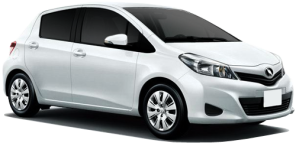
Toyota Vitz
or Similar
From
$23.25/day
Compare car rental deals at Suriname from trusted global suppliers. Find affordable prices and book your ideal car in minutes.








Explore our range of vehicles available in Suriname.
or Similar
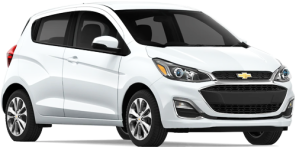
or Similar
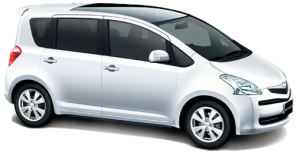
or Similar
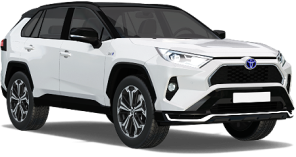
or Similar
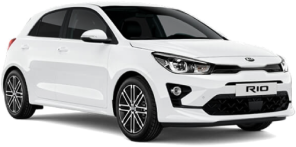
or Similar
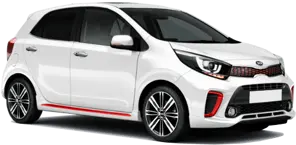
or Similar
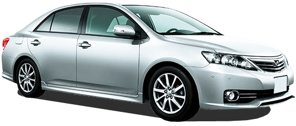
or Similar
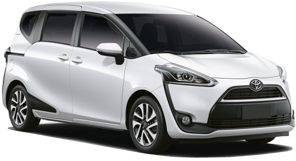
or Similar
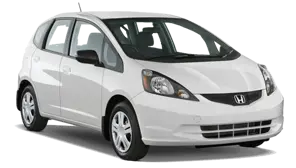
or Similar
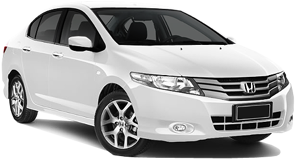
or Similar
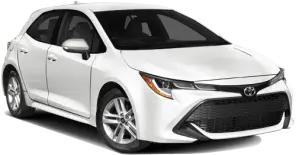
or Similar
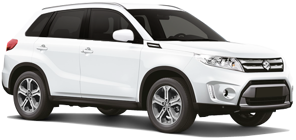
or Similar
or Similar
or Similar
or Similar
or Similar
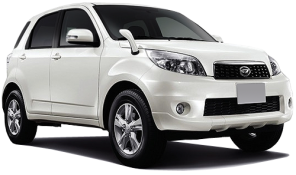
or Similar
or Similar
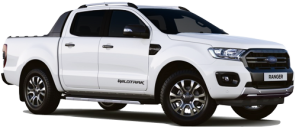
or Similar
Prices shown are approximate and may vary by booking dates, rental duration, and vehicle class. Check booking options for current pricing.
Discover a world of convenience, safety, and customization, paving the way for unforgettable adventures and seamless mobility solutions.
Find rental cars available at major international airports for convenient pickup immediately after your arrival.
Many suppliers offer unlimited mileage so you can explore freely without worrying about distance limits.
Many suppliers allow you to add additional drivers so you can share driving responsibilities.
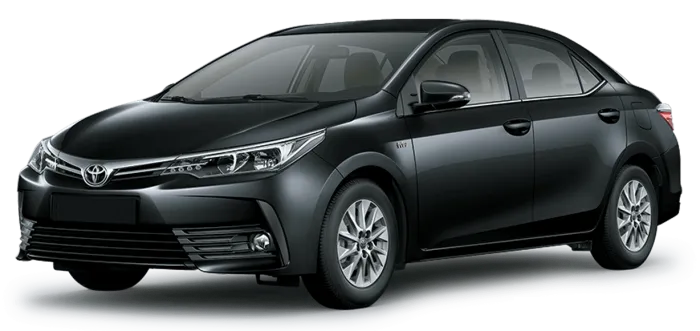
All rental companies on our platform are carefully verified to ensure service quality and customer reliability.
See rental locations on interactive maps to quickly choose the most convenient pickup point.
Read verified customer reviews and ratings to help you choose the best rental supplier for your trip.
Essential information about car rental companies, popular cars, rental duration, and prices at Suriname.
Suri Car Rental leads with 31% market share, offering reliable vehicles for exploring Paramaribo's Dutch architecture and interior rainforest destinations.
SUVs are essential for interior roads to Brownsberg and the Atlantic coast. Pickups serve travelers heading deep into the rainforest.
Average 5-day rentals match short stays in Paramaribo combined with day trips to nature reserves and Commewijne plantations. (Based on 1,200+ local searches)
The Toyota Hilux is the vehicle of choice for its durability on interior tracks. Suzuki Vitara offers capable SUV handling for mixed conditions.
Suriname averages $68/day. Weekly rentals from $425 offer value for exploring this culturally rich and naturally diverse nation.
Compare average car rental prices by month and see how rental rates vary throughout the year in Suriname.
Dry season (August-November) best for interior travel. Wet season offers lower rates. 4x4 essential for rainforest exploration. Limited rental fleet requires early booking. Book 2 months ahead.
* Prices shown are approximate. Original prices are in USD and converted using real-time exchange rates.
Essential driving rules and requirements to know when renting a car.
Get detailed information on driving rules, licence requirements, speed limits and useful local tips.

Suriname, a hidden gem on the northeastern coast of South America, offers a captivating blend of Caribbean culture, Amazonian rainforest, and diverse history. While the capital, Paramaribo, with its Dutch-colonial architecture, is walkable, the true essence of the country—its vast interior, savannas, and indigenous villages—lies beyond the city limits. For the independent traveler, renting a car is the most practical way to unlock these treasures. This detailed guide provides everything you need to know about navigating the Surinamese rental market, ensuring a smooth and unforgettable adventure.
For most international travelers, the journey begins at Johan Adolf Pengel International Airport (PBM), located approximately 45 kilometers south of Paramaribo. Renting a car directly at the airport is the most convenient option, allowing you to drive straight to your accommodation without relying on taxis or shuttle services. However, this convenience often comes with an airport surcharge, a fee added by the rental companies to operate at the airport facility. Conversely, picking up a car from a city center location in Paramaribo can sometimes be slightly cheaper, though you'll need to arrange transport from the airport to the city first, which is an added cost and effort.
Money-saving tip: If your itinerary allows, consider staying in Paramaribo for the first day or two and exploring on foot. Then, take a short taxi ride to a city-center rental office to pick up your vehicle. This can help you avoid the premium airport surcharge and gives you time to acclimate before hitting the road.
| Pickup Location | Advantages | Disadvantages |
|---|---|---|
| Johan Adolf Pengel International Airport (PBM) | Maximum convenience upon arrival; ideal for immediate travel to the interior or other cities. | Typically includes an airport surcharge, increasing the overall cost; fewer car choices may be available during peak times. |
| Paramaribo City Center | Often lower rental rates compared to the airport; more rental offices and potentially better car selection. | Requires a separate, costly taxi transfer from the airport to the city; less convenient if you plan to leave the city immediately. |
Rental car prices in Suriname fluctuate throughout the year, driven primarily by tourist demand. The high season, which generally coincides with the dry periods and major holidays, sees a significant spike in prices and a decrease in vehicle availability. The long dry season from August to November is particularly popular for exploring the interior, as roads are more passable. Prices also rise during the short dry season from February to April and around major holidays like the summer holidays (July-August) and the year-end holidays.
The low season typically falls during the long rainy season from April to July. During these months, demand from tourists drops, and rental companies often offer more competitive rates to attract customers. However, travelers should be prepared for challenging road conditions, especially when venturing into the interior. Booking well in advance is crucial for securing a good deal, regardless of the season.
| Pricing Factor | Details |
|---|---|
| Cheapest Months | May and June (during the long rainy season, when tourist demand is lowest). |
| Most Expensive Months | August, September, and October (peak dry season for tourism). |
| Average Price (per day) | $45 - $70 for a small car; $80 - $130 for a 4x4 SUV. |
| A Good Deal | A weekly rental package for a compact car for under $300, booked at least a month in advance. |
| Cheapest Supplier | Local Surinamese companies like A-1 Car Rental or Davids Car Rental often have lower rates than international chains. |
| Cheapest Car Type | Economy cars, such as a Suzuki Alto or similar, are the most budget-friendly option. |
Rental car demand in Suriname peaks during the major dry seasons and school holidays. The period from August to October is the absolute busiest, as this offers the most reliable weather for accessing remote eco-lodges and nature reserves like Brownsberg Nature Park and the Raleighvallen nature reserve in the Central Suriname Nature Reserve. Another surge occurs around the February-April dry spell, coinciding with the spring break for some European travelers. Demand also increases significantly during local holidays such as Holi Phagwa (March) and Keti Koti (Emancipation Day) on July 1st, when locals also travel. It is highly advisable to book your vehicle several weeks, or even months, in advance for these peak periods.
The typical rental duration for travelers in Suriname is between 7 and 14 days. This timeframe allows for a comprehensive exploration of the country's highlights. A common itinerary involves spending a few days in and around Paramaribo, followed by a multi-day road trip to the interior, such as a 4-5 day round trip to the Upper Suriname River area or a journey to the Galibi Nature Reserve on the coast. Shorter rentals of 3-5 days are common for travelers who are primarily based in the capital but want to take a quick excursion to a nearby attraction like the Colakreek recreation park.
While Suriname is a relatively small country, the concentration of rental services is heavily skewed toward Paramaribo and its immediate surroundings. You can expect to find approximately 20 to 30 operational rental agencies. The vast majority have offices in Paramaribo, with several also offering desks or delivery services at Johan Adolf Pengel International Airport. Availability in other towns like Nieuw Nickerie or Albina is extremely limited or non-existent for international-standard rental agencies. The market is a mix of a few familiar international brands and a robust selection of reputable local suppliers. While you'll find good availability of vehicles in the capital, it's essential to book ahead for specific car types, especially 4x4 vehicles needed for interior travel.
| Quick Fact | Details |
|---|---|
| Approximate Number of Rental Locations | 20-30 agencies, primarily in Paramaribo and at the airport. |
| Airport vs. City Locations | Most agencies have city offices; a select few have airport desks. Airport pickups are common but come with a surcharge. |
| Popular International Suppliers | Hertz, Avis, and Budget have a presence in Suriname, often through local franchise partners. |
| Popular Local Suppliers | A-1 Car Rental, Davids Car Rental, and Suribo Car Rental are well-regarded for their service and competitive prices. |
| General Availability | Good in Paramaribo and at the airport; sparse to non-existent in other districts. |
Choosing the right vehicle is paramount for a successful trip in Suriname. The diverse terrain, from paved city streets to rugged dirt roads in the interior, demands careful consideration.
Suriname offers several iconic road trips that showcase its natural and cultural diversity.
Understanding local driving laws is critical for a safe and legal trip.
| Road Type | Speed Limit (km/h) |
|---|---|
| Urban Areas (Cities/Towns) | 40 - 50 km/h |
| Rural Roads (Paved) | 60 - 80 km/h |
| Highways (e.g., East-West Link) | 80 - 100 km/h |
Suriname currently has no widespread network of toll roads like many other countries. The primary highways and roads are toll-free. However, there is one notable exception: the bridge over the Suriname River, the Jules Wijdenbosch Bridge, connecting Paramaribo with the Commewijne district. This bridge has a small toll for vehicles. As of 2026, the toll is a nominal fee, typically less than $1 USD, and is paid in cash (Surinamese Dollars) at a toll booth on the Commewijne side. No electronic toll collection system (like E-ZPass) is in use. It's always wise to keep some small change in local currency handy for this purpose.
The Surinamese car rental market offers a choice between international chains and local providers, each with its own set of advantages. International companies like Hertz or Avis provide a sense of familiarity, consistent service standards, and global loyalty programs. Their fleets are often newer, and the rental process can feel more standardized, which may be reassuring for first-time visitors. However, their rates are typically higher.
Local suppliers, such as A-1 Car Rental or Davids Car Rental, are often the go-to for budget-conscious travelers and those seeking a more personalized experience. They usually offer significantly lower prices and may have a better understanding of local conditions, offering valuable advice on where to take your specific vehicle. The trade-off can sometimes be an older fleet or a less streamlined booking process. Comparing both options is key to finding the best value for your specific needs.
| Company | Price Level | Pros |
|---|---|---|
| International (Hertz, Avis, Budget) | Medium / High | Familiar booking process, newer fleets, reliable customer service, frequent renter points. |
| Local (A-1, Davids, Suribo) | Low / Medium | More competitive prices, local knowledge and advice, often more flexible with delivery/pickup. |
Parking in Paramaribo presents a unique set of challenges and rules. In the bustling historic city center, street parking is common but can be difficult to find, especially during weekdays. Many streets have paid parking zones, which are typically managed by municipal wardens. You'll need to purchase a parking card (available at supermarkets and Telesur offices) and display it on your dashboard. Alternatively, you can pay the wardens directly in cash, but ensure you receive a receipt. Parking garages are rare; the one at the Domineenplein is a notable exception and a convenient option for central sightseeing. Outside the city center, parking is generally easier and often free, but always be mindful of security and avoid leaving valuables in plain sight. The main challenges are the limited space in the center and understanding the paid parking zone system.
Rental prices in Suriname can vary based on the season, supplier, and vehicle type. The following are approximate average daily rates in USD. Remember that 4x4 vehicles command a significant premium, which is justified by their necessity and capability.
| Vehicle Category | Average Daily Price (USD) |
|---|---|
| Small Cars (Economy) | $35 - $55 |
| Medium Cars (Compact) | $50 - $75 |
| SUVs (4x4) | $80 - $140 |
| Vans (People Carriers) | $90 - $150 |
| Luxury Cars | $150+ |
Sarah, an avid birdwatcher from Canada, landed at Zanderij International Airport and picked up her pre-booked Toyota Hilux from a local supplier. The agent, a friendly Surinamese man named Henk, warned her, "The road to Brownsberg is rough, but this car will take you. Just take it slow." Following his advice, she navigated the paved highway south before the pavement ended and the red dirt road began. For two hours, she bumped along, crossing small creeks and waving to children in Maroon villages. Arriving at the Brownsberg lodge, she was rewarded with the sight of a cock-of-the-rock lekking at dawn—a moment she would never have experienced on a packaged tour. Later in her trip, she drove east along the coastal road to the Commewijne district, exploring former plantations by bicycle after parking her Hilux at a riverside cafe. The freedom of her rental car allowed her to chase bird sightings, linger in villages, and connect with the country's raw, untamed beauty on her own terms.
For international travelers, the rules regarding an International Driving Permit (IDP) are clear. While a valid driver's license from your home country is technically accepted for short stays, it is highly recommended and often required by rental companies to also present an IDP. The IDP serves as an official translation of your license and is a United Nations-regulated document that is recognized in over 150 countries. You are likely to need it if your license is not in English or Dutch, or if you are stopped by local police, who may not be familiar with foreign documents.
Obtaining an IDP is straightforward and must be done in your home country before you travel. In most countries, you can get one through your national automobile association (like the AAA in the US or the CAA in Canada). You'll need a valid driver's license, passport-sized photos, and a small fee. The permit is typically valid for one year from the date of issue. When renting a car in Suriname, you will need to present both your valid home country driver's license and your IDP, along with your passport and a credit card, to complete the rental agreement.
Read verified customer reviews, ratings, and rental experiences from travelers who booked through Airport Car Hub.
Overall Rating
"I was a bit worried renting a car in a new country but everything was fine. English speaking staff helped a lot. The car was a Toyota Hilux, perfect for the savannah roads. Used it for a week, zero mechanical issues."
Maxim Sukhanov
"Car was decent, not flashy but does the job. The AC stopped working on day 3 but I called the office and they swapped the car within two hours at no extra charge. That kind of service earns my repeat business."
Peter Brennan
"Used this for a business trip. Car was not brand new but worked fine. Air con was strong which is necessary in Suriname. Drove around Paramaribo and to Nieuw Nickerie. No breakdowns. 👍"
Isamu Hasegawa
"Minden rendben volt. Gyors ügyintézés, az autó tiszta volt. Csak a városban használtam, de teljesen megfelelt. Legközelebb is őket választom. A GPS hasznos volt."
Gábor Tóth
"Réservation facile en ligne, confirmation immédiate. J'ai récupéré la voiture à l'aéroport sans attente. Seul petit bémol, la climatisation était un peu faible, mais pour le reste parfait pour explorer les environs de Paramaribo."
Baptiste Dubois
"Had a small hiccup with my flight delay but the office stayed open late to wait for me. I was so grateful after 18 hours of travel. The car was spotless and had a full tank. Drove to some eco lodges near the Marowijne river. Beautiful country."
Mateo Fournier
"Straight to the point rental. Car was ready, keys handed over, drove off. Returned it dirty from the jungle tracks up to Brokopondo. No extra cleaning fees applied. That's a green flag for me."
Omar Farouk
"Needed a car last minute for a funeral in Nickerie. The staff was compassionate and prioritized my booking. Got me into a clean truck within 30 minutes. That human touch matters. Will never forget that."
Ethan Wright
"Alquilé un coche pequeño para moverme por la capital. El precio era competitivo y el coche estaba limpio. La entrega fue rápida y el depósito me lo devolvieron en 3 días. Recomendado para viajeros con presupuesto ajustado."
Luis Mendez
"Travelling with two kids, we needed a spacious SUV. AirportCarHub provided a clean, modern vehicle with child seats already fitted as requested. Driving in Suriname is an adventure, but the car felt safe and reliable. Staff was patient with our questions."
Nasser Al-Falasi
"Used the car mainly to commute to the Palmentuin and Waterkant. The night lights in Paramaribo are dim so the bright headlights on the rental were a blessing. Staff helped translate some Dutch signs for me. Friendly folks."
Manoj Fernando
"Auto was netjes en de uitleg was helder. Even wennen aan het rijden links, maar dat went snel. Airco was top. Geen gedoe met de borg, stond snel weer op mijn rekening. Zeker een aanrader voor Nederlandse toeristen!"
Ben de Vries
"Excelente servicio al cliente. Hablan inglés y holandés, obvio, pero intentaron comunicarse en español conmigo. El coche tenía seguro completo, viajé tranquilo al Parque Natural de Brownsberg. Las vistas desde la cima, increíbles."
Sergio Torres
"La camioneta que renté estaba en muy buenas condiciones. La usé para ir a pescar al distrito de Coronie. El kilometraje ilimitado fue un plus enorme. Todo el personal muy amable. Quizás los precios podrían ser un poquito más bajos."
Esteban Gutierrez
"Booked a sedan, got a hatchback initially. I went back inside and they apologized, gave me the correct car plus a free tank of gas for the trouble. Mistakes happen, but they fixed it fast. Car was clean and drove well around the city center."
Chloe Anderson
"Straightforward. Pickup took maybe 15 minutes including paperwork. The Mitsubishi Pajero I rented was in good shape, necessary for the roads to Boven Suriname. Only downside was the radio didn't work, but who needs a radio in the jungle? 😄"
Rashid Al-Sharqi
"Found these guys online, booked in 5 mins flat. Pick up was smooth, car was gassed up and ready. Dropped it off at the airport location. No stress, no extra charges. Exactly what u want from a rental."
Cathal Lynch
"Coming from South Africa, I know dodgy rentals. This was legit. The contract was transparent, the deposit was reasonable. I drove south towards the Amazon region. The 4x4 was essential. No issues returning the vehicle early either, got a partial refund."
Ayanda Mkhwanazi
"Alles hat reibungslos geklappt. Das Auto war sauber und der Tank voll. Bin nach Galibi gefahren, lange Strecke aber das Auto war zuverlässig. Der Mitarbeiter sprach sogar etwas Deutsch, sehr hilfreich."
Jonas Berger
"Picked up the car in Paramaribo right after landing. The process was super quick, no hidden fees. Drove all the way to Brownsberg, roads were a bit rough but the 4x4 handled it fine. Would use again."
Barbara Garcia
"Driving in Suriname requires a sturdy car, and AirportCarHub delivered. The suspension handled potholes well. English support was decent. I recommend downloading offline maps before you go though. Wifi at the office was fast enough to do that."
Jo Sung-Min
"Easy booking. Car worked. Drove to Colakreek. Fin."
Erik Nilsson
"Preço justo e atendimento simpático. O carro tinha alguns riscos mas nada que atrapalhasse. Fomos até Paranam e depois para o norte, sem stress. Devolução foi rápida, só verificaram o combustível e pronto. 👍🚗"
Jorge Pereira
"It was okay. Car was a bit dusty inside, but mechanically sound. The tires were a bit worn, made me nervous on the wet roads near Tamanredjo. Staff was nice enough. Probably could find cheaper locally but reliable for tourists."
Sota Watanabe
"Esperienza positiva. Macchina pulita, contratto chiaro, nessuna sorpresa sul prezzo finale. Ho girato molto tra i quartieri di Paramaribo e fatto un giro fino al ponte Jules Wijdenbosch. Consiglio di prenotare in anticipo però."
Pietro Martini
"My husband and I rented a pickup to visit the interior. The car was ready when we arrived, papers took two minutes. The guy at the desk gave us a map and pointed out where to get fuel before heading south. Lifesaver tip honestly. Will recommend!"
Victoria Williams
"Rented for 4 days. Very organized. The car manual was in Dutch but I managed. GPS was helpful. Visited Fort Zeelandia and Peperpot. Staff replies quickly on WhatsApp if you have issues. Recommended for Japanese travelers."
Ren Yamashita
"Got a sedan for a week. Price was fair compared to other places I checked. Only thing is the car had a few scratches but they noted everything on the form so no issues when I returned it. Honest business."
Ronald Poulin
"Preis-Leistung stimmt. Fahrzeug war technisch okay, aber schon etwas älter. Für die Straßen in Suriname aber genau richtig, da muss man kein Neuwagen fahren. Personal war freundlich."
Benjamin Klein
"Suriname is not the easiest place to navigate but having a personal car helps a lot. The rental process was modern—e-signatures, email confirmations, the works. Car was slightly older model but mechanically perfect. AC was ice cold."
Wei Ming Lee
"First time in Suriname, the rental process was straightforward. I appreciated the shuttle from the airport even though the office is close by. The vehicle had good tires which is important when driving on the laterite roads down to Atjoni. ⭐⭐⭐⭐"
Kwaku Tetteh
"Booked a compact car, got upgraded for free to a sedan since the compact wasn't back yet. That was a nice touch. Driving to the Commewijne district was beautiful. Car had good fuel economy which saved me some cash."
Sanjay Patel
"Landed at Johan Adolf Pengel, bus took us to the rental lot. Toyota Fortuner was waiting. Checked oil and tires myself, all good. Driving to the West Coast was a breeze. Return took 5 mins. Efficient."
Nattapong Srisai
"Did the job. No fuss. 🚗💨"
Peter Smith