Economy
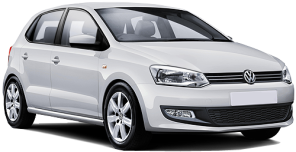
Volkswagen Polo
or Similar
From
$19.51/day
Search and compare car rental prices from trusted global suppliers. Find the best deals instantly.








Explore our range of vehicles available in The Hague.
or Similar
or Similar
or Similar
or Similar
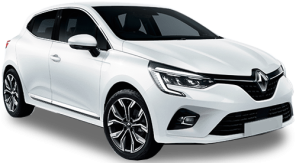
or Similar
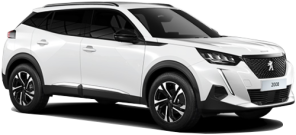
or Similar
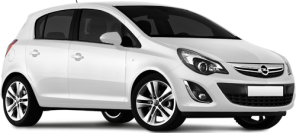
or Similar
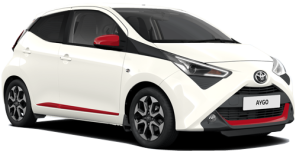
or Similar
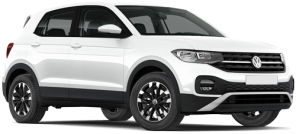
or Similar
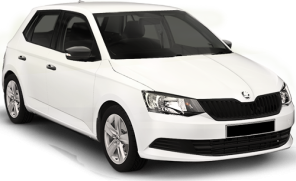
or Similar
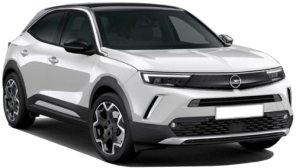
or Similar
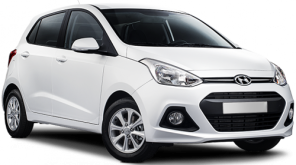
or Similar
or Similar
or Similar
or Similar
or Similar
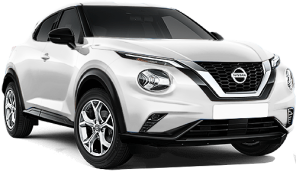
or Similar
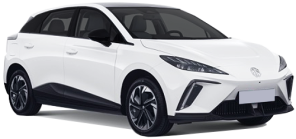
or Similar
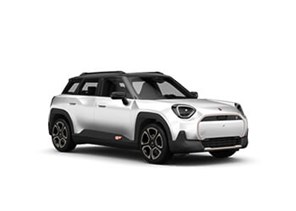
or Similar
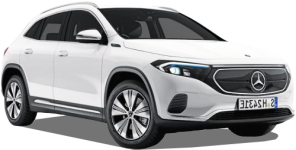
or Similar
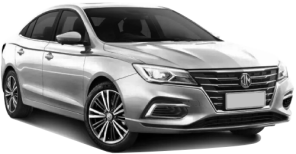
or Similar
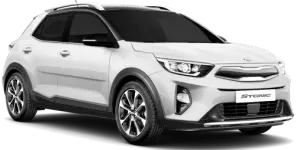
or Similar
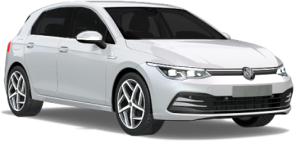
or Similar
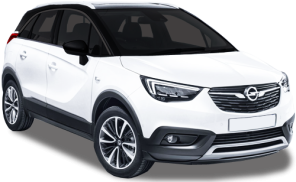
or Similar
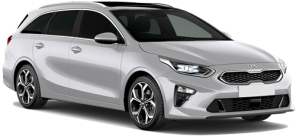
or Similar
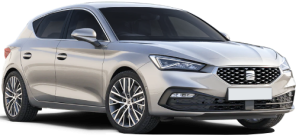
or Similar
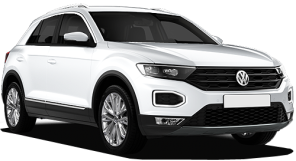
or Similar
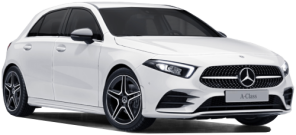
or Similar
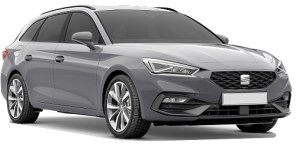
or Similar
Prices shown are approximate and may vary by booking dates, rental duration, and vehicle class. Check booking options for current pricing.
Discover a world of convenience, safety, and customization, paving the way for unforgettable adventures and seamless mobility solutions.
All rental costs, taxes, insurance options, and fees are clearly displayed before booking.
We highlight top-rated suppliers based on verified customer reviews and service quality.
Our support team is available to help with booking questions, modifications, or cancellations.
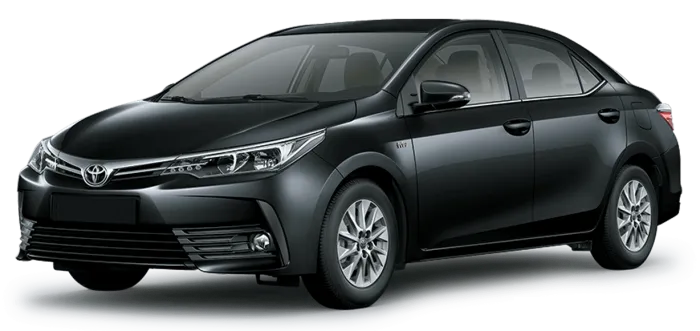
Choose from short-term, long-term, or one-way rentals depending on your travel requirements.
Refine your search results with powerful filters to quickly find the perfect rental car for your travel needs.
Search from thousands of pickup locations including airports, train stations, and city centers worldwide.
Essential information about car rental companies, popular cars, rental duration, and prices at The Hague.
Sixt leads The Hague with 33% market share, serving international diplomats, business travelers, and visitors to the seat of Dutch government.
Premium cars account for 30% due to diplomatic and business clientele. Compact cars dominate for city driving. Estates popular for family trips.
The Hague rentals average 2-3 days, driven by business at international courts, government meetings, and weekend visits to Scheveningen beach and Delft. (Based on 3,600+ local pickups)
The BMW 3 Series leads the premium segment for diplomatic travelers. Volkswagen Passat favored for its executive comfort.
The Hague rates average $63/day. Weekly rentals from $380 popular for extended business delegations.
Compare average car rental prices by month and see how rental rates vary throughout the year in The Hague.
The Hague government and international courts. Summer peak for tourism. Beach at Scheveningen. Book 2 months ahead.
Essential driving rules and requirements to know when renting a car.
Get detailed information on driving rules, licence requirements, speed limits and useful local tips.
Renting a car in The Hague, Netherlands offers a fantastic sense of freedom that public transport simply can't match. While the city boasts an excellent tram and bus network (operated by HTM), a rental car allows you to escape the city center on your own schedule, explore the picturesque dunes, and visit nearby historic towns without worrying about train timetables. For many international travelers, the convenience of having a vehicle is particularly appealing when traveling with family, carrying luggage, or planning to explore beyond the city limits. The process is straightforward, but understanding the nuances of local pick-up locations and traffic patterns will ensure your Dutch driving experience is smooth and enjoyable.
When deciding where to pick up your vehicle, you have two primary options: at Amsterdam Airport Schiphol (AMS) or at a city center location in The Hague itself. Schiphol is the main international gateway, approximately a 35-45 minute drive from The Hague. Renting at the airport is incredibly convenient if you want to drive directly to your accommodation, but be aware that airport locations often add a significant surcharge—sometimes 10-15% higher than city center branches. Conversely, picking up a car in the city center can save you money and allow you to acclimatize to the local pace before taking the wheel. A key money-saving tip is to compare rates between the airport and central locations like the branch near Den Haag Centraal station; often, you can save $50-$100 on a weekly rental by taking a short train ride into the city to collect your car.
| Pickup Location | Pros | Cons | Typical Surcharge |
|---|---|---|---|
| Amsterdam Airport Schiphol (AMS) | Immediate access upon arrival; wide selection of cars; 24/7 availability. | Higher daily rates; mandatory airport surcharge; busy traffic upon exit. | $30 - $70 (or 10-15% higher rate) |
| The Hague City Center (e.g., Den Haag HS/Centraal) | Lower daily rates; less congestion at pickup; easy access to main roads out of city. | Requires a train/bus from the airport; limited operating hours (often closed by 6 PM). | No airport surcharge |
| The Hague Suburbs (e.g., Rijswijk, Voorburg) | Often the cheapest rates; easy parking for pickup; direct access to A4/A12 highways. | Less convenient without personal transport to the branch; fewer vehicle options. | No airport surcharge |
To rent a car in The Hague, you must meet specific legal and company-specific requirements. The system is generally strict, so arriving with the correct documentation is crucial to avoid being turned away at the counter. Most major international rental companies operate here, and they adhere to standard European rental protocols. It’s important to remember that rules can vary slightly between suppliers, but the baseline is consistently enforced.
The minimum age to rent a car is typically 21 years old, though drivers under 25 often incur a "young driver surcharge" which can add $15 to $30 per day to the rental cost. You will need a valid driver's license from your country of origin. If your license is not in the Roman alphabet (e.g., Japanese, Chinese, Arabic), you must also present an International Driving Permit (IDP). A credit card in the primary driver’s name is mandatory for the security deposit—debit cards are rarely accepted, especially for premium vehicle categories. You must also bring your passport for identification, and proof of insurance is automatically included in the rental agreement, though you will have the option to purchase additional coverage to reduce the excess (deductible).
| Requirement | Details |
|---|---|
| Minimum Age | 21 years (surcharge for under 25s, often $20-35/day) |
| Driver's License | Full, valid license held for at least 1-2 years |
| International Driving Permit (IDP) | Required if license is non-Roman alphabet or from outside EU |
| Payment Method | Credit card in driver's name (Visa/Mastercard/American Express) |
| Identification | Valid passport |
| Insurance | CDW (Collision Damage Waiver) mandatory; excess typically €800-€1500 |
While The Hague is a walkable city with excellent public transport, having a rental car transforms your trip from a city visit into a regional exploration. The Netherlands is compact, and The Hague is centrally located, making it the perfect base for day trips. You can drive from the urban sophistication of the city center to the serene North Sea beaches in less than 15 minutes, or head east to discover the tulip fields and historic windmills without being tethered to bus schedules. For those traveling with children or bulky gear like golf clubs or beach equipment, the practicality of having a private vehicle cannot be overstated.
Furthermore, the Dutch highway system (the A4, A12, and A44) is impeccably maintained, well-lit, and easy to navigate with clear signage in both Dutch and English. Renting a car allows you to experience the "Randstad" region—the urban agglomeration that includes Amsterdam, Rotterdam, and Utrecht—on your own terms. You can stop spontaneously at a roadside cheese farm, explore the hidden dunes of Meijendel, or simply avoid the crowded trains during peak tourist season. It also provides a private sanctuary for resting between adventures, a luxury that public transport simply cannot offer.
Travelers to The Hague will find a robust mix of globally recognized brands and reputable local suppliers. International giants like Hertz, Avis, Enterprise, Budget, Sixt, and Europcar dominate the airport and city center locations, offering familiar service standards and extensive fleets. These companies are ideal if you are looking for specific loyalty points or 24/7 roadside assistance. Local suppliers, often found slightly outside the city center, can sometimes offer more competitive rates and personalized service, though their fleets may be smaller and operating hours more limited.
Choosing the right company often depends on your budget and vehicle preference. Sixt and Hertz typically offer a wider range of premium and luxury vehicles, while Budget and Europecar are often favored for longer rentals due to their competitive weekly rates. Enterprise is known for excellent customer service, particularly if you need to pick up and drop off at different locations. When comparing, it’s wise to look beyond the base rate and consider what is included; sometimes a slightly higher daily rate includes a lower excess (deductible) or unlimited mileage, which can be more cost-effective in the long run.
| Company | Price Level (Low / Medium / High) | Pros |
|---|---|---|
| Sixt | Medium to High | Modern fleet; excellent luxury and SUV selection; convenient locations in city center. |
| Hertz | Medium to High | Reliable service; wide network; good for business travelers and loyalty programs. |
| Europcar | Medium | Ubiquitous presence; often best for one-way rentals; straightforward insurance terms. |
| Budget | Low to Medium | Consistently lower base rates; good for economy and compact cars; located at major hubs. |
| Enterprise | Medium | Exceptional customer service; flexible pick-up options; excellent for local rentals. |
| Avis | Medium to High | High vehicle quality; quick service at airport; strong online booking system. |
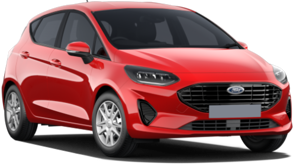
In The Hague, the choice of vehicle often reflects the purpose of the visit. Economy and compact cars (such as the Volkswagen Up!, Toyota Aygo, or Ford Fiesta) are the most popular choices for solo travelers or couples, primarily because they are easy to park in the narrow streets of the city center and offer excellent fuel efficiency. For families, compact SUVs like the Volkswagen T-Roc or estate cars (station wagons) like the Skoda Octavia are preferred for their ample boot space and comfortable seating for four or five people. During the summer months, convertibles see a surge in popularity for coastal cruising along the boulevard of Scheveningen.
Rental prices in The Hague fluctuate significantly with the seasons. The high season (June through August) sees prices spike by 30-50% due to the influx of tourists heading to the beaches and the Keukenhof gardens (open in spring). Conversely, the low season (November through February, excluding the holiday period) offers the lowest rates. Demand also peaks during major events like the Prinsjesdag (Budget Day) in September when the city fills with political dignitaries and media.
| Car Category | Average Daily Price (USD) |
|---|---|
| Small Cars (e.g., VW Up!, Fiat 500) | $40 - $70 |
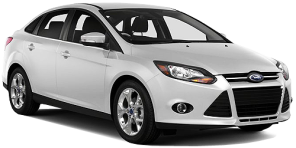
| Medium Cars (e.g., VW Golf, Ford Focus) | $55 - $90 |
| SUVs (e.g., Nissan Qashqai, VW T-Roc) | $70 - $120 |
| Vans / Family Vehicles (e.g., VW Caddy, Ford S-Max) | $85 - $150 |
| Luxury Cars (e.g., BMW 3 Series, Mercedes C-Class) | $120 - $250+ |
| Pricing Factor | Insight |
|---|---|
| Cheapest Month | January / February |
| Most Expensive Month | July / August |
| Average Price (Weekly) | $280 - $400 (Economy) ; $450 - $700 (SUV) |
| A Good Deal | Any Economy car under $45/day during summer; under $30/day in winter. |
| Cheapest Supplier (Usually) | Budget or local city center branches |
| Cheapest Car Type | Manual transmission economy car |
The Hague is an ideal starting point for some of the most memorable road trips in the Netherlands. The country’s excellent infrastructure means you can be in a completely different landscape within an hour. Here are a few classic routes to consider:
Driving in the Netherlands is a straightforward experience for visitors, but being aware of the specific rules will help you avoid fines. In The Hague, traffic is generally orderly, with drivers showing good discipline. The most important thing to remember is that the Dutch drive on the right-hand side of the road and overtake on the left. Speed limits are strictly enforced by a network of fixed and mobile cameras, especially within the urban areas of the Randstad. The roads are well-maintained, but cyclists are king here; you must always check your mirrors for bikes before making a turn or opening your door.
Strict rules apply regarding alcohol and child safety. The legal blood alcohol limit is 0.5 promille (0.2 for drivers with less than 5 years of experience). Seatbelts are mandatory for all passengers. Children under 1.35 meters (approx. 4 feet 5 inches) tall must ride in a child seat appropriate for their height and weight. Winter tires are not mandatory by law in the Netherlands, but they are highly recommended if you are driving between December and February, especially if you plan to travel east or south where snow is more common.
| Area | Speed Limit |
|---|---|
| Urban Areas (bebouwde kom) | 50 km/h (31 mph) |
| Outside Urban Areas (buiten de bebouwde kom) | 80 km/h (50 mph) |
| Provincial Roads (N-wegen) | 80 km/h or 100 km/h (50-62 mph) |
| Motorways (Highways - Rijkswegen) | 100 km/h (62 mph) from 6:00-19:00; 130 km/h (81 mph) from 19:00-6:00 |
Travelers renting a car in The Hague will be pleased to know that the Netherlands has no toll roads for standard passenger vehicles. Unlike neighboring countries like France or Belgium, the Dutch highway system is funded by road taxes (motor vehicle tax, or MRB), meaning you can drive across the entire country without stopping at a single toll booth. This makes road trips exceptionally smooth and budget-friendly, as there are no hidden toll costs to factor into your travel expenses.
However, there are a few exceptions to be aware of. The Western Scheldt Tunnel (Westerscheldetunnel) in the south-west of the country does have a toll for cars, though it is quite far from The Hague. More relevant to visitors is the use of toll roads in adjacent countries; if you plan a road trip that crosses into Belgium or Germany, you will need to familiarize yourself with their toll systems (such as the vignette requirement for German highways). Additionally, many parking garages in The Hague city center operate on a toll-like system with entry and exit barriers, so budget for parking separately.
Parking in The Hague requires a strategic approach, especially if you are staying in the historic city center. The city is divided into various parking zones, with the central area (Centrum) being fully paid parking from 9:00 AM until midnight, seven days a week. Street parking rates can be steep, averaging $4 to $6 per hour, and time limits are strictly enforced by municipal parking attendants (handhavers). It is common to see them checking license plates with handheld devices, so ensure you display your parking ticket or use the digital apps like "Parkmobile" or "Smsparking" which are widely used by locals.
For overnight stays, the most cost-effective and stress-free option is to use a "Park & Ride" (P+R) facility located on the outskirts of the city, such as P+R Hoornwijck or P+R Leidschenveen. These allow you to park for a nominal fee (often under $10 per 24 hours) which includes a free or discounted public transport ticket into the city center. If you prefer to park closer to your accommodation, underground garages like "Museumkwartier" (near the Mauritshuis) or "Grote Markt" offer secure parking but cost around $25-$35 per day. Be very cautious of "vergunninghouders" (permit holder) zones; parking in these without a permit will result in a hefty fine of around $100.
A little preparation goes a long way in ensuring a hassle-free rental experience in The Hague. These practical tips come from years of local experience and feedback from international visitors.
Even seasoned travelers can fall into traps when renting a car in a new country. Being aware of these common pitfalls can save you time, money, and frustration during your trip to The Hague.
When Sarah and her family arrived at Schiphol, they initially planned to take trains to their hotel in The Hague. But with two young children and three large suitcases, they decided to splurge on a rental car. They booked a compact SUV online from a city center branch to avoid the airport surcharge, hopping on a direct train to Den Haag Centraal to pick it up. The process was surprisingly quick, and the rental agent even helped them install the booster seats they had pre-ordered. With their Skoda Octavia, they spent the week exploring beyond the city: one morning they drove 20 minutes to the beach at Scheveningen for a brisk walk, and another day they drove east to the Kinderdijk windmills, arriving just as the crowds left. Sarah noted that while parking in the city center was expensive, the freedom to come and go with a sleepy toddler in the back seat was worth every euro. They returned the car with a full tank and a camera roll full of memories they couldn't have reached as easily by public transport.
Whether you need an International Driving Permit (IDP) depends entirely on your country of origin and the type of license you hold. For travelers from the European Union (EU) and European Economic Area (EEA), a standard EU driver's license is perfectly acceptable and valid for renting and driving in The Hague. However, for international visitors from outside Europe, the rules are stricter. If your driver's license is not printed in the Roman alphabet (Latin script) — for example, if it is in Arabic, Japanese, Chinese, or Cyrillic — you must obtain an IDP to accompany it. The IDP acts as a standardized translation of your license and is required by Dutch law for you to be able to drive legally. Rental companies are generally very strict about this requirement; if you show up without one when needed, they will likely refuse to hand over the keys.
Obtaining an IDP is relatively straightforward and must be done in your home country before you travel. In the United States, for instance, it is issued by the American Automobile Association (AAA) or the American Automobile Touring Alliance (AATA) and costs around $20. It is a small grey booklet valid for one year from the date of issue. You will need to bring your valid national driver’s license, two passport-sized photos, and the application fee. It’s important to note that the IDP is not a standalone document; it must always be carried with your original driver’s license. Police in the Netherlands are entitled to ask for both documents during a traffic stop, and rental companies will require both at the counter to complete the rental contract.
Markers show approximate airport or town-centre areas, not confirmed rental desks.
Compare car rental prices from trusted suppliers at more pickup points across Netherlands.
Find airport guides for car rentals, parking, and ground transportation.
Try a different name, city, or IATA code.
Read verified customer reviews, ratings, and rental experiences from travelers who booked through Airport Rento.
Overall Rating
No reviews yet for this location. Be the first to share your experience!