Mini
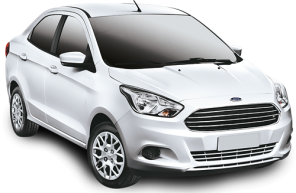
Ford Ka
or Similar
From
$7.77/day
Search and compare car rental prices from trusted global suppliers. Find the best deals instantly.







Explore our range of vehicles available in Ireland.
or Similar
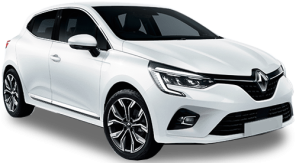
or Similar
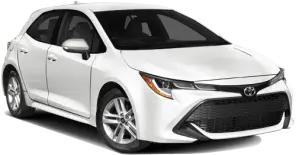
or Similar
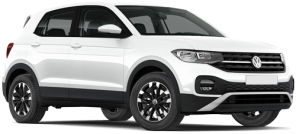
or Similar
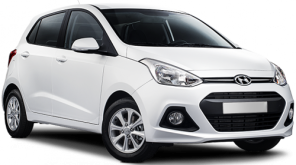
or Similar
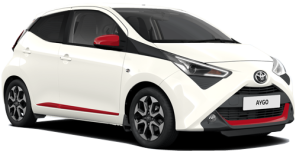
or Similar
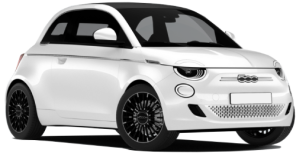
or Similar
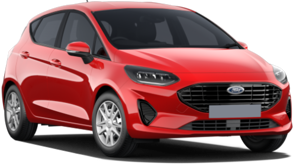
or Similar
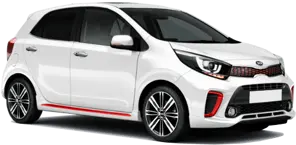
or Similar
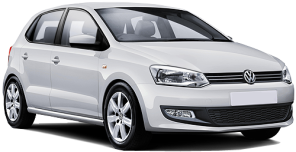
or Similar
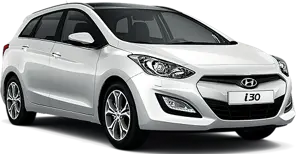
or Similar
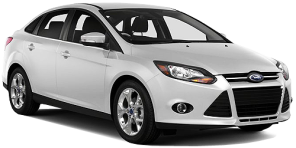
or Similar
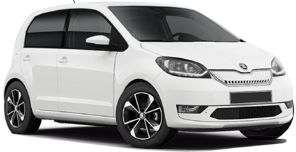
or Similar
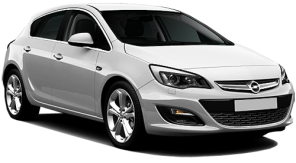
or Similar
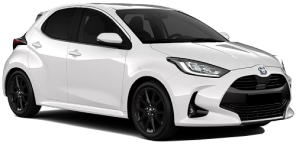
or Similar
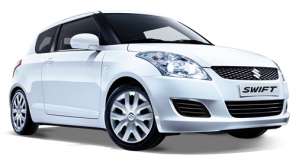
or Similar
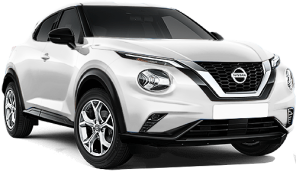
or Similar
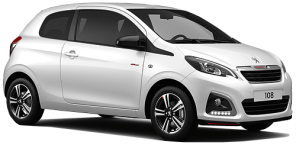
or Similar
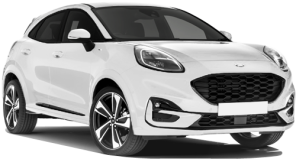
or Similar
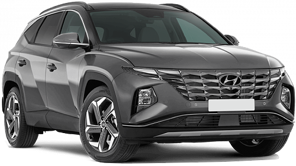
or Similar
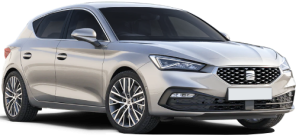
or Similar
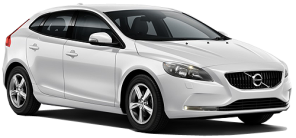
or Similar

or Similar
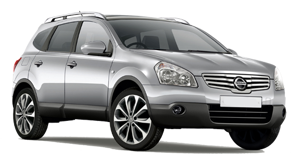
or Similar
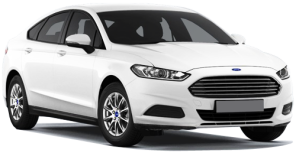
or Similar
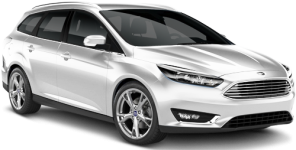
or Similar
Prices shown are approximate and may vary by booking dates, rental duration, and vehicle class. Check booking options for current pricing.
Discover a world of convenience, safety, and customization, paving the way for unforgettable adventures and seamless mobility solutions.
Choose from economy cars, sedans, SUVs, luxury vehicles, and vans to match your travel needs and budget.
View prices and pay in various currencies for a convenient global booking experience.
Access rental cars in downtown locations and popular tourist areas for easy travel during your stay.
Access complete rental policies including driver age limits, fuel rules, and deposit conditions.
Pay securely using major credit cards and other supported payment methods during booking.
We highlight top-rated suppliers based on verified customer reviews and service quality.
Essential information about car rental companies, popular cars, rental duration, and prices at Ireland.
Enterprise leads with 29% market share, serving travelers exploring the Wild Atlantic Way and Dublin business districts.
Compact cars dominate at 35% for navigating narrow Irish country roads. SUVs are preferred for Ring of Kerry tours and visits to Cliffs of Moher.
Rentals average 7 days, perfect for complete Ring of Kerry circuits, Northern Ireland visits, and exploring ancient castles. (Based on 28,500+ local searches)
The Toyota Corolla dominates for fuel efficiency on long drives. The Nissan Qashqai is preferred for coastal tours and rural B&B hopping.
Ireland rates average $52/day. Weekly rentals from $315 offer best value for complete Wild Atlantic Way journeys.
Compare average car rental prices by month and see how rental rates vary throughout the year in Ireland.
Summer peak (June-August) on Wild Atlantic Way and in Dublin. Spring and autumn offer best value for touring. St Patricks Week (March) increases demand in Dublin. Book 2-3 months ahead for summer. Manual transmission common, automatics limited.
Essential driving rules and requirements to know when renting a car.
Get detailed information on driving rules, licence requirements, speed limits and useful local tips.
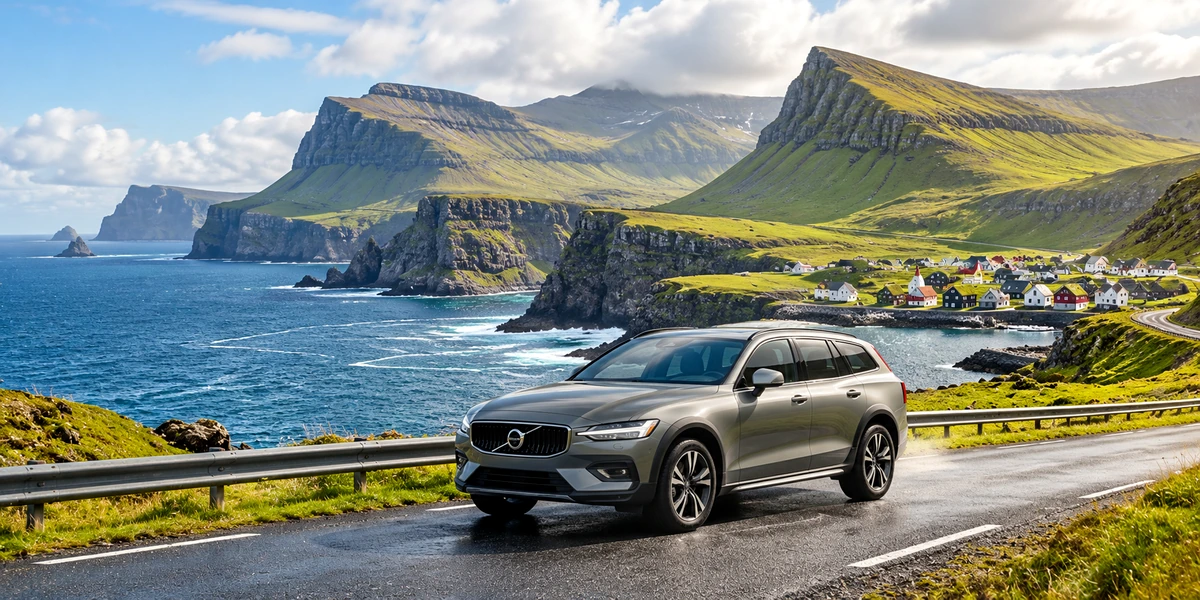
Renting a car is widely considered the best way to experience the Emerald Isle, offering the flexibility to explore its rugged coastlines, charming villages, and historic castles at your own pace. In Ireland, you'll primarily choose between picking up your vehicle at one of the major international airports or at a city center location. Airport pickups, such as at Dublin (DUB), Shannon (SNN), or Cork (ORK), are the most convenient for travelers arriving on a flight, allowing you to drive directly to your first destination. However, these locations often come with an airport surcharge or concession fee, which can add a noticeable amount to your rental bill. City center locations, like those in Dublin, Galway, or Killarney, can sometimes offer slightly lower rates and are a good option if you plan to spend a few days in the city first. The main disadvantage is the hassle of navigating public transport with your luggage to reach the rental office.
For most international visitors, the convenience of picking up a car upon arrival outweighs the extra cost. Shannon Airport, on the west coast, is particularly popular for those planning to drive the Wild Atlantic Way, as it places you right at the start of this epic route. A key money-saving tip is to compare the total price, including all mandatory insurances and taxes, from both airport and nearby off-airport locations. Sometimes, a short, free shuttle ride to an off-site office can result in significant savings compared to the on-terminal desks. Regardless of where you pick up, having your own vehicle unlocks the real magic of Ireland, allowing you to stop for that unexpected photo opportunity or to explore a hidden gem off the main tourist trail.
| Pickup Location Type | Pros & Cons |
|---|---|
| Major Airports (DUB, SNN, ORK) | Pros: Maximum convenience upon arrival, wide selection of companies, easy access to national road network. Cons: Higher overall price due to airport surcharges, can be very busy during peak times. |
| City Centers (Dublin, Galway, Cork) | Pros: Potentially lower base rates, good option if starting your trip with city sightseeing. Cons: Navigating city traffic and one-way systems to get out of town, additional cost and effort to reach the office from the airport. |
Before you can hit the open road in Ireland, you must meet several standard requirements set by rental companies and Irish law. The most critical factor is your driver's license. Visitors from the EU, Switzerland, Liechtenstein, and Iceland can use their national driving license. For all other international travelers, including those from the USA, Canada, Australia, and the UK, a full, valid driving license from your country of residence is required. Additionally, if your license is not in English or does not feature a photo, you are strongly advised to obtain an International Driving Permit (IDP) to accompany it. While not always strictly enforced by every rental desk, an IDP serves as an official translation and can be essential when dealing with the police (Gardaí) or in the event of an accident.
Age and payment method are other significant hurdles. The minimum age to rent a car in Ireland is typically 21 or 23, depending on the company. Drivers under 25 will almost invariably have to pay a young driver surcharge, which can be a substantial daily fee. A major credit card in the main driver's name is an absolute necessity. Debit cards are rarely accepted for the final payment or for the security deposit hold, which can be a considerable amount (often €1,000-€3,000). You will also need your passport as identification. Finally, you must have adequate insurance. Rental companies include basic Collision Damage Waiver (CDW) and Theft Protection in their quotes, but these often come with a high excess (deductible). Most travelers opt to reduce this excess either by purchasing Super Collision Damage Waiver (SCDW) from the rental company or by arranging a separate, standalone insurance policy.
| Requirement | Details |
|---|---|
| Minimum Age | Usually 21-23 years old. Drivers under 25 pay a young driver surcharge. |
| Driver's License | Valid full license from country of residence. Non-EU licenses are accepted for up to 12 months. An IDP is recommended for non-English or non-photo licenses. |
| Credit Card | Mandatory. Must be in the main driver's name for the security deposit. Debit cards are generally not accepted. |
| Passport | Required for identification at the rental counter. |
| Insurance | Basic CDW and Theft Protection are included but have a high excess. Excess reduction is highly recommended. |
Ireland's charm lies not just in its famous cities like Dublin and Galway, but in the breathtaking landscapes, ancient ruins, and warm-hearted villages that dot the countryside. While public buses and trains connect the major hubs, they rarely reach the isolated peninsulas, majestic cliffs, and serene national parks that define the country's beauty. Renting a car liberates you from fixed schedules and crowded tour buses, giving you the autonomy to craft your own Irish adventure. You can linger longer at a viewpoint, spontaneously stop at a pub advertising traditional music, or chase the sunset down a quiet country lane—experiences that are simply not possible with other forms of transport.
For families and groups, the cost and convenience of a rental car often surpasses purchasing multiple train or bus tickets. It provides a private space for luggage, allows for easier travel with children, and enables you to stay in countryside bed-and-breakfasts that are far more charming and affordable than city-center hotels. Driving also opens up the possibility of tackling one of Ireland's famous scenic routes, where the journey itself becomes the destination. The sense of freedom you get from navigating the winding roads and discovering your own private slice of Ireland is an unforgettable part of any visit.
Travelers to Ireland are spoiled for choice with a mix of well-known global brands and trusted local suppliers. The international giants like Hertz, Avis, Enterprise, Budget, Sixt, and Europcar have a significant presence at all major airports and in city centers. Their main advantage is consistency; you know what to expect in terms of service, fleet quality, and the rental process. They also typically offer a wide range of vehicles, from small city cars to larger automatics and SUVs. Many travelers appreciate the peace of mind that comes with using a familiar brand, especially for managing bookings and potential issues.
Alongside the multinationals, several excellent local Irish companies offer competitive rates and personalized service. Names like Dan Dooley, Irish Car Rentals, and Budget (which often operates differently from the US brand) are well-established and can sometimes provide better value, particularly for longer rentals. They often have a deeper understanding of local driving conditions and may offer more flexible terms. To navigate this crowded market, using a car rental comparison platform like DiscoverCars.com or Rentalcars.com is highly advantageous. These sites allow you to compare prices, insurance inclusions, and vehicle availability from dozens of companies side-by-side, ensuring you find the best deal for your specific travel dates.
| Company | Price Level | Pros |
|---|---|---|
| Hertz | Medium/High | Extensive locations, prestige fleet, reliable service. |
| Enterprise | Medium | Excellent customer service, large selection of vehicles, strong local presence. |
| Sixt | Medium | Modern fleet, often features premium German cars, competitive rates. |
| Europcar | Medium | Widely available at airports, good selection of automatics and vans. |
| Dan Dooley | Low/Medium | Reputable local brand, often competitive pricing, good for multi-location rentals. |
| Irish Car Rentals | Low/Medium | Strong local knowledge, good value, often includes additional benefits. |
Choosing the right vehicle is crucial for a comfortable Irish road trip. Given the narrow and winding nature of many rural roads, especially in the west, opting for a smaller car is often a wise decision. Economy and compact cars, such as a Ford Fiesta or Volkswagen Polo, are the most popular choices. They are fuel-efficient, easier to maneuver on tight country lanes, and typically the cheapest to rent. However, if you plan to cover long distances, require more space for passengers and luggage, or simply prefer a higher driving position, a compact or mid-size SUV like a Nissan Qashqai or Hyundai Tucson is an excellent choice. For larger groups or families, a people carrier or van provides essential space.
For those seeking a touch of luxury or a special driving experience, premium brands like BMW, Mercedes-Benz, and Audi are available, primarily from companies like Sixt and Hertz. A key consideration for many North American visitors is the availability of automatic transmission cars. The majority of cars in Ireland are manual, and automatics are in high demand. It is essential to book an automatic well in advance, as they sell out quickly and are considerably more expensive to rent. Prices fluctuate dramatically with the seasons. Expect peak rates during the summer months (June-August) and around major holidays like St. Patrick's Week and Christmas. Traveling during the shoulder seasons (April-May, September-October) can yield significantly lower prices.
| Car Category | Typical Models | Average Daily Price (Peak Season) | Average Daily Price (Low Season) |
|---|---|---|---|
| Small Car (Economy/Compact) | Ford Fiesta, Volkswagen Polo, Toyota Yaris | $45 - $75 | $20 - $35 |
| Medium Car (Midsize) | Ford Focus, Opel Astra, Toyota Corolla | $65 - $100 | $30 - $50 |
| SUV or 4x4 | Nissan Qashqai, Hyundai Tucson, Kia Sportage | $90 - $160 | $45 - $75 |
| Family Van / People Carrier | Ford Galaxy, Volkswagen Sharan, Berlingo | $110 - $200 | $60 - $90 |
| Luxury / Premium Car | Audi A4, BMW 3 Series, Mercedes-Benz C-Class | $130 - $250+ | $75 - $130 |
The cost of renting a car in Ireland is heavily influenced by tourism demand, making it a classic example of seasonal pricing. The peak season runs from June through August, when the weather is best and schools are out, leading to the highest prices and the lowest vehicle availability. Prices also spike during short holiday periods, particularly the week of St. Patrick's Day (mid-March), the October bank holiday weekend, and the Christmas/New Year period. During these times, it is not uncommon for prices to double or even triple compared to off-peak rates. Conversely, the low season (November through February, excluding the Christmas holiday) offers the best value, with many companies offering significant discounts to attract customers.
Booking well in advance is the single most effective strategy for securing a good deal, especially if you require an automatic transmission. Prices tend to rise as the rental date approaches and vehicle availability dwindles. For the absolute cheapest rates, consider traveling in January or February, though be prepared for shorter daylight hours and the possibility of inclement weather. Comparing prices across different supplier types is also key. While global giants offer consistency, local Irish companies often have the most competitive rates during the off-season. Finally, remember that the cheapest advertised price is often for a tiny manual car; if you need an automatic or a larger vehicle, be prepared to pay a significant premium.
| Metric | Details |
|---|---|
| Cheapest Month | January or February (excluding Christmas week) |
| Most Expensive Month | August (peak summer travel) |
| Average Price (7-day rental, Compact Car) | $350 - $600 |
| A Good Deal (7-day rental, Compact Car) | Under $280 |
| Cheapest Supplier Type | Local Irish companies or comparison site brokers |
| Cheapest Car Type | Smallest manual transmission car (e.g., Fiat 500, Hyundai i10) |
Ireland is a world-class destination for road trips, with its entire landscape crisscrossed by scenic routes. The most famous is the Wild Atlantic Way, a 2,500km (1,553 mile) driving route along the west coast from the Inishowen Peninsula in the north to Kinsale in the south. It's not a route to be driven in one go but rather a series of incredible stops, including the Cliffs of Moher, the Burren, the Ring of Kerry, and Connemara. Most travelers pick a section to explore over several days.
Adapting to local driving laws is paramount for a safe and legal trip. The most immediate difference for many visitors is that in Ireland, you drive on the left-hand side of the road. This requires concentration, especially at roundabouts and intersections, and when pulling out of junctions. Speed limits are in kilometers per hour (km/h) and are clearly signposted. Built-up areas (towns and cities) typically have a 50 km/h limit, regional roads (often narrow and winding) are 80 km/h, and national roads and motorways are 100 km/h and 120 km/h respectively. The legal blood alcohol limit is very low: 50mg of alcohol per 100ml of blood for experienced drivers, which is stricter than many other countries.
Seatbelts are compulsory for all passengers, and children must travel in appropriate child seats or boosters based on their height and weight. Road conditions can vary dramatically. Main motorways and national routes are generally excellent, but rural and regional roads can be extremely narrow, with high hedges, unexpected bumps, and roaming sheep or cattle. While winter tires are not mandatory, they are a sensible precaution if you are traveling between November and March, especially in higher or more remote areas. It is also common practice to pull into a lay-by or slow down and wave faster local traffic past you, a courteous habit on winding roads.
| Road Type | Speed Limit (km/h) |
|---|---|
| Built-up Areas (Towns/Cities) | 50 km/h |
| Regional & Local Roads (R & L roads) | 80 km/h |
| National Roads (N roads) | 100 km/h |
| Motorways (M roads) | 120 km/h |
While the majority of Ireland's roads are toll-free, there are a number of tolled motorways and bridges, primarily located on the M50 motorway around Dublin and on other major inter-urban routes like the M1 (to Belfast) and M8 (to Cork). The most important one for visitors is the M50. There are no physical toll booths on the M50; instead, it operates an electronic barrier-free system called eFlow. If you drive on the M50, you must pay the toll online, by phone, or in selected retail outlets before 8:00 pm on the following day. Failure to do so results in a penalty fine. Your rental car company will likely offer a service to handle this for you, but this convenience usually comes with a hefty administrative fee.
Other toll roads, such as the M1, have traditional toll plazas where you can pay with cash or card. Toll prices are generally modest, ranging from around €1.90 to €3.50 for cars. If you are renting from a company at the airport, they will explain the eFlow system and your options for payment. It is highly recommended to either pay the tolls yourself promptly or opt into your rental company's toll payment scheme to avoid unnecessary fines. For a complete list of current tolls and payment methods, looking up the official eFlow and Transport Infrastructure Ireland websites is advisable before your trip.
Parking in Ireland's bustling cities like Dublin, Cork, and Galway can be a challenge and is almost always paid. In city centers, you'll find a mix of on-street paid parking (disc-based or pay-and-display) and multi-story car parks. On-street parking is often limited to short durations (e.g., 1-2 hours) and can be expensive. It's crucial to read all signs carefully to avoid being clamped or fined. Disc parking requires you to display a parking disc (available at newsagents and post offices) showing your time of arrival. Pay-and-display machines issue a ticket to place on your dashboard.
For longer stays, using an off-street car park (often called a "car park" or "multi-storey") is more practical and secure. These can be found on the outskirts of city centers, sometimes offering cheaper "park and ride" options, where you can leave your car and take public transport into the core. In smaller towns and rural villages, parking is often free but may be time-limited. Many hotels in cities charge a significant daily fee for parking, so it's worth checking this when booking. A general tip is to ask your accommodation for parking advice in advance, as they often have arrangements with local garages or can guide you to the best spots.
Arming yourself with insider knowledge can make the difference between a stressful experience and a seamless driving holiday. These practical tips are gathered from countless traveler experiences and local insights.
Even seasoned travelers can fall into common traps when renting a car in Ireland. Being aware of these pitfalls can help you avoid unnecessary costs and headaches.
Last September, my partner and I landed at Shannon Airport, buzzing with anticipation for our week-long adventure on the Wild Atlantic Way. After collecting our bags, we headed to the Europcar desk, a little nervous about driving on the left for the first time. We'd booked a compact automatic months in advance, a decision we were instantly grateful for when we saw the line of manual cars. The agent was friendly but thorough, explaining the insurance excess and offering a reduction package which we accepted for peace of mind. We did a meticulous walk-around of our little Ford Focus, photographing every tiny mark before we drove off. The first few minutes on the "wrong" side of the road were terrifying, but leaving the airport roundabout, we were instantly plunged onto the winding coastal roads of County Clare. The scenery was so distractingly beautiful that it actually helped us relax into the rhythm of driving. We pulled over at the first lay-by to just breathe and take it all in. That car became our passport to freedom, allowing us to spontaneously stop for a pottery shop in Doolin and to chase the sunset to the Cliffs of Moher without a single care about bus schedules. It wasn't just a rental; it was the key to the entire trip.
The requirement for an International Driving Permit (IDP) in Ireland is a common point of confusion for international visitors. For travelers from EU member states, Switzerland, Liechtenstein, and Iceland, your national driving license is fully valid. For drivers from all other countries, including the USA, Canada, Australia, New Zealand, and the UK, your valid national driving license is accepted for the first 12 months of your stay. So, technically, an IDP is not a legal requirement for these drivers. However, the situation becomes nuanced if your license is not printed in English or does not include a photograph. In such cases, an IDP serves as an official translation and is highly recommended by the Gardaí (Irish police) and rental agencies.
Even if your English-language license has a photo, many experienced travelers and experts still suggest carrying an IDP. It's a relatively inexpensive and simple document to obtain (available at your local automobile association, like AAA or CAA, before you travel) and can act as an additional, universally recognized form of identification. In the rare event of an accident or a police stop, presenting an IDP alongside your national license can streamline the process and prevent any language barriers or bureaucratic confusion. Ultimately, while not mandatory for most, it's a small investment that provides invaluable peace of mind and is considered a best practice for any international driver heading to Ireland.
Markers show approximate airport or town-centre areas, not confirmed rental desks.
Find airport guides for car rentals, parking, and ground transportation.
Try a different name, city, or IATA code.
Read verified customer reviews, ratings, and rental experiences from travelers who booked through Airport Rento.
Overall Rating
"Had an issue with a tyre near Donegal. Called the emergency line and they had someone out to me in under an hour. They swapped the car the next morning. That level of support is rare these days. Impressed."
Javier Gutierrez
"Dutch tourist here. Rented for 5 days to explore Ireland's Ancient East. Car was a Skoda Octavia, very comfortable for long distances. Only issue was finding the return entrance at the airport – signage could be better."
Lucas van der Berg
"Landed at Dublin Airport and the car was ready to go. Drove straight to Galway with zero issues. The staff explained the insurance clearly which I appreciated. Definitely using these lads again."
James O'Brien
"Straightforward booking. Straightforward pickup. Straightforward dropoff. Thats all I want from a car rental company and they delivered. 5 stars."
Connor Walsh
"Traveling from Brazil, I was a bit nervous about driving on the left side. The staff reassured me and gave me a car with good visibility. Managed the whole trip without a scratch. Muito obrigada!"
Maria Santos
"Booked last minute for a weekend trip to Galway. Slightly older car than expected but ran perfectly. Price was competitive compared to other companies I checked."
Ethan Parker
"got a focus diesel, did the job. dublin to belfast and back, no bother. price was sound."
Liam Gallagher
"Great service overall. The staff were professional and helpful, the vehicle was clean and comfortable, and there were no unexpected issues during the rental."
Anthony Nolan Williams-Esposito
"Rented for a golf trip around Ireland. Played Ballybunion, Lahinch, and Royal Portrush. Car was comfortable for long drives between courses. Easy pick up and drop off. Tack!"
Sven Eriksson
"Booked a compact car for a week in Ireland. The fuel policy was fair – full to full. Got stuck in traffic near Limerick but thats not their fault lol. Car was a dream on the motorway."
Giuseppe Romano
"picked up car. drove around. dropped off car. literally nothing went wrong. what more u want?"
Tommy Nilsson
"Booked online from Germany, everything was transparent. Picked up at Dublin city centre, drove to Killarney National Park. The car was clean and nearly new. Return process took literally 2 minutes."
Sophie Müller
"Good value for money. The car wasn't brand new but it was well-maintained and clean. Drove from Dublin to the Wicklow Mountains and Glendalough. Beautiful trip, no mechanical issues."
Nina Weber
"Simple booking, good car, no problems. Drove around the Ring of Beara which was spectacular. The diesel engine saved us a fortune on fuel compared to petrol. 🇮🇪"
Bjorn Hansen
"Everything was fine. The car waited for us even though our flight was delayed by 2 hours. Drove to Wicklow Mountains, absolutely stunning scenery. Only thing – could have used more detailed directions to the return lot."
Olga Petrova
"Staff at Dublin Airport were very polite and efficient. The car manual was in English only which was a bit challenging, but I managed. Drove to Newgrange and the Hill of Tara. Beautiful country!"
Yuki Nakamura
"Rented from their Dublin city location. Took a spin down the Wild Atlantic Way all the way to Dingle. The car was comfortable and the diesel engine was very economical. Booking process online was simple."
Henri Leclerc
"Needed a 7-seater for family trip. Vehicle was spotless and had plenty of boot space for luggage. Drove from Dublin to Connemara, no mechanical issues whatsoever. Would book again."
Ahmed Al-Rashid
"The car handled the bumpy roads in Connemara like a champ. We drove to Clifden and Sky Road, some of the most beautiful landscapes Ive ever seen. Booking included all necessary insurance which gave peace of mind."
Mohammed Al-Farsi
"German efficiency met Irish hospitality. Picked up at 7am, on the road by 7:15am. Return was just as quick. Car had excellent fuel economy – perfect for the long drives between towns."
Thomas Mueller
"The whole process from booking to return was seamless. The car had a few minor scratches already noted on the paperwork, which made me feel secure about not getting charged. Honest company."
Carlos Hernandez
"Third time using AirportCarHub in Ireland. Consistency is what I appreciate – always clean cars, always fair prices, always friendly staff. This time drove the Causeway Coastal Route. Unreal scenery."
Seamus Quinn
"Compared about 10 different sites and AirportCarHub gave me the best quote for a week in Ireland. No funny business with the insurance either. Car was a Hyundai i30, clean and economical. 🚗💨"
Raj Patel
"Rented a Nissan Qashqai for a family wedding in Sligo. The car was spotless and had plenty of room for the kids and all their gear. Staff were lovely. No issues at all."
Aisling Murphy
"Needed an automatic transmission which can be hard to find in Ireland without paying a fortune. AirportCarHub had the best rate. Car was ready at Dublin Airport, no waiting around. Drove to Kilkenny, smooth journey."
Kwame Asante
"As a woman traveling alone, I felt completely safe with this rental. The car was reliable, and I drove from Dublin all the way to Giant's Causeway without any problems. Highly recommend the GPS add-on."
Fatima Ndlovu
"Had to change my booking dates twice due to flight changes. Their support team responded within hours each time. Car was great, drove to the Rock of Cashel and back. Thank you for being flexible!"
Ravi Fernando
"Rented a van to move some furniture from Dublin to Wexford. The lads at the counter were dead sound, upgraded me for free because the van wasnt ready on time. Cant beat that service."
Kevin O'Donnell
"Picked up at Shannon Airport. Staff spoke excellent English and were very patient with my questions. Drove to Dingle Peninsula. Navigation was easy. Car was fuel efficient which helped with petrol costs."
Hiroshi Tanaka
"Girls trip to Ireland and this car was our best decision. Drove from Dublin to Cliffs of Moher, then down to Cork. The boot fit all our shopping from Blarney Woollen Mills 😂"
Chloe Martin
"Flew into Shannon, picked up a saloon for a business trip around Limerick and Galway. The online check-in saved me about 20 minutes at the desk. Car was pristine. Will use again for sure."
John Mackenzie
"Everything went smoothly. The car was exactly as described online. GPS was pre-programmed with local points of interest which was a nice touch. Drove to the Burren and Aran Islands ferry port."
Piotr Kowalski
"Rented a compact SUV for 10 days driving the west coast. Cliffs of Moher, Ring of Kerry, all of it. Car handled the narrow roads beautifully. Only minor complaint was a slight delay at pickup but otherwise perfect. ⭐⭐⭐⭐"
Michael Chen
"We spent two weeks exploring from Dublin down to Cork and back up the east coast. The automatic transmission upgrade was worth every cent. Booking confirmation was instant. Merci!"
Pierre Dubois
"Car was ready on time. Slight issue with the air conditioning on day 3, but they swapped the vehicle for me in Cork within an hour. Minor inconvenience but great recovery. 4 stars."
Arjun Mehta