Mini
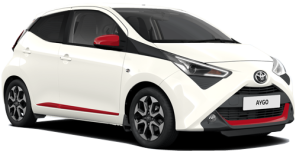
Toyota Aygo
or Similar
From
$6.83/day
Search and compare car rental prices from trusted global suppliers. Find the best deals instantly.








Explore our range of vehicles available in La Gomera Downtown.
or Similar
or Similar
or Similar

or Similar

or Similar

or Similar
or Similar
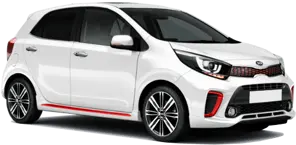
or Similar

or Similar
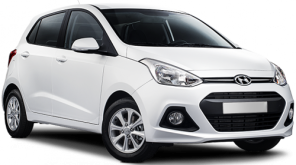
or Similar
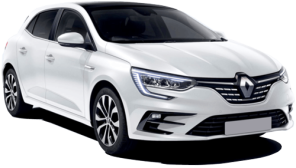
or Similar
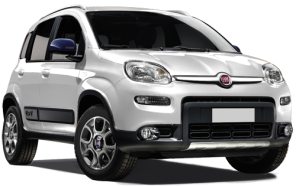
or Similar

or Similar
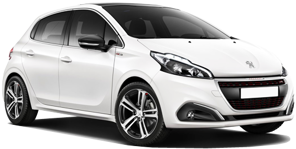
or Similar
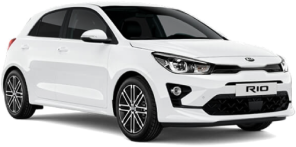
or Similar
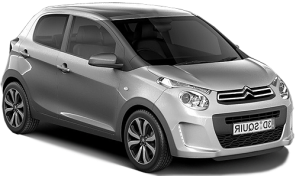
or Similar
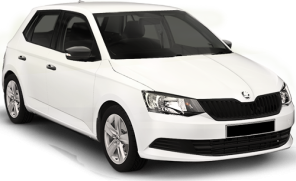
or Similar

or Similar
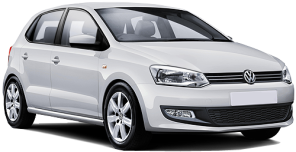
or Similar
or Similar

or Similar

or Similar

or Similar

or Similar
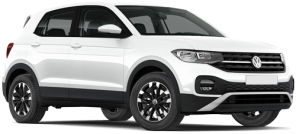
or Similar

or Similar
Prices shown are approximate and may vary by booking dates, rental duration, and vehicle class. Check booking options for current pricing.
Discover a world of convenience, safety, and customization, paving the way for unforgettable adventures and seamless mobility solutions.
Our support team can help you choose the right car and complete your booking if needed.
Many suppliers offer unlimited mileage so you can explore freely without worrying about distance limits.
Enjoy special online deals and seasonal discounts when booking your car rental through our platform.
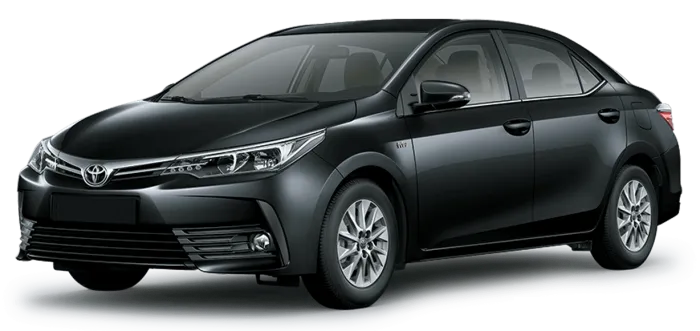
Pick up your rental car in one city and drop it off in another, perfect for road trips and multi-city travel.
Refine your search results with powerful filters to quickly find the perfect rental car for your travel needs.
Get immediate confirmation for most rentals with real-time vehicle availability.
Essential information about car rental companies, popular cars, rental duration, and prices at La Gomera Downtown.
Local agencies dominate La Gomera with 45% combined share, serving the island's main port of San Sebastian and the tourists arriving by ferry from Tenerife.
SUVs are the most popular choice, essential for navigating the island's winding, narrow roads through the ancient laurel forests of Garajonay National Park. Compacts are for the coastal towns.
Downtown San Sebastian de La Gomera rentals average 3-4 days for hiking in Garajonay, visiting the remote villages of Valle Gran Rey and Agulo, and exploring Columbus's historical sites. (Based on 900+ local pickups)
The Suzuki Jimny and Fiat Panda 4x4 are legendary for their ability on La Gomera's challenging terrain, offering compact dimensions with real off-road capability.
Downtown La Gomera rates average €45/day. A 4x4 vehicle is highly recommended for exploring the interior.
Compare average car rental prices by month and see how rental rates vary throughout the year in La Gomera Downtown.
La Gomera Downtown - Winter peak (December-February) for hiking in Garajonay park. Summer offers good value. Book 2 months ahead.
Essential driving rules and requirements to know when renting a car.
Get detailed information on driving rules, licence requirements, speed limits and useful local tips.
Renting a car in La Gomera Downtown, Canary Islands is the quintessential way to experience this emerald isle. While the island itself is compact, its dramatic topography—a labyrinth of steep ravines, lush laurel forests, and winding mountain roads—makes public transport a logistical challenge. The local bus service (Guaguas) connects the main towns, but it operates on limited schedules, especially on weekends and holidays. For the traveler who wants to chase a hidden mirador (viewpoint) at sunset or spontaneously decide to hike a section of the Garajonay National Park, a rental car isn't just a convenience; it’s a necessity for true freedom.
When picking up your vehicle, you have two primary options: the airport or the downtown area. La Gomera Airport (GMZ) is located in the municipality of Playa de Santiago. Picking up directly at the airport is incredibly convenient if you are arriving by air from Tenerife, allowing you to drive off the tarmac and into the island's interior. However, this convenience often comes with an "airport surcharge" or "concession fee," which can add a notable percentage to your daily rate. Conversely, picking up from offices located in La Gomera Downtown—specifically in the capital, San Sebastián—often yields lower base rates and a more personal service experience. A savvy money-saving tip is to compare the total cost (including the airport fee) for a rental at GMZ versus a short taxi ride (approx. 10-15 minutes) to a downtown office in San Sebastián; often the latter results in significant savings, especially for rentals longer than a few days.
| Pickup Location | Pros | Cons | Typical Surcharge |
|---|---|---|---|
| La Gomera Airport (GMZ) | Immediate vehicle access upon arrival; wide selection of major brands. | Higher base rates due to airport concession fees; can be busy during flight arrivals. | High (approx. 10-15% of base rate) |
| San Sebastián (Downtown) | Often cheaper base rates; local suppliers offer personalized service; easy access to ferry port. | Requires a short taxi or bus ride from the airport; limited operating hours on Sundays. | None / Low |
Navigating the rental requirements in Spain is straightforward, but preparation is key to a smooth pickup. As part of the Spanish territory, rental agencies in La Gomera Downtown adhere to strict national regulations. To secure a vehicle, you must present a valid driver's license held for a minimum of one year (though some agencies prefer two). The minimum age to rent is typically 21, though drivers under 25 often incur a "young driver surcharge" due to increased insurance risk. A major credit card in the primary driver's name is mandatory for the deposit hold; debit cards are rarely accepted for this purpose, especially for higher-category vehicles like SUVs or vans.
Regarding documentation, your passport and a valid driver's license are essential. For travelers whose license is not printed in the Roman alphabet (such as Japanese, Chinese, or Arabic), an International Driving Permit (IDP) is strictly required, even if you have an English translation. For EU/EEA license holders, the standard plastic card is sufficient. Insurance is mandatory in Spain. While most rental quotes include basic Third-Party Liability (TPL), we highly recommend reviewing the Collision Damage Waiver (CDW) and Theft Protection (TP) excess amounts—the amount you are liable for in case of damage. Many travelers opt for "Super CDW" or "Full Coverage" to reduce this excess to zero for peace of mind on the winding roads of La Gomera.
| Requirement | Details |
|---|---|
| Minimum Age | 21 years (Young driver fee applies for under 25s) |
| Driver's License | Full license held for 1+ years. EU/EEA license accepted. Non-EU may require IDP. |
| Payment | Credit card in driver's name (Visa/Mastercard/American Express). Debit cards seldom accepted. |
| Identification | Valid Passport or National ID (for EU citizens) |
| Insurance | Third Party Liability mandatory. CDW with excess is standard. |
La Gomera is not an island designed for the “hop-on-hop-off” tourist bus. Its charm lies in its isolation and raw natural beauty. Renting a car transforms your trip from a static hotel stay into an expedition. Without a vehicle, you are largely confined to the coastal towns. With one, the entire island—a UNESCO Biosphere Reserve—becomes your playground. The famous Garajonay National Park, a prehistoric laurisilva forest that feels like a set from Jurassic Park, is only accessible by car, as are the remote black sand beaches like Valle Gran Rey or the whimsical interpretation center in El Cercado.
Moreover, the geography of La Gomera encourages exploration at your own pace. You can drive the dramatic GM-1 highway that traversing the island’s spine, stopping at dozens of miradors (viewpoints) like Mirador de Abrante, where you can enjoy a local cheese tasting with a sheer drop below. For families, the convenience is unparalleled; you can store beach gear, hiking boots, and picnic supplies in the trunk, avoiding the need to carry heavy loads on buses. For couples, a convertible or a small SUV allows for spontaneous detours to hidden villages like Agulo, known as the "little Switzerland" of La Gomera.
Travelers to La Gomera Downtown are presented with a robust mix of global giants and trusted local specialists. International brands like Hertz, Avis, and Europcar maintain a strong presence, particularly at the airport (GMZ) and in San Sebastián. These are ideal for travelers seeking loyalty points, standardized vehicles, and 24/7 roadside assistance. Local suppliers, such as Cicar and Autos Reina, are immensely popular on the Canary Islands. They often differentiate themselves by offering fully inclusive prices (with zero excess on CDW) as standard, a significant advantage over the international competitors who typically sell this as an add-on. Local agencies often have a deep knowledge of the island’s roads and are more likely to offer manual transmission vehicles, which are the norm in Europe.
When selecting a company, it’s crucial to read the terms regarding the deposit hold and fuel policy. While international chains offer a consistent experience, many seasoned travelers to La Gomera prefer local companies for their transparency regarding insurance excess and their convenient locations near the ferry terminal in San Sebastián. Regardless of which you choose, ensuring that the company allows travel on the unpaved roads leading to certain remote beaches or rural fincas is essential, as some prohibit it in their contracts.
| Company | Price Level (Low / Medium / High) | Pros |
|---|---|---|
| Cicar (Local) | Medium | All-inclusive insurance (zero excess) as standard; excellent island-wide service; no airport surcharge. |
| Autos Reina (Local) | Medium | Competitive rates; great reputation for customer service; flexible pickup locations. |
| Hertz | High | Extensive fleet; reliable international support; convenient airport location. |
| Europcar | Medium/High | Wide selection of automatic vehicles; well-maintained fleet. |
| Avis | High | Quick check-in/out process; premium vehicle options. |
The vehicle you choose should match the terrain. While the main roads (GM-1, GM-2, and GM-3) are paved and well-maintained, they are narrow, winding, and can be steep. For solo travelers or couples, an Economy or Compact car (like a Fiat 500, Citroën C1, or Toyota Aygo) is the most practical choice. These small cars are nimble, easy to park in tight San Sebastián streets, and fuel-efficient—a significant benefit given the island's hilly terrain which consumes more fuel than flat city driving. For families or groups of friends, a Compact SUV (such as a Nissan Juke, Dacia Duster, or Peugeot 2008) is extremely popular. The higher ground clearance and robust build offer a more comfortable ride on the occasional gravel road leading to remote hiking trails or secluded beaches.
Prices fluctuate dramatically based on season. The High Tourist Season (December–March and July–September) sees prices spike, often double or triple the low-season rates. Low Season (October–November and April–June) offers the best value, with pleasant weather and lower demand. During major holidays like Carnival or Easter Week (Semana Santa), availability shrinks, and prices peak. Booking at least three months in advance for high season is recommended to secure a decent rate.
| Car Category | Average Daily Price (USD) | Best For |
|---|---|---|
| Small Cars (Economy/Compact) | $35 – $55 | Solo travelers, couples, fuel efficiency, narrow streets. |
| Medium Cars (Intermediate) | $45 – $70 | Small families, comfort on longer drives. |
| SUVs (Compact & Standard) | $60 – $95 | Families, rougher terrain, Garajonay National Park exploration. |
| Vans / Minivans (7+ seats) | $80 – $130 | Large groups, families with lots of luggage. |
| Luxury Cars / Convertibles | $90 – $180 | Special occasions, scenic coastal drives. |
| Parameter | Information |
|---|---|
| Cheapest Month | November (after the summer crowds, before winter holidays) |
| Most Expensive Month | August (peak European holiday season) and December (Christmas/New Year) |
| Average Price (Daily) | $50 USD (across all categories, year-round average) |
| A Good Deal | $30-$40 USD per day for a small car in low season |
| Cheapest Supplier (Typical) | Cicar or Autos Reina often offer the most competitive all-inclusive rates. |
| Cheapest Car Type | Economy Manual (e.g., Fiat Panda, Hyundai i10) |
Driving in La Gomera requires attention and respect for the terrain. In Spain, you drive on the right-hand side of the road. Speed limits are strictly enforced, often by radar, especially on the main GM-1 highway. The general speed limit in urban areas is 50 km/h (31 mph), dropping to 20 km/h (12 mph) in residential streets. On rural roads and the winding interior highways, the limit is 90 km/h (56 mph), though the narrowness of the roads often dictates a slower, safer pace.
Seatbelts are mandatory for all passengers, front and rear. Children under 135 cm (approx. 4’5”) must use an appropriate child restraint system. The legal blood alcohol limit is 0.5 g/l, or 0.3 g/l for drivers with less than two years of experience—a limit that is strictly enforced with heavy fines. Road conditions vary; while main roads are excellent, secondary roads to rural areas can be steep, narrow, and occasionally unpaved. It is crucial to read your rental contract carefully; some agencies prohibit driving on unpaved tracks, which may lead to voiding insurance if damage occurs. Winter tires are generally not required, as snow is extremely rare, but checking tire tread depth is wise given the wet, leafy conditions in the Garajonay forest during winter.
| Parameter | Limit / Rule |
|---|---|
| Driving Side | Right |
| Speed Limit (Urban) | 50 km/h (31 mph) |
| Speed Limit (Rural/Secondary) | 90 km/h (56 mph) |
| Speed Limit (Highway/Autovía) | 120 km/h (75 mph) – Not present on La Gomera. |
| Blood Alcohol Limit | 0.5 g/l (0.3 g/l for new drivers) |
| Child Seat Requirement | Mandatory for children under 135 cm |
One of the great financial and logistical advantages of driving in La Gomera is the absence of toll roads. Unlike the neighboring island of Tenerife, which has a network of toll highways, La Gomera maintains a single, free road network managed by the Cabildo (island government). You can traverse the island from the capital, San Sebastián, to the furthest points in Vallehermoso or Valle Gran Rey without encountering a single toll booth. This simplifies budgeting and allows for spontaneous exploration without worrying about carrying cash for tolls. All major roads, including the GM-1 (the island’s main artery), are free to use, funded by regional taxes. Therefore, you will not need to purchase any electronic toll device or worry about changing payment methods during your journey.
Parking in San Sebastián, the capital, requires patience, particularly during the middle of the day and on weekends. The downtown area (Calle Real and around the Torre del Conde) is a mix of blue (paid) and white (free) zones. Blue zones (O.R.A.) typically require payment from 9:00 AM to 2:00 PM and 4:00 PM to 7:00 PM on weekdays, with Saturday mornings often also regulated. You can pay at meters with coins or via mobile apps like Parclick or Telpark. Outside of these hours, parking is usually free. The largest free parking area is located near the ferry terminal (Estación Marítima), but it fills up quickly when ferries arrive from Tenerife.
In smaller towns like Hermigua, Agulo, and Valle Gran Rey, parking is generally easier but still requires respect for residential spaces. Never park in a space marked with a yellow line or a "Vado" sign, as this indicates a private driveway or loading zone, and vehicles are frequently towed. For hikers, most trailheads have small, informal parking areas. It is highly advisable to leave no valuables in the car, especially at isolated trailheads, as theft from vehicles, though not rampant, can occur. Many rural hotels and casas rurales offer private parking, so it’s worth confirming this when booking accommodations.
Marta and her husband arrived by ferry from Tenerife, stepping off the ramp in San Sebastián with their two kids. They had booked a compact SUV from a local supplier just a five-minute walk from the port. The agent, a friendly local named Luis, didn't just hand over the keys; he spent fifteen minutes marking up a paper map with his favorite hidden spots—a secluded beach near Playa de Santiago, a goat cheese farm in Hermigua, and the best time to visit the Mirador de Abrante to avoid the crowds. Armed with their Dacia Duster, they spent the week ditching the GPS and following Luis's marks. They discovered that the freedom to pull over for spontaneous banana shakes and to leave their hiking gear in the trunk made the island accessible in a way a tour bus never could. Their most memorable moment was driving through a dense fog in Garajonay National Park, which suddenly lifted to reveal a jaw-dropping panorama of the valley below—a moment they had all to themselves, simply because they had the wheels to chase the clearing sky.
The International Driving Permit (IDP) serves as a standardized translation of your national driver's license and is a legal requirement in Spain for drivers holding licenses issued in non-EU/EEA countries, particularly if the license is not in the Roman alphabet. Travelers from the United States, Canada, Australia, and many Asian nations should obtain an IDP in their home country before departure. The IDP is not a standalone document; it must be carried alongside your original, valid driver's license. It is typically issued by national automobile associations (such as AAA in the US) and is valid for one year from the date of issue. While some rental agencies in La Gomera may overlook the IDP for English-language licenses if you ask nicely, Spanish traffic police (Guardia Civil) have the authority to issue on-the-spot fines for not possessing one when required. To avoid a bureaucratic headache during your holiday, it is highly recommended to secure the IDP before you travel, as it cannot be obtained within Spain once you arrive.
Markers show approximate airport or town-centre areas, not confirmed rental desks.
Find airport guides for car rentals, parking, and ground transportation.
Try a different name, city, or IATA code.
Read verified customer reviews, ratings, and rental experiences from travelers who booked through Airport Rento.
Overall Rating
No reviews yet for this location. Be the first to share your experience!