Mini
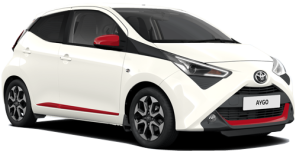
Toyota Aygo
or Similar
From
$6.83/day
Compare car rental deals at Canary Islands from trusted global suppliers. Find affordable prices and book your ideal car in minutes.








Explore our range of vehicles available in Canary Islands.
or Similar
or Similar
or Similar

or Similar

or Similar

or Similar
or Similar

or Similar
or Similar
or Similar
or Similar
or Similar
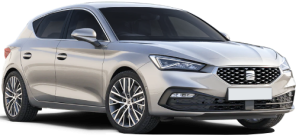
or Similar
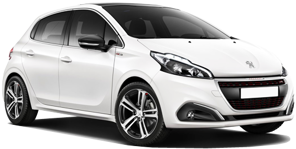
or Similar
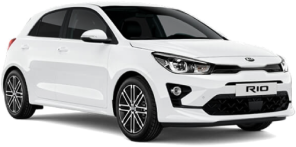
or Similar
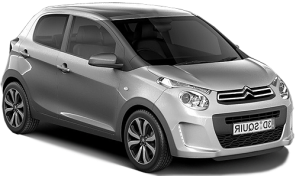
or Similar
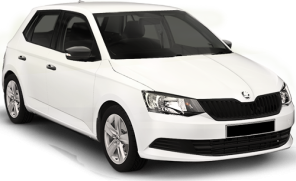
or Similar
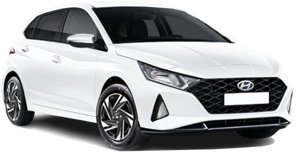
or Similar
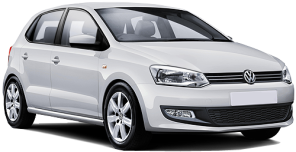
or Similar
or Similar

or Similar

or Similar
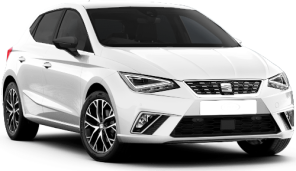
or Similar

or Similar
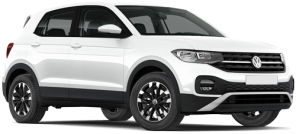
or Similar

or Similar
Prices shown are approximate and may vary by booking dates, rental duration, and vehicle class. Check booking options for current pricing.
Discover a world of convenience, safety, and customization, paving the way for unforgettable adventures and seamless mobility solutions.
View complete rental terms including fuel policy, mileage limits, deposit requirements, and insurance coverage.
Compare rental prices from hundreds of trusted suppliers worldwide to find the best deal for your trip.
Our support team can help you choose the right car and complete your booking if needed.
We partner with leading global and local car rental companies to ensure reliable vehicles and professional service.
Read verified customer reviews and ratings to help you choose the best rental supplier for your trip.
Receive instant booking confirmation and rental details directly in your email inbox.
Essential information about car rental companies, popular cars, rental duration, and prices at Canary Islands.
Local specialist Cicar dominates all islands with competitive rates and no cross-island fees. Auto Reisen strong in Gran Canaria and Tenerife.
Compacts dominate for navigating volcanic roads and village parking. Convertibles popular for Maspalomas coastal drives and Teide National Park routes.
Canaries average 7-day weekly rentals aligned with European holiday packages. Extended 10-14 day rentals for multi-island ferry trips. Based on 52,000+ searches.
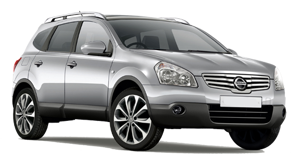
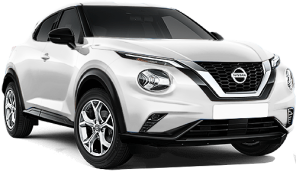
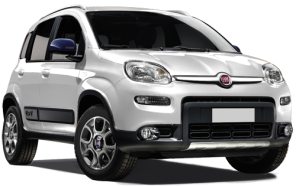
Fiat 500 perfect for narrow La Laguna streets and coastal village exploration. Nissan Juke chosen for Teide volcano access and remote beaches.
Canaries offer exceptional value at $42/day average. Winter sun season (Nov-Feb) sees 20% premium but remains Europe's best winter value.
Compare average car rental prices by month and see how rental rates vary throughout the year in Canary Islands.
Year-round mild climate means less seasonal variation than mainland Europe. Christmas/New Year peak (December). German and British tourists dominate in winter months. Summer sees more Spanish tourists. Book 1-2 months ahead for holiday periods.
* Prices shown are approximate. Original prices are in USD and converted using real-time exchange rates.
Essential driving rules and requirements to know when renting a car.
Get detailed information on driving rules, licence requirements, speed limits and useful local tips.

Renting a car in the Canary Islands is one of the best decisions you can make for your holiday. The archipelago's diverse landscapes—from the volcanic terrain of Lanzarote and Timanfaya National Park to the lush laurisilva forests of La Gomera and the dune deserts of Gran Canaria—are best explored at your own pace. While the islands have public buses (guaguas) and taxis, they can be limiting for reaching remote beaches, mountain viewpoints, and authentic villages. Picking up your rental car at the airport is the most popular and convenient option. All eight major airports, including Gran Canaria Airport (LPA), Tenerife South Airport (TFS), and Lanzarote Airport (ACE), have large, well-marked rental car hubs with desks in the arrival halls. This allows you to drive directly to your accommodation, saving time and taxi fares.
However, this convenience comes at a cost. Airport locations often include a premium surcharge, and they can be busy during peak arrival times. City pickup locations, found in capitals like Las Palmas, Santa Cruz de Tenerife, or Arrecife, may offer slightly lower rates but require you to navigate public transport with your luggage to get there. For a true money-saving tip, consider renting for a week or longer, as daily rates drop significantly. Also, be aware that many rental companies on the islands use a "full-to-full" fuel policy, which is almost always cheaper than pre-purchasing a tank of fuel from the company.
| Pickup Location | Pros & Cons |
|---|---|
| Airport (e.g., LPA, TFS, ACE) | Pro: Maximum convenience, immediate access to your car upon arrival, vast selection of companies. Con: Higher prices due to airport fees and surcharges, can be hectic during peak hours. |
| City Centers (e.g., Las Palmas, Puerto de la Cruz) | Pro: Often lower base rates, good for those staying in the city for a few days first. Con: Requires extra travel from the airport, navigating city traffic to leave, limited office hours (often closed on Sundays). |
| Resorts & Ports | Pro: Extremely convenient if your hotel has a desk, perfect for ferry connections between islands. Con: Smaller selection of vehicles, may have limited operating hours, can be booked up quickly. |
Before you book your vehicle, it's crucial to understand the legal and practical requirements for renting a car in the Canary Islands. As the islands are part of Spain and the European Union, the rules are standardised but have specific implications for international travellers. Meeting these requirements beforehand will ensure a smooth and hassle-free pickup process.
The primary requirements revolve around your age, licence, and payment method. Most major rental companies require drivers to be at least 21 years old, and those under 25 (often up to 30) will have to pay a young driver surcharge. A full, valid driving licence from your country of residence is essential. For citizens of the EU, Switzerland, Norway, Iceland, and Liechtenstein, their national driving licence is sufficient. For travellers from other countries, particularly the USA, Canada, Australia, and New Zealand, it is highly recommended to obtain an International Driving Permit (IDP) to accompany your national licence, even if it's not strictly a legal requirement for short stays, as many rental agents will ask for it. A credit card in the main driver's name is almost always mandatory for the security deposit, though some companies now offer fully insured options that waive the deposit. You will also need your passport as identification.
| Requirement | Details & Recommendations |
|---|---|
| Minimum Age | Typically 21 years. Drivers under 25 (and sometimes over 70) may incur a daily surcharge. Some luxury or high-performance cars may have a higher minimum age, such as 25 or 30. |
| Driver's License | A valid licence from your home country is required. If your licence is in a non-Roman alphabet (e.g., Arabic, Chinese, Japanese), an International Driving Permit (IDP) is legally necessary. |
| International Driving Permit | Strongly recommended for holders of non-EU licences (USA, Canada, Australia, etc.). It provides a translation and is often requested by rental companies, even if not mandated by local police for short stays. |
| Credit Card | A major credit card (Visa, Mastercard, Amex) in the driver's name is essential for the security deposit. Debit cards are rarely accepted for the deposit. The amount held can range from €500 to over €1,500 depending on the car category. |
| Passport / ID | You must present your valid passport (for non-EU citizens) or national identity card (for EU citizens) at the rental counter. |
The Canary Islands are a microcontinent of natural wonders, and relying on organised tours or public transport means you'll only ever see a fraction of their beauty. Renting a car unlocks the true spirit of the archipelago, giving you the autonomy to chase the sun, escape the crowds, and discover secluded coves and mountain hamlets that don't appear in the standard guidebooks. It transforms your holiday from a static resort stay into a dynamic adventure.
For families, the convenience is unmatched. You can pack the boot with beach gear, shopping, and kids' essentials without the hassle of carrying it on and off buses. Long-distance travellers will also find it invaluable for island-hopping; a rental car booked for each island allows you to explore every corner from the moment you step off the ferry or plane. The sheer variety of landscapes—from the otherworldly Roque Nublo to the black sand beaches of Tenerife—are connected by excellent roads just waiting to be driven.
When choosing a rental company in the Canary Islands, you'll have a mix of familiar global brands and reputable local suppliers. The global giants offer consistency, large fleets, and the security of a frequent flyer programme, while local companies often provide more competitive prices and personalised service, with deep knowledge of the islands. It's often wise to compare both through a rental comparison platform to get a broad view of the market and find the best deal for your specific travel dates.
Using a comparison website like DiscoverCars or Auto Europe can be a great starting point, as they aggregate deals from both international and local providers. This allows you to easily compare prices, included insurance, and customer reviews side-by-side. However, always check the terms and conditions carefully, especially regarding the insurance excess and fuel policy, before finalising your booking.
| Company | Price Level | Pros |
|---|---|---|
| Hertz / Avis | High | Widely available at all airports and cities, large modern fleets, reliable for premium cars, trusted brand with consistent service. |
| Enterprise / Alamo | Medium | Strong presence in the islands, good for family vehicles, often has competitive weekly rates, user-friendly online check-in. |
| Sixt | Medium/High | Known for a premium fleet including convertibles and luxury models, trendy service, popular at major tourist hubs like Tenerife South. |
| Cicar / Auto Reisen | Low/Medium | Top-rated local specialists with an excellent reputation, very competitive prices, offers free additional drivers, and has "all-inclusive" insurance packages. |
| Budget / Europcar | Medium | Good budget-friendly options for the major brands, wide network, solid choice for standard economy and compact cars. |
The type of car you choose can make or break your Canary Islands road trip. While a small car is perfect for navigating the narrow streets of old towns, an SUV might be better for tackling the steep, winding roads of the interior mountains. The majority of rental cars have manual transmissions, so if you require an automatic, it's essential to book well in advance, as supply is limited and they are more expensive. Petrol (gasoline) cars are the most common, though electric and hybrid options are becoming increasingly available, especially at the main airports.
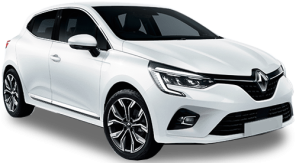
Common models you'll encounter include the Fiat 500 and Renault Clio in the economy category, the Volkswagen Polo and Seat Ibiza as compacts, and the Nissan Juke or Peugeot 2008 for small SUVs. For larger groups, the Ford Galaxy or Seat Alhambra are popular people carriers. Prices fluctuate dramatically based on seasonality. During the peak winter sun season (December to March) and the European summer holidays (July and August), prices can more than double compared to the quiet spring and autumn months.
| Car Category | Low Season (Apr-Jun, Sep-Oct) | High Season (Dec-Mar, Jul-Aug) |
|---|---|---|
| Small Cars (e.g., Fiat 500) | $25 - $40 per day | $50 - $90 per day |
| Medium Cars (e.g., VW Golf) | $35 - $55 per day | $70 - $120 per day |
| SUVs (e.g., Nissan Qashqai) | $45 - $70 per day | $90 - $160 per day |
| Vans / People Carriers | $60 - $90 per day | $120 - $200+ per day |
| Luxury / Convertibles | $70 - $120 per day | $150 - $300+ per day |
The Canary Islands' status as a year-round destination means rental prices are subject to constant fluctuation based on tourist demand. Understanding these trends can lead to significant savings. The archipelago enjoys a perpetual spring-like climate, making it a prime destination for Europeans seeking winter sun, which creates a prolonged and intense peak season. Being flexible with your travel dates by just a week or two can make a substantial difference to your rental budget.
Booking your car well in advance—ideally several months ahead for peak season—is the single most effective way to secure a good deal. Last-minute bookings in December or August can be eye-wateringly expensive, with very limited availability, especially for automatics. Off-season months offer incredible value, with prices dropping to their lowest levels, making it an ideal time for a budget-conscious road trip.
| Cheapest Month | May or October (after Easter and before the summer/winter rushes) |
| Most Expensive Month | December (Christmas and New Year period) and August (European summer holidays) |
| Average Price (Weekly) | $250 - $400 for a compact car |
| A Good Deal | Paying less than $35 per day for a small car including basic insurance. |
| Cheapest Supplier Type | Local Canarian companies (like Cicar and Auto Reisen) often bundled on comparison sites. |
| Cheapest Car Type | Mini or Economy cars with a manual transmission. |
The Canary Islands are a paradise for drivers, offering some of the most diverse and dramatic road trip routes in Europe. Whether you're driving through a volcanic national park, along coastal cliffs, or through ancient forests, each island presents a unique journey. Here are some of the most famous road trips you can take.
Driving in the Canary Islands is generally straightforward, but it's vital to familiarise yourself with the local rules and customs, which are based on Spanish traffic law. Road signs and markings follow the standard international conventions, making them easy to understand. The most important thing to remember is that you drive on the right-hand side of the road, and overtaking is done on the left.
Speed limits are strictly enforced, often with fixed and mobile radar traps. In built-up areas, the limit is generally 50 km/h. On conventional roads outside towns, it's 90 km/h, and on dual carriageways and motorways (autopistas), the limit is 120 km/h unless otherwise signed. The blood alcohol limit is very low: 0.5 grams per litre (g/l) in blood for most drivers, and even lower (0.3 g/l) for professional and novice drivers (those with less than two years' experience). Seatbelts are mandatory for all passengers, and children under 1.35 metres tall must sit in an approved child seat, preferably in the back. Road conditions are generally excellent on main highways, but rural and mountain roads can be narrow and winding. While winter tyres are not typically required, they can be useful for high-altitude areas like Mount Teide if snow is forecast.
| Road Type | Speed Limit |
|---|---|
| Urban Areas / Built-up Zones | 50 km/h |
| Conventional Roads (Out of Town) | 90 km/h |
| Motorways / Dual Carriageways (Autopista) | 120 km/h |
One of the great financial reliefs for drivers in the Canary Islands is that, unlike mainland Spain, the archipelago has very few toll roads. In fact, the only toll roads (autopistas de peaje) are found on the island of Gran Canaria. There are no tolls on Tenerife, Lanzarote, Fuerteventura, or the other smaller islands. On Gran Canaria, the main toll road is the GC-1, specifically the section that runs through the tunnel near the airport and onwards towards the south. There is also a small toll for the GC-2 tunnel near Las Palmas.
These tolls are relatively inexpensive, typically costing only a few euros. Payment is made at toll booths, which accept cash (euros) and major credit/debit cards. There is no complex electronic tag system for tourists to worry about. Simply approach the booth, take a ticket if it's an entry point, and pay when you exit. The convenience of the fast southern highway usually justifies the small cost, saving you significant time compared to the old, winding free roads.
Parking in the Canary Islands can range from surprisingly easy in rural areas to quite challenging in the historic centres of major cities. In popular tourist towns like Puerto de la Cruz, Maspalomas, or Corralejo, you'll find plenty of blue "zona azul" (blue zone) paid street parking. These require you to purchase a ticket from a nearby machine and display it on your dashboard. They are usually in operation from Monday to Friday, 9:00 to 14:00 and 16:00 to 20:00, and often on Saturday mornings, but this can vary by municipality, so always check the signs.
For longer stays or more convenience, multi-storey car parks (parkings subterráneos) are available in all town and city centres. They are clearly signposted and offer a safe, secure place to leave your car, though they can be pricey, especially in places like Las Palmas' Vegueta district. In resort areas, your hotel will likely have its own parking, either free or for a daily charge. A golden rule for all visitors is to never leave valuables visible in your car. While the islands are generally safe, opportunistic theft from rental cars can occur in tourist-heavy areas.
Navigating the car rental market in the Canary Islands is easy when you know a few insider tricks. Following these tips will help you avoid common pitfalls and ensure you get the best vehicle for your money, allowing you to focus on enjoying the stunning landscapes.
Even seasoned travellers can make mistakes when renting a car abroad. Being aware of these common errors will save you time, money, and stress, ensuring your Canary Islands road trip gets off to the best possible start.
Last November, I landed at Lanzarote Airport and made my way to the Cicar desk, having pre-booked a small SUV online. The process was surprisingly quick; they handed me the keys to a practically new car after a quick license check and a scan of my credit card for the deposit. The first day was a lesson in adjustment—the narrow streets of Teguise felt intimidating in a car, but by day two, we were navigating with confidence. The real magic happened when we spontaneously decided to follow a sign to a mirador overlooking El Rio. It was a spot no tour bus could reach, and watching the sunset over La Graciosa from our own private viewpoint was worth the rental cost ten times over. Driving back to the airport a week later, the only stress was making sure we filled the tank to the brim at a local petrol station just five minutes away, saving ourselves a hefty convenience fee.
The requirement for an International Driving Permit (IDP) in the Canary Islands often causes confusion. For citizens of the European Union, Switzerland, Norway, Iceland, and Liechtenstein, a valid national driving licence is all that is required. No additional permit is necessary. However, for travellers from the rest of the world, including the United States, Canada, Australia, and New Zealand, the situation is slightly different. While Spanish law technically recognises a valid national driving licence from these countries for the first six months of residence, many rental companies on the islands have their own policies.
It is highly recommended that all non-EU drivers obtain an IDP before their trip. It is a simple, inexpensive document that translates your licence into 10 languages, making it easily understandable for local authorities and rental agents. You cannot obtain an IDP in the Canary Islands; you must get it in your home country before you travel. In the US, they are sold by the American Automobile Association (AAA) and the American Automobile Touring Alliance. You'll need to bring your valid national licence, a passport-sized photo, and pay a small fee. It is typically valid for one year from the date of issue. Having this simple permit can save you from the disappointment of being denied your rental car at the counter.
Markers show approximate airport or town-centre areas, not confirmed rental desks.
Find airport guides for car rentals, parking, and ground transportation.
Try a different name, city, or IATA code.
Read verified customer reviews, ratings, and rental experiences from travelers who booked through Airport Rento.
Overall Rating
"Prenotato da Italia per Lanzarote. Auto nuova, aria condizionata potente (necessaria ad agosto!). Assistenza clienti disponibile. Grazie!"
Francesca Greco
"Booked from Qatar for a family trip to Gran Canaria. The minivan was clean and had enough space for 5 people + luggage. Staff was helpful. Shukran!"
Faisal Al-Ali
"Traveling from UAE, I was worried about the process. But everything was professional and transparent. The car was spotless. Thank you!"
Humaid Al-Ketbi
"Llegamos a Tenerife Sur y en 15 minutos ya estábamos manejando. El coche era un Hyundai i20, perfecto para las carreteras de montaña. Recomendado."
Luis Fernandez
"Got a diesel Seat Leon. Took it up to Teide at sunrise - magical. The return was easy, they just checked the fuel and sent us on our way."
Niels Andersen
"Needed a car to get to my Airbnb in Los Cristianos. This worked perfectly. Not luxury but who cares? It drives and stops. 5/5 for the price."
Viktor
"Got a little Fiat 500 and it was perfect for the narrow streets in La Laguna. Fuel efficient too. Airport shuttle was waiting for us. Merci!"
Sophie Laurent
"Very professional. The car was ready when promised. Drove all over La Gomera which has some crazy roads but the car handled well. Thanks!"
Dimitris Papadopoulos
"Am inchiriat o masina pentru 7 zile in Gran Canaria. Totul a fost ca in descriere. Transportul de la aeroport la masina a fost rapid. Mulțumesc!"
Ioana Rusu
"From Egypt, rented for a week in Lanzarote. The staff spoke good English and the paperwork was minimal. Drove to Famara beach, beautiful roads."
Mohamed Ibrahim
"No nonsense rental. The car was a bit dusty but thats the Canaries for you. Dropped off with full tank and they checked us out in 2 mins. Sound."
Aisling Kelly
"Reservé desde Argentina, todo funcionó. El coche estaba listo a la hora. Recorrimos La Palma de punta a punta. Buena experiencia en general."
Javier Lopez
"Car was okay but the pickup took 45 minutes because of a long line. Maybe understaffed. The car itself was fine for driving around Maspalomas."
Jie Zeng
"Rented for 3 days in Fuerteventura. The car was basic but reliable. The price was much better than the big names. Will check again next time."
Thomas Mbeki
"Comparado prices across 5 sites and AirportCarHub was cheapest by €40. Car was nearly new, AC worked great in the heat. No hidden fees."
Michael Schmidt
"Car was there. I drove it. Returned it. 4 stars."
Nina
"Car was fine, nothing special. The website was easy to use and the price was fair. Got a small scratch on the bumper but they didn't charge us."
Leszek Adamczyk
"Drove from the airport to our hotel in Playa del Ingles. Return was smooth even though we were 30 mins late. Friendly staff. Good experience."
Sarah van der Berg
"Booked online, paid deposit, picked up the car. That's it. No pressure to buy extra insurance. Would recommend to friends visiting the islands."
Dennis Sharma
"Rented a Jeep and drove through the volcanic landscape in Timanfaya. Incredible experience. The rental process was straightforward. No hidden fees."
Khalid
"Reserved online from the US, everything was ready when we landed in Fuerteventura. Drove to Corralejo beaches, no problems at all. Recomiendo!"
Mariana Moyano
"The booking was easy. The car had some minor dents but nothing major. The price was right so I can't complain. Would use again for cheap rental."
Olga Novikova
"Compared many options and this was the best deal. Car was a bit older model but ran perfectly. Covered the whole island of Tenerife in 4 days."
Rajesh Kumar
"Rented through the website and picked up at TFS. Staff was friendly, gave us a free upgrade to a larger SUV. Teide looked amazing from the road."
Emma Thompson
"Booked in 5 mins. Got the car in 10. No drama. That's how renting should be. 👍"
Isabella
"From Malaysia, rented for 4 days in Lanzarote. The price was the lowest I could find. Car had good AC which is essential. Smooth experience overall."
Omar Farouk
"Returned the car at 6 AM before our flight. There was a drop box and we just left the keys. Got my deposit back in 2 days. Good service."
Marta
"The car was great but the airport shuttle Wi-Fi didn't work so we had to figure out where to go. Other than that, solid rental."
Hanna
"This was my first time renting in the Canaries. The website was clear, the price was final, and the pickup was fast. Will use again next year."
Jennifer
"Alugamos por uma semana para explorar Gran Canaria. Atendimento em português, carro econômico. As estradas de montanha são lindas!"
Marcelo Rocha
"Car worked. AC worked. No surprises. Would use again if I come back to Fuerteventura."
Tom
"The rental desk is right near the exit at LPA. Quick paperwork and we were on our way to Puerto de Mogan. Dropped off with no issues."
Kenji Watanabe
"Booked a VW Golf for 5 days. The pickup at LPA was super fast and the car was clean. Drove to Maspalomas dunes without any issues. Will use again."
Brian Perez
"Everything went according to plan. No surprises. The car had a few scratches but they noted them on the form beforehand. Honest company."
Petar Horvat
"Everything worked as promised. Pickup at Lanzarote airport took 10 mins. GPS was extra but worth it for navigating to Timanfaya park. Arigato."
Masayuki Yoshikawa