Mini
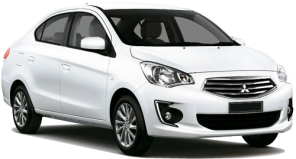
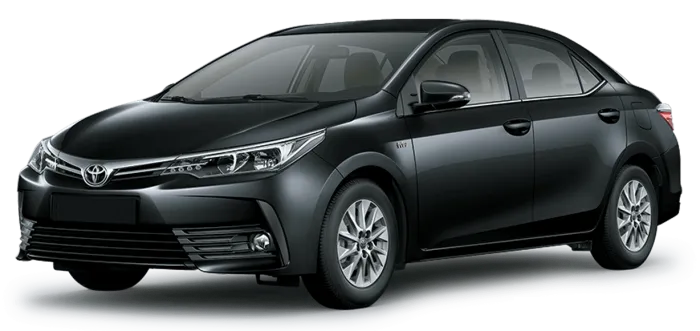
Mitsubishi Mirage
or Similar
From
$4.88/day
Compare car rental deals at Florida from trusted global suppliers. Find affordable prices and book your ideal car in minutes.








Explore our range of vehicles available in Florida.
or Similar
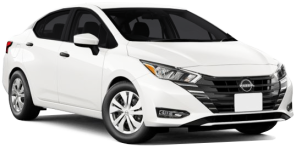
or Similar
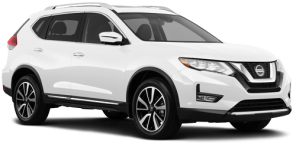
or Similar
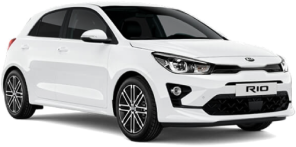
or Similar
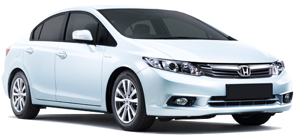
or Similar
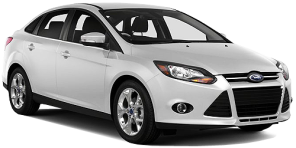
or Similar
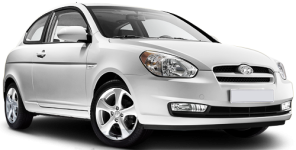
or Similar
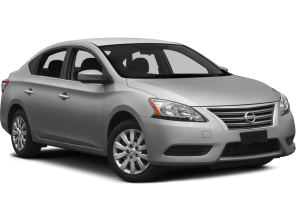
or Similar
or Similar
or Similar
or Similar
or Similar
or Similar
or Similar
or Similar
or Similar
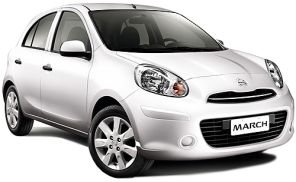
or Similar
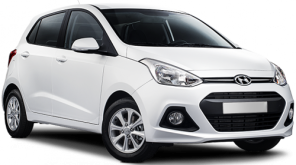
or Similar
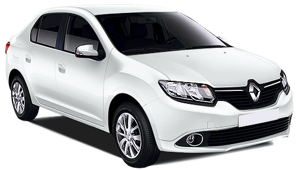
or Similar
or Similar
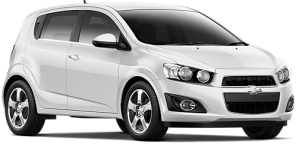
or Similar
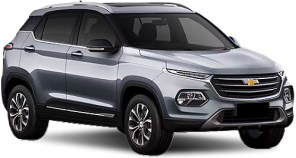
or Similar
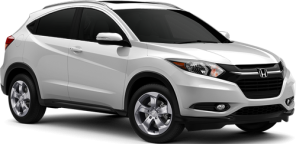
or Similar
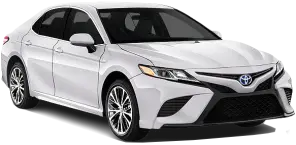
or Similar
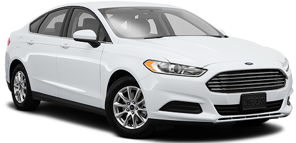
or Similar
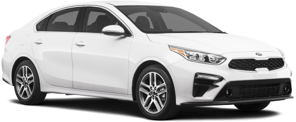
or Similar
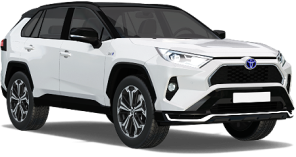
or Similar
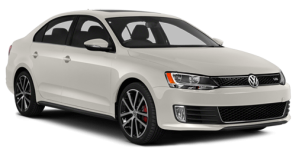
or Similar
Prices shown are approximate and may vary by booking dates, rental duration, and vehicle class. Check booking options for current pricing.
Discover a world of convenience, safety, and customization, paving the way for unforgettable adventures and seamless mobility solutions.
Pick up your rental car in one city and drop it off in another, perfect for road trips and multi-city travel.
Manage, modify, or cancel your booking easily through your confirmation link or account.
Search and book rental cars easily from any smartphone or tablet with our mobile-friendly platform.
Get immediate confirmation for most rentals with real-time vehicle availability.
Search from thousands of pickup locations including airports, train stations, and city centers worldwide.
We highlight top-rated suppliers based on verified customer reviews and service quality.
Essential information about car rental companies, popular cars, rental duration, and prices at Florida.
Enterprise has a massive presence across the state, from airport locations at MCO and FLL to neighborhood offices serving the large local population.
SUVs lead for family trips to Orlando. Convertibles are a signature Florida choice for cruising the Overseas Highway to Key West or along Miami's Ocean Drive.
Rentals average a full week, driven by family vacations to theme parks, cruise passengers, and snowbirds escaping winter for extended stays. (Based on 150,000+ local pickups)
The Nissan Rogue is the practical family favorite. The Ford Mustang Convertible is the iconic rental for visitors wanting the classic Florida experience with the top down.
Florida's average daily rate is $55. Prices vary significantly by season, with winter and spring breaks seeing higher demand. Weekly specials from $330 are common.
Compare average car rental prices by month and see how rental rates vary throughout the year in Florida.
Spring Break (March-April) peak in Miami, Orlando, and Panhandle beaches. Summer heat offers lower prices but hurricane season (June-November). Disney World creates year-round demand in Orlando. Book 2-3 months ahead for spring break.
* Prices shown are approximate. Original prices are in USD and converted using real-time exchange rates.
Essential driving rules and requirements to know when renting a car.
Get detailed information on driving rules, licence requirements, speed limits and useful local tips.

Renting a car in Florida is often the key that unlocks the very best the Sunshine State has to offer. For international travelers, the process is generally straightforward, but understanding the nuances of where and how to pick up your vehicle can save you both time and money. The primary decision is whether to rent at the airport upon arrival or pick up a car from a city location. Major international airports like Orlando International Airport (MCO), Miami International Airport (MIA), Tampa International Airport (TPA), and Fort Lauderdale-Hollywood International Airport (FLL) have massive rental car centers with every major brand under one roof. The convenience of stepping off the plane and directly into your rental car is unparalleled, especially after a long flight. However, this convenience comes at a cost. Airports add substantial facility fees, customer facility charges, and concession recovery fees to your rental bill, which can easily increase the total price by 20-30% or more.
Opting for a rental office located in a nearby city or town can lead to significant savings, though it requires taking a taxi, ride-share, or public transport to reach it. Popular tourist cities like Miami Beach, Orlando's International Drive area, Fort Myers, and Key West are dotted with rental offices, offering a cost-effective alternative for travelers who aren't in a rush. A savvy money-saving tip is to compare the total cost of an airport rental (including all mandatory fees) against a downtown rental plus the cost of transportation to that office. Often, especially for longer rentals of a week or more, the savings can be considerable. Always book directly through the rental company's website or a reputable comparison site to see the full price breakdown before you commit.
| Pickup Location | Pros & Cons |
|---|---|
| Major Airports (MCO, MIA, TPA, FLL) | Pros: Maximum convenience, large vehicle selection, extended hours, easy to find. Cons: High airport surcharges and fees, can be very busy, often located in a consolidated rental center away from the terminal (requiring a shuttle). |
| City/Downtown Offices | Pros: Lower rental rates and fewer surcharges, often quieter than airports, convenient if you're already staying in the city center. Cons: Requires separate transport to get there, limited hours of operation (often closed on Sundays), smaller vehicle selection. |
| Resort/Hotel Locations | Pros: Ultimate convenience for guests staying at specific resorts (especially in Orlando), can often drop the car and walk back to your room. Cons: Limited availability (only at select large resorts), premium pricing similar to airports, not as common outside of major tourist hubs. |
Before you can hit the open road, you must meet a few key requirements that are standard across the United States. The process is designed to be efficient, but having your documents in order is essential for a smooth pickup. The rental company will verify your identity, driving eligibility, and ability to pay for the vehicle and any potential incidentals. Failure to meet any of these requirements at the counter can result in being denied the rental, often with no refund.
The primary requirements are straightforward. You must present a valid, unexpired government-issued driver's license from your country of residence. A major credit card in your own name is almost universally required for the hold deposit; debit cards are often not accepted or come with stringent conditions and credit checks. You will also need your passport for identification. When it comes to insurance, the rental company will offer several options, but your personal auto insurance or a premium credit card with rental car coverage may already provide protection, so it's wise to check before your trip. The need for an International Driving Permit (IDP) is a common point of confusion. While Florida law accepts a valid foreign driver's license, an IDP is strongly recommended if your license is not in English. It serves as an official translation and can be a vital tool for communication with law enforcement or the rental agency in case of an incident, ensuring a smoother experience.
| Requirement | Standard Details & Notes |
|---|---|
| Minimum Age | 20-25 years old. Most major companies rent to drivers 21+, but drivers under 25 will pay a mandatory "young renter fee." Some companies or specific vehicle types (like luxury cars) may require the renter to be 25. |
| Driver's License | A valid license from your country of residence is required. If your license is not in English, obtaining an International Driving Permit (IDP) is highly recommended as a translation supplement. |
| Credit Card | A major credit card (Visa, Mastercard, American Express, Discover) in the renter's name is required to place a substantial hold deposit (often $200-$500 or more). Debit cards are typically not accepted at airport locations. |
| Passport | Your valid passport is required for identification purposes at the rental counter, confirming your identity and country of origin. |
| Insurance | Rental companies offer Loss Damage Waiver (LDW) and Liability Insurance. Check if your personal auto policy, travel insurance, or credit card provides coverage before you arrive to avoid purchasing unnecessary duplicate insurance. |
For the international traveler, Florida is a state built for exploration by car. While ride-sharing and taxis are readily available in urban cores like Miami and Tampa, they are an expensive and impractical way to see the full spectrum of what Florida has to offer. A rental car transforms your trip from a series of point-to-point connections into a fluid, self-guided adventure. It grants you the autonomy to chase a perfect sunrise over the Atlantic in Cocoa Beach, explore the Spanish colonial architecture of St. Augustine, and watch a Gulf Coast sunset from a beach in Clearwater, all on your own schedule.
The benefits of having your own vehicle extend far beyond simple transportation. It is a gateway to the state's most beloved experiences. Imagine the freedom to spontaneously stop at a roadside fruit stand for fresh orange juice, or to pack the car with snorkeling gear and drive down to the coral reefs of the Florida Keys. For families, the convenience is unmatched, eliminating the stress of folding strollers and managing children's car seats on public transit. Furthermore, many of Florida's most captivating destinations, such as the pristine springs of the central highlands, the wildlife-rich Everglades, and the charming, historic small towns of North Florida, are simply inaccessible without a car. The journey itself becomes a highlight, with numerous scenic byways winding through pine forests, along coastal dunes, and past shimmering lakes.
Travelers to Florida are spoiled for choice when it comes to rental car companies, with a mix of familiar global giants and strong local suppliers. The major international brands dominate the airport rental car centers, offering the reassurance of loyalty programs, consistent service standards, and vast fleets. Companies like Hertz, Avis, Enterprise, Budget, Sixt, Alamo, and Europcar are everywhere, from Miami to Pensacola. Each has its own strengths; for example, Enterprise is known for its extensive network and customer service, while Sixt often offers a more premium, European-focused fleet. Alamo is a popular choice for families due to its inclusive policies and straightforward booking process, especially at the Orlando airport.
Choosing between these companies often comes down to price, vehicle availability, and specific rental terms. This is where using a reputable rental comparison platform, like Kayak, Expedia, or Priceline, can be incredibly beneficial. These sites allow you to compare rates, policies, and available car types from dozens of companies side-by-side, helping you find the best deal for your specific dates. Remember that the cheapest upfront price may not always be the best value if it comes with a less convenient location, older cars, or stricter fuel policies. Reading recent reviews on platforms like Google Maps or Trustpilot can also provide valuable real-world insights into the experience at a specific rental counter.
| Company | Price Level (Low / Medium / High) | Pros |
|---|---|---|
| Hertz | Medium / High | Vast selection, great loyalty program (Gold Plus Rewards), premium cars available, airport locations are efficient. |
| Avis | Medium | Strong presence, good for business travelers, reliable service, often has "Preferred" service for faster pickup. |
| Enterprise | Low / Medium | Excellent customer service, neighborhood locations are plentiful, often has competitive weekly rates. |
| Budget | Low | As the name suggests, often has very competitive base rates, a good choice for value-conscious travelers. |
| Alamo | Low / Medium | Very popular with families, especially in Orlando. Known for easy booking and kiosk check-in, which can save time. |
| Sixt | Medium / High | Offers a premium fleet including luxury German cars, a stylish alternative, popular in South Florida. |
| Local/Off-Airport Brands | Low | Often significantly cheaper, more flexible with older cars, but may have limited hours and older fleets. |
Choosing the right vehicle category can make or break your Florida road trip. The flat, well-paved roads mean you don't need a specialized vehicle for most trips, but your choice should reflect your itinerary and the number of passengers. Economy and compact cars, like a Nissan Versa or Toyota Corolla, are the most budget-friendly and fuel-efficient options, perfect for solo travelers or couples sticking to city driving. Midsize and full-size sedans (e.g., Toyota Camry, Nissan Altima) offer more comfort and trunk space for luggage, making them ideal for longer journeys between cities.
For families and groups, SUVs and crossover vehicles are the most popular choice. A standard SUV, like a Ford Escape or Jeep Cherokee, provides ample room for passengers and gear, along with a higher driving position. Minivans, such as a Dodge Grand Caravan, are the unsung heroes of family travel, offering unbeatable space for people, luggage, and the inevitable beach toys. For those looking to travel in style, convertibles and luxury cars are a popular indulgence, particularly along the coastlines of Miami and the Florida Keys. Expect to see models like the Ford Mustang Convertible or a BMW 3 Series. Rental prices fluctuate dramatically with the seasons. During peak winter months (December-April) and major holidays, demand—and prices—soar. The summer months (June-August) see high demand from families but also offer competitive rates outside of school holiday weeks. The cheapest times to rent are typically during the fall (September-November), excluding Thanksgiving.
| Car Category | Average Daily Price (USD) |
|---|---|
| Small Cars (Economy/Compact) | $35 - $65 |
| Medium Cars (Midsize/Standard Sedan) | $45 - $85 |
| SUVs (Intermediate/Standard SUV) | $65 - $120 |
| Vans (Minivan) | $85 - $150+ |
| Luxury/Convertible Cars | $90 - $200+ |
The price of renting a car in Florida is heavily dictated by the laws of supply and demand, leading to significant fluctuations throughout the year. Understanding these trends is key to securing a good deal. The state's tourism calendar is the primary driver, with prices peaking when the weather is most desirable for northern visitors and during school breaks. Being flexible with your travel dates by even a few days can result in substantial savings, especially if you can avoid peak periods.
The winter months, from December through April, represent the absolute peak season. "Snowbirds" from the north and international visitors flock to Florida to escape colder climates, driving up demand for rentals. This period, especially around Christmas and New Year's, sees the highest prices. In contrast, the late summer and fall, particularly September and October, are considered the off-season. While hurricane season is a factor, these months offer the lowest rental rates and smaller crowds, making it an excellent time for a budget-conscious road trip. Major holidays like Thanksgiving, Easter, and Spring Break (March-April) also create short, intense spikes in demand and prices.
| Trend Factor | Details |
|---|---|
| Cheapest Month(s) | September, October |
| Most Expensive Month(s) | March, December |
| Average Price (Weekly Rental) | $450 - $700 for a standard SUV |
| A Good Deal (Weekly Rental) | Under $350 for a standard SUV |
| Cheapest Supplier Type | Local/Off-airport brands, booked through a comparison site well in advance. |
| Cheapest Car Type | Economy/Compact cars |
Florida's diverse geography and well-maintained highways make it a premier destination for memorable road trips. From island-hopping across the ocean to cruising along the coast, the state offers routes for every taste. Here are a few of the most iconic journeys you can take with your rental car.
Familiarizing yourself with Florida's driving laws is crucial for a safe and ticket-free journey. While many rules are similar to those in other U.S. states, there are specific regulations that every international visitor should know. Driving is on the right-hand side of the road, and the driver and all passengers must wear seatbelts at all times. The state has a "Move Over" law, requiring drivers to change lanes or slow down for any stopped law enforcement, emergency, sanitation, or utility vehicles with flashing lights.
Child safety is taken very seriously. Children under 5 years old must be in a federally-approved child restraint seat. Children ages 4 and 5 can be in a separate carrier, an integrated child seat, or a booster seat. For children under 4, the rules are stricter, with those under 1 required to be in a rear-facing infant seat. It is illegal to text and drive, and using a handheld wireless device while driving in a school zone or work zone with workers present is also prohibited. Florida law has a very low tolerance for alcohol; it is illegal to drive with a Blood Alcohol Concentration (BAC) of 0.08% or higher. Penalties for DUI are severe.
Road conditions in Florida are generally excellent, but be prepared for sudden, heavy rain showers, especially in the summer afternoons, which can reduce visibility quickly. In northern Florida and the Panhandle, icy conditions can occasionally occur during rare cold snaps in winter. Most rental cars come with all-season tires, so specific winter tires are not a concern.
| Road Type | Speed Limit (mph) |
|---|---|
| Interstate Highways (rural) | 70 mph |
| Interstate Highways (urban) | 55-65 mph |
| State Highways (divided) | 60-65 mph |
| State Highways (undivided) | 55 mph |
| School Zones | 10-20 mph (when lights are flashing) |
| Business or Residential Areas | 30 mph |
Florida has one of the most extensive networks of toll roads in the United States, particularly around major metropolitan areas like Orlando, Miami, and Tampa. These roads, such as Florida's Turnpike, offer a faster, less congested alternative to free highways. The state has largely moved toward all-electronic tolling, which means there are no cash booths on many major toll roads. Your license plate is photographed, and a bill is sent to the registered owner of the vehicle. This is where renting a car makes things easy. Most rental companies offer an electronic toll pass service, often called "PlatePass" or something similar. For a daily fee (usually capped at a certain amount per rental period) plus the cost of the tolls themselves, this service allows you to use any toll road seamlessly. The transponder (a small device) in the car is detected, and the tolls are automatically charged to the credit card on file. While convenient, these services come with administrative fees, so it can be cheaper to bring your own transponder if you have one from home, or to simply avoid toll roads using a GPS app set to "no tolls." Toll costs vary, from less than a dollar for a short ramp to $10 or more for a long journey across the state.
Parking in Florida ranges from plentiful and free in suburban and rural areas to challenging and expensive in the dense urban cores. In major cities like Miami, downtown Tampa, and Orlando, expect to pay for parking. Street parking is available but often metered, and you can typically pay via coins, credit card, or a mobile app like PayByPhone. Be vigilant about reading all posted signs to avoid tickets or towing. Parking garages are abundant in city centers and near major attractions, offering hourly or daily rates. These are often the safest and most convenient option for long-term parking.
At beach towns like Clearwater, Fort Lauderdale, and St. Pete Beach, public parking lots and metered street parking are the norm, but they fill up quickly on sunny weekends and holidays. It's wise to arrive early. In contrast, parking is rarely an issue in the Florida Keys outside of Old Town Key West, where it's notoriously difficult and expensive. Most hotels and resorts in Florida offer on-site parking, but it's increasingly common for them to charge a daily fee, so factor this into your budget. The sprawling theme park resorts in Orlando have massive, well-organized parking garages and lots, but be prepared for a walk (or tram ride) to the park entrance and a standard daily parking fee.
Navigating the car rental landscape in Florida can be smooth sailing with a bit of preparation. Here are some practical tips to ensure you get the best vehicle at the best price without any unwanted surprises.
Even seasoned travelers can fall into common traps when renting a car. Being aware of these pitfalls can save you from stress and unexpected expenses.
Last spring, I flew into Tampa for a week-long exploration of the Gulf Coast. I had pre-booked a midsize SUV through a comparison site with a well-known company, opting for an off-airport location a few miles from TPA to save on the premium surcharges. A quick and cheap ride-share later, I was at the rental office. The agent was friendly but tried to upsell me on a larger car and various insurance packages. Politely declining, I stuck with my confirmed booking and had the car within 15 minutes. Before leaving the lot, I spent five minutes walking around the car, filming a video of the odometer, fuel gauge, and every panel. There was a faint, hairline scratch on the rear door, which I pointed out, and the agent updated the form. That little video gave me total peace of mind. I then drove straight to a beautiful beachfront Airbnb in Indian Shores, the warm Gulf breeze already making the extra effort feel completely worth it.
The need for an International Driving Permit (IDP) when driving in Florida is a frequently misunderstood topic. Florida law officially recognizes a valid driver's license issued in your name by your country of origin as a legal permit to drive. This means you are not legally required to have an IDP to operate a vehicle. However, there is a critical caveat: your license must be in English. If your license is printed in a language that does not use the Latin alphabet (such as Arabic, Chinese, Japanese, Russian, or Greek), you are legally required to have an IDP alongside it. Even if your license is in English, carrying an IDP is highly recommended. It provides a standardized translation of your driving credentials in 10 different languages, which can be incredibly helpful during a traffic stop, when dealing with law enforcement, or in the unfortunate event of an accident. It acts as a universally recognized form of identification and can streamline communication.
Obtaining an IDP is a straightforward process, but it must be done before you leave your home country. They are not available for purchase in the United States. In most countries, they are issued by the national automobile association, such as the American Automobile Association (AAA) in the United States or the RAC and AA in the United Kingdom. You will need to submit a completed application form, two passport-sized photos, a photocopy of your valid driver's license, and pay a small fee. The IDP is typically valid for one year from the date of issue. Remember to keep it, along with your original driver's license and passport, with you whenever you are driving. It is a simple and inexpensive form of insurance that can prevent significant complications on your Florida road trip.
Markers show approximate airport or town-centre areas, not confirmed rental desks.
Find airport guides for car rentals, parking, and ground transportation.
Try a different name, city, or IATA code.
Read verified customer reviews, ratings, and rental experiences from travelers who booked through Airport Car Hub.
Overall Rating
"Viaje familiar a Orlando. La camioneta que alquilamos estaba impecable. El proceso de recogida fue rápido y sin sorpresas en el precio final. Muy buen servicio al cliente."
Luis Hernandez
"在奥兰多机场租的车。过程很简单,工作人员很耐心。车很新,GPS也好用。我们去了迪士尼和环球影城,车子的空间足够大。还车也非常快。下次还选你们。"
Zhou Min
"Muy buena atención en el mostrador de Miami. El trámite fue rapidísimo y el auto estaba en optimas condiciones. Lo usamos para ir a los Cayos y fue una experiencia increíble. Precio acorde al mercado."
Jorge Ramirez
"마이애미 공항에서 픽업했어요. 한국어 안내는 없었지만 직원이 친절하게 설명해줬어요. 차량 상태 좋았고 플로리다 키즈까지 문제없이 다녀왔습니다. 강력 추천!"
Park Ji-Yeon
"Visiting family in Tarpon Springs and needed a rental. The process was easy and the agent was super polite. Got a nice upgrade to a midsize SUV for free. Drove down to St Pete. No hidden fees, exactly like the website said."
John Koumantaros
"I rented a luxury sedan for a business trip in Palm Beach. The car was immaculate, a brand new BMW. The agent, David, was super helpful explaining the toll system. Smooth sailing. I will be back."
Ashraf Al-Binali
"Buchung online war transparent. Auto in Orlando war bereit, Schlüsselübergabe dauerte 5 Minuten. Klimaanlage war ein Lebensretter. Keine versteckten Kosten. Alles super gelaufen."
Michalis Stavropoulos
"Flew into Tampa to visit my brother. Grabbed a pickup truck from here. It was massive and guzzled gas but man it was fun. Used it to haul some furniture too lol. Definitely an authentic American experience."
Jack O'Brien
"Rented a compact. It was a Hyundai Accent. It was cheap and fuel efficient. No frills but I just needed it to get from A to B in Jacksonville. Staff was friendly. The car had a faint smoke smell but it dissipated."
Robert Brown
"Booked last minute for a trip to Tampa. Got a compact car, it was a bit beat up but drove fine and the AC was freezing cold which is all that matters in Florida in August tbh. No complaints for the price."
Liam Gallagher
"Aight so I needed wheels for a week in the Panhandle. Picked up in Pensacola. The car had some dings and the tire pressure light was on but they sorted it fast. Drove fine, got me to Destin and back. 👍"
Dave Wilson
"Straightforward rental from FLL. Car was a Corolla, tidy and fuel efficient. I drove up to West Palm Beach for business. Easy return, just parked and dropped keys. Would use AirportCarHub again for sure."
Ashish Saxena
"Haben einen SUV am MCO abgeholt. Alles top organisiert. Das Auto war fast neu und sehr geräumig für unsere Familie. Haben Disney World und die Strände besucht. Keine versteckten Gebühren, was ich sehr schätze."
Tillmann Klein
"Auto gehuurd in Fort Lauderdale. De balie was snel en efficiënt. De auto was een Nissan Altima, schoon en comfortabel. We zijn naar de Florida Keys gereden. Echt een aanrader."
Willem de Vries
"Vi lejede en bil ved Fort Myers lufthavn. Super nemt at finde. Personalet var venlige og bilen kørte perfekt. Vi kørte hele turen op til Clearwater. Ingen problemer med aflevering. Tak."
Henrik Jensen
"Traveling from the UK, I was a bit nervous about driving on the other side of the road! But the car was easy to handle and the pickup from Sanford was fast. Drove to Daytona Beach. only hiccup was a long line to get the keys but rest was fab."
Emily Davis
"Rented a convertible in Miami. It was a Mustang, very American experience! Drove all the way to Key West. The online booking was easy and pickup was fast. Only waited like 10 minutes. Arigato!"
Takeshi Yamamoto
"Quick shuttle from MCO to the lot. Check-in was digital, so I skipped the line. Car had a minor windshield chip but they noted it on the contract. Drove to Jacksonville and back, no sweat. 🚗💨"
Adolf Kleinert
"Rented for a trip down the Gulf Coast. The car had high mileage but was mechanically sound. AC was essential and it worked flawlessly. Customer service was average, nothing special but no issues either."
Matvey Kulikov
"Бронировал через сайт за месяц до поездки. В аэропорту Майами быстро получил ключи. Машина была чистая, полный бак. Проехали по всему побережью до Орландо. Рекомендую."
Eseniya Pavlova
"Alquilé un coche para viajar a Disney con los chicos. La reserva online fue sencilla y el precio final fue exactamente lo que decía la página. El auto tenía sillitas para niños disponibles. Todo perfecto."
Mario Vargas
"Everything went as planned. Shuttle from MIA was quick. Car was a bit dusty on the outside but interior was pristine. Dropped it off in Orlando with no extra fees. Good value for the money spent."
Mike Johnson
"Needed a car for a conference in Orlando and a side trip to Cocoa Beach. The site was easy to use and the rate was locked in. Car had a weird smell like old coffee but otherwise clean. Solid 4 stars."
Bjorn Eriksson
"Miami havalimanından araç kiraladım. Her şey çok hızlıydı. Araba temizdi ve full depo benzinle verildi. Florida turum boyunca hiç sorun çıkarmadı. Teşekkürler."
Mustafa Yilmaz
"Ho noleggiato una macchina sportiva per un weekend a Miami Beach. Servizio clienti eccellente, parlano anche spagnolo. La macchina era nuovissima. Divertimento assicurato sulle strade della Florida. Consigliatissimo!"
Marta Giordano
"Location facile à Fort Lauderdale. On a pris un 4x4 pour explorer les Everglades et la côte ouest. Le véhicule était propre et le personnel parlait même un peu français. Très bonne expérience, je recommande."
Jeanne Guillot
"Flew into Orlando from Joburg. Booking process was straightforward and the minivan we got was perfect for the kids and all our luggage. Drove to Clearwater beach and up to St Augustine. Zero mechanical issues. Very happy."
Bruce Koekemoer
"My family and I travelled from Dubai to Miami for vacation. Booking was seamless and the price was much cheaper than competitors. The SUV was spotless and handled the highway beautifully. Definitely my go-to for future US trips."
Fatima Al-Hassan
"J'ai pris un VUS pour faire Miami-Orlando-Tampa. Le véhicule était super confortable et pas trop gourmand en essence. L'attente à la prise en charge était un peu longue, mais l'agence était bondée, donc je comprends."
Antoine Tremblay
"Picked up a sedan at MIA,整个过程非常快。 counter staff were friendly even at 11pm. Car was clean and exactly what I booked. Drove down to Key West without a single issue. Will use again next trip."
Kathleen Robinson
"Alquilé un auto en el aeropuerto de Miami. Todo bien, el carro estaba limpio y funcionaba perfecto. Lo único malo fue la espera en la fila, había mucha gente. Pero el auto en sí muy bueno. Lo llevé hasta Naples sin problemas."
Santiago Paredes
"Aluguei um carro em Orlando. Atendimento rápido, veículo zerado e com seguro incluso. Fui até Miami e depois para as Bahamas (deixei o carro no porto). Zero dor de cabeça. Preço justo."
Rafael Silva