Economy
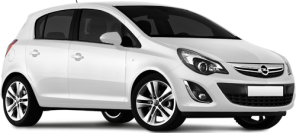
Opel Corsa
or Similar
From
$2.70/day
Compare car rental deals at Alicante, Spain from trusted global suppliers. Find affordable prices and book your ideal car in minutes.








Explore our range of vehicles available in Alicante.
or Similar
or Similar

or Similar
or Similar

or Similar

or Similar
or Similar
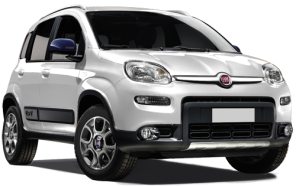
or Similar

or Similar

or Similar

or Similar
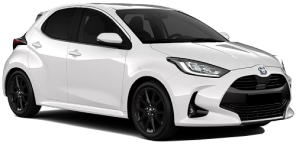
or Similar
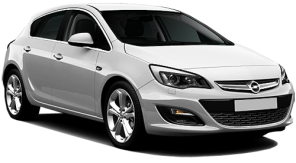
or Similar

or Similar
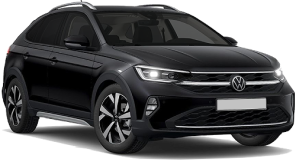
or Similar

or Similar

or Similar
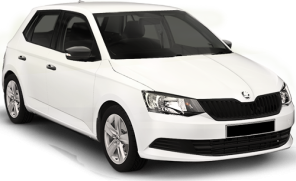
or Similar

or Similar

or Similar
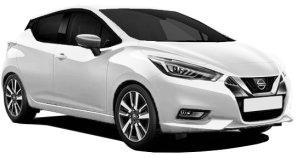
or Similar

or Similar
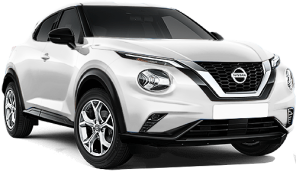
or Similar

or Similar

or Similar

or Similar
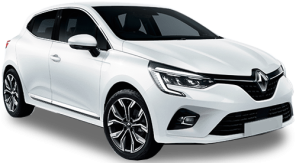
or Similar
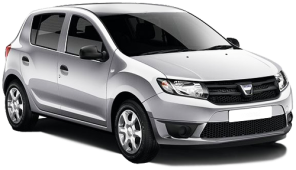
or Similar
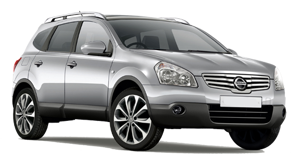
or Similar
Prices shown are approximate and may vary by booking dates, rental duration, and vehicle class. Check booking options for current pricing.
Discover a world of convenience, safety, and customization, paving the way for unforgettable adventures and seamless mobility solutions.
Search from thousands of pickup locations including airports, train stations, and city centers worldwide.
Our support team is available to help with booking questions, modifications, or cancellations.
Refine your search results with powerful filters to quickly find the perfect rental car for your travel needs.
Get immediate confirmation for most rentals with real-time vehicle availability.
Many suppliers offer unlimited mileage so you can explore freely without worrying about distance limits.
Access rental cars in downtown locations and popular tourist areas for easy travel during your stay.
Essential information about car rental companies, popular cars, rental duration, and prices at Alicante.
Europcar at Alicante-Elche Airport leads city rentals with 31% market share, serving millions of tourists heading to the Costa Blanca's beaches, Benidorm, and the city's old town.
Compact cars are the most popular for their value. SUVs are favored by families for trips to water parks. Convertibles are in high demand for cruising the coastal promenades.
Alicante rentals average 5-6 days, strongly aligned with the package holiday market. Visitors often keep a car to explore the entire Costa Blanca. (Based on 5,800+ local pickups)
The Seat Leon is the top compact for its style and performance. The Fiat 500 Convertible is the iconic rental for a sunny holiday on the Mediterranean coast.
Alicante rates average $43/day. Convertible and premium car rentals start from $70/day, especially popular during the summer festival season.
Compare average car rental prices by month and see how rental rates vary throughout the year in Alicante.
Alicante Costa Blanca summer peak (June-September). British and German tourists dominate. Spring and autumn ideal for golf. Bonfires of San Juan (June) increase demand. Book 2-3 months ahead.
* Prices shown are approximate. Original prices are in USD and converted using real-time exchange rates.
Essential driving rules and requirements to know when renting a car.
Get detailed information on driving rules, licence requirements, speed limits and useful local tips.
Renting a car in Alicante, Spain, is one of the smartest decisions a traveler can make, especially if you want to break free from the rigid schedules of buses and trains. The process is straightforward: you book online, show up at the rental desk with your documents, and drive away. However, the big decision is choosing between picking up your vehicle at the Alicante-Elche Miguel Hernández Airport (ALC) or at a downtown office. Airport pickup wins on convenience—you can walk from baggage claim to the rental hall in minutes—but it almost always comes with an airport surcharge that can add 15-20% to your daily rate. City center offices are usually cheaper and less hectic, but you’ll need to take a taxi or bus from the airport to reach them.
Why do so many savvy travelers choose rental cars over taxis or public transport? Freedom. A taxi from the airport to Benidorm or Calpe can cost €60-80 one way, and public buses, while cheap, limit your luggage and your timetable. With your own set of wheels, you can spontaneously detour to a hidden cove, stop for a late lunch at a mountain village, or carry beach gear without hassle. The major pickup locations in Alicante, Spain, include the airport’s consolidated rental center (just across from the arrivals terminal), the main train station (Estación de ADIF), and several downtown offices along Avenida de Elche. A money-saving tip: book a city-center pickup for the first day, take a €15 airport taxi to get it, then return the car to the airport on your departure day—this dodges the multi-day airport surcharge while still giving you a car for your final drive to the flight.
| Pickup Location | Pros | Cons | Typical Daily Rate (USD) |
|---|---|---|---|
| Alicante Airport (ALC) | Open 24/7, all major brands, immediate start | Airport surcharge, busy queues in summer | $45–$90 |
| Downtown Alicante (city center) | Lower base rates, no surcharge, relaxed service | Need transport from airport, shorter hours | $35–$70 |
| Train Station (Estación ADIF) | Convenient for rail travelers, decent selection | Limited after-hours return options | $40–$75 |
| San Juan Beach area | Quiet, less competition, good for northern trips | Fewer car categories, may need bus to reach | $38–$68 |
Before you get excited about driving the Costa Blanca coast, make sure you have your paperwork in order. Spanish rental laws are strict, and the local agents in Alicante, Spain, will not bend the rules. You must present a valid, full driving license held for at least one year (provisional licenses are never accepted). The minimum age to rent is typically 21, but drivers under 25 will almost always pay a “young driver surcharge” of €15-30 per day. Your main credit card—not a debit card—must be in the driver’s name and have enough available credit to hold a security deposit (usually $400–$1,200 depending on the car category). A passport is mandatory for all international travelers. As for insurance, basic third-party liability is included by law, but most renters choose additional coverage to reduce the excess (deductible) to zero.
What about an International Driving Permit (IDP)? If your driver’s license is written in the Roman alphabet (like most US, UK, Australian, or EU licenses), you technically do not need an IDP for short-term rentals in Alicante, Spain. However, an IDP is strongly recommended if your license uses non-Roman characters (e.g., Chinese, Japanese, Arabic, Russian). Also, if you plan to stay longer than six months or get pulled over by the Guardia Civil, having an IDP can simplify things. You can only obtain an IDP in your home country before traveling—Spain does not issue them. Expect to pay around $20-30 at your local automobile association (like AAA in the US).
| Requirement | Details |
|---|---|
| Minimum Age | 21 years (surcharge for 21–24 years) |
| Driver's License | Full license held for 1+ year; Roman alphabet preferred |
| IDP Needed? | Only for non-Roman alphabet licenses or long stays |
| Credit Card | Must be in driver's name; Visa/Mastercard preferred |
| Passport | Required for all non-EU citizens |
| Insurance | Basic liability included; CDW excess reduction recommended |
Alicante, Spain, is a region of dramatic contrasts: palm-fringed urban beaches, rugged mountain passes, whitewashed hilltop villages, and hidden coves that buses never reach. Public transport will get you from the airport to the city center, but it won’t take you to the cliffside mirador at El Castell de Guadalest or to the remote Cala del Moraig with its famous sea cave. Renting a car transforms your trip from a package-holiday experience into a true Mediterranean adventure. You can leave Alicante at 9 AM, drive 40 minutes inland to the wine region of Vinalopó, taste Monastrell wines at a family bodega, then be back on the coast for a sunset paella in Villajoyosa—all on your own schedule.
For families, the math is simple: four train or bus tickets plus taxi connections often cost more than a daily rental. And for photographers or slow travelers, a car lets you chase the golden hour light without worrying about the last bus home. The AP-7 toll highway zips you to Valencia in 90 minutes, while the scenic N-332 coastal road rewards you with postcard views around every bend. In short, a rental car isn’t just transport—it’s the key to unlocking the real Costa Blanca.
You’ll find the usual global giants at Alicante Airport, but savvy travelers also check local Spanish brands that often offer better rates and friendlier terms. Hertz, Avis, Enterprise, Budget, Sixt, Alamo, and Europcar all have permanent desks in the arrivals hall. The big advantage of these international names is consistency: you know exactly what the pickup process looks like, and if you have a problem, there’s a customer service hotline that speaks your language. However, local companies like Centauro (Spanish-owned, huge in Alicante) and Goldcar (budget-friendly but watch the insurance upsell) can sometimes beat the big names by 20-30%.
One insider tip: read the recent online reviews for the specific Alicante airport location, not the brand overall. Some companies have notoriously long queues in summer, while others offer skip-the-counter services where you walk straight to a car. Also, never dismiss the mid-tier companies like Record-Go or Ok Mobility—they often have newer fleets because they rotate cars every six months.
| Company | Price Level | Pros |
|---|---|---|
| Hertz | Medium – High | Gold counter skip, excellent English support, new cars |
| Avis | Medium – High | Preferred service, clean fleet, transparent fuel policy |
| Enterprise | Medium | Often free additional driver, good for families |
| Budget | Low – Medium | Lower base rates, same fleet as Avis |
| Sixt | Medium – High | Premium cars (BMW, Mercedes), stylish SUVs |
| Alamo | Medium | Easy online check-in, no hidden fees |
| Europcar | Medium | Great for one-way rentals, reliable roadside assistance |
| Centauro | Low – Medium | Very competitive rates, Spanish brand, free shuttle from airport |
The vast majority of travelers renting in Alicante, Spain, choose economy or compact cars, and for good reason: streets in old town Alicante are narrow, and parking can be tight. A Fiat 500 or Seat Ibiza is the unofficial car of the Costa Blanca—tiny enough to slip into any spot, cheap on fuel (diesel is common here), and perfectly adequate for two people with carry-on luggage. For families or groups of four, a medium SUV like a Peugeot 2008 or Volkswagen T-Roc offers more space without becoming a tank on the winding mountain roads. Vans (think Renault Scenic or Ford Galaxy) are popular with multi-generational families heading to Benidorm for a week. Luxury rentals—Porsche, BMW Series 4 convertibles—are available but expensive; expect to pay triple the price of an economy car.
Seasonality hits prices hard in Alicante, Spain. High tourist season (June through August) sees daily rates double or triple compared to the low season (November through February). Holy Week (Semana Santa, March or April) and Christmas/New Year also cause price spikes. Booking at least three months in advance for summer travel is essential. The cheapest deals appear in January and February (except during the Three Kings’ holiday weekend).
| Car Category | Average Daily Price (USD) – Low Season | Average Daily Price (USD) – High Season |
|---|---|---|
| Small / Economy (e.g., Fiat 500) | $22 – $30 | $55 – $80 |
| Medium / Compact (e.g., Seat Leon) | $30 – $40 | $70 – $100 |
| SUV (e.g., Peugeot 3008) | $45 – $60 | $100 – $150 |
| Van / Minivan (e.g., Renault Scenic) | $55 – $75 | $130 – $190 |
| Luxury / Convertible (e.g., BMW 4 Series) | $90 – $130 | $200 – $300 |
| Metric | Value |
|---|---|
| Cheapest Month | January |
| Most Expensive Month | August |
| Average Price (all categories, full week) | $65 per day |
| A Good Deal (economy car, 7 days) | Under $250 total after taxes |
| Cheapest Supplier (typical low season) | Centauro or Goldcar (with basic insurance) |
| Cheapest Car Type | Manual transmission economy car |
The roads radiating from Alicante, Spain, are a driver’s dream: well-paved, signposted in English and Spanish, and leading to UNESCO sites, fortress towns, and Mediterranean cliffs. Here are four unforgettable routes to take with your rental car.
Driving in Alicante, Spain, is straightforward for anyone who has driven in mainland Europe. Spaniards drive on the right-hand side of the road and overtake on the left. Seatbelts are mandatory for all passengers, front and rear. Children under 135 cm (approx. 4’5”) must use an approved child seat or booster appropriate for their weight—rental companies can supply these for an extra fee (usually €30-50 per rental). The legal blood alcohol limit is 0.05% (0.03% for drivers with less than two years of experience), which is lower than in the UK or US. Spain enforces this with random breathalyzer checks, especially on weekends and near popular beach towns. Penalties are severe: fines over €500 and immediate license suspension.
Mobile phone use while driving is banned unless you have a hands-free system. The Guardia Civil patrols the AP-7 and major roads with unmarked cars and drones, especially in summer. Winter tires are not legally required in Alicante because snow is extremely rare near the coast. However, if you drive inland to the Sierra de Aitana between December and February, a set of all-season tires is wise—mountain passes can see icy patches. Speed limits are strictly enforced by radar (both fixed and mobile).
| Road Type | Speed Limit (km/h) | Speed Limit (mph approx.) |
|---|---|---|
| Urban streets (built-up areas) | 30 – 50 km/h | 19 – 31 mph |
| Conventional road (single carriageway) | 90 km/h | 56 mph |
| Expressway (autovía, two carriageways) | 100 km/h | 62 mph |
| Motorway (autopista, toll or free) | 120 km/h | 75 mph |
Yes, toll roads (autopistas de peaje) exist around Alicante, Spain, and they are excellent but not cheap. The main toll route you’ll encounter is the AP-7 that runs along the Mediterranean coast from Alicante up to Valencia and beyond to Barcelona. If you take the AP-7 north from Alicante to Valencia (about 150 km), expect to pay around €12-15 one way for a standard car. The benefit? Almost no traffic, smooth asphalt, and a 120 km/h limit that you can actually maintain. The alternative free road, the A-7 (autovía), is often congested, has more lorries, and passes through towns with lower speed limits. For short hops like Alicante to Benidorm (45 km), the free N-332 is fine; but for longer journeys, the toll road saves time and stress.
Payment is easy: all toll booths accept credit cards (Visa/Mastercard), and many have automatic coin or bill machines. There is no electronic tag system for tourists—just pull up to the booth marked with a credit card symbol or “tarjeta.” Keep your ticket from the entry booth to insert at the exit. If you drive through a “telepeaje” (electronic only) lane by mistake, don’t panic; a camera will capture your license plate, and the rental company will charge you later plus an admin fee. To avoid this, always use the lanes with a barrier and the “efectivo/tarjeta” sign.
Parking is the one real challenge of renting a car in Alicante, Spain, especially if you stay in the historic city center. Street parking in the central zones (marked with blue lines) is regulated and paid Monday to Friday from 9 AM to 2 PM and 4 PM to 8 PM, plus Saturday mornings. Rates are about €1-2 per hour, and you can pay at the meter (coins or app) and display the ticket on your dashboard. Free street parking exists, but you’ll need to walk 15-20 minutes from the center, typically near the port or in residential areas like Playa de San Juan. The biggest risk is forgetting to move your car on street-cleaning days—check the signs carefully; fines are €60-90.
Your best bet for hassle-free parking is to use a covered garage. The main options include Parking Plaza de Toros (near the train station, €12-15 per day), Parking Maisonnave (central, €18 per day), and the large underground garage at El Corte Inglés department store (free with a purchase over €30, otherwise €2/hour). Many hotels in the city center do not have their own parking but have discounted agreements with nearby garages—ask at reception. For day trips, coastal towns like Calpe and Jávea have large, cheap “parking disuasorio” (park-and-ride) lots on the outskirts, often free or €2 all day.
After renting dozens of cars along the Costa Blanca, here is the real-world advice I wish I had on my first trip. These tips will save you money, time, and arguments at the rental counter.
Even experienced travelers fall into these traps when renting in Alicante, Spain. Learn from their mistakes and keep your vacation stress-free.
Last September, I flew into Alicante with my partner and two rolling suitcases, exhausted from an early Ryanair flight. I had booked a cheap economy car from a local company downtown to save money, but that meant hauling our bags onto the C-6 airport bus for 20 minutes, then walking six blocks in the humid evening air. By the time we reached the rental office, I was regretting my thriftiness. But the agent, a cheerful Spanish man named Javier, upgraded us to a nearly new Seat Arona SUV for no extra charge because “the small cars are all gone.” We drove straight to a 24-hour Mercadona for groceries, then took the coastal road to our Airbnb in Villajoyosa with the windows down and the smell of salt in the air. The next morning, we woke up early, drove 25 minutes to the Fuentes del Algar waterfalls, and had the entire swimming hole to ourselves before the tour buses arrived. That spontaneous freedom—leaving when we wanted, stopping at a random roadside stand for fresh figs—would never have happened with public transport. Yes, returning the car was a bit stressful (finding the exact fuel station near the airport took two wrong turns), but the €350 we spent for five days of total flexibility was worth every cent.
The International Driving Permit (IDP) is a gray area for many travelers heading to Alicante, Spain. Legally, if your domestic driver’s license is issued in the European Union or EEA, you do not need an IDP at all. For drivers from the United States, Canada, Australia, New Zealand, and the UK (with a photocard license), your license is recognized for short-term tourist rentals up to six months. However, an IDP becomes essential if your license is in a non-Roman alphabet—for example, licenses from China, Japan, Saudi Arabia, or Russia. In those cases, Spanish traffic police and rental agents cannot read your license, so an IDP serves as the official Spanish translation. Without it, you could be denied the rental and fined on the spot (€100-200) if stopped.
Obtaining an IDP is simple but must be done in your home country before traveling to Spain. In the US, only AAA and AATA are authorized to issue them. You need two passport photos, a valid driver’s license, and a small fee (approximately $20-25 USD). The permit is valid for one year from the date of issue. Do not buy an IDP online from any website that isn’t your country’s official automobile association—most are scams. For 99% of tourists from English-speaking countries with Roman-alphabet licenses, the IDP is not strictly required, but it’s a cheap (€20) piece of backup that can smooth over any language barrier with a Guardia Civil officer. I carry one out of habit, and it has never hurt.
Markers show approximate airport or town-centre areas, not confirmed rental desks.
Compare car rental prices from trusted suppliers at more pickup points across Spain.
Find airport guides for car rentals, parking, and ground transportation.
Try a different name, city, or IATA code.
Read verified customer reviews, ratings, and rental experiences from travelers who booked through Airport Car Hub.
Overall Rating
"Excellent car, excellent price. The staff gave us good tips about places to visit. We had a wonderful time exploring the province. Highly recommend this service."
Niels Andersen
"Car was fine and clean. However, there was a bit of a wait at the pickup counter due to only one person working. Other than that, experience was good."
Mikhail Petrov
"Rented a car for a week to explore the area. The car was great on fuel and comfortable. The staff was friendly and we had no issues. Happy customer."
Ali Haddad
"Got a decent car for the week. The desk at Alicante was easy to find. The price was reasonable. Nothing to complain about. Would use this again."
Robert Smith
"We spent a week exploring the Costa Blanca with a car from AirportCarHub. Excellent condition, easy pickup and dropoff. Will use again for sure."
Amira Hassan
"No problems at all. The car was clean and ready. The team at the airport gave us good local advice. Thanks AirportCarHub! We'll be back."
Linda Brown
"Drove from Alicante to Valencia and the car was amazing. Air conditioning worked perfectly in the summer heat. Easy booking process on the website."
Elena Ferrari
"I was very satisfied with the service. Booking was simple, pickup was organized, and the vehicle was clean, reliable, and comfortable to drive."
Benjamin Imogen Jones-Campbell
"Quick service at the airport. The car was ready and in good shape. Enjoyed driving to Torrevieja and back. Good value for the money."
Igor Radović
"Great service overall. The staff were professional and helpful, the vehicle was clean and comfortable, and there were no unexpected issues during the rental."
Mark Willow Williams-Douglas
"A pleasant and hassle-free rental experience. The car was well maintained, collection was quick, and the staff were courteous and helpful."
Daniel Harriet Williams-Rogers
"Came from Canada for a wedding and the car was essential. It was reliable, and the staff at Alicante were very professional. Thank you!"
Elizabeth Johnson
"Booked a compact car for a week and it was surprisingly spacious. The price was much better than other rental companies at the airport. No hidden fees."
Sarah O'Brien
"Found this site and booked a car in less than 10 minutes. The car was ready on arrival at Alicante. Smooth return with no extra charges. Top quality."
Olivia Murphy
"I enjoyed a smooth rental with no complications. The car was clean, the paperwork was handled efficiently, and the return process was equally easy."
Thomas Jasper Johnson-Mulder
"Rented a convertible to enjoy the sunny weather in Alicante. It was a dream driving along the coast. The whole team was very friendly and helpful."
Sofia Carneiro
"Arrived late at night and the car was waiting for us. The key drop-off was hassle-free too. Definitely using this site again for our next trip."
David Thompson
"The price was right and the car was fine. We did have to wait a bit at the desk because it was busy. Otherwise, all good."
Thomas Müller
"El coche estaba en perfectas condiciones. Recogida y devolución muy fáciles. Visitamos Guadalest y el coche se comportó genial en las curvas de montaña."
Carlos Fernández
"Loved how easy everything was. The car was ready, clean, and comfortable. Had a great time driving around Alicante. Will use this site every time I visit."
Jessica Wilson
"Everything went smoothly and the service was efficient. I appreciated the clear communication, tidy vehicle, and friendly assistance throughout the rental."
Joshua Owen Brown-Simpson
"Straightforward rental. Good car, good price. We went to see the castle and the car handled everything nicely. Pickup was a breeze. Would recommend."
Arthur Van der Meer
"The staff was professional and the car was excellent. We visited the Santa Bárbara Castle and enjoyed driving through the city. Very pleased with everything."
Ahmed Al-Fahd
"Good car, fair price, and friendly staff. We drove from Alicante to Murcia and back. No issues at all. Would use again."
Lars Hansen
"Everything was arranged perfectly. The car was ready on time and the staff was very nice. Explored Alicante and the surrounding area with no stress at all."
Monique Peeters
"Rented a nice SUV to explore the area around Alicante. Drove to Calpe and the Peñón de Ifach. Car was in excellent condition. Will book again."
Michael Chen
"Rented a nice sedan for our family trip to Alicante. Car was clean, spacious, and the AC was a lifesaver. Everything went without any problems."
Viktor Nagy
"Car was okay, nothing special. The price was reasonable and the pickup was quick. Could have been a bit cleaner but overall satisfactory."
Stefan Popescu
"Everything was smooth from reservation to return. The navigation system was helpful for exploring the Costa Blanca. Will recommend to friends from Japan."
Yuki Tanaka
"Had a lovely trip around Alicante. The rental car was clean and well-maintained. Pickup and return at the airport were super quick. Definitely five stars."
Maria Kowalski
"Alquilamos un coche por una semana para visitar Alicante y alrededores. El proceso fue rápido y el coche estaba impecable. Muy recomendable."
Daniel Fernández
"Picked up my car at the airport and it was ready in no time. Drove down to Benidorm and the car was super comfortable. Highly recommend."
James Rodriguez
"The booking was easy and the car was exactly as described. We drove all over the Costa Blanca and the car performed perfectly. Great service overall."
Marta Di Stefano