Mini
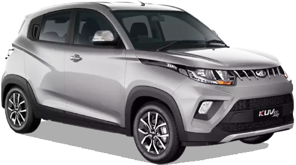
Mahindra KUV100
or Similar
From
$19.27/day
Compare car rental deals at Philippines from trusted global suppliers. Find affordable prices and book your ideal car in minutes.








Explore our range of vehicles available in Philippines.
or Similar
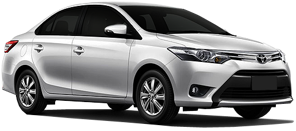
or Similar
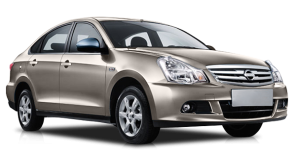
or Similar
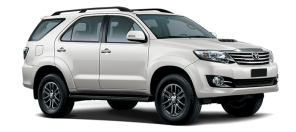
or Similar
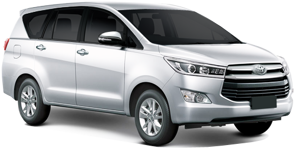
or Similar
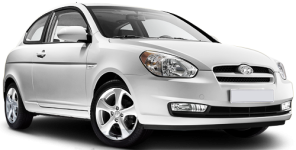
or Similar
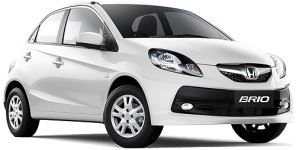
or Similar
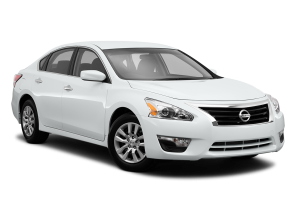
or Similar
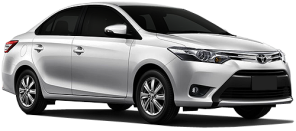
or Similar

or Similar
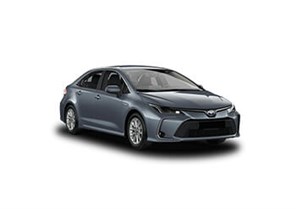
or Similar
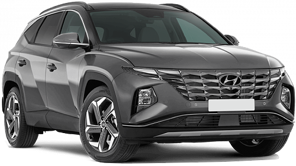
or Similar
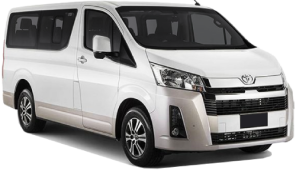
or Similar

or Similar
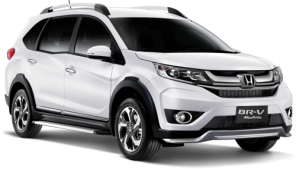
or Similar
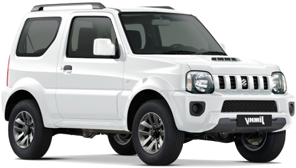
or Similar
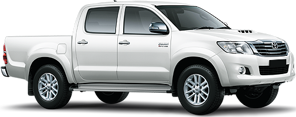
or Similar
Prices shown are approximate and may vary by booking dates, rental duration, and vehicle class. Check booking options for current pricing.
Discover a world of convenience, safety, and customization, paving the way for unforgettable adventures and seamless mobility solutions.
Every rental supplier is rated by customers so you can choose trusted providers.
Receive instant booking confirmation and rental details directly in your email inbox.
Enjoy special online deals and seasonal discounts when booking your car rental through our platform.
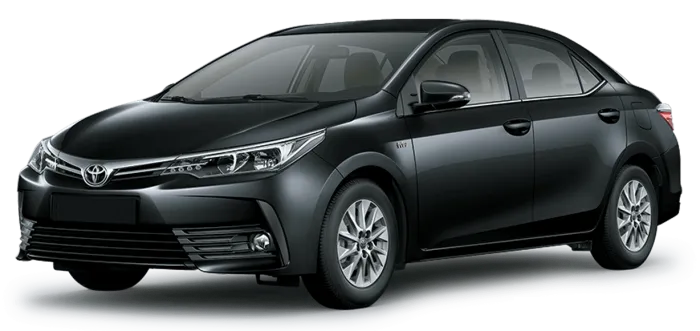
Read verified customer reviews and ratings to help you choose the best rental supplier for your trip.
View prices and pay in various currencies for a convenient global booking experience.
Our platform helps you find the most competitive car rental prices across multiple suppliers in one place.
Essential information about car rental companies, popular cars, rental duration, and prices at Philippines.
Avis leads Manila with 27% market share, serving Palawan beach seekers, Banaue rice terraces visitors, and Cebu diving enthusiasts.
MPVs dominate family island-hopping trips with extra passenger capacity. SUVs essential for mountain roads to Banaue and Sagada.
Rentals average 6 days for Luzon exploration, extending to 10 days for Visayas island connections and Palawan road trips. Based on 38,000+ local pickups.
Toyota Innova dominates for family island transport and cargo space. Mitsubishi Xpander preferred for comfortable drives to Tagaytay Ridge and Taal Volcano.
Philippines rates average $55/day. Weekly MPV rentals from $340 offer value for tropical island and mountain exploration.
Compare average car rental prices by month and see how rental rates vary throughout the year in Philippines.
Peak season (December-May) for Boracay, Palawan, and Cebu. Rainy season (June-October) offers lower rates but typhoon risk. Christmas/New Year extremely busy. Book 2-3 months ahead for peak.
* Prices shown are approximate. Original prices are in USD and converted using real-time exchange rates.
Essential driving rules and requirements to know when renting a car.
Get detailed information on driving rules, licence requirements, speed limits and useful local tips.

Renting a car in the Philippines opens up a world of possibilities, allowing you to explore the archipelago's stunning landscapes, vibrant cities, and hidden gems at your own pace. For international travelers, the freedom of a self-drive adventure is unparalleled, but navigating the local rental landscape requires some preparation. This comprehensive guide provides everything you need to know, from choosing the right pickup location to understanding local driving laws, ensuring a smooth and memorable journey through the Pearl of the Orient.
Your first major decision is where to pick up your rental car. The Philippines' main international gateways offer ultimate convenience, but city locations can provide significant savings. Here's a breakdown to help you decide.
Picking up your car directly at the airport is the most seamless option, especially after a long flight. You can collect your vehicle and drive straight to your accommodation. However, this convenience often comes with an airport surcharge, a fee levied by the airport authority that rental companies pass on to you. This can increase the daily rental cost. In contrast, picking up from a city center branch might mean a short taxi or Grab ride from the airport, but you could save a noticeable amount on your total rental cost, particularly for longer trips.
Money-Saving Tip: Compare the total cost (rental plus transfer to the city) for airport versus city pickup. For longer rentals, the savings from avoiding the airport surcharge can far outweigh the cost of a short taxi ride to a city branch.
| Location | Pros | Cons | Typical Suppliers |
|---|---|---|---|
| Ninoy Aquino Int'l Airport (MNL), Manila | Maximum convenience; wide selection of international brands; immediate access to major highways. | Highest prices due to airport surcharges; can be chaotic with heavy traffic. | Avis, Hertz, Budget, Dollar, Enterprise. |
| Mactan-Cebu Int'l Airport (CEB), Cebu | Perfect for starting a Visayas road trip; efficient rental counters just outside the terminal. | Fewer budget-friendly local options compared to city centers; surcharges apply. | Enterprise, Avis, Hertz, local Cebu-based agencies. |
| Clark Int'l Airport (CRK), Pampanga | Less congested than Manila; good access to Northern Luzon; often lower rates than MNL. | Further from Metro Manila if that's your primary destination. | Major international brands and local operators. |
| City Centers (e.g., Makati, Cebu City) | Significantly lower prices; access to a wider range of local suppliers; more personalized service. | Requires a transfer from the airport; may have more limited hours on weekends. | Viajero Rent A Car, Diamond Rent a Car, and city branches of Hertz, Thrifty. |
Car rental prices in the Philippines fluctuate throughout the year, driven by weather patterns, tourist seasons, and local holidays. Understanding these cycles can lead to substantial savings.
The peak season, and consequently the most expensive time to rent a car, is during the "ber" months, particularly December. This period covers the Christmas and New Year holidays, the country's longest and most celebrated season, when demand for travel is at its absolute highest. The dry season months from March to May are also popular for beach getaways, keeping prices relatively high. On the other hand, the cheapest time to rent is typically during the rainy season, with August and September often offering the lowest rates. While you might encounter some rain, the lower prices and fewer crowds can make it an ideal time for a road trip.
| Metric | Details |
|---|---|
| Cheapest Month(s) | August, September |
| Most Expensive Month | December |
| Average Price (Small Car) | ₱1,700 - ₱3,500 per day |
| A Good Deal | Below ₱1,800 per day for an economy car |
| Cheapest Supplier Type | Local Filipino companies and peer-to-peer apps |
| Cheapest Car Type | Economy / Small cars (e.g., Toyota Wigo, Mitsubishi Mirage) |
Rental demand in the Philippines is intrinsically linked to the country's tourism patterns and festive calendar. The absolute peak is from mid-December to early January, as families and tourists alike travel to their home provinces or popular tourist spots for the holidays. Holy Week, which falls in March or April, is another major travel period. Roads leading to and from provinces are packed, and rental cars are booked months in advance. The summer months of April and May also see high demand as families take advantage of the dry weather for beach vacations. Planning your rental well ahead of these periods is not just a tip—it's a necessity to secure a vehicle and a reasonable rate.
The length of a car rental in the Philippines varies greatly depending on the traveler's itinerary. For those focusing on a single island or region, like exploring the mountain provinces of Luzon or the beaches of Cebu, a typical rental duration is between 5 to 10 days. This allows enough time to cover significant ground without feeling rushed. For travelers planning to island-hop and only need a car on specific islands, shorter rentals of 2 to 5 days are more common. Multi-week rentals are popular for those undertaking an extended road trip, such as a full circuit of Luzon or a deep dive into the Visayan islands.
The car rental landscape in the Philippines is a mix of global giants and agile local players, ensuring good availability, especially in urban centers. There are hundreds of rental locations across the country, with the highest concentration in Metro Manila, Cebu, and Davao. All major airports have desks from international suppliers like Avis, Hertz, Thrifty, and Enterprise. These companies offer reliability and standardized fleets. However, the market is also rich with reputable local suppliers such as Viajero Rent A Car, Diamond Rent a Car, and Fox Rent A Car, which often provide more competitive rates. In major cities, you'll also find innovative peer-to-peer platforms like Carbnb, which can offer even greater variety and value. While availability is high in cities and tourist hubs, it's more limited in remote provincial areas, so planning your pickup and drop-off points in advance is crucial.
| Feature | Detail |
|---|---|
| Driving Side | Right |
| Main Rental Hubs | Manila, Cebu, Davao, Clark |
| Major Int'l Suppliers | Avis, Hertz, Enterprise, Thrifty, Budget |
| Popular Local Suppliers | Viajero, Diamond Rent a Car, Carbnb |
| Typical Rental Duration | 5-10 days for island exploration |
| Cheapest Car Type | Economy / Small cars |
Selecting the right car is key to a comfortable Philippine road trip. Here are the common vehicle categories travelers choose:
Understanding local driving rules is critical for a safe and legal trip. Driving in the Philippines is on the right-hand side of the road, which will be familiar to travelers from the US and Europe. However, the driving style can be more chaotic than in many Western countries, requiring heightened alertness.
Road conditions vary dramatically. Major highways like the North and South Luzon Expressways are well-maintained, but provincial roads can be narrow, winding, and may have potholes. During the rainy season, some areas, particularly in mountain regions, may be prone to landslides or flooding. Seatbelts are mandatory for all passengers, and child restraint laws are strictly enforced. The legal blood alcohol limit is 0.05%, and penalties for drunk driving are severe. While winter tires are not applicable in this tropical country, it's wise to ensure your rental car has good tread and working air conditioning.
| Road Type | Typical Speed Limit |
|---|---|
| Expressways/Toll Roads | 80 - 100 km/h |
| National Highways | 60 - 80 km/h |
| Provincial Roads | 40 - 60 km/h |
| Urban / City Areas | 20 - 40 km/h |
| School Zones | 20 km/h |
The Philippines has an extensive network of modern toll roads, particularly around Luzon, including the North Luzon Expressway (NLEX), South Luzon Expressway (SLEX), and Skyway. These roads are the fastest way to get in and out of Metro Manila and travel between provinces. All toll roads now operate on a cashless, electronic system. You will need an RFID sticker, such as Easytrip or Autosweep, affixed to your vehicle's windshield to pass through designated lanes. Most rental cars come equipped with these RFID tags, and the toll fees are typically charged back to you by the rental company. It's essential to confirm this with your provider and check the account balance for long trips. Toll fees vary by distance but are generally affordable, with a typical journey from Manila to Clark costing around ₱200-₱300.
Your choice of rental company will significantly impact your experience and budget. International companies offer the reassurance of a global brand, consistent fleets, and easy online booking. They are ideal for travelers who prioritize reliability and want a seamless, no-surprises experience. Local suppliers, on the other hand, are often more flexible and can offer much lower prices. They may have a wider selection of older or more specific vehicle models. The best approach is to compare both. Online aggregators can help you see options from international brands alongside highly-rated local companies, allowing you to weigh the pros and cons of price versus brand recognition.
| Company | Price Level | Pros |
|---|---|---|
| Avis / Hertz / Enterprise | High | Global reliability, well-maintained fleets, extensive airport presence, easy loyalty programs, English-friendly customer service. |
| Thrifty / Budget | Medium | Good balance of international standards and more competitive rates, wide network in major cities and airports. |
| Viajero / Diamond Rent a Car | Low to Medium | Significantly lower prices, local knowledge, flexible rental terms, access to a wider variety of vehicle models. |
| Carbnb (Peer-to-Peer) | Low | Potentially the lowest rates, unique car choices, direct communication with car owners, supports the local sharing economy. |
Parking can be one of the bigger challenges of driving in the Philippines, especially in densely populated cities like Manila, Cebu, and Davao. Street parking is limited and often regulated by metered spaces or designated zones. It's crucial to look for signage indicating parking rules, as illegally parked cars are frequently ticketed or towed. Most hotels, shopping malls, and commercial buildings offer secure paid parking garages, which are the safest and most reliable option. Expect to pay a fee, typically around ₱40-₱80 for the first few hours, with daily maximum rates. In residential areas, finding a spot can be competitive, and it's always best to ask your accommodation for their parking recommendations or arrangements beforehand.
Rental prices in the Philippines are quite variable, but having a general idea helps with budgeting. The daily rate usually includes basic insurance and a set number of free kilometers, typically 150-200 km per day. Excess kilometers are charged extra. Here's an approximate daily price range for different vehicle types.
| Vehicle Category | Approximate Daily Price Range (PHP) |
|---|---|
| Small Cars (Economy) | ₱1,500 - ₱2,500 |
| Medium Cars (Compact) | ₱2,200 - ₱3,500 |
| SUVs (Mid-size) | ₱3,500 - ₱5,500 |
| Vans / AUVs (7+ seater) | ₱4,000 - ₱6,500 |
| Luxury / Premium Cars | ₱7,000+ |
Mark and Sarah, a couple from Australia, landed at Clark International Airport and picked up their pre-booked SUV. With a mix of excitement and slight apprehension, they navigated the initial traffic out of Pampanga. Within hours, they were climbing into the cool, green mountains of Benguet. The freedom of their own car was immediately apparent. They could stop spontaneously at a roadside stall selling fresh strawberries, linger at a viewpoint overlooking a pine-covered valley, and eventually arrive at their inn in Baguio exactly when they wanted. Over the next week, their SUV became their trusted companion, conquering the gravel stretches of the Halsema Highway, getting them safely through a sudden mountain downpour, and carrying their growing collection of handwoven blankets and wood carvings. For them, renting a car wasn't just about transportation; it was the key that unlocked the authentic, adventurous heart of the Philippines.
For international travelers, an International Driving Permit (IDP) is a highly recommended requirement for driving in the Philippines. While your valid home country driver's license is necessary, an IDP serves as an official translation of your license and is legally required under Philippine law for non-English licenses. Even for travelers from English-speaking countries like the US, UK, or Australia, having an IDP provides an extra layer of legality and is often requested by traffic enforcers during checks or by rental companies. It is not a standalone document and must be accompanied by your original license.
Obtaining an IDP is a straightforward process that must be done in your home country before you travel. In most countries, it is issued by authorized organizations such as the American Automobile Association (AAA) in the US or the Post Office in the UK. You typically need to fill out an application, provide two passport-sized photos, and present a valid driver's license. The permit is usually valid for one year from the date of issue. Along with your valid license and passport, having an IDP ensures you are fully compliant with local regulations, avoiding potential fines and complications, and allowing you to focus entirely on the joy of the open road.
Markers show approximate airport or town-centre areas, not confirmed rental desks.
Find airport guides for car rentals, parking, and ground transportation.
Try a different name, city, or IATA code.
Read verified customer reviews, ratings, and rental experiences from travelers who booked through Airport Rento.
Overall Rating
"Rented a sedan for 5 days in Cebu. The price was way cheaper than other sites. Staff was friendly and explained everything clearly."
Sarah Thompson
"The car had some scratches not mentioned. Also took photos myself just in case. Drop-off was fine but they tried to blame a tiny scratch on me. Had photos to prove it wasn't. Got deposit back eventually."
Elena Petrova
"Rented for a week in Manila. Traffic is insane but the car was reliable. Drop-off took 5 mins. No complaints."
Anna Kowalski
"Nothing fancy. Car had some wear and tear but ran fine. Price was right. Would use AirportCarHub again for sure."
Viktor
"Drove from Puerto Princesa to El Nido. Car handled the rough roads well. Customer support responsive on WhatsApp. Merci!"
Pierre Dubois
"I had to extend my rental last minute. Called them and they handled it in 2 minutes. Car was a bit old but fine for the price."
Sofia Lima
"Drove from Manila to Baguio. The car had good power for the mountain roads. AC struggled a bit but it was fine. Would rent again."
Liam O'Connor
"Rented in Cebu City. What you see is what you pay. No surprise charges for insurance or extra km. Transparent and honest. Rare these days."
Thabo Nkosi
"Picked up at Clark airport. The agent was waiting with a sign. Got a Toyota Innova - perfect for our family of 5. No hidden fees."
David Chen
"Booked online from Tokyo. The SUV was ready at Mactan airport. GPS included. Drove to Moalboal without any issues. Arigato!"
Yuki Tanaka
"Rented a Vios in Baguio. Nothing fancy but it worked. AC was cold. Staff could be friendlier. Still, I'd book again."
Oliver Brown
"Good selection of cars. Chose a pickup truck for a construction supply run. They allowed it which was cool. Everything worked out."
Andreas
"Rented a van for our group of 8. Spacious and clean. Drove to Banaue Rice Terraces. Car handled the mountains fine. Staff was helpful."
Hans van der Meer
"First time driving in PH. They gave good tips about local traffic rules. Car was automatic as requested. Stress-free rental."
Priya Sharma
"Smooth process from booking to drop-off. The car was clean and fuel-efficient. Drove around Metro Manila for 3 days. No issues at all. 5 stars."
Ahmed
"The car rental itself was fine. The waiting area had wifi but it was super slow. Car was good. Staff was okay."
Chloe
"Rented from their Davao location. Car was a bit dusty but mechanically sound. Drop-off was quick. Decent experience overall."
Emma Schmidt
"Rented at NAIA, drove to Batangas for a diving trip. Car was a bit small for all my gear but worked. Return was quick. No complaints."
John
"Booked. Picked up. Drove. Dropped off. Everything worked. 5 stars. Would recommend to friends."
Fernando
"The lady at the counter was super nice. Explained everything and even recommended places to eat in Bacolod. Car was fine. Good experience."
Isabella Rossi
"Booked a car for my Boracay trip. Process was smooth, pick-up at NAIA was easy. Car was clean and AC worked great. Would use again!"
James Wilson
"Honestly was worried after reading some bad reviews elsewhere. But my experience was great. Car was clean and the price matched what was quoted online."
Carlos Mendez
"Easy online booking. They accepted my foreign license. Car was spotless. Drop-off took 2 minutes. Perfect for my Siargao trip before the ferry."
Nadia
"Rented a van for a church group tour in Luzon. Vehicle was clean and spacious. The process was straightforward. No surprises. Good job guys."
Raj
"Quick pickup at Iloilo airport. Drove to Guimaras. Returned the car with full tank. No drama. 5 stars."
Mateo Rodriguez
"Rented for 2 days in Angeles City. Car was basic but worked. No complaints for the price. Would use again."
Nina
"Booked from Cairo. Everything was ready at NAIA Terminal 3. Drove to Subic Bay for a weekend getaway. No issues at all. 5/5."
Mohamed Salah
"Got a Mitsubishi Mirage with only 5000 km on it. Immaculate. Staff spoke English well. Easy process from start to finish."
Luca Bianchi
"Car was ready on time. Staff spoke good English. Drove from Cebu to Oslob to see whale sharks. Unforgettable trip. Thanks guys."
Chen
"Booked at 10pm, picked up at 8am next day. No issues. Drove to Tagaytay. Returned with no fuss. Highly recommended."
Kim Jae-won
"Used them twice already. Both times smooth. The second time they even gave me a free upgrade to a larger car because I was a repeat customer. Great service!"
Fatima
"Rented for 10 days. The car was a bit older but reliable. Saved a lot compared to international chains. Will use again next time in PH."
Wei Zhang
"Car was fine but waited 30 mins at the counter. Only one staff working. Otherwise smooth. Would still recommend."
Mohammed Al-Farsi
"I was nervous renting alone as a woman but everything felt safe. The staff was professional. Car was in good shape. Drove around Bohol with no problems."
Maria