Cheap Car Rental Peru - Compare Deals & Book Instantly
Search and compare car rental prices from trusted global suppliers. Find the best deals instantly.
Why book with us?
-
Wide Fleet
Choose from economy cars, SUVs, luxury vehicles, and more.
-
Free Cancellation
Flexible booking options with free cancellation on most rentals.
-
24/7 Customer Support
Our expert team is available 24/7 to assist you with any questions or concerns.
Compare top international car rental brands and choose the best deal for your trip.








Car Rental Deals in Peru
Choose from our wide range of vehicles available in Peru.
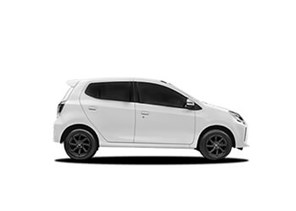
EconomyToyota Agya 1.0 or Similar
From
$20.33
/day
|
|
|||
CompactHyundai Grand I10 or Similar
From
$19.30
/day
|

|
|||
IntermediateToyota Yaris or Similar
From
$20.85
/day
|

|
|||
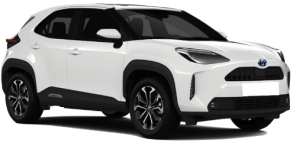
Intermediate SuvToyota Yaris Cross or Similar
From
$35.39
/day
|
|
|||
EconomyToyota Agya or Similar
From
$21.14
/day
|

|
|||
Full-sizeHyundai Accent or Similar
From
$22.10
/day
|

|
|||
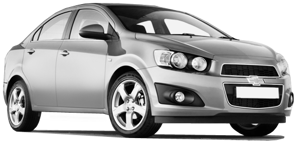
CompactChevrolet Aveo or Similar
From
$22.28
/day
|
|
|||
MiniKia Picanto or Similar
From
$22.70
/day
|

|
|||
EconomySuzuki S-Presso or Similar
From
$22.70
/day
|

|
|||
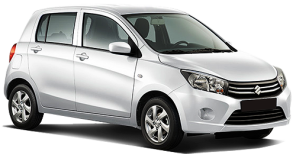
EconomySuzuki Celerio or Similar
From
$23.04
/day
|
|
|||
CompactVolkswagen Gol or Similar
From
$23.52
/day
|

|
|||
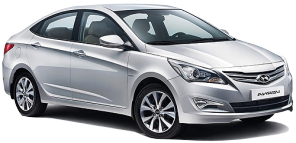
CompactHyundai Verna or Similar
From
$26.37
/day
|
|
|||
IntermediateVolkswagen Voyage or Similar
From
$31.06
/day
|

|
|||
EconomySuzuki Swift or Similar
From
$37.06
/day
|

|
|||
Intermediate SuvToyota Rush or Similar
From
$37.28
/day
|

|
|||
Compact SuvKia Seltos or Similar
From
$37.89
/day
|

|
|||
Intermediate CrossoverToyota Raize or Similar
From
$37.89
/day
|

|
|||
IntermediateToyota Corolla or Similar
From
$38.77
/day
|

|
|||
IntermediateToyota Yaris Sedan or Similar
From
$39.16
/day
|

|
|||
StandardHyundai Elantra or Similar
From
$39.55
/day
|

|
|||
IntermediateToyota Etios or Similar
From
$41.54
/day
|

|
|||
CompactKia Soluto or Similar
From
$43.62
/day
|

|
|||
Full-size SuvHyundai Grand Creta or Similar
From
$44.82
/day
|

|
|||
Intermediate SuvKia Sportage or Similar
From
$45.03
/day
|

|
|||
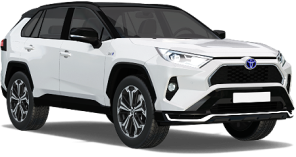
Full-size SuvToyota RAV4 or Similar
From
$47.73
/day
|
|
|||
Compact Elite CrossoverKia Sonet or Similar
From
$50.49
/day
|

|
|||
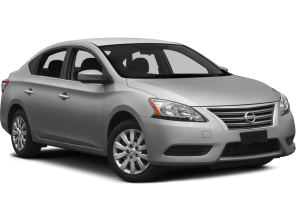
Full-sizeNissan Sentra or Similar
From
$50.62
/day
|
|
|||
IntermediateKia Rio or Similar
From
$50.91
/day
|

|
|||
Intermediate SuvToyota Corolla Cross or Similar
From
$51.19
/day
|

|
|||
Compact SuvNissan Kicks or Similar
From
$51.19
/day
|

|
|||
Full-size SuvHyundai Creta or Similar
From
$52.47
/day
|

|
|||
Standard SuvKia Sorento or Similar
From
$53.96
/day
|

|
|||
Standard SuvHyundai Tucson or Similar
From
$55.17
/day
|

|
|||
Compact SuvFord EcoSport or Similar
From
$56.38
/day
|

|
|||
Our Features
Discover a world of convenience, safety, and customization, paving the way for unforgettable adventures and seamless mobility solutions.
Easy Booking Management
Manage, modify, or cancel your booking easily through your confirmation link or account.
Customer Reviews
Read verified customer reviews and ratings to help you choose the best rental supplier for your trip.
Airport Pickup Options
Find rental cars available at major international airports for convenient pickup immediately after your arrival.
Fast Booking Process
Complete your car rental reservation in just a few simple steps with instant confirmation.
Flexible Filter Options
Refine your search results with powerful filters to quickly find the perfect rental car for your travel needs.
Multiple Payment Options
Pay securely using major credit cards and other supported payment methods during booking.
Peru Car Rental Facts
Essential information on the best deals, rental providers, and vehicle options in Peru.
Most Popular Agencies
Avis leads Lima with 28% market share, serving Machu Picchu rail connectors, Nazca Lines explorers, and Amazon jungle adventurers.
Popular Car Types
SUVs dominate coastal Panamericana highway driving. 4x4 essential for Andes mountain passes and Colca Canyon access.
Average Rental Duration
Rentals average 7 days for Lima-Cusco-Sacred Valley circuit, extending to 14 days for Arequipa, Lake Titicaca, and Nazca. Based on 45,000+ local pickups.
Most Popular Models
Toyota Hilux dominates for Andes mountain reliability. Kia Sportage preferred for comfortable drives to Paracas National Reserve and Huacachina.
Average Daily Price
Peru rates average $62/day. Weekly SUV rentals from $380 offer value for Andean and coastal exploration.
How much does it cost to rent a car at Peru?
Averaging the lowest prices for the economy car category, the data below shows prices for monthly comparisons.
Cheapest Month Average
JanMost Expensive Month
SepYearly Average Price
F1 Grand Prix (September) causes extreme price spikes. Peak seasons (June-August, December) for tourism. Cars expensive - public transport efficient. ERP tolls apply. Book 2-3 months ahead for F1.
Driving Laws & Information for Peru
Essential driving rules and requirements to know when renting a car
Driving Side
Right
Minimum Age
18 to drive
Blood Alcohol Limit
0.05% maximum
IDP Required?
Yes International Driving Permit
Speed Units
km/h
Seat Belt
Required
Toll Roads
Yes
Emergency
105 emergency number
Your Ultimate Guide to Renting a Car in Peru for International Travelers (2026)
Renting a car in Peru is the key to unlocking the country's staggering diversity, from the arid coastal deserts to the towering Andean peaks and the lush Amazon jungle. For the international traveler, a self-drive adventure offers the freedom to explore ancient archaeological sites, colonial cities, and remote villages at your own pace, far from the constraints of group tours and bus schedules. While it requires some planning, driving yourself through Peru can be one of the most rewarding ways to experience its raw beauty and rich culture.
However, navigating the Peruvian rental landscape comes with its own set of rules and local knowledge. This comprehensive guide is designed to prepare you for every step of the journey, from choosing where to pick up your vehicle to understanding the unique driving laws, ensuring your Peruvian road trip is safe, smooth, and unforgettable.
Airport vs. City Pickup: Strategic Choices for Your Journey
Your first major decision is where to collect your rental car. The main options are Lima's Jorge Chávez International Airport or rental branches in city centers like Miraflores or San Isidro. The best choice depends on your itinerary and comfort level.
Picking up at the airport is the most convenient option, especially after a long international flight. You'll find desks for all major international brands right after baggage claim, allowing you to drive directly to your accommodation. However, this convenience often comes with an airport surcharge, which can increase the daily rate. Conversely, city center pickups can be cheaper and allow you to acclimate to the city without the immediate pressure of navigating from the airport. The main disadvantage is the need to arrange a taxi or ride-share to the rental office, which adds a small cost and effort to your first day.
Money-Saving Tip: For those flying into Lima, a smart strategy is to book your first two nights in a district like Miraflores without a car. Use affordable taxis or the Airport Express Lima bus to get there. Then, pick up your rental from a city branch, avoiding the airport surcharge and starting your road trip after you've rested and adjusted to the local pace.
Major Rental Pickup Locations Comparison
| Location | Pros | Cons | Typical Suppliers |
|---|---|---|---|
| Jorge Chávez Int'l Airport, Lima | Maximum convenience; wide selection of international brands; immediate access to the Pan-American Highway. | Higher prices due to airport surcharges; chaotic traffic immediately outside the terminal. | Avis, Hertz, Budget, Europcar, Sixt. |
| Miraflores / San Isidro, Lima | Lower rates; more relaxed pickup experience; opportunity to settle into the city first. | Requires a taxi from the airport; more limited weekend hours at some branches. | Local branches of international brands; some local Peruvian agencies. |
| Alejandro Velasco Astete Int'l Airport, Cusco | Perfect for starting a Sacred Valley road trip; convenient for high-altitude adventures. | Altitude can be a shock; high demand during peak seasons; surcharges apply. | Hertz, Budget, Inka Rent a Car, local Cusco agencies. |
| Rodríguez Ballón Int'l Airport, Arequipa | Gateway to Colca Canyon; less busy than Lima; good availability of 4x4 vehicles. | Smaller selection of vehicles; may need to book further in advance for specific models. | Local Arequipa suppliers and some international desks. |
Decoding Rental Prices: When to Book for the Best Deal
Car rental prices in Peru fluctuate significantly throughout the year, driven by the country's distinct tourism seasons. Understanding these patterns is essential for budget-conscious travelers.
The high season for tourism, and consequently the most expensive time to rent a car, spans from June to August. This is the dry season in the Andes and the peak time for visiting Cusco, Machu Picchu, and the Sacred Valley. Prices can spike by 30-50% during these months. The shoulder months of May, September, and October offer a sweet spot with good weather and more moderate prices. The cheapest time to rent is during the low season, which coincides with the Andean wet season from January to March. While you may encounter rain, the lush green landscapes and significantly lower prices can make this an attractive time for coastal and Amazon explorations.
Peru Car Rental Price Overview
| Metric | Details |
|---|---|
| Cheapest Month(s) | February, March |
| Most Expensive Month | July |
| Average Price (Small Car) | S/ 90 - S/ 180 per day |
| A Good Deal | Below S/ 100 per day for an economy car |
| Cheapest Supplier Type | Local Peruvian companies |
| Cheapest Car Type | Economy / Small cars (e.g., Hyundai i10, Toyota Yaris) |
Pinpointing the Peak Rental Season in Peru
Rental demand in Peru follows tourism patterns closely, with several key periods causing a surge in bookings. The absolute peak is during the Peruvian winter months of June, July, and August, which is the dry season in the southern Andes. This period sees the highest concentration of international tourists visiting Cusco and Machu Picchu. Demand also spikes during Semana Santa, the week leading up to Easter, when Peruvians themselves travel extensively. National holiday long weekends, such as Fiestas Patrias (Peruvian Independence Day) on July 28-29, also see a sharp increase in domestic travel and rental demand. If you're planning to travel during these times, booking your rental vehicle at least two to three months in advance is not just recommended—it's essential.
Typical Rental Duration for Travelers
The length of a car rental in Peru varies greatly depending on the traveler's itinerary. For those focusing on a specific region, like exploring the Sacred Valley and the route to Puno, a typical rental duration is between 5 to 8 days. This allows enough time to drive from Cusco through Ollantaytambo, spend time in the valley, and potentially continue towards Lake Titicaca. For coastal road trips along the Pan-American Highway, such as from Lima to Paracas, Huacachina, and Nazca, a rental of 4 to 7 days is common. Travelers embarking on a grand circuit, perhaps from Lima to Cusco via the highlands or a northern Peru adventure, often rent for 10 to 14 days or more.
Rental Locations and Availability Across Peru
The car rental network in Peru is well-established in major cities and tourist hubs, though it becomes sparser in remote areas. There are hundreds of rental locations across the country, with the highest concentration in Lima, Cusco, Arequipa, and Trujillo. All major airports have counters from international suppliers like Hertz, Avis, Budget, Europcar, and Sixt. These companies offer the reassurance of global standards and English-speaking staff. However, the local market is vibrant, with reputable Peruvian companies such as Kola Rent a Car, Inka Rent a Car, and Wicked Campers often providing more competitive rates and unique vehicle options, including 4x4s specially prepared for Andean roads. While availability is generally good, it's always wise to book ahead, especially for automatic transmissions, which are less common than manuals in Peru.
Peru Car Rental: Quick Facts
| Feature | Detail |
|---|---|
| Driving Side | Right |
| Main Rental Hubs | Lima, Cusco, Arequipa, Trujillo |
| Major Int'l Suppliers | Hertz, Avis, Budget, Europcar, Sixt |
| Popular Local Suppliers | Kola Rent a Car, Inka Rent a Car, Wicked Campers |
| Typical Rental Duration | 5-10 days for regional exploration |
| Cheapest Car Type | Economy / Small cars |
Choosing Your Ride: A Guide to Vehicle Categories
Selecting the right vehicle is crucial for a comfortable Peruvian adventure. Here are the common categories travelers choose, along with typical models you'll encounter:
- Economy Cars (e.g., Hyundai i10, Kia Picanto, Toyota Yaris): These are the most budget-friendly option and perfect for navigating narrow city streets in Lima or Cusco. They are ideal for solo travelers or couples with minimal luggage who plan to stick to paved roads and coastal highways.
- Compact Cars (e.g., Toyota Corolla, Hyundai Accent, Nissan Versa): A popular all-rounder for small families or groups. They offer a good balance of fuel efficiency, comfort, and trunk space, suitable for both city driving and longer journeys on well-maintained highways.
- SUVs / 4x4 Vehicles (e.g., Toyota RAV4, Hyundai Tucson, Ford Escape, Toyota Hilux): The vehicle of choice for exploring the Andes and remote areas. Their higher ground clearance and optional four-wheel drive are invaluable on unpaved roads, mountain passes, and during the rainy season. This is the go-to category for Sacred Valley adventures.
- Vans / Family Vehicles (e.g., Kia Carnival, Hyundai H-1): The ideal choice for larger groups or families. They offer generous space for passengers and luggage, making them comfortable for long-distance travel along the coast or between major cities.
Epic Road Trip Routes: Your Peruvian Asphalt Adventures
- The Andean Explorer: Cusco to Puno via the Sacred Valley: Begin in Cusco, drive through the Sacred Valley towns of Pisac and Ollantaytambo, then head south through high-altitude landscapes to Puno on the shores of Lake Titicaca. The driving distance is approximately 390 kilometers and can be done over 3-5 days. Major highlights include the Pisac ruins, the fortress of Ollantaytambo, the colonial churches of Andahuaylillas, and the dramatic La Raya mountain pass at 4,335 meters.
- The Coastal Desert Run: Lima to Nazca via Paracas and Huacachina: Start in Lima and head south on the Pan-American Highway to the Paracas National Reserve, continue to the oasis town of Huacachina, and finally reach the Nazca Lines. The total distance is roughly 450 kilometers, comfortably driven over 3-4 days. Highlights include boat tours to the Ballestas Islands, dune buggy rides in Huacachina, and overflights of the mysterious Nazca Lines.
- The Northern Beaches and Surf Circuit: Trujillo to Mancora: Begin in the colonial city of Trujillo and drive north along the Pacific coast, passing through Chiclayo and the surf towns of Huanchaco, Pacasmayo, and Piura before reaching the tropical beaches of Mancora. This route covers about 600 kilometers and is best enjoyed over 5-7 days. Highlights include the ancient Chimu city of Chan Chan, the Lord of Sipan museum in Lambayeque, world-class surfing spots, and the laid-back beach vibe of Mancora.
- The Colca Canyon Adventure: Arequipa to Chivay: From the white city of Arequipa, embark on a spectacular drive through the Reserva Nacional de Salinas y Aguada Blanca to the town of Chivay, the gateway to Colca Canyon. The drive is around 160 kilometers but takes 3-4 hours due to winding mountain roads and high altitudes reaching 4,800 meters at Patapampa pass. Highlights include vicuña sightings, stunning volcanic scenery, and the chance to see majestic condors soaring at Cruz del Condor.
Essential Driving Laws and Road Conditions
Understanding local driving rules is critical for a safe and legal trip. Driving in Peru is on the right-hand side of the road, which will be familiar to travelers from North America and Europe. However, driving styles can be more assertive than in many countries, requiring heightened awareness and defensive driving techniques.
Road conditions vary dramatically. The Pan-American Highway and major intercity roads are generally well-paved. However, mountain roads are often narrow, winding, and may lack guardrails. During the rainy season, some routes can be affected by landslides or washouts. Seatbelts are mandatory for all passengers. Child seat laws require appropriate restraints for young children, and rental companies can usually provide them upon request. The legal blood alcohol limit is 0.05%, and penalties for drunk driving are severe. While winter tires are not standard, ensuring your rental has good tread and, for Andean journeys, carrying tire chains during the wet season is wise.
Peru Speed Limit Overview
| Road Type | Typical Speed Limit |
|---|---|
| Urban / City Areas | 40 - 60 km/h |
| Rural Highways (Pan-American, etc.) | 80 - 100 km/h |
| Mountain Passes / Winding Roads | 30 - 50 km/h (as indicated) |
| School Zones / Residential Areas | 30 km/h |
Navigating Toll Roads and Payment Methods
Peru has a network of toll roads, primarily along the Pan-American Highway and major routes connecting Lima to the north and south. Tolls are generally inexpensive, usually costing between S/ 5 to S/ 20 (approximately $1.50 to $5.50 USD) per toll plaza. Most toll booths accept cash payment in Peruvian soles, and it's essential to keep a supply of small bills and coins handy. Some newer stretches may have electronic toll collection systems, but rental cars are typically equipped with the necessary tags, and fees are billed back to you by the rental company. It's always a good practice to ask your rental agent about toll payment procedures and whether your vehicle has any pre-paid electronic passes.
Major Car Rental Companies: International vs. Local
Your choice of rental company will significantly impact your experience and budget. International companies offer the reassurance of a global brand, consistent fleets, and easy online booking. They are ideal for travelers who prioritize reliability and want a seamless, no-surprises experience. Local suppliers, on the other hand, are often more flexible and can offer much lower prices. They may have a wider selection of vehicles suited for specific Peruvian conditions, such as 4x4s for the Andes. Many local companies also provide excellent personalized service. The best approach is to compare both through online aggregators to weigh the pros and cons of price versus brand recognition and included coverage.
Car Rental Company Comparison
| Company | Price Level | Pros |
|---|---|---|
| Hertz / Avis / Budget | High | Global reliability, well-maintained fleets, extensive airport presence, easy loyalty programs, English-speaking staff. |
| Europcar / Sixt | Medium to High | Strong European presence, good selection of vehicles, competitive rates for advance bookings, modern fleets. |
| Kola Rent a Car / Inka Rent a Car | Low to Medium | Significantly lower prices, local knowledge, flexible rental terms, vehicles suited for local terrain. |
| Wicked Campers | Low | Unique campervan experience, budget-friendly, perfect for adventurous travelers wanting to camp, colorful and fun vehicles. |
Understanding Parking in Peruvian Cities
Parking can be one of the more challenging aspects of driving in Peru's major cities. In districts like Miraflores and San Isidro in Lima, as well as Cusco's historic center, street parking is limited and often monitored by unofficial "caretakers" who expect a small tip (usually S/ 1-2) for watching your car. While not official, it's customary to pay them. Paid parking zones with meters are less common. The most secure option is to use paid parking garages, known as "estacionamientos," which are abundant near shopping centers, hotels, and major tourist attractions. Expect to pay around S/ 5-10 per hour. In the historic center of Cusco, many streets are narrow and pedestrianized, making parking challenging, so it's best to leave your car at your accommodation and explore on foot.
Average Rental Costs: What to Expect
Rental prices in Peru are quite variable, but having a general idea helps with budgeting. The daily rate usually includes basic insurance and a set number of free kilometers, typically 150-200 km per day. Excess kilometers are charged extra. Automatic transmissions are less common and usually more expensive than manuals. Here's an approximate daily price range for different vehicle types.
Average Daily Rental Price Guide
| Vehicle Category | Approximate Daily Price Range (Soles) |
|---|---|
| Small Cars (Economy) | S/ 80 - S/ 150 |
| Medium Cars (Compact) | S/ 130 - S/ 220 |
| SUVs / 4x4s | S/ 200 - S/ 350 |
| Vans (7+ seater) | S/ 220 - S/ 380 |
| Luxury / Premium Cars | S/ 400+ |
Top Tips for a Smooth and Affordable Rental
- Book Early, Especially for Peak Season: For travel during June-August, Semana Santa, or Fiestas Patrias, booking at least 2-3 months in advance is highly recommended to secure your preferred vehicle and avoid inflated last-minute prices.
- Consider Manual Transmission: Manual cars are the norm in Peru and are significantly cheaper to rent than automatics. If you're comfortable driving stick, you'll save money and have a wider selection of vehicles.
- Compare Both International and Local Suppliers: Use online comparison tools to see options from global brands, then check the websites of top-rated local companies like Kola Rent a Car for direct deals.
- Inspect the Car Thoroughly Before Driving Off: Take photos and videos of the car's exterior and interior from every angle, noting any existing scratches, dents, or issues. Ensure this documentation is shared with the rental agent to avoid disputes upon return.
- Understand Your Insurance Coverage: Verify what your rental insurance covers and what the excess (deductible) is. Consider purchasing supplemental insurance from a third party to cover the excess, which can be much cheaper than buying the rental company's full coverage.
- Carry Small Bills and Coins: Always keep a stash of small soles for tolls, parking tips, and small purchases. Many smaller vendors and toll booths cannot change large bills.
Common Mistakes Travelers Make
- Underestimating Altitude and Drive Times: Many travelers plan overly ambitious itineraries without accounting for the effects of altitude sickness or the slow going on winding mountain roads. A 200-kilometer drive in the Andes can easily take 5-6 hours. Always build in extra time.
- Assuming All Roads Are Paved: While major highways are paved, many routes to archaeological sites, hot springs, and remote villages are not. Failing to research road conditions and renting an unsuitable vehicle can lead to getting stuck or damaging the car.
- Skipping the Pre-Rental Vehicle Inspection: In the excitement of starting your vacation, it's easy to skip a thorough walk-around. Failing to document pre-existing damage can make you liable for it later. Always do a detailed inspection with the rental agent present.
- Not Having an International Driving Permit: Some rental companies may not ask for it, but if you're stopped by local traffic enforcement, not having an IDP along with your home country license can lead to a significant fine. It's a small investment for peace of mind.
- Overlooking the "Hidden" Kilometer Limits: Standard rentals often include a daily kilometer limit. Exceeding this limit can result in surprisingly high surcharges. If you plan a long road trip, specifically look for an "unlimited kilometers" package or calculate your expected distance and negotiate a rate.
A Traveler's Tale: Discovering Peru's Southern Highlands
Elena, a photographer from Spain, picked up her trusty 4x4 at the Cusco airport, feeling a flutter of excitement mixed with apprehension about driving at altitude. Within hours, she was winding through the Sacred Valley, stopping endlessly to photograph the patchwork of terraced fields against the dramatic Andean backdrop. The freedom of her own vehicle was intoxicating. She lingered at a tiny village market in Chinchero, chased the golden light at the Moray ruins, and arrived at her remote lodge in the mountains just as the stars began to appear. Over the next week, her 4x4 tackled the dusty road to the Maras salt mines, navigated the switchbacks towards the La Raya pass, and finally deposited her at the shores of Lake Titicaca. For Elena, the journey wasn't just about the destinations, but about the spontaneous detours and the profound sense of connection that only a self-drive adventure can provide.
International Driving Permit: Do You Need One?
For international travelers, an International Driving Permit is a strongly recommended requirement for driving in Peru. While your valid home country driver's license is necessary, an IDP serves as an official translation of your license and is legally required under Peruvian law for non-Spanish licenses. Even for travelers from English-speaking countries, having an IDP provides an extra layer of legality and is often requested by traffic police during routine checks or by rental companies at pickup. It is not a standalone document and must be accompanied by your original license.
Obtaining an IDP is a straightforward process that must be completed in your home country before you travel. In most countries, it is issued by authorized organizations such as the American Automobile Association in the US, the Automobile Association in the UK, or equivalent motoring clubs in other nations. You typically need to fill out an application, provide two passport-sized photos, and present a valid driver's license. The permit is usually valid for one year from the date of issue. Along with your valid license and passport, having an IDP ensures you are fully compliant with local regulations, avoiding potential fines and complications, and allowing you to focus entirely on the joy of exploring Peru's magnificent landscapes.
Popular Cities for Car Rental in Peru
Popular Locations for Car Rental in Peru
Major Airports in Peru
Complete airport guides with car rental information, parking, and transportation options
Frequently Asked Questions about Car Rental in Peru
Peru Car Rental Reviews & Customer Ratings
Read verified customer reviews, ratings, and rental experiences from travelers who booked through Airport Rento.
Overall Rating
Great value for money
Verified"Rented for a week to explore the north coast. Pickup in Trujillo was fast. The car had some scratches but nothing major. Solid service overall."
Lucas Martin
Quick and dirty
Verified"Just needed wheels for a few days. Got them. No problems. Would use again. 👍"
Jake
Yep, it works
Verified"Car was fine. Staff was fine. Price was fine. Drove from Lima to Ica and back. No issues. Would book again."
Nadia
Smooth rental in Cusco
Verified"Picked up a compact SUV for our Sacred Valley trip. Counter staff spoke English well and the car was spotless. Return was effortless. Great value for Peru!"
James Cooper
Easy peasy
Verified"Yep. Works fine. Got a car. Drove to Máncora. No problems. Would use again."
Nina Olsen
Good value
Verified"The car was a bit older but ran fine for our trip to Marcahuasi. The price was lower than competitors. Customer service was responsive. Would book again."
Svetlana Petrova
Boa experiência!
Verified"Aluguei em Cusco e visitei a Vale Sagrado. O carro estava em ótimas condições. O atendimento foi bom mesmo com meu espanhal misturado com português. Recomendo!"
Mariana Silva
Just ok
Verified"The website was easy but the car we got in Cusco had a cracked windshield. They didn't have another car available. Drove carefully. Would try someone else next time."
Anna Kowalski
Great experience overall
Verified"Booked online for Lima airport pickup. The representative was waiting with a sign. Car was newer than expected. Only downside was the GPS was outdated but Google Maps saved us."
Sarah Mitchell
Smooth desert adventure
Verified"Rented an SUV to drive from Lima to Ica. Sand dunes were amazing. The car had good AC which is essential in summer. Very happy with the service."
Mohammed Al-Rashid
Effortless rental
Verified"Flew into Lima, grabbed the car, and drove straight to Paracas. Return was smooth. The staff even helped us get a taxi to the terminal. Great service."
Rachel Cohen
Buen servicio en general
Verified"El auto en Trujillo estaba listo. Lo usamos para ir a Huanchaco. El único problema fue que la batería estaba débil pero nos ayudaron rápido. 4 estrellas."
Alejandro Vargas
Honest service
Verified"Picked up at Lima airport late at night. The agent waited for us. Car was basic but ran well. Drove to Huaraz. No complaints."
Wei Chen
Solid service in Peru
Verified"Picked up a sedan at Lima airport. The car ran perfectly for our trip to Paracas. Return process took 5 minutes. No complaints at all."
Daniel Williams
Super easy experience
Verified"Booked 15 minutes before pickup. Staff had the car ready at Lima airport. Drove to Barranco district. Drop-off took 2 minutes. Highly recommend!"
Isabella Svensson
Decent experience
Verified"The car was clean but had a weird smell. Staff at the Arequipa office were friendly. They upgraded us for free which was nice. 4 stars."
Elena Popescu
Perfect for Machu Picchu trip
Verified"Rented a 4x4 for the drive from Cusco to Hidroelectrica. The car handled the rough roads like a champ. Drop-off was quick. Would definitely use again."
Thomas Weber
Tutto perfetto
Verified"Prenotato per una settimana a Cusco. Auto nuova, personale gentile. Andati a Pisac e Ollantaytambo senza problemi. Consigliato!"
Giuseppe Rossi
No drama rental
Verified"Exactly what I needed. Picked up at Lima airport. Drove to Punta Hermosa for surfing. Dropped the car off and caught my flight. Easy."
Connor Murphy
Confiable y rápido
Verified"Reservé en la página y todo salió bien. El auto en Lima estaba listo a tiempo. Lo usé para ir a Lunahuaná. Precios justos."
Carlos Mendoza
Easy booking process
Verified"Website was straightforward. No hidden fees. The car we got in Arequipa was clean and fuel efficient. Drove to Colca Canyon without any issues. Recommend!"
Emma Richardson
Good enough
Verified"Car was fine but the office in Puno was hard to locate. Drove to Lake Titicaca. The staff eventually helped us over the phone. Decent value."
Thabo Nkosi
Clean and comfortable
Verified"Rented an automatic sedan for Lima city driving. The car was clean and the AC worked well. Staff explained all the paperwork clearly. Good experience."
Fatima Al-Mansouri
Good enough for us
Verified"Car was basic but ran fine for our trip from Lima to Huacachina. The pickup location was a bit hard to find. Customer service was responsive via WhatsApp."
Priya Sharma
Clean car, good price
Verified"Rented from the Lima office. Staff were professional. Car was spotless. Drove to Pachacamac ruins. Return was quick. No hidden charges."
Jong-Suk Park
Good enough for us
Verified"Picked up at Lima airport at midnight. Car was ready. Drove to Huaraz the next morning. Everything worked fine. No complaints for the price."
Oleksandr Kovalenko
Très bien!
Verified"Location à l'aéroport de Lima. Voiture propre et récente. Nous avons visité Huacachina et Nazca. Le retour a été très rapide. Je recommande."
Sophie Dupont
Reliable and affordable
Verified"Needed a car for 10 days in Lima. The staff was helpful and explained insurance clearly. No surprises when we returned the car. Will book again."
Kenji Tanaka
Perfect for our road trip
Verified"Rented a 4x4 for two weeks. Drove from Lima to Cusco via the Andes. Car never gave us trouble. The unlimited mileage was a lifesaver."
Hans Vanderberg
Solid service
Verified"Got a good deal on the website. Car was ready when we arrived in Cusco. Drove to Rainbow Mountain. No mechanical issues. Would recommend."
Vikram Singh
Solid 5 stars
Verified"Used for a week in northern Peru. Picked up in Chiclayo. Car was a newer model. AC worked great. Staff spoke English. No issues at all."
Omar Hassan
Flawless transaction
Verified"Rented for 5 days in Cusco. The car was a Japanese model surprisingly. Everything worked perfectly. Staff were courteous. Highly satisfied."
Hiroshi Watanabe
Quick and reliable
Verified"Booked online. Picked up at Cusco airport. Car was ready. No waiting. Drove to Moray and Maras salt mines. Perfect little car for the job."
Li Wei
Great for exploring
Verified"Rented from the website and picked up in Arequipa. Drove to the Colca Canyon and saw condors. The car handled the mountain roads well. Very happy."
Mateo Herrera
Excelente atención
Verified"Reservé por AirportCarHub y todo fue perfecto. El auto en Cusco estaba impecable. Lo usamos para ir a Ollantaytambo. Personal muy amable. Volveré a usar."
Luis Fernández