Cheap Car Rental Managua, Nicaragua - Compare Deals & Book Instantly
Search and compare car rental prices from trusted global suppliers. Find the best deals instantly.
Why book with us?
-
Wide Fleet
Choose from economy cars, SUVs, luxury vehicles, and more.
-
Free Cancellation
Flexible booking options with free cancellation on most rentals.
-
24/7 Customer Support
Our expert team is available 24/7 to assist you with any questions or concerns.
Compare top international car rental brands and choose the best deal for your trip.








Car Rental Deals in Managua
Choose from our wide range of vehicles available in Managua.
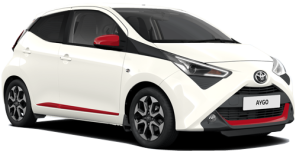
MiniToyota Aygo or Similar
From
$29.98
/day
|
|
|||
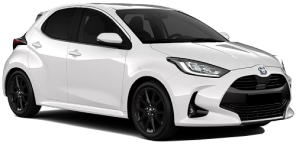
CompactToyota Yaris or Similar
From
$30.94
/day
|
|
|||
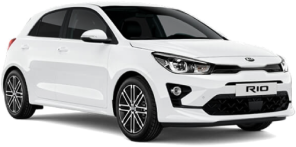
StandardKia Rio or Similar
From
$40.12
/day
|
|
|||
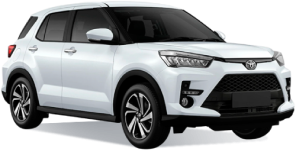
Compact SuvToyota Raize or Similar
From
$46.26
/day
|
|
|||
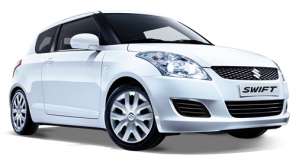
EconomySuzuki Swift or Similar
From
$30.29
/day
|
|
|||
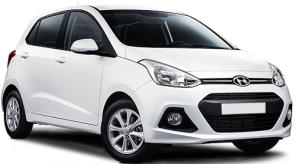
EconomyHyundai Grand i10 or Similar
From
$30.59
/day
|
|
|||
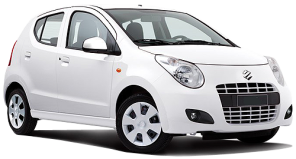
EconomySuzuki Alto or Similar
From
$34.73
/day
|
|
|||
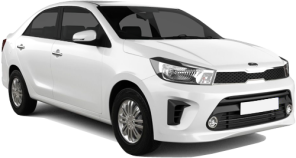
CompactKia Soluto or Similar
From
$37.04
/day
|
|
|||
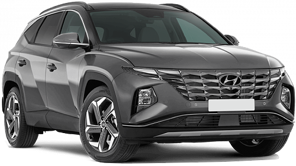
Standard SuvHyundai Tucson or Similar
From
$47.80
/day
|
|
|||
CompactSuzuki Dzire or Similar
From
$48.38
/day
|

|
|||
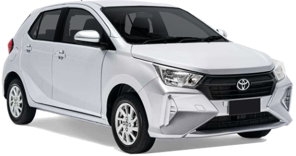
CompactToyota Agya or Similar
From
$51.65
/day
|
|
|||
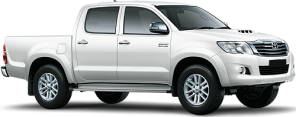
Standard Regular Cab PickupToyota Hilux or Similar
From
$53.95
/day
|
|
|||
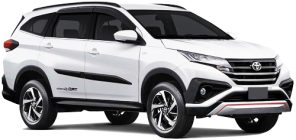
Full-size SuvToyota Rush 5+2 or Similar
From
$57.79
/day
|
|
|||
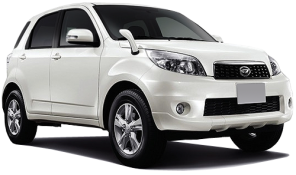
Full-size SuvToyota Rush or Similar
From
$59.28
/day
|
|
|||
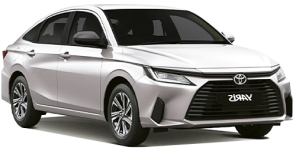
IntermediateToyota Yaris Sedan or Similar
From
$65.86
/day
|
|
|||
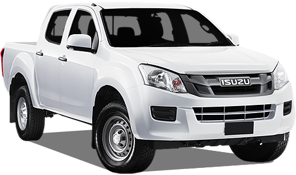
Standard Regular Cab PickupIsuzu D-Max or Similar
From
$69.31
/day
|
|
|||
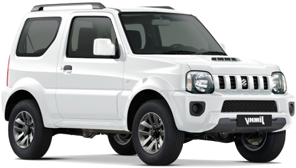
Compact SuvSuzuki Jimny or Similar
From
$78.71
/day
|
|
|||
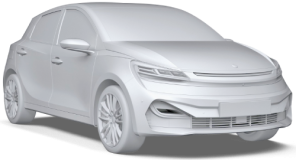
Mini VanToyota LiteAce or Similar
From
$79.49
/day
|
|
|||
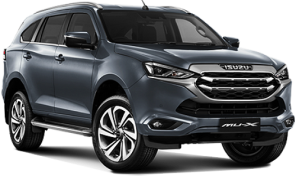
Premium SuvIsuzu MU-X or Similar
From
$80.84
/day
|
|
|||
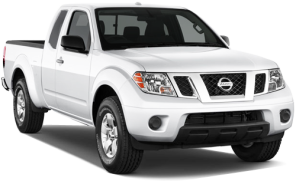
Standard Extended Cab PickupNissan Frontier or Similar
From
$85.26
/day
|
|
|||
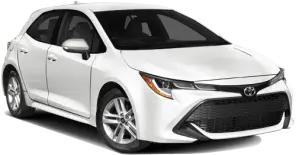
StandardToyota Corolla or Similar
From
$92.20
/day
|
|
|||
IntermediateHyundai Elantra or Similar
From
$92.20
/day
|

|
|||
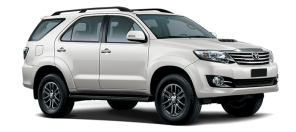
Premium SuvToyota Fortuner or Similar
From
$100.02
/day
|
|
|||
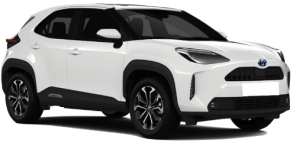
Economy SuvToyota Yaris Cross or Similar
From
$100.27
/day
|
|
|||
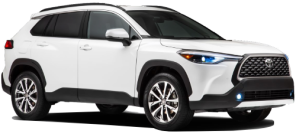
Compact SuvToyota Corolla Cross or Similar
From
$101.43
/day
|
|
|||
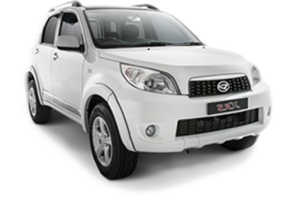
Intermediate SuvDaihatsu Bego or Similar
From
$114.12
/day
|
|
|||
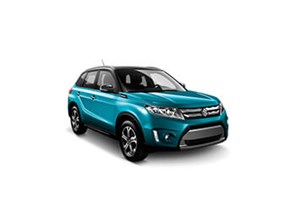
Standard SuvSuzuki Grand Vitara or Similar
From
$118.72
/day
|
|
|||
Our Features
Discover a world of convenience, safety, and customization, paving the way for unforgettable adventures and seamless mobility solutions.
Interactive Location Maps
See rental locations on interactive maps to quickly choose the most convenient pickup point.
Trusted Rental Partners
We partner with leading global and local car rental companies to ensure reliable vehicles and professional service.
Instant Booking Confirmation
Get immediate confirmation for most rentals with real-time vehicle availability.
Airport Pickup Options
Find rental cars available at major international airports for convenient pickup immediately after your arrival.
Free Cancellation
Many bookings include free cancellation up to 48 hours before pickup, giving you flexibility when travel plans change.
Multiple Currency Support
View prices and pay in various currencies for a convenient global booking experience.
Managua, Nicaragua Car Rental Facts
Essential information on the best deals, rental providers, and vehicle options in Managua, Nicaragua.
Most Popular Agencies
Avis leads Trelew with 35% market share, serving visitors heading to the Valdes Peninsula and Punta Tombo penguin colonies.
Popular Car Types
SUVs dominate at 50% for navigating Patagonian gravel roads to wildlife reserves. Pickup trucks popular for rural exploration.
Average Rental Duration
Trelew rentals average 4-5 days, combining Valdes Peninsula whale watching (seasonal), Punta Tombo penguin colonies, and Welsh heritage sites in Gaiman. (Based on 2,100+ local pickups)
Most Popular Models
The Toyota Hilux leads for its durability on Patagonian roads. Ford Ranger favored for wildlife reserve access.
Average Daily Price
Trelew rates average $48/day. Whale season (June-December) sees higher demand with weekly rentals from $290.
How much does it cost to rent a car at Managua, Nicaragua?
Averaging the lowest prices for the economy car category, the data below shows prices for monthly comparisons.
Cheapest Month Average
JunMost Expensive Month
JanYearly Average Price
Trelew Welsh heritage and paleontology. Summer peak for tourism. Book 2 months ahead.
Driving Laws & Information for Nicaragua
Essential driving rules and requirements to know when renting a car
Driving Side
Right
Minimum Age
18 to drive
Blood Alcohol Limit
0.05% maximum
IDP Required?
Sometimes International Driving Permit
Speed Units
km/h
Seat Belt
Required
Toll Roads
Yes
Emergency
118 emergency number
Car Rental Managua, Nicaragua Guide
Renting a car in Managua, Nicaragua, is often the preferred choice for international travelers seeking autonomy and the ability to explore at their own pace. Unlike many Central American capitals where taxis and ride-sharing apps dominate, having your own vehicle in Managua allows you to bypass the negotiation of taxi fares and the rigid schedules of public transport. The city is sprawling, and its attractions—from the historic center to the shores of Lake Managua—are spread out, making a rental car a practical investment for convenience and safety. For those planning to extend their journey beyond the city to destinations like Granada, León, or the Pacific coast beaches, a car becomes not just a convenience but a necessity, offering the freedom to discover hidden gems and scenic routes on your own schedule.
When deciding where to pick up your rental, you have two primary options: Managua’s Augusto C. Sandino International Airport (MGA) or various city center locations. Airport pickups are the most convenient for travelers arriving on international flights, as you can collect your luggage and go directly to the rental counters located just outside the arrivals terminal. However, this convenience typically comes with a premium. Most rental companies at the airport add a significant surcharge, often between 15% and 25%, to cover airport fees and concession costs. City center locations, such as those in the upscale neighborhoods of Altamira, Los Robles, or Metrocentro, frequently offer lower base rates and more flexible return hours. A savvy money-saving tip is to compare the total cost of an airport pickup versus a short taxi ride to a city-center office; often, the savings on the rental rate for a multi-day rental can outweigh the cost of a $10-$15 taxi or shuttle from the airport.
| Pickup Location | Advantages | Disadvantages |
|---|---|---|
| Augusto C. Sandino International Airport (MGA) | Immediate access upon arrival; 24/7 operations at major counters; wide vehicle availability. | Higher daily rates due to airport surcharges; can be busy with long queues during peak travel times. |
| City Center (e.g., Altamira, Metrocentro) | Often 10-20% cheaper than airport locations; more personalized service; easier vehicle inspection in daylight. | Requires transportation from the airport (taxi or shuttle); limited operating hours, often closing earlier in the evening. |
Car Rentals Requirements in Managua, Nicaragua
Understanding the legal and administrative requirements for renting a car is crucial for a smooth experience in Managua. The process is similar to renting in the United States or Europe, but with a few specific local nuances. The standard requirement is that the primary driver must be at least 21 years old, though drivers under 25 may be subject to a "young driver" surcharge, which can add an additional $10 to $25 per day to the rental cost. A valid driver's license from your country of origin is generally accepted. For licenses that are not in Roman script (such as those from some Asian or Middle Eastern countries), an International Driving Permit (IDP) is highly recommended to accompany the original license to assist with identification and avoid complications.
Insurance is the most complex requirement. Nicaraguan law mandates that all rental vehicles carry Third-Party Liability (TPL) insurance. This is non-negotiable and is usually included in the quoted rate or added as a mandatory fee at the counter. However, you will also be offered Collision Damage Waiver (CDW) and theft protection. It is common for the deductible (the amount you pay before insurance covers the rest) on these policies to be quite high, often ranging from $500 to $2,500 USD. A valid credit card in the renter's name is mandatory; debit cards are rarely accepted for the security deposit. The deposit is a hold placed on the credit card and can range from $300 to $1,500 USD depending on the vehicle category and insurance coverage chosen.
| Requirement | Details |
|---|---|
| Minimum Age | 21 years (25 for some premium/luxury vehicles; under-25 surcharge applies) |
| Driver's License | Valid license from country of origin; International Driving Permit (IDP) recommended for non-Roman alphabet licenses |
| Credit Card | Major credit card (Visa, MasterCard, AmEx) in driver’s name required for deposit; debit cards generally not accepted |
| Passport | Required for identification and for stamp verification upon entry to Nicaragua |
| Insurance | Mandatory Third-Party Liability; Collision Damage Waiver (CDW) highly recommended with deductible options |
Why Rent a Car in Managua, Nicaragua
Choosing a rental car over other forms of transportation fundamentally changes how you experience Nicaragua. Managua itself is a city of contrasts, where modern shopping centers sit alongside historical sites that were destroyed by the 1972 earthquake. With your own vehicle, you can effortlessly navigate between the Old Cathedral (Antigua Catedral) ruins, the lively Mercado Roberto Huembes, and the pristine views from Tiscapa Lagoon without relying on the unpredictable schedule of local buses or the limited range of taxis. This freedom is amplified tenfold when you consider the country’s geography. Nicaragua’s most famous attractions are a short drive from the capital, and having a car means you can spontaneously decide to watch the sunset from a volcanic crater lake or chase a wave at a secluded beach without being tied to a tour operator’s itinerary.
For families, renting a car is often more economical and comfortable than hiring multiple taxis or private drivers for excursions. It allows you to control the climate with air conditioning—a significant benefit in Nicaragua’s tropical heat—and provides a secure space to store beach gear, shopping finds, and travel essentials. Furthermore, the condition of rental cars is generally superior to many public transportation options, offering a reliable and safer mode of travel, especially for those unfamiliar with the local roads and neighborhoods. The sense of empowerment and flexibility that comes with a rental car cannot be overstated; it turns a trip from a series of guided tours into a self-curated adventure.
- Ultimate Flexibility: Explore at your own pace, make unplanned detours, and spend as much time as you want at each attraction.
- Access to Off-the-Beaten-Path Locations: Reach remote beaches, small coffee fincas, and lesser-known villages that are not served by public transport or tours.
- Cost-Effective for Groups: For families or groups of 3-4 people, the daily rental cost plus fuel is often less than hiring a private driver or taking multiple taxis for day trips.
- Convenience and Comfort: Air conditioning, privacy, and secure storage for belongings make for a more relaxed travel experience.
- Efficient Airport Transfers: Avoid waiting for shuttles or negotiating taxi fares upon arrival; simply pick up your keys and depart.
- Spontaneous Road Trips: The iconic Pan-American Highway and paved roads to major tourist hubs like Granada and León are easily accessible, inviting spontaneous day trips.
Best Car Rental Companies in Managua, Nicaragua
Travelers to Managua will find a healthy mix of well-known international car rental brands and reputable local Nicaraguan agencies. International companies like Hertz, Avis, Enterprise, and Budget operate major desks at the airport and in the city center, providing the familiarity of global service standards, extensive fleets, and loyalty program benefits. These companies are generally the most reliable for 24/7 roadside assistance and straightforward vehicle exchanges. Local agencies, such as Alamo, Sixt, and smaller independent Nicaraguan companies, often compete on price and can offer more personalized service, sometimes including free delivery of the rental vehicle to your hotel, which can be a significant convenience.
The choice between international and local often comes down to a trade-off between absolute lowest price and the security of a brand name. While international companies may have higher base rates, their vehicles are typically newer, and their insurance processes are more standardized, potentially reducing disputes over damages upon return. It's crucial to book in advance, especially during the dry season (November to April) and around Easter Week (Semana Santa), as rental fleets can sell out completely. When comparing options, pay close attention to the "total estimated price" which includes all mandatory fees, rather than just the daily base rate.
| Company | Price Level (Low / Medium / High) | Pros |
|---|---|---|
| Hertz | Medium / High | Extensive fleet, strong airport presence, reliable 24/7 roadside assistance, and loyalty program. |
| Avis | Medium / High | Well-maintained vehicles, multiple city center locations, professional service, and clear insurance policies. |
| Enterprise | Medium | Known for excellent customer service, often a good balance of price and reliability, and flexible pickup options. |
| Budget | Low / Medium | Competitive base rates, especially for economy cars, and a convenient location at the airport. |
| Sixt | Medium | Modern fleet, often including premium European models, and transparent pricing structures. |
| Alamo | Low / Medium | Good value for longer rentals, straightforward booking process, and multiple city locations. |
Popular Car Rental Categories & Prices in Managua, Nicaragua
The vehicle you choose for your Nicaraguan adventure will depend largely on your itinerary and travel group size. Economy cars, such as the Suzuki Swift or Kia Picanto, are the most popular choice for solo travelers or couples planning to stay primarily within Managua and other cities. These cars are fuel-efficient, easier to park, and generally have the lowest rental rates. However, for travelers venturing outside the capital, particularly to areas with unpaved roads like the beaches of San Juan del Sur or the Mombacho volcano, a compact SUV or a 4x4 vehicle is highly recommended. Models like the Hyundai Tucson or Suzuki Vitara offer better ground clearance and more robust suspension to handle the varied road conditions found in Nicaragua’s rural areas.
Larger SUVs and passenger vans, such as the Toyota Fortuner or a 12-seater Hyundai H1, are ideal for families or groups, providing ample space for luggage and passengers. The pricing structure in Managua is highly seasonal. The peak tourist season, which coincides with the dry season from mid-November through April, sees the highest rental prices, sometimes 50% to 75% above the low-season baseline. Similarly, major holidays like Semana Santa (the week before Easter) and Christmas/New Year see a surge in demand, with prices skyrocketing and availability becoming extremely limited. Conversely, the rainy season (May to October) offers the lowest rates, though travelers should be prepared for daily afternoon showers that can turn some rural roads into challenging conditions.
| Vehicle Category | Average Daily Price (USD) |
|---|---|
| Small / Economy Cars | $35 - $60 |
| Medium / Compact Cars | $45 - $75 |
| SUVs (Compact & Mid-Size) | $65 - $110 |
| Vans / Family Vehicles | $80 - $150 |
| Luxury / Premium Cars | $100 - $200+ |
| Pricing Factor | Details |
|---|---|
| Cheapest Month | September / October (peak of rainy season, lowest tourism demand) |
| Most Expensive Month | December / March (Christmas holidays & peak dry season) |
| Average Daily Price (Economy Car) | $45 USD |
| A Good Deal (Economy Car) | $30 - $38 USD per day (usually during low season or for weekly rentals) |
| Cheapest Supplier (Typical) | Budget, Alamo, or smaller local agencies (often offer lower base rates) |
| Cheapest Car Type | Economy / Compact (e.g., Suzuki Swift, Kia Rio) |
Road Trips from Managua, Nicaragua
Managua’s central location makes it the perfect launching pad for exploring the diverse landscapes of Nicaragua. The country’s road network radiates out from the capital, offering a range of drive times to suit any schedule. Whether you’re seeking colonial charm, volcanic adventure, or Pacific coast relaxation, a rental car unlocks a variety of unforgettable journeys.
- Colonial Granada and Mombacho Volcano: Approximately 45 minutes to 1 hour south on the paved Carretera a Masaya. Highlights include strolling through the colorful streets of Granada, taking a horse-drawn carriage ride, and driving up the paved road to the Mombacho Volcano Natural Reserve for cloud forest hikes and zip-lining. Extend the trip to explore the artisan markets of nearby Masaya, including the famous Masaya Volcano National Park, where you can drive right up to the crater’s edge.
- Pacific Beaches: San Juan del Sur & Surrounds: A 2 to 2.5-hour drive south via the Pan-American Highway (Carretera Panamericana) and the well-paved turnoff to Rivas. This route takes you to the popular surf town of San Juan del Sur. The drive itself offers views of Lake Nicaragua and the iconic islets. From San Juan del Sur, the real adventure begins as you can explore the string of world-class surf beaches like Playa Maderas, Playa Hermosa, and Playa Marsella, though note that the final access roads to these beaches are often unpaved and require a vehicle with good ground clearance, especially during the rainy season.
- León and the Northern Maribios Volcanoes: A 1.5 to 2-hour drive northwest along the Pan-American Highway. This journey takes you to the country’s former capital, León, a city brimming with revolutionary history, stunning colonial architecture, and a vibrant university atmosphere. The drive is particularly scenic as you approach the Maribios volcanic chain. From León, you can drive to the base of Cerro Negro volcano for the famous volcano boarding activity or explore the historic ruins of León Viejo.
- Matagalpa and the Coffee Highlands: A 2 to 2.5-hour drive northeast, heading towards the central highlands. The route transitions from the dry Pacific lowlands to lush, green mountains, offering a dramatic change in climate and scenery. This is Nicaragua’s premier coffee-growing region. Highlights include touring coffee fincas, hiking to waterfalls like Cascada Blanca, and enjoying cooler temperatures in the towns of Matagalpa and Jinotega.
Driving Rules in Managua, Nicaragua
Familiarizing yourself with the local driving rules and conditions is essential for a safe and stress-free experience. In Nicaragua, vehicles drive on the right-hand side of the road. Seatbelts are mandatory for all vehicle occupants, and traffic police often conduct random checks, especially in urban areas. The legal blood alcohol concentration (BAC) limit is 0.05%, which is lower than in some other countries, and enforcement has increased in recent years. Drinking and driving is taken very seriously, with penalties including fines, license suspension, and vehicle impoundment.
Road conditions in Managua and on major highways (like the Pan-American Highway and the road to Granada) are generally good, with paved surfaces. However, once you venture off the main arteries, roads can quickly deteriorate, with potholes, unmarked speed bumps (known locally as "tumulos" or "muertos"), and a lack of street lighting being common challenges. Children under 12 years are required to sit in the back seat, and the use of child safety seats is mandatory for younger children, though availability from rental agencies can be limited, so it's advisable to request one at the time of booking. While there are no specific winter tire laws given the tropical climate, having a vehicle with good tire tread is crucial for navigating wet conditions during the rainy season.
| Area | Speed Limit |
|---|---|
| Urban Areas / City Streets | 45 km/h (28 mph) unless otherwise posted |
| Main Avenues in Managua | 60 - 80 km/h (37 - 50 mph) |
| Rural Roads / Highways (Open Road) | 60 - 100 km/h (37 - 62 mph) |
| Pan-American Highway (Main Sections) | 80 - 100 km/h (50 - 62 mph) |
Toll Roads in Managua, Nicaragua
There are no toll roads within the city of Managua itself. However, if your travels take you outside the capital on major arteries, you will encounter toll booths on a few key routes. The most notable toll roads are on the new highway connecting Managua to the Pacific beaches, particularly the stretch of road that bypasses the old bottleneck near the airport and heads toward the airport's international terminal. Another common toll route is the highway to the north, which passes through the municipality of Tipitapa.
These tolls are relatively inexpensive, typically costing between $0.50 and $2.00 USD per passenger car. They are cash-only, so it is essential to keep a supply of Nicaraguan córdobas (the local currency) in small denominations for these stops. Some toll booths also accept U.S. dollars, but the exchange rate given may not be favorable. It's a good practice to have a few córdoba bills ready in your car's center console to ensure a quick and hassle-free passage.
Parking in Managua, Nicaragua
Parking in Managua is generally easier and more straightforward than in many other major Latin American cities, but it does require some local know-how. For most shopping centers, hotels, and restaurants, you will encounter the ubiquitous "cuidador" or "parking attendant." These are informal but widely accepted individuals who watch over parked cars in public areas. They are not officially employed by the city but provide a service of security and guidance. It is customary to tip them a few córdobas (around $0.50 to $1.00 USD) upon your return. While not strictly mandatory, it's a cultural norm and is seen as a way to ensure your car remains safe and unscratched.
Modern shopping malls like Metrocentro and Galerías Santo Domingo offer large, secure, and well-lit parking garages with ticket-based entry and exit systems. These are the safest options for extended parking. Street parking is available in many neighborhoods but requires careful attention. Look for signs indicating "parqueo" (parking) or "no parqueo" (no parking). Parking is often restricted on one side of the street on alternate days for cleaning, though enforcement of these rules can be inconsistent. In the historic center and busy market areas, finding a spot can be challenging, and it’s often wiser to use a paid parking lot (parqueo) for a small hourly fee rather than circling the block and risking a ticket or damage.
Tips for Car Rental in Managua, Nicaragua
Maximizing value and minimizing hassles when renting a car in Managua comes down to preparation and a few strategic decisions. The following tips are gathered from frequent travelers and expatriates who have navigated the local rental market successfully.
- Book Early, Especially for Peak Seasons: Nicaragua’s rental fleet, particularly for SUVs and minivans, can be limited. Booking 2-3 months in advance for travel during December, January, March (Holy Week), or July (festivals) can lock in a better rate and guarantee vehicle availability.
- Thoroughly Inspect the Vehicle: Before driving off the lot, take photos and videos of the car, noting every existing scratch, dent, and scuff on the wheels or interior. Have a rental agent sign off on the condition report. This is the single most important step to avoid disputes over damage charges when you return the car.
- Understand Your Insurance Coverage: Do not assume your personal car insurance or credit card insurance covers rentals in Nicaragua. Many international policies exclude Nicaragua. Ask specifically about the Collision Damage Waiver (CDW) deductible amount and consider purchasing the full waiver (Super CDW) to reduce your liability to zero, as the peace of mind is often worth the extra cost given the road conditions.
- Check the Fuel Policy: Most rental companies in Managua operate on a "full-to-full" fuel policy, meaning you receive the car with a full tank and must return it full. This is the fairest option. Avoid prepaid fuel policies unless you plan to drive an extensive number of miles, as you rarely get a refund for unused fuel.
- Rent During the Cheaper Months: If your travel dates are flexible, aim for the rainy season months of May, June, September, or October. You’ll often find rates that are 30-50% lower than the high season, and the landscape is lush and vibrant, though you’ll need to be cautious on unpaved roads.
- Request a GPS or Data Plan: While Waze and Google Maps work well in Nicaragua, cellular data coverage can be spotty in remote areas. Consider renting a GPS unit from the agency or, more practically, purchase a local SIM card with a data plan at the airport upon arrival to ensure you can navigate reliably.
Common Car Rental Mistakes Travelers Make
Even experienced travelers can encounter difficulties if they’re not attuned to the specific conditions of driving and renting in Nicaragua. Avoiding these common pitfalls will save you time, money, and frustration, allowing you to focus on enjoying your journey.
- Skipping the Detailed Vehicle Inspection: Failing to document pre-existing damage is the most frequent source of conflict. A small, unnoted scratch can be claimed as new damage upon return, leading to expensive repair charges that are difficult to contest without photo evidence.
- Assuming All Roads are Paved: A major mistake is renting a low-clearance economy car with plans to visit remote beaches or volcanoes. Unpaved roads (empedrado) are common, and a standard car may not have the suspension or ground clearance to handle them, risking damage that voids your insurance.
- Ignoring the "Tumulos" (Speed Bumps): Unmarked or poorly marked speed bumps are extremely common, especially outside of major cities. Travelers often hit them at speed, causing damage to the car's undercarriage or tires. Slowing down significantly and being observant for painted lines or raised asphalt is essential.
- Paying with a Debit Card: Attempting to rent with a debit card almost always leads to rejection or a significantly larger deposit hold being placed on your account. The deposit can be the full estimated value of the car, which can tie up thousands of dollars in your bank account.
- Not Carrying Local Currency for Tolls: Arriving at a toll booth with only large U.S. dollar bills or credit cards can cause delays and frustration. Toll booths operate primarily with cash (córdobas) and having small denominations ensures a smooth passage.
- Driving at Night in Rural Areas: Unfamiliarity with the roads, a lack of street lighting, and the possibility of encountering pedestrians, animals, or unmarked hazards make night driving outside of Managua and major cities a significant risk. Planning your drives to finish before dusk is a standard safety practice.
Real Travel Experience Renting a Car in Managua, Nicaragua
When Sarah and Tom arrived at the Managua airport after a late-night flight, they were exhausted but excited. They had pre-booked a Suzuki Vitara from a well-known agency, hoping to have the freedom to explore both the city and the surrounding beaches. The process at the counter was slower than they anticipated, with the agent carefully explaining the insurance options and the high deductible on the standard CDW. After a brief discussion, they decided to pay the extra $15 per day for the full Super CDW, valuing the peace of mind. The next morning, after a good night's sleep in a nearby hotel, they returned to the rental lot to pick up the car in the daylight. They meticulously took a video of the vehicle, noting a small scratch on the rear bumper that the agent verified on the paperwork. With their navigation app ready, they drove out of Managua, feeling a sense of liberation as they headed south towards the colonial charm of Granada, stopping for a fresh fruit smoothie at a roadside vendor. The flexibility to pull over whenever they wanted to take a photo of the shimmering Lake Nicaragua made them feel less like tourists and more like explorers, and the confidence they gained from the thorough pickup process set a positive tone for the entire road trip.
International Driving Permit for Travelers Visiting Managua, Nicaragua
For the vast majority of international travelers, a valid driver's license from their home country is sufficient to rent a car and drive in Nicaragua, provided it is printed in the Roman alphabet (English, Spanish, French, etc.). However, an International Driving Permit (IDP) becomes a critical document for those whose license is in a non-Roman script, such as Japanese, Chinese, Arabic, or Cyrillic. The IDP serves as a standardized translation of your national license and can prevent potential issues with rental car agencies or, more importantly, with Nicaraguan traffic police during a routine stop. Even with a Roman-alphabet license, having an IDP can be a helpful supplementary document that is widely recognized and can streamline interactions with authorities.
Obtaining an IDP is a straightforward process that must be done in your country of residence before traveling, as it is not available for issuance in Nicaragua. In the United States, it is the only official translation recognized by the Department of State and is issued exclusively by the American Automobile Association (AAA) and the American Automobile Touring Alliance (AATA). The permit is valid for one year from the date of issue and must always be carried alongside your original, valid driver's license. The application typically requires a completed form, two passport-sized photos, a photocopy of your valid license, and a small fee. While not always mandatory, securing an IDP is a simple and inexpensive step that can provide significant peace of mind and legal clarity during your travels in Nicaragua.
Car Rental Locations in Managua
Discover More Nicaragua Car Rental Destinations
Other Car Rental Locations in Nicaragua
Major Airports in Nicaragua
Complete airport guides with car rental information, parking, and transportation options
Frequently Asked Questions about Car Rental in Managua
Managua, Nicaragua Car Rental Reviews & Customer Ratings
Read verified customer reviews, ratings, and rental experiences from travelers who booked through Airport Rento.
Overall Rating
No reviews yet for this location. Be the first to share your experience!