Cheap Car Rental Nepal - Compare Deals & Book Instantly
Search and compare car rental prices from trusted global suppliers. Find the best deals instantly.
Why book with us?
-
Easy Booking
Book your car rental in minutes with a simple and secure process.
-
Wide Fleet
Choose from economy cars, SUVs, luxury vehicles, and more.
-
Free Cancellation
Flexible booking options with free cancellation on most rentals.
Compare top international car rental brands and choose the best deal for your trip.







Car Rental Deals in Nepal
Choose from our wide range of vehicles available in Nepal.
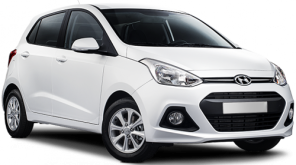
EconomyHyundai i10 or Similar
From
$55.78
/day
|
|
|||
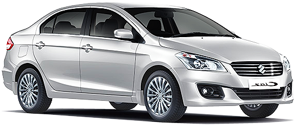
StandardSuzuki Ciaz or Similar
From
$55.78
/day
|
|
|||
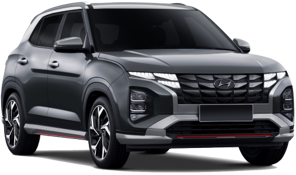
Compact SuvHyundai Creta or Similar
From
$69.69
/day
|
|
|||
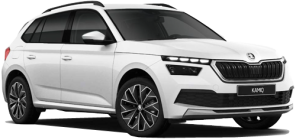
Economy Elite CrossoverSkoda Kamiq or Similar
From
$69.69
/day
|
|
|||
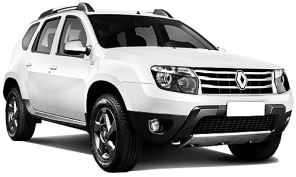
Standard SuvRenault Duster or Similar
From
$69.69
/day
|
|
|||
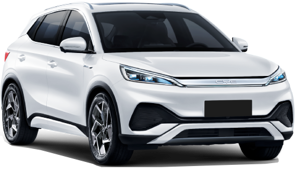
Economy Elite SuvBYD Atto 3 or Similar
From
$69.69
/day
|
|
|||
Standard SuvMG ZS EV or Similar
From
$69.69
/day
|

|
|||
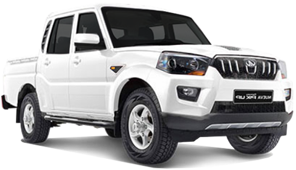
Intermediate Extended Cab PickupMahindra Scorpio S6 Pickup or Similar
From
$82.89
/day
|
|
|||
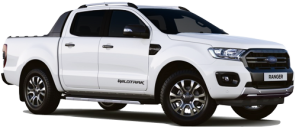
Special Extended Cab PickupFord Ranger or Similar
From
$146.15
/day
|
|
|||
Our Features
Discover a world of convenience, safety, and customization, paving the way for unforgettable adventures and seamless mobility solutions.
Flexible Rental Options
Choose from short-term, long-term, or one-way rentals depending on your travel requirements.
Airport Pickup Options
Find rental cars available at major international airports for convenient pickup immediately after your arrival.
Customer Reviews
Read verified customer reviews and ratings to help you choose the best rental supplier for your trip.
Fast Booking Process
Complete your car rental reservation in just a few simple steps with instant confirmation.
Thousands of Pickup Locations
Search from thousands of pickup locations including airports, train stations, and city centers worldwide.
Customer Support
Our support team is available to help with booking questions, modifications, or cancellations.
Nepal Car Rental Facts
Essential information on the best deals, rental providers, and vehicle options in Nepal.
Most Popular Agencies
Avis leads Kathmandu with 28% market share, serving Everest trekkers, Pokhara adventurers, and cultural heritage visitors.
Popular Car Types
SUVs dominate for mountain highway travel to Pokhara. 4x4 essential for rugged roads to Nagarkot and Dhulikhel. Compacts for Kathmandu Valley temples.
Average Rental Duration
Rentals average 6 days for Kathmandu-Pokhara-Chitwan circuit, extending to 14 days for Himalayan foothills exploration. Based on 12,000+ local pickups.
Most Popular Models
Toyota Fortuner dominates for reliable mountain journeys. Suzuki Vitara preferred for agile drives through Kathmandu traffic to Boudhanath Stupa.
Average Daily Price
Nepal rates average $68/day. Weekly SUV rentals from $410 offer savings for Himalayan foothill exploration.
How much does it cost to rent a car at Nepal?
Averaging the lowest prices for the economy car category, the data below shows prices for monthly comparisons.
Cheapest Month Average
JunMost Expensive Month
OctYearly Average Price
Note: Peak trekking seasons (March-May, October-November) highest prices. Monsoon (June-September) offers lowest rates but difficult driving. 4x4 recommended for mountain roads. Book 2 months ahead for peak seasons.
Your Complete Guide to Renting a Car in Nepal for International Travelers (2026)
Navigating the dramatic landscapes of Nepal is an adventure in itself, and renting a car offers the freedom to explore at your own pace. However, the process can be daunting for international travelers unfamiliar with local customs and regulations. This comprehensive guide provides everything you need to know about renting a car in Nepal, from choosing the right vehicle and understanding costs to mastering local driving laws and discovering epic road trip routes. Whether you're planning to self-drive or hire a car with a driver, this guide will ensure your journey through the Himalayan nation is smooth, safe, and unforgettable.
Picking Up Your Rental: Airport vs. City Center
Your first decision is where to pick up your vehicle. In Nepal, you generally have two main options: the airport or a city-center location. Tribhuvan International Airport (TIA) in Kathmandu is the primary international gateway, and picking up your car right after you clear customs is undeniably convenient. This allows you to start your journey immediately without the hassle of navigating a taxi into the chaotic city with your luggage. However, this convenience often comes with an "airport surcharge"—an additional fee that rental companies add to cover their operational costs at the airport. You'll find desks for various rental companies right at the airport.
On the other hand, opting for a city-center pickup, such as from an office in Thamel or Sinamangal, can save you money. Many local companies have offices just a short distance from the airport and offer complimentary or low-cost transfers to their lot. The minor inconvenience of a short ride is often offset by lower rates and more personalized service. For travelers heading directly to destinations like Pokhara or Chitwan, picking up a vehicle at the smaller airports there is also an option, though availability is more limited.
Money-Saving Tip: Consider booking a city-center pickup and taking a pre-paid taxi or rideshare app for the short journey from the airport. The savings on your rental can be significant.
Comparison of Rental Pickup Locations
| Location | Advantages | Disadvantages |
|---|---|---|
| TIA Airport, Kathmandu | Maximum convenience, immediate access to vehicle upon arrival, good for starting a road trip instantly. | Airport surcharge fees apply, often slightly higher base rates, can be chaotic during peak arrival times. |
| Pokhara Airport | Perfect for starting a trip in the Lakeside region, avoids Kathmandu traffic, convenient for western circuit. | Fewer vehicle options, smaller rental desks, availability may be limited during high season. |
| City Center (Thamel, Kathmandu) | Lower overall cost, more local rental agencies to choose from, often includes more personalized service. | Need to arrange transport from airport, can be difficult to navigate busy streets to reach the rental office. |
| Bharatpur Airport (Chitwan) | Ideal for wildlife-focused trips, convenient for exploring Chitwan National Park area. | Very limited selection, primarily local operators, may require advance booking confirmation. |
Understanding Seasonal Pricing for Car Rentals
Rental car prices in Nepal fluctuate dramatically depending on the time of year, driven primarily by tourism patterns and weather conditions. The high season, which includes the peak autumn months (October and November) and spring (March to April), sees the highest demand. During these periods, the weather is generally clear and dry, offering the best views of the Himalayas, and tourists flock to popular destinations like Pokhara, Nagarkot, and Bandipur. Consequently, rental prices can increase significantly, and securing a vehicle often requires booking weeks or even months in advance.
The low season coincides with the monsoon rains (June to September) and the cold winter months (December to February). During the monsoon, road conditions can be challenging, and landslides are possible, particularly in hilly regions, which deters many travelers. Winter brings cold temperatures, especially at higher elevations, but offers clear skies. Prices during these periods are considerably lower, and you'll have more negotiating power with local rental agencies. This can be an excellent time for budget-conscious travelers who don't mind cooler temperatures or occasional rain showers.
Seasonal Pricing Comparison
| Pricing Factor | Details |
|---|---|
| Cheapest Months | June to September (Monsoon season) and December to February (Winter cold) |
| Most Expensive Months | October to November (Autumn peak) and March to April (Spring season) |
| Average Daily Price | $40 to $80 for a standard SUV (varies by season and vehicle type) |
| A Good Deal | $35 per day for a compact car during low season with weekly rental |
| Cheapest Supplier | Local Nepali agencies (often found through local contacts or direct negotiation) |
| Cheapest Car Type | Maruti Suzuki Alto or similar compact hatchback (ideal for city driving) |
When Rental Demand is Highest in Nepal
Understanding Nepal's tourism patterns is crucial for planning your rental car booking. Demand peaks during the two main tourist seasons: autumn (September to November) and spring (March to May). During these windows, the weather is most favorable for trekking and sightseeing. Major festivals like Dashain and Tihar (usually falling in September-October) also see a surge in domestic travel as Nepalis return to their hometowns, further tightening the already limited rental supply. International travelers should avoid arriving without a pre-booked vehicle during these periods, as availability drops to near zero.
Another factor affecting demand is major events and holiday periods. Buddha Jayanti, celebrating the birth of Buddha, sees increased travel to Lumbini. Similarly, the festive season around Holi (March) brings higher demand in the Terai region and major cities. If your travel plans coincide with these events, it's wise to book your rental car at least one to two months in advance. Additionally, weekends in Nepal are busy times for local tourism, with many residents from Kathmandu heading to nearby hill stations, making Friday through Sunday particularly busy for rental agencies.
Typical Rental Duration for Travelers
The average rental period for international travelers exploring Nepal typically ranges from 5 to 10 days. This duration comfortably allows for classic itineraries, such as a round trip from Kathmandu to Pokhara and Chitwan, including stops at scenic viewpoints like Bandipur or Daman. For those planning to venture further, such as heading to Lumbini in the south or trekking regions accessible by road, rentals often extend to two weeks. Shorter rentals of 2 to 3 days are common for travelers who only need a vehicle to explore the Kathmandu Valley's cultural heritage sites like Bhaktapur, Patan, and Nagarkot before flying to other destinations.
Rental Locations and Supplier Availability
Nepal's car rental market is concentrated primarily in the major urban centers, with Kathmandu Valley having the highest density of rental locations. You'll find rental agencies scattered throughout the capital, from Thamel's tourist hub to areas like Lazimpat and Baneshwor. Pokhara, as the second-largest city and tourism gateway, also hosts numerous rental offices, particularly near the Lakeside area. In other parts of the country, such as Birgunj, Biratnagar, and Nepalgunj, rental options exist but are geared more toward business travelers and local clientele.
The supplier landscape in Nepal is a mix of international affiliates and robust local operators. While you might recognize some global brands, the vast majority of rentals are handled by local Nepali companies. These local suppliers often offer more competitive pricing and flexibility, though the level of service and vehicle quality can vary. General availability across the country is good in urban areas but becomes sparse in remote regions. It's always advisable to confirm whether your rental company has roadside assistance or support networks outside the main cities before embarking on a long-distance journey.
Quick Facts: Car Rental in Nepal
| Category | Information |
|---|---|
| Driving Side | Left-hand side of the road |
| Steering Wheel | Right-hand drive vehicles |
| Minimum Driving Age | 21 years (sometimes 23 for premium vehicles) |
| License Required | Valid International Driver's Permit (IDP) along with home country license |
| Currency | Nepalese Rupee (NPR) |
| Major Rental Hubs | Kathmandu, Pokhara, Birgunj |
| Toll Roads | Very few; most highways are toll-free |
Common Vehicle Categories Travelers Rent in Nepal
Choosing the right vehicle is essential for a comfortable journey through Nepal's diverse terrain. The most popular choice among travelers is the SUV or 4x4 category. Vehicles like the Toyota Fortuner, Hyundai Tucson, or the ubiquitous Maruti Suzuki Vitara Brezza are favored for their higher ground clearance, which is necessary for navigating rough roads, especially outside the main cities and in hilly areas. These vehicles provide the confidence to handle unexpected potholes, unpaved sections, and mountain roads.
For travelers sticking primarily to the paved roads of Kathmandu Valley or the highway to Pokhara, economy and compact cars are a practical and budget-friendly option. The Maruti Suzuki Alto and Wagon R are the workhorses of Nepal's roads, offering excellent fuel efficiency and easy maneuverability in congested city traffic. For larger groups or families, multi-purpose vehicles (MPVs) like the Toyota HiAce or Mahindra Bolero are common choices, providing ample space for passengers and luggage. These are particularly popular for groups of 5-8 people traveling together on extended tours.
Famous Road Trip Routes in Nepal
Nepal offers some of the most breathtaking road trips in the world, winding through terraced hillsides, alongside rushing rivers, and offering glimpses of the mighty Himalayas. Here are some of the most famous routes that international travelers love to explore:
- Kathmandu to Pokhara via Prithvi Highway
- Distance/Time: Approximately 200 kilometers, 6-7 hours driving time
- Major Highlights: Scenic drive alongside the Trishuli River, stops at Manakamana Temple (accessible by cable car), beautiful mountain views upon approaching Pokhara, and the charming town of Kurintar for lunch breaks.
- Kathmandu Valley Ring Road and Hill Stations
- Distance/Time: Variable, 2-3 days for a complete loop
- Major Highlights: Sunrise views from Nagarkot, ancient town of Bhaktapur Durbar Square, historic Changu Narayan Temple, and the peaceful hill station of Dhulikhel with panoramic Himalayan views.
- Pokhara to Jomsom (Upper Mustang Region)
- Distance/Time: Approximately 165 kilometers, but often takes 2 days due to road conditions
- Major Highlights: Dramatic landscape changes from subtropical to arid, Kali Gandaki River gorge (world's deepest), stunning views of Dhaulagiri and Annapurna, and the unique Tibetan-influenced culture of Mustang.
- Kathmandu to Chitwan National Park
- Distance/Time: Approximately 160 kilometers, 5-6 hours
- Major Highlights: Transition from mountains to jungles, wildlife spotting en route, Tharu culture villages, and jungle safaris upon arrival in Sauraha.
Essential Driving Rules and Regulations in Nepal
Driving in Nepal can be an exhilarating but challenging experience, especially for those unaccustomed to South Asian traffic conditions. Vehicles drive on the left side of the road, and the steering wheel is on the right. Speed limits are generally 40 km/h in urban areas, 60 km/h on highways, and 25 km/h in school zones, though enforcement can be sporadic. The legal blood alcohol limit is strictly 0.00% – zero tolerance – so absolutely no drinking and driving. Seatbelts are mandatory for all occupants, and child seats are required for young children, though availability in rental fleets may be limited, so it's best to request one in advance.
Road conditions in Nepal vary dramatically. Major highways like the Prithvi Highway are generally paved but can be narrow, winding, and prone to potholes. In rural and hilly areas, roads are often unpaved, rocky, and susceptible to landslides during monsoon season. Overtaking on blind corners is a dangerous common practice, so defensive driving is essential. During winter months, particularly at higher elevations, snow chains may be necessary, though rental companies typically equip vehicles appropriately if you're heading to mountainous regions. Always check local conditions before setting out, especially between December and February.
Nepal Speed Limit Overview
| Zone Type | Speed Limit (km/h) |
|---|---|
| Urban Areas (Cities/Towns) | 40 km/h |
| Highways (Prithvi, Mahendra) | 60-80 km/h (varies by section) |
| School Zones | 25 km/h |
| Hilly/Mountain Roads | 30-40 km/h (drive according to conditions) |
Toll Roads and Payment Systems
One advantage of driving in Nepal is that toll roads are extremely rare. The vast majority of highways, including the major Prithvi and Mahendra highways, are free to use. There are no electronic toll collection systems like those found in Europe or North America. The primary exception is the Kathmandu-Bhaktapur road section, which has a small toll booth. Additionally, some new expressway projects may introduce tolls in the future, but as of 2026, road travel remains largely toll-free. Any fees you encounter are typically parking-related rather than road usage charges. This makes budgeting for fuel much simpler, as you won't need to worry about accumulating toll costs during your journey.
Rental Companies in Nepal: International vs. Local
The rental car market in Nepal offers a clear choice between international affiliates and local Nepali companies. While global names provide a sense of familiarity and standardized service, their presence in Nepal is often through franchise partnerships. Local companies, on the other hand, dominate the market and offer distinct advantages in pricing and local knowledge. They are often more flexible with itineraries, rental terms, and negotiation, particularly for longer rentals. However, vehicle fleets from local suppliers may be older, and English proficiency among staff can vary.
Comparing the two types of suppliers is essential before booking. International affiliates generally offer newer vehicles, online booking platforms, and clearer insurance policies, which can provide peace of mind. Local suppliers, such as those found through recommendations or aggregator sites, can offer savings of 20-30% and may include extras like a driver for a marginal additional cost—a common and often advisable option for navigating Nepal's challenging roads. It's wise to read recent reviews and inspect the vehicle thoroughly before accepting it, regardless of which type of company you choose.
Comparison of Rental Company Types
| Company Type | Price Level | Pros |
|---|---|---|
| International Affiliates | Medium to High | Standardized fleet, reliable online booking, consistent customer service, often newer vehicles. |
| Large Local Agencies | Low to Medium | Competitive pricing, extensive local knowledge, flexible rental terms, often include driver option. |
| Small Local Operators | Low | Highly negotiable rates, personalized service, good for budget travelers, deep local connections. |
| Peer-to-Peer Platforms | Low | Unique vehicle choices, direct owner communication, potential for very low rates. |
Navigating Parking in Nepal's Cities
Parking in Nepal's major urban centers, particularly Kathmandu and Pokhara, can be one of the most frustrating aspects of your rental experience. Street parking is common but highly competitive and often chaotic. In tourist hubs like Thamel, finding a spot on the street can take significant time, and vehicles are often parked bumper-to-bumper, requiring creative maneuvering. Paid parking zones are increasingly common, with attendants who will issue a ticket and expect a small fee (typically 20-50 NPR per hour). Always ensure you park in designated areas, as illegally parked cars are quickly ticketed or even towed by traffic police.
Parking garages are relatively rare in Nepal compared to Western countries, but they do exist in shopping malls, larger hotels, and some commercial complexes. These offer more security and protection from the elements, which is especially important during monsoon season. Many hotels in Kathmandu and Pokhara offer private parking for guests, so it's worth confirming this amenity when booking accommodation. A common challenge in cities is the narrow streets and high pedestrian traffic, making parking a test of patience and precision. Using your rental car primarily for intercity travel and relying on taxis or walking within dense urban cores is a strategy many travelers adopt.
Average Daily Rental Prices in Nepal
Rental car prices in Nepal are generally affordable by international standards, though they vary based on vehicle type, rental duration, and season. For 2026, you can expect to pay anywhere from $30 USD per day for a small economy car to over $150 USD for a luxury SUV with a driver. It's important to note that many rentals, especially from local companies, include a driver in the quoted price, which is a popular option given the challenging driving conditions. If you choose to self-drive, ensure you understand what insurance coverage is included, as third-party liability is mandatory but comprehensive coverage may be an additional cost.
Daily Rental Price Guide (Approximate USD)
| Vehicle Category | Price Range (Per Day) |
|---|---|
| Small Cars (Maruti Alto, Hyundai i10) | $30 - $45 |
| Medium Cars (Hyundai i20, Maruti Swift) | $45 - $65 |
| SUVs (Hyundai Tucson, Toyota Fortuner) | $65 - $100 |
| Vans (Toyota HiAce, Mahindra Bolero) | $80 - $120 |
| Luxury Cars (Prado, luxury sedans) | $120 - $200+ |
Practical Tips for Renting a Car in Nepal
Renting a car in Nepal can be a smooth process if you approach it with preparation and local knowledge. Here are some essential tips to ensure you get the best value and experience:
- Book Early During Peak Seasons: For October-November and March-April, secure your vehicle at least 4-6 weeks in advance to guarantee availability and better rates.
- Avoid Airport Surcharges: Consider taking a short taxi ride to a city-center rental office in Thamel or Lazimpat to save on airport pickup fees.
- Compare Multiple Suppliers: Don't settle for the first quote. Contact at least three different agencies, including both local operators and international affiliates, to compare prices and inclusions.
- Choose the Right Insurance: Verify what coverage is included. Basic third-party liability is mandatory, but consider purchasing additional collision damage waiver (CDW) for peace of mind.
- Consider Hiring a Driver: For a small additional fee (often $15-25 per day), having a local driver allows you to relax, enjoy the scenery, and benefit from their knowledge of roads and conditions.
- Photograph the Car Thoroughly: Before driving off, take dated photos and videos of the vehicle from all angles to document any existing damage and avoid disputes later.
Common Traveler Mistakes to Avoid
Even experienced travelers can make missteps when renting a car in Nepal. Being aware of these common pitfalls will save you time, money, and stress:
- Skipping the IDP: Arriving without a valid International Driver's Permit is the most common mistake. Local authorities and rental agencies strictly require it alongside your home country license.
- Underestimating Driving Conditions: Assuming roads are similar to your home country is a major error. Nepal's roads require constant vigilance, defensive driving, and patience.
- Ignoring Vehicle Inspection: Failing to thoroughly check tire condition, spare tire availability, jack, and tool kit before departing can leave you stranded in remote areas.
- Overlooking Night Driving: Driving after dark is highly discouraged outside major cities due to poorly lit roads, unpredictable pedestrians, and wandering livestock.
- Not Confirming Fuel Policy: Some rentals provide a full tank and expect a full tank return. Others operate on a different policy. Clarify this to avoid unexpected charges.
A Traveler's Story: Exploring Nepal by Road
Sarah, an Australian photographer, landed in Kathmandu with dreams of capturing the Himalayas. Instead of navigating the chaotic traffic herself, she took the advice of a seasoned traveler and rented a car with a driver from a local agency in Thamel. Her SUV, a sturdy Hyundai Tucson, picked her up at 7 AM, and they set off for Pokhara. Her driver, Raj, skillfully maneuvered through winding roads and pointed out hidden waterfalls and local tea shops along the Prithvi Highway. In Pokhara, he waited patiently as she spent hours photographing sunrise over Fishtail Mountain from Sarangkot. They continued south to Chitwan, where Raj arranged a jeep safari and introduced her to Tharu village elders. Over ten days, Sarah traveled over 600 kilometers safely, returned to Kathmandu with thousands of photos, and gained a friend in Raj. The cost, including driver, fuel, and his accommodation, was far less than she expected, and the experience was richer for having a local guide by her side.
International Driver's Permit (IDP) Requirements
For international travelers, possessing an International Driver's Permit (IDP) is not just recommended—it's a legal requirement for driving in Nepal. Your valid home country driver's license must be accompanied by an IDP, which translates your credentials into multiple languages, including Nepali. Traffic police routinely check for both documents, and rental agencies will not release a vehicle without seeing a valid IDP. Failure to produce one can result in fines, vehicle impoundment, or even detention. The only exception is for travelers from SAARC countries (India, Pakistan, Bangladesh, Sri Lanka, etc.), who may drive with their national licenses under regional agreements.
Obtaining an IDP is a straightforward process that should be completed before you leave your home country. In most nations, it is issued by authorized organizations such as national automobile associations or motoring clubs. For example, in the United States, it's available through AAA; in the UK, through the Post Office or the AA; and in Australia, through state automobile clubs like NRMA or RACV. The application typically requires a completed form, two passport-sized photos, a copy of your valid driver's license, and a small fee. The IDP is generally valid for one year from the date of issue, so ensure it covers your entire stay in Nepal. Remember, you cannot obtain an IDP once you arrive in Nepal, so this is a crucial pre-departure task.
Documents Required for Renting a Car
When you arrive at the rental counter in Nepal, having all necessary documents organized will expedite the process significantly. The rental agency will require your original passport with a valid visa (tourist visa is sufficient), your home country driver's license, and the corresponding International Driver's Permit (IDP). Ensure the names on all documents match exactly. The agency will also need a credit card in the driver's name for the security deposit, which is standard practice even if you plan to pay the final balance in cash. Some local agencies may accept a cash deposit, but this is less common and usually requires a larger amount.
It's also wise to carry printed copies of your rental agreement, hotel reservations, and a basic itinerary. While not always required by the rental company, having these documents can be helpful if you encounter a police checkpoint, which are common on major highways. Additionally, keep digital copies of all documents on your phone or in cloud storage as a backup. Once you've presented your documents and completed the paperwork, the agency will provide you with the vehicle's registration papers (blue book) and insurance documents. You must keep these in the vehicle at all times during your rental period, as you'll need to present them at police checkpoints alongside your driver's license and IDP.