Mini
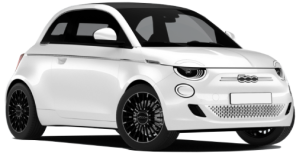
Fiat 500
or Similar
From
$4.05/day
Compare car rental deals at Budapest, Hungary from trusted global suppliers. Find affordable prices and book your ideal car in minutes.








Explore our range of vehicles available in Budapest.
or Similar
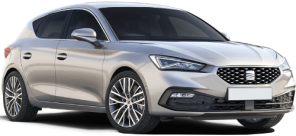
or Similar
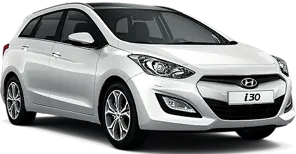
or Similar
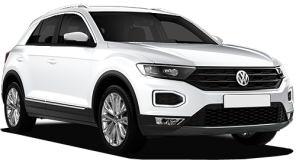
or Similar

or Similar
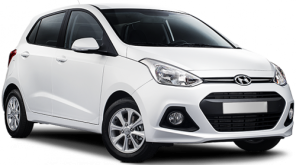
or Similar
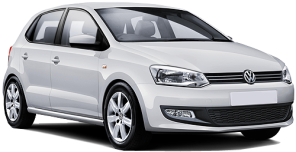
or Similar
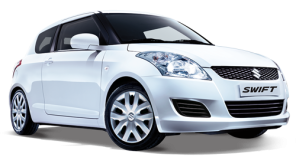
or Similar
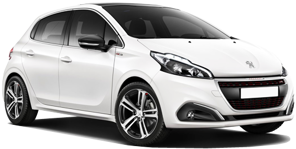
or Similar
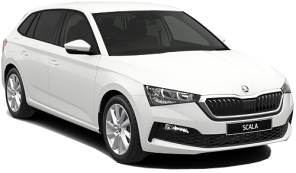
or Similar
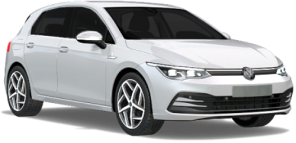
or Similar
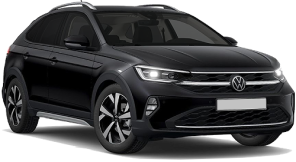
or Similar
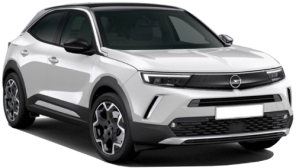
or Similar
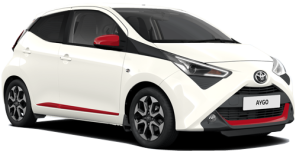
or Similar
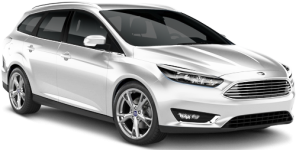
or Similar
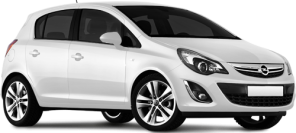
or Similar
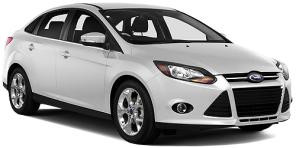
or Similar

or Similar
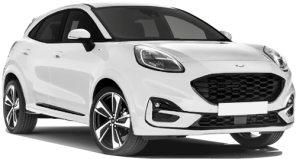
or Similar

or Similar
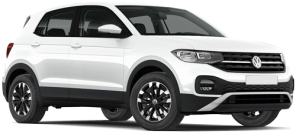
or Similar
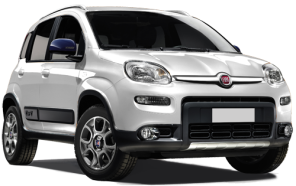
or Similar
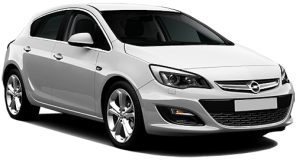
or Similar
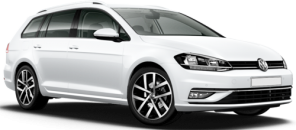
or Similar

or Similar
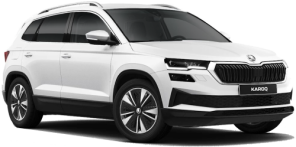
or Similar
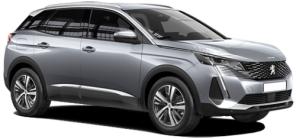
or Similar

or Similar
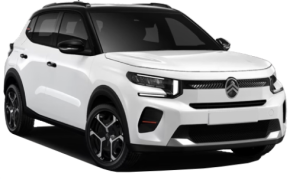
or Similar
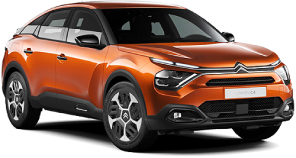
or Similar
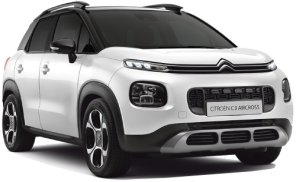
or Similar

or Similar
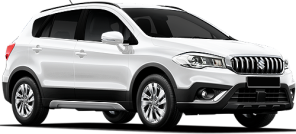
or Similar
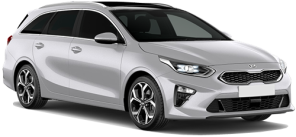
or Similar
or Similar

or Similar
Prices shown are approximate and may vary by booking dates, rental duration, and vehicle class. Check booking options for current pricing.
Discover a world of convenience, safety, and customization, paving the way for unforgettable adventures and seamless mobility solutions.
Choose from economy, compact, standard, luxury, SUV, and van categories depending on your needs.
Many suppliers offer unlimited mileage so you can explore freely without worrying about distance limits.
Easily filter rental cars by price, vehicle type, supplier, fuel policy, mileage options, and customer ratings.
See rental locations on interactive maps to quickly choose the most convenient pickup point.
Our support team can help you choose the right car and complete your booking if needed.
Search and book rental cars easily from any smartphone or tablet with our mobile-friendly platform.
Essential information about car rental companies, popular cars, rental duration, and prices at Budapest.
Sixt is the market leader at Budapest Ferenc Liszt International Airport (BUD), favored for its modern fleet. Budget is a top choice for travelers seeking great value. (Based on 10,200+ local pickups)
Compact cars are the best choice for the city. SUVs are popular for exploring the Hungarian countryside, including Lake Balaton and the Danube Bend.
Budapest rentals average 4 days. This duration allows visitors to enjoy the city's famous baths and ruin bars, plus a day trip to Szentendre or the Puszta. (Based on 10,200+ local pickups)
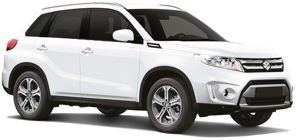
The Skoda Octavia is the top choice for its spacious interior and value. The Suzuki Vitara, built locally in Hungary, is a popular compact SUV.
Budapest rates average $45/day. Weekly rentals from $280 are popular for extended Danube River explorations.
Compare average car rental prices by month and see how rental rates vary throughout the year in Budapest.
Budapest summer peak for thermal baths and Danube cruises. Christmas market (December) busy. Sziget Festival (August) causes demand spikes. Book 2-3 months ahead.
* Prices shown are approximate. Original prices are in USD and converted using real-time exchange rates.
Essential driving rules and requirements to know when renting a car.
Get detailed information on driving rules, licence requirements, speed limits and useful local tips.
Renting a car in Budapest opens up a world of possibilities beyond the city's excellent public transport network. While Budapest is a wonderfully walkable city with trams, buses, and the iconic Metro line, having your own vehicle is the ultimate key to unlocking the rest of Hungary and the broader Central European region. For international travelers, a rental car provides unmatched flexibility, allowing you to escape the city center on a whim, explore the scenic countryside, and visit historical sites that are difficult to reach by train or bus.
When it comes to picking up your vehicle, you have two primary options: at Budapest Ferenc Liszt International Airport (BUD) or at a downtown city center location. The airport is convenient for grabbing your car immediately upon arrival, but it often comes with a significant airport surcharge—sometimes adding 15-20% to the daily rate. City center offices, particularly those located near the Western Railway Station (Nyugati) or along major thoroughfares like Váci út, typically offer lower rates and more flexible return hours. A smart money-saving tip for savvy travelers is to book a car from a downtown location for the majority of your trip, and if you're flying out, simply use a reliable ride-hailing app like Bolt or a taxi to reach the airport, often saving you days of unnecessary surcharges.
| Pickup Location | Advantages | Disadvantages |
|---|---|---|
| Budapest Airport (BUD) | Immediate access after landing; easy to find rental desks in Terminal 2. | Higher daily rates due to airport surcharge; can be busy with long queues during peak season. |
| City Center (Downtown) | Generally lower rental rates; more flexible operating hours; no airport concession fee. | Requires navigating from the airport via taxi or public transport (bus 100E) to get there. |
Renting a car in Hungary is a straightforward process for international travelers, but understanding the legal and company-specific requirements beforehand will ensure a smooth pickup. The minimum age to rent a car in Budapest is typically 21 years old, though drivers under the age of 25 are often subject to a "young driver surcharge" which can add a significant daily fee. For premium or luxury vehicle categories, the minimum age is often raised to 25 or even 30.
You will need to present a valid, full driving license from your home country. If your license uses the Latin alphabet, it is generally accepted. However, if your license is in a non-Latin script (such as Arabic, Chinese, Cyrillic, or Japanese), you will be required to present an International Driving Permit (IDP) alongside your original license. A credit card in the primary driver's name is mandatory for the security deposit (usually held as a block on the card). Debit cards are rarely accepted for this deposit by major companies in Hungary. You will also need your passport for identification. By law, third-party liability insurance is included in the rental price, but it's crucial to understand what is covered for the vehicle itself—Collision Damage Waiver (CDW) and Theft Protection (TP) often come with a high excess (deductible).
| Requirement | Details |
|---|---|
| Minimum Age | 21 years (21-24 usually subject to young driver fee) |
| Driver's License | Valid license from country of origin; IDP required for non-Latin alphabet licenses. |
| Credit Card | Visa or Mastercard in the driver's name for the deposit; prepaid cards not accepted. |
| Passport | Required for identification and verification. |
| Insurance | Basic liability is mandatory; CDW with excess is standard; consider Super CDW for zero excess. |
While Budapest's trams and metro are efficient for urban exploration, they confine you to the city limits. Renting a car transforms your trip from a city stay into a regional adventure. The true magic of Hungary lies in its rolling plains, the majestic Danube Bend, and the tranquility of Lake Balaton—all of which are easily accessible by car. For families, a rental car is a game-changer, eliminating the stress of hauling luggage on public transport and providing the comfort and space needed for longer journeys. It also allows you to travel at your own pace, stopping at roadside markets, hidden wineries, or a random castle that catches your eye from the highway.
The freedom to design your own itinerary is unparalleled. Instead of adhering to train schedules or joining a crowded tour bus, you can wake up and decide spontaneously to drive to the Hungarian Open Air Museum in Szentendre or chase the sunset at the Tihany Peninsula. For those planning to extend their trip to neighboring countries like Austria or Slovakia, having a car registered in Hungary simplifies cross-border travel. It’s the best way to experience the country like a local, giving you access to authentic "csárda" (traditional Hungarian inns) in the countryside that you would never find on a typical tourist route.
Travelers to Budapest will find a robust selection of both globally recognized rental brands and reputable local operators. International giants like Hertz, Avis, Enterprise, Budget, Sixt, Alamo, and Europcar have a strong presence, particularly at the airport and major downtown locations. These companies offer the security of a standardized fleet, 24/7 customer support, and seamless cross-border rental policies, which can be a deciding factor if you plan to drive into Austria, Slovakia, or Slovenia.
Local Hungarian suppliers, often found a short distance from the city center, can sometimes offer more competitive rates, especially for longer rentals or specific vehicle types. However, it's vital to read reviews carefully to ensure transparency regarding insurance and fuel policies. For most international travelers, opting for one of the major international brands provides a balance of reliability and convenience. Regardless of the company, booking in advance is highly recommended, particularly during the summer months (June to August) when rental demand peaks.
| Company | Price Level | Pros |
|---|---|---|
| Sixt | Medium / High | Modern fleet, high proportion of premium and luxury vehicles, excellent airport service. |
| Hertz | Medium / High | Global reliability, extensive downtown and airport locations, Gold Plus Rewards program. |
| Enterprise | Medium | Strong customer service, flexible pick-up options, often good deals for extended rentals. |
| Europcar | Medium | Large network across Europe, good selection of automatic transmission vehicles. |
| Budget / Avis | Low / Medium | Competitive pricing, easy online booking, wide availability at Budapest Airport. |
In Budapest, the choice of vehicle largely depends on your itinerary. For city-to-city travel and exploring the well-maintained Hungarian highways, economy and compact cars are the most popular choices due to their fuel efficiency and ease of parking in tighter city spaces. Models like the Ford Fiesta, Opel Corsa, or Volkswagen Polo are standard in this category. However, for those venturing to the lake districts or the rolling hills of the countryside, a compact SUV (like a Nissan Qashqai or VW T-Roc) offers a better view and more comfort on rural roads.
Families or larger groups typically opt for minivans or estate cars (station wagons), which provide ample space for luggage. Luxury vehicles, including brands like BMW, Mercedes-Benz, and Audi, are available for travelers seeking a premium experience. Pricing is highly seasonal. The high tourist season (June through August) sees prices surge by as much as 40-60% compared to the low season. Similarly, the week leading up to Christmas and the New Year period also command premium rates. For the best value, aim for shoulder months like May, September, or early October, when the weather is still pleasant but demand has cooled.
| Car Category | Average Daily Price (USD) |
|---|---|
| Small Cars (Economy) | $35 - $55 |
| Medium Cars (Compact/Intermediate) | $45 - $75 |
| SUVs | $65 - $110 |
| Vans (7-seaters) | $90 - $150 |
| Luxury Cars | $120 - $250+ |
| Metric | Details |
|---|---|
| Cheapest Month | February |
| Most Expensive Month | August |
| Average Price (Economy Car) | $45 / day |
| A Good Deal (Economy Car) | $30 - $35 / day |
| Cheapest Supplier (Typical) | Budget or local agencies (booking far in advance) |
| Cheapest Car Type | Economy manual transmission |
Budapest serves as the perfect starting point for several iconic European road trips. Here are some of the most rewarding routes to explore.
Driving in Hungary is on the right-hand side of the road. The rules are strict and enforced, with a notable police presence on major highways. Speed limits are rigorously monitored by both stationary and mobile cameras. The use of seatbelts is mandatory for all passengers, front and rear. The legal blood alcohol limit is zero—there is absolutely no tolerance for drinking and driving in Hungary. Child safety laws are stringent: children under 150 cm in height must use an appropriate child seat or booster. It is illegal to use a handheld mobile phone while driving; a hands-free system is required.
Road conditions on motorways (autópálya) are excellent, but secondary roads (mellékút) can vary, sometimes being narrow with uneven surfaces. In winter (typically from November 1st until March 31st), vehicles must be equipped with winter tires that have a minimum tread depth of 4 mm, regardless of the weather conditions. This is a legal requirement, not just a recommendation. Failing to have winter tires during this period can result in a fine if you are involved in an accident or are stopped by police.
| Rule | Regulation |
|---|---|
| Driving Side | Right |
| Urban Speed Limit | 50 km/h (31 mph) |
| Rural Speed Limit | 90 km/h (56 mph) |
| Motorway Speed Limit | 130 km/h (81 mph) |
| Blood Alcohol Limit | 0.00% |
| Seatbelts | Mandatory for all passengers |
| Winter Tire Law | Mandatory from November 1st to March 31st (or in wintry conditions) |
Hungary has an extensive network of toll roads, primarily covering all motorways (autópálya) identified with an 'M' prefix (e.g., M1, M3, M7). There are no physical toll booths; instead, the country uses a digital vignette (e-matrica) system. This means you must purchase a vignette for your vehicle before using the motorways. The vignette is linked to your vehicle's license plate and is checked electronically by cameras. Fines for driving on a toll road without a valid vignette are steep (over $100 USD) and are automatically generated.
Vignettes can be purchased at virtually all gas stations (both within Budapest and along highways), at post offices, and online via the official Hungarian toll authority website or app. They are available for various durations: 10 days (ideal for a short trip), 1 month, or 1 year. For most international travelers, the 10-day vignette is the most cost-effective option. When you rent a car, it is crucial to ask the rental company whether the vehicle already has an annual vignette. If they say it does not, you must purchase one yourself before driving onto any 'M' road.
Parking in central Budapest can be a significant challenge. The city is divided into parking zones, most of which require payment from 8:00 AM to 8:00 PM on weekdays, and sometimes on Saturdays in the busiest inner districts (District V, VI, VII). Parking fees vary by zone, with the inner city being the most expensive, costing around $1.50 to $2.50 USD per hour. Free parking is typically available on weekends and after 8:00 PM, but spaces are highly competitive, especially in popular areas like the Jewish Quarter (District VII).
For a stress-free experience, it is highly recommended to use the "Park and Ride" (P+R) facilities located on the outskirts of the city near major metro stations, such as at Újpest-Központ or Kelenföld vasútállomás. These allow you to park your car for a minimal fee (often just a few dollars a day) and take public transport into the city center. If you must park downtown, look for secure parking garages (usually signposted with a blue 'P' on a white background), which, while more expensive than street parking, offer security and guaranteed availability.
To ensure your car rental experience in Budapest is smooth and cost-effective, consider these practical tips based on local experience.
Being aware of these common pitfalls can save you from unnecessary expenses and stress during your trip to Hungary.
When Sarah and Mark landed at Budapest Airport in July, they had grand plans to not just see the city but also the countryside. They had booked a compact SUV online, opting for a downtown pickup to avoid the airport fee. After a scenic 45-minute ride on the 100E bus into the city, they picked up their Suzuki Vitara from a location near Deák Ferenc tér. The rental agent confirmed the car had a valid annual vignette, which was a huge relief. Their first drive was a bit nerve-wracking navigating the Pest side's one-way streets, but once they hit the M7 highway towards Lake Balaton, they felt total freedom. They spent the next three days hopping between lakeside towns, parking easily in designated lots, and discovering family-run wineries they would have never found by train. On their last day, they drove back to Budapest, dropped the car off full of fuel, and used a Bolt taxi to get to the airport, feeling they had unlocked the best of Hungary on their own terms.
For many international travelers, the International Driving Permit (IDP) is a crucial document when renting a car in Budapest. An IDP serves as a standardized translation of your original driver's license and is required by Hungarian authorities if your license is not issued in the Latin alphabet (English, French, German, etc.). Travelers from countries like China, Japan, Russia, the United Arab Emirates, and Israel, where the license is in Cyrillic, Arabic, or other scripts, must obtain an IDP before their departure.
An IDP is obtained in your home country before traveling, typically through an authorized automobile association such as the AAA in the United States or the AA in the United Kingdom. It is valid for one year from the date of issue or until your home license expires, whichever comes first. In Hungary, you must carry both your original national driving license and the IDP simultaneously; the IDP has no validity on its own. Failure to produce an IDP when required can result in the rental company refusing to hand over the vehicle and may also lead to fines if stopped by the police.
Markers show approximate airport or town-centre areas, not confirmed rental desks.
Compare car rental prices from trusted suppliers at more pickup points across Hungary.
Find airport guides for car rentals, parking, and ground transportation.
Try a different name, city, or IATA code.
Read verified customer reviews, ratings, and rental experiences from travelers who booked through Airport Car Hub.
Overall Rating
No reviews yet for this location. Be the first to share your experience!