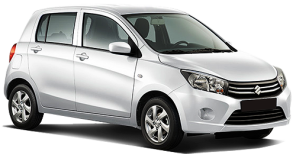
Mini
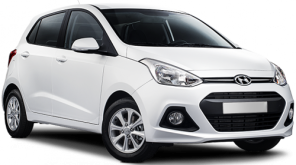
Hyundai i10
or Similar
From
$2.00/day
Compare car rental deals at Greece from trusted global suppliers. Find affordable prices and book your ideal car in minutes.








Explore our range of vehicles available in Greece.
or Similar
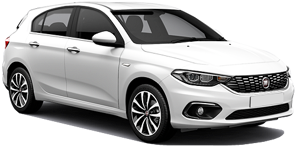
or Similar
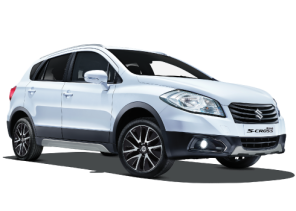
or Similar

or Similar

or Similar
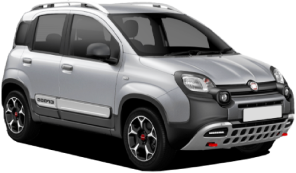
or Similar
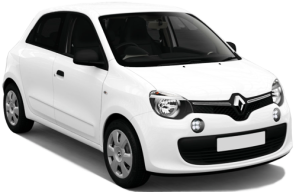
or Similar
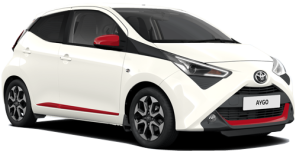
or Similar
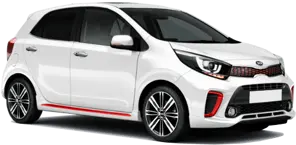
or Similar
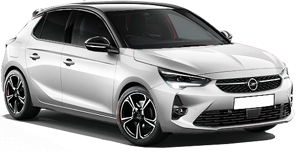
or Similar

or Similar
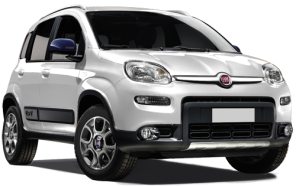
or Similar
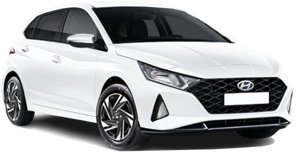
or Similar

or Similar
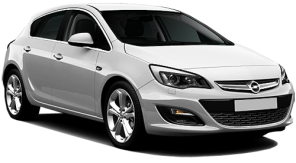
or Similar

or Similar
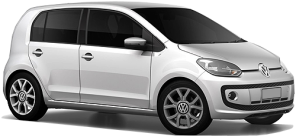
or Similar
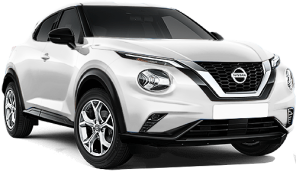
or Similar
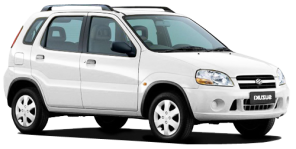
or Similar
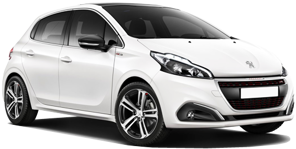
or Similar

or Similar
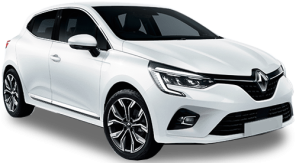
or Similar

or Similar
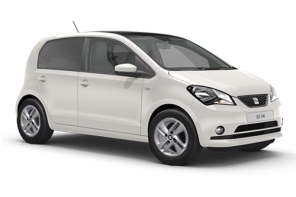
or Similar
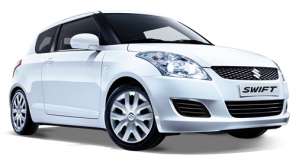
or Similar
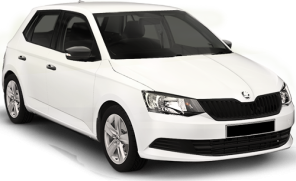
or Similar

or Similar
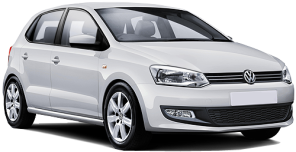
or Similar
or Similar
or Similar
or Similar
or Similar
or Similar
or Similar
or Similar
or Similar
or Similar
or Similar
or Similar
or Similar
or Similar
or Similar
or Similar
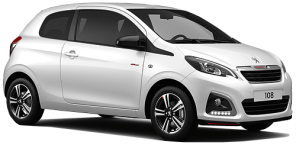
or Similar
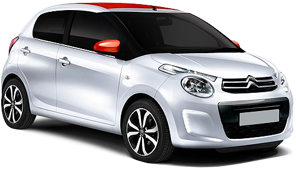
or Similar
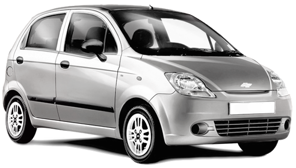
or Similar
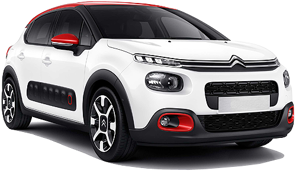
or Similar
or Similar

or Similar
or Similar

or Similar
or Similar
or Similar
Prices shown are approximate and may vary by booking dates, rental duration, and vehicle class. Check booking options for current pricing.
Discover a world of convenience, safety, and customization, paving the way for unforgettable adventures and seamless mobility solutions.
Our platform helps you find the most competitive car rental prices across multiple suppliers in one place.
Easily filter rental cars by price, vehicle type, supplier, fuel policy, mileage options, and customer ratings.
Protect your rental with optional full coverage insurance for additional peace of mind during your trip.
All rental companies on our platform are carefully verified to ensure service quality and customer reliability.
Book with confidence using our encrypted booking system that protects your personal and payment information.
All rental costs, taxes, insurance options, and fees are clearly displayed before booking.
Essential information about car rental companies, popular cars, rental duration, and prices at Greece.
Hertz is a market leader in Greece with 28% share, with a powerful presence at Athens International Airport (ATH) and on all major islands like Crete, Rhodes, and Corfu.
Compact cars are the undisputed king, essential for navigating narrow island streets and whitewashed villages. SUVs are favored for mainland trips to Meteora and the Peloponnese. Convertibles are a popular summer luxury.
Rentals average 6 days, a perfect timeframe for an island-hopping adventure or a comprehensive mainland tour of ancient sites. (Based on 35,000+ local searches)
The Nissan Micra is a top choice for its fuel efficiency and ease of parking in towns like Oia and Mykonos Town. The Fiat 500 is beloved for its style and charm on coastal drives.
Greek daily rates average $51. Weekly rentals from $340 are the standard for a perfect Greek island holiday.
Compare average car rental prices by month and see how rental rates vary throughout the year in Greece.
Island peak (July-August) with Mykonos, Santorini, and Crete extremely busy. Spring and autumn ideal for mainland sites and archaeology. Winter offers best value except in ski resorts (Arachova). Book 2-3 months ahead for summer islands.
* Prices shown are approximate. Original prices are in USD and converted using real-time exchange rates.
Essential driving rules and requirements to know when renting a car.
Get detailed information on driving rules, licence requirements, speed limits and useful local tips.
| Question | Answer (Based on Market Averages) |
|---|---|
| How far in advance should you book a rental car in Greece? | Around 7-14 days in advance for normal months. For summer and islands, 3-8 weeks ahead is recommended. |
| What is the cheapest car rental company in Greece? | CarWiz frequently shows the lowest average prices, followed by Surprice and Green Motion (varies by location & season). |
| What is the most popular rental car in Greece? | Small / Economy cars (compact hatchbacks) are the most rented due to fuel efficiency and narrow roads. |
| What is the cheapest month to hire a car in Greece? | February is usually the cheapest, followed closely by January and April. |
| What car hire company in Greece has the most locations? | Autounion Car Rental operates the highest number of locations across mainland and islands. |
| Month | Average Daily Price (USD) | Season Type |
|---|---|---|
| January | ~$14-16 | Low season |
| February | ~$13-15 | Cheapest month |
| March | ~$18-22 | Early shoulder |
| April | ~$18-20 | Shoulder season |
| May | ~$26-30 | Pre-summer |
| June | ~$42-48 | High season begins |
| July | ~$48-55 | Peak season |
| August | ~$50-58 | Most expensive |
| September | ~$28-32 | Post-peak |
| October | ~$15-18 | Shoulder season |
| November | ~$17-20 | Low season |
| December | ~$15-18 | Low season |
| Car Category | Average Daily Price | Best For |
|---|---|---|
| Economy / Mini | €15-25 | Budget travelers, cities, and islands |
| Compact | €20-30 | Couples, short road trips |
| Intermediate | €25-35 | Families, longer stays |
| SUV | €40-60 | Mountain areas, comfort |
| Minivan | €45-75 | Groups, large families |
Greece is one of Europe’s most rewarding countries to explore by car. From ancient ruins and dramatic mountain landscapes to secluded beaches and traditional villages, many of the country’s highlights are best reached on your own schedule. While buses and ferries serve major routes, they often limit flexibility and spontaneity.
Renting a car in Greece allows travelers to move freely, explore lesser-known destinations, and travel comfortably, especially for families, couples, and long-stay visitors. However, rental rules, insurance, driving conditions, and seasonal pricing can confuse first-time renters. This guide explains everything clearly so you can rent a car in Greece with confidence.
Many of Greece’s most beautiful places lie far beyond train stations and bus stops. Archaeological sites, hilltop villages, quiet coves, and inland wineries often require multiple transfers or expensive taxis if you rely solely on public transport.
With a rental car, you control your itinerary. You can stop when you want, avoid crowds, and reach locations that organized tours skip. In regions like the Peloponnese, Crete, mainland northern Greece, and most islands, a car transforms your trip from sightseeing into real exploration.
For groups or families, renting a car is often more economical than booking repeated transfers or tours, particularly during longer stays.
Most travelers rent cars at international airports such as Athens, Thessaloniki, Heraklion, or Chania. Airport rentals are convenient, operate extended hours, and allow you to begin your journey immediately after landing.
City-center rental locations can sometimes be slightly cheaper, but they often involve additional transfers, limited opening hours, and stricter pickup conditions. For travelers arriving late, carrying luggage, or planning road trips, airport pickup is usually the simplest option.
On islands, rental desks are commonly located near ports, airports, or tourist centers.
To rent a car in Greece, drivers must meet standard legal and rental company requirements. These rules are applied consistently across the country.
Insurance is one of the most important—and misunderstood—parts of renting a car in Greece. All rental vehicles include mandatory third-party liability insurance, which covers damage or injury to others.
However, damage to the rental car itself is usually covered under Collision Damage Waiver, which limits your financial responsibility but includes an excess amount. Optional insurance can reduce or eliminate this excess, providing additional protection against damage, theft, or vandalism.
Because Greek roads can be narrow, especially on islands and in historic towns, many travelers choose additional coverage for peace of mind. Always inspect the vehicle carefully at pickup and document any existing damage before driving away.
Driving conditions in Greece vary by region. Major highways are modern, clearly marked, and well-maintained. Rural roads, island routes, and mountain passes can be narrow, winding, and steep.
Greek driving style can feel assertive to visitors, particularly in cities. Defensive driving, patience, and awareness are essential. Speed limits are enforced, seat belts are mandatory, and mobile phone use while driving is prohibited unless hands-free.
Toll roads operate on major highways, particularly around Athens and central Greece. Tolls are paid at booths and should be factored into travel budgets.
Fuel prices in Greece are higher than in many countries, especially on islands. Most rental companies use a full-to-full fuel policy, meaning you return the car with the same fuel level you received.
Additional costs may include tolls, parking fees, and optional extras such as GPS devices, child seats, or additional drivers. Travelers should review rental agreements carefully to avoid surprises.
Car rental is extremely popular on Greek islands, where public transport is limited, and distances between attractions can be significant. Smaller cars are easier to drive and park on narrow island roads, and manual transmission vehicles are far more common than automatics.
Island driving requires extra attention, particularly during the summer when roads are busy with tourists, scooters, and pedestrians. Despite this, a rental car remains the most effective way to explore beaches, inland villages, and scenic viewpoints.
Car rental demand in Greece peaks between June and September. Prices rise sharply during this period, especially on islands and at major airports. Booking well in advance is essential for summer travel.
Spring and autumn offer lower prices, pleasant weather, and lighter traffic, making them ideal seasons for road trips. Winter rentals are cheapest, but availability may be limited in tourist destinations.
Cross-border car rental from Greece is possible, but it is not automatic and must be arranged in advance. Travelers planning to drive from Greece into neighboring countries should understand that each rental company sets its own rules, and driving abroad without permission can invalidate insurance and result in heavy penalties.
Greece shares land borders with several Balkan countries, making cross-border road trips appealing for travelers exploring Southeast Europe. However, rental companies treat international travel as a special condition due to insurance, vehicle tracking, and legal requirements.
Most Greek rental companies allow cross-border travel only to specific nearby countries, subject to approval. Commonly permitted destinations include Albania, North Macedonia, Bulgaria, and sometimes Montenegro or Romania. Travel to Turkey is more restricted and often not allowed due to insurance limitations.
Driving to non-EU countries usually involves stricter documentation and higher fees. Ferry crossings combined with cross-border travel often require additional permissions.
Markers show approximate airport or town-centre areas, not confirmed rental desks.
Choose a pickup location and select a destination. Map lines show approximate straight-line connections, not driving routes.
Find airport guides for car rentals, parking, and ground transportation.
Try a different name, city, or IATA code.
Read verified customer reviews, ratings, and rental experiences from travelers who booked through Airport Car Hub.
Overall Rating
"We needed a larger car for the family and luggage. The SUV we got was clean and new. Driving in Athens is crazy but at least the car had good brakes! The price was much better than the big international chains. Pickup took a bit long though, 30 mins approx."
Carlos Hernández
"Picked up a compact SUV in Athens, drove all the way to Santorini via ferry. The car was spotless and the AC was ice cold which you absolutely need in August. Staff at the counter were super quick, no hard sell on extras. Would use again."
Liam Schneider
"Rented a Jimny for Mykonos exploring. Honestly the best deal I found online after two days of searching. The agent spoke perfect English which helped a lot with the insurance explanations. The car was a bit dusty on the outside but immaculate inside. Top service."
Ethan Kowalski
"Renting a car is the only way to see the Peloponnese properly. AirportCarHub made it painless. The return was contactless which I love. Just park and scan a QR code. The car had a few dings but they were all marked on the contract. Transparent."
Jackson Miller
"Everything was online and easy. We got a bit lost returning the car to the port but the office talked us in via phone. Very patient staff. The car was a diesel manual with plenty of torque for the hills. I'd book again next time I'm in the islands."
Javier Garcia
"Booked an automatic so I wouldn't have to stress on the cliffs. The automatic transmission was smooth. The drop off at Athens airport was a breeze, just left it in the return lane. Very happy with the overall efficiency. Great job team."
Anna van den Berg
"Everything went according to plan. Shuttle bus at Heraklion airport was easy to find. We got a reliable Toyota Yaris that handled the Crete coastline perfectly. The A/C saved our lives. I appreciated that they reminded me about the toll roads in the north."
Matteo Ricci
"Nothing to complain about really. Pickup at Santorini airport was instant as the lot is right outside. Car was practically new. Only advice, maybe update the GPS maps but I used my phone anyway so no big deal. Thanks for the Ouzo recommendation."
Mikkel Andersen
"Living in the UK now but originally from Greece. I worry about my husband getting overcharged as a tourist. This company treated him with total respect. The car was clean and the price was what we agreed on the website. No silly add-ons pushed. Thank you."
Helen Christodoulou
"Got what we paid for. The car was a Hyundai i10, perfect for the narrow streets in Rhodes. A little underpowered on the steep hills but it made it. The pickup shuttle from the port was on time. Staff friendly. No nasty surprises on the bill."
Atul Ghosh
"Got a cheap old car for a budget trip. It was mechanically sound. The guy at the counter was a bit grumpy but I think he was just hot. It was 42 degrees. The car had an issue with the radio but honestly who cares, the views in Greece are the only entertainment you need."
Sergei Ivanov
"Such a smooth experience. Got a little Fiat 500 for the winding roads in Crete. It was exactly what we needed, super easy to park in Chania. The online booking through AirportCarHub was straightforward, no hidden fees at all. Five stars easy."
Olivia Bennett
"Rented a jeep for Naxos. It was a bit rugged but perfect for the dirt roads to the hidden coves. The rental agent was a lovely woman who gave us a bottle of water each because it was 38 degrees. Such a nice touch. Really felt like a local business even though I booked on a big site."
Sofia Karlsen
"Perfect little car for navigating the island. Air conditioning was strong and the transmission smooth. We got a free upgrade to a convertible because our booked class wasnt available. That made the holiday honestly. Smiling staff too."
Fatima Al-Mansoori
"The diesel SUV was a champ on the Meteora inclines. No smoke, no struggle. The office in Thessaloniki is well organized. I dinged the rim slightly on a curb but they didn't charge me for it as it fell under fair wear. Appreciate that honesty."
Dimitri Volkov
"We got a little Panda that looked tiny but fit 4 suitcases! The booking process on AirportCarHub was the easiest part of the trip planning. The price locked in was the price we paid, which I can't say for other bookings I made. Would recommend for sure."
Grace O'Brien
"Booked a sedan, received a sedan. The child booster seat I requested was waiting inside the car, already fitted. That saved us 20 minutes of fumbling. The agent gave clear instructions on the insurance. Drove safely to Marathon. Well done."
Seo-jun Park
"Zippy little car for exploring Paros. The steering was tight. The rental process at the port was efficient even though there was a crowd. We paid a bit extra for the zero excess insurance and honestly drove without a single worry. Worth the peace of mind."
Louise Tremblay
"The guy at the counter was super chill. He gave us a free map and marked out a couple of hidden beaches on the way to Sounion. That kind of local knowledge is worth 5 stars alone. The car (a small Skoda) was flawless. Will defo use them again next summer."
Benjamin Müller
"Swedish standards at Greek prices. I was happy to see the car seat for my kid was properly installed and not some broken piece of plastic. We drove around Kefalonia for 5 days. The only hiccup was a slight delay in pickup because the previous renter returned it late."
Alexander Johansson
"Very straightforward. I was worried about hidden insurance traps but they clearly explained the full coverage option without pressure. Drove from Athens to Nafplio and the car was comfortable. Return took two minutes. Highly recommended for stress-free rental."
Lucas Bennett
"Pretty flawless. Got a mid-size sedan for a week. The car had some minor scratches which the agent documented carefully on the tablet before I left, so I felt safe about the deposit. Return was fast too, just parked and dropped the keys. Good job guys."
Lily White
"A bit tricky to find the shuttle bus stop at first, but once there the process was fast. The car was a hybrid Toyota, very quiet and saved a ton on petrol costs. Driving to the Temple of Poseidon was unforgettable. Recommended."
Takeshi Mori
"I read horror stories about scams but this was completely legit. The insurance excess was standard. The car was spotless inside. We drove to Olympia and back. Solid engine, good fuel economy. The shuttle from Corfu airport was a bit cramped but it's a short ride."
Alaa El Din
"Honestly the price was the main draw but the service matched the big brands. The car was clean and new. The line at the kiosk at Heraklion moved fast. They checked my flight number to make sure I wouldn't be late returning. Smart detail."
Ana Popescu
"Straightforward. Booked, paid, drove. The car had a semi-full tank which they matched on return so I didnt have to worry about finding a gas station near the airport at 5am. Good modern car with bluetooth for music. Fair price. Thanks."
Ryan Thompson
"Excellent service from the team in Greece. I flew into Thessaloniki and the car was waiting. Only reason not 5 stars is the queue took about 25 minutes because a cruise ship had just docked. But the car itself was fantastic, a new automatic Peugeot. Drove to Meteora, stunning trip."
Simone Richard
"Living abroad but coming home for the summer. I usually grab a car from the big guys but I tried this local spot. Way cheaper and the car was much newer. It even had a phone holder stuck on the dash which is genius. Efcharisto!"
Yiannis Papadopoulos
"Rented for a week driving around the Peloponnese. The navigation system was a lifesaver on those mountain roads. Pickup at Athens airport was fast, about 15 minutes. Car was clean, drove well, full tank returned. No complaints."
Shogo Noguchi
"literally just needed a car to get my grandma to the monastaries in Meteora. the agent let me inspect the car with a flashlight before i signed which gave me peace of mind. Solid car, not flashy but it ran without a hitch. will return."
Arjun Nair
"Booked this very last minute from my phone on the plane. The price was surprisingly low compared to the usual Hertz/Avis booths I walk past. Car was a bit older but mechanically perfect. Air-conditioning blew cold all the way to Delphi. Will use again."
Thiago Mendes
"Searched for a VW Golf, got a Skoda Octavia instead which was basically an upgrade for boot space. It was perfect for our luggage. The agent spoke German which helped my wife understand the contract. No issues at all. Good solid car."
Friedrich Weber
"I just needed basic transport from A to B. Got a white generic car that worked. AC was strong, brakes were good, that's all I care about. Staff were friendly and spoke English well. Took about 10 mins to get the keys. Good experience."
Tom Baker