Mini Elite
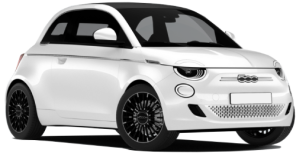
Fiat 500
or Similar
From
$2.34/day
Search and compare car rental prices from trusted global suppliers. Find the best deals instantly.








Explore our range of vehicles available in Croatia.
or Similar
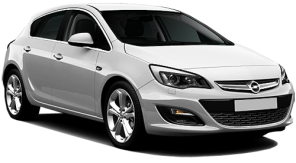
or Similar
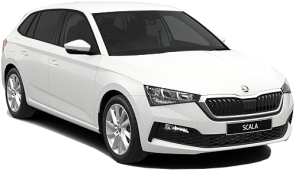
or Similar
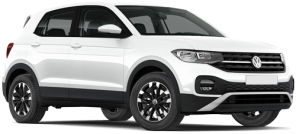
or Similar
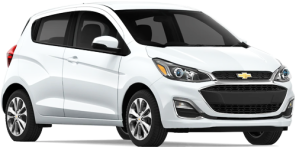
or Similar
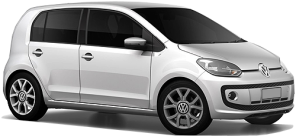
or Similar
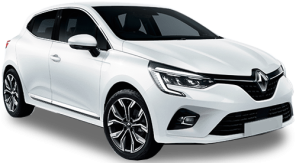
or Similar
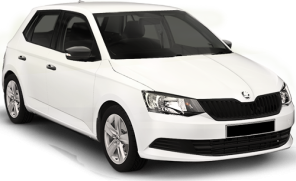
or Similar
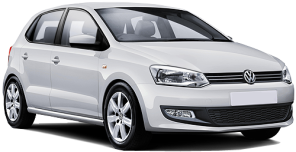
or Similar
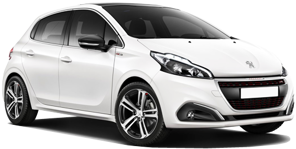
or Similar
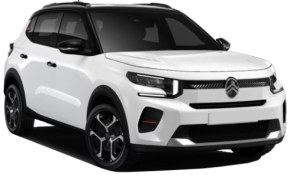
or Similar
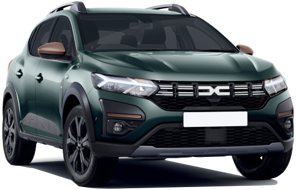
or Similar
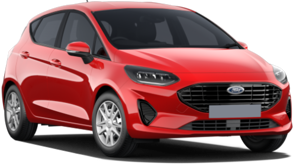
or Similar
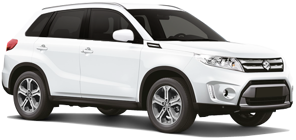
or Similar
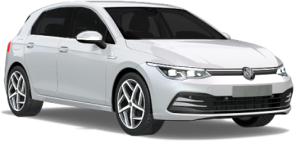
or Similar
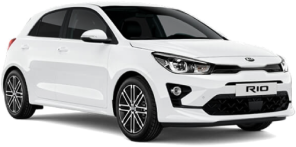
or Similar
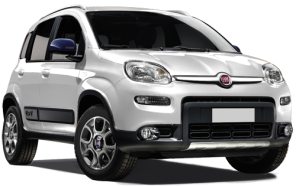
or Similar
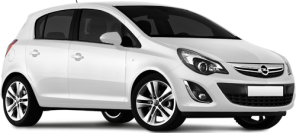
or Similar
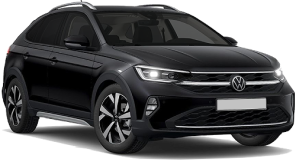
or Similar
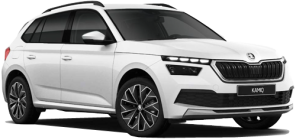
or Similar
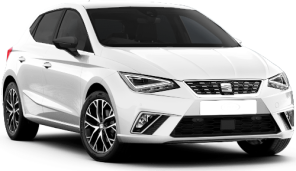
or Similar
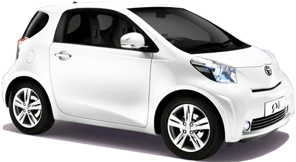
or Similar
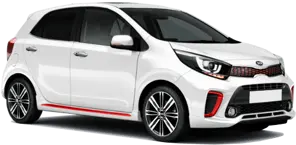
or Similar
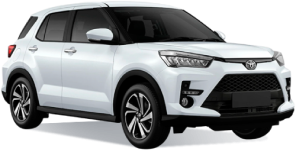
or Similar
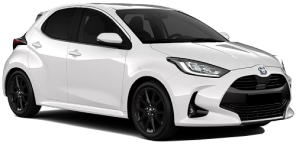
or Similar
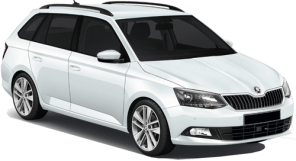
or Similar
Prices shown are approximate and may vary by booking dates, rental duration, and vehicle class. Check booking options for current pricing.
Discover a world of convenience, safety, and customization, paving the way for unforgettable adventures and seamless mobility solutions.
Find rental cars with unlimited mileage and one-way rental options perfect for long road trips.
Easily filter rental cars by price, vehicle type, supplier, fuel policy, mileage options, and customer ratings.
Search from thousands of pickup locations including airports, train stations, and city centers worldwide.
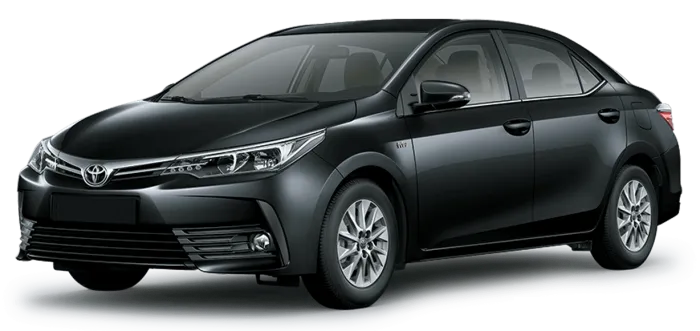
Choose from economy, compact, standard, luxury, SUV, and van categories depending on your needs.
Search rental cars in thousands of locations across more than 180 countries and major travel destinations.
Refine your search results with powerful filters to quickly find the perfect rental car for your travel needs.
Essential information about car rental companies, popular cars, rental duration, and prices at Croatia.
Sixt leads in Croatia with 29% market share, popular for its premium fleet and excellent service at Dubrovnik (DBV) and Split (SPU) airports, key entry points for the Dalmatian Coast.
Convertibles see a massive 30% share, driven by the dream of driving along the Adriatic coast with the top down. Compacts are essential for navigating historic city centers like Diocletian's Palace.
Rentals average 8 days, a perfect timeframe for a road trip from Zadar to Dubrovnik, including stops at Krka National Park and several islands accessible by ferry. (Based on 20,000+ local searches)
The Mini Cooper Convertible is the ultimate choice for stylish coastal cruising. The Volkswagen Golf is the king of the compact segment, prized for its versatility and driving dynamics on the Dalmatian highway.
Average daily prices in Croatia are $63. Convertibles command a premium in summer, but weekly rentals from $430 are typical for a full Adriatic adventure.
Compare average car rental prices by month and see how rental rates vary throughout the year in Croatia.
Dalmatian coast peak (July-August) with Dubrovnik, Split, and islands extremely busy. Spring and autumn offer ideal conditions for exploring Plitvice Lakes and historic cities. Book 2-3 months ahead for summer. One-way rentals between countries popular.
Essential driving rules and requirements to know when renting a car.
Get detailed information on driving rules, licence requirements, speed limits and useful local tips.
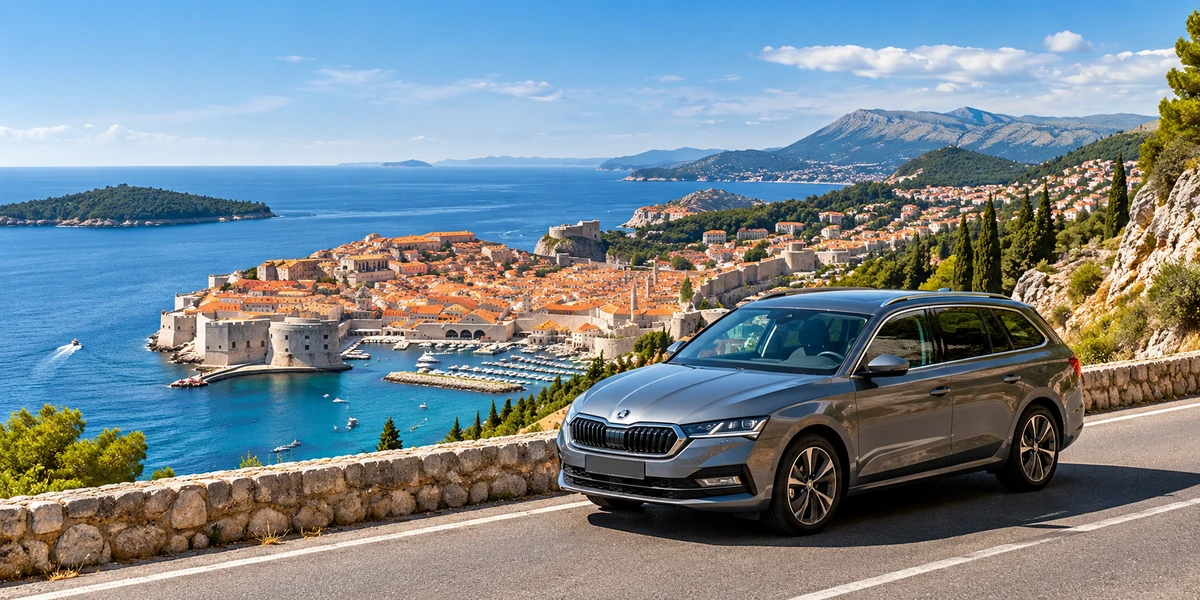
Renting a car in Croatia is widely considered the best way to experience the country's diverse beauty, from the historic Roman ruins in Split to the breathtaking Adriatic coastline and the lush interior of Plitvice Lakes National Park. The decision of where to pick up your vehicle—at the airport or in the city center—significantly impacts both your budget and convenience. All of Croatia's major international airports, including Zagreb Franjo Tuđman Airport (ZAG), Split Airport (SPU), Dubrovnik Airport (DBV), and Zadar Airport (ZAD), host numerous international and local rental desks. Picking up a car here is incredibly convenient for starting a road trip immediately upon arrival. However, this convenience comes at a cost, as airport locations often include premium surcharges and concession fees that can increase the daily rate by 10-20% compared to off-airport locations.
Conversely, picking up a car from a city center location can lead to significant savings, but it requires navigating public transport or a taxi from the airport to the rental office. Major tourist cities like Dubrovnik, Split, Zadar, and the capital, Zagreb, have rental offices scattered throughout their city centers and near ferry ports, offering more competitive rates. For those arriving by ferry from Italy, picking up a car at the Split or Dubrovnik ferry ports is a seamless option. A key money-saving tip is to compare the total cost, including any transportation to the office, between airport and city locations. Sometimes the airport surcharge is offset by the convenience and the cost of a taxi into town, so a comprehensive comparison is always worthwhile.
| Pickup Location | Key Details |
|---|---|
| Airport (e.g., Split, Dubrovnik, Zagreb) | High convenience, immediate access to car upon arrival. Subject to premium airport surcharges and fees. Open long hours to match flight schedules. |
| City Center (e.g., Split Old Town, Dubrovnik) | Lower rental rates, no airport fees. Requires transport from the airport. May have limited operating hours and can be tricky to navigate with luggage. |
| Ferry Port (e.g., Split, Dubrovnik, Zadar) | Ideal for those arriving by sea. Good selection of suppliers, particularly in Split. Surcharges can be similar to city center locations. |
Before you can hit the scenic Croatian roads, you must meet a few standard requirements, which are strictly enforced by rental companies. The minimum age to rent a car in Croatia is typically 21 years old. However, drivers under 25, and sometimes those over 70, will incur a "young driver surcharge" or "senior driver fee." This daily fee can add a significant amount to the total cost, so it is crucial to factor this into your budget. A full, valid driver's license from your country of residence is required, and it must have been held for at least one year in most cases.
For travelers from the EU/EEA, a national driving license is perfectly acceptable. For all other nationalities, such as those from the USA, Canada, Australia, or the UK, an International Driving Permit (IDP) is highly recommended alongside your original license. While not always mandatory for short stays, an IDP serves as an official translation of your license and is often required by Croatian traffic police during a stop or when picking up your vehicle. You will also need a valid passport for identification. A major credit card in the main driver's name is non-negotiable for the security deposit; debit cards are rarely accepted, and if they are, they often require proof of return travel and a much larger hold on funds.
| Requirement | Details for International Travelers |
|---|---|
| Minimum Age | 21 years. Drivers under 25 and over 70 typically pay a daily surcharge. |
| Driver's License | Valid license from country of residence. EU licenses are fully accepted. |
| International Driving Permit (IDP) | Required for non-EU license holders (e.g., USA, Canada, Australia). Bring your original license too. |
| Credit Card | Mandatory for the security deposit. Must be in the main driver's name. Debit cards are generally not accepted. |
| Passport | Required for identification and verification. |
| Insurance | Basic Third-Party Liability is mandatory. Collision Damage Waiver (CDW) and Theft Protection are standard but often come with a high excess/deductible. |
Renting a car in Croatia unlocks a level of freedom and flexibility that is impossible to achieve with public transport or organized tours. While buses and ferries connect the major cities, a rental car allows you to venture off the beaten path, discover hidden coves along the coast, and visit inland attractions at your own pace. For families or groups of friends, it is often more economical and convenient than purchasing multiple tickets for trains, buses, and boats, especially when traveling with luggage or making multiple stops.
The true magic of Croatia lies in its diversity, and a car is the key to experiencing it all. Imagine driving along the stunning coastal road from Split to Dubrovnik, stopping at picturesque towns like Makarska and Ston whenever the mood strikes. Or, picture a journey inland to the cascading lakes of Plitvice or Krka National Parks, where having a car means you can arrive early to avoid the crowds. For those seeking a more authentic Croatian experience, a rental car provides the mobility to explore the Istrian peninsula's hilltop towns and sample its world-class truffles and wines without being tied to a tour schedule.
Travelers to Croatia are spoiled for choice when it comes to selecting a rental provider, with a healthy mix of global giants and reputable local agencies competing for business. Major international brands such as Hertz, Avis, Enterprise, Budget, Sixt, Alamo, and Europcar have a strong presence at all major airports and city centers. These companies offer the reassurance of standardized fleets, 24/7 roadside assistance, and well-recognized customer service policies, which can be comforting for first-time visitors.
Local Croatian companies like Oryx, Nova Rent a Car, Surprice, and Unirent often provide more competitive pricing and a more personalized service. They are a fantastic option for budget-conscious travelers and are usually very familiar with local driving conditions and hidden-gem destinations. Using a rental comparison platform like Kayak, Expedia, or Auto Europe is highly recommended. These platforms allow you to compare the total price, inclusions, and terms of both international and local suppliers side-by-side, ensuring you get the best deal and coverage for your specific needs.
| Company | Price Level | Pros |
|---|---|---|
| Sixt | Medium / High | Excellent fleet of luxury and premium vehicles, modern cars, strong presence at airports. |
| Hertz | Medium | Global reliability, wide network of locations, good loyalty program benefits. |
| Enterprise | Medium | Excellent customer service, large fleet variety, many city-center locations. |
| Oryx | Low / Medium | Competitive local prices, good range of economy and compact cars, friendly service. |
| Nova Rent a Car | Low | Often among the cheapest options, convenient airport desks, good for budget travelers. |
| Europcar | Medium | Wide selection of vehicles, including vans and commercial options, strong in Western Europe and Croatia. |
The type of vehicle you choose can make or break your Croatian road trip. The narrow, winding streets of historic towns like Dubrovnik and Split favor smaller cars, making the economy and compact categories the most popular choices for couples and solo travelers. Cars like the Fiat 500, Renault Clio, or Volkswagen Polo are not only easy to park but also very fuel-efficient, which is a major plus given Croatia's fluctuating fuel prices.
For families or groups traveling with luggage, a compact SUV or a station wagon offers a perfect balance of space and maneuverability. Vehicles like the Volkswagen Golf Estate or a Dacia Duster are excellent choices for tackling the occasional gravel road leading to a secluded beach or a national park. During the peak summer months of July and August, and again around the Christmas and New Year holidays, rental prices surge due to high demand. Booking well in advance during these periods is essential not only to secure a car but also to get a reasonable rate. In the shoulder seasons (May-June and September-October), prices drop significantly, and you can often find excellent deals.
| Car Category | Average Daily Price (USD) |
|---|---|
| Small Cars (e.g., Fiat 500) | $25 - $55 |
| Medium Cars (e.g., VW Golf) | $35 - $70 |
| SUVs (e.g., Dacia Duster) | $50 - $100+ |
| Vans (e.g., VW Transporter) | $70 - $150+ |
| Luxury Cars (e.g., BMW 3 Series) | $90 - $200+ |
Car rental prices in Croatia are highly dynamic and closely tied to the country's tourism seasons. The cheapest time to rent a car is undoubtedly during the low season, from November to March (excluding the holiday period), when prices can drop to as low as $15-20 per day for a small car. The weather is cooler, but it's an ideal time for city breaks to Zagreb or exploring the quieter, snow-dusted Plitvice Lakes. As the weather warms in the shoulder months of April, May, and October, prices begin to rise steadily but still offer great value.
The most expensive period is the peak summer season, from late June through August. During these months, demand from tourists flocking to the coast far outstrips supply, causing prices to skyrocket. It's not uncommon for a small car that rents for $25 in May to cost over $80 or even $100 per day in July. The same price surge happens during the Easter holidays and around Christmas and New Year's. The key to getting a good deal in Croatia is to book as far in advance as possible, especially for summer travel, and to be flexible with your pickup location and car category.
| Cheapest Month | January |
| Most Expensive Month | July |
| Average Price (Small Car) | $40 - $60 USD |
| A Good Deal (Small Car) | Under $30 USD/day |
| Cheapest Supplier Type | Local Agencies (e.g., Oryx, Nova) |
| Cheapest Car Type | Economy/Manual Transmission |
Croatia is a road tripper's paradise, with routes that showcase its stunning Adriatic coastline, historic cities, and pristine natural wonders. Here are a few of the most famous journeys you can take.
Understanding local driving laws is essential for a safe and legal trip. Croatians drive on the right-hand side of the road, and the driver's seat is on the left in all rental cars. Speed limits are strictly enforced, often by cameras, so it's important to adhere to them. In built-up areas, the limit is 50 km/h. On open roads outside towns, it's 90 km/h. On main highways ("brza cesta"), the limit is 110 km/h, and on motorways ("autocesta"), it is 130 km/h. The legal blood alcohol limit is very low at 0.05%, but for professional drivers and those with less than two years of experience, it is 0.00%. It's best to have no alcohol at all if you are driving.
Seatbelts are mandatory for all passengers in the vehicle. Children under 1.5 meters in height must use an appropriate child seat or booster seat. The road conditions in Croatia are generally very good, especially on the major toll motorways. However, in rural areas and on some coastal roads, you may encounter narrow, winding sections that require careful driving. During winter months (generally from November to April), winter tires are legally required if there are winter conditions (snow, ice) on the road. Many rental cars come with winter tires during this period, but it's wise to confirm with your rental company.
| Road Type | Speed Limit (km/h) |
|---|---|
| Urban Areas / Towns | 50 km/h |
| Open Roads | 90 km/h |
| Main Highways (Brza Cesta) | 110 km/h |
| Motorways (Autocesta) | 130 km/h |
A significant portion of Croatia's modern motorway network ("autocesta") is tolled. This includes the main A1 motorway that connects Zagreb to Split and Dubrovnik (via the Pelješac Bridge), as well as other major routes. You will typically take a ticket upon entering the motorway and pay when you exit, based on the distance traveled. Tolls can be paid in cash (Croatian Kuna or Euro as of 2026) or by credit/debit card at the toll booths. The costs are reasonable, with a journey from Zagreb to Split costing approximately $20-25 USD each way.
In addition to the main motorways, there are also tolls for tunnels and bridges, such as the Učka Tunnel in Istria and the Krk Bridge (now free). The Pelješac Bridge, which connects the mainland to the Pelješac peninsula, also has a toll. For travelers planning extensive use of the motorways, Croatia also offers an electronic toll collection system called "ENC." However, for most visitors on a short trip, simply paying by card or cash at the toll plaza is the easiest and most straightforward method.
Parking in Croatia's historic coastal cities can be a challenge, particularly during the peak summer season. Most old towns, like Dubrovnik's Stari Grad, Split's Diocletian's Palace, and Rovinj's old center, are pedestrian-only zones. Driving into these areas is not permitted, and your rental car agreement will likely forbid it. Instead, you will need to park in designated lots or garages just outside the city walls. These lots are clearly signposted and are safe and secure, though they can be expensive, costing anywhere from $1.50 to $3.00 per hour or a fixed daily rate of $15-30.
In larger cities like Zagreb, Split, and Zadar, you'll find a mix of street parking (marked by zones: red, blue, and green zones with varying time limits and costs) and public parking garages. Payment for street parking is typically made at a nearby machine, and you must display the ticket on your dashboard. Outside of city centers and in smaller towns and on islands, parking is generally much easier and often free. Always look for clear signage indicating parking rules, and never park in a space reserved for residents or in a way that blocks traffic, as fines can be hefty.
Arming yourself with a few practical tips can save you money and stress, ensuring your Croatian road trip is smooth and enjoyable.
Even seasoned travelers can fall into common traps when renting a car abroad. Being aware of these pitfalls will help you avoid them.
Last September, my partner and I landed in Split, eager to explore the Dalmatian coast. We'd booked a small Renault Clio through a comparison site months in advance with a local company. Picking it up at the airport was a breeze—the desk was just outside baggage claim, and the agent was friendly and efficient. Our first challenge was navigating the busy Split traffic, but within an hour, we were cruising along the coastal highway to Dubrovnik. The freedom was intoxicating. We spontaneously stopped at a tiny beach near Makarska that wasn't in any guidebook, and later, we took a detour up to the village of Ston for the most incredible fresh oysters. The drive back along the same road at sunset, with the Adriatic Sea glistening below us, was a moment of pure travel magic. Returning the car was just as simple, and the whole experience gave us the confidence to plan a much longer road trip through Istria the following year.
For travelers from outside the European Union, the question of whether you need an International Driving Permit (IDP) for Croatia is an important one. While your valid national driver's license is the primary document, an IDP is highly recommended and often required. Croatia is a signatory to international road traffic conventions, meaning that an IDP serves as an official translation of your license. If your license is not in the Roman alphabet (e.g., licenses from Japan, or Arabic script) or if it is from a non-EU country like the USA or Canada, the Croatian police are well within their rights to request an IDP during a routine traffic stop.
Obtaining an IDP is a straightforward process. In the United States, you can get one at any AAA or AATA office. In the UK, it's available at major Post Offices. You simply need to bring two passport-sized photos, your valid driver's license, and a small fee. The permit is valid for one year from the date of issue and should be carried alongside your original license. It's a small investment for peace of mind, ensuring you won't face any issues if you're pulled over or, in some cases, when picking up your rental car. Remember that an IDP is not a substitute for your driver's license; it is only a translation and must be presented with your original, valid license.
Markers show approximate airport or town-centre areas, not confirmed rental desks.
Find airport guides for car rentals, parking, and ground transportation.
Try a different name, city, or IATA code.
Read verified customer reviews, ratings, and rental experiences from travelers who booked through Airport Rento.
Overall Rating
"Irish lad renting in Split. Dead easy process. Got a Kia Ceed. Drove to Makarska for a wedding. No bother at all. Would definitely use again. Cheers lads!"
Liam Murphy
"Rented in Dubrovnik. Got a Toyota Yaris - tiny but perfect for narrow streets. Drove to Cavtat and Montenegro. Cross-border was arranged easily. Happy with the service."
Johan Andersen
"Tunisian traveling in Croatia. Rented a Hyundai Tucson for off-road potential (didn't need it but was nice). Pickup in Split efficient. Car was spotless. Good communication."
Nadia Bouazizi
"Reserved online, pickup in Split was quick. The Renault Clio was clean and ran fine. Only minor complaint - waited 15 mins for shuttle. But overall solid value."
Heinz Zimmermann
"I'm Croatian but live abroad. Rented when visiting family. The website was easy, car was ready at Zagreb. Fair prices compared to local agencies. Will book again."
Petar Horvat
"Booked from Zadar. The whole process took maybe 10 minutes. Car was a Fiat 500 - perfect for narrow Croatian streets. Drove to Plitvice Lakes. No hidden fees. 10/10"
Emma Laurent
"Québécoise en Croatie. Réservé à Zagreb. Voiture Nissan Qashqai - parfaite pour nos bagages. Service rapide. Tout était propre. Merci beaucoup!"
Sophie Tremblay
"Picked up a Skoda Kamiq at Zagreb airport. Car was in great shape. Drove to the coast and back. Customer service was responsive via email. No complaints here."
Hans Fritz
"Booked online. Picked up at Zagreb. Car was ready. Drove to Istria. No issues. 5 stars."
Olivia Baker
"Picked up at Split airport. Staff spoke English well. Got a Mazda 2 - clean and economical. Drove to Omis and Brela. Dropoff was quick. Would use again."
Mei-Lin Wang
"Used AirportCarHub for the first time. Good prices compared to others. The Opel Astra was reliable. Dropped off in Split with no drama. Would recommend to friends."
Samuel Wu
"Rented in Zagreb. Car was fine. But the return process took 25 mins because they were understaffed. Almost missed my flight. Car was good but service needs improvement."
Benedikt König
"Picked up in Zagreb, dropped in Dubrovnik. The one-way rental was affordable. Car was a BMW 1 series - luxury touch. Staff upgraded us for free because we waited 5 mins. Amazing!"
Serena Rossetti
"First time renting in Europe. AirportCarHub made it simple. Picked up in Zagreb, dropped in Split. Full insurance option gave peace of mind. Car was a Renault Megane - comfy."
Vikram Sharma
"Rented a SUV for family of 4 in Dubrovnik. Car was fine but had some scratches (documented). Staff a bit slow at check-in. But the price was right and we got where we needed."
Mohamed El-Sayed
"Crossed border from Italy to Rijeka. The rental included cross-border permission which was great. Car was a diesel Seat Leon - economical. Staff spoke Italian too!"
Alessandro Ricci
"Rented in Dubrovnik. Staff was nice. Car was a bit dusty but fine. Drove to Montenegro for a day trip (extra fee for cross-border but fair price). Good service overall."
Bianca Silva
"Booked last minute for a girls trip. Got a VW Polo. Clean, fuel efficient, AC cold. Pickup at Zadar airport was fast. Dropped off with no issues. Happy customer here."
Chloe Anderson
"Irish guy in Croatia. Rented a convertible - best decision ever. Drove the coastal road from Split to Dubrovnik. Unreal views. Car was perfect. Staff were legends. 5 stars no question."
Ryan O'Connor
"Flew into Pula. Shuttle was waiting. Got a Hyundai i20 - clean and full tank. Drove to Rovinj and Porec. Returning was equally easy. Will book again for sure."
Gunnar Lundberg
"Rented from Zadar. Got an automatic (important for me). Car was a Toyota Corolla. Drove to Krka National Park. Everything went smooth. Would recommend to Dutch travelers."
Hans de Vries
"Traveling from Japan to Croatia for 2 weeks. Rented a Dacia Sandero - basic but very cheap. No AC problems even in July heat. Pickup in Dubrovnik was fast. Thanks!"
Aoi Yoshida
"We booked last minute. Got a Peugeot 208. Nothing fancy but it worked. AC was weak but manageable. Pickup in Split was fine. Dropped in Zadar without problems."
Natalia Kowalski
"Picked up at DBV airport. Staff was friendly and efficient. Got a VW Golf with only 15k km. Drove to Peljesac peninsula for wine tasting - amazing experience. Will use again."
Sarah Williams
"Rented in Zagreb. Car was ready. No hidden fees. Drove to Slovenia for a day. Cross-border allowed. Staff were professional. Nothing special but nothing bad either."
Andrey Volkov
"Booked online from US. Picked up at Split airport. Car was a Ford Focus - clean and comfortable. Drove to Hvar (ferry included). Dropoff took 2 minutes. Highly recommend!"
Elena Martinez
"Rented at Dubrovnik airport. Got a Suzuki Swift - manual. Drove to Mostar in Bosnia (cross-border fee applied but reasonable). Return was easy. Good value overall."
Hiroshi Nakamura
"Rented for 5 days in Zadar. Car was fine but pickup took 30 minutes. The guy before me had a dispute about insurance. Staff handled it but was slow. Car worked though. 3 stars."
Jonathan Taylor
"Rented a Fiat 500L for our family. Picked up in Split. Staff was warm and helpful. Car was clean and had baby seat as requested. Drove to Trogir and Sibenik. Great time!"
Sofia Konstantinou
"Rented in Split for 7 days. Got a Dacia Logan - basic but cheap and reliable. Drove to Plitvice and Zadar. No issues at all. Staff was professional. Would use again."
Mahmoud Al-Najjar
"Family trip to Croatia. Rented a 7-seater (VW Touran). Kids had space. AC worked well. Pickup in Dubrovnik was organized. Dropped in Split. Everything fine."
Rakan Al-Otaiba
"Rented a Skoda Octavia for 10 days. Pickup at Zagreb airport was seamless, car was practically new. Drove down to Split and Dubrovnik without any issues. Highly recommend!"
Jarlath OConnor
"Pickup was efficient in Dubrovnik. However the car (Opel Corsa) had a warning light on. Called support and they said it was fine. Made me nervous but no actual issues. 4 stars."
Diana Petrescu
"Rented in Dubrovnik. Got a Seat Arona. Drove to Korcula (ferry no issue). Staff was friendly and explained the insurance clearly. No hidden costs. Very happy."
Mateo Gonzalez
"Rented in Split airport. The Ford Fiesta was fine for two people. Drove to Makarska and Hvar (took ferry). Staff explained everything clearly. No surprise charges."
Paula Tapia