Mini
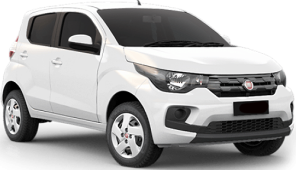
Fiat Mobi
or Similar
From
$25.72/day
Search and compare car rental prices from trusted global suppliers. Find the best deals instantly.








Explore our range of vehicles available in Cartagena Airport (CTG).
or Similar
or Similar

or Similar
or Similar
or Similar

or Similar

or Similar

or Similar

or Similar
or Similar
or Similar

or Similar
or Similar

or Similar

or Similar
or Similar

or Similar

or Similar

or Similar
or Similar

or Similar

or Similar

or Similar
Prices shown are approximate and may vary by booking dates, rental duration, and vehicle class. Check booking options for current pricing.
Discover a world of convenience, safety, and customization, paving the way for unforgettable adventures and seamless mobility solutions.
Read verified customer reviews and ratings to help you choose the best rental supplier for your trip.
All rental costs, taxes, insurance options, and fees are clearly displayed before booking.
Many suppliers allow you to add additional drivers so you can share driving responsibilities.
Access rental cars in downtown locations and popular tourist areas for easy travel during your stay.
Choose from economy cars, sedans, SUVs, luxury vehicles, and vans to match your travel needs and budget.
Our platform helps you find the most competitive car rental prices across multiple suppliers in one place.
Essential information about car rental companies, popular cars, rental duration, and prices at Cartagena Airport (CTG).
Localiza at Rafael Núñez International Airport leads with 26% market share, serving the millions of tourists flocking to this Caribbean walled city.
Compacts are the most popular for navigating the narrow streets of the walled city and for trips to the nearby beaches. SUVs are chosen for exploring further afield.
CTG rentals average 3-5 days for exploring the historic center, visiting the San Felipe Castle, and enjoying the Rosario Islands. (Based on 5,500+ airport pickups)
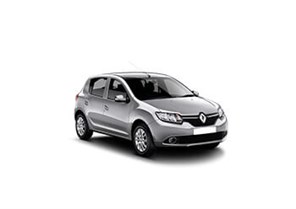
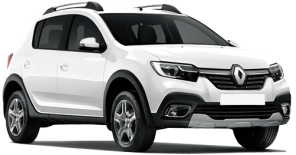
The Renault Sandero is a practical and affordable choice. The Chevrolet Tracker is a popular small SUV for its modern features.
Cartagena Airport rates average COP 210,000/day (approx. $52 USD). Rates spike during peak tourist seasons (December-January, June-July).
Compare average car rental prices by month and see how rental rates vary throughout the year at Cartagena Airport.
Cartagena Airport - Dry season (December-April) peak for walled city tourism. Cruise ship visits increase demand. Rafael Núñez International. Book 2-3 months ahead.
Essential driving rules and requirements to know when renting a car.
Get detailed information on driving rules, licence requirements, speed limits and useful local tips.
Arriving at Rafael Núñez International Airport (CTG) marks the beginning of your Colombian Caribbean adventure, and for many savvy travelers, the first order of business is securing a rental car. Renting a car at Cartagena Airport (CTG), Colombia, is a straightforward process, with all major rental desks conveniently located just outside the baggage claim area. This immediate access allows you to bypass the taxi queues and be on your way to exploring the walled city or the coastal highways in a matter of minutes. While taxis are readily available, having your own vehicle transforms a trip centered around the historic center into a full-blown exploration of the Bolívar department and beyond.
Choosing to pick up your vehicle at the airport rather than in the city center offers distinct advantages. The primary benefit is convenience; you avoid the hassle of hauling luggage onto a taxi, checking into your accommodation, and then venturing back out to find a rental office. However, this convenience often comes with a premium. Airport locations typically add an airport surcharge or concession fee to the daily rate, which can be between 10% and 20% higher than picking up from a downtown branch. If you’re staying in the walled city or Bocagrande for several days before embarking on a road trip, it might be more economical to taxi to your hotel first and rent from a city location later. For those landing and heading straight to the Rosario Islands beaches or the colonial town of Santa Marta, the airport pickup is invaluable.
Money-Saving Tip: If your itinerary involves a mix of city exploration and coastal driving, consider a split rental. Rent a car for the duration of your road trip segment, and rely on walking or inexpensive taxis (which are abundant in Cartagena) for the days you spend within the city walls. Parking inside the historic center is notoriously difficult and expensive, so this strategy saves both money and stress.
| Pickup Location | Advantages | Disadvantages |
|---|---|---|
| Cartagena Airport (CTG), Colombia | Immediate departure; no extra taxi fares; wide vehicle availability; easy return before departure. | Airport surcharge; potentially higher daily rates; can be chaotic during peak arrival times. |
| City Center (Bocagrande/El Centro) | Lower daily rates; often no airport fee; flexible pickup times for non-flight schedules. | Requires taxi/Uber to get to office; office hours may be limited; less convenient with luggage. |
Before you finalize your booking, it’s crucial to understand the legal and administrative requirements for renting a vehicle in Colombia. The process is similar to the US or Europe but has specific nuances regarding age and documentation that international travelers must respect. Being prepared with the correct paperwork will ensure a smooth handover at the counter and get you on the road faster.
The primary requirements include a valid driver’s license from your country of origin, a passport with your entry stamp, and a major credit card in the driver’s name. Most rental agencies in Cartagena Airport (CTG), Colombia, are strict about the credit card policy; debit cards are rarely accepted for the security deposit, even if they carry a Visa or Mastercard logo. Additionally, the minimum age to rent is typically 21, though drivers under 25 often face a "young driver surcharge" that can add $15 to $25 USD per day to the rental cost. Insurance is mandatory, and while your credit card may offer collision damage waiver (CDW) coverage, Colombian law requires a minimum level of third-party liability insurance (SOAT) which is often bundled into the rental package.
While an International Driving Permit (IDP) is not legally required for short-term visitors holding a valid license from their home country, having one can significantly simplify interactions with local law enforcement. An IDP acts as a standardized translation of your native license. If your license is not in Spanish or English (e.g., Chinese, Japanese, or Arabic), an IDP is highly recommended. For US, Canadian, and most European license holders, the original license is sufficient, though police occasionally request an IDP. For peace of mind and to avoid potential fines during a traffic stop, obtaining an IDP from your local automobile association before traveling is a prudent step.
| Requirement | Details |
|---|---|
| Minimum Age | 21 years old (Young driver fee: 21-24 years old, approx. $15–$25 USD/day) |
| Driver's License | Valid license from country of origin (English/Spanish preferred; IDP recommended for non-Latin alphabet) |
| Credit Card | Major credit card (Visa, Mastercard, Amex) in the primary driver’s name. Debit cards not accepted. |
| Passport | Valid passport with Colombian entry stamp (tourist visa is not required for most nationalities). |
| Insurance | Mandatory SOAT (liability) plus CDW/LDW. Check coverage for theft and third-party damage. |
Cartagena’s historic center, a UNESCO World Heritage site, is undeniably walkable, but the magic of the Colombian Caribbean extends far beyond the city’s coral-stone walls. Renting a car unlocks the freedom to discover hidden beaches, mangrove forests, and authentic villages that are inaccessible by the limited public bus system. While Uber and taxis are sufficient for short city hops, they become costly and impractical for day trips to locations like the mud volcano (El Totumo) or the beaches of La Boquilla.
Having your own vehicle allows you to travel on your own schedule. You can chase the sunset along the coast, stop at roadside fruit stands to try exotic fruits like lulo and zapote, and carry beach gear, coolers, and souvenirs without worrying about taxi space. For families or groups, a rental car often proves more economical than coordinating multiple cabs for excursions. It transforms a standard beach vacation into a dynamic exploration of the region’s diverse landscapes, from arid deserts to lush mangroves.
The rental landscape at Rafael Núñez International Airport is dominated by a mix of globally recognized brands and reputable local Colombian companies. Major international players like Hertz, Avis, and Enterprise maintain a strong presence right outside the arrivals terminal, offering the reliability of standardized vehicles and global loyalty programs. Local suppliers often provide more competitive rates, especially for longer rentals, and may offer a more flexible approach to vehicle conditions, though the check-in process can sometimes be slower.
When choosing a company, consider the trade-off between price and convenience. International chains typically have newer fleets and faster online reservation systems, but local companies might offer better last-minute deals. It’s essential to inspect the vehicle thoroughly with an agent before driving off, noting any existing scratches or dents on the rental agreement—a practice that holds true regardless of which company you choose.
| Company | Price Level | Pros |
|---|---|---|
| Localiza | Medium | Strong local reputation; large fleet; often better availability for SUVs; good airport presence. |
| Hertz | Medium-High | Reliable international standards; easy one-way rentals; accepts major loyalty programs. |
| Avis | Medium-High | Well-maintained fleet; efficient counter service; good for premium/luxury vehicles. |
| Sixt | Medium | Competitive pricing on premium cars; modern fleet; streamlined digital check-in. |
| Budget | Low-Medium | Generally lower base rates; good for economy cars; straightforward insurance options. |
| Alamo | Medium | Often has the best rates for long-term rentals; user-friendly return process. |
The tropical climate and varied terrain of the Caribbean coast influence rental preferences. While an economy car is perfect for navigating the narrow streets of Getsemaní, many travelers opt for SUVs to handle the occasional rough patches on roads leading to remote beaches like Playa Blanca. Automatic transmissions are the norm for most international renters, though manual vehicles are available at a lower price point. Air conditioning is non-negotiable; it’s standard in all rental vehicles, but always verify it’s working before accepting the keys.
Rental prices fluctuate significantly based on seasonality. The high tourist season (December to February, plus Easter Week and mid-year school holidays) sees daily rates nearly double. Conversely, the low season (September to November) offers the best deals, with prices dropping to their annual minimums. If you are visiting during a major holiday like the Cartagena Independence Festival (November), book months in advance to secure availability and a reasonable rate.
| Vehicle Category | Example Models | Average Daily Price (USD) |
|---|---|---|
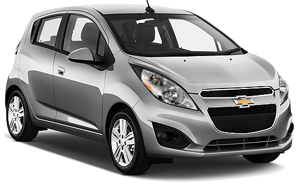
| Small/Economy Cars | Chevrolet Spark, Kia Picanto | $35 – $60 |
| Medium Cars | Chevrolet Onix, Nissan Versa | $45 – $80 |
| SUVs | Renault Duster, Chevrolet Tracker, Ford Ecosport | $65 – $120 |
| Vans / 7-Passenger | Chevrolet Spin, Renault Kangoo | $80 – $150 |
| Luxury Cars | Jeep Grand Cherokee, Mercedes-Benz A-Class | $100 – $250+ |
| Pricing Factor | Details |
|---|---|
| Cheapest Month | September – November (Rainy/Low Season) |
| Most Expensive Month | December – January (Holiday/High Season) |
| Average Price (Economy) | $45 USD/day |
| A Good Deal (Economy) | Under $35 USD/day |
| Cheapest Supplier (Typical) | Localiza or Budget (subject to availability) |
| Cheapest Car Type | Manual transmission economy cars |
Picking up your car at the airport immediately opens up a world of road trip possibilities. The Colombian coast is crisscrossed with highways that range from modern toll roads to scenic, winding coastal routes. Here are a few essential road trips to consider:
Driving in Colombia is on the right-hand side of the road, similar to the US and mainland Europe. While the highways are generally in good condition, driving within the city limits of Cartagena requires patience. Drivers can be assertive, and traffic jams are common in Bocagrande and near the port area during rush hour (7:00-9:00 AM and 5:00-7:00 PM). Police presence is visible, especially on major highways, and they may set up random checkpoints to verify documents.
Speed limits are strictly enforced, often with radar guns. The use of seatbelts is mandatory for all passengers, and children under 10 years old must ride in the back seat. Colombia has a strict "zero tolerance" policy for drinking and driving; the legal blood alcohol limit is 0.02%—effectively one drink. It’s safest to avoid alcohol entirely if you plan to drive.
| Road Type | Speed Limit |
|---|---|
| Urban Areas (City Streets) | 30 km/h – 60 km/h (18 – 37 mph) |
| Main Roads (Within City) | 60 km/h – 80 km/h (37 – 50 mph) |
| Highways (Via al Mar) | 80 km/h – 100 km/h (50 – 62 mph) |
Toll roads, known locally as "peajes," are a standard feature of traveling in the region. Major routes like the Via al Mar (connecting to Barranquilla and Santa Marta) have several toll booths. Expect to pay between $3 and $8 USD per toll, depending on the vehicle size and distance traveled. For a round trip to Santa Marta, you might encounter three to four tolls, so it’s wise to keep a stash of small Colombian peso bills (COP) handy, as not all booths accept $100 USD bills.
There is no widespread electronic toll system (like E-ZPass) available for rental cars in this region, so payment is strictly cash or sometimes credit card at major booths. The rental agent will usually inform you about the major toll routes you’ll encounter based on your itinerary. Factor these costs into your road trip budget; for a day trip to Barranquilla, you can expect to spend approximately $10-$15 USD on tolls round trip.
Parking in Cartagena is a tale of two cities: the modern districts versus the historic center. In Bocagrande, Castillogrande, and Laguito (the hotel zones), street parking is possible but limited. Many hotels offer valet parking, and there are numerous paid public parking lots (parqueaderos) charging approximately $1-$3 USD per hour or $10-$15 USD for overnight. These are the safest options.
Inside the walled city (Centro) and Getsemaní, street parking is virtually non-existent and often restricted to residents. The narrow cobblestone streets are not designed for vehicles. If you have a rental car, it is highly recommended to park in one of the secure parking garages on the periphery, such as the ones near the Pegasus Pier or the Convention Center. Rates range from $2-$5 USD per hour. Leaving a car unattended on the street in the historic center overnight is risky and often results in fines or towing. Always look for a "Parqueadero" sign (a blue P) for a safe spot.
To ensure a smooth rental experience and avoid surprises, consider these practical tips before you finalize your booking at the airport counter.
Even experienced travelers can fall into common traps when renting abroad. Being aware of these pitfalls will help you navigate the process at Cartagena Airport (CTG), Colombia, like a pro.
Last March, my family and I landed at CTG with a plan to avoid the crowded boat tours to Playa Blanca. I had reserved a compact SUV online, and after a brief 20-minute wait at the counter—where the agent tried to upsell us on a larger vehicle—we were handed the keys to a dusty but sturdy Renault Duster. We immediately drove south, crossing the bridge to Barú. The road was a mix of smooth asphalt and potholed sections, but the SUV handled it easily. We found a quiet stretch of beach away from the main pier, parked in a local’s yard for a few dollars, and enjoyed a private day with just the sound of the waves. Returning the car was even easier; we just filled up at the gas station near the airport and dropped it off. The convenience of having our own transport allowed us to explore the coastal villages at our own pace, far from the standard tourist trail.
An International Driving Permit (IDP) serves as a universally recognized translation of your national driver’s license. For travelers arriving at Cartagena Airport (CTG), Colombia, the IDP is not a legal requirement for short-term tourism if your license is issued in English or Spanish. However, it is a highly recommended document. The IDP can bridge the gap if you encounter a police officer who speaks limited English, providing a clear, translated version of your driving credentials and reducing the likelihood of confusion or fines.
Obtaining an IDP is a straightforward process that must be done in your home country before departure. In the United States, it is issued exclusively through the American Automobile Association (AAA) or the American Automobile Touring Alliance (AATA); in other countries, it is typically through the national automobile association. You will need to bring two passport-sized photos, a valid driver’s license, and a small fee (usually around $20-$30 USD). It is valid for one year from the date of issue. While rental agencies at the airport rarely demand it, having an IDP provides an extra layer of security and professionalism during your travels in Colombia.
Markers show approximate airport or town-centre areas, not confirmed rental desks.
Find airport guides for car rentals, parking, and ground transportation.
Try a different name, city, or IATA code.
Read verified customer reviews, ratings, and rental experiences from travelers who booked through Airport Rento.
Overall Rating
No reviews yet for this location. Be the first to share your experience!