Cheap Car Rental Bonaire - Compare Deals & Book Instantly
Search and compare car rental prices from trusted global suppliers. Find the best deals instantly.
Why book with us?
-
Easy Booking
Book your car rental in minutes with a simple and secure process.
-
Wide Fleet
Choose from economy cars, SUVs, luxury vehicles, and more.
-
Free Cancellation
Flexible booking options with free cancellation on most rentals.
Compare top international car rental brands and choose the best deal for your trip.








Car Rental Deals in Bonaire
Choose from our wide range of vehicles available in Bonaire.
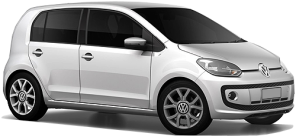
MiniVolkswagen Up or Similar
From
$33.84
/day
|
|
|||
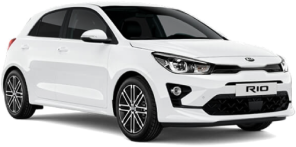
CompactKia Rio or Similar
From
$51.58
/day
|
|
|||
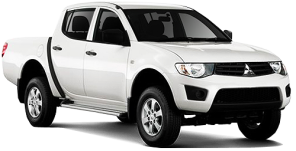
Full-size Extended Cab PickupMitsubishi L200 or Similar
From
$45.08
/day
|
|
|||
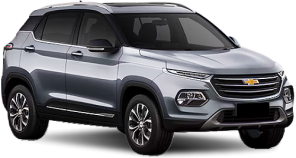
Compact SuvChevrolet Groove or Similar
From
$53.63
/day
|
|
|||
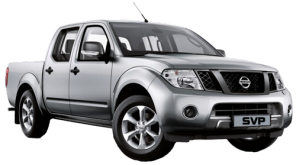
Full-size Extended Cab PickupNissan Navara or Similar
From
$46.81
/day
|
|
|||
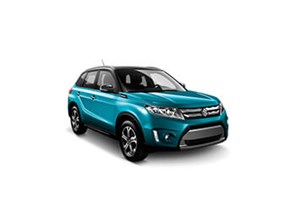
Intermediate CrossoverSuzuki Grand Vitara or Similar
From
$54.94
/day
|
|
|||
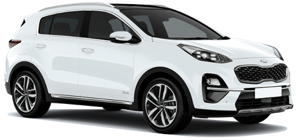
Intermediate SuvKia Sportage or Similar
From
$64.37
/day
|
|
|||
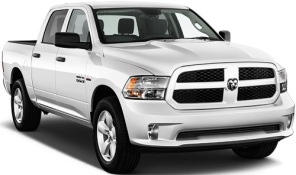
Standard Regular Cab PickupDodge RAM or Similar
From
$66.42
/day
|
|
|||
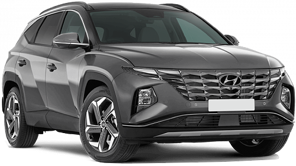
PremiumHyundai Tucson or Similar
From
$80.17
/day
|
|
|||
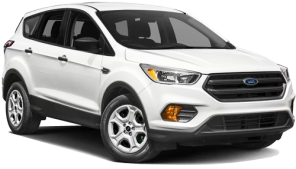
Premium SuvFord Escape or Similar
From
$82.60
/day
|
|
|||
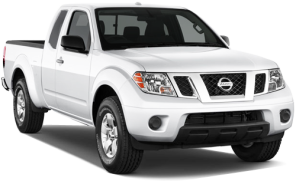
Luxury Regular Cab PickupNissan Frontier or Similar
From
$84.22
/day
|
|
|||
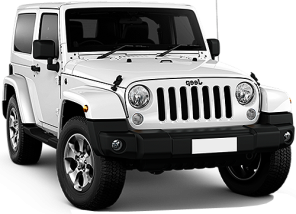
Compact SuvJeep Wrangler or Similar
From
$107.68
/day
|
|
|||
Our Features
Discover a world of convenience, safety, and customization, paving the way for unforgettable adventures and seamless mobility solutions.
Vehicle Category Selection
Choose from economy, compact, standard, luxury, SUV, and van categories depending on your needs.
Customer Support
Our support team is available to help with booking questions, modifications, or cancellations.
Flexible Rental Options
Choose from short-term, long-term, or one-way rentals depending on your travel requirements.
Secure Online Booking
Book with confidence using our encrypted booking system that protects your personal and payment information.
Free Cancellation
Many bookings include free cancellation up to 48 hours before pickup, giving you flexibility when travel plans change.
Supplier Rating System
Every rental supplier is rated by customers so you can choose trusted providers.
Bonaire Car Rental Facts
Essential information on the best deals, rental providers, and vehicle options in Bonaire.
Most Popular Agencies
Local AB Car Rental leads with dive-friendly fleet including pickup trucks for gear transport. Preferred by diving groups and Washington Slagbaai explorers.
Popular Car Types
Pickup trucks dominate for dive gear transport and remote beach access. Compact SUVs for Lac Bay windsurfing trips and national park exploration.
Average Rental Duration
Bonaire rentals average 6 days aligned with dive resort packages. Extended 10-14 day rentals for dedicated divers and birding enthusiasts. Based on 4,200+ searches.
Most Popular Models
Toyota Hilux preferred for dive shop transfers and multiple tank transport. Hyundai Tucson for comfort visits to Gotomeer flamingo sanctuary.
Average Daily Price
Bonaire averages $59/day with pickup trucks at $70-85. High season (Dec-April) requires 2-month advance booking for dive-compatible vehicles.
How much does it cost to rent a car at Bonaire?
Averaging the lowest prices for the economy car category, the data below shows prices for monthly comparisons.
Cheapest Month Average
SepMost Expensive Month
FebYearly Average Price
Note: Peak diving season (December-April) sees highest prices. Summer offers good value with calm waters for diving. Pickup trucks are popular for transporting diving equipment. Book well ahead for December-March, especially around holidays and diving events.
Your Complete Guide to Renting a Car in Bonaire for International Travelers (2026 Update)
Welcome to Bonaire, a Dutch Caribbean paradise where the pace of life slows down and the natural beauty takes center stage. For international travelers, renting a car is not just a convenience—it is the essential key to unlocking everything this stunning island has to offer. With no traffic lights on the entire island and public transportation that ranges from limited to non-existent, having your own vehicle provides the freedom to discover secluded beaches, world-class dive sites, and the authentic local culture at your own rhythm.
This comprehensive guide covers everything you need to know about renting a car in Bonaire. From choosing between airport and city pickup locations to understanding local driving laws and seasonal pricing, we provide practical, professional advice to ensure your island adventure begins smoothly and safely. Whether you are here for the diving, the flamingos, or simply the tranquility, a rental car transforms your visit into an unforgettable journey.
Airport vs. City Center Pickup: Choosing Your Starting Point
Deciding where to collect your rental vehicle is the first practical decision you will make upon arrival in Bonaire. The island offers convenient options at Flamingo International Airport and in the capital city of Kralendijk, each with distinct advantages that can affect both your budget and your itinerary. Understanding these differences helps you start your trip on the right foot.
Picking up your car directly at Flamingo International Airport is the most popular choice for international travelers. Located just a ten-minute drive from Kralendijk, airport pickup allows you to go from the arrival gate to your accommodation—or your first shore dive—with minimal delay. The convenience is undeniable, especially after a long flight. However, airport locations often include additional surcharges or concession fees, which can increase the daily rate. City center pickups in Kralendijk may offer slightly lower prices and a more relaxed handover process, but require a short taxi ride from the airport to the rental office.
| Pickup Location | Advantages | Disadvantages |
|---|---|---|
| Airport | Ultimate convenience upon arrival; immediate access to your car; wide selection of vehicles available; quick transfer to any part of the island. | Potential airport surcharges or concession fees; higher demand can mean limited availability during peak seasons; busier counters may have wait times. |
| City Center | Often lower rental rates compared to airport locations; more personalized service from local companies; quieter handover process; opportunity to explore Kralendijk before picking up the car. | Requires a taxi or shuttle from the airport to the city; limited opening hours, especially on Sundays; may have a smaller selection of vehicles available. |
Money-Saving Tip: Compare the total cost including a taxi to Kralendijk against the airport rate with surcharges. For longer rentals, even a small daily saving at a city location can add up significantly. Many visitors find that the convenience of airport pickup is worth the modest premium, especially when arriving with dive gear and luggage.
Major Airports and Cities for Car Rental in Bonaire
Flamingo International Airport serves as the primary gateway for international visitors to Bonaire. This modern facility welcomes flights from North America and Europe, and its compact size makes navigating arrivals exceptionally easy. All major international rental brands maintain desks at the airport, alongside several reputable local companies, ensuring you have plenty of options upon landing. The rental counters are located just outside the baggage claim area, allowing you to complete your paperwork and drive away within minutes.
Beyond the airport, rental offices are also concentrated in Kralendijk, the charming capital city. These city locations are perfect for travelers who plan to spend a day exploring the colorful waterfront, local shops, and restaurants before picking up their vehicle. Having rental presence in both the airport and the city ensures that no matter your arrival time or itinerary, a car is always within easy reach.
Seasonal Pricing: When to Rent for the Best Deal
Like many sought-after Caribbean destinations, rental car prices in Bonaire fluctuate significantly throughout the year. Understanding these seasonal patterns is essential for budgeting and securing the best possible rate. Demand, driven by tourism patterns and local events, directly impacts availability and cost in predictable ways.
The high season typically runs from December through April, when North American and European visitors flock to the island to escape winter weather. This period sees the highest rental rates and the greatest demand for vehicles. The low season, from September through mid-November, offers the most competitive pricing, though travelers should be aware of the higher chance of rain. The shoulder months of May, June, and November often provide the perfect balance of good weather and reasonable rates.
| Pricing Factor | Details |
|---|---|
| Cheapest Month | September and October typically offer the lowest rental rates, as tourist numbers drop and rental companies compete for customers during the quieter period. |
| Most Expensive Month | February and March see peak pricing, coinciding with the height of winter escape season and ideal diving conditions. |
| Average Price Per Day | Prices vary based on vehicle type, but expect averages from $35 for economy cars to $90 for SUVs during standard periods. |
| A Good Deal | A rate that falls 15-20% below the seasonal average, often found by booking early, comparing multiple suppliers, or renting during shoulder season. |
| Cheapest Supplier | Local companies like AB Car Rental or Trupial often undercut international brands on price, though it is essential to read reviews and understand their insurance terms. |
| Cheapest Car Type | Economy cars with manual transmissions are consistently the most affordable option, perfect for couples or solo travelers focused on diving and beach exploration. |
Peak Travel Seasons and Rental Demand
The highest demand for rental cars in Bonaire aligns perfectly with the island's peak tourist seasons. From December through April, visitors arrive in waves seeking warm weather, excellent diving conditions, and escape from northern winters. During these months, rental fleets are stretched thin, and booking well in advance is not just recommended—it is essential. Vehicles, particularly SUVs and trucks favored by divers, can be completely sold out weeks ahead of time.
Major events also create spikes in demand. The Bonaire Dive Festival, usually held in June, attracts underwater enthusiasts from around the globe. The holiday period between Christmas and New Year is exceptionally busy, with both international visitors and local residents traveling around the island. Carnival celebrations in February also see increased rental activity. Checking the events calendar before finalizing your travel dates helps you anticipate these busy periods and secure your vehicle early.
Typical Rental Duration for Travelers
The average rental duration for international visitors to Bonaire typically falls between five and ten days, closely matching the length of a standard Caribbean vacation. Divers often rent for seven to ten days to maximize their underwater exploration, while those on shorter getaways might need a vehicle for just three to five days. Rental companies in Bonaire are well-accustomed to this pattern and offer competitive weekly rates that provide significantly better value than daily rentals. Many travelers find that a one-week rental perfectly balances the freedom to explore the entire island with the practicalities of a resort-based vacation.
Rental Locations and Supplier Availability
Bonaire maintains a compact but efficient network of rental locations, ensuring that visitors can easily find a vehicle no matter where their journey begins. With approximately twenty rental outlets spread across the island, coverage is excellent in Kralendijk and at the airport. Flamingo International Airport hosts desks for all the major global brands, including Hertz, Avis, and Europcar, providing familiarity and reliability for travelers from abroad. In addition, you will find numerous reputable local suppliers such as AB Car Rental, Trupial, and Budget who often offer more personalized service and competitive pricing.
Availability is generally excellent throughout the island, but it becomes limited during peak season and around major holidays. The smaller, specialized vehicles favored by divers—pickup trucks and SUVs—are the first to be booked. It is always wise to reserve at least several weeks in advance, especially if you have specific vehicle requirements. The combination of international giants and agile local operators creates a healthy, competitive market that benefits travelers with both choice and value.
| Quick Facts: Car Rental in Bonaire | |
|---|---|
| Approximate Number of Rental Locations | Approximately 20 rental outlets across the island |
| Primary Pickup Points | Flamingo International Airport and downtown Kralendijk |
| Popular International Suppliers | Hertz, Avis, Europcar, Budget |
| Popular Local Suppliers | AB Car Rental, Trupial, Island Rentals, Bonaire Rent a Car |
| General Availability | Excellent during shoulder and low seasons; book well ahead during peak winter months and holidays |
Common Vehicle Categories for Travelers
Choosing the right vehicle category is essential for a comfortable journey through Bonaire. The best choice depends on your itinerary, the number of passengers, and whether you plan to explore unpored roads leading to remote beaches. Rental fleets are well-stocked with options to suit every traveler's needs, from budget-conscious solo adventurers to diving groups and families.
Economy Cars: Perfect for solo travelers or couples sticking to paved roads and exploring Kralendijk and the southern coast. These small, fuel-efficient cars are the most affordable to rent and park, making them ideal for budget trips. Common examples include the Hyundai i10 or Suzuki Swift.
Compact Cars: A popular middle-ground choice, compact cars offer slightly more space than economy models without a significant jump in price. They are comfortable for small families and versatile enough for exploring both the northern and southern ends of the island. The Nissan Versa or Toyota Yaris are frequently seen on rental lots.
SUVs and Pickup Trucks: For divers carrying heavy equipment or travelers planning to venture to the rugged northern terrain of Washington Slagbaai National Park, a pickup truck or SUV is indispensable. These vehicles provide higher ground clearance for unpaved roads and ample space for dive gear, luggage, and outdoor equipment. The Toyota Hilux pickup or Ford Ranger are the vehicles of choice for serious divers.
Vans and Family Vehicles: Larger families or groups traveling together will appreciate the space and comfort of a multi-passenger van. These vehicles ensure everyone can travel together with plenty of room for luggage and snorkel gear. The Hyundai H-1 or similar minivans are common choices for groups seeking island exploration.
Famous Road Trip Routes in Bonaire
The compact size and diverse landscapes of Bonaire are best experienced from the road. Several iconic routes offer breathtaking scenery, cultural encounters, and unforgettable stops along the way. Whether you have a half-day or a full day, these drives provide the backbone for an epic island adventure.
- The Southern Flamingo Route: Starting in Kralendijk and heading south along the coastal road toward the salt flats, this route offers stunning ocean views, historic salt huts, and the famous pink flamingos of the southern sanctuary. The drive takes approximately two to three hours including stops. Major highlights include the salt pyramids, the Willemstoren Lighthouse, and the chance to see hundreds of flamingos feeding in the shallow lagoons at Pekelmeer.
- The Northern Adventure to Washington Slagbaai National Park: Begin in Kralendijk and drive north through Rincon, the island's oldest village, then enter the gates of Washington Slagbaai National Park. This full-day adventure requires a sturdy vehicle and covers approximately 20 miles of unpaved roads within the park alone. Major highlights include breathtaking viewpoints at Boka Slagbaai, secluded beaches like Playa Funchi, and incredible birdwatching opportunities around the salt ponds.
- The Rincon Cultural Loop: A shorter drive from Kralendijk to the historic village of Rincon, nestled in the island's northern hills. This route takes less than an hour each way and offers a glimpse into Bonaire's cultural heritage. Major highlights include the charming village square, local restaurants serving authentic Krioyo cuisine, and the annual Dia di Rincon celebrations.
- The Lac Bay Sunset Drive: Head east from Kralendijk to Lac Bay, a protected lagoon and windsurfing paradise. The drive takes approximately thirty minutes and rewards you with one of the island's best sunset views. Major highlights include watching windsurfers skim across the shallow turquoise waters, fresh seafood at the beachside restaurant, and the chance to spot sea turtles feeding in the seagrass beds.
Essential Driving Rules and Regulations
Before hitting the road in Bonaire, international travelers must familiarize themselves with local driving laws to ensure a safe and lawful journey. While many rules may be similar to those in your home country, key differences exist, particularly regarding speed limits and alcohol limits. Adhering to these regulations is not only about avoiding fines but also about ensuring the safety of yourself and others.
Driving is on the right-hand side of the road in Bonaire, which will be familiar to travelers from North America and mainland Europe but requires extra attention for those from the United Kingdom or Australia. Seatbelts are mandatory for all occupants, and children under five years must use appropriate child restraint systems. The legal blood alcohol limit is strictly enforced at 0.05 percent, and penalties for drinking and driving are severe. Road conditions are generally excellent on main routes, with the southern roads particularly well-paved. However, secondary roads, especially in the national park and northern regions, can be rough and unpaved, requiring careful driving and a suitable vehicle.
| Speed Limit Type | Kilometers per Hour (km/h) |
|---|---|
| Urban Areas (Kralendijk and Rincon) | 40 km/h |
| Rural Roads | 60 km/h |
| Main Island Roads | 60 km/h (posted limits vary, watch for signage) |
Toll Roads and Payment Systems
Travelers will be pleased to know that Bonaire has no toll roads whatsoever. The island's road network is entirely publicly funded, and all routes, from the main coastal highway to the unpaved tracks of Washington Slagbaai National Park, are free to use. This simplifies your budget considerably and means you never need to worry about carrying cash for tolls or understanding complex electronic payment systems. The only entry fee you may encounter is the park entrance fee for Washington Slagbaai National Park, which is paid at the park gate and contributes to conservation efforts. This straightforward system allows you to focus entirely on enjoying the journey rather than calculating toll costs.
Major Rental Companies: International vs. Local
The rental car market in Bonaire offers a healthy mix of well-known international brands and experienced local companies. Each comes with its own set of advantages, and the best choice often depends on your priorities, whether that is brand familiarity, price, or personalized service. Comparing options from both sectors is a smart strategy for any traveler.
International companies provide consistency, extensive fleets, and the reassurance of a global brand with standardized customer service. They are an excellent choice for travelers who value reliability and the convenience of airport locations. Local suppliers, on the other hand, often compete aggressively on price and can offer insider tips on hidden gems, road conditions, and the best dive sites. However, it is crucial to read recent reviews and clarify insurance coverage with smaller companies to avoid surprises.
| Company Type | Price Level | Pros |
|---|---|---|
| International Companies (e.g., Hertz, Avis) | Medium to High | Brand reliability; extensive fleets; multiple locations; consistent service standards; easy online booking and modifications. |
| International Companies (e.g., Europcar, Budget) | Medium | Modern vehicle selection; strong presence at the airport; efficient check-in and check-out processes. |
| Local Suppliers (e.g., AB Car Rental, Trupial) | Low to Medium | Often lower prices; flexible and personalized service; deep local knowledge and tips; support for the local economy. |
Parking in Bonaire: What to Expect
Parking in Bonaire is refreshingly stress-free compared to many Caribbean destinations. In Kralendijk, the capital city, street parking is widely available and free throughout most of the town. The main waterfront boulevard offers ample parallel parking spaces, and you will rarely struggle to find a spot even during busy hours. Paid parking zones do not exist in Bonaire, which is a welcome relief for travelers accustomed to feeding meters in other destinations.
For longer stays, most hotels, resorts, and guesthouses offer free on-site parking for guests. At popular beaches and dive sites, designated parking areas are provided, though they can fill up on weekends when local families head to the shore. A common challenge in Bonaire is the lack of shade in many parking areas, which can leave your car interior extremely hot. Consider using a sunshade for the windshield. At Washington Slagbaai National Park, parking is available at all major beaches and viewpoints, but the unpaved lots can be dusty, so keep your windows closed.
Average Daily Rental Prices in Bonaire
Rental car prices in Bonaire are influenced by seasonality, vehicle type, and how far in advance you book. While rates fluctuate, having a general idea of price ranges for different vehicle categories will help you set a realistic budget. The figures below represent average daily rates and can vary based on current demand and the specific rental company.
| Vehicle Category | Average Daily Price Range (2026) |
|---|---|
| Small Cars (Economy) | $35 - $50 |
| Medium Cars (Compact/Intermediate) | $45 - $65 |
| SUVs and Pickup Trucks | $60 - $95 |
| Vans (Minivans) | $80 - $130 |
| Luxury Cars | Limited availability; typically not a focus on the island |
Practical Tips for Renting a Car in Bonaire
Arming yourself with practical knowledge before you book can make the difference between a stressful experience and a seamless island adventure. These insider tips are designed to help you navigate the rental process with confidence, ensuring you get the best value and avoid common headaches on this unique Caribbean island.
- Book Early, Especially for Dive Vehicles: Pickup trucks and SUVs favored by divers book out months in advance during peak season. Secure your vehicle as soon as your flights are confirmed.
- Consider Pickup Truck Options for Dive Gear: If you are diving, a pickup truck is invaluable. The open bed provides ample space for wet gear, tanks, and weight belts, keeping the cabin dry and comfortable.
- Inspect the Vehicle Thoroughly for Dust and Sand: Bonaire's environment means cars often have fine dust inside. Take photos of the interior and exterior, noting any pre-existing scratches or damage on the rental agreement.
- Choose the Right Insurance Coverage: Understand what your travel insurance or credit card covers. Many divers prefer to accept the rental company's full coverage for peace of mind given the rough roads in the national park.
- Rent During Shoulder Months for Best Value: If your travel dates are flexible, aim for May, June, or November. You will enjoy good weather, lower rates, and fewer crowds at dive sites.
- Fill Up at the Pump Near the Airport: The fuel station closest to the airport offers competitive prices. Always return the car with a full tank to avoid expensive refueling charges.
Common Traveler Mistakes to Avoid
Even experienced Caribbean travelers can fall into traps when renting a car in Bonaire. Being aware of these frequent pitfalls will help you navigate the process smoothly and enjoy your trip without unnecessary stress or expense. Learn from the mistakes of others to make your journey flawless.
- Attempting Washington Slagbaai National Park in a Small Car: The unpaved roads within the park are rough and rocky. Driving a low-clearance economy car here risks damage and getting stuck. Always use a pickup truck or SUV for the park.
- Skipping the Pre-Rental Vehicle Inspection: Failing to document existing scratches or dents can lead to disputes and charges for damage you did not cause. Always take time-stamped photos and videos before leaving the lot.
- Forgetting Sun Protection for the Car: The Caribbean sun is intense. Returning to a car with scorching hot seats is uncomfortable. Use a reflective windshield sunshade and park in shade whenever possible.
- Overlooking the Manual Transmission Default: Manual cars are the norm in Bonaire, and automatics are limited. If you require an automatic transmission, book it well in advance to ensure availability.
- Ignoring the Goats and Donkeys: Wild goats and donkeys roam freely, especially in the northern part of the island. They frequently cross roads unexpectedly. Drive slowly and remain alert, particularly at dawn and dusk.
A Traveler's Story: Exploring Bonaire by Car
Mark and Lisa, a diving couple from Colorado, landed at Flamingo International Airport with heavy gear bags and high expectations. They had booked a pickup truck months in advance from a local rental company, and within twenty minutes of landing, they were driving toward their oceanfront villa with the windows down and the warm Caribbean breeze welcoming them. The truck proved essential from day one. They loaded tanks and weight belts into the bed each morning and explored a different shore dive site every day, from the calm waters of Calabas to the dramatic drop-offs at Alice in Wonderland. Midweek, they packed a cooler and drove north into Washington Slagbaai National Park, spending the day hiking to Boka Slagbaai and snorkeling at Playa Funchi, grateful for the truck's high clearance on the rocky park roads. On their final evening, they drove south to the salt flats at sunset, watching flamingos wade in pink hues as the sky turned gold. Without their rental truck, they would have been confined to dive operators' schedules; instead, they discovered Bonaire entirely on their own terms, returning the vehicle with sun-kissed skin and memories of a thousand perfect moments.
International Driving Permit (IDP) Requirements
For most international travelers visiting Bonaire, a valid driver's license from their home country is sufficient for renting a car. Bonaire follows Dutch regulations, and licenses from EU countries, the United States, Canada, and many other nations are accepted without an International Driving Permit. However, it is essential to verify this before you travel, as requirements can change. Travelers whose license is not printed in Latin script or who come from countries not covered by standard reciprocity agreements may need to obtain an IDP as a precaution.
Obtaining an IDP is straightforward and must be done in your home country before you depart, as they are not available for purchase in Bonaire. You can typically get one from your national automobile association by presenting two passport photos, your valid driver's license, and a small fee. The permit is generally valid for one year from the date of issue. While rental companies in Bonaire rarely demand an IDP, carrying one provides peace of mind and ensures compliance if you are stopped by local police. Always carry both your physical national license and your IDP when driving.
Required Documents for Renting a Car
To complete your rental transaction smoothly in Bonaire, you must have specific documents ready when you arrive at the rental counter. Failing to present the correct paperwork can result in being denied the vehicle, even if you have a confirmed booking. Preparation is key to avoiding this travel disruption.
You will need a valid, full driver's license that you have held for at least one year in most cases. If an International Driving Permit is required based on your nationality or license origin, you must present it alongside your physical license. Additionally, rental companies require a major credit card in the main driver's name for the security deposit; debit cards are often not accepted or come with stricter conditions and higher deposits. Finally, bring your passport for identification and your printed or digital rental voucher. Having all these documents organized and accessible will make the pickup process quick and stress-free, allowing you to begin your Bonaire adventure without delay.