Cheap Car Rental Belgium - Compare Deals & Book Instantly
Search and compare car rental prices from trusted global suppliers. Find the best deals instantly.
Why book with us?
-
Wide Fleet
Choose from economy cars, SUVs, luxury vehicles, and more.
-
Free Cancellation
Flexible booking options with free cancellation on most rentals.
-
24/7 Customer Support
Our expert team is available 24/7 to assist you with any questions or concerns.
Compare top international car rental brands and choose the best deal for your trip.







Car Rental Deals in Belgium
Choose from our wide range of vehicles available in Belgium.
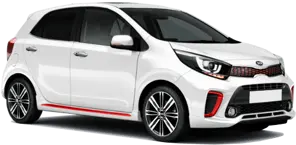
MiniKia Picanto or Similar
From
$29.62
/day
|
|
|||
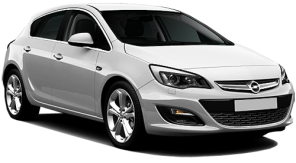
CompactOpel Astra or Similar
From
$25.33
/day
|
|
|||
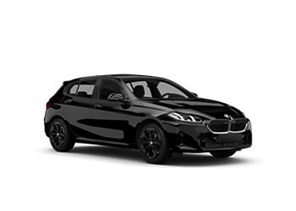
IntermediateBMW 1 Series or Similar
From
$26.27
/day
|
|
|||
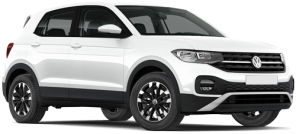
Compact SuvVolkswagen T-Cross or Similar
From
$26.87
/day
|
|
|||
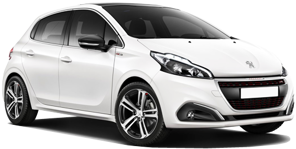
EconomyPeugeot 208 or Similar
From
$23.97
/day
|
|
|||
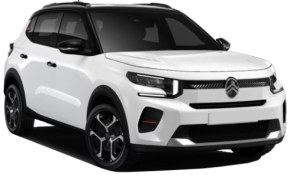
EconomyCitroen C3 or Similar
From
$24.24
/day
|
|
|||
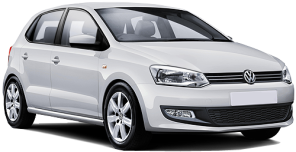
EconomyVolkswagen Polo or Similar
From
$25.07
/day
|
|
|||
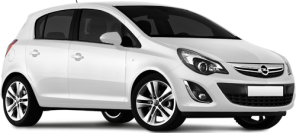
EconomyOpel Corsa or Similar
From
$25.07
/day
|
|
|||
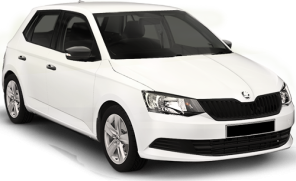
EconomySkoda Fabia or Similar
From
$25.20
/day
|
|
|||
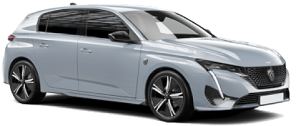
CompactPeugeot 308 or Similar
From
$25.58
/day
|
|
|||
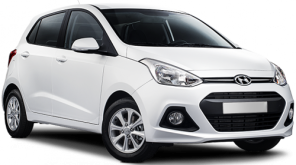
MiniHyundai i10 or Similar
From
$25.94
/day
|
|
|||
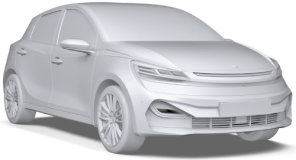
MiniHyundai Inster or Similar
From
$26.04
/day
|
|
|||
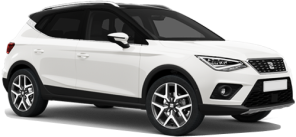
CompactSEAT Arona or Similar
From
$26.56
/day
|
|
|||
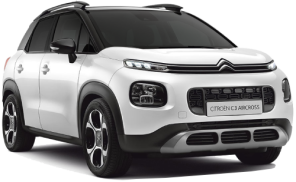
CompactCitroen C3 Aircross or Similar
From
$26.60
/day
|
|
|||
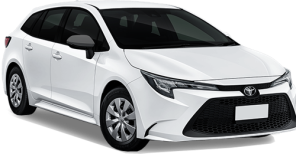
Compact Estate/wagonToyota Corolla STW or Similar
From
$26.87
/day
|
|
|||
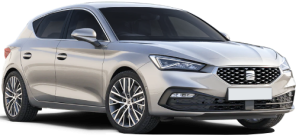
CompactSEAT Leon or Similar
From
$26.95
/day
|
|
|||
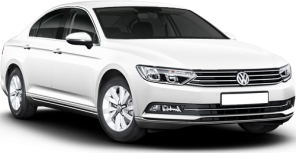
StandardVolkswagen Passat or Similar
From
$27.07
/day
|
|
|||
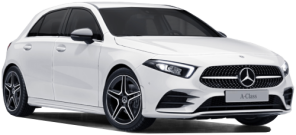
IntermediateMercedes-Benz A-Class or Similar
From
$27.59
/day
|
|
|||
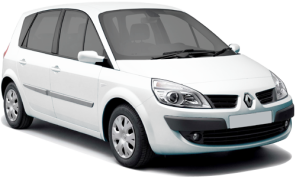
Intermediate MonospaceRenault Scenic or Similar
From
$27.88
/day
|
|
|||
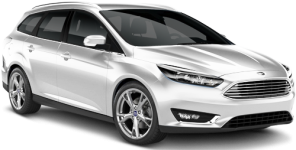
Compact Estate/wagonFord Focus STW or Similar
From
$27.88
/day
|
|
|||
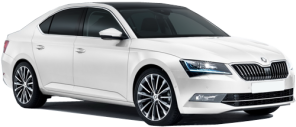
StandardSkoda Superb or Similar
From
$28.12
/day
|
|
|||
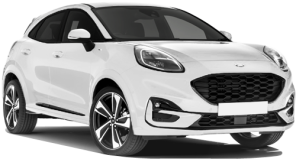
Compact SuvFord Puma or Similar
From
$28.34
/day
|
|
|||
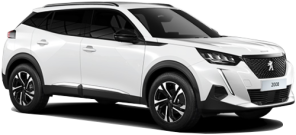
Compact SuvPeugeot 2008 or Similar
From
$28.57
/day
|
|
|||
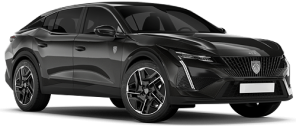
StandardPeugeot 408 or Similar
From
$28.70
/day
|
|
|||
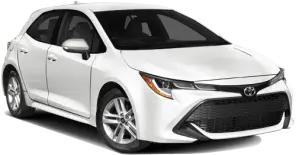
Compact Estate/wagonToyota Corolla or Similar
From
$29.19
/day
|
|
|||
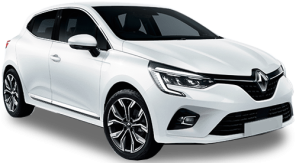
EconomyRenault Clio or Similar
From
$30.03
/day
|
|
|||
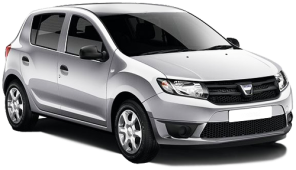
EconomyDacia Sandero or Similar
From
$30.03
/day
|
|
|||
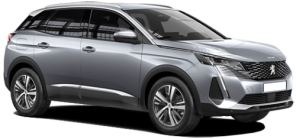
Intermediate MonospacePeugeot 3008 or Similar
From
$30.23
/day
|
|
|||
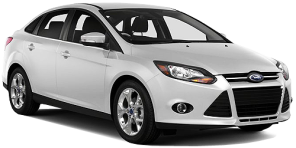
Compact Estate/wagonFord Focus or Similar
From
$30.28
/day
|
|
|||
Our Features
Discover a world of convenience, safety, and customization, paving the way for unforgettable adventures and seamless mobility solutions.
Airport Pickup Options
Find rental cars available at major international airports for convenient pickup immediately after your arrival.
Multiple Payment Options
Pay securely using major credit cards and other supported payment methods during booking.
Highly Rated Suppliers
We highlight top-rated suppliers based on verified customer reviews and service quality.
Clear Rental Policies
Access complete rental policies including driver age limits, fuel rules, and deposit conditions.
Compare Car Rental Prices
Compare rental prices from hundreds of trusted suppliers worldwide to find the best deal for your trip.
Wide Vehicle Selection
Choose from economy cars, sedans, SUVs, luxury vehicles, and vans to match your travel needs and budget.
Belgium Car Rental Facts
Essential information on the best deals, rental providers, and vehicle options in Belgium.
Most Popular Agencies
Lion City Rentals leads with 28% share, catering to both tourists wanting to explore beyond the city and residents needing temporary vehicles.
Popular Car Types
Compact cars are favored for city maneuverability. Luxury vehicles serve business travelers and tourists wanting to arrive in style at Marina Bay.
Average Rental Duration
Short 3-day rentals reflect Singapore's compact size and excellent public transport, with cars used mainly for weekends in Malaysia or Sentosa trips. (Based on 14,200+ local searches)
Most Popular Models
The Toyota Corolla dominates the practical rental segment. The Mercedes C-Class is preferred for business clients and special occasions.
Average Daily Price
Singapore commands premium rates averaging $72/day, reflecting high vehicle costs. Weekend rentals from $135 offer value for Malaysia road trips.
How much does it cost to rent a car at Belgium?
Averaging the lowest prices for the economy car category, the data below shows prices for monthly comparisons.
Cheapest Month Average
JanMost Expensive Month
SepYearly Average Price
F1 Grand Prix (September) causes extreme price spikes. Peak seasons (June-August, December) for tourism. Cars expensive - public transport efficient. ERP tolls apply. Book 2-3 months ahead for F1.
Driving Laws & Information for Belgium
Essential driving rules and requirements to know when renting a car
Driving Side
Right
Minimum Age
18 to drive
Blood Alcohol Limit
0.05% maximum
IDP Required?
Sometimes International Driving Permit
Speed Units
km/h
Seat Belt
Required
Toll Roads
Yes
Emergency
112 emergency number
Your Complete Guide to Renting a Car in Belgium for International Travelers (2026)
Welcome to Belgium, a charming Western European nation where medieval history, Renaissance architecture, and modern EU politics converge in a compact, easily navigable landscape. From the bustling streets of Brussels to the fairy-tale canals of Bruges and the Ardennes' forested hills, renting a car offers international travelers the ultimate flexibility to explore this multilingual kingdom at their own rhythm. This comprehensive guide provides everything you need to know for a smooth, cost-effective, and memorable car rental experience in Belgium.
Picking Up Your Rental Car: Airport vs. City Center Locations
Your journey begins with choosing where to collect your vehicle. Brussels Airport (BRU) in Zaventem is the primary international gateway and the most convenient pickup point for most travelers. All major rental companies have well-marked desks in the arrivals hall, allowing you to transition seamlessly from air to asphalt. Charleroi Airport (CRL), used heavily by low-cost carriers, also offers a wide selection of rental desks. An alternative is to pick up from city-center locations in Brussels, Antwerp, Ghent, or Liege, which can be useful if you plan to spend a few days exploring a city on foot first.
The primary advantage of airport pickup is convenience—your car is waiting right there. However, this convenience often comes with a premium. Airport locations typically charge higher base rates and may include additional fees like "airport concession surcharges." City-center offices often have lower overheads and can offer more competitive weekly rates, but you'll need to factor in the cost and time of a train or taxi to reach them. A smart money-saving tip is to compare the total cost of an airport rental against a city-center rental plus public transport to the city; the latter can sometimes be significantly cheaper.
| Pickup Location | Advantages | Disadvantages | Money-Saving Tip |
|---|---|---|---|
| Brussels Airport (BRU) / Charleroi (CRL) | Maximum convenience upon arrival; largest selection of vehicles; extended operating hours. | Airport surcharges are common; higher overall rental rates. | Book a "weekend" rate if arriving Friday to Monday—these often include significant discounts and free additional driver options. |
| City Centers (Brussels, Antwerp, Ghent) | Often lower base rates; flexible return times outside airport hours; good for multi-city train travelers. | Requires local transport to access; limited weekend hours at some locations; navigating out of a busy city can be stressful for first-timers. | If you're arriving by Eurostar at Brussels-Midi/Zuid, check rental desks right in the station—you can drive south to the Ardennes immediately and avoid city traffic altogether. |
Understanding Rental Prices in Belgium
Car rental prices in Belgium follow predictable seasonal patterns driven by tourism, business travel, and major events. The high season runs from June through September, when families flood the countryside and prices peak. Shoulder months like May and October offer a sweet spot of pleasant weather and moderate rates. The low season, from November to March (excluding the Christmas holidays), sees the lowest prices, though you'll contend with shorter days and colder, rainier weather. Business travel keeps demand steady in Brussels during weekdays year-round, so weekend rentals often provide better value.
| Metric | Details |
|---|---|
| Cheapest Month(s) | January & February (post-holiday lull, cold weather) |
| Most Expensive Month(s) | July & August (peak European summer holidays) |
| Average Daily Price (Economy Car) | €35 - €55 |
| A "Good Deal" (Economy Car) | €20 - €30 per day (typically found for weekly rentals in low season or weekend specials) |
| Cheapest Supplier (Typically) | Budget brands like Enterprise, Keddy by Europcar, or local Belgian agencies; comparison sites often reveal the best rates. |
| Cheapest Car Type | Economy cars (e.g., Fiat 500, Renault Twingo, Volkswagen up!) |
Peak Seasons for Car Rentals
Rental demand in Belgium spikes during three distinct periods. First, the summer holidays (July-August) see families from across Europe exploring the Ardennes, the coast, and historic cities. Second, the Christmas markets season (late November through December) drives high demand for city-center drop-offs, particularly in Brussels, Bruges, and Ghent. Third, major events like Tomorrowland (held in Boom near Antwerp) in July cause local rental prices to skyrocket and availability to vanish months in advance. Spring bank holidays and long weekends also see localized surges as Belgians themselves hit the road.
Typical Rental Durations
For most international travelers, rental durations in Belgium range from 3 to 10 days. A common pattern is 4-6 days for a focused tour of Flanders' cities (Brussels, Bruges, Ghent, Antwerp) or a long weekend in the Ardennes. Travelers combining Belgium with neighboring Netherlands, France, or Germany often rent for 7-10 days to allow for a relaxed cross-border road trip. Weekly rentals almost always offer better per-day rates than short-term hires, and many companies offer special weekend rates from Friday to Monday that include extra kilometers.
Rental Locations and Supplier Availability
Belgium boasts a dense and highly competitive car rental market with hundreds of locations nationwide. Every major city has at least a handful of rental offices, and train stations in Brussels, Antwerp, and Liege often house desks from multiple companies. All major international brands—Hertz, Avis, Europcar, Sixt, Budget, Thrifty—have a strong presence, alongside local players like Drivalia and specialized agencies. Availability is generally excellent, but during peak seasons and around major events, booking well in advance is essential, particularly for automatic transmission vehicles, which are less common than manuals in Europe.
| Belgium Car Rental Quick Facts | |
|---|---|
| Approximate Rental Locations | 200+ locations nationwide |
| Airport Rental Presence | Major presence at Brussels (BRU) and Charleroi (CRL); smaller desks at Ostend (OST) and Antwerp (ANR) |
| Major City Coverage | Excellent in Brussels, Antwerp, Ghent, Bruges, Liege, and Namur |
| Popular International Suppliers | Europcar, Hertz, Avis, Sixt, Budget, Thrifty, Enterprise |
| Popular Local Suppliers | Drivalia, Keddy, and regional agencies in major train stations |
Common Vehicle Categories for Travelers
Choosing the right car depends on your itinerary, group size, and comfort preferences. Here's what most travelers opt for:
- Economy Cars (e.g., Fiat 500, Renault Twingo, Toyota Aygo): Perfect for solo travelers or couples sticking to cities. Their tiny dimensions are a blessing in narrow medieval streets and parking garages, and they sip fuel economically.
- Compact Cars (e.g., Volkswagen Golf, Ford Focus, Peugeot 308): The most popular category for small families or groups of three. They offer a good balance of space, comfort, and fuel efficiency for both highway cruising and city driving.
- SUVs / Crossover Vehicles (e.g., Nissan Qashqai, Renault Captur, Volkswagen Tiguan): Increasingly popular for their higher driving position and flexible cargo space. Ideal for trips to the Ardennes or for those who prefer a more commanding view of the road.
- Station Wagons / Estate Cars (e.g., Skoda Octavia Combi, Volkswagen Passat Variant): A European favorite for families and groups with substantial luggage. They offer cavernous boot space while maintaining car-like handling on highways.
- Vans / Family Vehicles (e.g., Ford Galaxy, Renault Espace, Volkswagen Sharan): Essential for larger families or groups of 5-7 people. They provide ample passenger and luggage space for extended road trips.
- Luxury / Premium Cars (e.g., BMW 3 Series, Mercedes-Benz C-Class, Audi A4): Often chosen by business travelers or those wanting to arrive in style. Belgium's excellent highways are perfect for enjoying a premium vehicle.
Famous Road Trip Routes in Belgium
Belgium's compact size makes it ideal for multi-destination road trips. Here are some classic routes.
- The Flanders Art Cities Circuit:
- Start: Brussels
- End: Brussels (loop)
- Distance/Time: Approximately 250 km / 3-4 days
- Major Highlights: Drive from Brussels to Antwerp (Rubens House, Cathedral), continue to Ghent (Graslei, Castle of the Counts), then to Bruges (canals, Markt square, Belfry), and optionally to Ypres (Menin Gate, WWI sites) before returning to Brussels.
- The Ardennes Adventure Route:
- Start: Namur
- End: Luxembourg border
- Distance/Time: Approximately 150 km / 2-3 days
- Major Highlights: Begin in Namur with its imposing citadel, drive through the picturesque town of Dinant (birthplace of Adolphe Sax), explore the caves of Han-sur-Lesse, hike in the forests around La Roche-en-Ardenne, and visit the charming town of Durbuy, often called the world's smallest city.
- The Belgian Coast Drive:
- Start: De Panne (near French border)
- End: Knokke-Heist (near Dutch border)
- Distance/Time: Approximately 70 km / 1-2 days
- Major Highlights: Drive the entire length of Belgium's coastline, passing through beach resorts like Ostend (Oostende), Blankenberge, and Knokke. Stop for fresh seafood, walk on the wide beaches, and experience the unique tram line that parallels the coast.
- The Battle of the Bulge Historical Tour:
- Start: Bastogne
- End: Malmedy
- Distance/Time: Approximately 100 km / 1-2 days
- Major Highlights: Visit the Mardasson Memorial and Bastogne War Museum, drive through the Ardennes forests to towns like La Roche-en-Ardenne and St. Vith, and end in Malmedy to learn about the pivotal WWII battle that raged through this region.
Essential Driving Rules and Conditions
Driving in Belgium is generally relaxed and orderly, but knowing the local rules is crucial for a stress-free experience.
- Driving Side: Drive on the right-hand side of the road. The steering wheel is on the left side of the vehicle.
- Priority Rules: Be aware that in many residential areas and older town centers, priority comes from the right, unless otherwise signed. Look for yellow diamond-shaped signs indicating you're on a priority road.
- Alcohol Limit: The legal blood alcohol limit is 0.5 grams per liter (0.05% BAC). For drivers who have held a license for less than two years, the limit is stricter at 0.2 g/L. Penalties for exceeding these limits are severe.
- Child Seats: Children under 18 years old and shorter than 135 cm must use an appropriate child restraint system (car seat or booster). Children under 135 cm are not permitted to sit in the front seat unless all rear seats are occupied by other children in restraints.
- Seatbelts: Wearing seatbelts is mandatory for all passengers in both front and rear seats. The driver is responsible for ensuring all passengers under 18 are belted.
- Road Conditions: Belgium's highways (autoroutes/autosnelwegen) are generally well-maintained and well-lit. Secondary roads in rural areas can be narrower and less smooth. Be cautious of cobblestone streets in historic city centers—they can be slippery when wet.
- Mobile Phones: Using a handheld mobile phone while driving is strictly prohibited. You must use a hands-free system.
- Winter Tire Laws: Winter tires are not mandatory by law in Belgium, but they are highly recommended if you plan to drive in the Ardennes region during snowy or icy conditions (December-February). All-season tires are a common alternative. Chains may be necessary in the Ardennes during heavy snow, though main roads are usually cleared quickly.
| Road Type | Typical Speed Limit (km/h) |
|---|---|
| Highways (Autoroutes / Autosnelwegen) | 120 km/h (120 km/h on most, 130 km/h on some, check signs) |
| Regional Roads (N-roads / Routes régionales) | 90 km/h (70 or 50 km/h in built-up areas) |
| Urban Areas / Built-up Zones | 50 km/h (30 km/h in many residential zones and school areas) |
| Motorways (in rain/conditions) | Reduced limits apply (often 90-110 km/h depending on signage) |
Toll Roads in Belgium
Belgium is unique in Western Europe for having no tolls on its public highways for passenger cars. You can drive on all motorways and main roads completely free of charge. However, there is one major exception: the Liefkenshoek Tunnel near Antwerp, which provides a shortcut under the Scheldt river for traffic avoiding the Kennedy Tunnel, charges a toll (around €5-€7 for cars, payable by card or electronically). Additionally, a vignette (toll) system applies to trucks over 3.5 tonnes, but passenger cars are exempt. The absence of widespread tolls makes road tripping in Belgium exceptionally budget-friendly compared to neighbors like France.
International vs. Local Rental Companies
The Belgian rental market offers a healthy mix of global giants and local operators. International brands provide consistency, extensive fleets, and the convenience of one-way rentals across borders, which is ideal for multi-country trips. Local agencies and smaller regional offices can sometimes undercut the big names on price, especially for longer rentals, but may have more limited hours and fewer vehicle options. Comparing across both types using a booking platform is the best way to find the sweet spot of price and service for your needs.
| Company Type | Price Level | Pros |
|---|---|---|
| International (e.g., Europcar, Hertz, Sixt) | Medium / High | Large, modern fleets; extensive branch network; reliable customer service; easy one-way rentals across borders; online check-in and loyalty programs. |
| Local / Budget (e.g., Drivalia, Keddy, regional agencies) | Low / Medium | Often significantly cheaper base rates; more flexible negotiation for longer-term rentals; good local knowledge; sometimes include extras like free additional driver. |
Navigating Parking in Belgium
Parking in Belgian cities requires a strategy. In Brussels, Antwerp, and Ghent, street parking is divided into colored zones: blue (short-term, often free with a parking disc), orange (resident permit areas, difficult for visitors), and green (paid zones for longer stays). You'll need to display a parking disc (available at newsagents and tourist offices) in blue zones, setting your time of arrival. Paid parking is managed via payment machines at the curb, accepting coins, cards, and increasingly, mobile apps like 4411 or Parkmobile. Multi-story parking garages (parkings) are abundant near city centers and are the safest, most convenient option for visitors, though they can be pricey (€2-€4 per hour). Many hotels in city centers offer discounted parking for guests or have partnerships with nearby garages—always ask when booking.
Average Rental Prices in Belgium
Rental prices vary based on car type, season, rental duration, and location. The following are estimated average daily rates for a standard 7-day rental during the shoulder season (May or September). Prices in EUR.
| Car Category | Average Daily Price (EUR) |
|---|---|
| Small Cars (Economy) | 30 - 45 |
| Medium Cars (Compact/Intermediate) | 40 - 60 |
| SUVs / Crossovers | 55 - 85 |
| Vans / MPVs (7-seater) | 70 - 120 |
| Luxury / Premium Cars | 90 - 200+ |
Practical Tips for Renting a Car in Belgium
- Book Automatic Transmission Early: The vast majority of European rental cars are manual. If you require an automatic, book it as early as possible, as supplies are limited, especially in the economy and compact categories.
- Consider a Weekly Rental: Even if you only need the car for 5 days, check the price for 7 days. Weekly rates often come with substantial discounts and can be cheaper than a 5-day rental.
- Understand Insurance and Excess: Basic rental includes Collision Damage Waiver (CDW) with a high excess (deductible). Consider buying excess insurance from a third-party provider before your trip—it's much cheaper than the rental company's "super coverage."
- Check for One-Way Fees: If you plan to pick up in Brussels and drop off in, say, Amsterdam or Paris, confirm there are no exorbitant one-way drop-off fees. Some companies waive these for certain routes or for rentals over a certain duration.
- Use Comparison Websites: Sites like Auto Europe, Rentalcars.com, or Kayak aggregate deals from multiple suppliers, making it easy to compare total prices and find the best value, especially when including insurance.
- Fill the Tank Yourself: Rental companies will charge a premium to refuel the car for you. Opt for the "full-to-full" policy and locate a nearby fuel station before returning the car. Fuel is slightly cheaper at supermarkets than on motorways.
Common Mistakes Travelers Make
- Ignoring the "Priority from the Right" Rule: This is the most common cause of confusion. In towns and on secondary roads, if there's no sign indicating otherwise, you must yield to vehicles approaching from the right. Look for the yellow diamond sign that tells you you're on a priority road.
- Forgetting a Parking Disc (Disque de stationnement/Parkeerschijf): In many smaller towns and blue zones, you must display a physical parking disc showing your arrival time. Not having one can result in a fine, even if you're parked legally otherwise.
- Speeding in "Zone 30" Areas: Many residential areas and school zones in Belgian cities are now designated as 30 km/h zones. These are heavily monitored by speed cameras. Assume 30 km/h in any narrow residential street unless signed otherwise.
- Driving into Pedestrianized Centers: Historic city centers like Bruges and Ghent have extensive pedestrian-only zones (often marked by a sign with a car and a red circle). Driving into these can lead to hefty fines. Always park on the periphery and walk or tram into the core.
- Not Checking Fuel Type: Ensure you know whether your rental car runs on petrol (essence/benzine) or diesel (diesel). Putting the wrong fuel in can cause major engine damage and costly repair bills.
A Traveler's Tale: Discovering Belgium by Car
Mark and Lisa, a couple from Australia, flew into Brussels Airport and picked up their pre-booked compact car, a nimble Ford Focus with a manual transmission—a small challenge Lisa quickly mastered. Their first stop was Ghent, where they navigated the city's peripheral parking and walked into the historic core, marveling at the illuminated castles and cathedrals by night. The next morning, they drove the short, easy highway to Bruges, finding a spacious underground garage just steps from the Markt square. Over the following days, they wound their way through the rolling hills of the Ardennes, stopping in Dinant for a photo of the stunning citadel perched above the Meuse River, and hiking near La Roche-en-Ardenne. The freedom of their rental car allowed them to linger in a tiny village for a spontaneous waffle stop and adjust their itinerary on a whim, transforming a simple vacation into an unforgettable Belgian adventure.
Do You Need an International Driving Permit (IDP)?
For most international travelers, an International Driving Permit (IDP) is not strictly required to rent and drive in Belgium. A valid driver's license from your home country is generally accepted if it is printed in the Roman alphabet (English, French, German, Spanish, etc.) and includes a photo. Licenses from EU/EEA countries, the UK, USA, Canada, Australia, and New Zealand are widely recognized. However, if your license is not in English, French, or German, or if it uses non-Roman characters (e.g., Arabic, Chinese, Russian), obtaining an IDP before you travel is highly recommended as an official translation.
An IDP is a simple document that translates your license into multiple languages. You must obtain it in your home country before departure—it cannot be issued in Belgium. In the US, it's available from AAA or AATA; in the UK, from the Post Office or the AA. You'll need a passport-sized photo, your valid driver's license, and a small fee. It's typically valid for one year. While you might not be asked for it, having an IDP provides peace of mind and ensures you're fully compliant with local regulations, particularly if you're stopped by police or involved in an incident.
Popular Cities for Car Rental in Belgium
Popular Locations for Car Rental in Belgium
Major Airports in Belgium
Complete airport guides with car rental information, parking, and transportation options
Frequently Asked Questions about Car Rental in Belgium
Belgium Car Rental Reviews & Customer Ratings
Read verified customer reviews, ratings, and rental experiences from travelers who booked through Airport Rento.
Overall Rating
Spot on mate
Verified"Landed in Brussels, grabbed the car, drove to the Ardennes for a hiking trip. Zero issues. Booked again for next month already."
Ryan Thompson
Smooth pickup in Brussels
Verified"Landed at BRU and the car was ready in 15 mins. Drove straight to Bruges, everything worked perfectly. Will use AirportCarHub again next time I'm in Belgium."
James Harrington
Easy peasy
Verified"Booked, landed, drove. Simple as that. Staff even recommended a good frituur nearby. Legend."
Joshua Ellis
Solid car, no fuss
Verified"Booked online the night before. Got a decent upgrade to a sedan. Drove to Ghent and back, car handled the Belgian motorways perfectly."
Ethan Campbell
安心できるレンタカー
Verified"初めてベルギーで運転しましたが、空港から直接アクセスできて便利でした。車は清潔で、ナビがついていたのでブリュッセルの街中も問題なく走れました。"
Tomohiro Komatsu
便利で快適
Verified"ベルギー到着後すぐに車を借りられて非常に助かりました。アントワープまでのドライブも快適で、車の状態も良好でした。"
Kaito Suzuki
Gute Wahl für Belgien
Verified"Habe einen BMW für meine Reise nach Gent gemietet. Der Check-in war schnell und das Auto tip-top sauber. Keine versteckten Kosten, sehr transparent."
Armin Lang
Bang on
Verified"Exactly what I needed. No upgrades, no pressure on extras. Just a straight rental for a weekend in Wallonia. Respect for that."
William Fitzgerald
Location parfaite
Verified"Très bonne expérience. La voiture était presque neuve, le personnel parlait anglais et français. J'ai roulé jusqu'aux Ardennes sans aucun souci."
Christophe Roy
Muy recomendable
Verified"Alquilé un coche pequeño para moverme por Bruselas y Lovaina. Muy buena relación calidad-precio y el personal muy atento."
Felipe Rojas
Great car, easy process
Verified"Picked up at Brussels Airport. Drove to Luxembourg and back through the Ardennes. Car was comfortable and fuel-efficient. The team answered all my questions before booking."
Tariq Al-Mutairi
Bez problemu
Verified"Wszystko zgodnie z rezerwacją. Samochód czysty, sprawny. Obsługa mówi po angielsku. Na pewno skorzystam ponownie."
Piotr Kowalski
Smooth experience
Verified"First time using AirportCarHub and I was impressed. No hidden charges, the car was reliable, and returning it was straightforward."
Olumide Ogunleye
Worth it for the price
Verified"Very competitive rates compared to other sites. Had a small issue with the GPS language settings but figured it out. Rest was smooth. 🚗💨"
Sameer Naik
Decent ride, minor delay
Verified"Booked a compact for Antwerp. Car was clean and drove nicely but I waited almost 30 mins at the counter. Staff were friendly though, just understaffed. Overall good value."
Oliver Davies
Bra pris, bra bil
Verified"Prisvärt och enkelt. Hämtade bilen i Bryssel och körde ner mot franska gränsen. Allt fungerade smidigt, rekommenderas varmt."
Tobias Åkesson
Satisfecho
Verified"Alquilamos una furgoneta para un viaje familiar. Espacio suficiente para 5 personas y maletas. Todo el proceso fue sencillo y sin estrés."
Javier Mendez
Hurtig og nemt
Verified"Ingen problemer overhovedet. Bilen var klar da vi ankom, og afleveringen tog kun 5 minutter. Perfekt til en weekendtur rundt i Belgien."
Soren Nielsen
Boa experiência
Verified"Aluguei um carro para conhecer a Bélgica. O atendimento foi rápido e eficiente. O carro estava em ótimas condições. Único ponto: a fila no balcão estava um pouco longa."
Mhlengi Shezi
grand. easy.
Verified"No messin around. Picked up keys, drove to Leuven, dropped back. Car was a bit basic but did the job. Price was right."
Kevin Gallagher
Καλή εξυπηρέτηση
Verified"Πολύ καλή εμπειρία. Το αυτοκίνητο ήταν καθαρό και έτοιμο. Οδήγησα μέχρι τη Γάνδη χωρίς προβλήματα."
Nikos Papadopoulos
Would book again
Verified"Needed a car for a business trip to Mechelen. Very professional service, clear communication about insurance. Minor scratch was already documented so I didn't worry."
Sizwe Mchunu
좋았습니다
Verified"공항에서 바로 픽업 가능해서 좋았고, 차량도 깨끗했습니다. 벨기에 전역을 여행하기에 충분했습니다."
Min-jun Park
Всё отлично
Verified"Машина была новая, персонал очень помог с навигацией. Ездил в Брюгге и обратно, всё без нареканий."
Stanislav Kolesnikov
Tutto ok
Verified"Auto pulita, personale gentile. Ho noleggiato per visitare Bruxelles e Anversa. Unica pecca: il seggiolino per bimbi era un po' vecchio."
Luca Bianchi
Good enough
Verified"Car was fine. Took a while to find the pickup spot at the airport but got sorted. Price was competitive."
Noah Tremblay
Pas mal du tout
Verified"Voiture réservée pour un déplacement professionnel. Tout était conforme, le kilométrage illimité est un vrai plus en Belgique."
Hugo Lemoine
Reliable service
Verified"Rented for a week to drive around Flanders. Car was clean, AC worked great (needed it in July), and the return was super quick. Fair price."
Samy Fathi
Great for Bruges day trip
Verified"Easy rental process, friendly staff at the desk. We drove to Bruges for the day, parking was a pain but the car itself was great on fuel. Would recommend."
Mateo Fernandez
Gute Lage am Flughafen
Verified"Direkt am Flughafen Brüssel, sehr praktisch. Auto war modern und komfortabel für unsere Reise nach Ostende."
Benjamin Schmidt
Perfect for exploring
Verified"We used the car to explore small Belgian villages. The pickup was easy, return fast. Would definitely recommend for road trips."
Daniel Johansson